 English
 Español




Building 1, Block 4, Wufeng Industrial Park, Daxi Town, Taizhou City, Zhejiang Province, China
A motor that wastes energy rarely fails loudly. It keeps running, keeps the line moving, and adds a little cost to every shift. Nobody calls maintenance, because nothing looks broken. Then a year passes, the electricity report arrives, and the numbers do not match the output.
We build three phase induction motors for pump, fan and general industrial duty, and we talk to buyers and plant engineers every week. The five signs below are the ones that come up again and again when a customer sends us a motor for inspection and asks why the power bill climbed while production stayed flat. None of them require a laboratory. A hand, an ear, and a few minutes with the logbook are enough to spot them.
Why Does a Three Phase Induction Motor Lose Efficiency Without Breaking Down?
Efficiency loss is usually a slow accumulation rather than a single event. Resistance rises in the winding, friction rises in the bearings, the air path clogs with dust, the supply drifts out of balance, or the motor is simply larger than the job needs and runs at a light load where it was never designed to sit.
None of these conditions stop the shaft from turning. That is exactly the problem. A failing bearing makes noise. A wasted kilowatt makes nothing at all.
The Difference Between a Fault and a Slow Leak
A fault announces itself with a trip, a smell, or a burnt winding. A slow leak shows up as a pattern: the same motor running warmer each quarter, the same bearing replaced each year, the same line drawing a little more current than its twin on the next bay. Learning to read that pattern is the whole skill.
Sign 1 - The Housing Runs Hotter Than It Used To
Put a hand on the frame of a motor that has been running under steady load for an hour, and compare it with an identical unit doing similar work. If one is noticeably warmer, something has changed.
Heat is the by-product of losses, and losses are the money you are spending on something other than turning the shaft. Common causes include a blocked or dirty cooling path, an overload that crept up as a pump wore or a fan damper was adjusted, a high ambient temperature in a corner of the plant nobody measured, and an unbalanced supply that forces one phase to carry more than its share.
Before you condemn the motor, check the simple things. Is the fan cowl clear? Has a guard or a cable tray been fitted right against the air intake? Is the motor sitting in a pocket of hot air from a nearby process? A surprising share of overheating complaints end with a change of position rather than a change of motor.
Sign 2 - The Sound Has Changed
Every motor has a voice. A healthy three phase induction motor hums at a steady pitch under a steady load. When the voice changes, the machine is telling you something.
A low growl that follows the load often points to a bearing on its way out. A sharper whine that appeared after a drive was installed can come from the switching frequency of the inverter. A rattle at start-up may be looseness in the mounting or a coupling that has worn. A hum that pulses in step with something else in the plant is worth chasing, because it usually means the supply is being disturbed by a large neighbouring load.
Sound is easy to record. A short phone recording taken today becomes a useful baseline six months from now, when nobody can agree whether the motor always sounded like that.
Sign 3 - The Power Bill Moved but Output Did Not
This is the clearest evidence, and the one plants overlook because electricity is usually billed for the whole site. If the meter covers the building, a single wasteful motor hides inside the total.
The practical fix is to compare energy per unit of production rather than total energy. If the plant shipped the same volume this quarter as last quarter and the bill rose, the difference is sitting somewhere. Sub-metering a suspect line for a few weeks turns a suspicion into a number, and a number is what gets a repair approved.
It also protects you from the opposite mistake. Sometimes the bill rises because the process genuinely changed, and replacing a healthy motor would have solved nothing.
Sign 4 - The Motor Runs at Full Speed When the Process Does Not Need It
Many pump and fan systems are controlled by a valve or a damper. The motor runs flat out, and the restriction throws away the excess. The energy has already been converted to motion before it is throttled back, and that wasted motion still appears on the invoice.
If the operators regularly run a pump with the discharge valve half closed, or a fan with the inlet damper part shut, the motor is doing work the process does not want. This is the classic case where a variable frequency drive changes the economics of the whole system, not just the motor.
It is worth walking the plant with that question in mind. How many machines are running at full speed to satisfy a condition that only occurs a few hours a day?
Sign 5 - Repairs Are Becoming a Habit
A three phase induction motor that has been rewound twice and had bearings replaced three times is not necessarily a bad motor. It may be the messenger for a problem elsewhere: misalignment, a worn coupling, a base that has softened, vibration from a nearby machine, or a load that surges beyond what the frame was chosen for.
Repeated repairs also carry a hidden cost. Every rewind involves heat, and heat affects the insulation system. A motor that has been through several cycles is rarely quite the machine it was when it left the factory, even when the nameplate still says the same thing.
When repairs become a routine line item rather than an exception, it is time to look at the whole installation rather than the motor alone.
What Should You Check Before You Blame the Motor?
A short checklist saves a lot of unnecessary replacements. Work through it in order, because each item is cheaper than the one after it.
| Check | What You Are Looking For | Typical Finding |
|---|---|---|
| Supply balance | Whether the three phases carry similar current | One phase working harder than the others |
| Terminals and cable | Loose lugs, discoloured insulation, heat marks | Resistance at the connection, not in the winding |
| Air path | Dust on the fins, blocked cowl, hot air pocket | Cooling reduced by simple dirt |
| Alignment and coupling | Wear pattern, vibration, soft base | Bearing load that the motor was never meant to carry |
| Actual load | Whether the driven equipment changed | A worn impeller or a re-set damper |
| Ambient conditions | Room temperature around the frame | A motor rated for a cooler corner now sitting in a hot one |
If everything on that list comes back clean and the motor still runs warm, draws more than its twin, and has a history of repairs, the conversation shifts from maintenance to replacement.
Is Repair or Replacement the Better Decision?
There is no universal answer, but the decision usually becomes clear once you weigh four things: the age of the machine, how many times it has already been rebuilt, whether a modern efficiency class would pay back within a reasonable period, and whether the process itself has changed.
One practical rule we suggest to buyers: if the motor is being repaired for the second time in a short span, price a replacement before you authorise the work. The comparison often surprises people, because the labour and downtime of a rebuild are rarely counted in full.
What Should You Ask a Motor Supplier Before Ordering?
Waste is easier to prevent than to chase. When you specify a replacement, ask for the efficiency class in writing, ask whether the motor is suitable for inverter duty if a drive is part of the plan, ask what housing material suits your environment, and ask for the test record that comes with the unit.
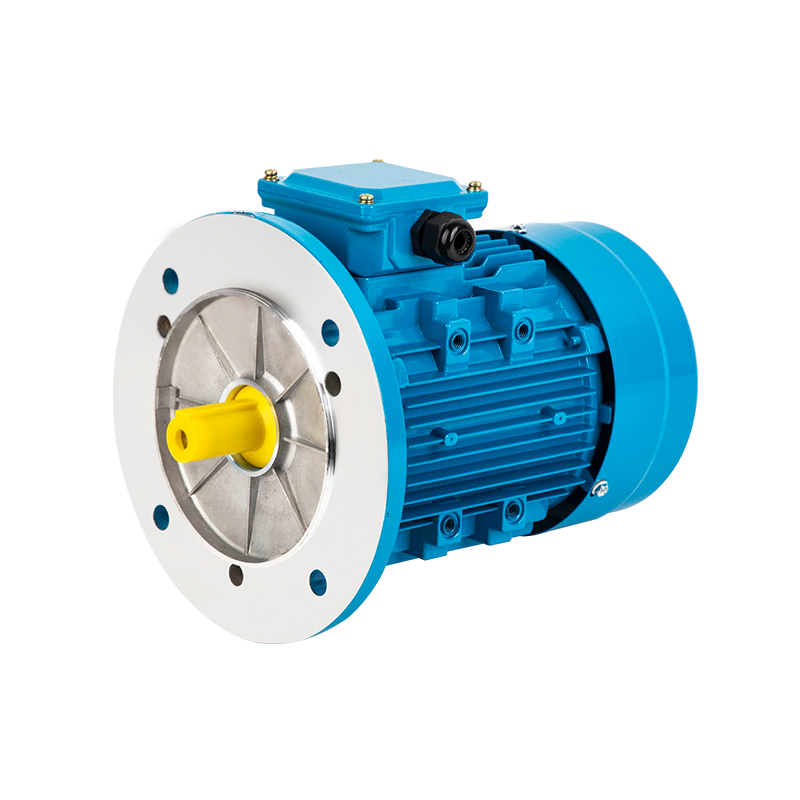
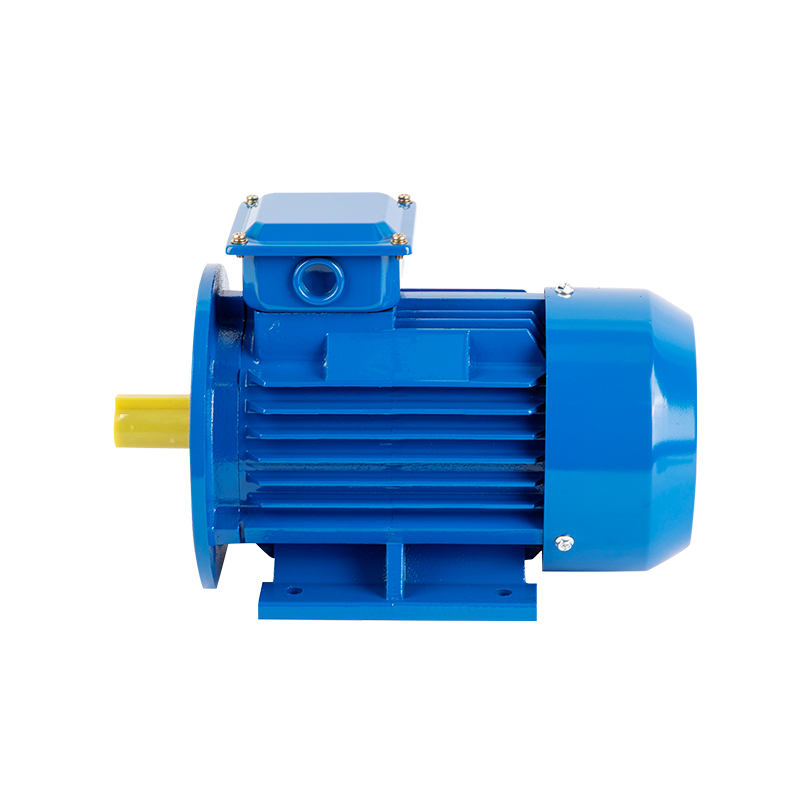
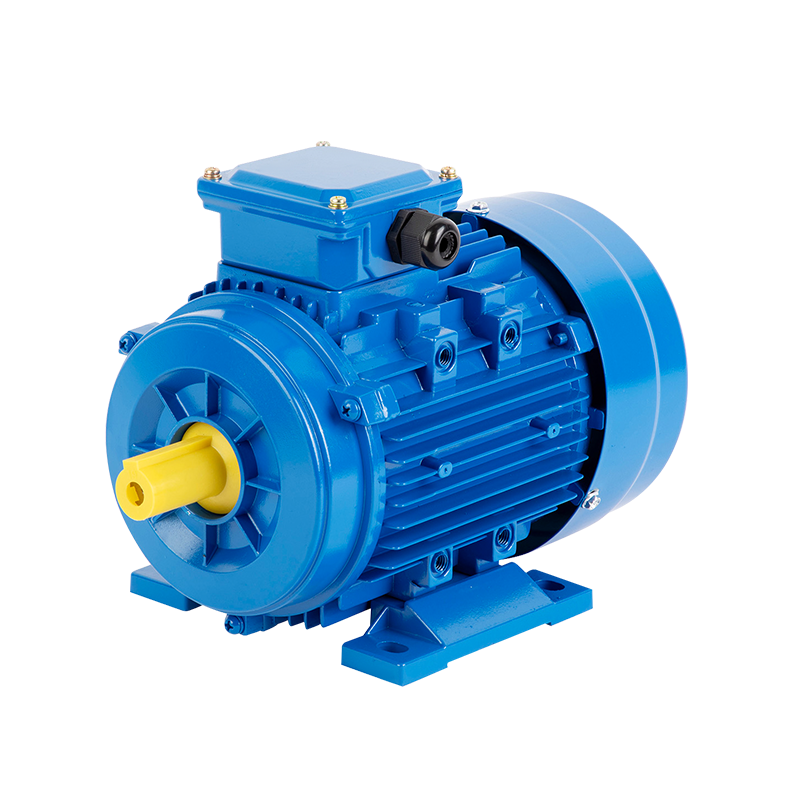
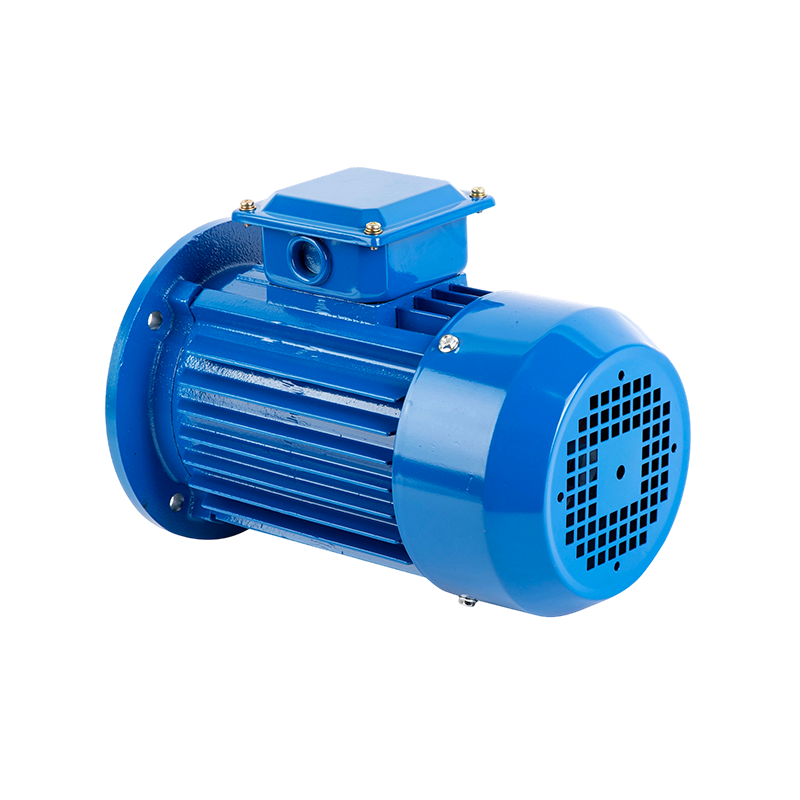
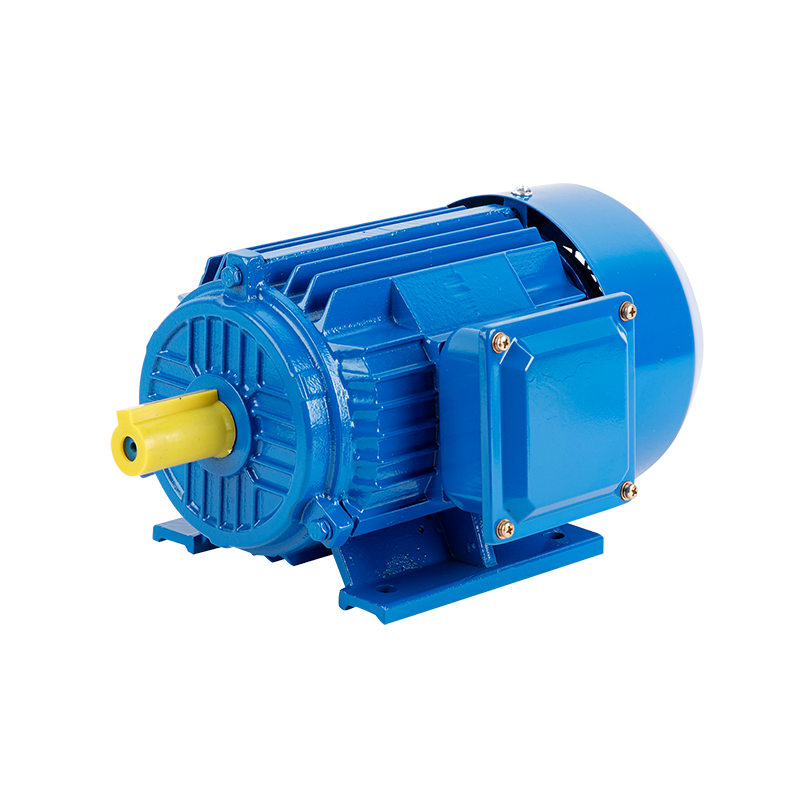
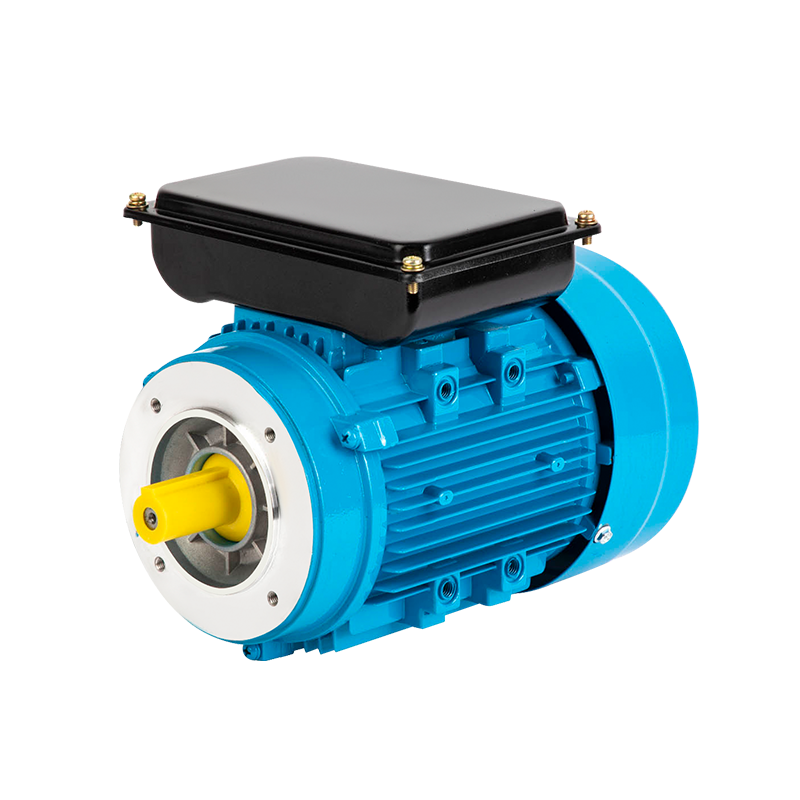
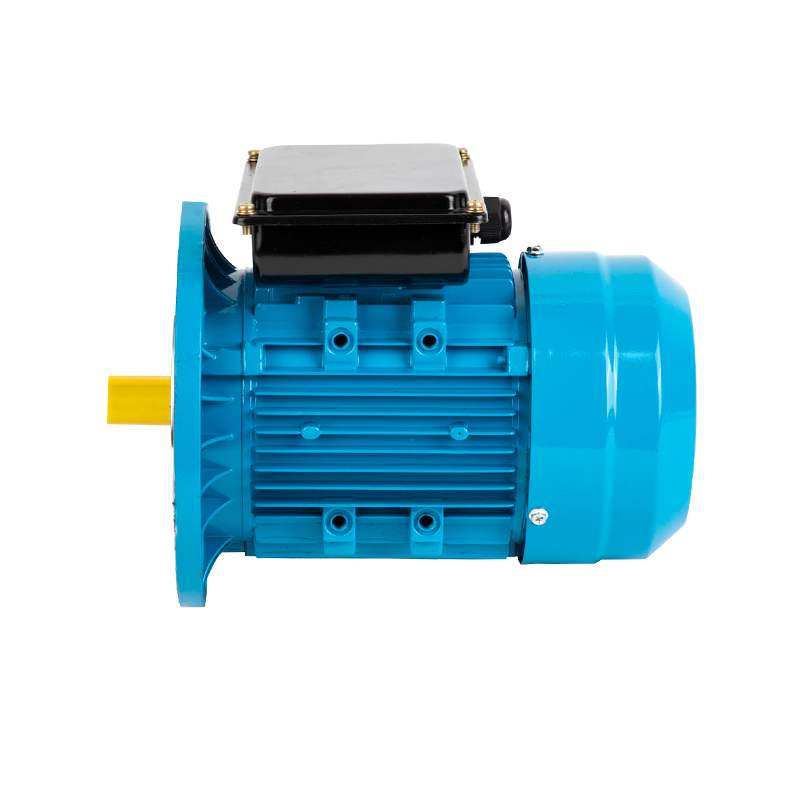
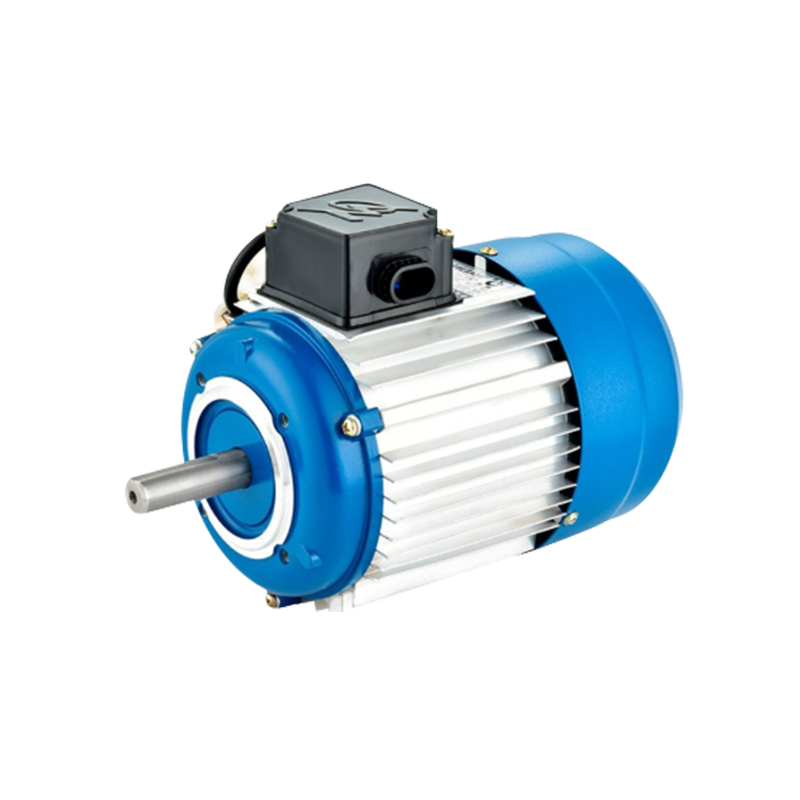
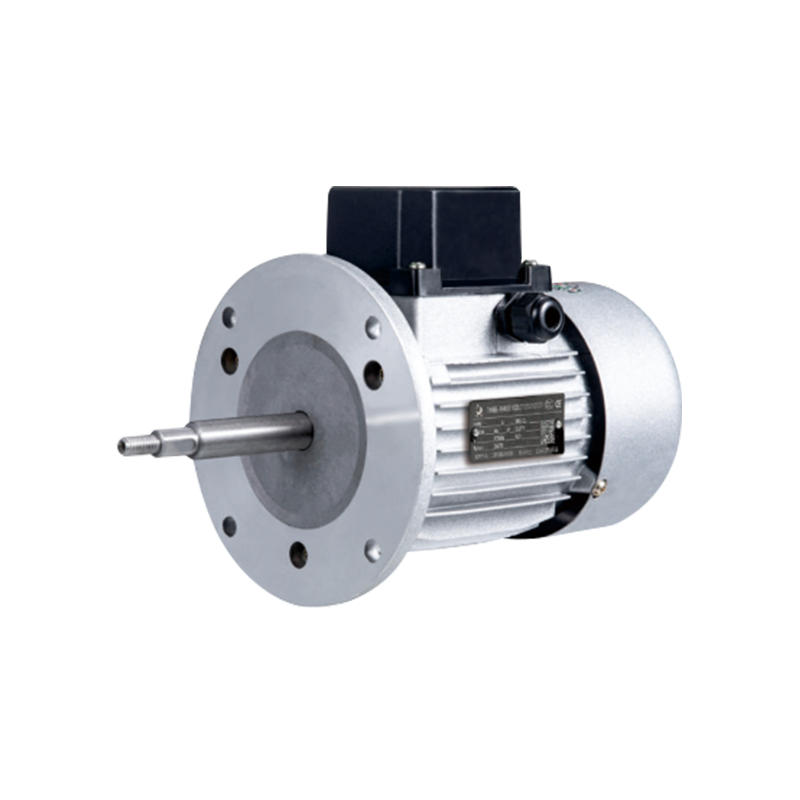
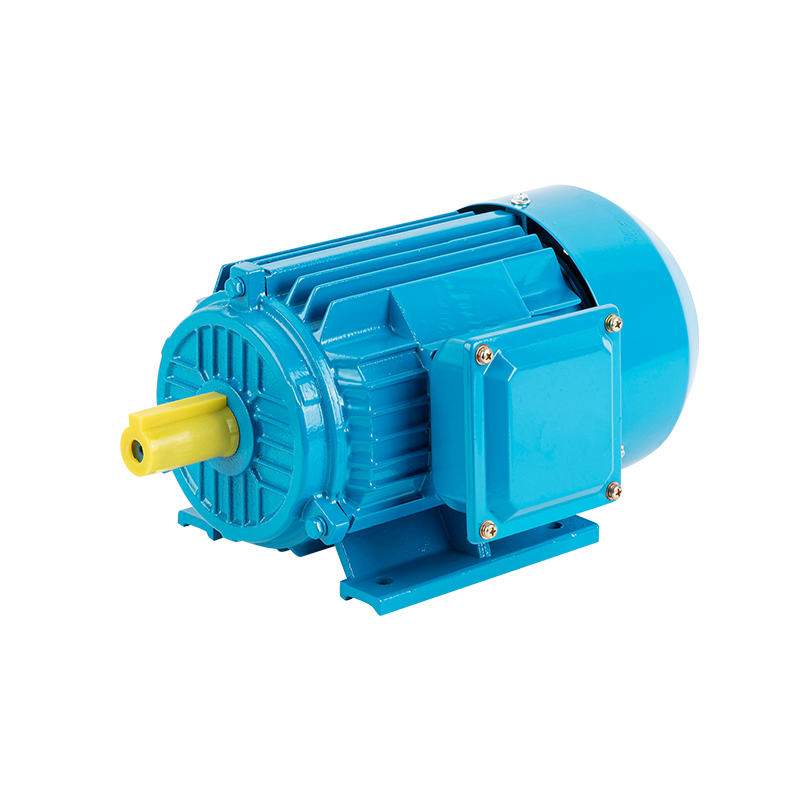
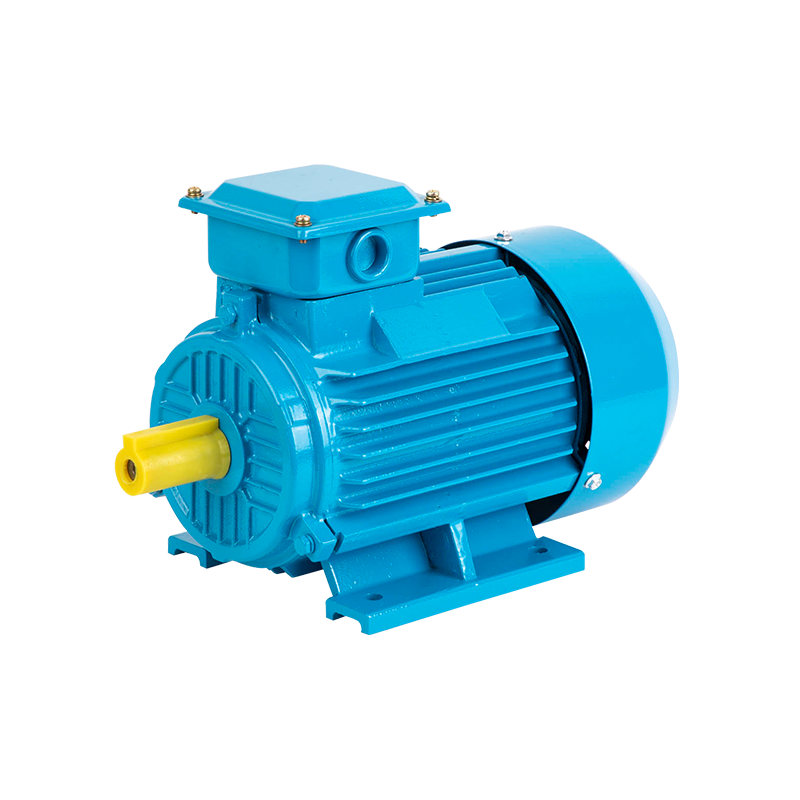
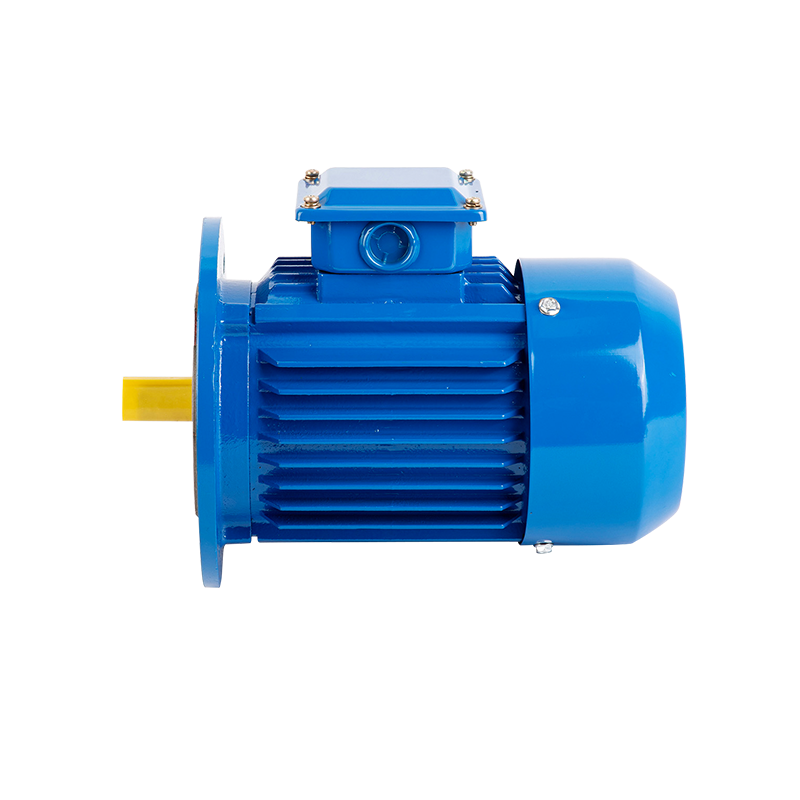
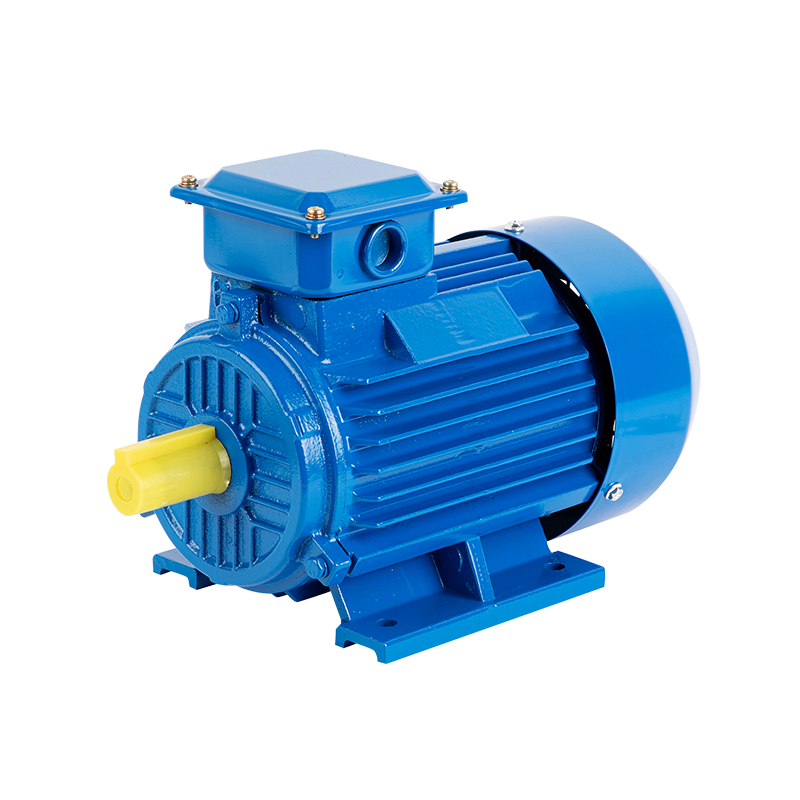
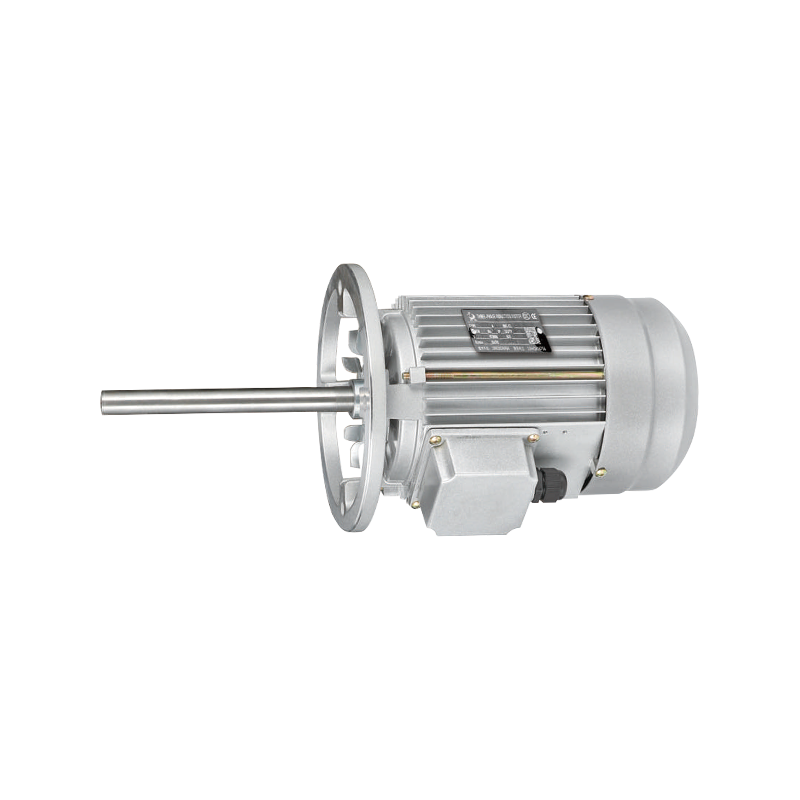
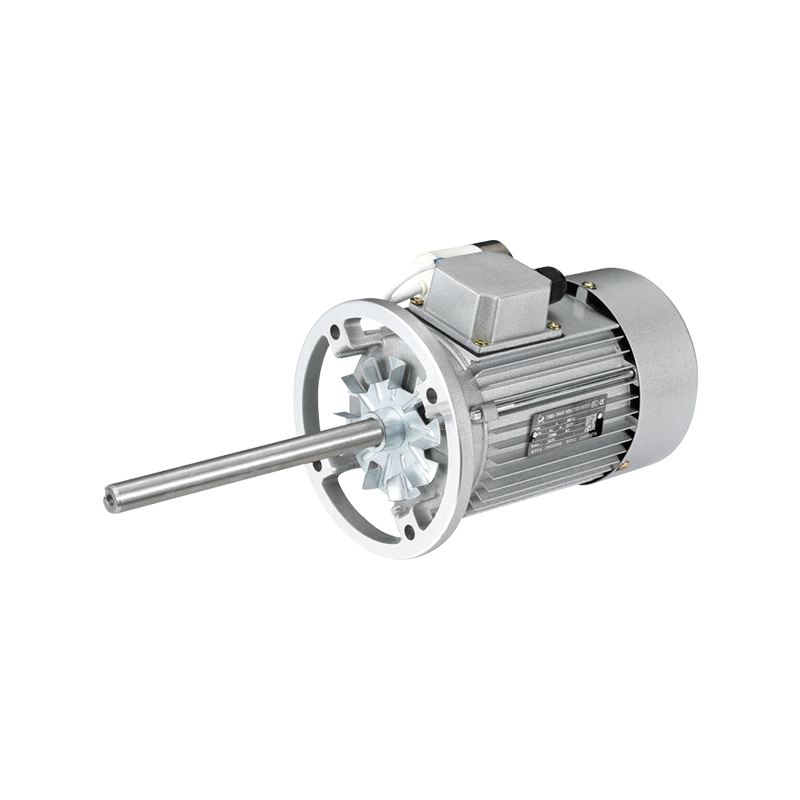
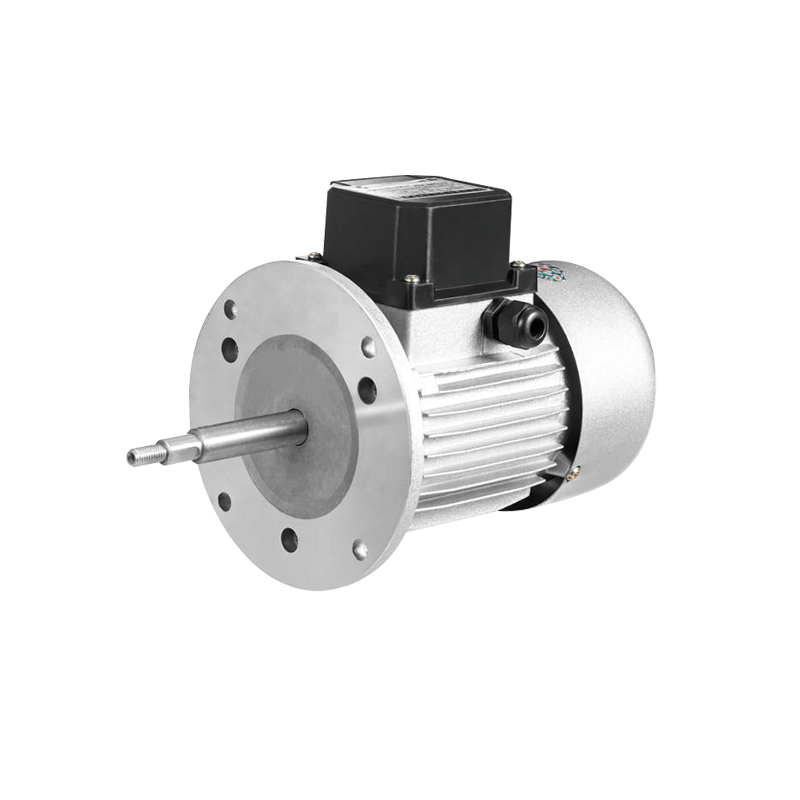
For plants running pumps, fans and general machinery, our YE3 series three phase asynchronous motor is the usual starting point, while heavier duty or longer running schedules often justify the YE4 series. If the application is unusual, an OEM custom electric motor built around your mounting and shaft requirements is often a better fit than adapting a standard frame.
Questions Buyers Ask Us Often
Can a three phase induction motor waste energy and still run normally?
Yes. That is what makes it hard to catch. The motor will start, carry load and hold speed while drawing more than it should. Only a comparison over time, or a check of current against a known baseline, reveals the gap.
Does fitting a drive always reduce consumption?
No. A drive saves energy when the load varies and the process can run slower. On a motor that already runs at its duty point for long hours, the gain may be small. The load profile decides, not the device.
How often should efficiency be checked?
For critical drives, a yearly comparison of current, temperature and vibration against a recorded baseline is enough to catch a trend early. For the rest of the plant, a walk-through during scheduled shutdowns usually finds the obvious cases.
Is a rewound motor as good as a new one?
It can serve well for years, particularly if the rewind is done properly. But each thermal cycle takes something out of the insulation system, and the original efficiency should not be assumed once a machine has been rebuilt more than once.
Energy waste is unusual among plant problems because it never stops production and never triggers an alarm. It simply continues, shift after shift, until someone decides to measure it.
The five signs above are not diagnostic instruments. They are reasons to look. A warm housing, a changed note, a bill that no longer tracks output, a valve doing the job of a drive, and a repair history that has become routine all point in the same direction.
If you are unsure whether a motor on your line is pulling more than it should, send us the nameplate details and a short description of the duty. We can tell you what to measure next, and whether the frame you have is still the right one for the job it is doing.


