 English
 Español



Building 1, Block 4, Wufeng Industrial Park, Daxi Town, Taizhou City, Zhejiang Province, China
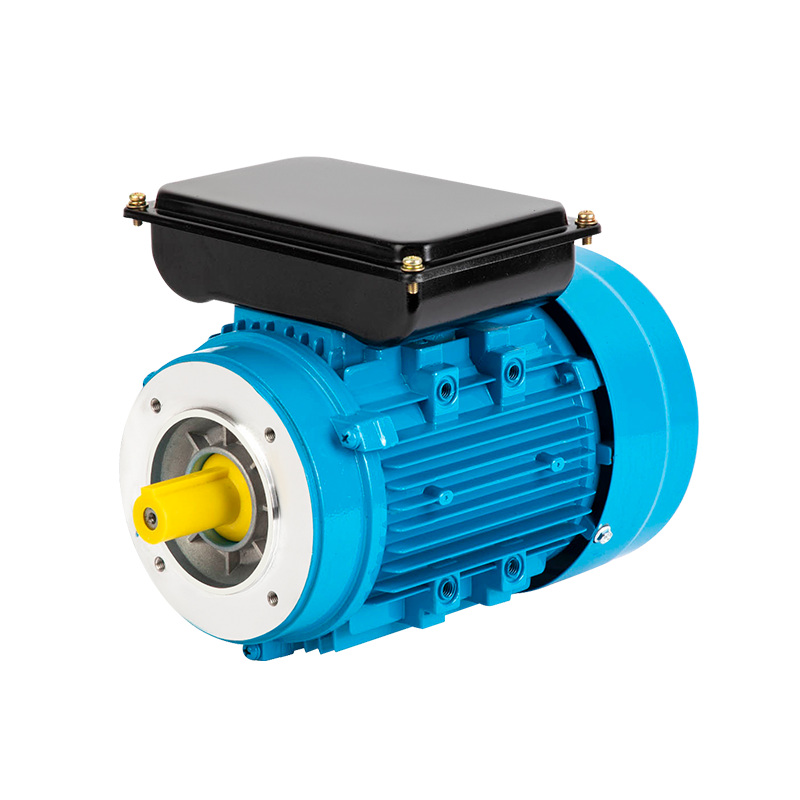
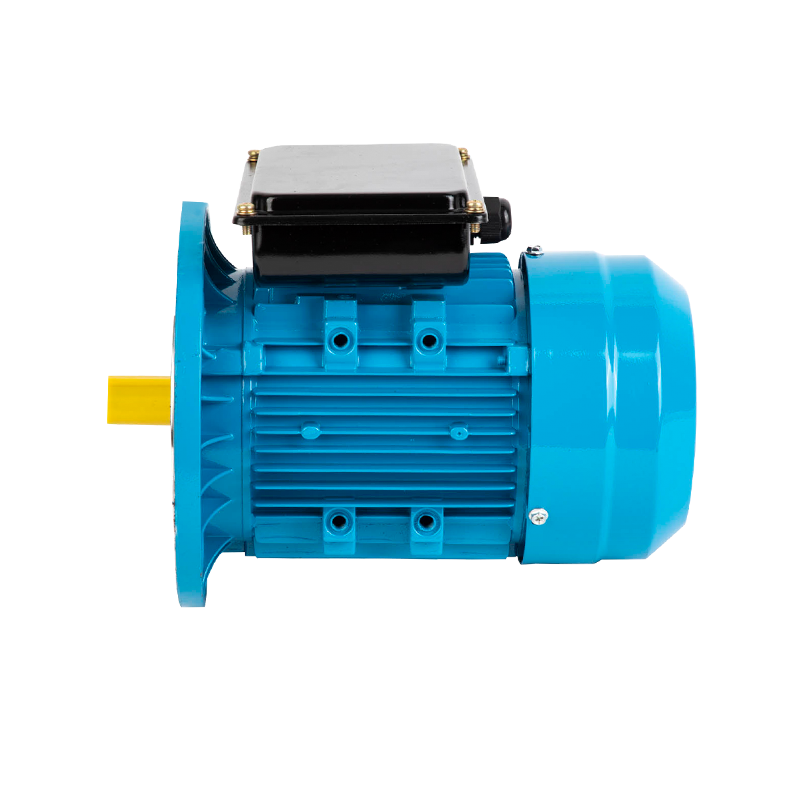
Installing a single phase AC motor system looks simple at first glance. Many people treat it as a standard step in equipment setup, something that only requires fixing the motor in place and connecting the wiring. In real working environments, things are rarely that straightforward.
A motor is not just a standalone unit. It becomes part of a working system that includes mechanical load, electrical supply, installation structure, and daily operating conditions. If any part of this system is not well understood before installation, the motor may still run, but the behavior of the whole setup can feel less stable than expected.
Understanding the real working situation before installation starts
Before any physical installation begins, it is worth taking a moment to understand how the system will actually be used. This step is often skipped, but it has a direct influence on long term behavior.
How the system is expected to run in daily use
A single phase AC motor can be used in many different types of equipment. Each application has its own working pattern.
Continuous operation or repeated starting
Some systems run for long hours without interruption. Others start and stop frequently depending on demand.
These two situations affect how the motor behaves over time. Continuous operation focuses more on stability, while frequent starting places more attention on starting behavior and heat changes.
Stable load or changing load conditions
In some systems, the load remains relatively stable during operation. In others, resistance changes depending on process conditions.
For example, a pump system may face different flow resistance during operation. A small workshop machine may experience varying load depending on material or usage.
Understanding this difference helps avoid mismatch during installation.
Environmental conditions around the system
The installation environment often has a stronger impact than expected.
Temperature and heat accumulation
If the surrounding area is already warm, heat generated during operation may take longer to dissipate.
Air movement and ventilation
Good airflow helps maintain stable operating conditions. Poor ventilation may lead to gradual heat buildup.
Dust, moisture, and surrounding conditions
Industrial or workshop environments often contain particles or moisture. Over time, these factors can influence motor behavior if not considered during installation planning.
Mechanical preparation before connecting the motor
Once the working situation is understood, the next step is mechanical preparation. This is where many small issues usually begin.
Alignment between motor and load system
Even when a motor is suitable for the application, improper alignment can still affect performance.
Shaft positioning accuracy
If the motor shaft is not properly aligned with the driven equipment, the system may still operate, but vibration can gradually increase.
Transmission method setup
Depending on the application, the motor may be connected through belts, couplings, or direct connection. Each method behaves differently and requires proper setup.
Stability of the mounting structure
The surface or base where the motor is installed plays an important role in long term behavior.
Firmness of installation base
A stable base helps reduce unwanted movement during operation.
Contact consistency
Even contact between motor and mounting surface supports smoother operation over time.
Electrical preparation before starting the system
After mechanical setup, attention should shift to the electrical side of the installation.
Power supply behavior and stability
Single phase systems depend on consistent electrical conditions.
Supply variation awareness
Small changes in power behavior can influence how smoothly the motor starts and runs.
Connection quality and wiring condition
Loose or unstable connections may not stop operation immediately, but can lead to irregular behavior during use.
Control and switching setup considerations
Depending on the application, the motor may include different control elements.
Starting method selection
Some systems use direct starting, while others use controlled or assisted starting methods depending on load conditions.
Basic protection arrangement
Protection elements help reduce unnecessary stress during abnormal operating conditions.
First operation after installation and what it reveals
The first time the system runs is more than just a test. It provides practical feedback about how well the installation has been done.
What can be observed during initial startup
The system often shows early behavior patterns within the first few minutes of operation.
Sound during starting phase
A smooth and consistent sound usually indicates good alignment and load matching.
Initial vibration level
Small vibration at startup can indicate minor mechanical mismatch or installation variation.
Short observation period after startup
After initial operation, it is useful to observe the system for a short period.
Temperature behavior during early use
Heat should increase gradually and remain stable during operation.
Overall running smoothness
The system should feel steady rather than irregular or inconsistent.
Common situations that appear after installation
Even when preparation is done carefully, some issues may still appear during real operation.
Gradual vibration development
Vibration may not appear immediately. It often develops slowly during operation.
This is usually related to alignment, mounting conditions, or load interaction.
Heat behavior changes over time
Temperature is expected to rise during operation, but the pattern should remain stable.
If heat behavior changes noticeably, it may indicate environmental or load-related factors.
Sound variation during operation
Changes in sound are often one of the earliest signs that something in the system is shifting.
Experienced operators often notice this before any measurable change occurs.
Practical checklist before final installation
Instead of complex procedures, a simple practical checklist is often more effective in real environments.
System level preparation
- Understand load type and behavior
- Confirm operating pattern during daily use
- Check surrounding environmental conditions
Mechanical preparation
- Shaft alignment condition
- Mounting surface stability
- Transmission connection method
Electrical preparation
- Power supply stability
- Wiring condition and connection quality
- Starting and control method
Early operation observation
- Startup sound behavior
- Initial vibration level
- Temperature trend during early operation
Why preparation directly affects long term operation
Many operational issues do not appear immediately. They develop slowly over time due to small mismatches during installation or setup.
When preparation is done carefully, the system usually behaves in a more predictable way during daily use.
This does not eliminate all issues, but it reduces uncertainty and helps the system run more consistently.
How real operators approach installation work
In practical environments, installation is rarely a purely technical procedure. It is more like a combination of setup, observation, and small adjustments.
Adjustment during installation
Technicians often make minor adjustments while installing to improve alignment or reduce vibration.
Listening and observing during operation
Sound and vibration are still commonly used indicators in real workshops and industrial environments.
Confirming stability over time
Instead of assuming everything is correct immediately, stability is confirmed after short-term operation.
A single phase AC motor system does not depend only on the motor itself. It depends on how well the motor, load, environment, and electrical conditions are understood and prepared before installation.
When these factors are considered together, the system is more likely to operate in a stable and predictable way.
In real applications, the goal is not complexity. It is consistency. A system that runs smoothly without frequent adjustment usually reflects careful preparation before installation even began.


