 English
 Español




Building 1, Block 4, Wufeng Industrial Park, Daxi Town, Taizhou City, Zhejiang Province, China
Demand for the industrial suction pump is rising because factories face several pressures at once: energy costs, cleanliness requirements, and the need to keep lines running with fewer unplanned stoppages. Market research also describes steady growth in vacuum equipment over the coming years.
What Is Pushing Factories Toward Suction Technology Right Now?
No single event explains the trend. Several shifts are happening side by side, and together they raise the value of a dependable suction system.
Are Production Lines Becoming More Automated?
In many plants, yes. Robotic arms, pick-and-place heads, bag sealers, and sheet feeders often rely on negative pressure to grip, lift, or move items. A task that once used human hands may now depend on a pump running quietly in the background.
When a line works two or three shifts a day, the pump is no longer a side accessory. It becomes part of the core process. If suction weakens, output can slow. If the pump stops, the line may have to wait.
Why Do Quality Requirements Feel Stricter Than Before?
Buyers in food, packaging, cosmetics, and electronics now ask detailed questions about contamination control, consistency, and record keeping. A suction system that runs steadily through long shifts helps a plant answer those questions with documents and test records.
Is Cost Control Part of the Story?
It is a large part. Electricity forms a notable share of running cost in many factories, and a pump that operates for long hours adds up over a year. Purchasing teams increasingly look at lifetime cost, not only the price on the quotation.
Is the Vacuum Market Really Growing?
Independent research points to expansion, though the figures differ because each firm defines the market in its own way.
- One report values the global vacuum pump market at about 6.6 billion US dollars in 2025 and projects about 9.7 billion by 2033, with an annual growth rate near 5.1 percent.
- Another report uses a broader scope. It estimates a larger starting value and expects growth toward 2035 at a rate near 5.5 percent.
The exact number matters less than the direction. Both sources describe a market that is expanding. When you use market data in a proposal, name the source and the year, and avoid mixing figures from different reports.
Why Are Dry and Oil Free Designs Getting Attention?
Industry commentary lists the move toward dry and oil free vacuum pumps as one of the main trends shaping industrial demand. The reasons are easy to understand.
- Cleaner surroundings: Some designs are built to reduce the chance of oil mist reaching products or the work area.
- Lighter upkeep: Some designs are built to reduce oil handling and disposal.
- Simpler documentation: Fewer oil related steps can make routine records easier to manage.
Oil sealed models still serve many heavy duty tasks, and some buyers prefer them for certain loads. The useful question is not which type is newer. It is which type fits your process, your site, and your maintenance team.
How Do the Two Types Compare in Daily Use?
| Factor | Dry or Oil Free | Oil Sealed |
|---|---|---|
| Oil handling | Reduced in many designs | Includes oil checks and changes |
| Routine care | Depends on model | Depends on model |
| Typical settings | Food, packaging, labs, electronics | Heavy industrial duties |
| Purchase cost | Varies by design | Varies by design |
Real results depend on the model, the duty cycle, and the environment. Ask your supplier to match the advice to your own line.
Why Has Energy Use Become a Management Topic?
A pump that runs for long hours consumes a great deal of electricity across twelve months. That is why energy efficiency now appears in management meetings and not only in engineering notes.
Trade articles also name energy efficient design as a clear direction for new vacuum pumps. In practice, buyers tend to look at three points:
- The efficiency class of the motor that drives the pump.
- How well the pump size matches the real load, so power is not wasted.
- Whether the unit can run steadily without frequent restarts.
Does the Motor Choice Really Change the Bill?
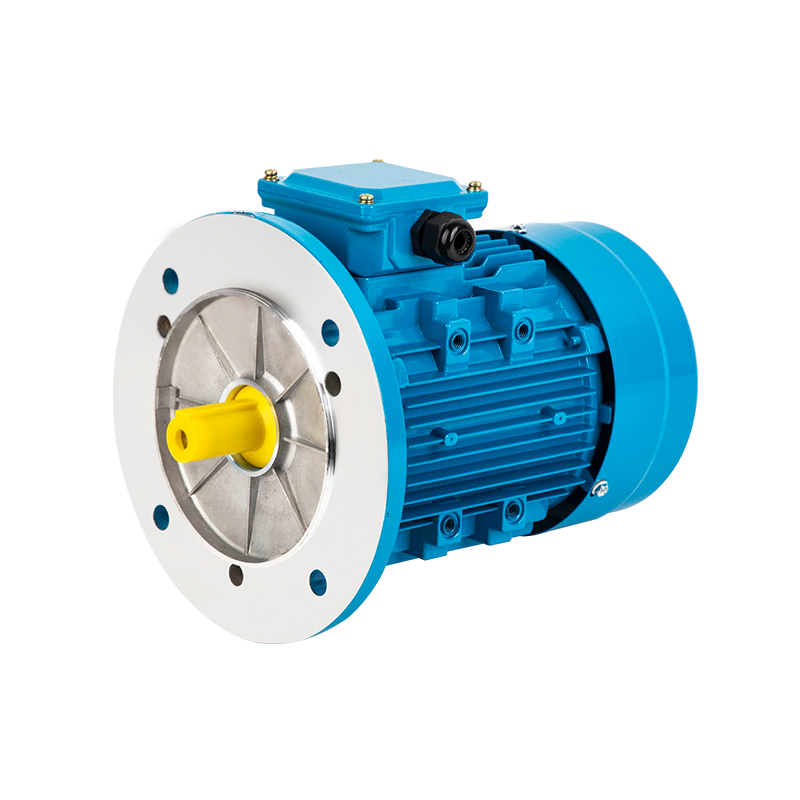
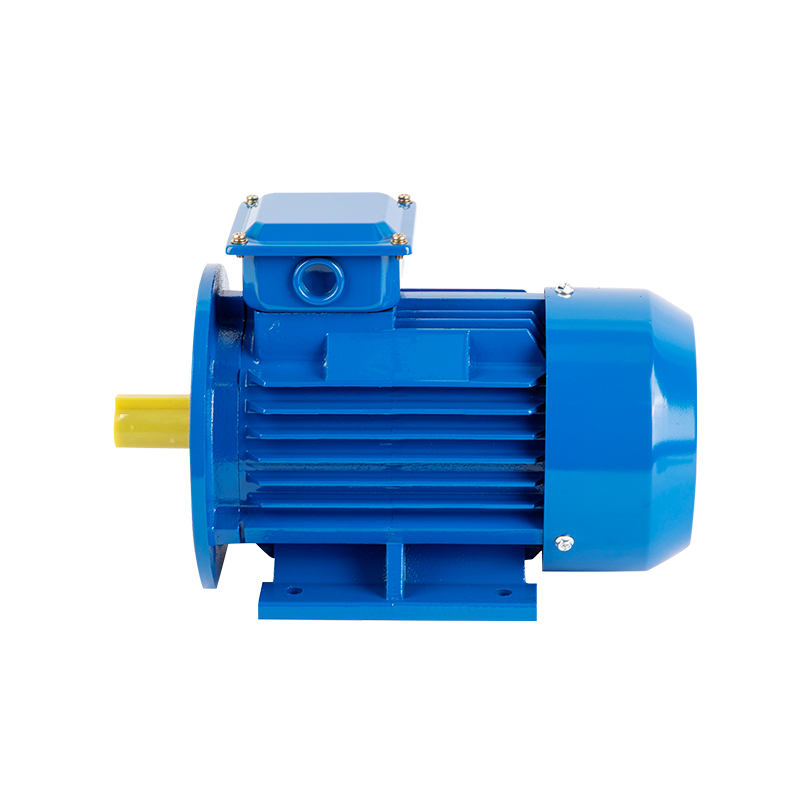
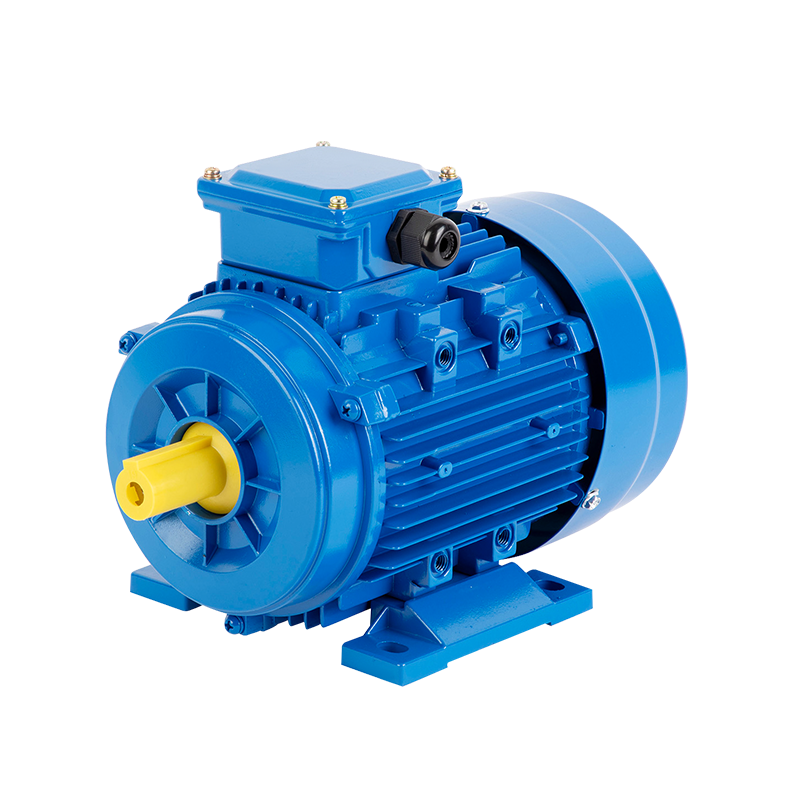
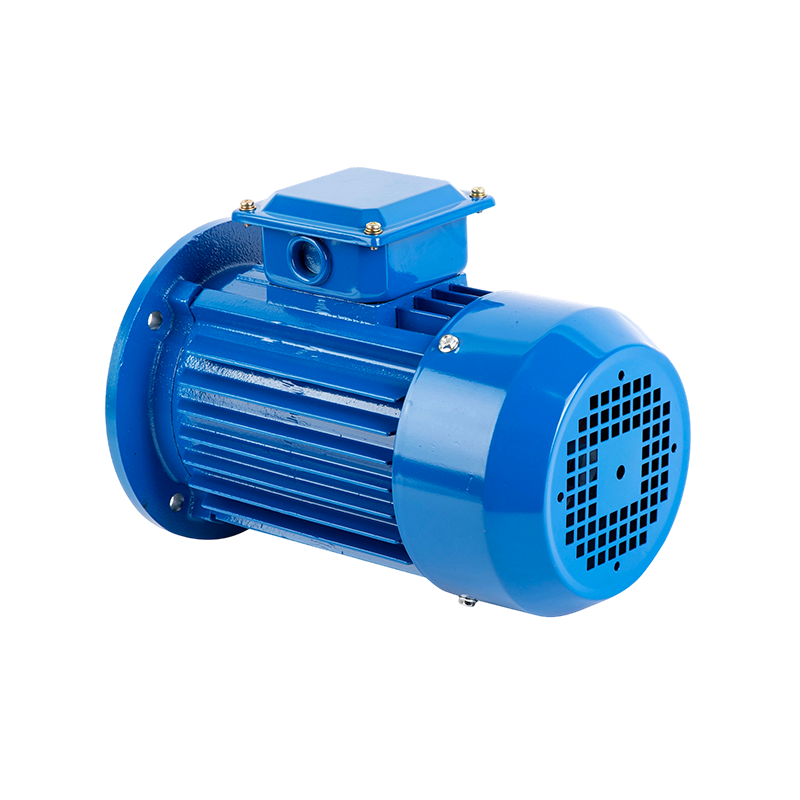
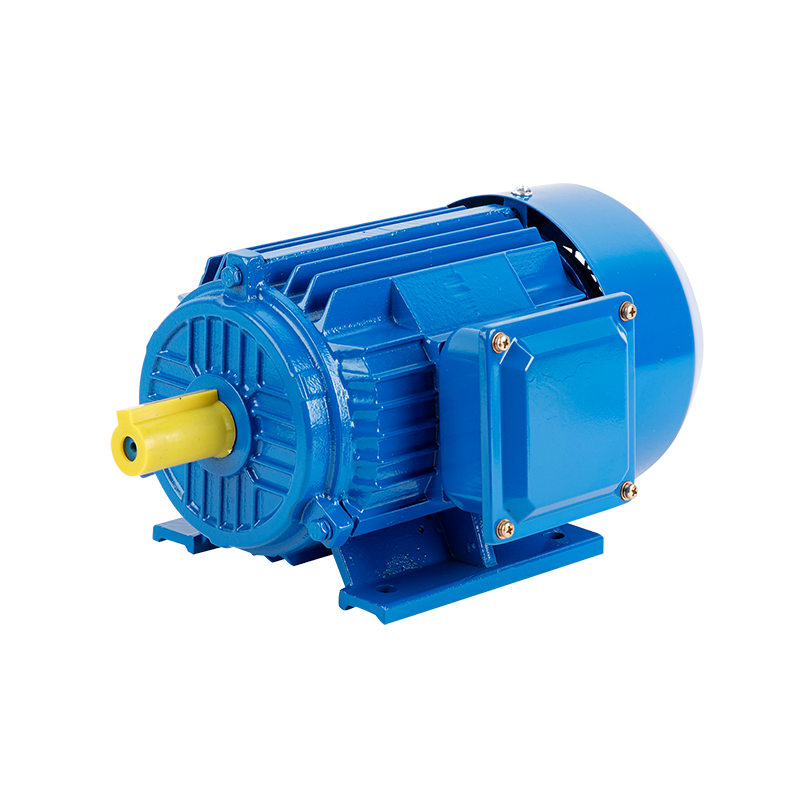
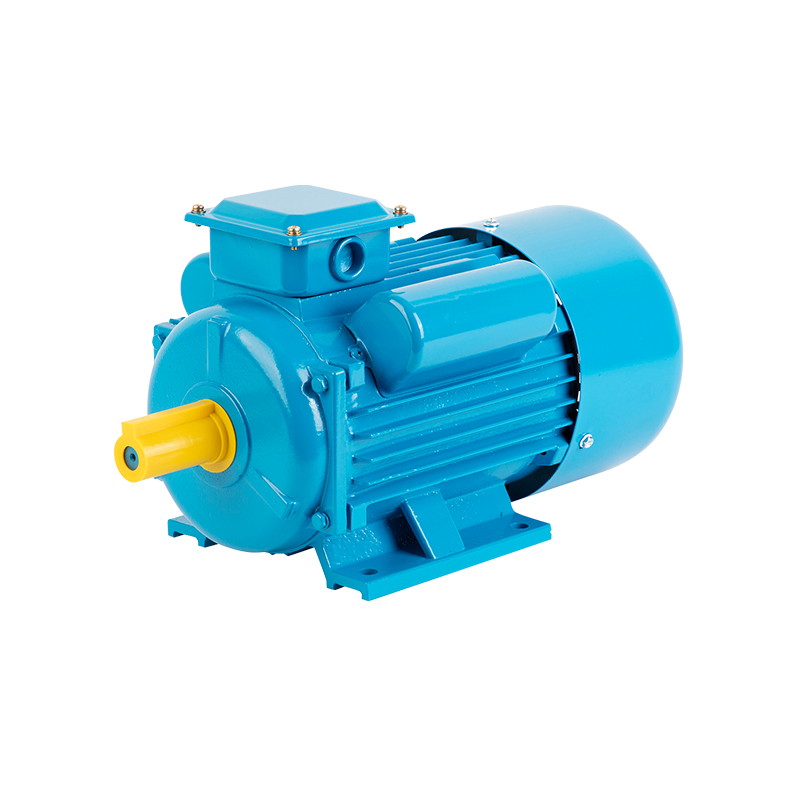
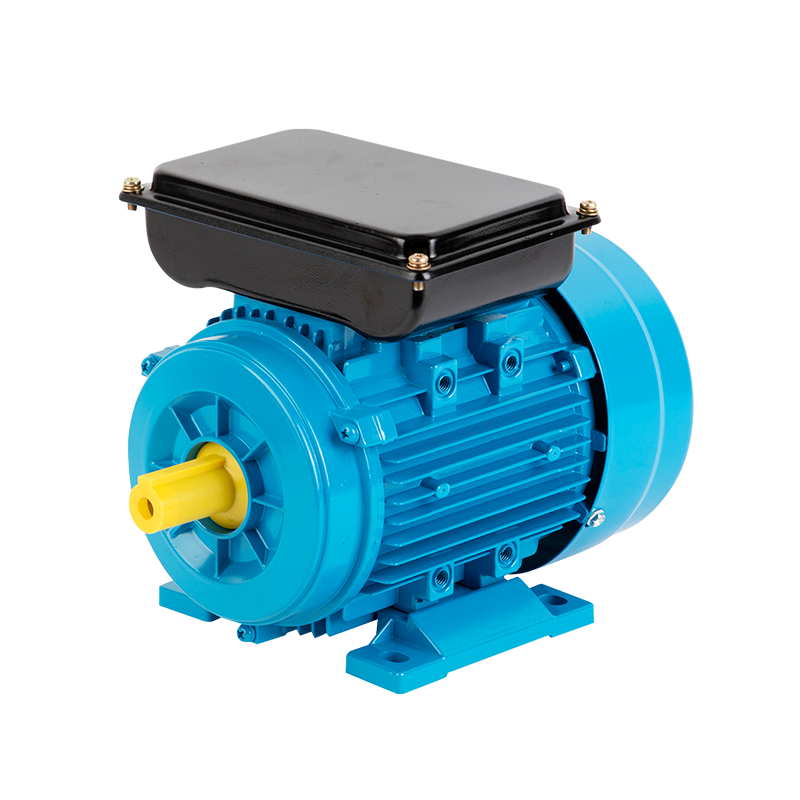
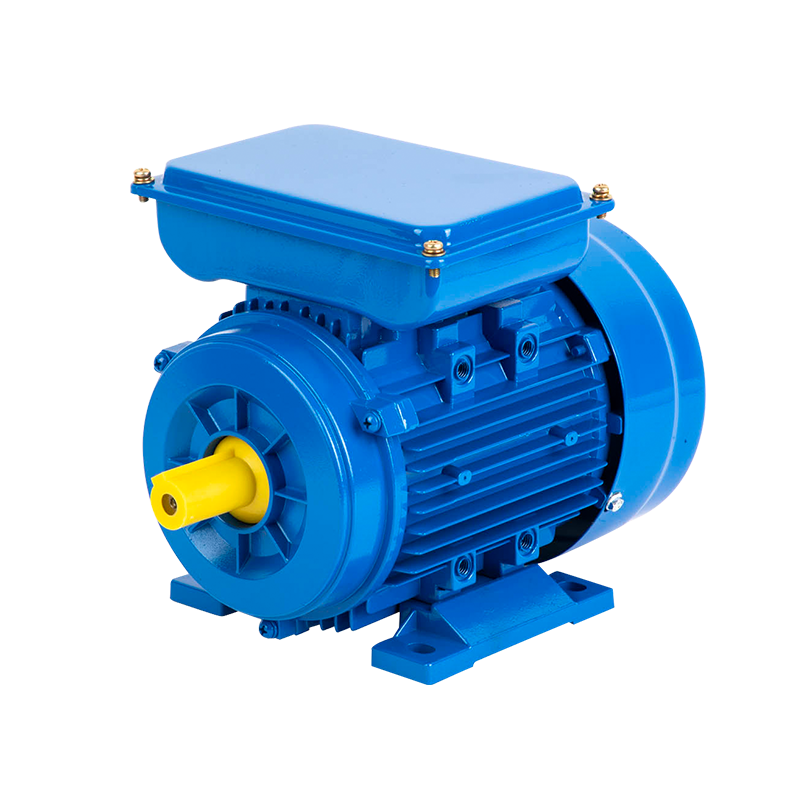
It can. The motor turns electricity into motion, and its design affects how much power is lost as heat. A well matched, efficient motor can help reduce running cost over time. We say can help because the outcome depends on usage hours, load, and maintenance habits.
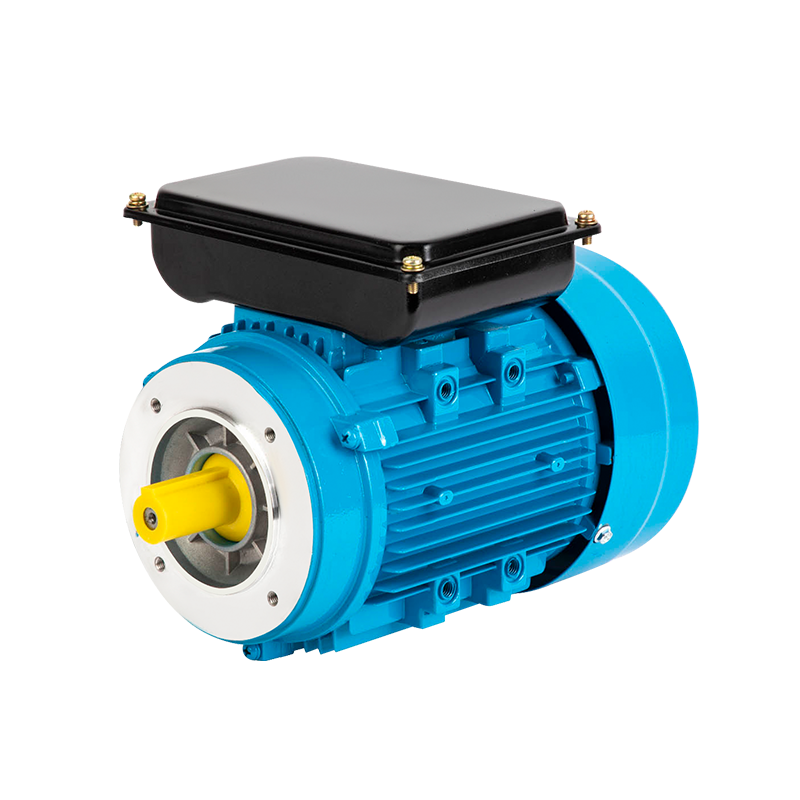
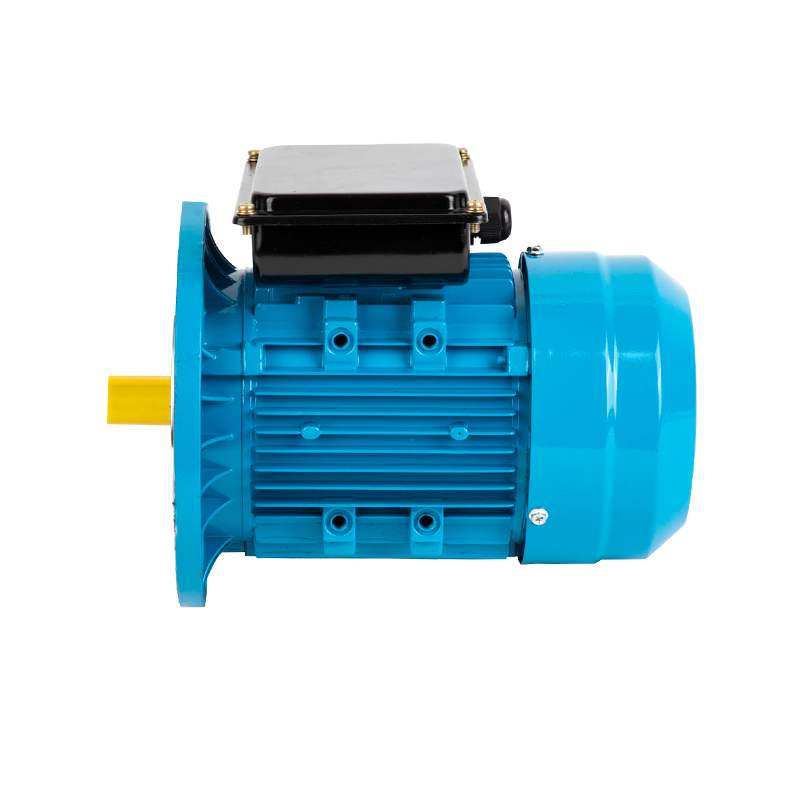
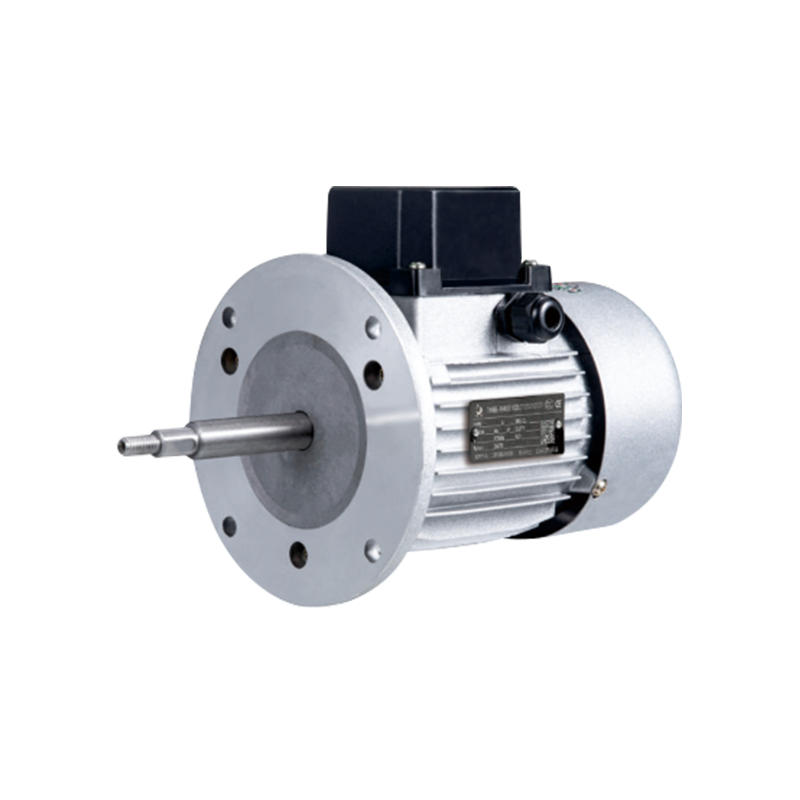
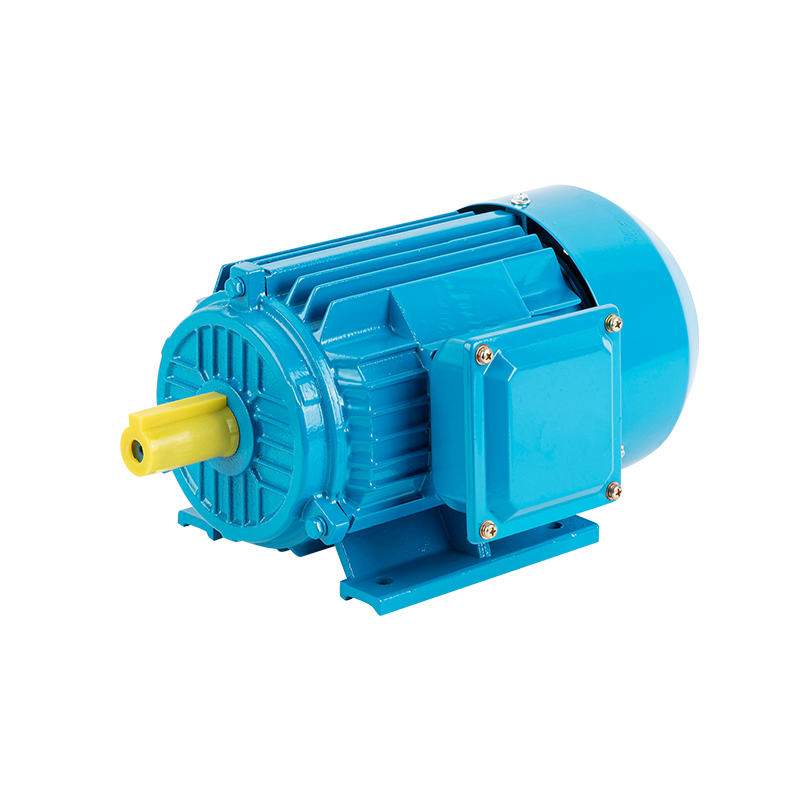
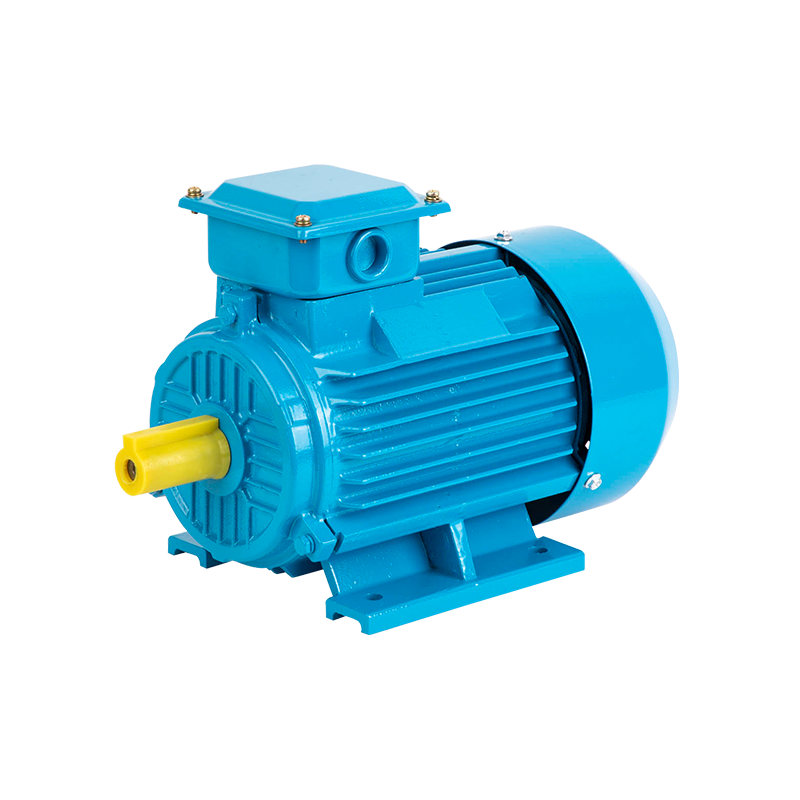
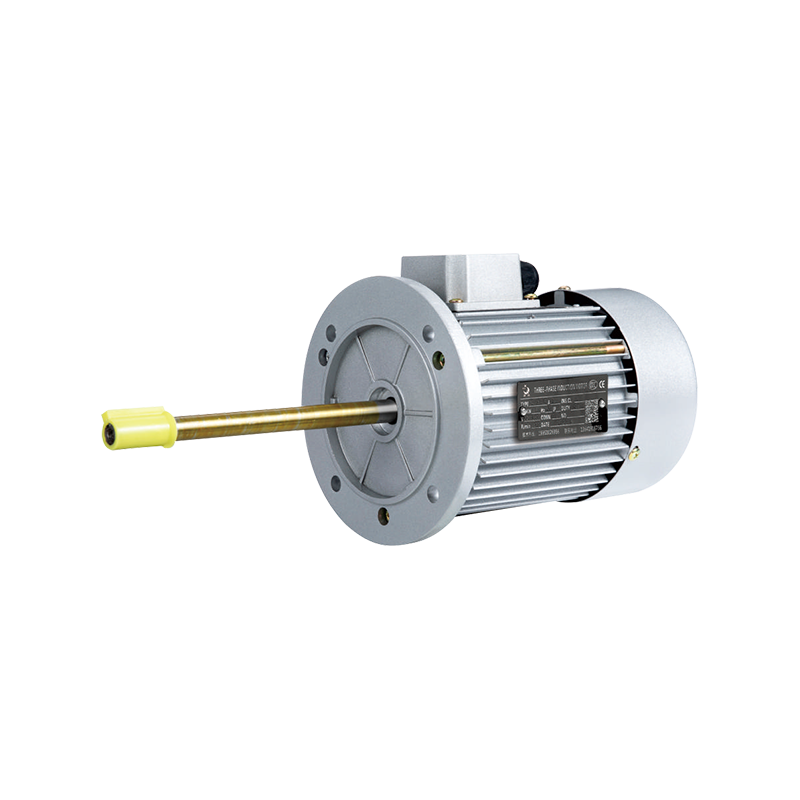
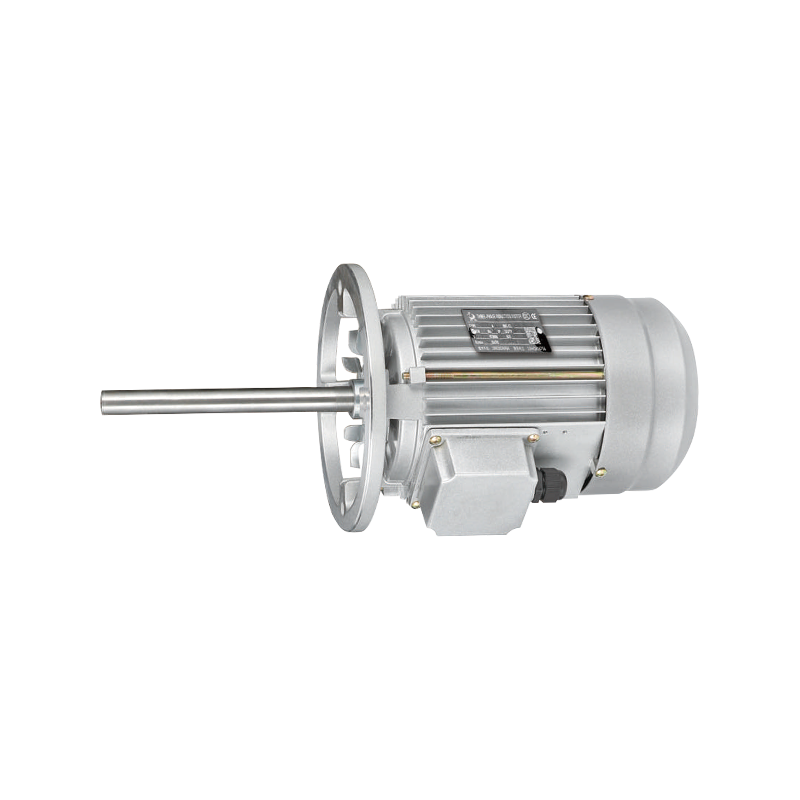
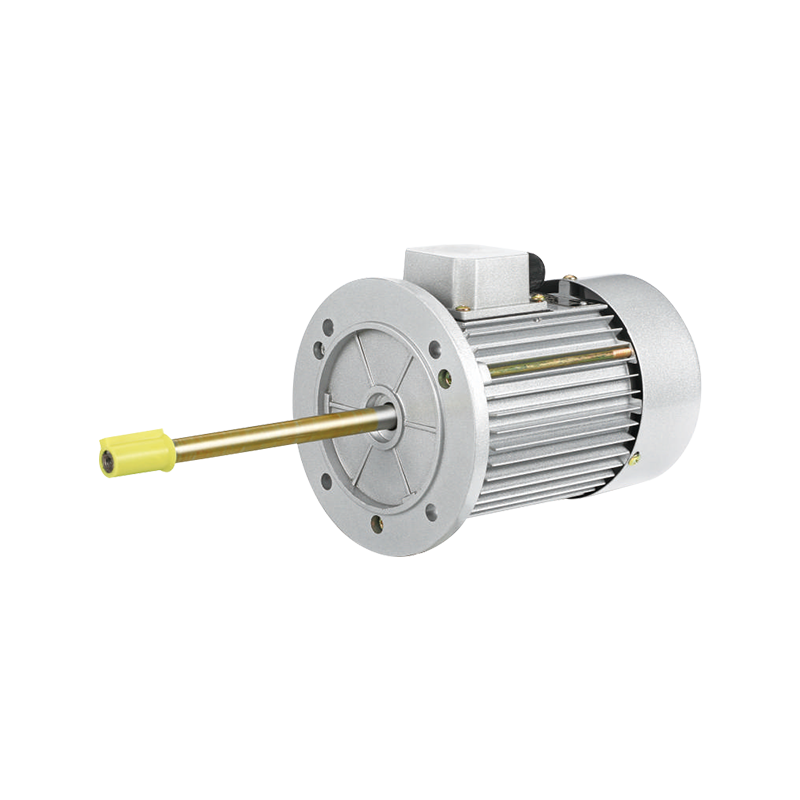
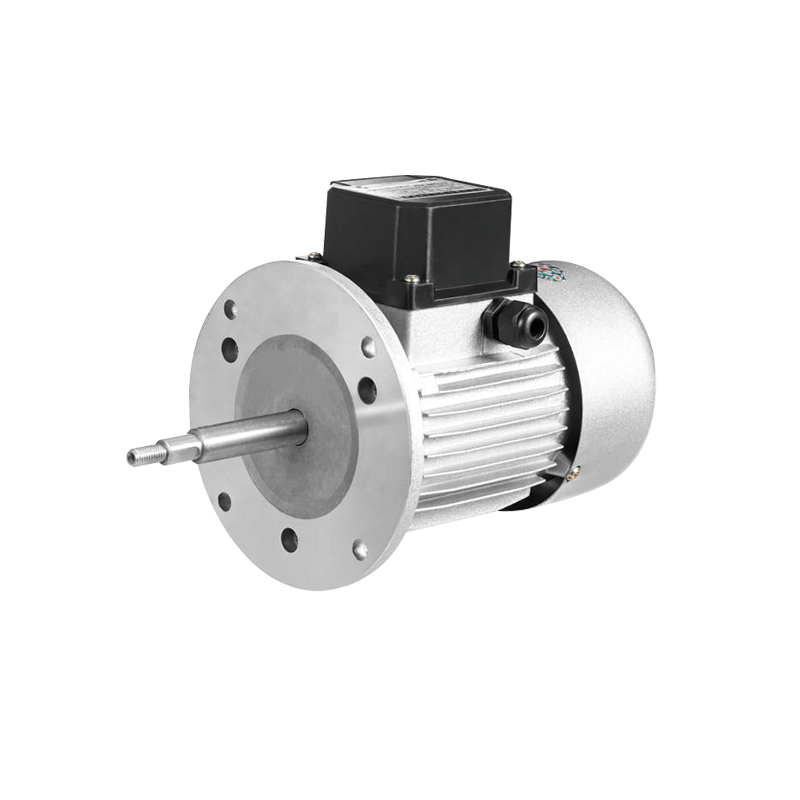
A manufacturer that builds both motors and electric vacuum pumps sees this link every day. Buyers who study the whole system, not just the pump head, usually form a clearer picture of long term cost.
What About Choosing a Unit That Is Too Large?
Some plants buy a larger unit just to feel safe. The result can be wasted power and extra wear. A short review of the real task, such as what must be held, how fast, and for how long, helps match the pump to the job.
How Are Monitoring and Quiet Operation Changing Purchases?
Two newer factors keep appearing in industry discussions: condition monitoring and noise level.
What Can Monitoring Tell a Plant Manager?
Basic sensors can track temperature, vibration, and running hours. This information can help maintenance teams notice a developing problem before it halts production. They can then book service during a quiet shift.
You do not need a fully digital factory to benefit. A simple weekly log of running hours, sound, and heat can reveal early warning signs at very low cost.
Why Does Noise Matter More Today?
Workers spend long shifts near equipment. A quieter machine can make the workplace more comfortable. Industry sources note that lower noise designs are drawing growing interest.
When you compare options, ask for the test conditions behind any noise statement. A figure without conditions tells you very little.
Which Industries Are Using Suction Equipment?
Vacuum technology reaches into many sectors. The examples below describe common uses and make no claim about market share.
- Packaging: Holding, sealing, and moving sheets, pouches, and containers.
- Food processing: Handling and conveying tasks where cleanliness matters.
- Woodworking and furniture: Holding panels in place during cutting and shaping.
- Printing and paper: Feeding and positioning sheets with care.
- Electronics assembly: Picking and placing small parts.
- Laboratories and general manufacturing: Filtration, degassing, and support systems.
Each sector has its own needs. A plant that moves light boards has different demands from one that handles heavy sealed containers, so a single approach rarely suits every site.
What Problems Do Buyers Frequently Report?
Learning from common issues can save time and money. These points come up in many factory conversations.
- Weak suction after some months: Often linked to clogged filters, hose leaks, or worn seals.
- Heat build-up: Poor ventilation around the unit or a duty cycle beyond its intended use.
- Unusual sound: Can signal loose parts, worn bearings, or a blocked intake.
- Unexpected power draw: May point to a mismatch between pump size and workload.
These situations often come from site conditions or missing routine care, not only from the product itself. A clear service plan from the supplier makes them easier to prevent.
What Should You Check Before Choosing a Supplier?
A careful purchase saves trouble later. Use this practical checklist.
- Define the task. Write down what the pump must hold, lift, or remove, and how many hours a day it will run.
- Match the type to the process. Decide whether a dry or oil sealed design suits your cleanliness needs.
- Look closely at the motor. Ask about motor type, efficiency class, and how it is paired with the pump.
- Ask about testing. A responsible manufacturer can explain how each unit is checked before shipping.
- Check service support. Spare parts, upkeep guidance, and clear communication all matter after delivery.
- Review customization. Some projects need special mounting, voltage, or connection formats.
- Request documents. Certificates and test records give you something concrete to review. Confirm that each document matches the product you plan to buy.
Which Mistakes Are Worth Avoiding?
- Choosing by price alone and ignoring running cost.
- Picking a unit that is too large for the task.
- Skipping routine inspection because the pump seems fine.
- Ignoring dust, humidity, or temperature at the install site.
- Failing to share working conditions with the supplier before ordering.
Frequently Asked Questions
What is an industrial suction pump used for?
An industrial suction pump creates negative pressure to hold, lift, move, or remove air and other media in a production process. It supports tasks such as packaging, material handling, and assembly.
How is it different from a general vacuum pump?
The terms overlap. In many factories, people use suction pump to describe a vacuum pump that handles holding or removal tasks. Names vary by region and supplier, so confirm the technical details on the product page.
How can I extend the service life of an industrial suction pump?
Follow the maker's service schedule, keep filters and vents clean, avoid running the unit beyond its intended duty, and watch for changes in sound, heat, or suction strength. Regular care can help reduce the chance of sudden stoppage.
Is an electric model suitable for every plant?
Electric models fit many settings because they are simple to install and control. Sites with special conditions, such as heavy dust or high humidity, may need a different design. A short talk with the supplier is a sensible step.
What should I prepare before asking for a quotation?
Prepare your power supply details, the working environment, the type of material handled, daily running hours, and any mounting or connection needs.
Does a quieter pump always cost more to run?
Not necessarily. Noise level and running cost are separate topics. Ask the supplier for both sets of information, along with the test conditions, before you compare.
What Does This Mean for Your Next Purchase?
Rising demand for the industrial suction pump reflects real changes in how factories work: more automation, closer attention to cleanliness, stronger focus on energy use, and growing interest in monitoring and quieter operation.
For buyers, the useful step is to look beyond the pump head. Consider the motor, the process, the upkeep plan, and the support behind the product. A supplier who explains these points in plain language is usually easier to work with over the long term.
If you are planning a new line or upgrading an existing one, explore our range of electric vacuum pumps and share your working conditions with our team. We can help you review options that match your process.


