 English
 Español




Building 1, Block 4, Wufeng Industrial Park, Daxi Town, Taizhou City, Zhejiang Province, China
Neither housing wins on its own. A three phase asynchronous motor lasts longer when the frame material matches the place it has to work, and that answer changes the moment you move from a clean pump room to a wet yard, a vibrating press line or a coastal site.
We cast and machine both aluminum and iron frames, and the question comes up in nearly every enquiry that involves a replacement. Buyers often assume iron is the heavier duty answer and aluminum the cheaper one. The reality is more useful than that, and it is worth ten minutes before you place an order.
What Actually Decides How Long a Three Phase Asynchronous Motor Lasts?
Housing material is one factor among several, and it rarely acts alone. The life of a three phase asynchronous motor is shaped by four things: how hot the winding runs, how much vibration reaches the frame, how aggressive the surrounding air and water are, and how often the machine is started.
A heavy iron frame in a poorly ventilated corner will not outlast a well ventilated aluminum unit. A light aluminum frame bolted to a rigid base in a dry hall can serve for many years. Material matters, but it works through those four channels rather than on its own.
The Two Jobs a Housing Has to Do
One is mechanical: it holds the stator and bearings in alignment. The other is thermal: it carries heat away from the winding. Every difference between aluminum and iron shows up in one of those two jobs.
Aluminum Housing: Where It Fits
Aluminum conducts heat well, so a well designed aluminum frame can shed winding heat effectively for its size. It is also light, which matters for wall mounted units, for equipment that moves, and for anything that has to be lifted into place by two people rather than a crane.
Machined aluminum also holds tolerances nicely, and the surface finish resists rust in normal indoor conditions. That is why aluminum frames are common on pump sets, small fans, woodworking machinery, food equipment and general purpose drives where the environment is reasonably dry.
Where Aluminum Reaches Its Limit
Aluminum is softer than iron. In a three phase asynchronous motor with an aluminum frame, heavy vibration can fret at the feet and at the flange, and repeated tightening of mounting bolts can wear the seats. In highly corrosive air, particularly with chlorides or certain chemical vapours, an untreated aluminum surface can pit. In applications where the frame is exposed to impact, or where the machine is rebuilt repeatedly over decades, iron usually holds up better.
Cast Iron: Where It Fits
Iron is stiff and dense. That stiffness keeps bearing alignment stable under load, and the mass absorbs vibration that would otherwise travel into the winding and the bearings. On press lines, crushers, heavy conveyors and large pumps, those two properties extend service life in a way that is easy to feel but hard to put on a datasheet.
Iron also tolerates repainting and repair. A chipped iron frame can be cleaned and coated on site. A damaged aluminum frame is more often a replacement. For plants that keep equipment for twenty years, that difference matters.
Where Iron Costs You
Weight is the obvious price. A heavier frame needs stronger brackets, more careful handling and, in some buildings, structural checks before installation. Iron also conducts heat less readily than aluminum, so the same thermal performance usually arrives in a larger, heavier package. And in wet or salty conditions, an uncoated iron frame will rust, sometimes from the inside out where condensation collects.
Side by Side: What Changes and What Does Not
| Factor | Aluminum Housing | Cast Iron Housing |
|---|---|---|
| Weight | Lighter, easier to handle and mount | Heavier, needs stronger support |
| Heat transfer | Good for its size | Needs more surface to do the same job |
| Vibration damping | Moderate | Noticeably better |
| Rigidity under load | Adequate for light and medium duty | Steady where loads surge |
| Corrosion indoors | Good, with normal finish | Good, if painted and drained |
| Corrosion outdoors or coastal | Needs proper coating | Needs proper coating and drainage |
| Repair after damage | Usually replaced | Often repairable |
| Typical applications | Pumps, fans, woodworking, light machinery | Heavy pumps, presses, crushers, long life assets |
The housing does not set the efficiency class. That comes from the electromagnetic design, the materials in the core and the winding, and the manufacturing discipline behind them.
The Weight Question Nobody Prices
Weight rarely appears in a quotation, and almost always appears on installation day. A heavier frame may need a different bracket, a crane instead of two people, a reinforced wall for a wall mounted unit, or a check on the roof structure before anything is lifted. None of that is printed in the price per unit.
The reverse is also true. A light frame that flexes on an underbuilt base will wear its bearings early, and the repair bill arrives months later, in a different budget, from a different supplier.
Before comparing two motors on price, look at what holds them up. The mounting is part of the machine, even when nobody lists it as a component.
Does the Housing Affect the Efficiency Class?
Not directly. A motor can reach a given efficiency class in either frame, and a well built aluminum unit can outperform a poorly built iron one. What the housing does influence is how steadily that efficiency is held over time.
If the frame keeps the winding cool and the bearings aligned, the motor stays close to its design condition for longer. If vibration loosens the feet or heat builds up because the fins are blocked, performance drifts. In that sense the frame protects the efficiency rather than creating it.
The Climate Question: Humidity, Salt and Chemicals
This is where many replacement decisions actually go wrong. A buyer compares two motors on a desk, chooses the one that looks sturdier, and installs it in an environment neither frame was prepared for.
- Dry indoor plant rooms. Either material works. Choose on weight, mounting and price.
- Wash-down areas. Water reaches the frame from above and collects at the bottom. Drainage and coating matter more than the metal.
- Coastal or marine air. Salt attacks both materials, though in different ways. Specify the coating for the site, not for the catalogue.
- Chemical plants. Check the vapour, not just the liquid. Some atmospheres attack aluminum that looks well protected.
- Cold stores and condensation. Frames that trap moisture inside will corrode from within, and a drain plug is worth more than a thicker wall.
Matching the Housing to the Application
A few patterns are worth remembering, because they repeat across industries.
Pumps and Booster Sets
Aluminum is common and sensible for clean water duties in dry plant rooms. For sewage, slurry or outdoor installations, the frame should be chosen for corrosion resistance and for the vibration that comes with an unbalanced load.
Fans and Air Handling
Weight often decides here, especially on roof mounted units and air handling boxes. Aluminum keeps the structure lighter, provided the mounting is rigid enough to prevent movement.
Woodworking and Light Machinery
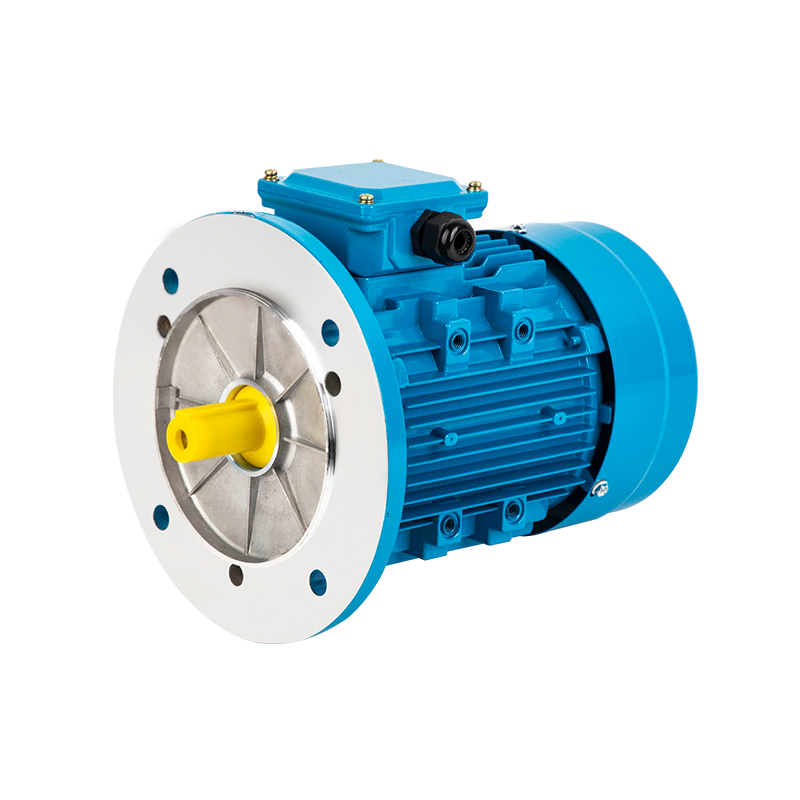
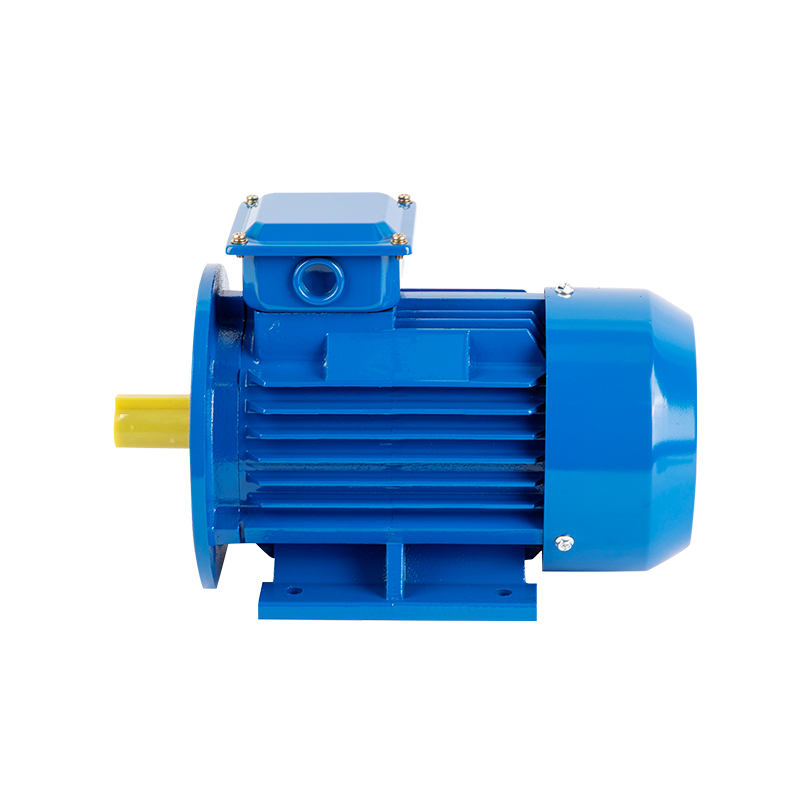
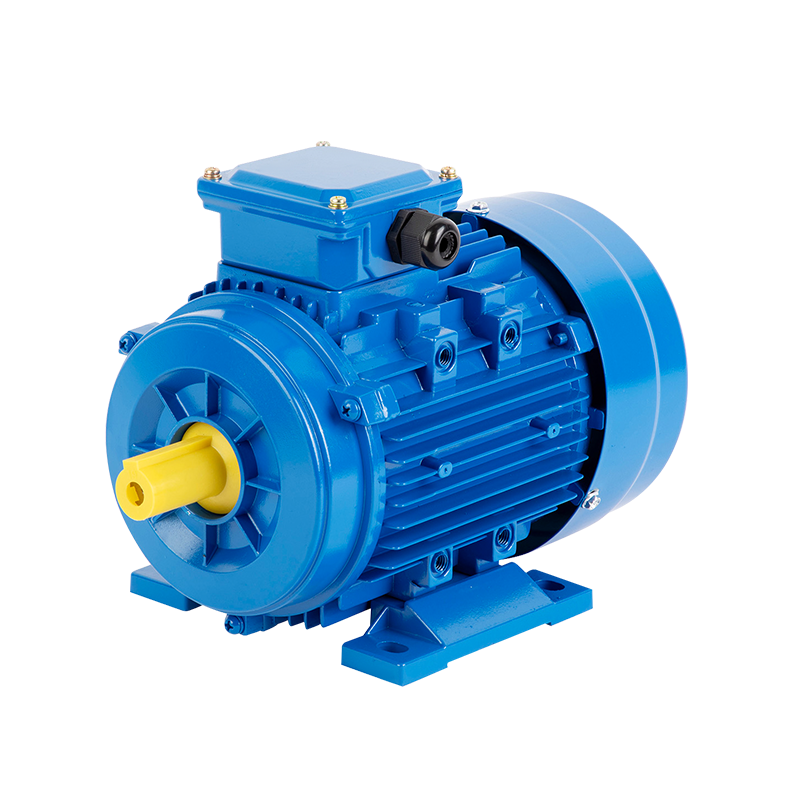
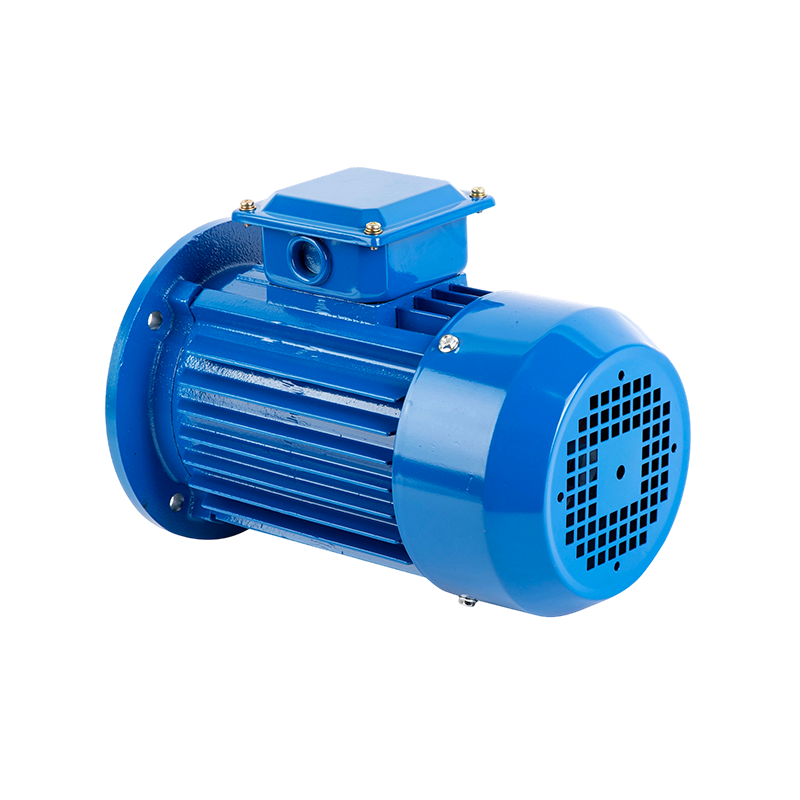
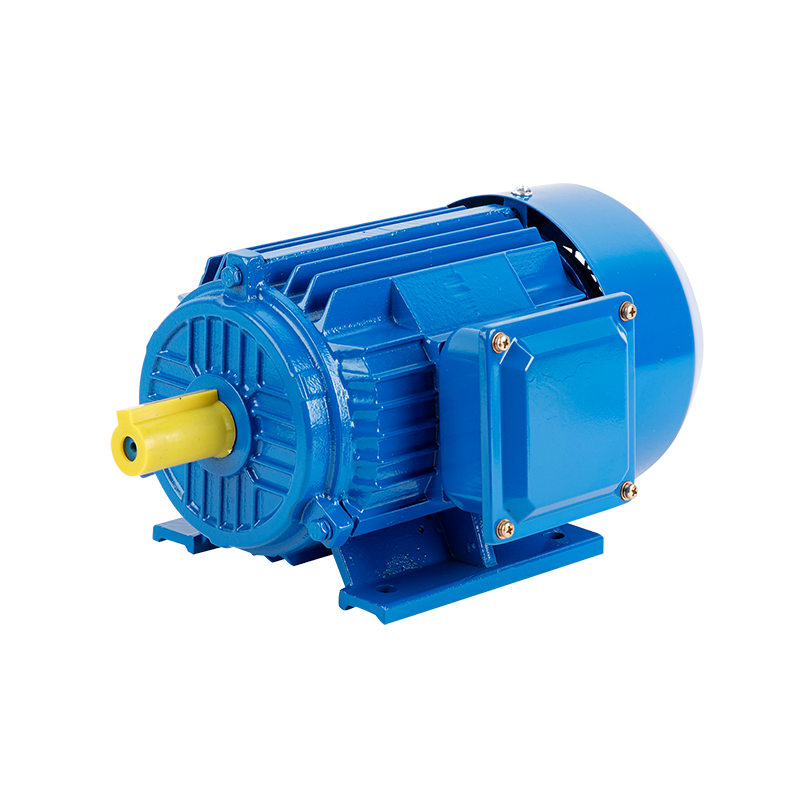
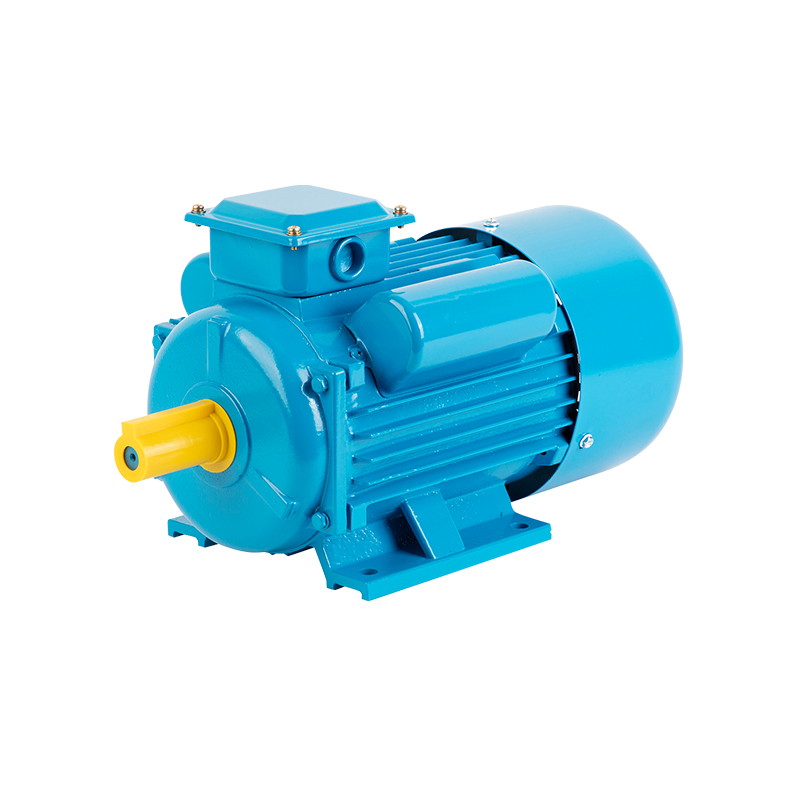
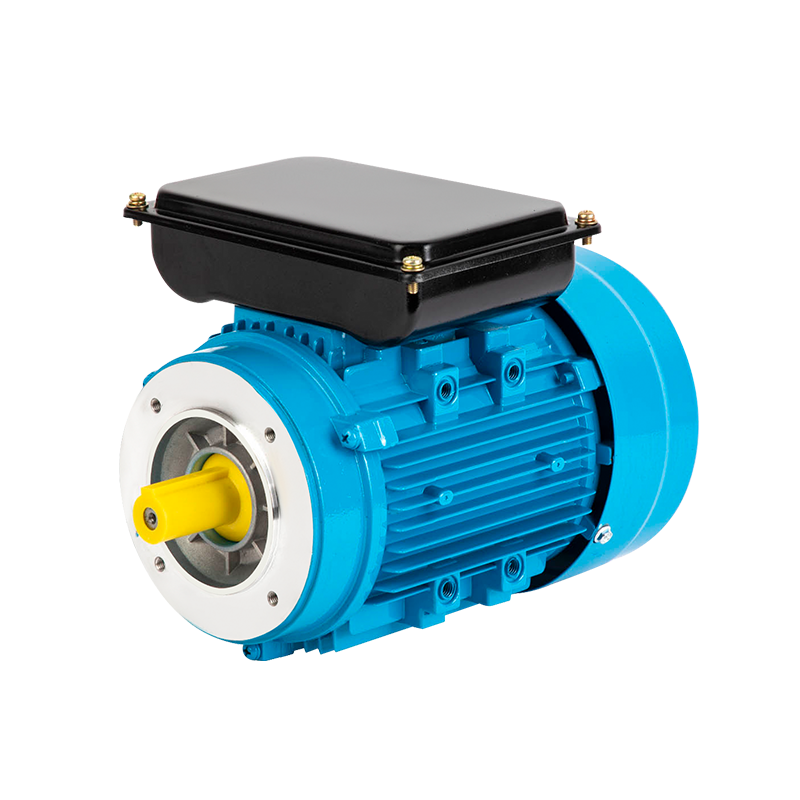
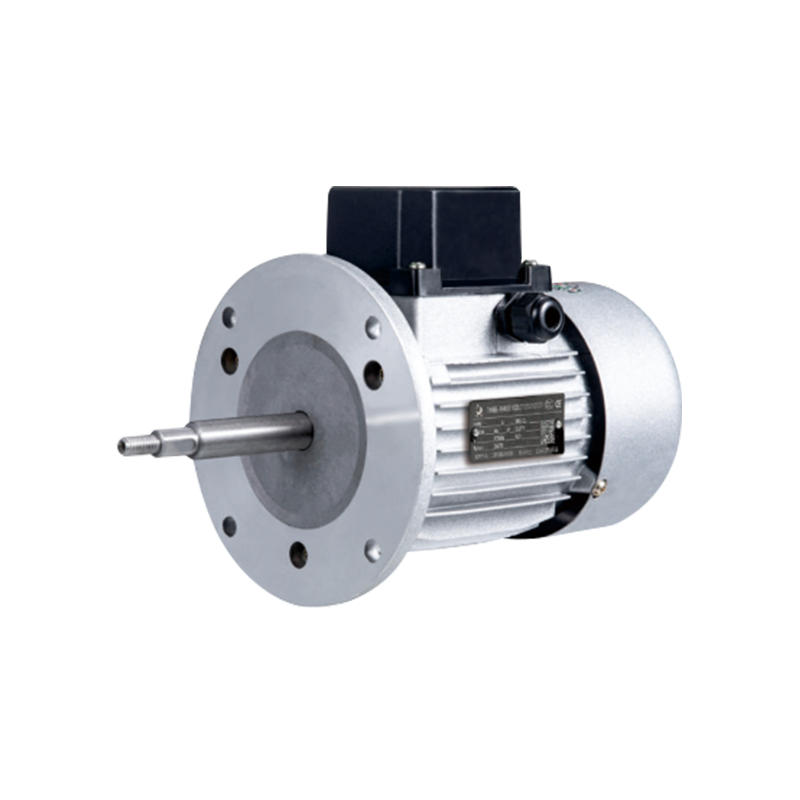
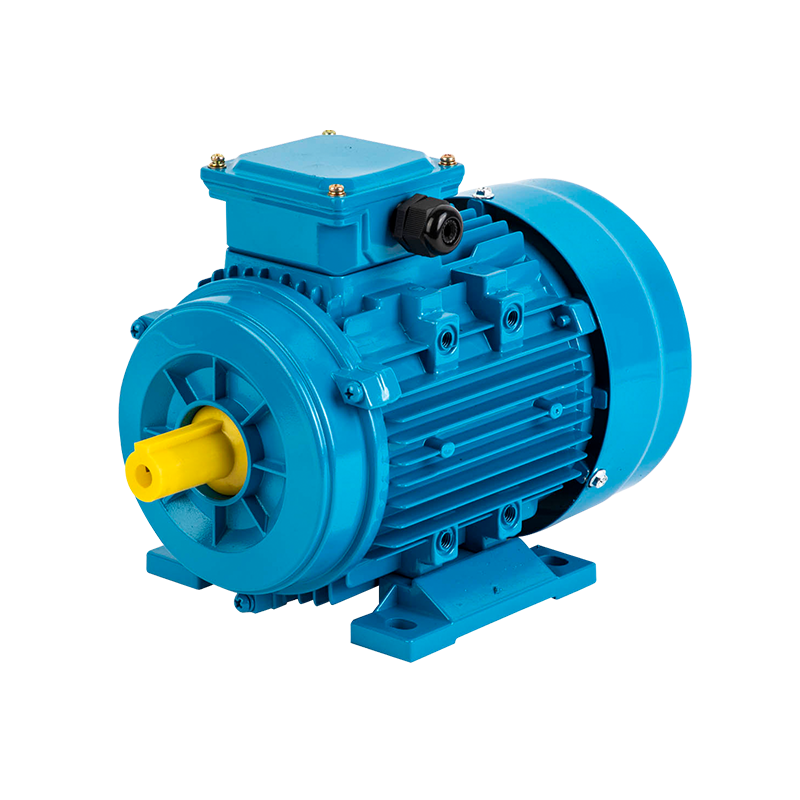
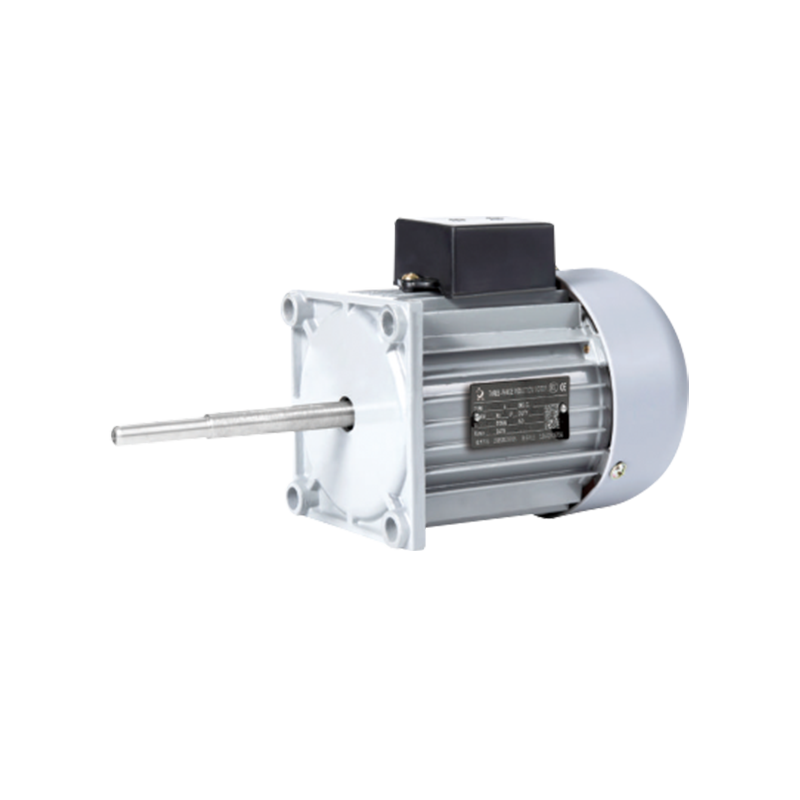
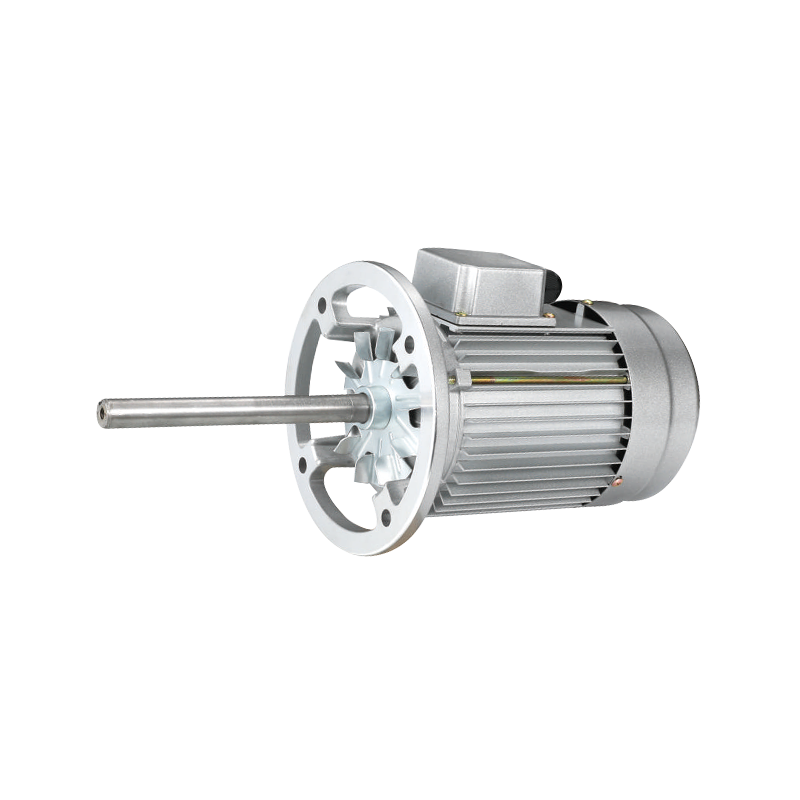
Dust is the enemy rather than weight. The frame needs to shed heat with a dirty surface, and the cooling path needs to be accessible for cleaning. Our Y2 series three phase asynchronous motor in aluminum housing is used widely in this kind of duty.
Presses, Crushers and Heavy Lines
Shock loads and vibration point towards iron. The extra mass helps the whole train settle, and the bearings see a steadier environment.
Food and Wash-Down Areas
Neither bare material is ideal. The specification that matters is the surface finish, the sealing of joints and the drainage path, together with a frame that can be cleaned without trapping water.
What Buyers Usually Overlook
A few details decide whether the chosen frame delivers what the datasheet promised.
- Mounting rigidity. A light frame on a flexible base will move, and movement becomes vibration, and vibration becomes bearing wear.
- Foot and flange condition. Check that the mounting faces are machined flat and that bolts seat properly. Soft seats loosen.
- Drain and breather provisions. Condensation is a quiet killer in both materials.
- Coating specification. Ask what the coating is intended to resist, not just what colour it is.
- Repairability. If the asset will be kept for twenty years, ask how a damaged frame would be handled.
- Spare parts continuity. A frame that is discontinued in five years turns a small failure into a project.
Questions Buyers Ask Us Often
Is cast iron always the more durable option?
No. It is more rigid and better at damping vibration, which helps in harsh mechanical duty. In a corrosive atmosphere with poor coating, an iron frame can deteriorate faster than a properly finished aluminum one.
Will an aluminum frame overheat more easily?
It depends on design and on the environment. Aluminum moves heat well, but a blocked cooling path defeats any material. Keeping the fins clear matters more than the choice between the two.
Can I replace an iron motor with an aluminum one?
Often yes, if the load is moderate and the base is rigid. Check the mounting dimensions and the weight difference, and confirm that the new frame is rated for the duty cycle.
Does the housing material change the price much?
It can, along with weight, coating and the amount of machining involved. Compare the installed cost rather than the unit price, including handling, brackets and any structural work.
What if the site is both wet and vibrating?
Then the specification needs both answers: a frame that resists corrosion and a mounting that controls movement. In those cases, an OEM custom electric motor with the coating and mounting arranged for the site is usually more economical than compromising on a standard unit.
How to Decide Without Regret
Start with the environment, then the load, then the mounting. If the site is dry and the duty is steady, aluminum gives you a lighter machine with good heat behaviour. If the site is rough, the load surges, or the asset must last for decades with repairs along the way, iron earns its extra weight.
What should not decide the question is a habit. Buying iron because it looks stronger, or aluminum because it is cheaper, both end in the same outcome: a motor that is either heavier than it needed to be or shorter lived than expected.
If you are replacing a frame and are unsure which way to go, send us the duty, the environment and a photo of the mounting.


