 English
 Español




Building 1, Block 4, Wufeng Industrial Park, Daxi Town, Taizhou City, Zhejiang Province, China
A three phase induction motor is a robust machine, and a well built one can run for decades behind a variable frequency drive. The trouble starts when the drive is chosen on price and the motor is never inspected. Insulation age, cooling behaviour at low speed, cable length, bearing currents and the mechanical condition of the whole train all decide whether the retrofit earns its cost or turns into a maintenance problem with a new name.
What Does a VFD Retrofit Actually Change?
A drive does not make a motor more efficient by itself. It changes how the motor is fed. Instead of a fixed supply at line frequency, the motor receives a variable voltage and frequency, so the shaft can slow down when the process does not need full speed.
That single change is where the savings come from. A pump running slightly slower moves less water, and the power drawn falls faster than the flow does. A fan behaves in a similar way. The motor has not become a different machine. The system has stopped throwing away motion it did not need.
Why the Motor Sees More Than It Used To
Behind a drive, the winding is no longer fed by a smooth sine wave. It sees fast switching pulses, and those pulses stress the insulation in a way that direct-on-line operation never did. Older motors with aged insulation, or motors wound without inverter duty in mind, are the ones that fail early in this arrangement.
When Does a Retrofit Make Sense?
A three phase induction motor in sound condition is usually the cheaper route, and the economics are friendly when three conditions line up: the load varies, the process can run at reduced speed for a meaningful share of the time, and the motor is in sound mechanical condition.
| Condition | Favours Retrofit | Favours Replacement |
|---|---|---|
| Load profile | Flow or pressure trimmed through much of the day | Constant duty at the design point |
| Motor age | Modern frame, insulation in good order | Several rewinds, brittle insulation |
| Mechanical state | Bearings and alignment healthy | Vibration, worn seats, soft base |
| Duty cycle | Long hours at part load | Short runs, frequent stops |
| Spare capacity | Frame slightly oversized, room to slow down | Frame already running near its limit |
| Environment | Clean, ventilated plant room | Hot, dusty or corrosive location |
If the table leans towards the middle column, a retrofit deserves a quotation. If it leans towards the right, a new inverter-duty motor is usually the calmer choice, and the drive can still be part of the package.
When Should You Replace Instead of Retrofit?
There are situations where the honest advice is to stop and buy a new machine.
- The motor has been rewound more than once, and the winding looks dark or feels brittle at the ends.
- The frame was never intended for variable speed, and the cooling fan sits on the shaft with no independent ventilation.
- The driven equipment is already worn, so slowing it down will expose other weaknesses.
- The existing three phase induction motor carries a lower efficiency class, and the plant is being pushed towards a stricter standard anyway.
- The motor is physically old enough that spare parts, bearings and seals are becoming hard to source.
None of these are automatic disqualifiers. They are reasons to compare total cost rather than drive price.
What Should You Inspect Before Ordering a Drive?
Before a drive is ordered, the motor deserves a proper look. A short inspection protects both the budget and the production schedule.
- Insulation condition. Ask for a measurement, not an opinion. A motor that has sat in a damp corner for two years reads differently from one in daily service.
- Winding type. Confirm whether the motor was built for inverter supply. If the record is missing, assume it was not.
- Cooling method. Shaft-mounted fans lose effect as speed drops. If the process will run slowly for long periods, plan for independent ventilation.
- Bearing arrangement. Insulated bearings or a shaft grounding ring may be needed where circulating currents are a risk, particularly on larger frames.
- Cable run. Distance between drive and motor matters. A long run changes the advice on cable type and filtering.
- Mechanical condition. Alignment, coupling wear, base rigidity and vibration should be checked while the motor is still easy to reach.
What Is the Real Difference Between a Standard Motor and an Inverter-Duty Motor?
The difference is not a marketing label. An inverter-duty motor usually carries insulation with more thermal headroom, a winding built to withstand fast pulses, and in many designs a cooling arrangement that still works when the shaft turns slowly.
A standard three phase induction motor can run behind a drive, and plenty do. The question is how long, and under what conditions. Short cable runs, moderate switching settings, moderate ambient and a motor in good health all help. Long runs, hot rooms and frequent acceleration are the conditions that shorten the story.
The Cooling Detail People Forget
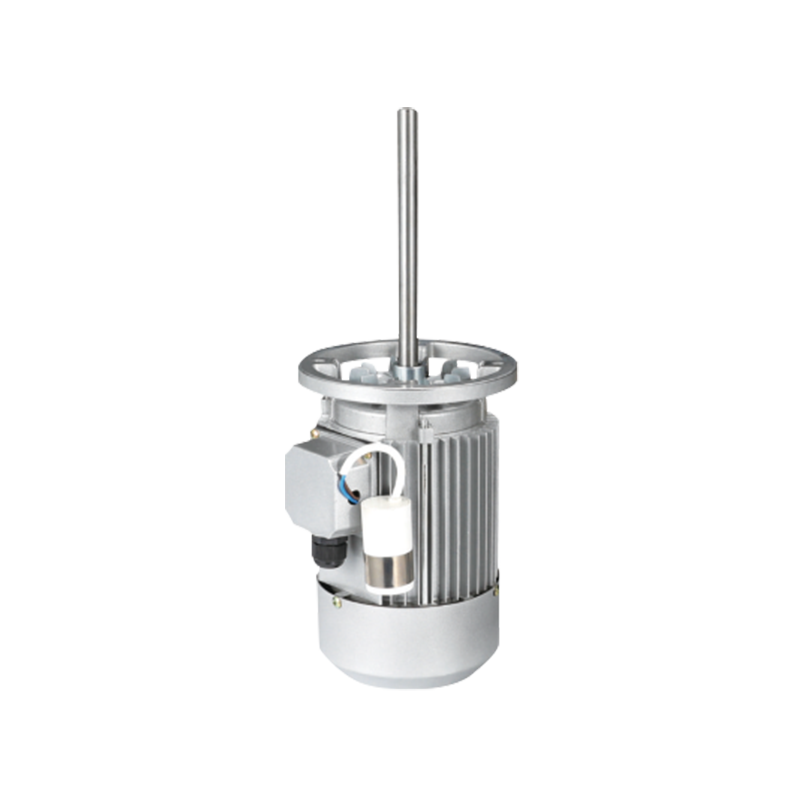
A motor running at reduced speed moves less air across its own fins. At low speed for long periods, a motor that was thermally comfortable at full speed can become hot while doing less work. This is why some retrofits need a separately powered fan, and why that cost belongs in the quotation from the beginning.
How Do You Judge Whether the Retrofit Pays Back?
Skip the sales estimate and build the picture from your own operation.
- Record how the process is actually controlled today. Is a valve or damper throttling flow through much of the shift?
- Log how many hours a week the system runs below its design point.
- Note the hours when the equipment is not needed at all but still running.
- Add the cost of the drive, the installation, any cable work, and any motor modification such as independent cooling.
- Compare that total with the energy saved over a realistic period, not an optimistic one.
When the numbers are close, the decision usually comes down to non-financial factors: how critical the line is, whether downtime for installation is available, and whether the motor has years of service left in it.
What About the Rest of the Drive Train?
A drive changes the behaviour of everything connected to the motor. Pumps running far below their design point can operate away from their efficient region. Fans can develop vibration at certain speeds. Gearboxes may not enjoy long spells at very low input speed. Couplings and belts see different loads during acceleration.
It helps to treat the retrofit as a system project rather than an electrical one. Ask the pump or fan supplier where the efficient operating band sits, and set the drive limits so the machine stays inside it. A drive that is allowed to run the equipment anywhere is a drive that will eventually run it somewhere it should not.
A Practical Path From Decision to Commissioning
- Confirm the load really varies, using logs rather than impressions.
- Inspect the motor as described above, and record what you find.
- Decide between retrofit and replacement, with total cost in view.
- Specify the motor requirements to the drive supplier, including cooling and cable length.
- Set operating limits with the equipment supplier, not only the drive supplier.
- Commission with a baseline record: current, temperature, vibration and speed at several operating points.
- Review the baseline after a few months. Without it, nobody can prove the retrofit worked.
The baseline is what makes the project defensible a year later. Plants that skip it end up arguing about savings with nothing but a memory of how the equipment used to run, and the retrofit turns into a story rather than a measured result.
Keep that record with the motor, not only with the drive. When the machine is eventually replaced, the history tells the next engineer how the installation actually behaved under load.
What Should You Ask a Motor Supplier?
If the inspection points towards replacement, the questions to ask are straightforward. Is the motor rated for inverter supply? What insulation system is used? How is cooling handled at low speed? What documentation and test record come with the unit?
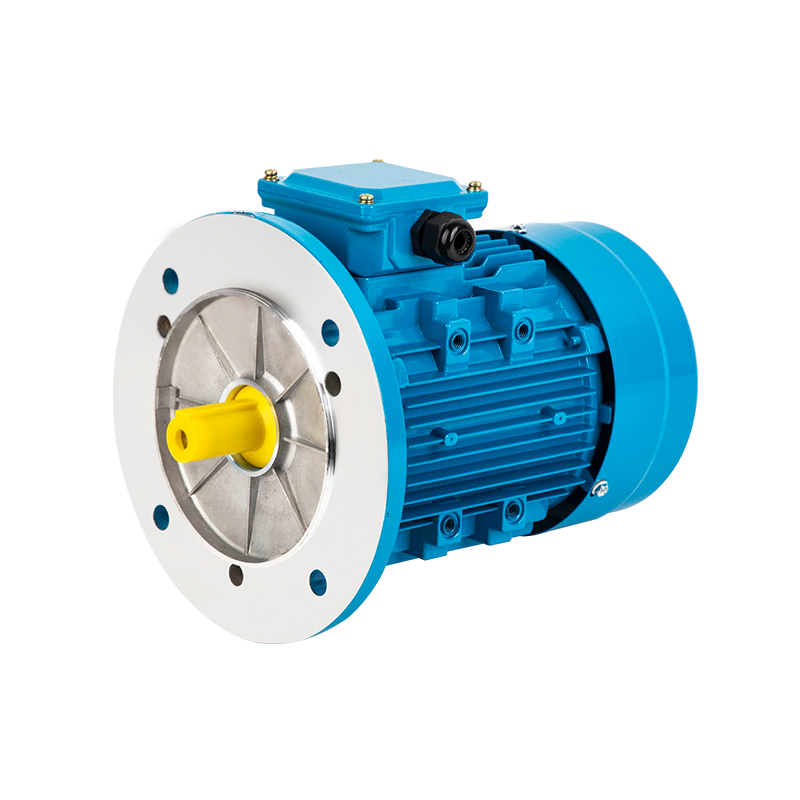
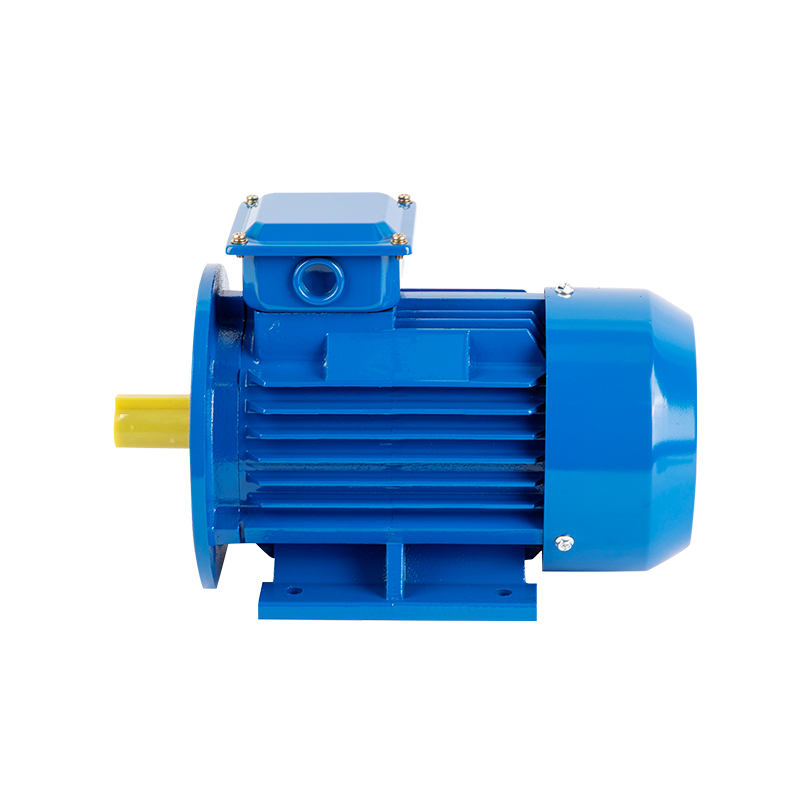
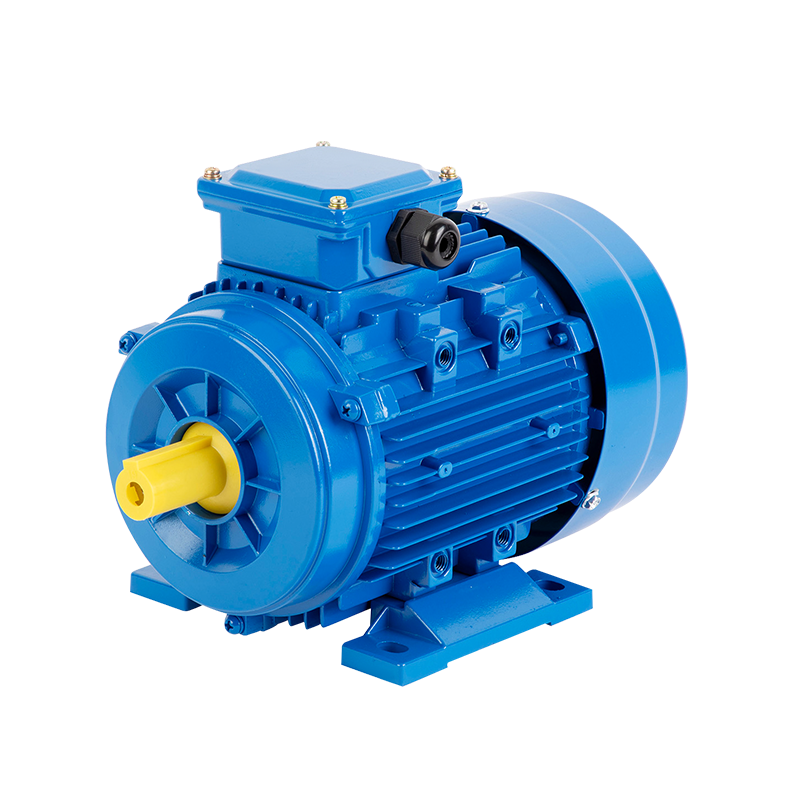
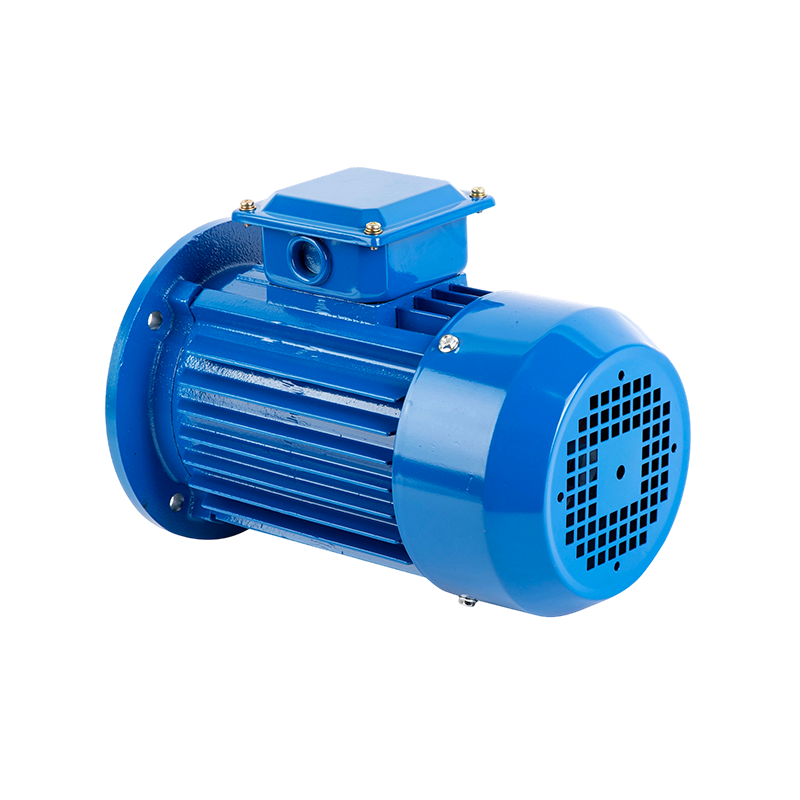
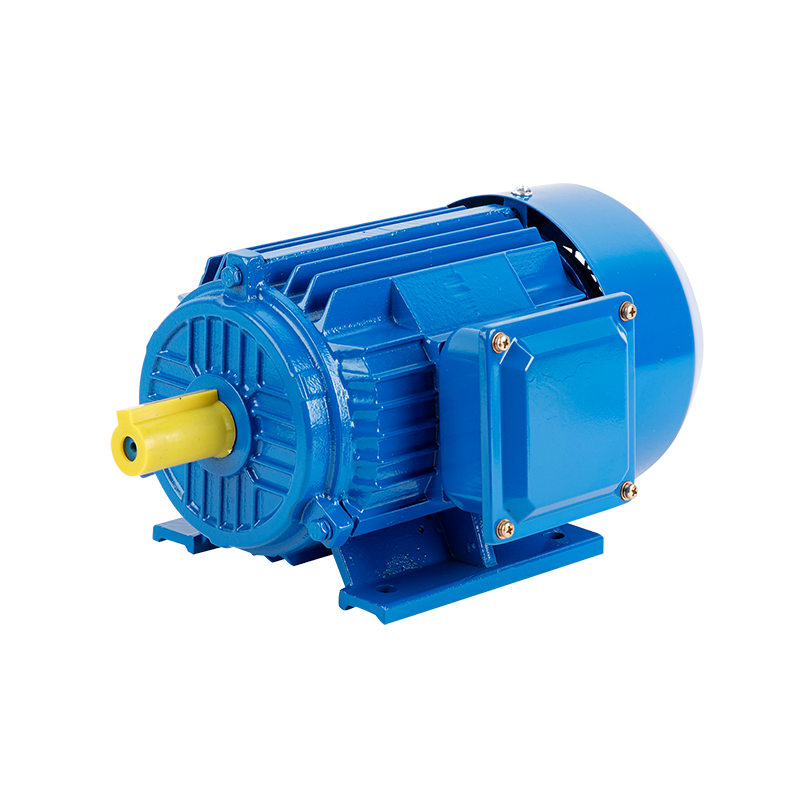
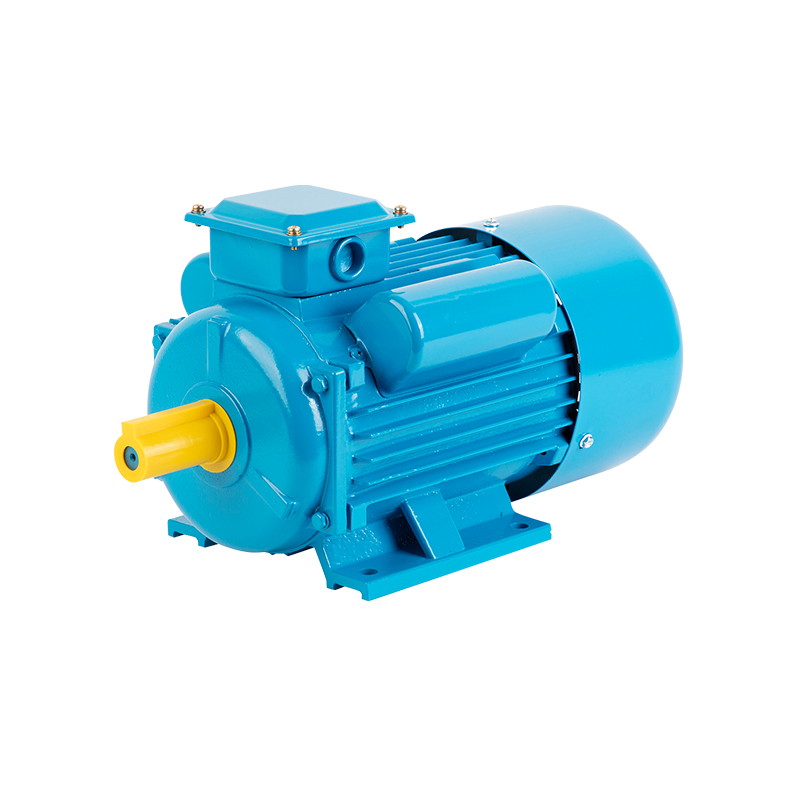
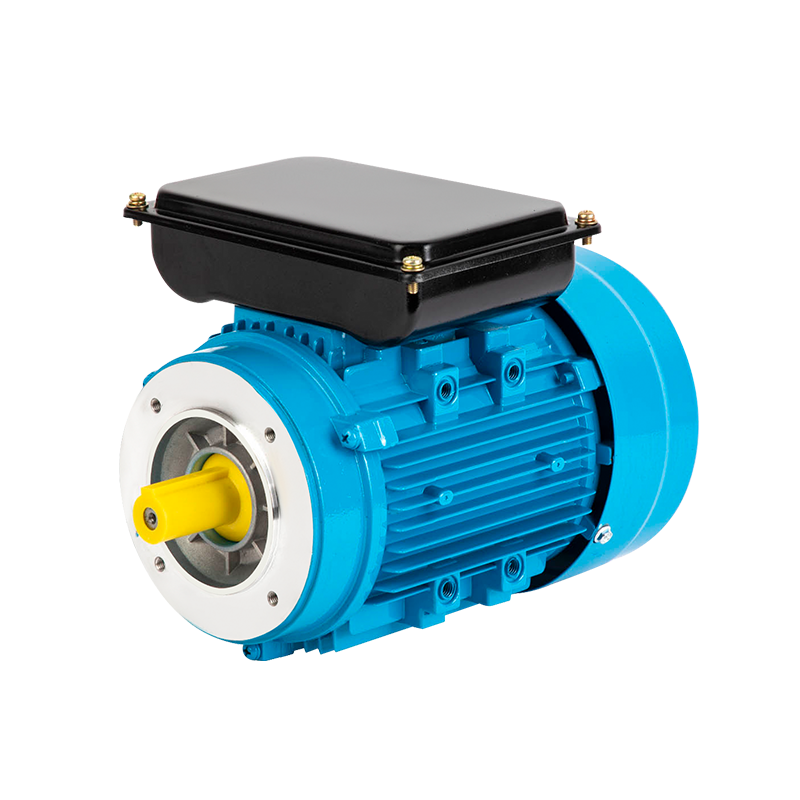
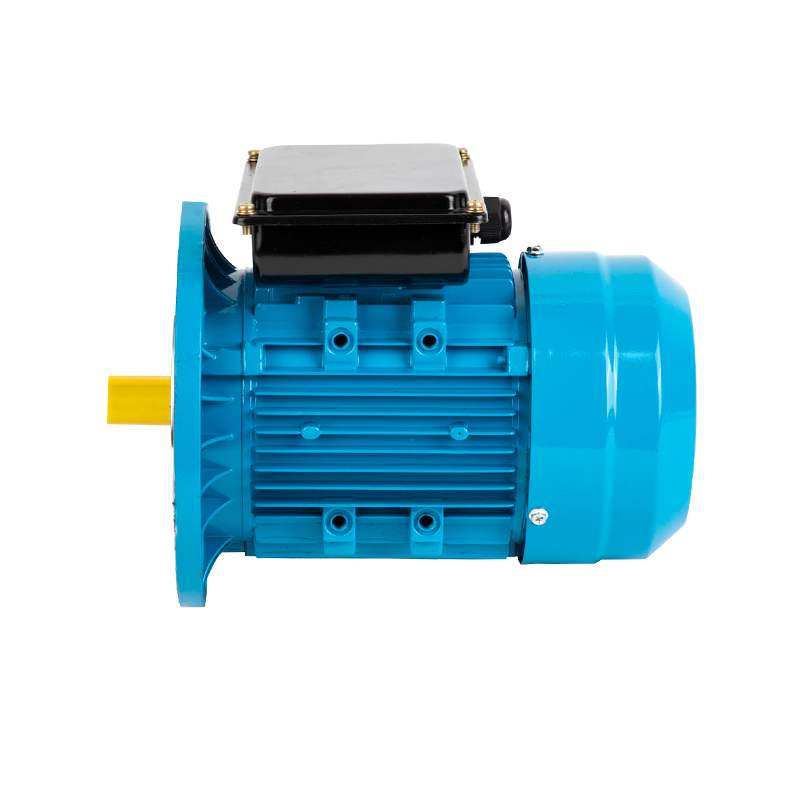
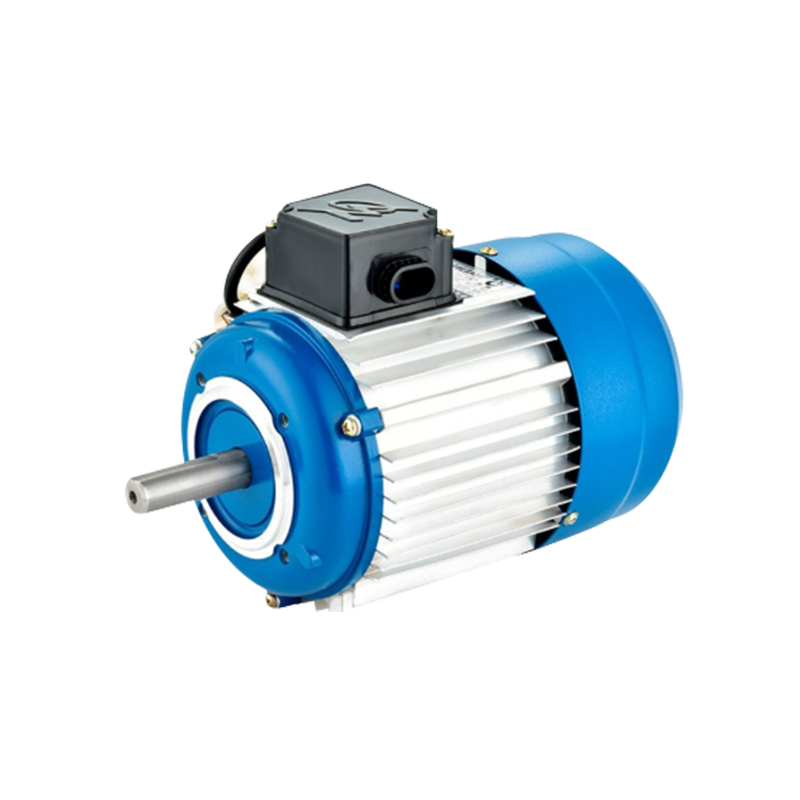
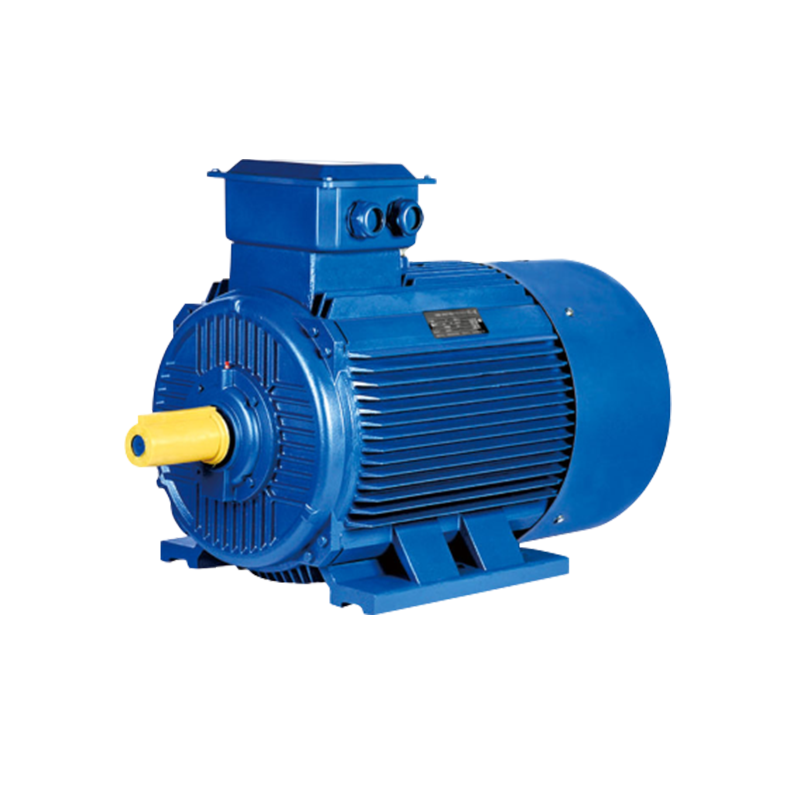
For pump and fan duty across a range of speeds, our YE3 series three phase asynchronous motor is commonly specified, with the YE4 series chosen where running hours are long and the energy case is stronger. Where the shaft, mounting or operating environment is unusual, an OEM custom electric motor avoids forcing a standard frame into a role it was not designed for.
Questions Buyers Ask Us Often
Can any three phase induction motor run on a VFD?
Many can run, at least for a while. Whether it should is a different question. Insulation condition, cooling at low speed and cable length decide how comfortable the arrangement will be over years rather than weeks.
Will a retrofit reduce my electricity bill immediately?
Only if the process actually runs slower for a meaningful part of the day. If the equipment still runs flat out, the drive mainly changes how the motor is started, and the energy picture barely moves.
Do I need a new motor if I already have a drive?
Not automatically. Inspect before you order. Many older motors serve well behind a drive when the installation is sensible and the load is moderate.
What is the usual failure mode after a careless retrofit?
Winding insulation gives up earlier than it would have, or the motor overheats at low speed because the shaft fan no longer moves enough air. Both are foreseeable, which is why the inspection comes before the purchase order.
Is it worth retrofitting a motor that is already near the end of its life?
Rarely. If the frame is old, repaired several times and carries an outdated efficiency class, the money spent on a drive is better put towards a new machine with the drive included.
The retrofit question is not really about drives. It is about whether the machine at the centre of the project still deserves the investment. Inspect the motor, measure the load profile, add the hidden costs of cooling and cabling, and the answer usually stops being ambiguous.
If you are weighing the two routes on a specific drive, send us the nameplate and a note on how the equipment is controlled through the day. We will tell you what we would check before anything else, and whether a new frame would serve you better than the one already bolted down.


