 English
 Español



Building 1, Block 4, Wufeng Industrial Park, Daxi Town, Taizhou City, Zhejiang Province, China
In many industrial setups, rotating machines are not treated as something that runs in a fixed way. They are usually part of a system where conditions change while operation is still going on. Load shifts, input fluctuations, and mechanical resistance are all part of the same environment.
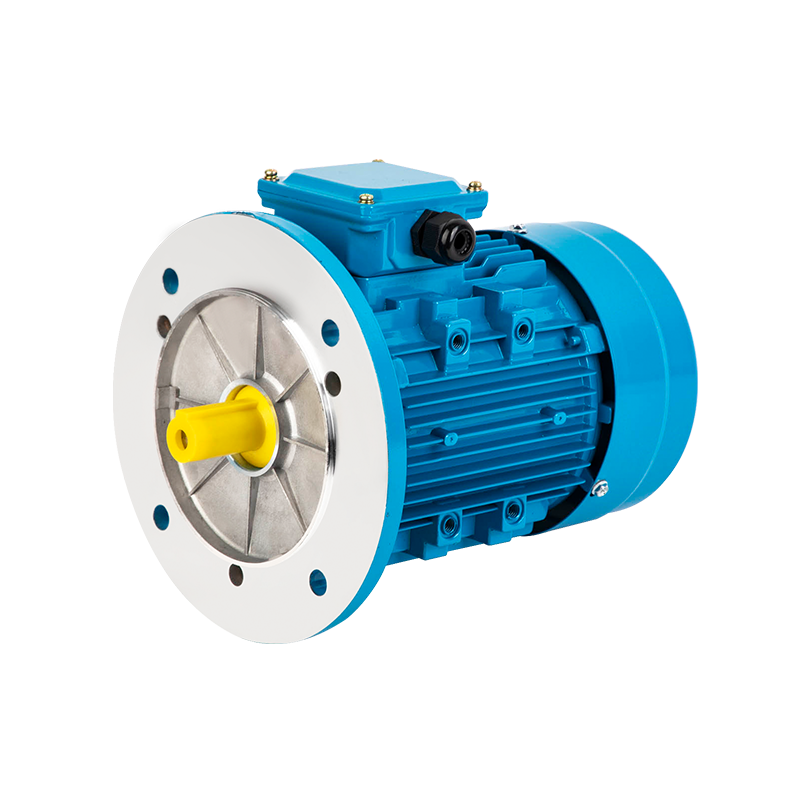
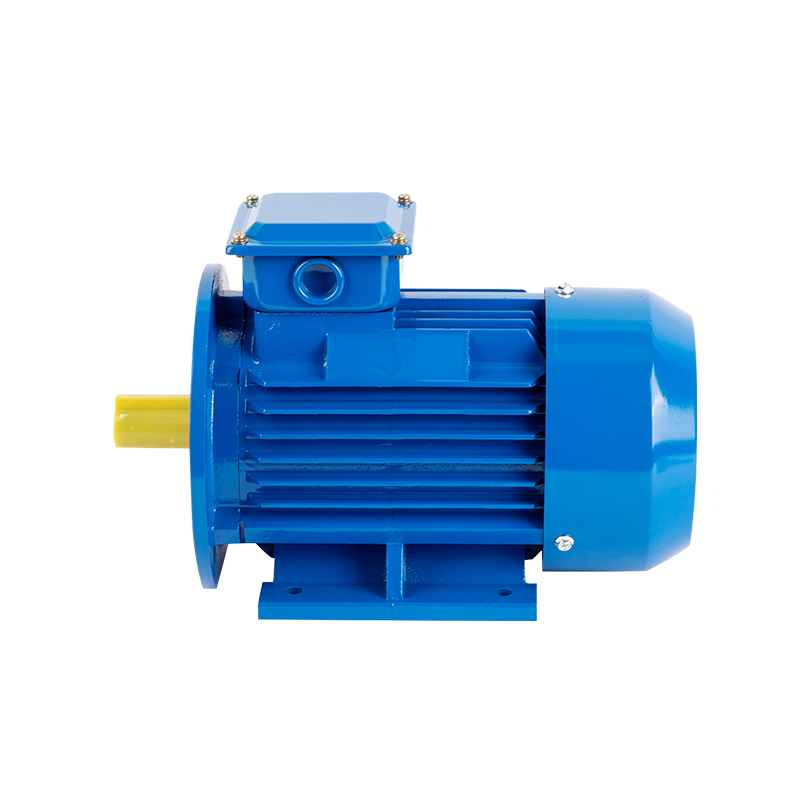
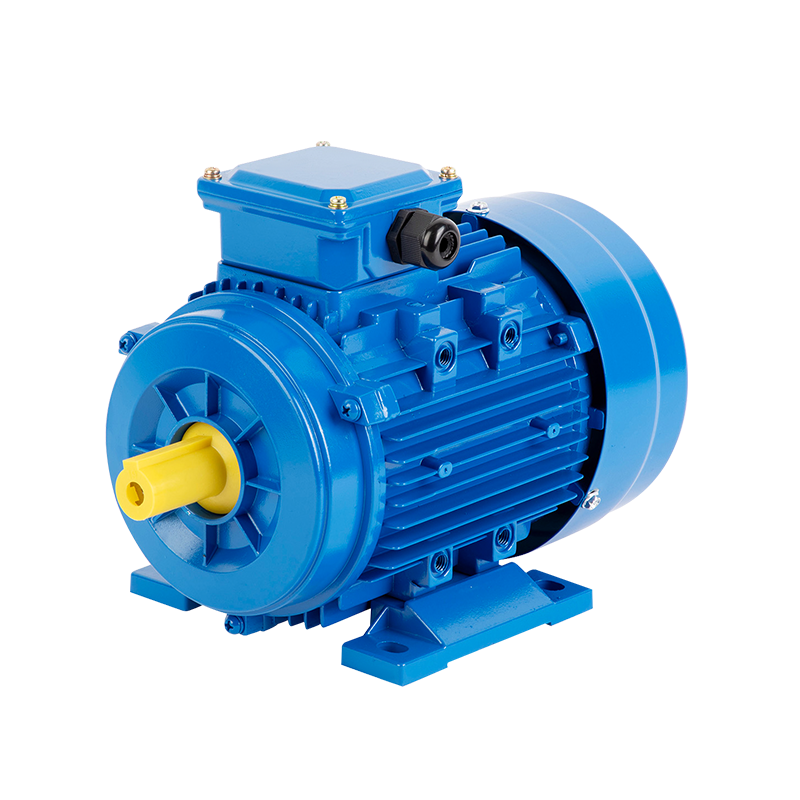
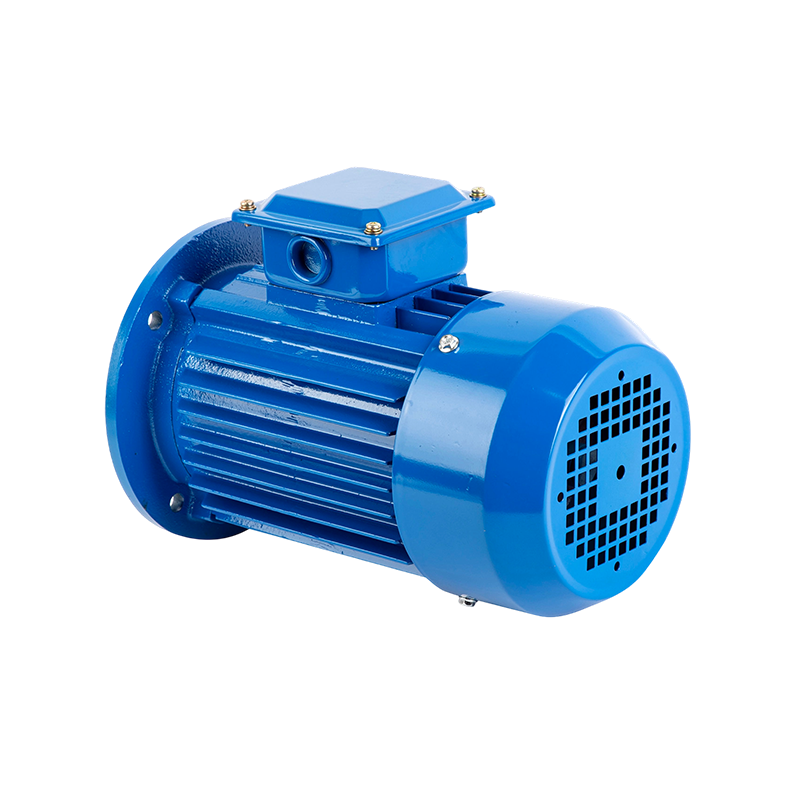
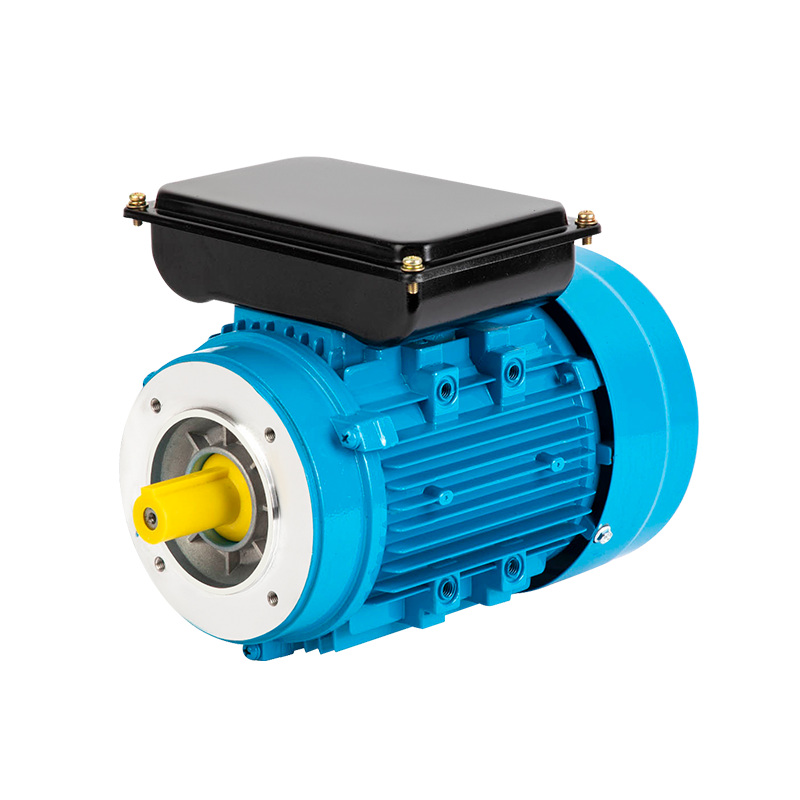
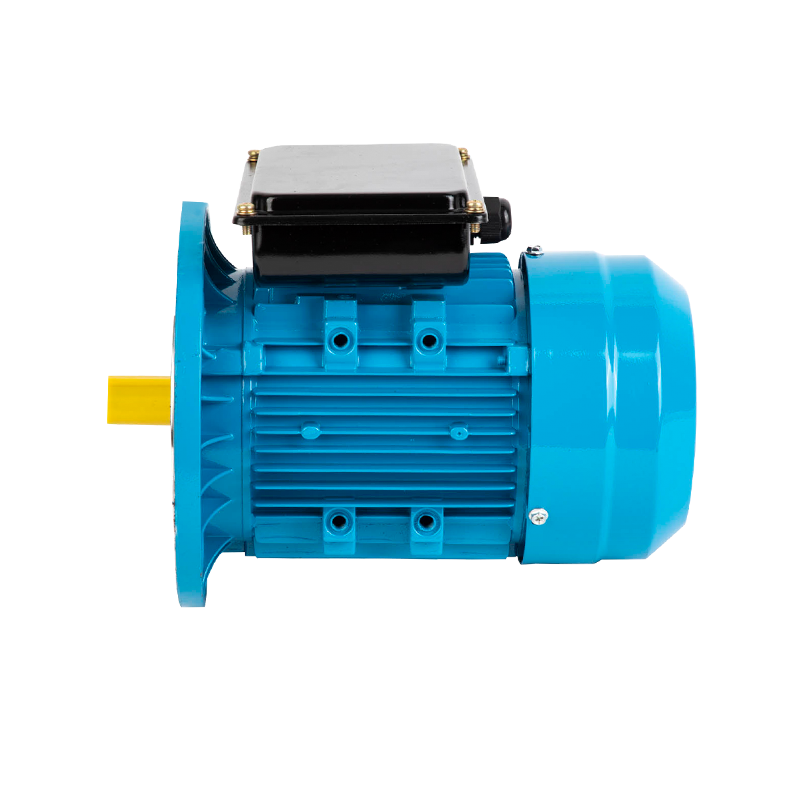
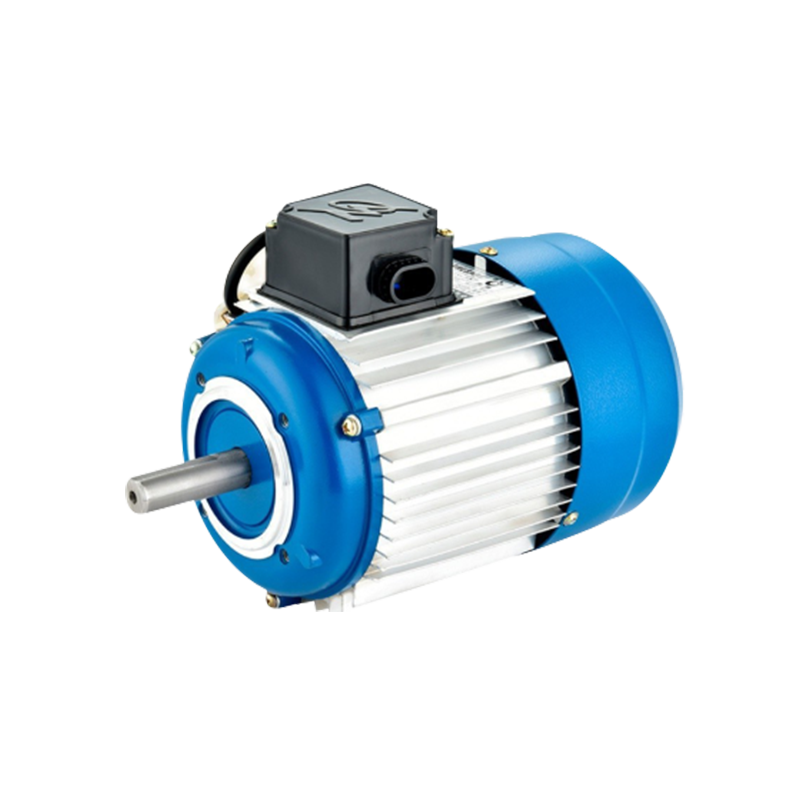
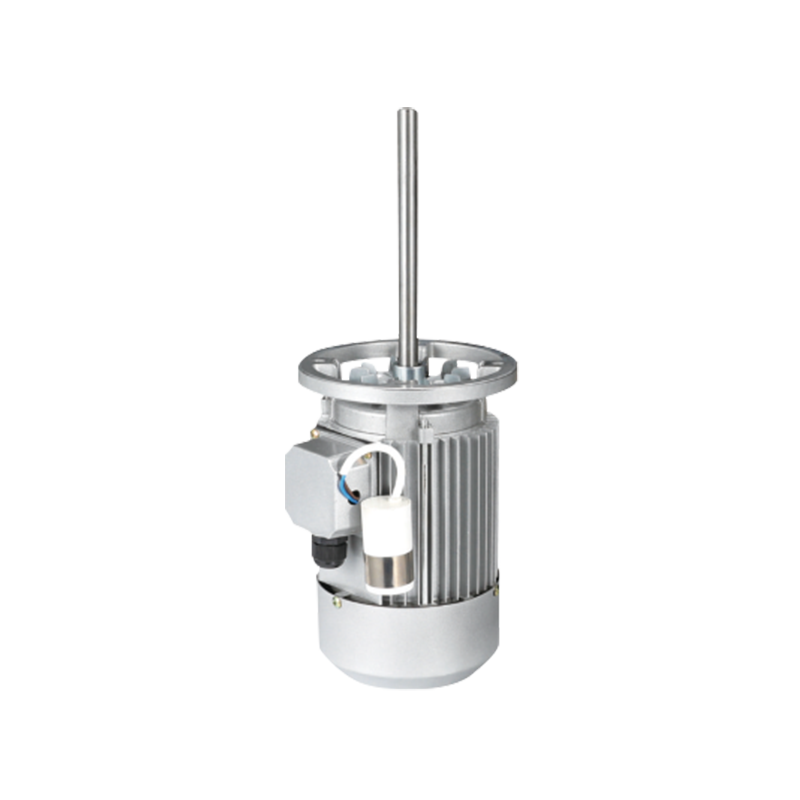
A Three Phase AC Motor sits in the middle of this kind of situation more often than not. What makes it relevant is not only how it starts, but how it keeps running when things around it are not steady.
What a Three Phase AC Motor Is and How It Turns Electrical Input Into Stable Mechanical Output
Looking at it from the outside, the process seems simple. Electrical power goes in, motion comes out. But inside the machine, it is less direct than that.
Once power enters, it starts creating magnetic activity inside the structure. That activity does not stay in one place. It shifts and builds a kind of moving pull that drags the rotor into motion.
In real use, a few things usually stand out:
- The magnetic effect does not stay still, it keeps changing position
- The rotor does not move on its own, it is guided by that shifting effect
- Even when the input is not perfectly steady, motion does not immediately break down
It is less about conversion in a single step and more about a continuous interaction that keeps itself going.
How a Rotating Magnetic Field Is Created Inside the Stator to Sustain Continuous Motion
Inside the stator, the magnetic behavior is not something fixed or static. It appears, fades, and reappears in different sections in a repeating flow.
This shifting pattern is what ends up giving the impression of rotation before anything mechanical actually catches up.
In practical terms, it often looks like this:
- Different parts of the stator become active at slightly different times
- The magnetic pull seems to move around the inner surface
- The rotor follows this movement rather than generating its own direction
| Part | What is actually happening |
|---|---|
| Stator | Produces shifting magnetic zones |
| Field inside | Moves around in a circular pattern |
| Rotor | Responds and follows the movement |
Nothing here is isolated. Each part is reacting to the other at the same time.
Why Load Changes Directly Influence Speed and Torque Behavior During Operation
In real machines, load rarely stays in one condition. It changes depending on what the system is doing.
When that happens, the motor does not immediately hold the same behavior. It adjusts, sometimes subtly, sometimes more noticeably depending on how much resistance is involved.
What is usually observed in practice:
- When load becomes heavier, rotation tends to slow slightly
- When load becomes lighter, movement feels less strained
- The system keeps adjusting instead of holding one fixed response
It is not a sudden shift. It feels more like a continuous correction happening in the background.
How Slip Behavior Reflects Real Operating Conditions Under Different Load Levels
There is always a small difference between the magnetic movement inside and the actual rotation of the rotor. That difference is what is referred to as slip.
It is not something that disappears during normal operation. Instead, it changes depending on how the system is being used.
In practice, it tends to show up like this:
- Light load conditions show a closer match between movement and rotation
- Heavier load conditions increase the gap slightly
- More stable conditions keep that relationship relatively steady
This difference is often used as a simple way to understand what is happening inside without opening the machine or adding extra sensors.
What Design Choices Have the Greatest Impact on Starting Torque Performance in Industrial Applications
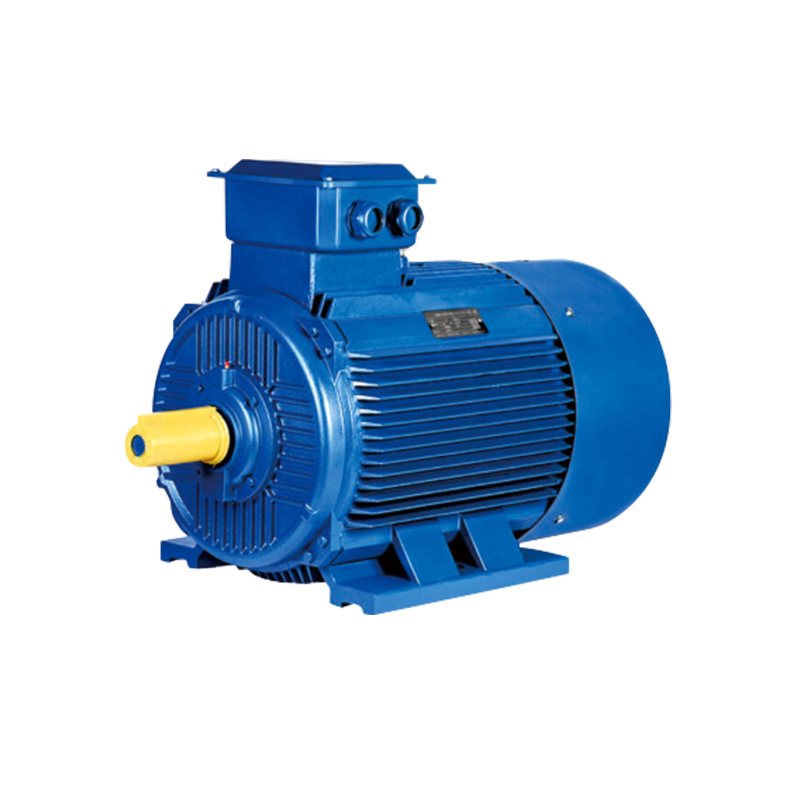
Starting behavior in rotating equipment is rarely about a single component. It is usually the result of several design decisions working together before the machine even reaches steady motion.
In a Three Phase AC Motor, the way torque builds at the beginning of operation is closely tied to internal structure. Rotor shape, winding layout, and magnetic path behavior all play a part in how quickly motion becomes stable under load.
In practice, engineers tend to notice a few recurring influences:
- Rotor construction can change how strongly motion builds at low speed
- Winding arrangement affects how the magnetic pull develops at startup
- Internal resistance characteristics influence how quickly the system settles into rotation
There is no single point that controls everything. It is more like a combination of small adjustments that shape how motion begins and gradually becomes stable.
How Variable Frequency Control Helps Achieve More Flexible Speed Regulation in Motor Systems
In many installations, fixed speed operation is no longer the only working condition. Loads change, processes shift, and the motor is expected to adjust without mechanical modification.
This is where variable frequency control becomes relevant. Instead of forcing the machine to run at a constant electrical condition, the input itself is adjusted in a controlled way. That changes how the internal magnetic behavior develops, which then affects rotation speed.
In real operation, this often shows up as:
- Speed changes that follow input adjustments rather than mechanical switching
- Smoother transitions between operating states
- Less sudden stress during changes in demand
It is less about adding complexity and more about giving the system a way to respond gradually instead of abruptly.
How Cooling Methods Affect Long Term Stability and Thermal Behavior During Continuous Operation
Heat is always present when a motor is running, even when conditions seem stable. What matters more is how that heat is managed over time.
Different cooling approaches influence how internal temperature spreads and settles during long operation. Some methods rely on air movement around the housing, while others use built-in airflow paths that guide heat away from internal parts.
What is usually observed in practice:
- Better airflow tends to keep temperature changes more gradual
- Limited airflow can cause heat to spread unevenly inside the system
- Continuous operation requires consistent heat removal rather than short bursts of cooling
| Cooling approach behavior | Practical effect during operation |
|---|---|
| Natural airflow around housing | Gradual heat release, simple structure |
| Internal forced airflow paths | More controlled heat movement inside |
| Combined airflow circulation | More balanced temperature behavior over time |
The key point is not the method itself, but how consistently heat is moved away during continuous running conditions.
Which Early Signal Patterns Can Be Used to Detect Internal Faults Through Current and Vibration Analysis
When a system is running normally, electrical and mechanical signals tend to follow a steady pattern. Changes in that pattern often appear before any visible issue develops.
In a Three Phase AC Motor, both current behavior and vibration response can shift slightly when internal conditions begin to change. At the beginning, these changes are often difficult to notice, but they gradually become clearer during continued operation.
In practical observation, early indicators often appear as:
- Small changes in current smoothness during steady operation
- Slight variations in vibration feel around the housing
- Repeating irregularities that were not present during earlier operation
These signals do not point to a single cause on their own. They are more useful as a direction, showing that internal balance is starting to move away from its usual state.


