 English
 Español



Building 1, Block 4, Wufeng Industrial Park, Daxi Town, Taizhou City, Zhejiang Province, China
In modern factory environments, energy use is something that quietly affects almost every production decision. Machines run for long hours, production lines stay active through different shifts, and equipment often works under changing load conditions. In this kind of setting, even small improvements in how electricity is used can make a noticeable difference in daily operations.
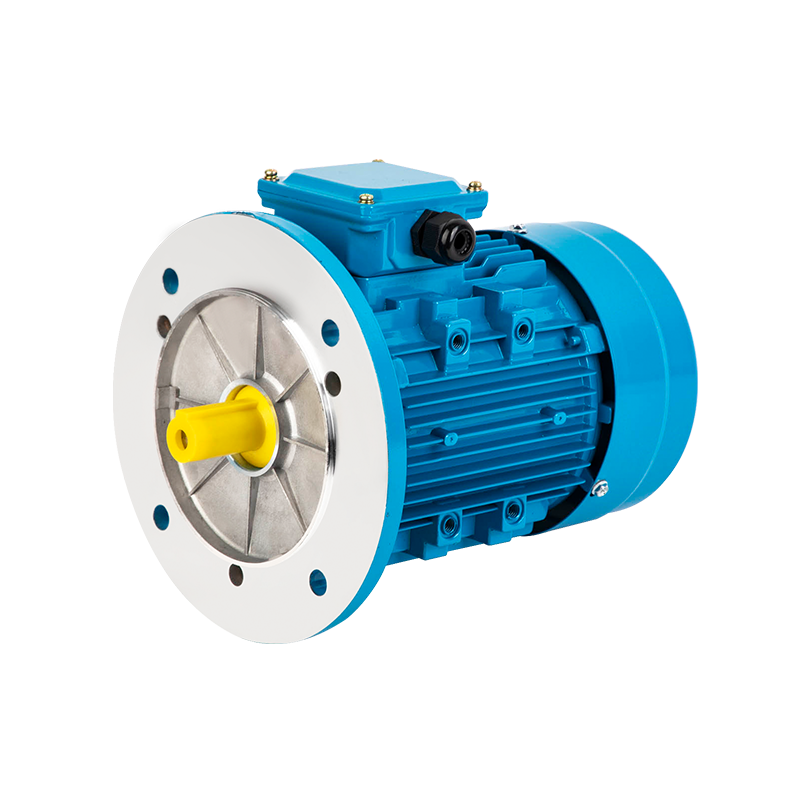
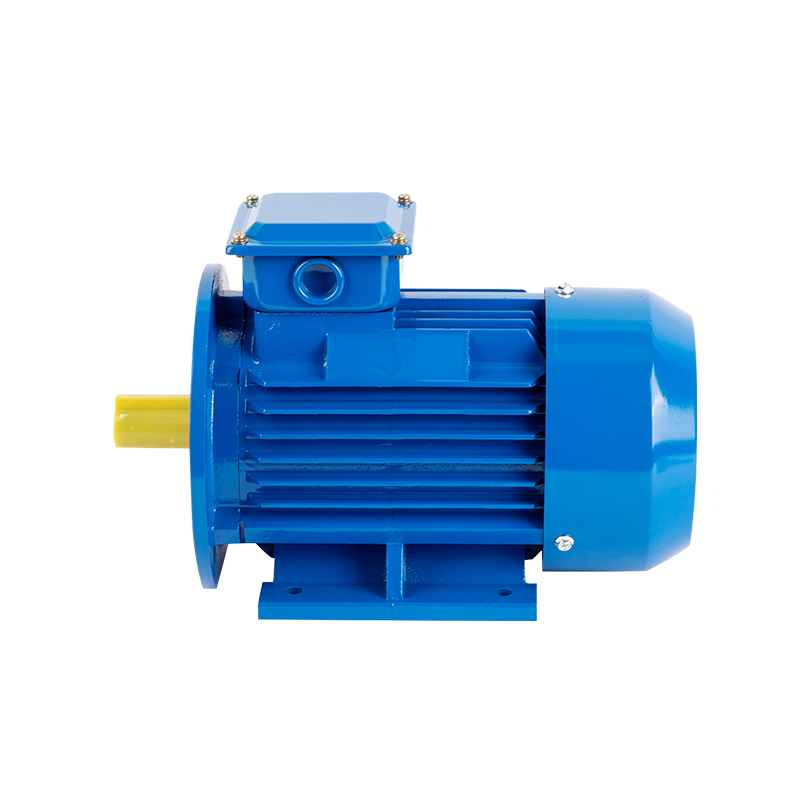
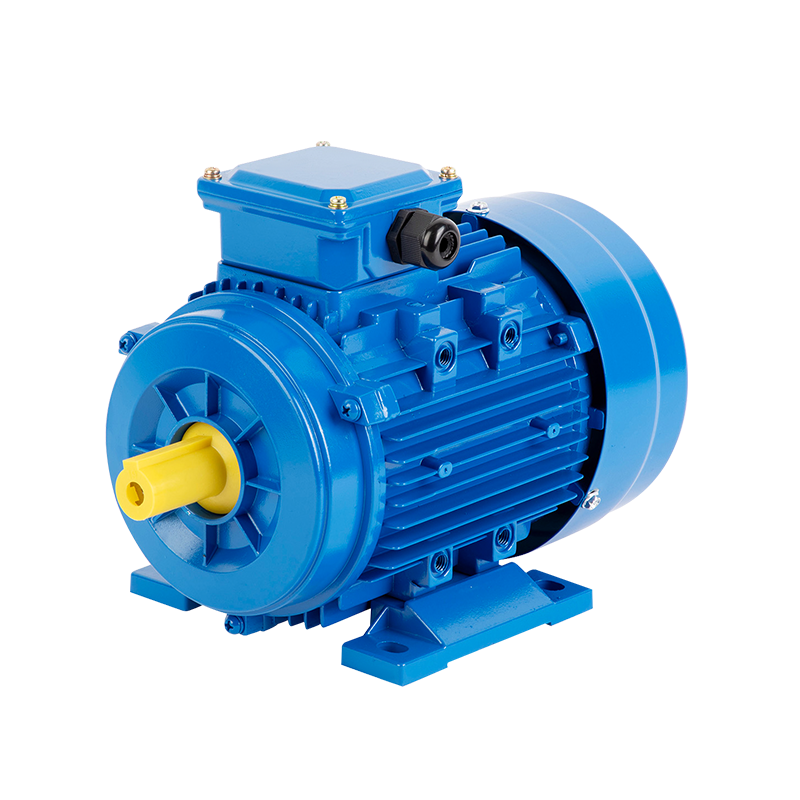
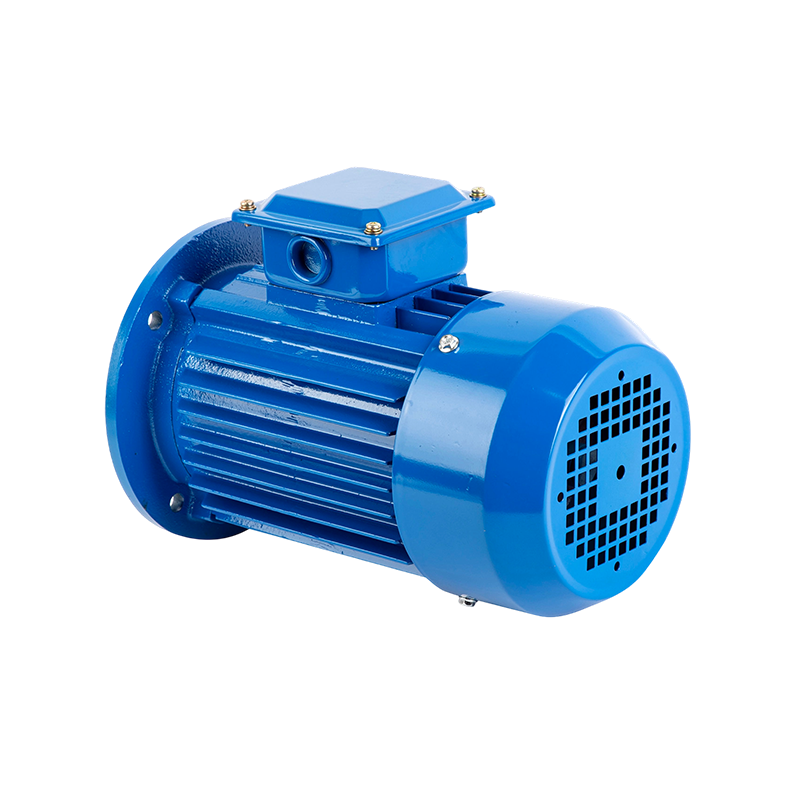
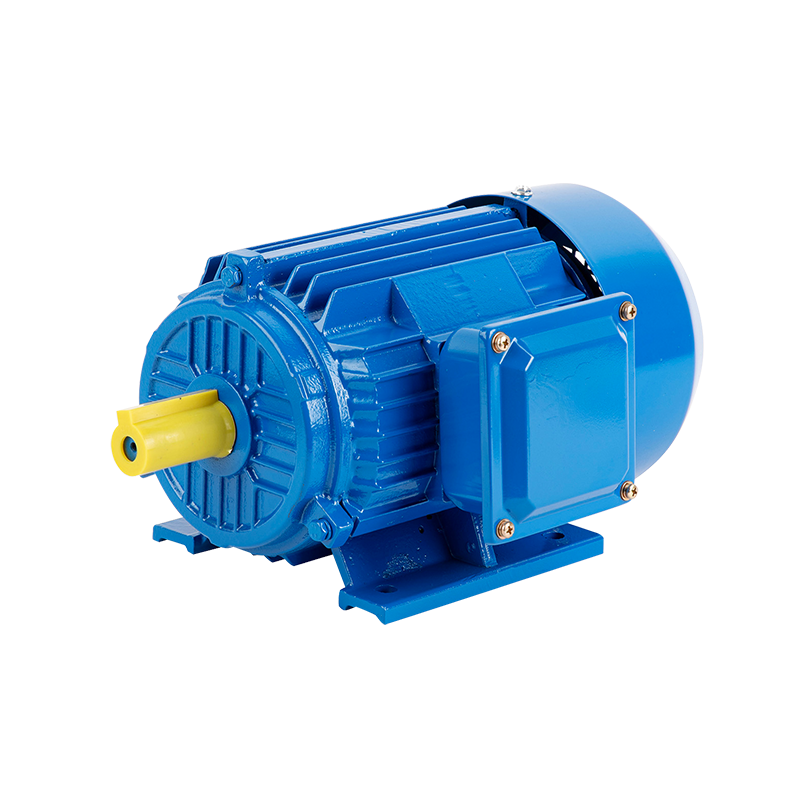
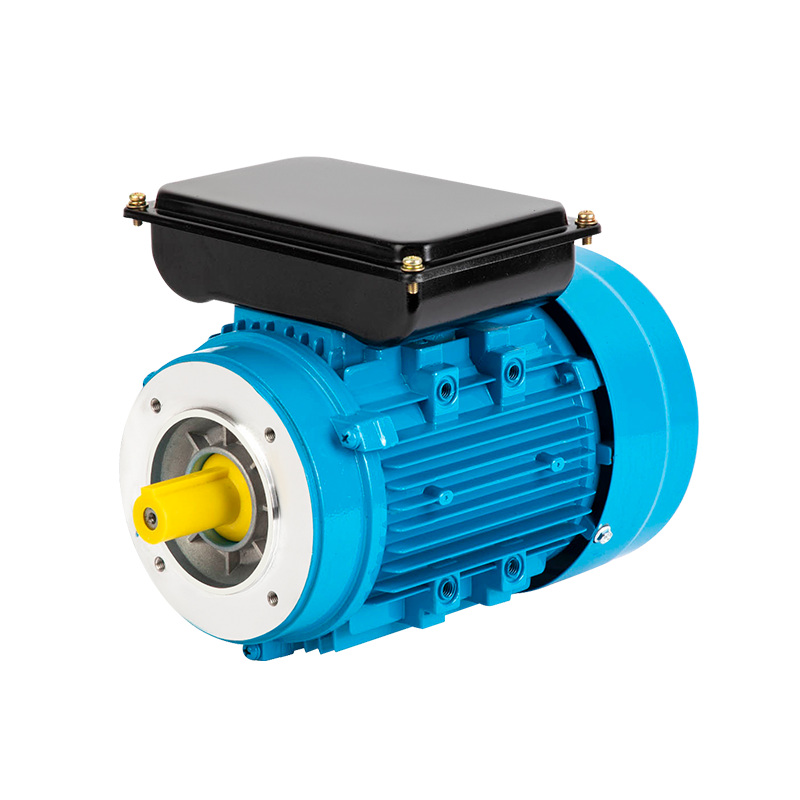
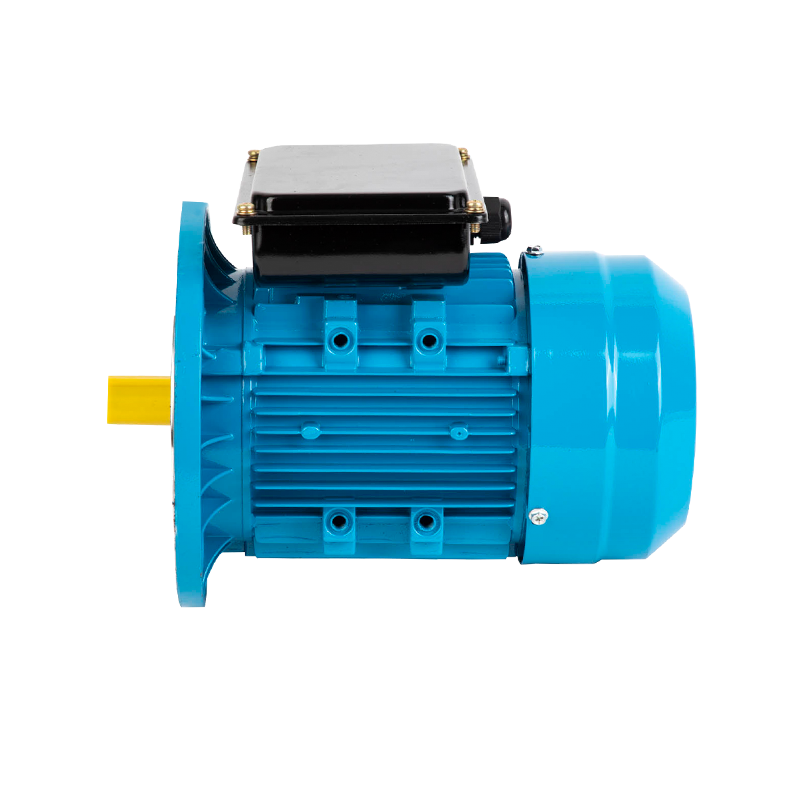
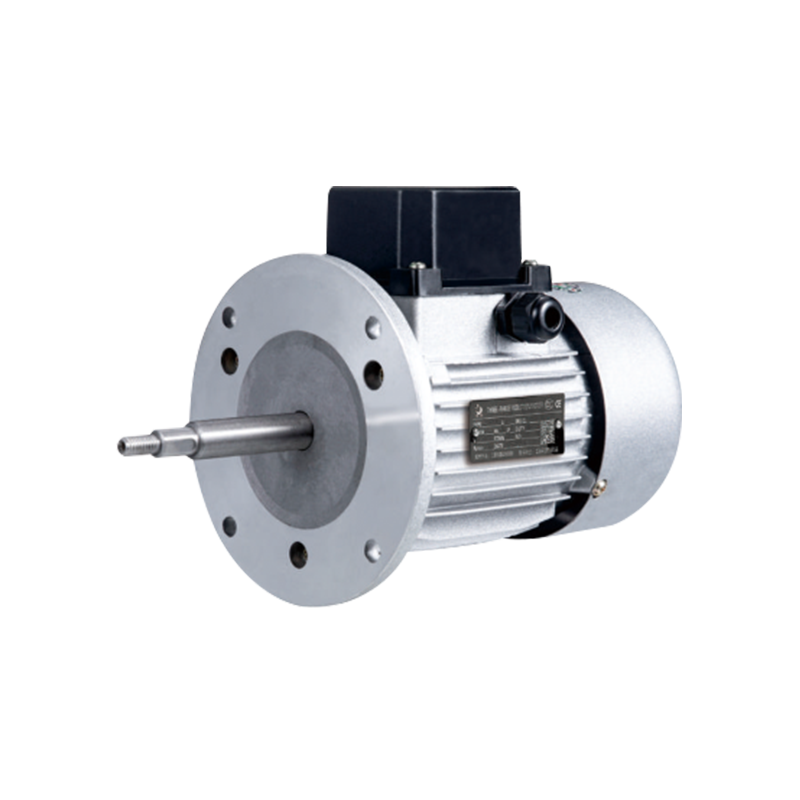
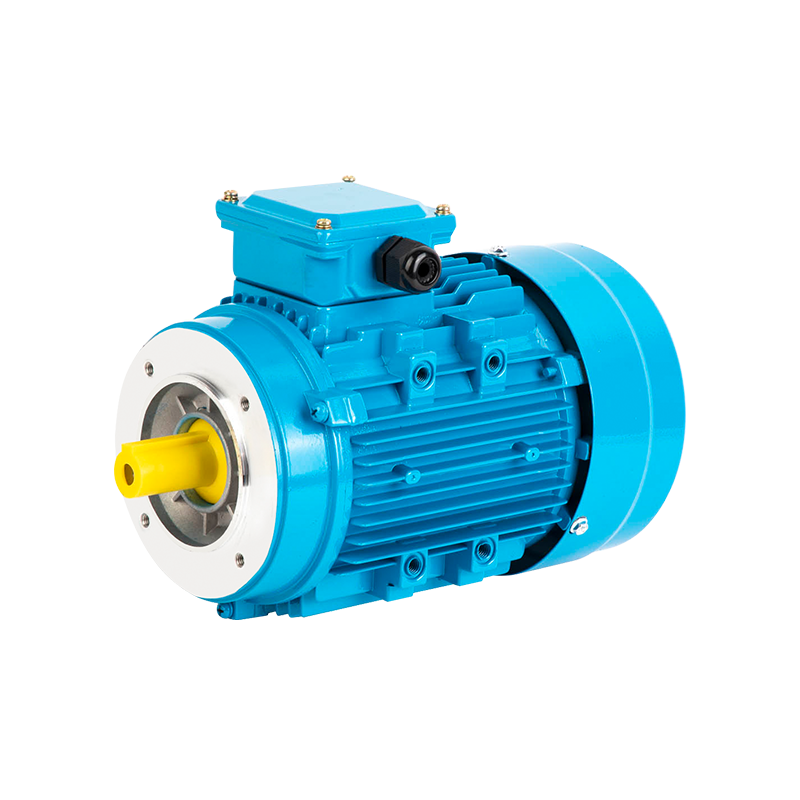
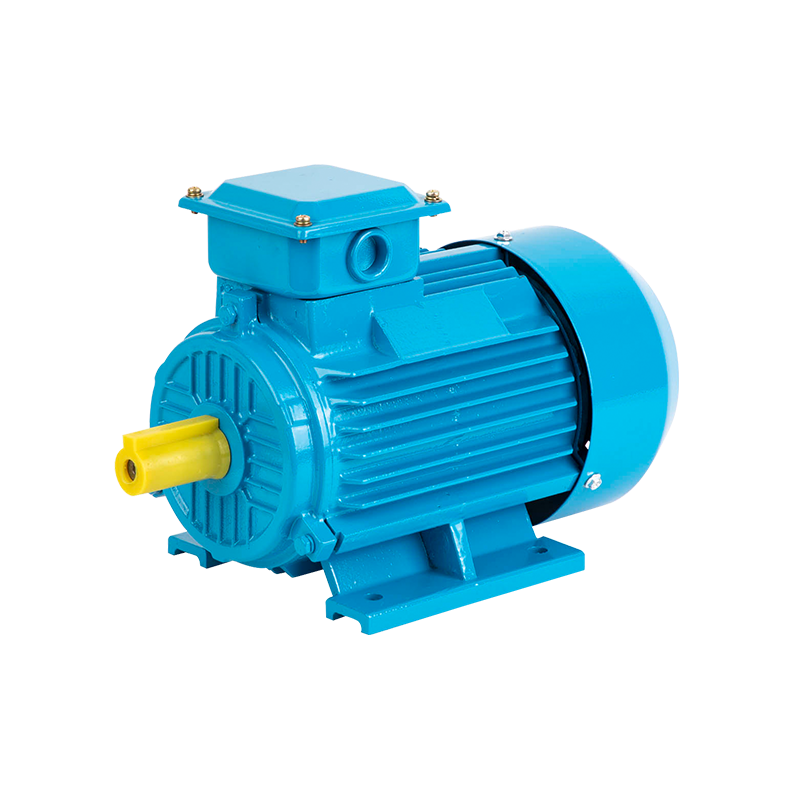
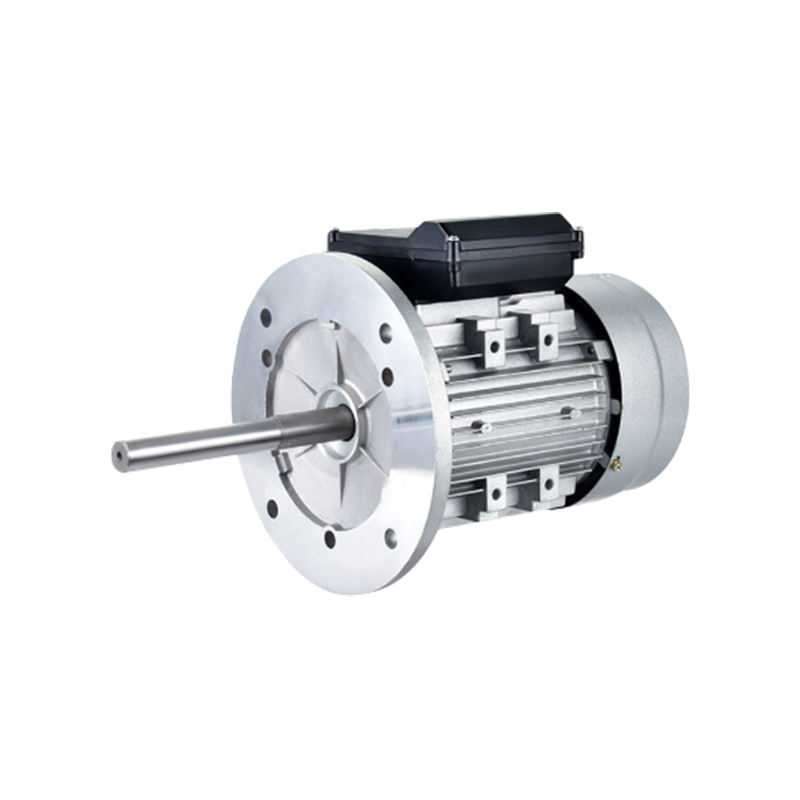
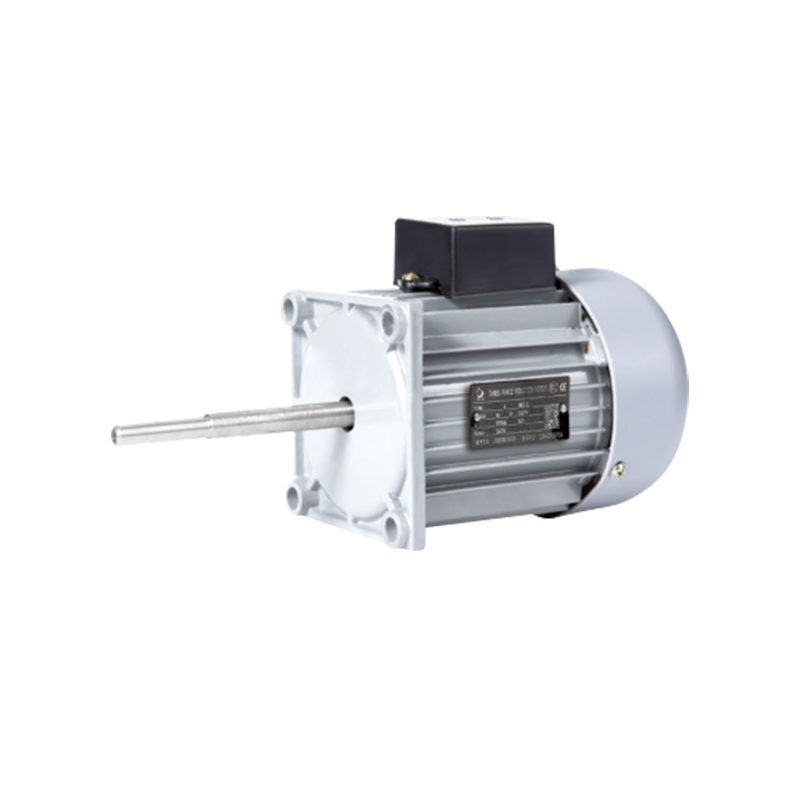
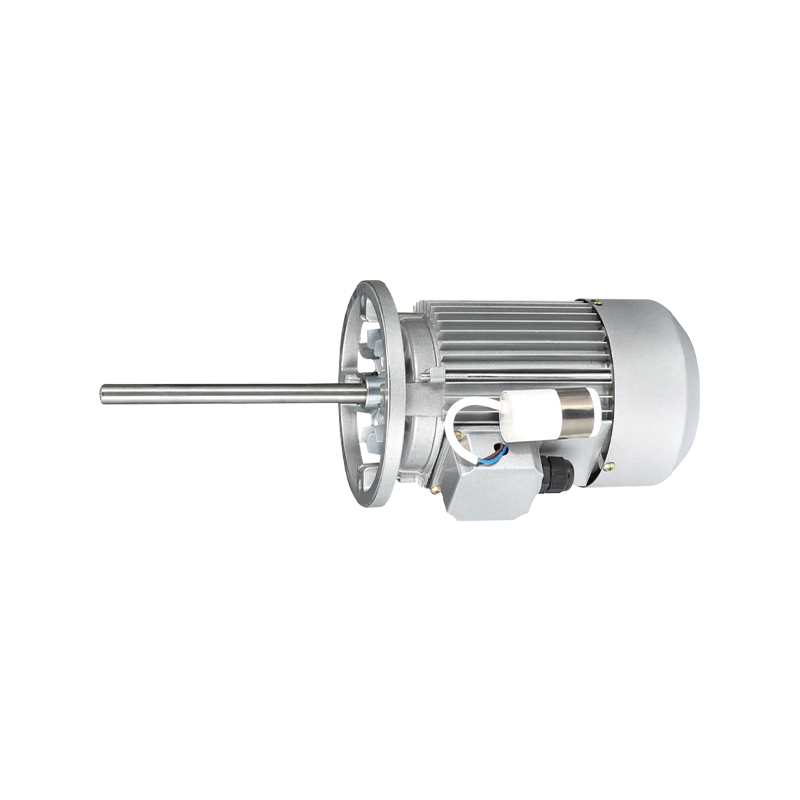
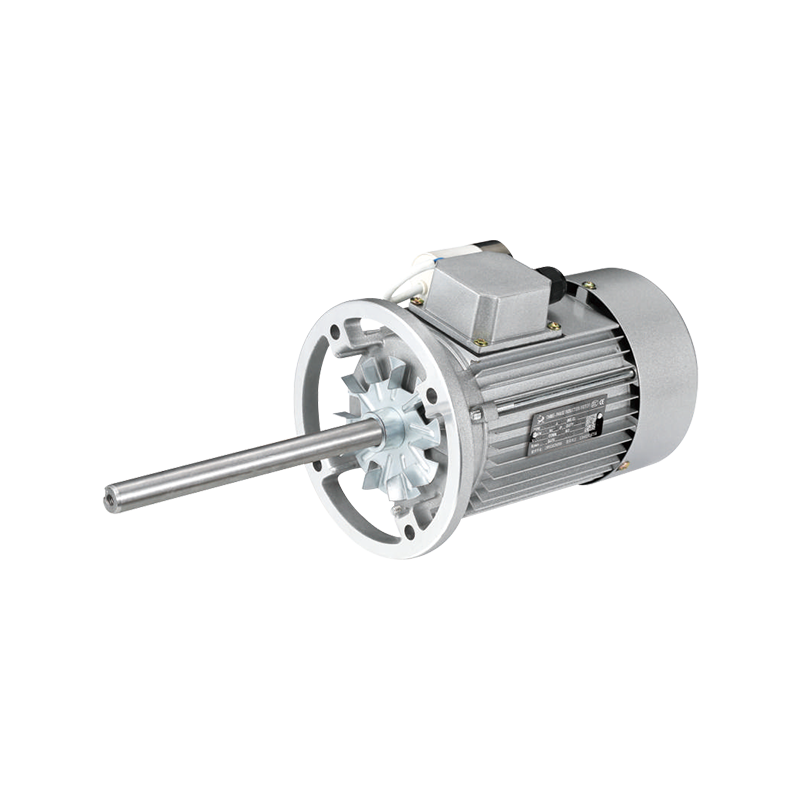
A Three Phase AC Motor is widely used in industrial systems because of how it handles power delivery and continuous operation. Instead of relying on uneven power flow, it uses a balanced electrical structure that supports smoother mechanical movement. This does not mean it changes the nature of production, but it helps equipment run in a more stable way under regular working conditions.
Understanding Energy Use in Factory Systems
Before looking at the motor itself, it helps to understand how energy is typically used inside a factory.
Most industrial facilities have a combination of machines that operate in different ways:
- Continuous running equipment
- Intermittent load machines
- Variable speed systems
- Auxiliary support devices
Each of these draws power in a different pattern. Some machines operate steadily for long hours, while others switch on and off depending on production needs.
Because of this variation, energy behavior inside a factory is not constant. It changes based on workload, production schedule, and machine interaction.
In this environment, the way a motor receives and uses electrical power becomes important. A more stable power conversion process often helps reduce unnecessary fluctuations in mechanical output.
Basic Working Idea of a Three Phase AC Motor
A Three Phase AC Motor operates using three alternating currents that work together in a coordinated pattern. Instead of relying on a single fluctuating power source, it receives power in a more balanced way.
This balanced input creates a rotating magnetic field inside the motor. That field is what drives the rotor and produces mechanical motion.
What matters in practical use is not only how it starts, but how it continues running under load. In factory systems, machines rarely work under fixed conditions. Load changes can happen frequently depending on production flow.
The structure of this motor type helps it respond in a more steady manner during those changes.
Why Energy Use Matters in Industrial Environments
In real factory operation, energy is not just a background detail. It directly influences:
- Machine running consistency
- Equipment lifespan planning
- Production scheduling
- Maintenance timing
- Operational cost control
When machines operate with unstable power behavior, additional strain can appear in mechanical parts. This may lead to more frequent adjustments or interruptions.
On the other hand, when power delivery is more balanced, machines tend to operate in a smoother rhythm. This is where the design of a three phase system becomes relevant.
How Balanced Power Input Supports Energy Behavior
One of the key reasons this motor type is widely used is related to how it receives electricity.
Instead of relying on a single alternating cycle, the power input is distributed across three phases. These phases overlap in a way that reduces sudden peaks and drops in energy delivery.
In practical terms, this means:
- Rotation feels more continuous
- Mechanical vibration is reduced in many cases
- Load changes are handled in a more controlled way
- Power delivery does not rely on one single surge
This kind of balance is especially useful in factories where machines do not stop frequently.
Common Factory Systems Where This Motor Type Is Used
To understand energy behavior more clearly, it helps to look at real usage environments.
Conveyor systems
Used for moving materials across production stages. These systems often run continuously and require stable motion.
Pump systems
Used in fluid transfer and circulation processes. These applications often require steady output over long periods.
Ventilation and air handling systems
Used to manage airflow in industrial spaces. These systems typically run for extended hours.
Processing machinery
Used in cutting, mixing, or forming operations where mechanical consistency is important.
In each of these cases, the motor is not just starting and stopping. It is running under a steady operational rhythm.
Energy Behavior During Continuous Operation
One important aspect in factories is continuous operation. Machines often run for long durations without interruption.
In this situation, energy behavior becomes more noticeable. A stable input helps reduce irregular movement in mechanical parts. This does not mean the system eliminates energy variation completely, but it helps smooth out sudden changes.
Over time, smoother operation can contribute to:
- More predictable machine behavior
- Less mechanical stress during operation changes
- More stable workflow between production stages
These effects are not always visible immediately, but they become clearer in long term operation.
Comparison of Common Motor Power Behavior
| Aspect | Single Phase Type | Three Phase Type |
|---|---|---|
| Power input style | One alternating source | Three coordinated sources |
| Motion behavior | More variation under load | More balanced rotation |
| Suitable usage | Light or small equipment | Industrial continuous systems |
| Load handling | More sensitive to change | More stable response |
| Operation continuity | Often intermittent | More suited for long running cycles |
Role of Load Variation in Factory Energy Use
In real production environments, load is rarely constant. Machines may process different materials, handle different weights, or switch between tasks.
When load changes, motor behavior also responds to it.
In a three phase system, the transition between different load levels tends to feel more controlled. The motor does not rely on sudden energy spikes to maintain rotation.
Instead, it adjusts more gradually to changes in mechanical demand.
This is one of the reasons it is widely used in systems that do not have fixed load conditions.
Impact on System Stability
System stability in factories is not only about electrical supply. It is also about how machines behave together.
When multiple machines operate on the same production line, their timing matters. If one machine behaves irregularly, it can affect the flow of the entire system.
A more balanced motor structure helps reduce unexpected variation in movement. This allows different machines to stay more aligned during operation.
In practical terms, this supports smoother coordination across production stages.
Maintenance Perspective in Industrial Use
Maintenance planning is a key part of factory management. Machines that operate under smoother conditions often require more predictable inspection cycles.
When mechanical stress is reduced during operation changes, components may experience less sudden impact.
This does not remove maintenance needs, but it can help create a more stable pattern of wear over time.
Common maintenance focus areas include:
- Bearing condition checks
- Cooling system monitoring
- Electrical connection inspection
- Load performance review
A stable operating pattern makes these checks easier to schedule and manage.
Energy Use Behavior in Real Applications
Instead of looking at theoretical descriptions, it is more useful to think about real factory behavior.
In many facilities, motors are not operated in isolation. They are part of a larger system that includes belts, gears, pumps, and controllers.
When the motor output remains more consistent, the rest of the system can follow a more predictable rhythm.
This helps reduce unnecessary energy fluctuation caused by mechanical mismatch between connected parts.
Design Thinking Behind Industrial Motor Systems
Industrial motor design is usually focused on practical conditions rather than theoretical performance ideas.
Some key considerations include:
- Continuous running ability
- Response to load changes
- Mechanical integration with equipment
- Thermal behavior during operation cycles
- Electrical stability under industrial supply conditions
A three phase structure fits well into these requirements because it supports steady operation under different working conditions.
How Factory Layout Influences Motor Energy Use
Energy use is also affected by how a factory is arranged.
For example:
- Long conveyor lines require consistent motion
- Centralized pump systems depend on stable flow
- Production cells need synchronized timing
When machines are distributed across a large facility, power consistency becomes even more important.
A stable motor system helps reduce variation across different sections of the production line.
Practical Benefits in Daily Operation
Instead of focusing on technical theory, it is useful to look at daily usage behavior.
Operators and engineers usually care about:
- Smooth machine start and run behavior
- Less unexpected interruption during operation
- Predictable performance during load changes
- Easier system coordination
- Stable working rhythm across shifts
These practical points are often more important than technical descriptions in real factory environments.
Future Direction in Industrial Motor Application
Industrial systems are gradually moving toward more controlled and adaptive operation models.
This includes:
- Better integration with automation systems
- More attention to energy behavior consistency
- Improved coordination between machines
- Flexible response to production changes
Within this direction, motors that support stable and balanced operation will continue to play an important role.
Energy use in factory systems is not only about power consumption. It is also about how smoothly machines operate under real working conditions.
A Three Phase AC Motor supports this by providing a more balanced electrical input structure that helps maintain steady mechanical movement. In continuous industrial environments such as conveyors, pumps, and processing equipment, this stability becomes especially useful.
Rather than changing how factories work, it helps existing systems operate in a more controlled and predictable way. Over time, this contributes to smoother coordination between machines and more consistent daily operation across production lines.


