 English
 Español



Building 1, Block 4, Wufeng Industrial Park, Daxi Town, Taizhou City, Zhejiang Province, China
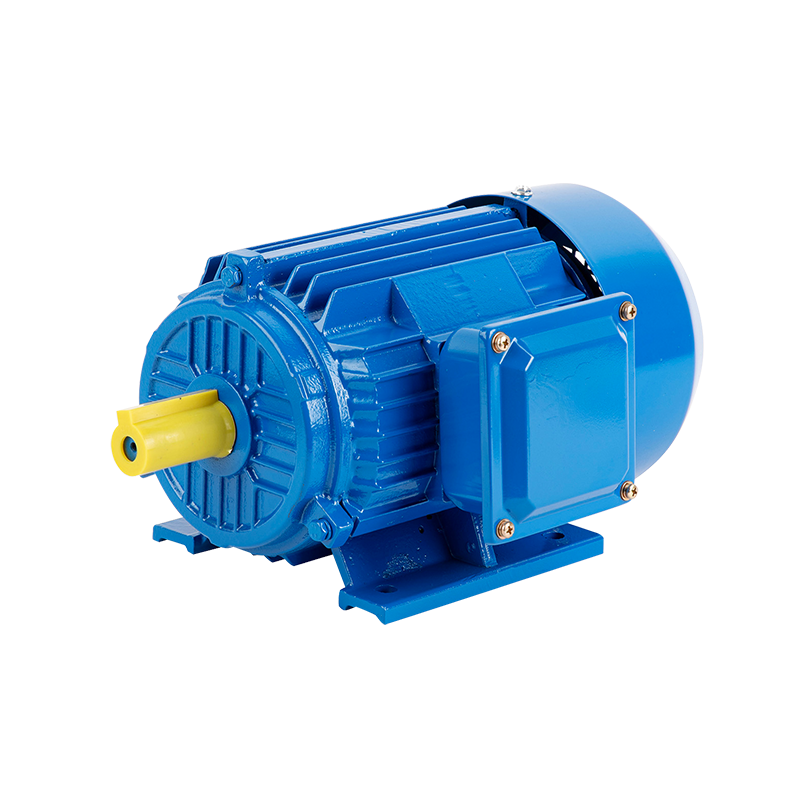
Electric motor is not something most people pay attention to, but they are working almost everywhere around us. Inside factories, water systems, ventilation equipment, production lines, and even basic machinery, they quietly turn electricity into motion.
The idea is simple, but the impact is huge. When electricity enters a motor, it does not just stay as energy. It gets converted into movement that can drive machines, move materials, or support entire production systems.
What makes electric motors so widely used is not only their function, but also their flexibility. They can work in small devices or large industrial systems. They can run for long hours, sometimes even continuously, depending on how they are designed and applied.
In modern industry, where automation and stability matter more than ever, motor systems have become a basic building block. Without them, many production processes would slow down or stop completely.
What an Electric Motor Really Is
At the simplest level, an electric motor is a device that changes electrical energy into mechanical motion.
But if we explain it in a more practical way, it is basically a machine that takes power from electricity and turns it into spinning force. That spinning force can then be used to move other equipment.
Think of it like this:
- Electricity goes in
- Rotation comes out
- Work gets done by connected machines
It doesn't burn any fuel, it doesn't have a complicated burning process. All of this is done by the interaction of electricity and magnetism.
Because of this, motors can be controlled more precisely. You can adjust speed, direction, and operation time depending on system needs.
That is one of the reasons they are used in so many different industries today.
How an Electric Motor Works in Real Terms
While the operating principle might seem a little technical at first, it's actually quite easy to work out once you're done with it.
Inside every motor, there are two main forces involved:
- electricity
- magnetism
A magnetic field is produced when an electric current passes through a coil of wire. This field interacts with another magnetic field inside the motor structure.
This interaction creates motion. Instead of standing still, parts of the motor start to spin.
Here is a simple way to imagine the process:
- Electrical power enters the motor
- Wire coils create a magnetic field
- Magnetic forces start interacting
- Internal parts begin to move
- Rotation is transferred outside through a shaft
So long as the electric current continues, the rotation will continue.
What makes this process useful in industry is its stability. There is no sudden explosion or complex mechanical ignition. It is a controlled and repeatable motion process.
A Closer Look at Motor Structure
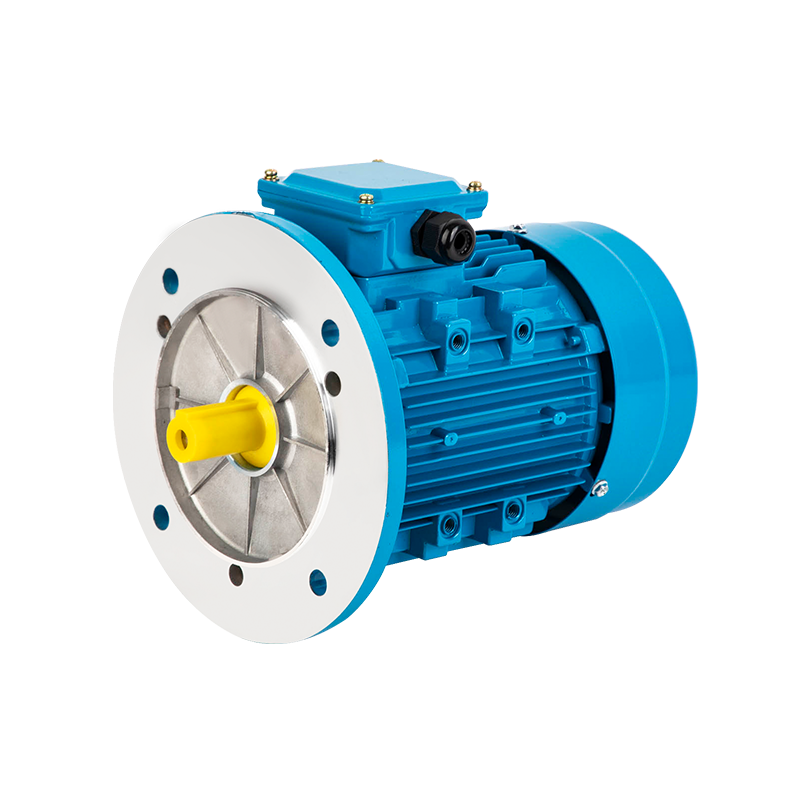
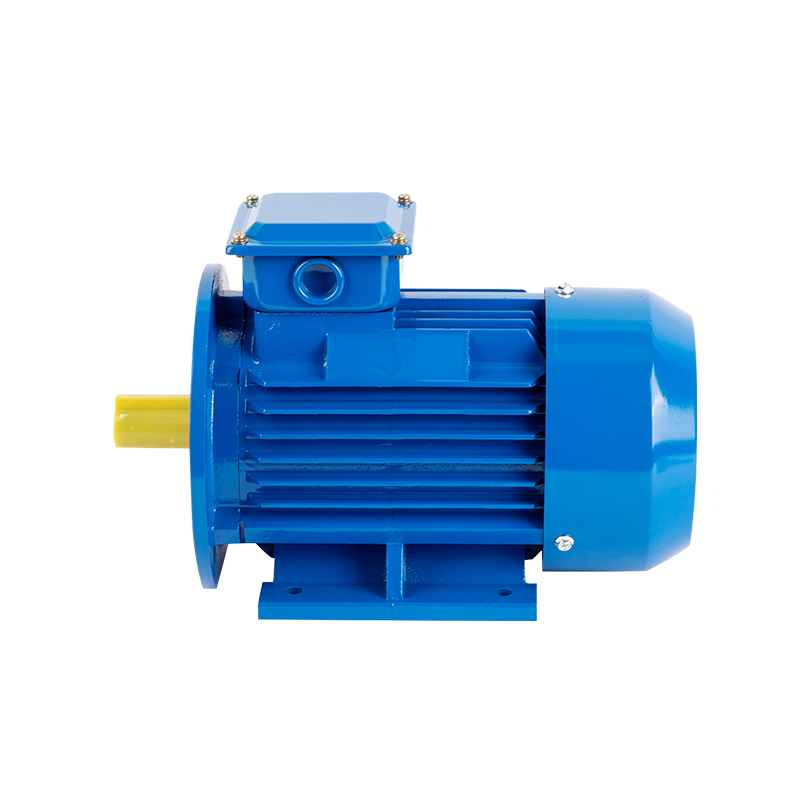
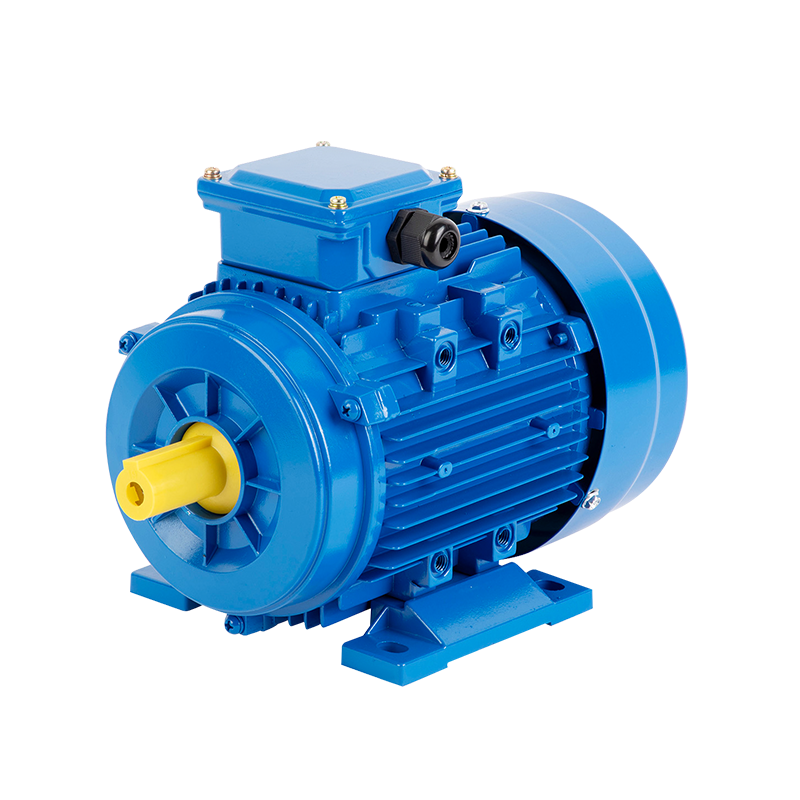
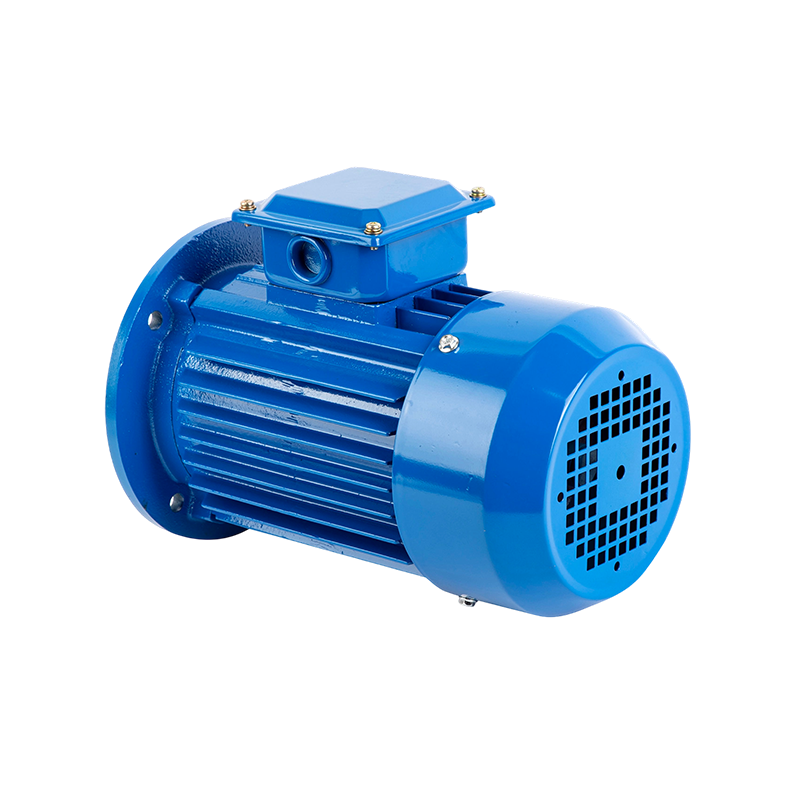
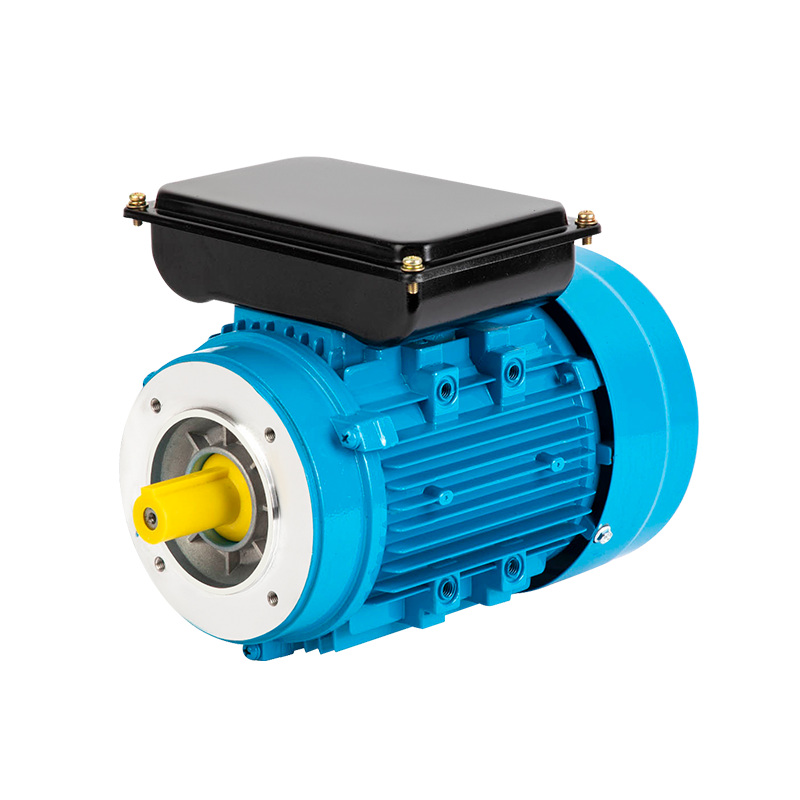
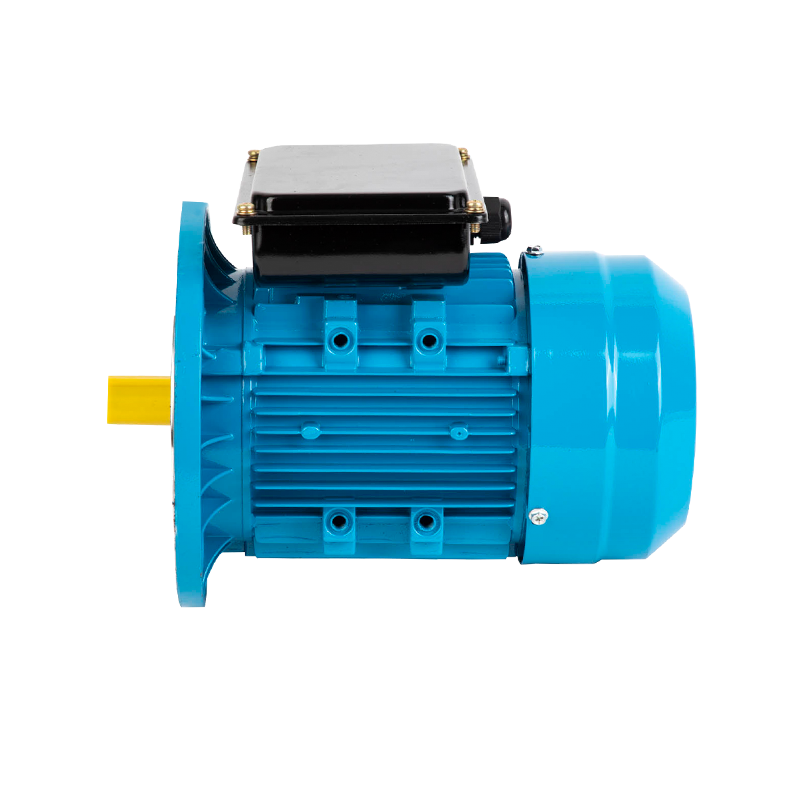
Even though motor designs can vary depending on application, most of them share a few core parts. Each part has a specific role, and they all work together as one system.
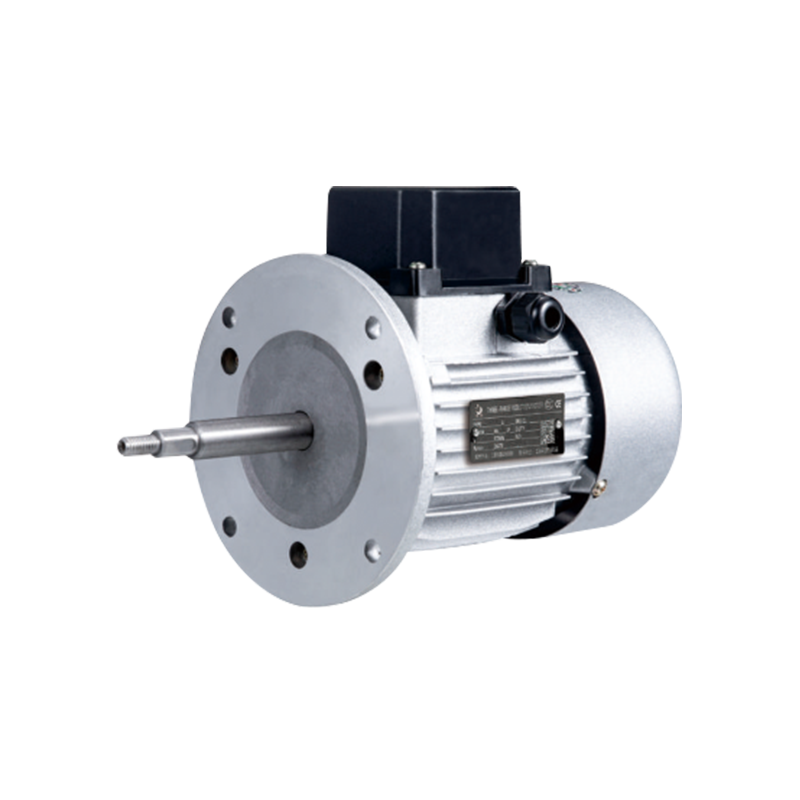
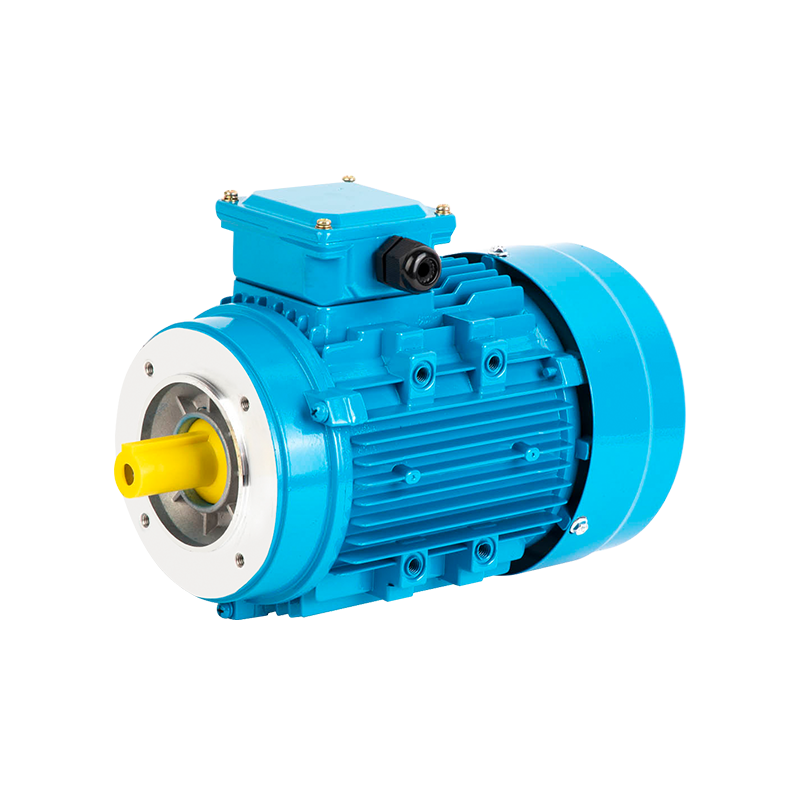
Stator – the stationary structure
The stator is the fixed outer part of the motor. It does not move. Inside it are wire windings that receive electrical current.
When electricity flows through these windings, a magnetic field is created. This is the starting point of motor operation.
You can think of the stator as the "energy creator" inside the system.
Rotor – the rotating core
The rotor is the part that actually spins. It sits inside the stator and responds to the magnetic field created around it.
As magnetic forces interact, the rotor begins to turn. This rotation is what eventually becomes usable mechanical output.
There would be no movement without the rotor.
Windings – the electrical pathways
The winding is made of a conductive wire, usually copper. They carry electricity inside the motor.
Their layout is not random. It is carefully designed to produce magnetic fields in a controlled manner.
Different winding structures can affect the performance of the motor in different load conditions.
Shaft – the output connection
A shaft is a component that connects an electric motor to an outside machine.
As the rotor rotates, so does the shaft. This rotation is what drives the pumps, the fans, the conveyors, and many other machines.
It is the direct connection between the inner movement and the outside work.
Bearings – the smooth support system
The bearing helps to reduce the friction between the moving parts. They allow the rotor to spin smoothly without excessive resistance.
Without bearings, the motor would quickly wear out and become inefficient.
They have a quiet but vital role in keeping the operation stable.
Why Motor Design Feels Simple but Works So Well
Each part has a clear function:
- stator creates magnetic force
- rotor responds to force
- windings control electricity flow
- shaft delivers motion
- bearings support movement
There is no direct contact between electricity and mechanical output. Everything is handled through magnetic interaction.
This design reduces mechanical stress and allows motors to run for long periods with relatively stable performance.
That is why they are commonly used in continuous industrial processes.
Common Motor Categories in Industrial Use
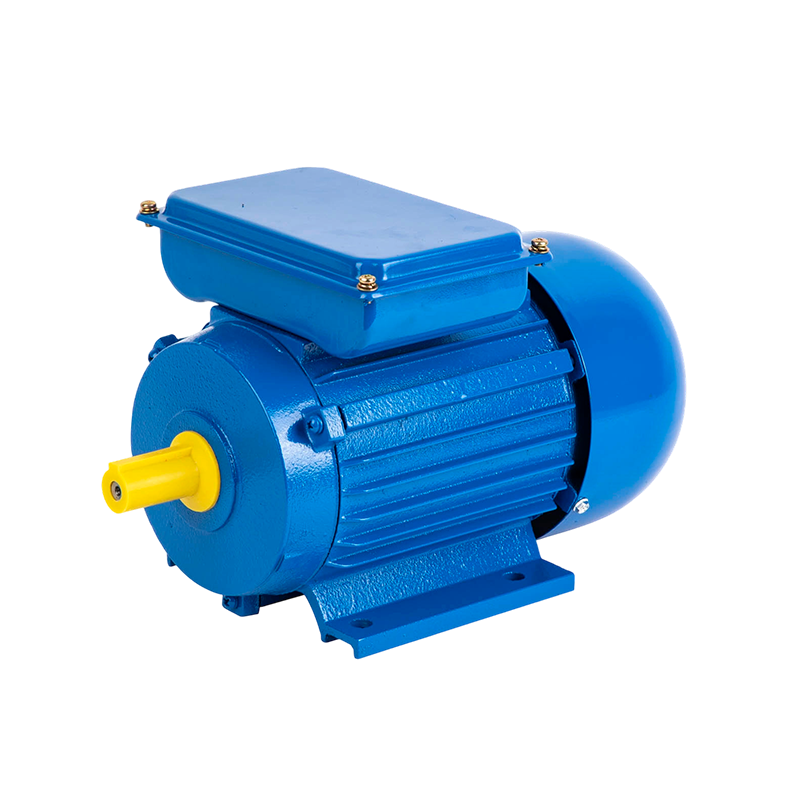
Single Phase Motor
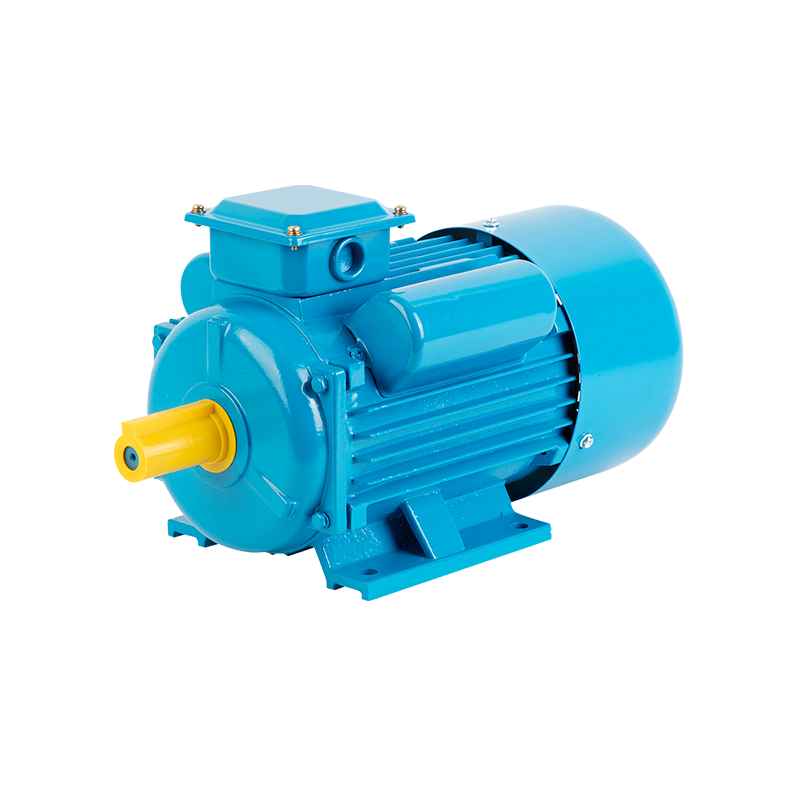
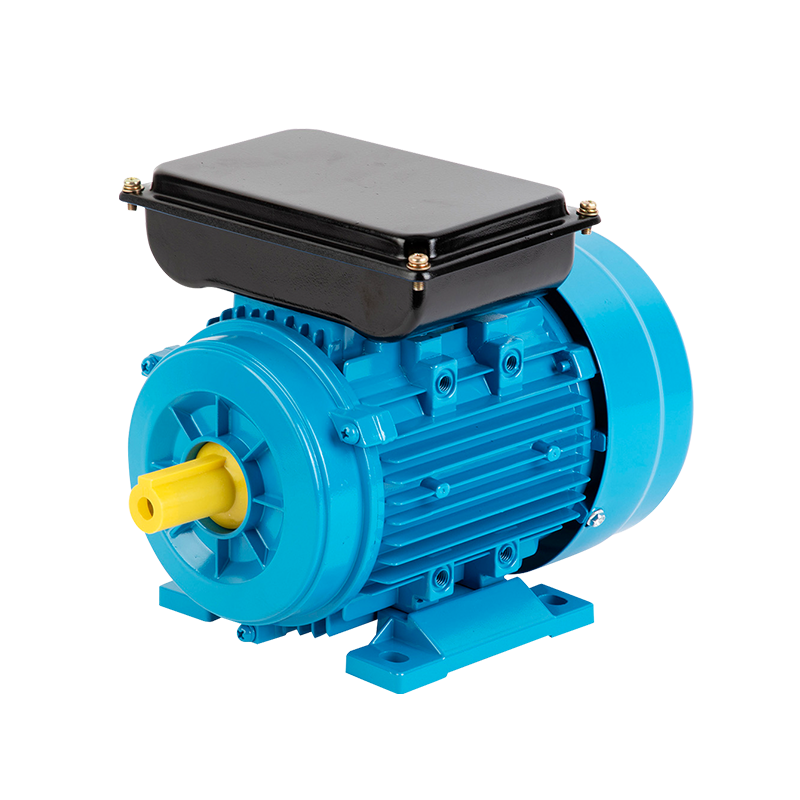
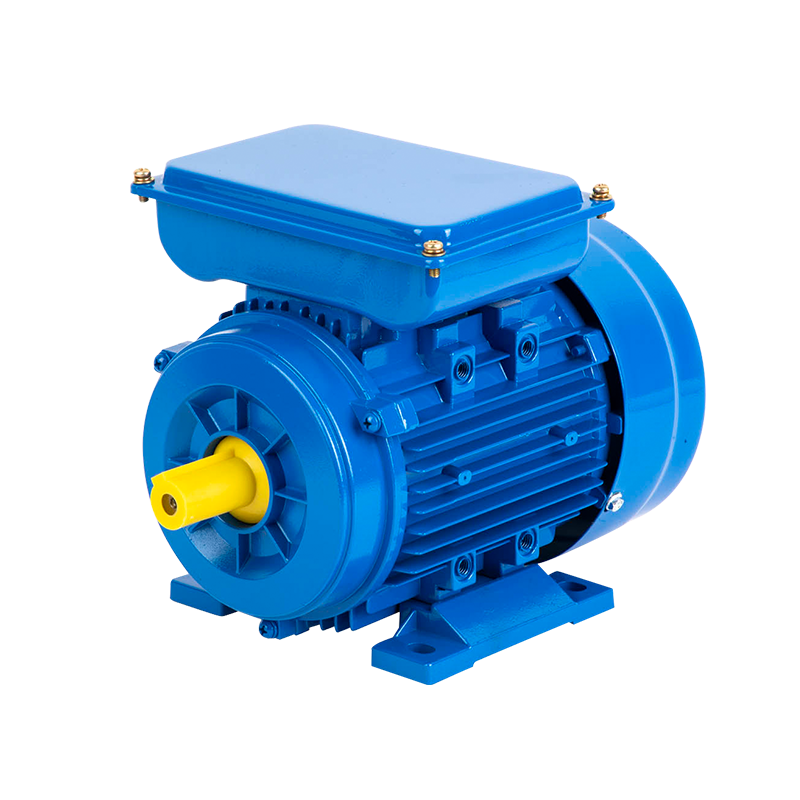
Single phase motors are usually used in smaller systems. They are simple in structure and suitable for lighter workloads.
You often see them in:
- small machines
- basic equipment
- light industrial applications
They are easy to install and maintain, which makes them practical for simple setups.
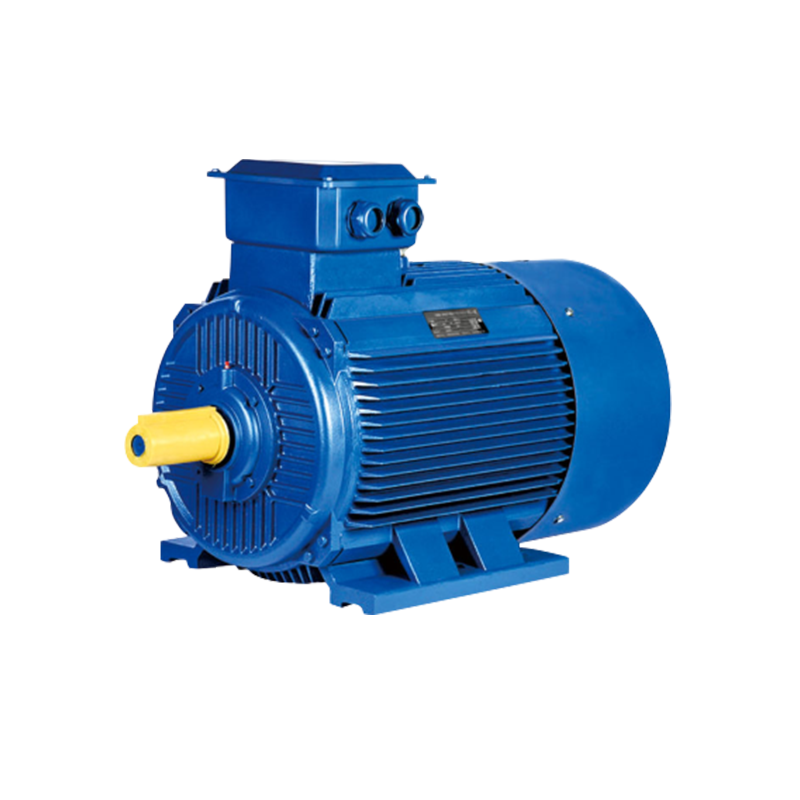
Three Phase Motor
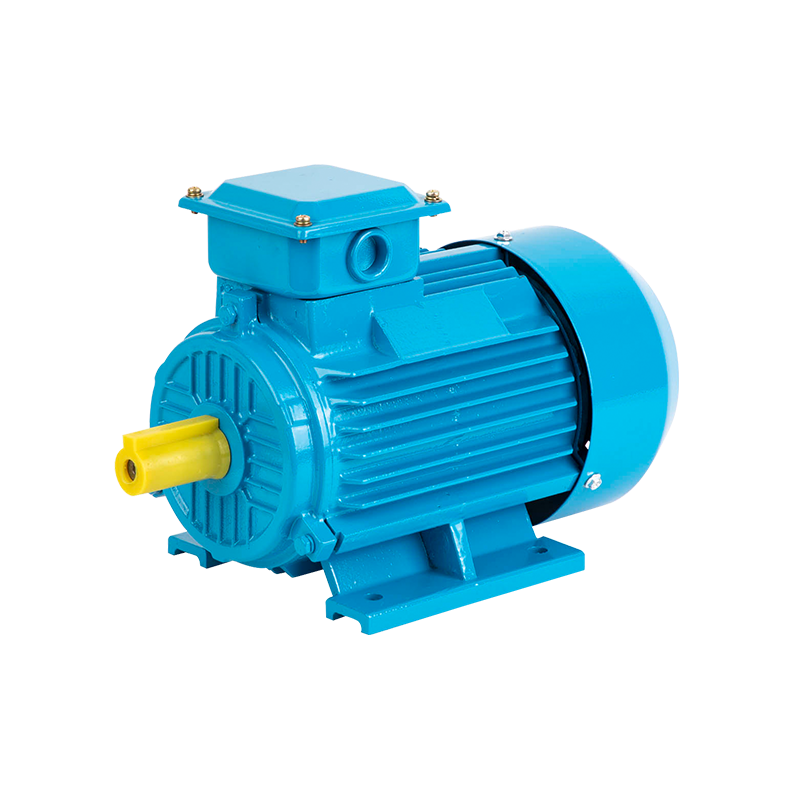
Three phase motors are widely used in industrial environments. They are designed for stronger and more stable operation.
They are commonly found in:
- pumps
- compressors
- conveyors
- industrial production systems
Because of their structure, they can handle continuous operation more smoothly.
Induction Motor Design
Induction motors are very common because of their simple internal structure. The rotor does not need direct electrical connection.
Instead, it reacts to the magnetic field created by the stator.
This reduces wear and makes the system more durable in long-term use.
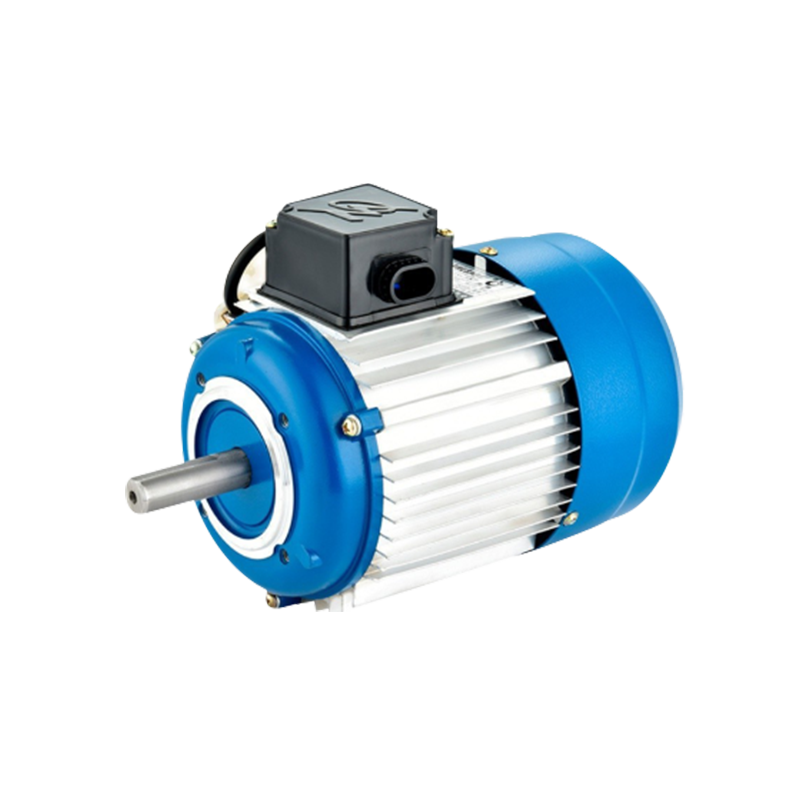
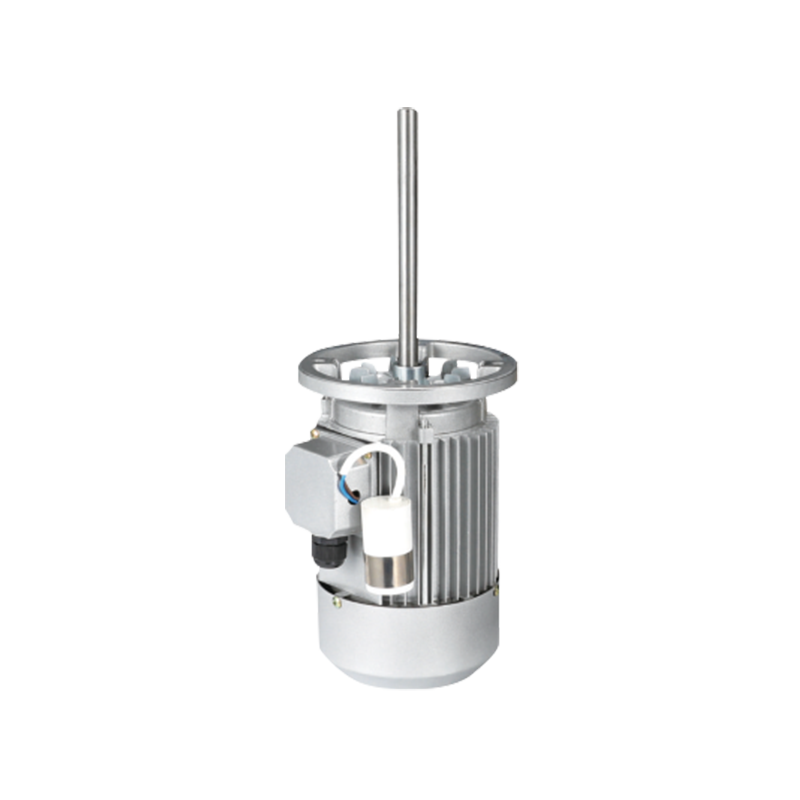
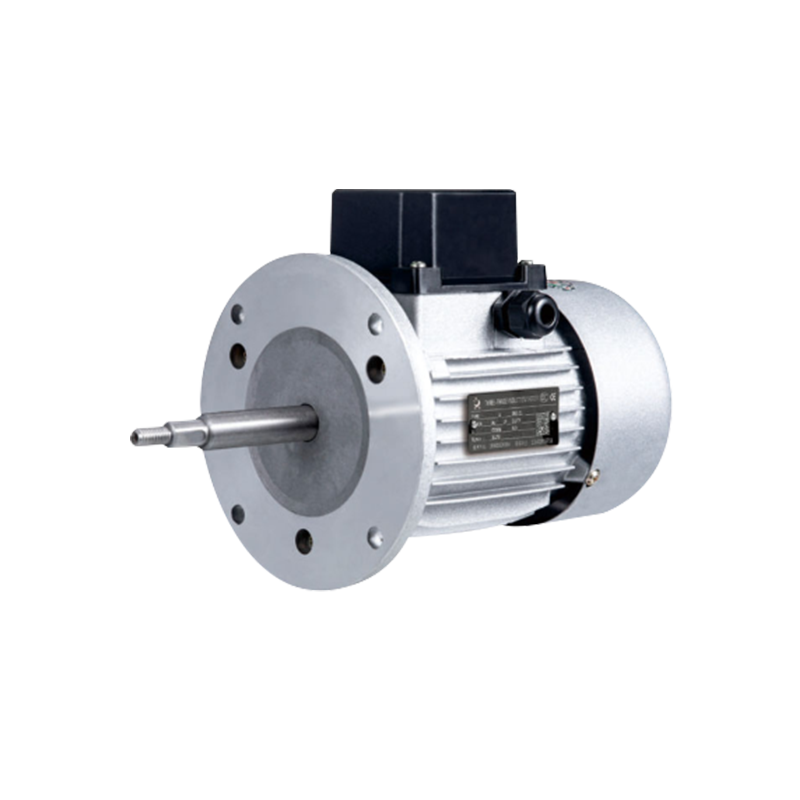
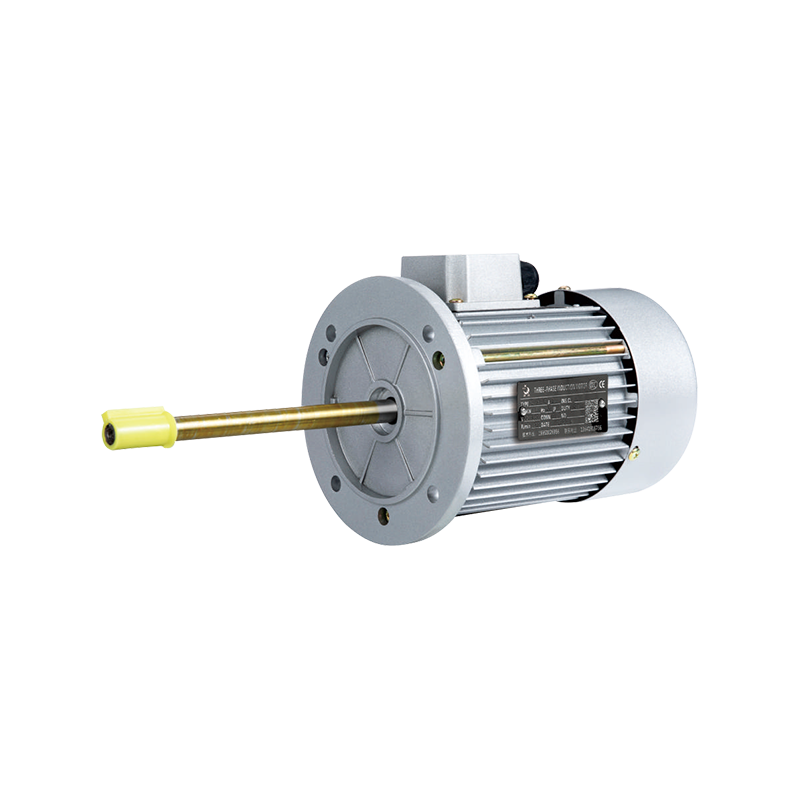
Application-Focused Motor Designs
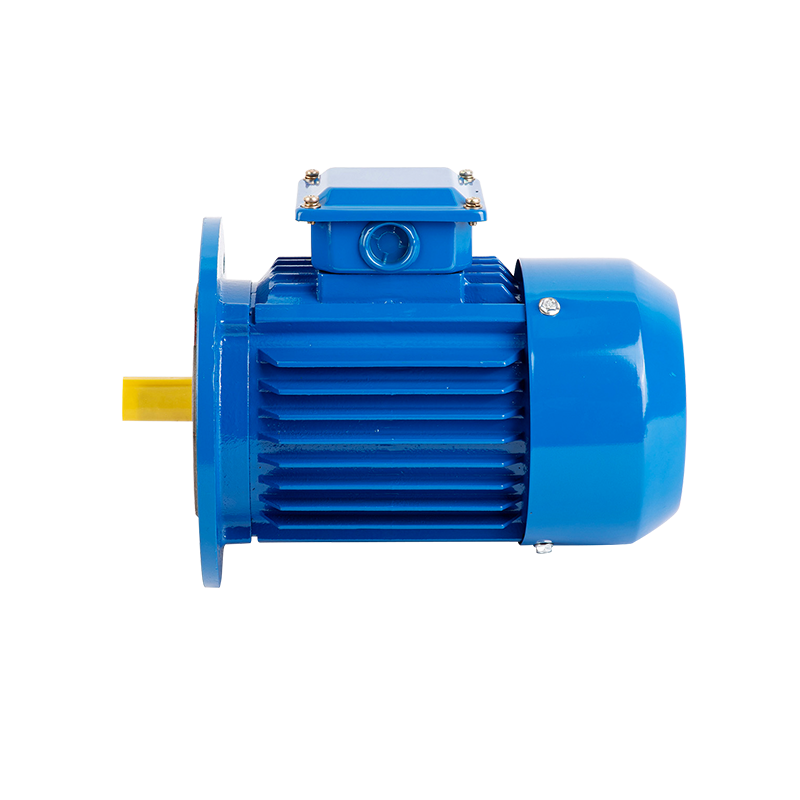
Some motors are designed for specific tasks such as air movement, fluid systems, or automated machinery.
Depending on their use, these designs can comprise different shell structures, cooling methods, or installation styles.
Where Electric Motors Are Used in Real Industry
Manufacturing Environments
In a factory, an electric motor drives a production line, a conveyor belt, and a processing machine. They help keep materials moving through different phases.
Water Systems
The water treatment plant and the pumping system depend on the movement and control of the water flow by the electric motor.
Air and Ventilation Systems
Electric motors drive fans and compressors that control air flow and temperature in buildings and industry.
Agriculture
In agriculture, motors help operate irrigation systems, pumps, and mechanical tools.
Mining and Heavy Work
Mining operations use motors in devices that move materials or support large mechanical systems.
Food Production
Food processing and packaging systems use motors to move products and handle production steps.
Automation Systems
Modern automated systems rely heavily on motors to move parts and support machine coordination.
Why Motors Are So Widely Used
The reason motors are so common is not just because they work. It is because they fit well into modern industrial systems.
They offer:
- stable motion output
- flexible usage across industries
- compatibility with automation
- relatively simple operation once installed
Instead of using complex mechanical engines or manual systems, industries can rely on electricity to create controlled motion. This makes planning, scaling, and system design much easier.


