 English
 Español



Building 1, Block 4, Wufeng Industrial Park, Daxi Town, Taizhou City, Zhejiang Province, China
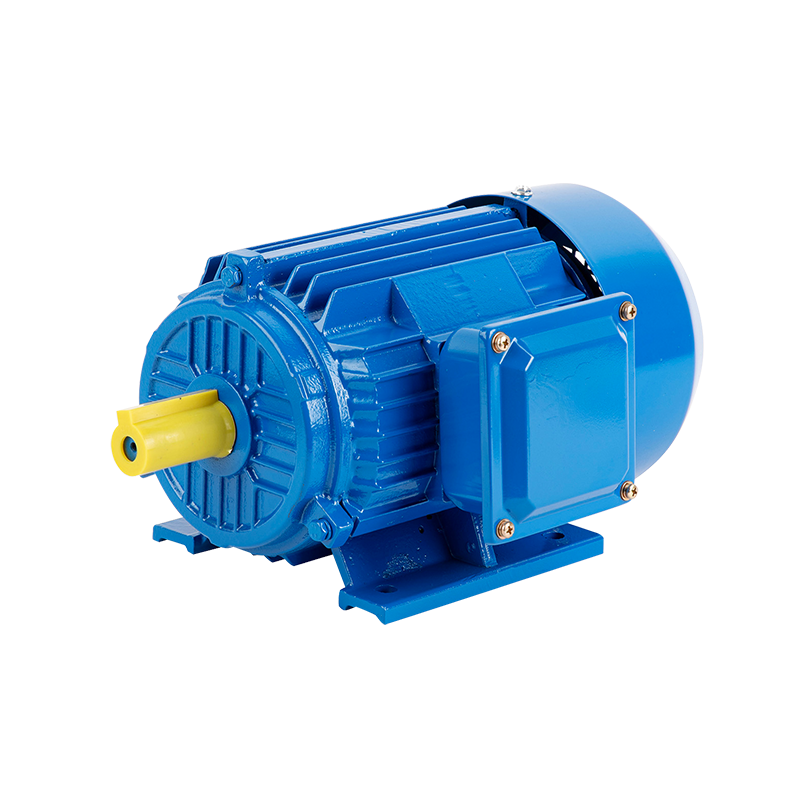
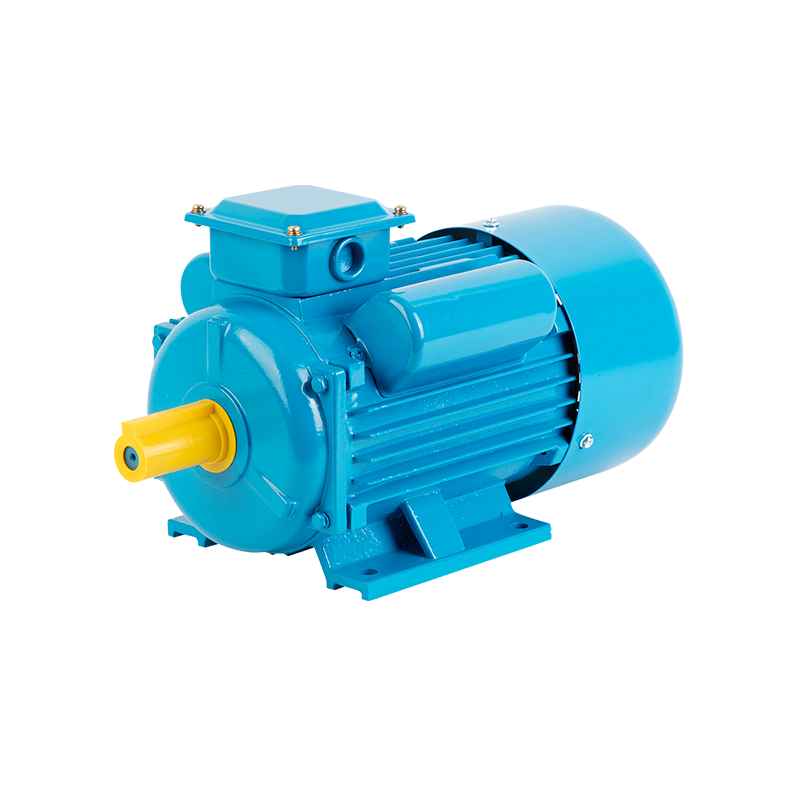
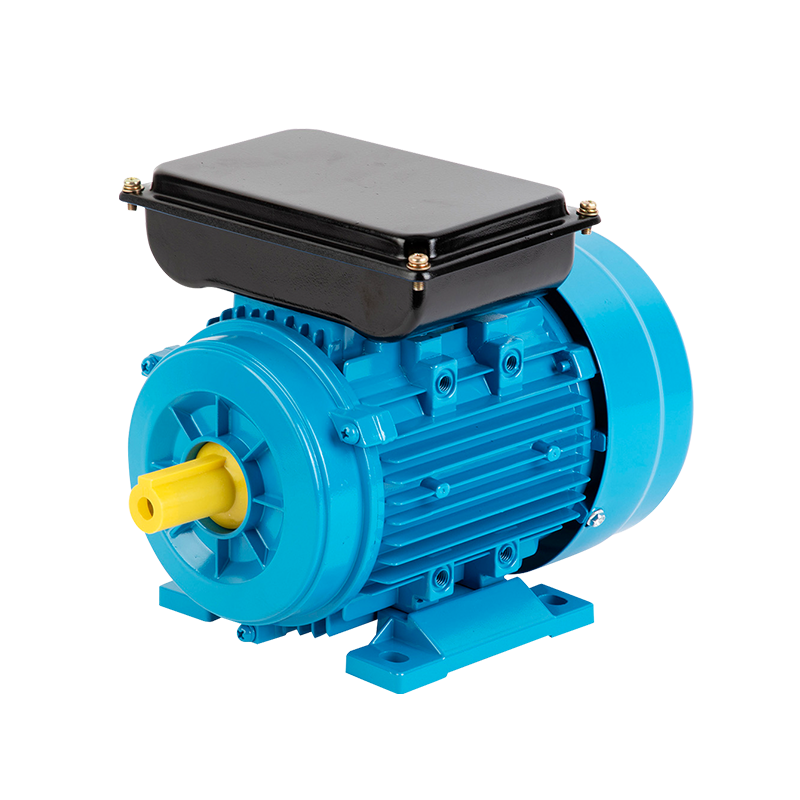
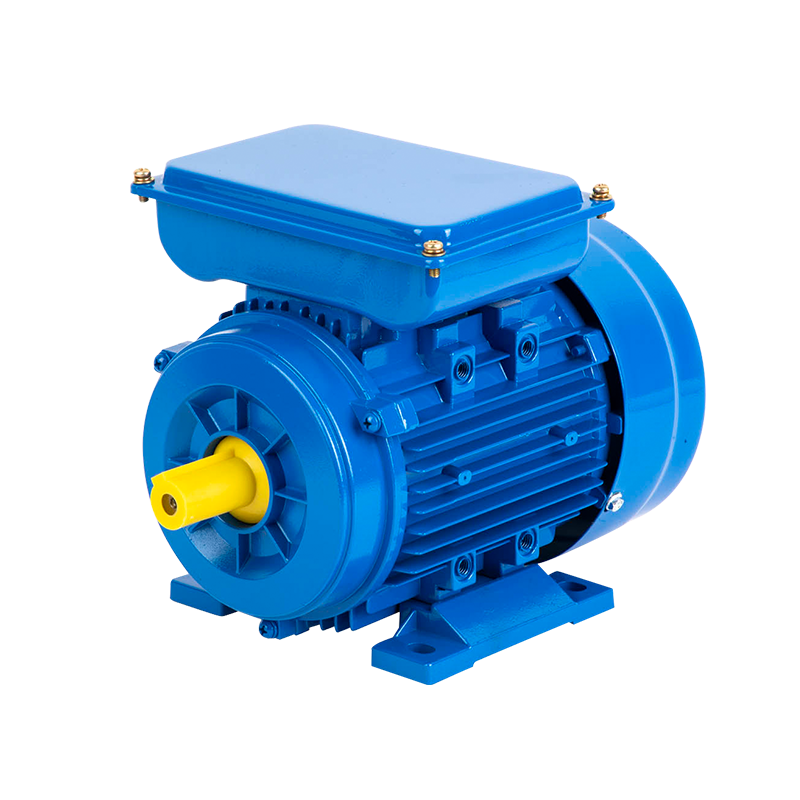
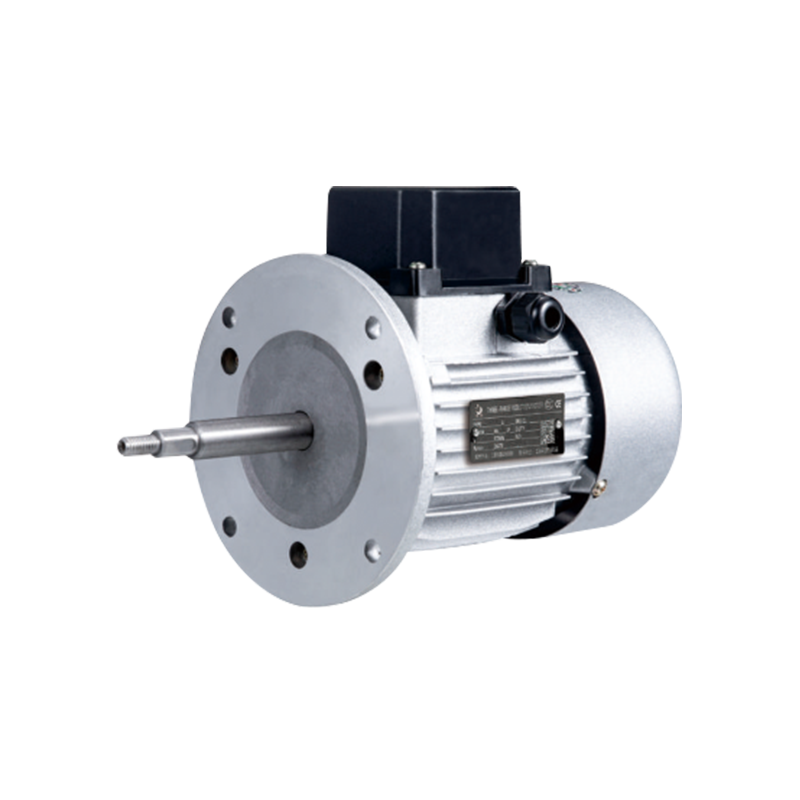
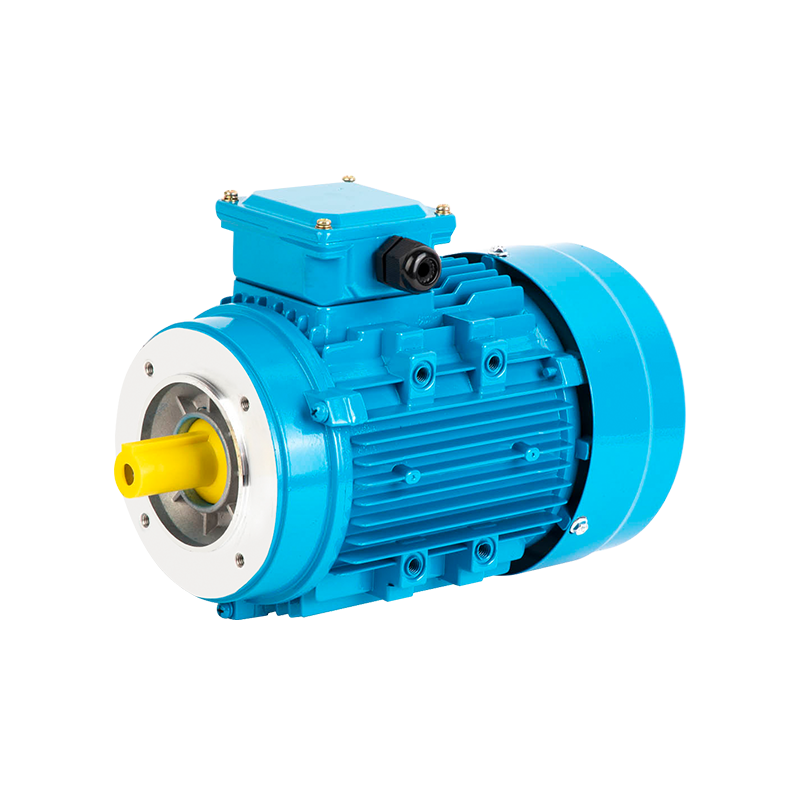
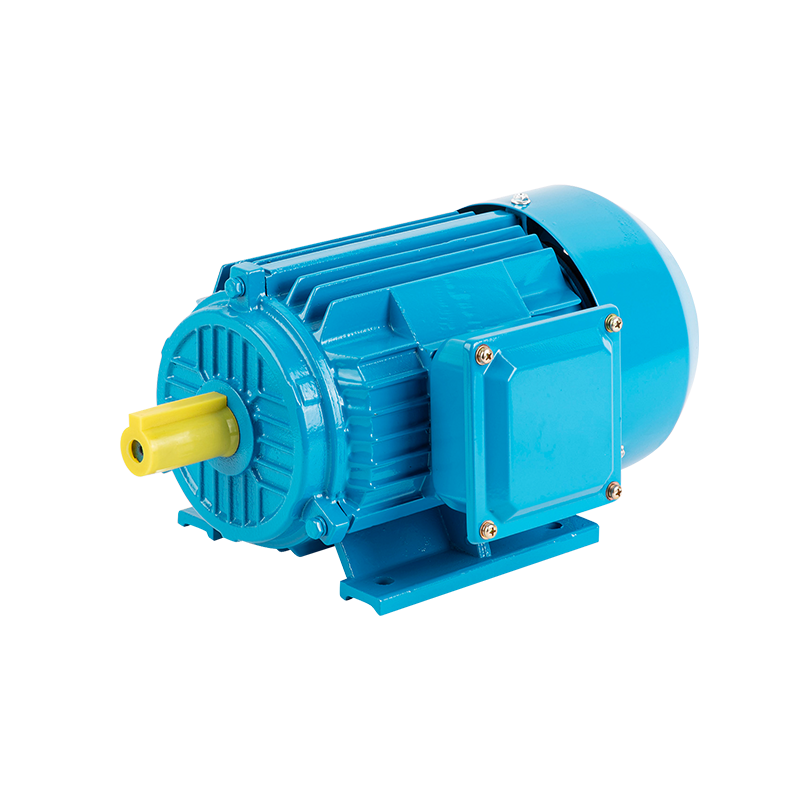
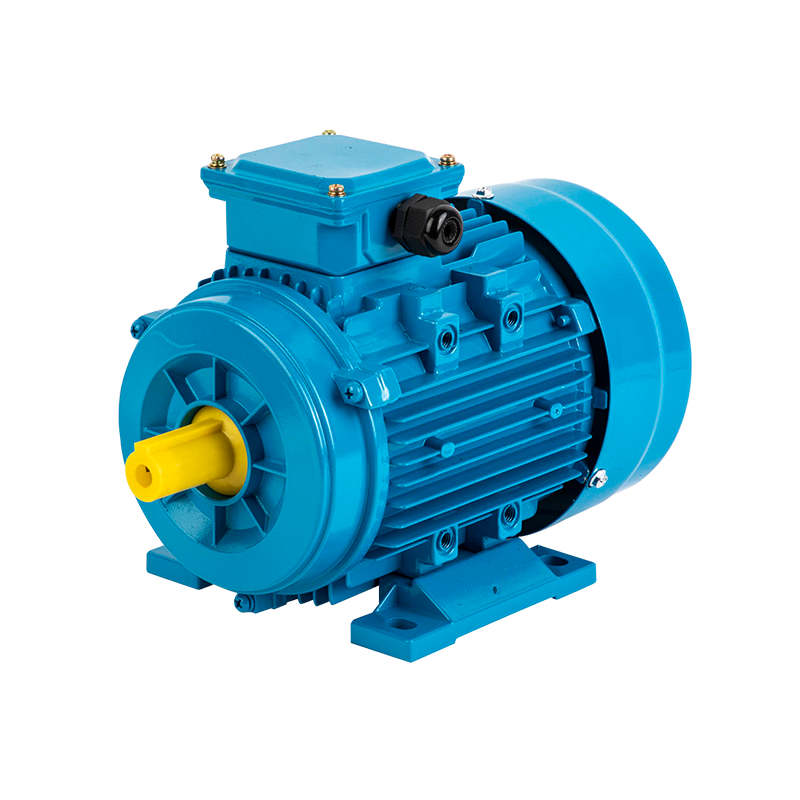
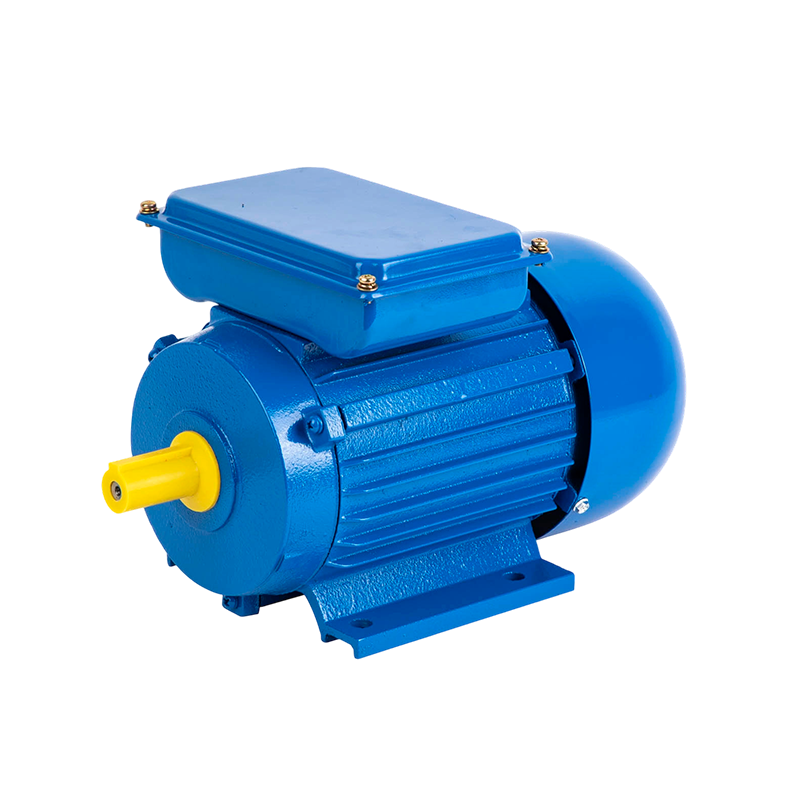
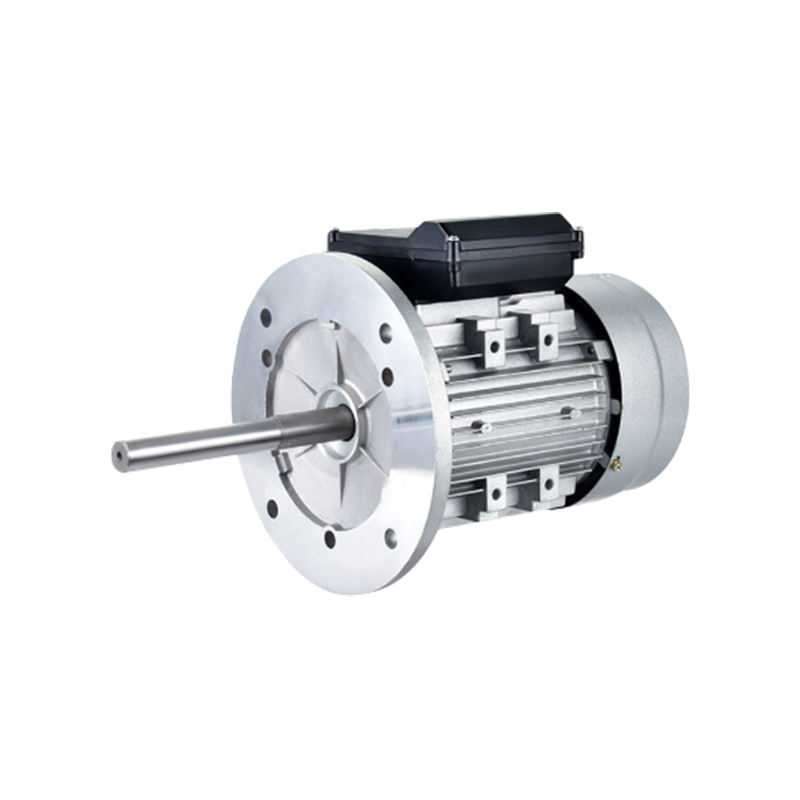
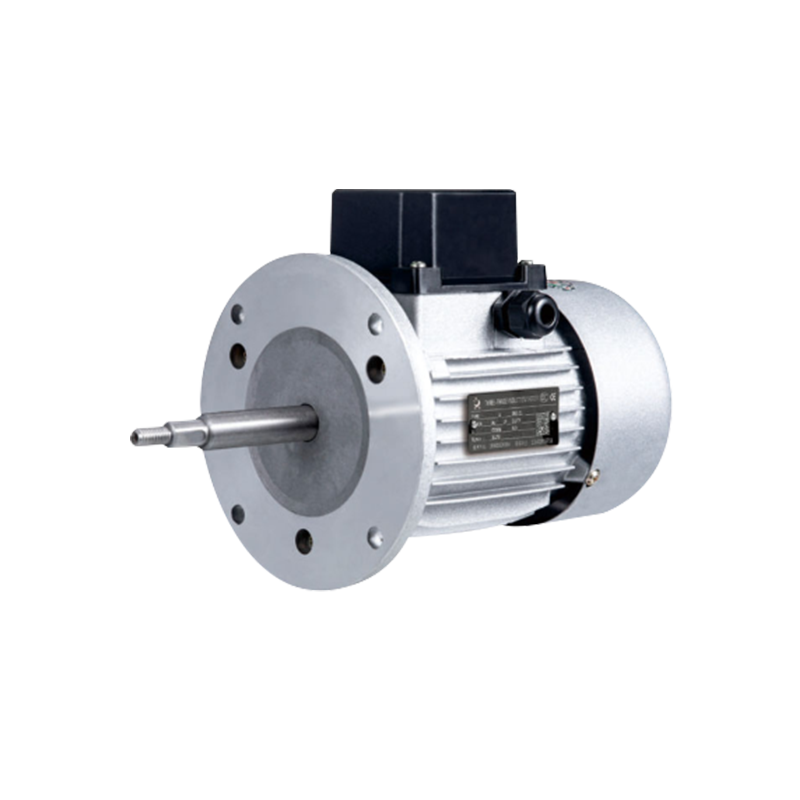
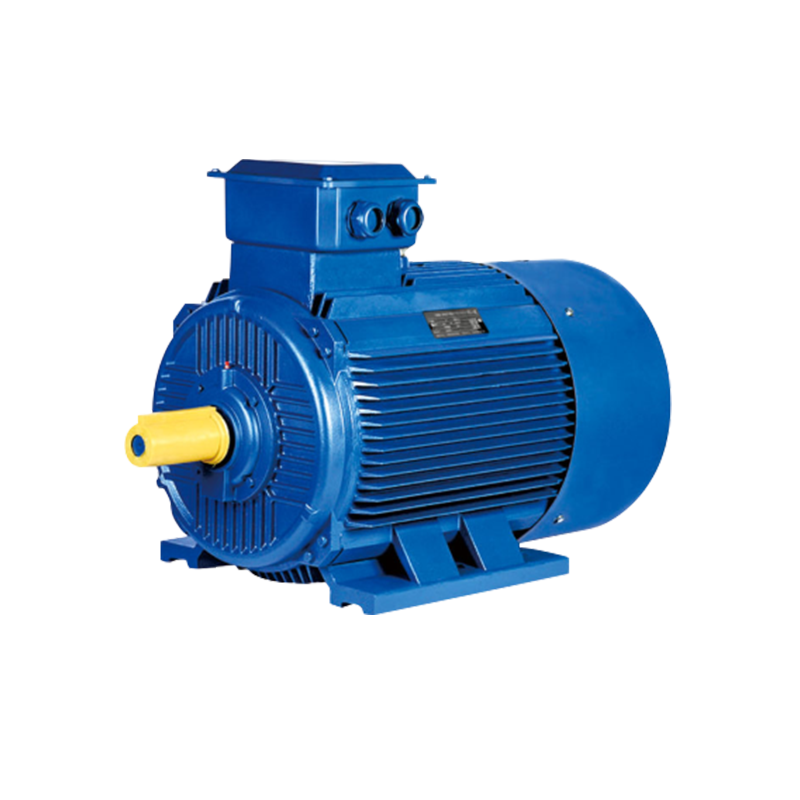
Electric Motor is widely used in industrial equipment as a core device that converts electrical energy into mechanical movement. In real applications, it is not treated as an isolated component, but as part of a complete driving system that supports machines such as pumps, conveyors, compressors, and processing equipment. Engineers and buyers usually focus on how Electric Motor performs inside real machines, how it connects with mechanical load, and how stable it remains during long operation cycles.
Basic structure of Electric Motor in industrial design
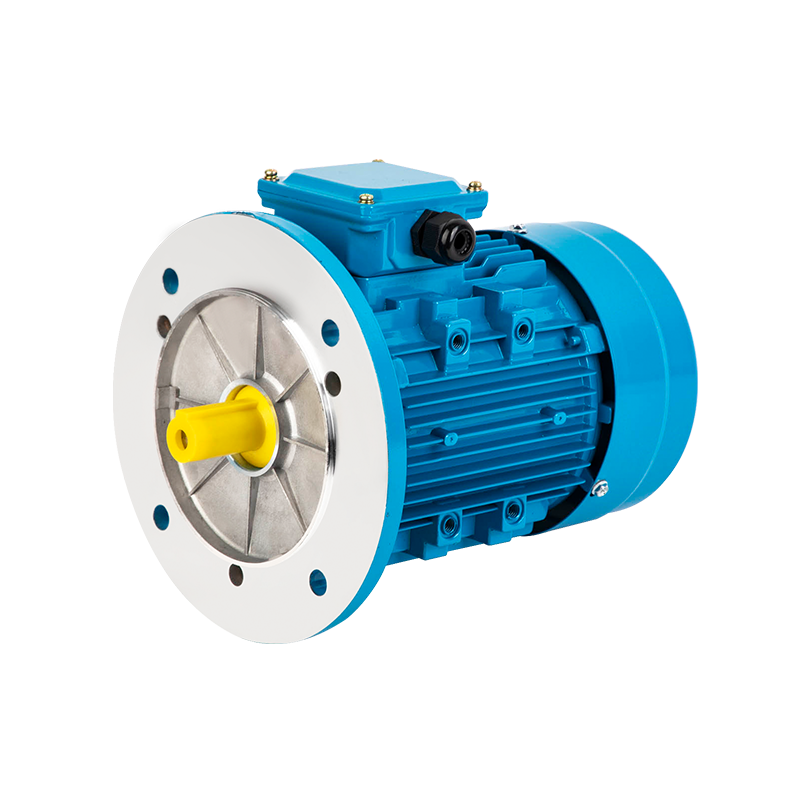
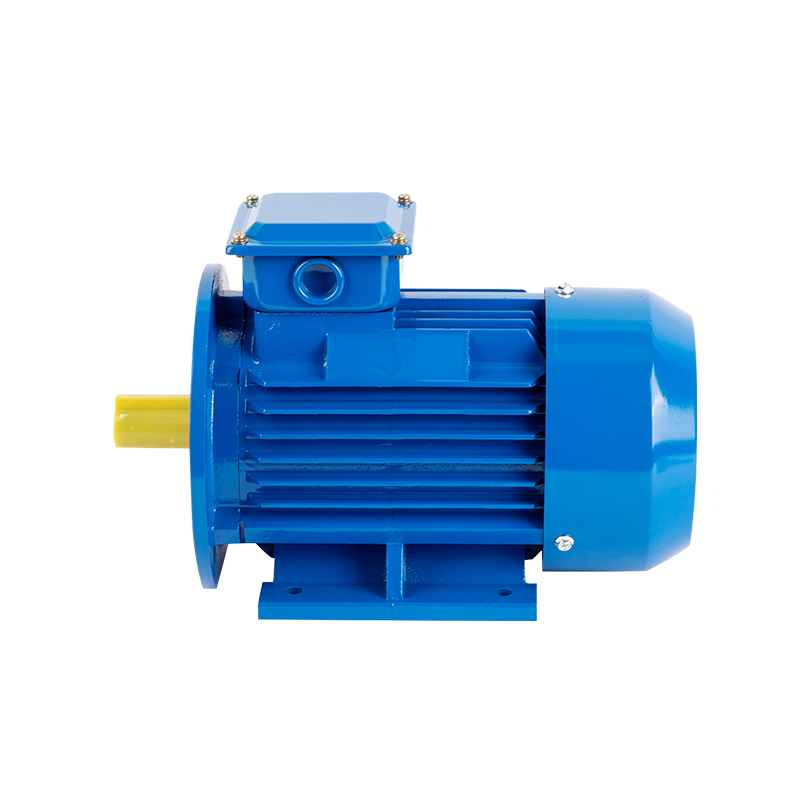
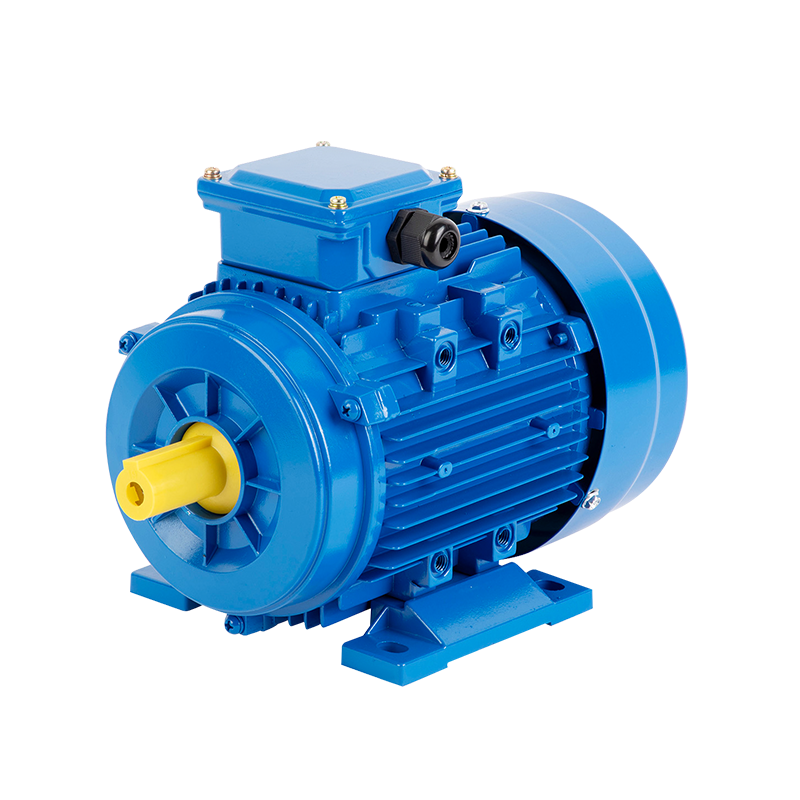
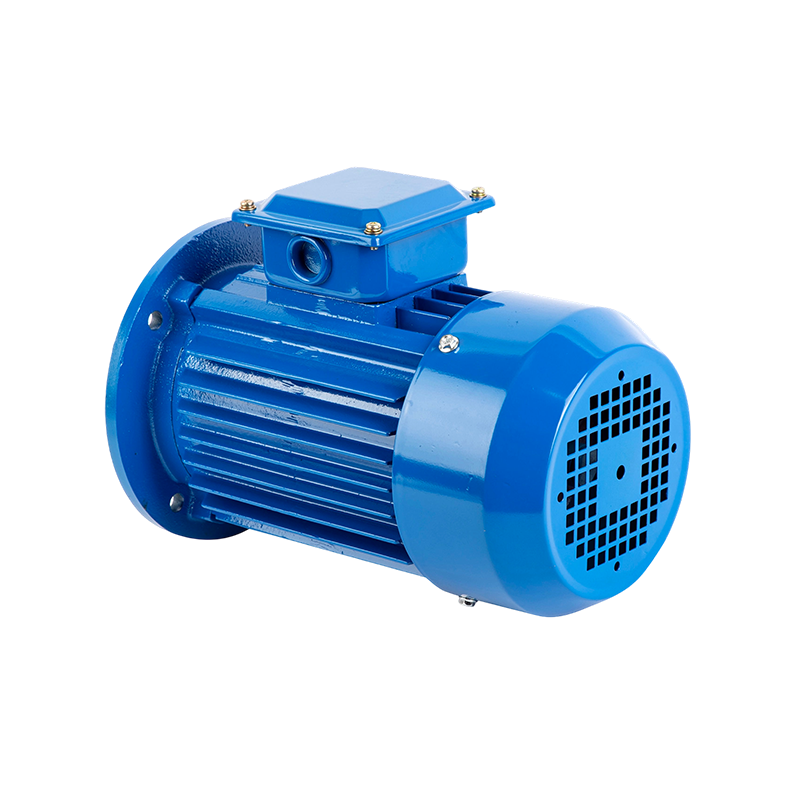
Most industrial Electric Motor products share a similar internal structure, even if the outer design or size varies depending on application requirements.
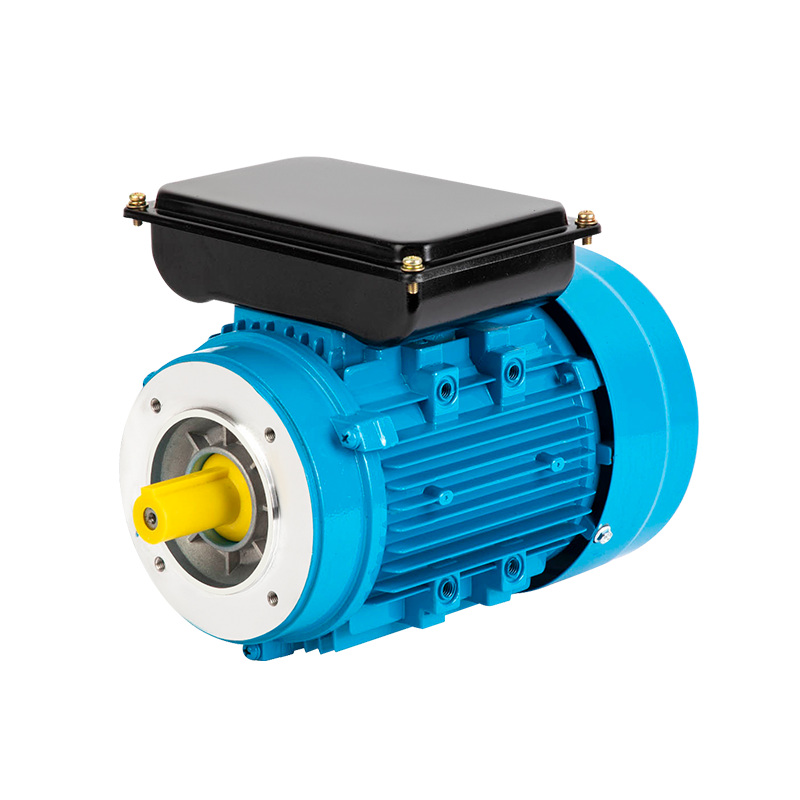
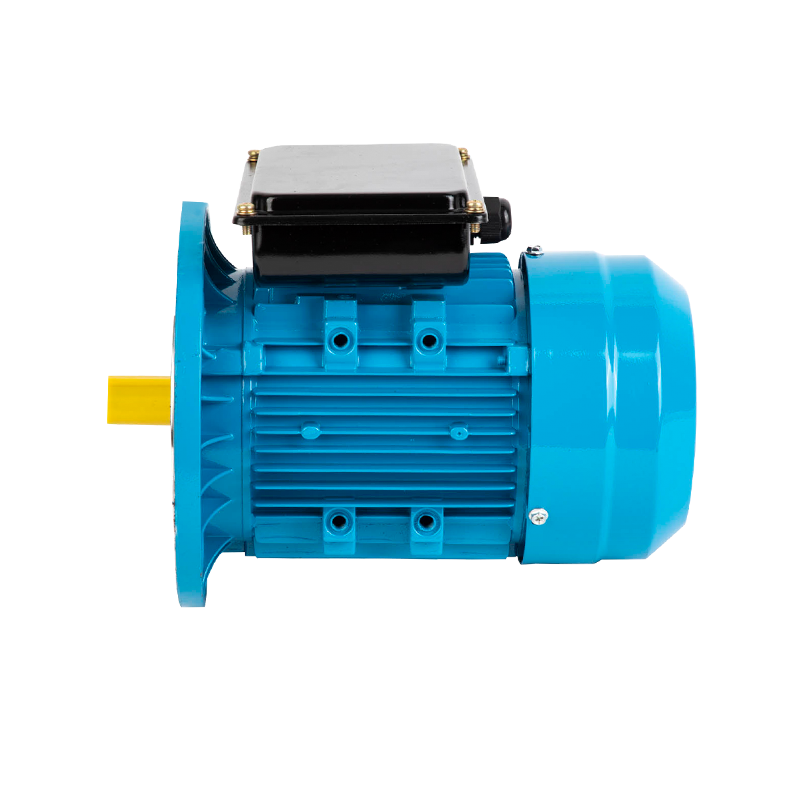
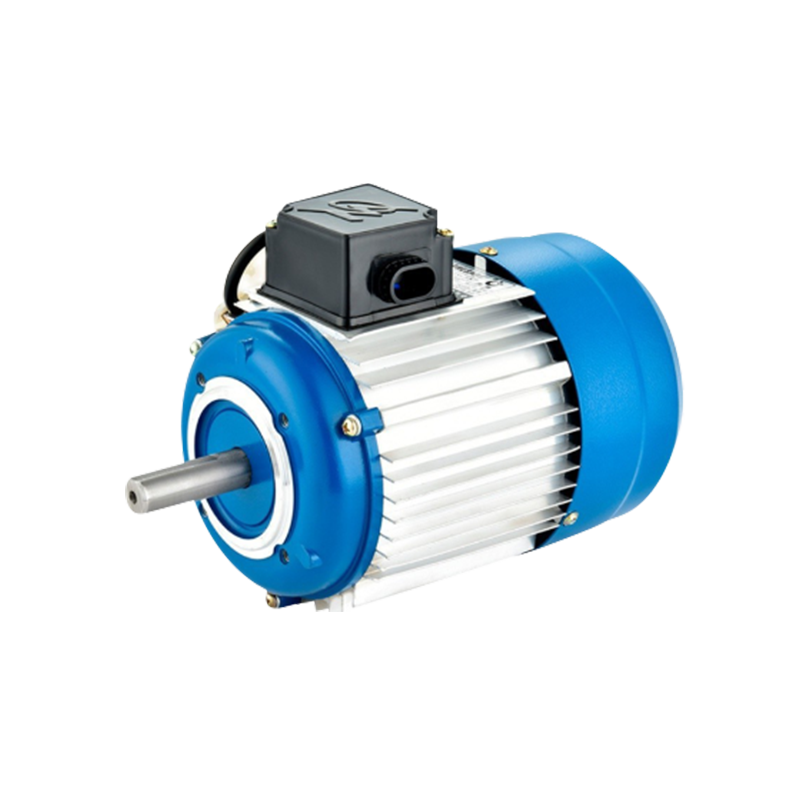
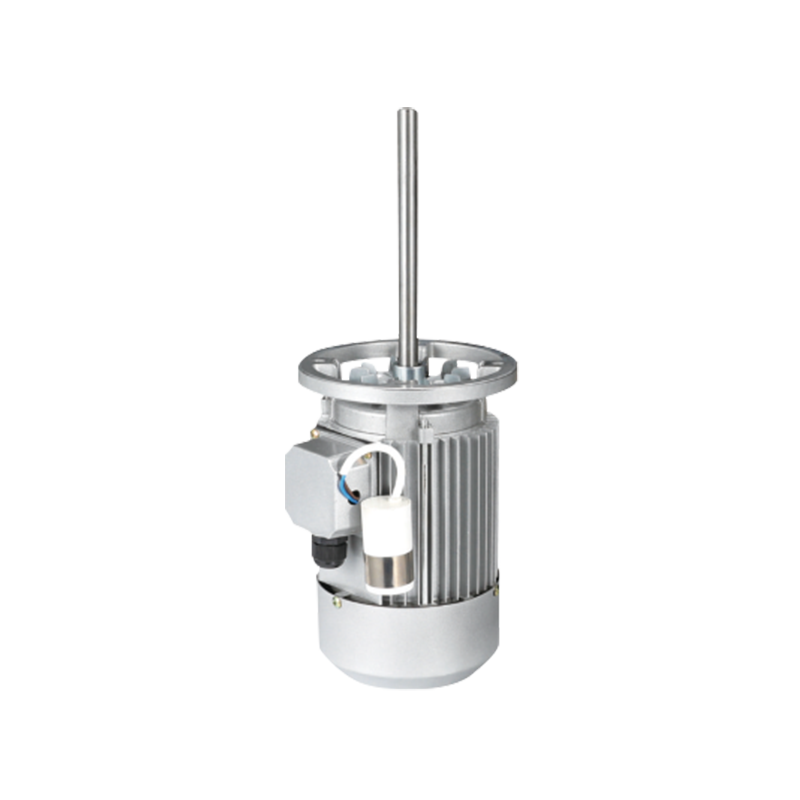
Inside a typical motor, the main components work together to generate rotational force. Electrical energy enters through the stator system, creating a magnetic field. This field interacts with the rotor section, producing motion that is transferred to external mechanical equipment.
While the internal principle is consistent, design details may vary depending on output requirements, cooling method, installation style, and working environment.
In industrial production, structure design is not only about function but also about durability, stability, and compatibility with different machines.
How Electric Motor connects with real industrial equipment
In practice, Electric Motor is rarely used alone. It is always connected to a driven system such as mechanical transmission or fluid movement equipment.
For example, in conveyor systems, the motor drives rollers or belts. In pump systems, it provides rotational force for fluid movement. In compressors, it supports pressure generation through continuous rotation.
The performance of the motor is closely linked to the load it drives. Even if the motor itself is stable, the final performance depends on how well it matches the mechanical system.
This is why matching between Electric Motor and equipment is an important part of industrial design.
Application scenarios in industrial environments
| Application area | Role of Electric Motor | Working condition focus |
|---|---|---|
| Pump systems | Drives fluid movement | Continuous operation |
| Conveyor systems | Supports material transport | Variable load handling |
| Air compressor systems | Supports air pressure generation | Stable rotational output |
| Processing machinery | Drives cutting or forming actions | Load fluctuation response |
| Automation systems | Supports mechanical motion | Frequent start-stop cycles |
Each application places different expectations on operation behavior, even though the core motor structure remains similar.
Why selection is not only about power level
When choosing Electric Motor, many people first look at power-related parameters. However, in real industrial practice, selection is not based on a single factor.
Engineers usually consider how the motor fits into the entire system. This includes mechanical connection, load behavior, installation space, and operation cycle.
A motor that works well in one system may not perform the same in another system, even if the basic specification looks similar.
This is why practical selection focuses more on compatibility than isolated values.
Operating conditions that influence performance
In real factories, Electric Motor operates under conditions that are not always constant.
Load may change during production. Machines may stop and restart frequently. Environmental factors such as temperature or dust may also affect operation over time.
These conditions do not change the basic function of the motor, but they influence long-term behavior.
Engineers usually observe how the motor responds during continuous use rather than focusing only on initial operation.
Cooling and thermal behavior in real use
During operation, Electric Motor naturally generates heat. The way heat is managed depends on structure design and working environment.
In industrial applications, cooling conditions are influenced by airflow, installation space, and operating duration.
If the motor runs for long hours, thermal balance becomes an important factor in maintaining stable performance.
Instead of focusing on short-term temperature readings, engineers often observe temperature trends during continuous operation to understand real behavior.
Maintenance considerations in industrial usage
Electric Motor is generally designed for long-term operation, but maintenance still plays a role in keeping stable performance.
Maintenance tasks are usually simple and based on regular inspection, such as checking vibration condition, observing operating sound, and monitoring temperature changes.
In some environments, cleaning external surfaces and ensuring proper connection with driven equipment are also part of routine care.
These small actions help maintain consistency during long production cycles.
OEM Custom Electric Motor in practical applications
In many industrial projects, standard Electric Motor models may not fully match system requirements. This is where OEM Custom Electric Motor solutions become relevant.
Customization is usually applied when installation space is limited, when operating conditions are different from standard environments, or when mechanical integration requires specific adjustments.
From a practical perspective, customization is not about changing the basic working principle, but about improving compatibility with real equipment.
This helps reduce installation difficulties and supports smoother system integration.
Manufacturing process and consistency importance
The production of Electric Motor involves multiple stages, including material preparation, winding process, assembly, balancing, and final testing.
Each stage contributes to the final performance of the product. In industrial applications, consistency is especially important because equipment is expected to operate for long periods without interruption.
Even small variations during production may influence long-term behavior under real working conditions.
Practical considerations during selection and use
In real industrial projects, engineers usually evaluate Electric Motor from multiple perspectives rather than focusing on a single specification.
Common considerations include system compatibility, installation conditions, load characteristics, and long-term operation stability.
Technical data is useful, but it is always combined with practical experience from real applications.
This approach helps ensure that the motor fits into the system in a realistic and stable way. Factors such as load behavior, installation conditions, thermal management, maintenance practices, and system compatibility all influence how the motor performs over time. From a practical engineering perspective, stable long-term operation and proper system matching are often more important than isolated performance values. Understanding these real-world factors helps improve selection decisions and supports better system integration in industrial applications.


