 English
 Español




Building 1, Block 4, Wufeng Industrial Park, Daxi Town, Taizhou City, Zhejiang Province, China
Give the pump a short look before each use or at the start of every shift. Clean and check the accessible parts on a regular schedule. Leave deeper servicing to the intervals in the manufacturer's manual, then adjust for run time and site conditions. There's no one-size-fits-all number.
Keeping a commercial vacuum pump in good shape takes less effort than most teams expect, as long as the checks are consistent. How often you do them depends on how hard the pump works, where it sits, what the manual says, and how the rest of the vacuum line is doing.
Why Bother With Routine Maintenance?
A pump can run for months and look fine from the outside. Inside the system, though, dust is building up, small leaks are developing, and parts are wearing at their own pace.
Most breakdowns don't come out of nowhere. They start as a slightly slower pull-down, a warmer housing, or a fitting that has worked itself loose. Regular checks give your team a chance to notice these things while they're still easy to fix.
Small Faults Add Up
A blocked cooling vent seems trivial. Left for a few weeks, it can push temperatures up and affect how the pump performs. A loose hose clamp is similar: it lets air in, and the pump works harder to make up for it. The exact effect depends on the pump type and the job, but the pattern is common.
Walking past the unit with a trained eye is often enough. Listen for new noise, feel for extra vibration, and look for damage or residue.
The Pump Is Only One Part of the System
Pipework, valves, filters, fittings, and the machine being served all affect results. A pump can be in perfect condition and still seem weak because of a cracked line downstream.
That's why a maintenance routine should cover the whole setup. It saves time when you're trying to work out where a problem actually starts.
Setting an Inspection Rhythm
Start with the manufacturer's guidance, then fit it to your conditions. A pump running all day in a dusty plant will need more attention than one used now and then in a clean lab.
Most teams find it easiest to think in three layers: a quick daily look, routine upkeep, and planned servicing.
Before Each Use: A Two-Minute Look
Operators can do this during normal rounds, following site safety rules. Check for:
- Noise or vibration that sounds different from usual.
- Oil or fluid residue, if the pump type uses it.
- Frayed cables, loose external connections, or knocks and dents.
- Dust around the unit or covered ventilation openings.
- Any change in how quickly the system reaches its working level.
None of this replaces a proper service. Think of it as a prompt to dig deeper when something looks off.
Routine Upkeep: Clean and Check the Basics
Depending on the model, this might include wiping down accessible surfaces, checking connections, looking at filters, and reviewing parts that are designed to be serviced.
Pumps differ a lot here. An oil-lubricated unit has different needs from an oil-free one, and filters sit in different places on different designs. Check your manual for the tasks that apply to your model.
Planned Servicing: A Closer Look by Qualified Staff
Scheduled service goes deeper than a visual check. A technician can inspect internal components, decide whether parts need replacing, and investigate performance changes that keep coming back.
Base the interval on the manual, operating hours, site conditions, and what past inspections turned up. If the pump supports an important production step, it's worth thinking about what an unplanned stop would cost, and setting the schedule with that in mind.
What Changes the Schedule?
Two pumps doing similar work can end up with quite different routines. These are the usual reasons.
Run Time and Workload
A unit that runs for long shifts wears differently from one that starts and stops through the day. Frequent cycling can matter too, depending on the design.
Keep a rough record of how the pump is used. If production ramps up or the process changes, revisit the plan.
Dust, Moisture, and Temperature
Dust collects around vents and filters. Damp or corrosive air can be hard on equipment that wasn't built for it. If your site has either, check that the pump suits the environment, and clean it with methods that are safe for its materials.
Leaks and Restricted Flow
A leaky joint can stop a system from reaching the level it needs. So can a clogged filter or a pipe that's too narrow for the job.
When performance drops, check the connected system first. Swapping pump parts before finding the real cause tends to waste both time and money.
Pump Type and Manual Requirements
Oil-lubricated pumps, oil-free pumps, and other vacuum technologies each come with their own parts and procedures. The manual should be your main reference for cleaning methods, inspection points, service intervals, and spare parts. General advice, including this article, should give way to it.
A Simple Maintenance Checklist
Putting the routine on paper helps everyone follow the same steps. Treat the table below as a template and adjust it for your equipment.
| Area | What to Check | Action to Take |
|---|---|---|
| External condition | Housing, mounting, damage, leaks | Look into anything new or unusual |
| Noise and vibration | Changes from normal behavior | Stop and assess if safety is a concern |
| Ventilation | Dust buildup, blocked openings | Clean as the manual describes |
| Connections | Fittings, hoses, electrical links | Fix, or pass to qualified staff |
| Filters and serviceable parts | Condition, signs of restriction | Clean or replace using the approved method |
| Vacuum performance | Pull-down time, stability | Check for leaks, restrictions, settings, or pump faults |
| Records | Findings, repairs, parts used | Review repeat issues and update the plan |
This is a starting point, not a full service procedure. Electrical work, internal repairs, and anything involving hazardous materials should go to qualified personnel.
Signs the Pump Needs a Closer Look
Some changes are easy to dismiss at first. These are worth acting on.
Performance Has Shifted
If the system takes longer to reach its target, or it no longer holds it, look at the whole installation. Leaks, blockages, process changes, and pump wear can all cause the same symptom. Compare against what normal looked like. If basic checks don't explain it, book a technical assessment.
Noise, Vibration, or Heat Is Different
A new sound or extra warmth can come from installation, airflow, operating conditions, or internal parts. One symptom rarely tells you which. Follow the manufacturer's safety instructions. If you suspect a serious fault, isolate the unit under your site procedures and have it inspected before it goes back into use.
The Same Problem Returns
If you keep replacing the same filter or tightening the same joint, something upstream is probably wrong. Go back through the maintenance history, the environment, and the layout of the installation. The fix is often a small change in setup.
Making It Easier to Manage
A maintenance plan works when people actually use it. That usually comes down to simple records, clear responsibilities, and a good line of communication with your supplier.
Keep a Short Log
Write down the date, what you saw, what you did, and any parts replaced. Add run hours if you track them. After a few months, patterns appear. If performance drops after every process change, for example, the system layout may need a second look.
Teach Operators What Normal Looks Like
Operators don't have to diagnose faults. They need to know how the pump usually sounds and behaves, which checks they're allowed to do, and who to tell when something seems off. A clear reporting path keeps small concerns from turning into informal repairs.
Stick With Approved Parts
Spares should match the pump model and the manufacturer's specification. For internal work, use a qualified technician or an authorized service provider where that applies. It also keeps the service history tidy.
Questions to Ask a Pump Supplier
Maintenance planning really starts before you buy. A few direct questions can save trouble later:
- Which routine inspections does this pump need?
- Which parts need periodic cleaning or replacement?
- Where can I get model-specific maintenance instructions?
- What conditions call for more frequent checks?
- Are compatible spare parts easy to source?
- What support is available if performance changes?
- What are the installation and ventilation requirements?
OEM manufacturers and distributors can use the same list to judge whether a pump suits the application and the end user's service capacity.
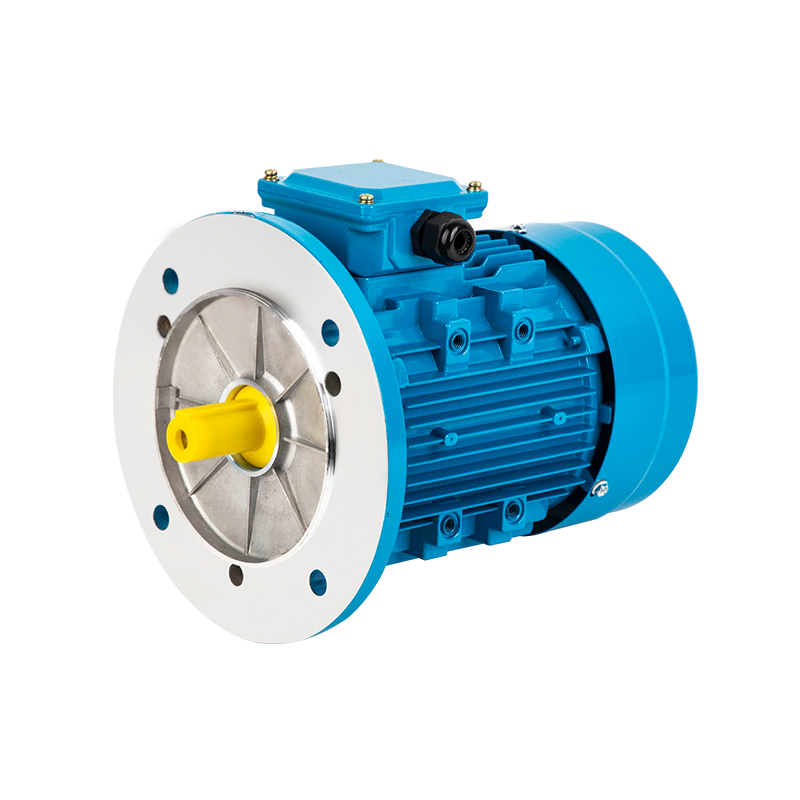
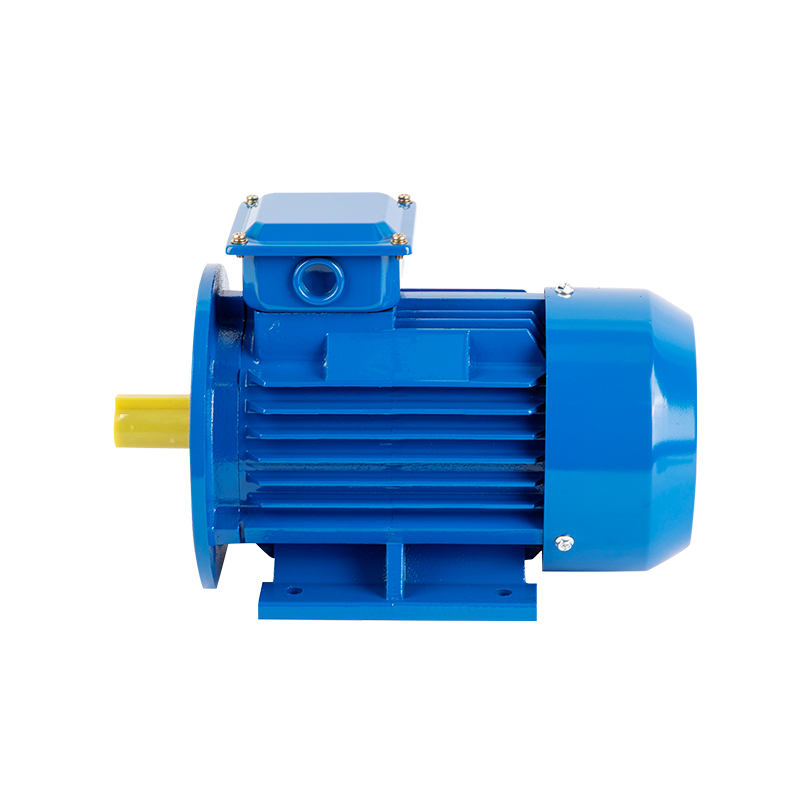
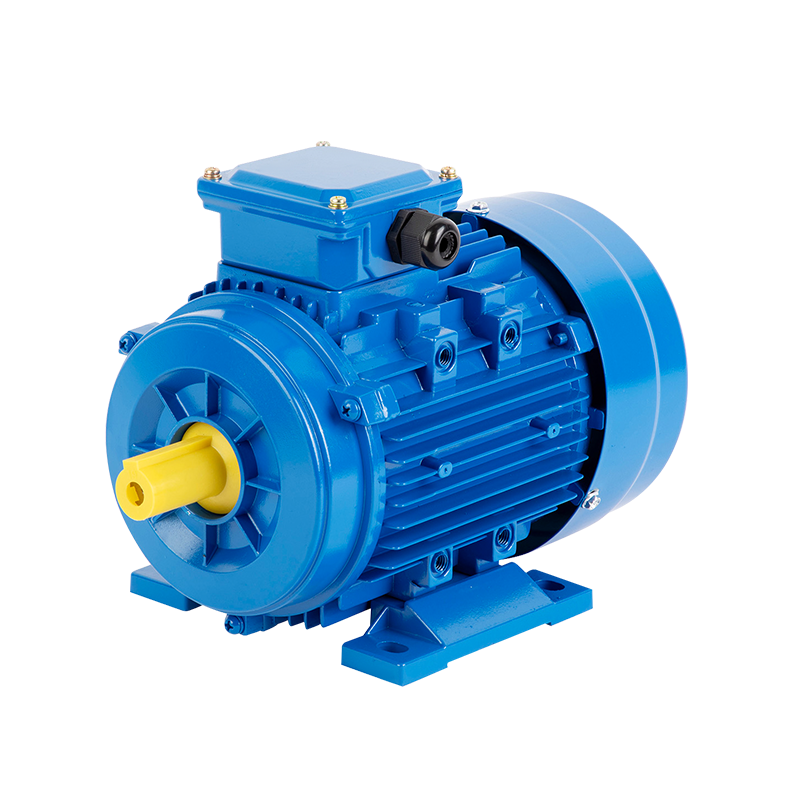
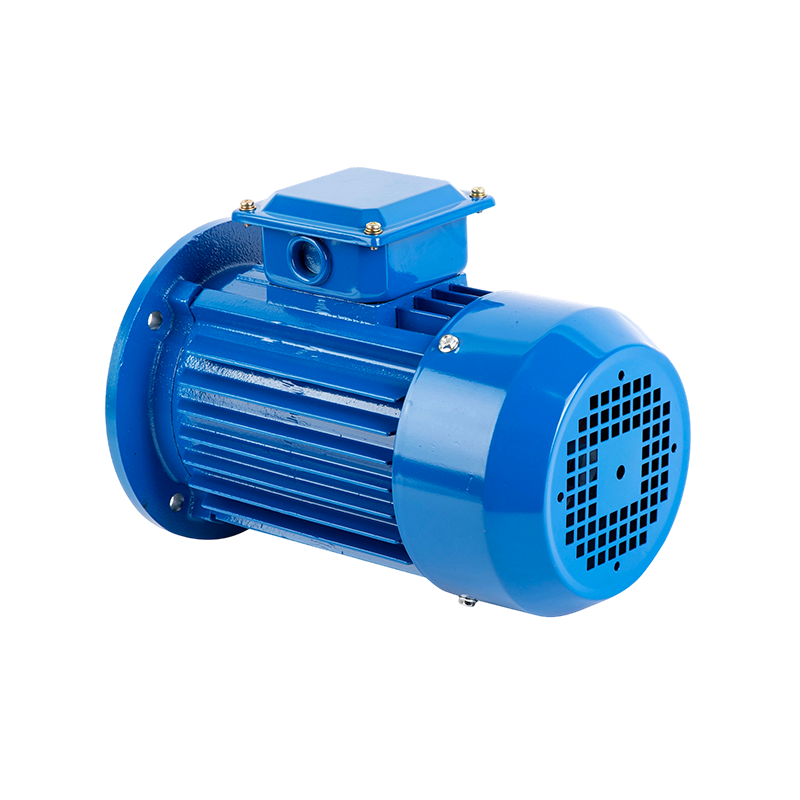
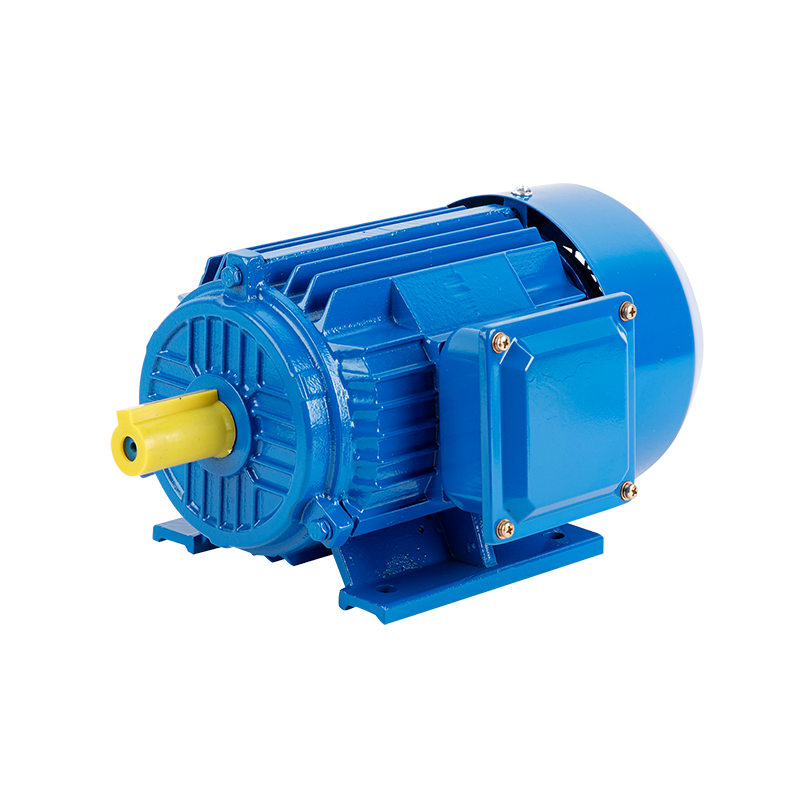
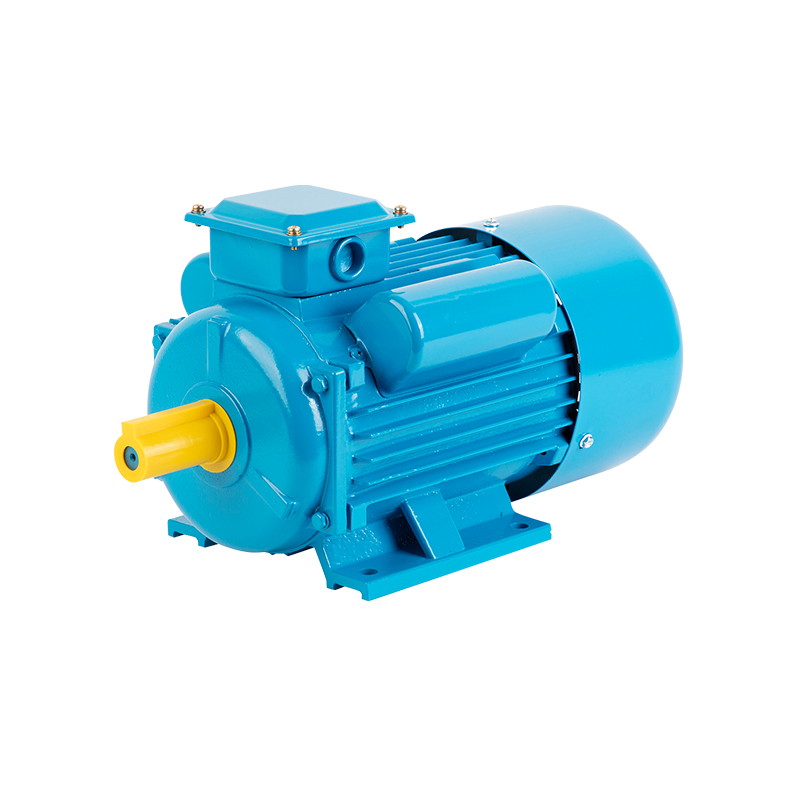
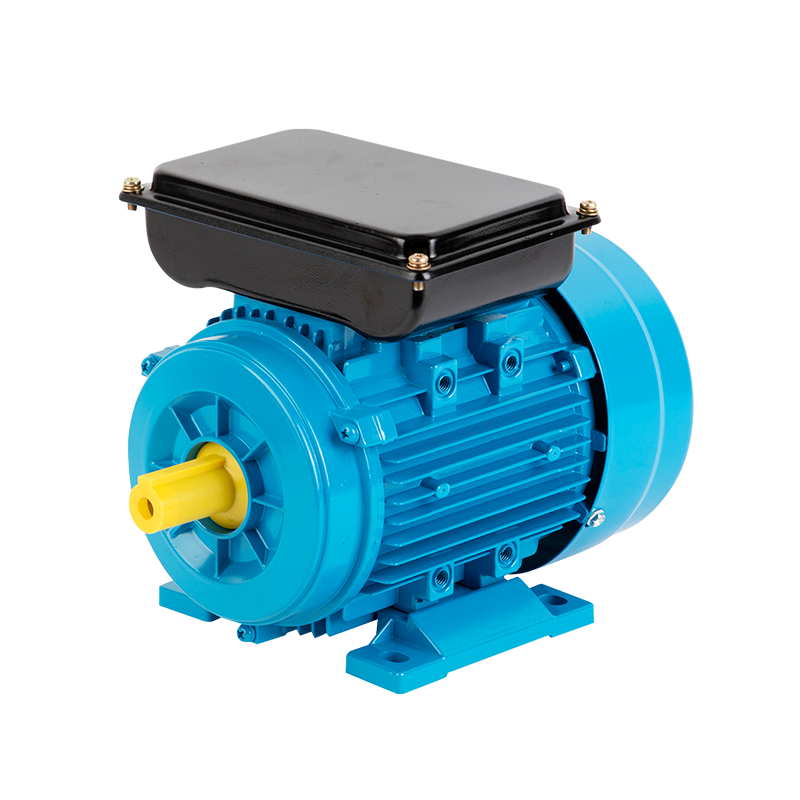
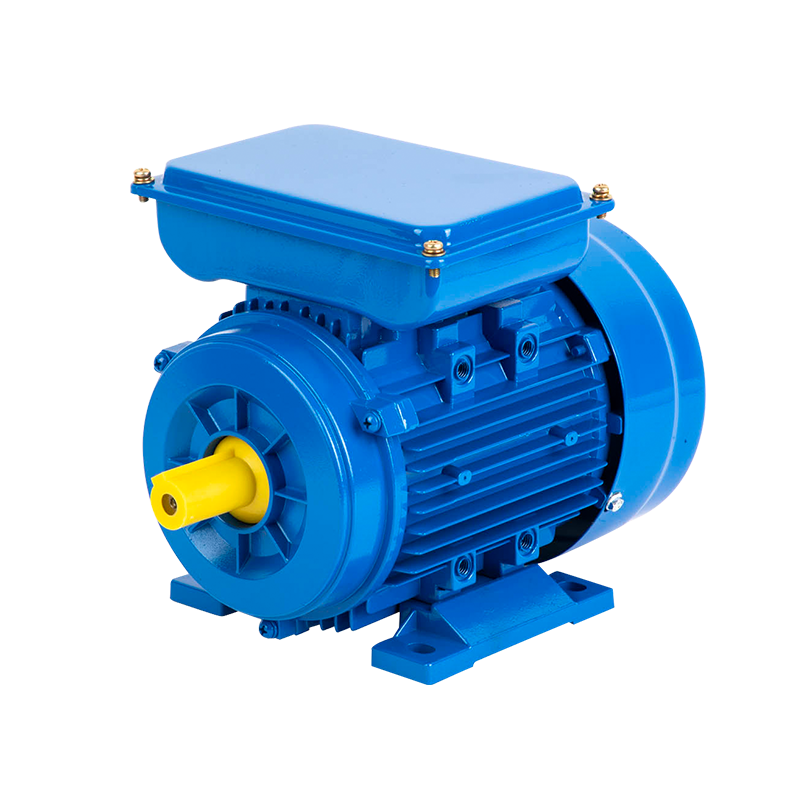
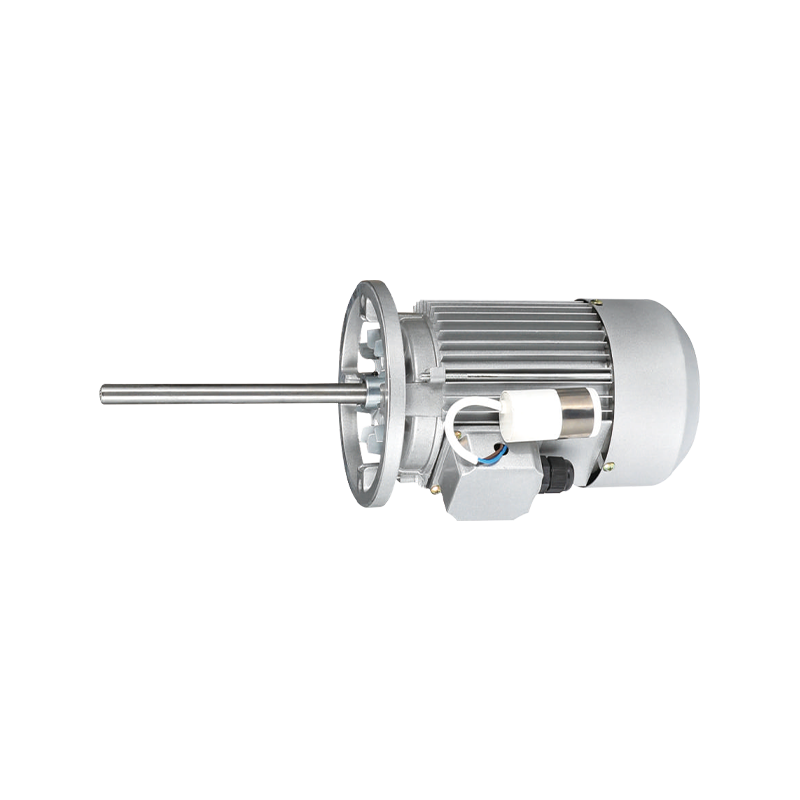
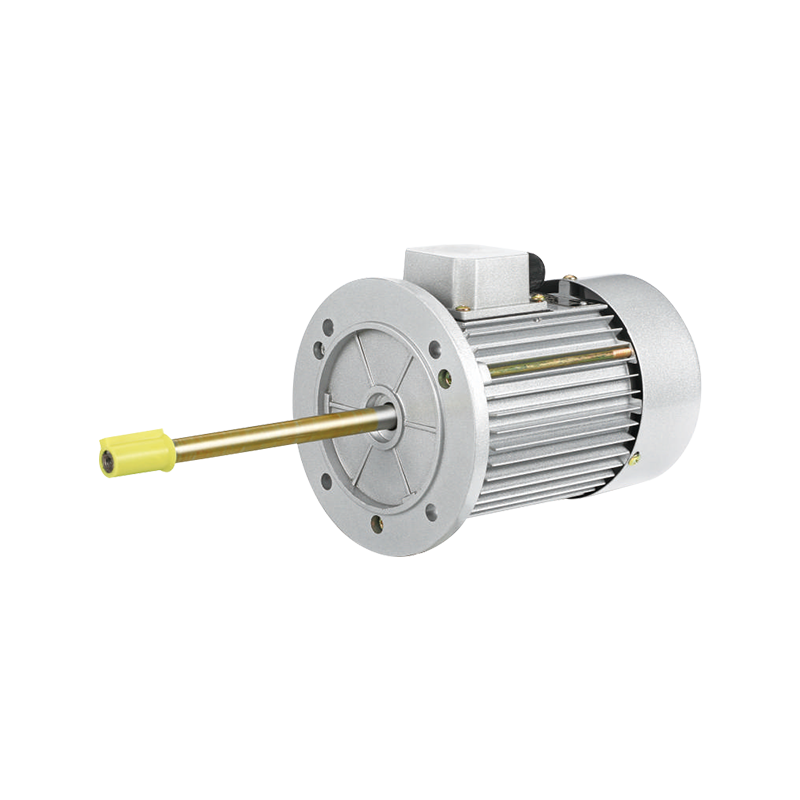
If you're comparing options, Sweelin Motor's electric vacuum pump range is worth reviewing against your operating needs and integration plans. Confirm specifications, installation conditions, and maintenance instructions with the supplier before you decide.
Frequently Asked Questions
Can I skip maintenance if the pump still works?
It's not a good idea. A pump can run normally while a filter clogs, a connection loosens, or a part wears. Routine checks catch these changes early. Follow the manufacturer's plan even when nothing seems wrong.
Does a pump that's rarely used need less maintenance?
Sometimes, but not in every respect. Fewer hours can mean less wear. Storage conditions, moisture, and contamination still play a role. Check the model's instructions for both operation and idle periods.
Should I service the pump myself or call a technician?
Trained operators can handle basic external checks if the manufacturer allows it. Electrical work, internal repairs, and jobs that need specialist tools should go to qualified personnel.
Can maintenance help lower running costs?
It can help avoid preventable faults and expose leaks early. How much you save depends on the pump, its condition, the application, and the work carried out. Plan around what your records show, not assumed savings.
How often a commercial vacuum pump needs attention comes down to its design, workload, environment, and history. A quick check before use, routine upkeep, planned servicing, and a simple log together make a plan that holds up in daily operation.
Follow the manual, and change the schedule when your conditions or inspection results change. If you're buying a new electric vacuum pump, ask about service requirements first. It makes it easier to match the equipment to the job and to the maintenance resources you have.


