 English
 Español




Building 1, Block 4, Wufeng Industrial Park, Daxi Town, Taizhou City, Zhejiang Province, China
Why Running Costs Deserve Attention
A suction unit often works quietly in the background of a production line. Nobody watches it the way they watch a conveyor or a robot arm. Because it runs for long hours, even a small inefficiency repeats itself thousands of times.
The Gap Between Purchase Price and Operating Cost
A purchase price is a one-time number. Electricity arrives as a monthly bill. Over the working life of an electric vacuum pump, the second figure can grow to a meaningful share of the total cost of ownership. Service parts, labor, and downtime add to it.
Looking at both numbers together gives a fairer view of any equipment decision.
Factor One: Is the Equipment Right for the Task?
Matching a machine to its job is the foundation of efficient operation. Everything else builds on it.
Different Jobs, Different Demands
A packaging station may call for quick, repeated bursts of suction. A material handling system might need steady holding force for long periods. A general assembly cell may sit somewhere in between. A unit built for one pattern can feel strained in another.
Before shortlisting models, gather these details:
- The vacuum level the process needs
- The volume of air the connected equipment must move
- How often the unit starts and stops
- Whether the load stays stable or shifts through the day
- Whether dust, moisture, or vapor enters the airstream
A supplier who receives this list can respond with something useful. A request such as "a pump for my factory" rarely does.
The Cost of a Poor Fit
A unit that is larger than needed may add equipment cost and draw more power than the job justifies. A unit that is too small can run for long stretches and still fall short of the target condition. Both cases make the motor work harder than it should.
Size alone does not settle the question. System resistance, control method, and duty cycle all shape where the machine actually operates.
Factor Two: What the Motor Label Does and Does Not Tell You
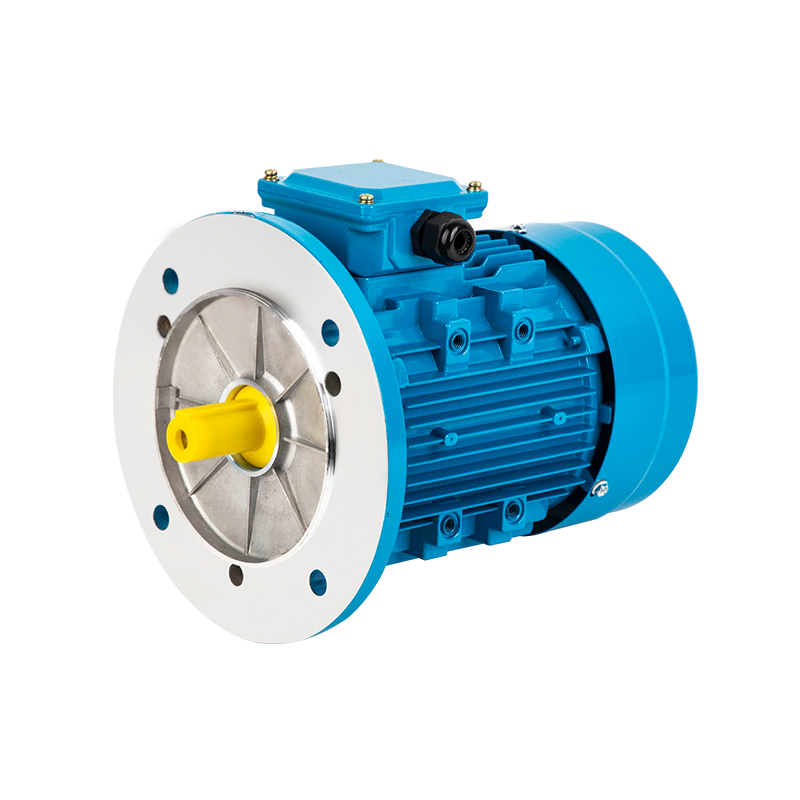
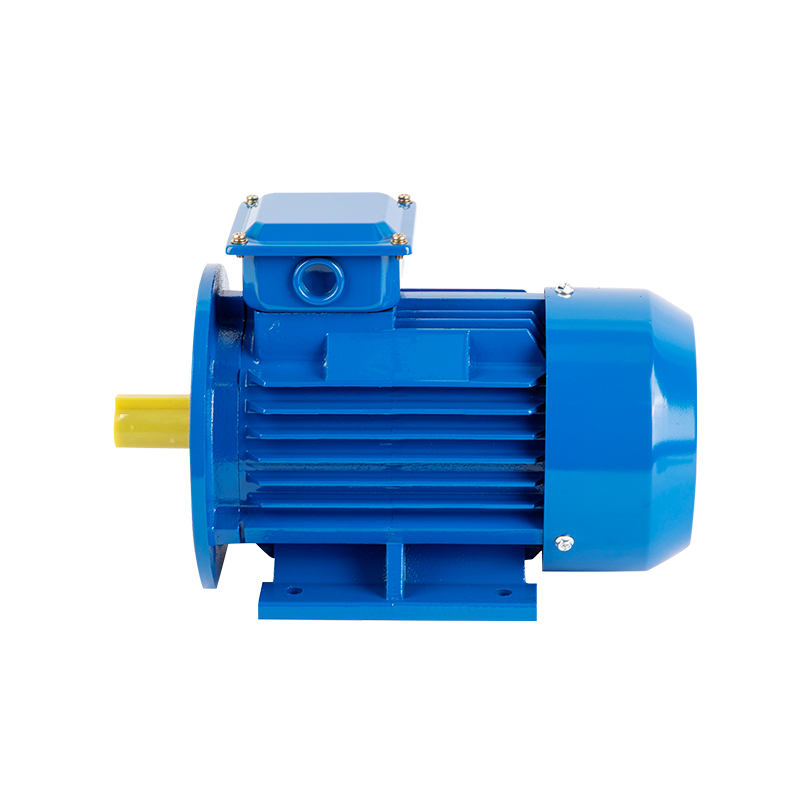
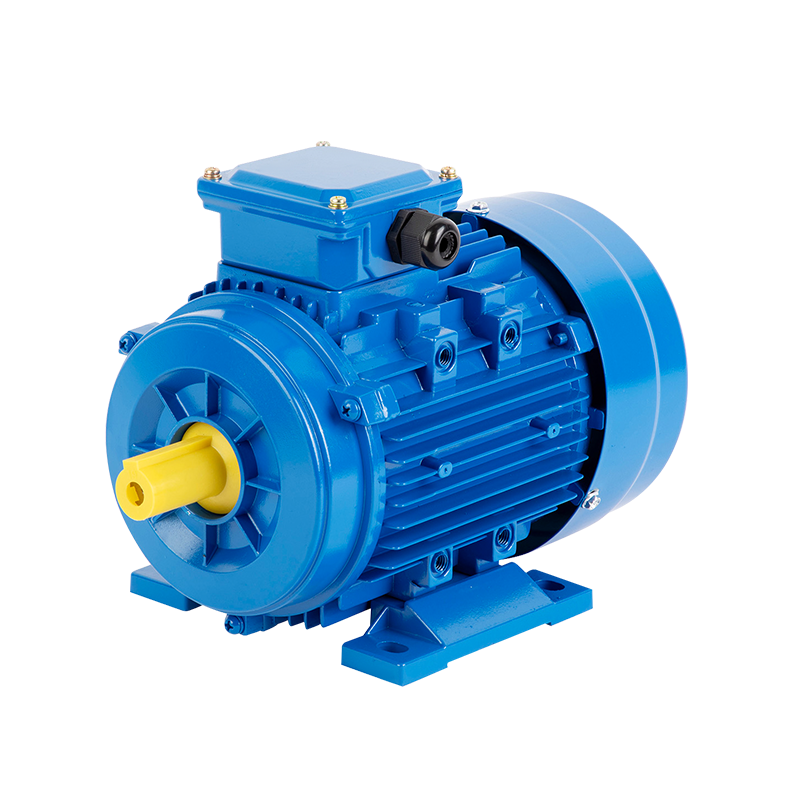
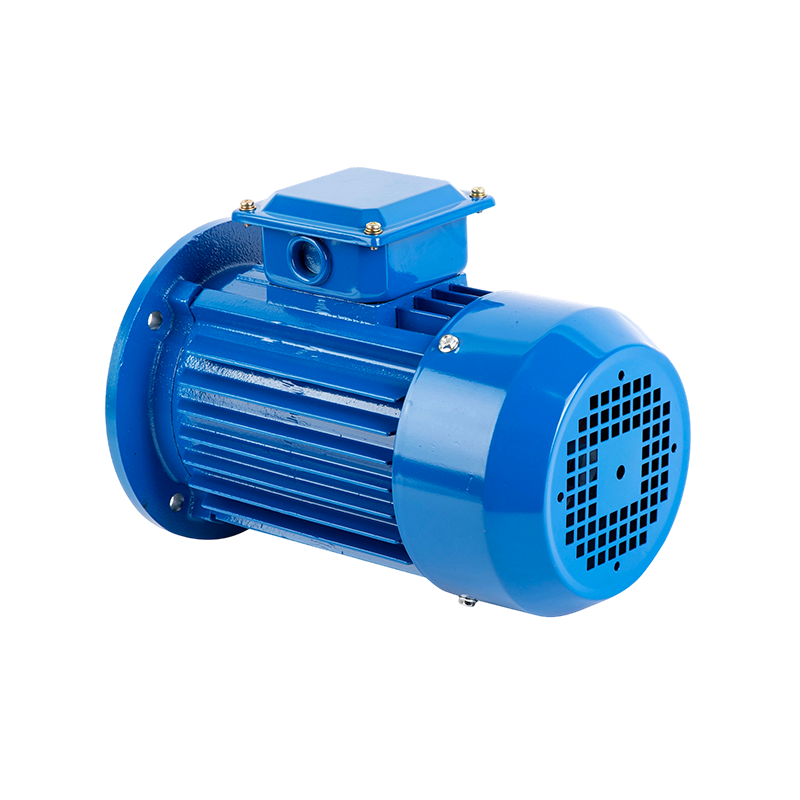
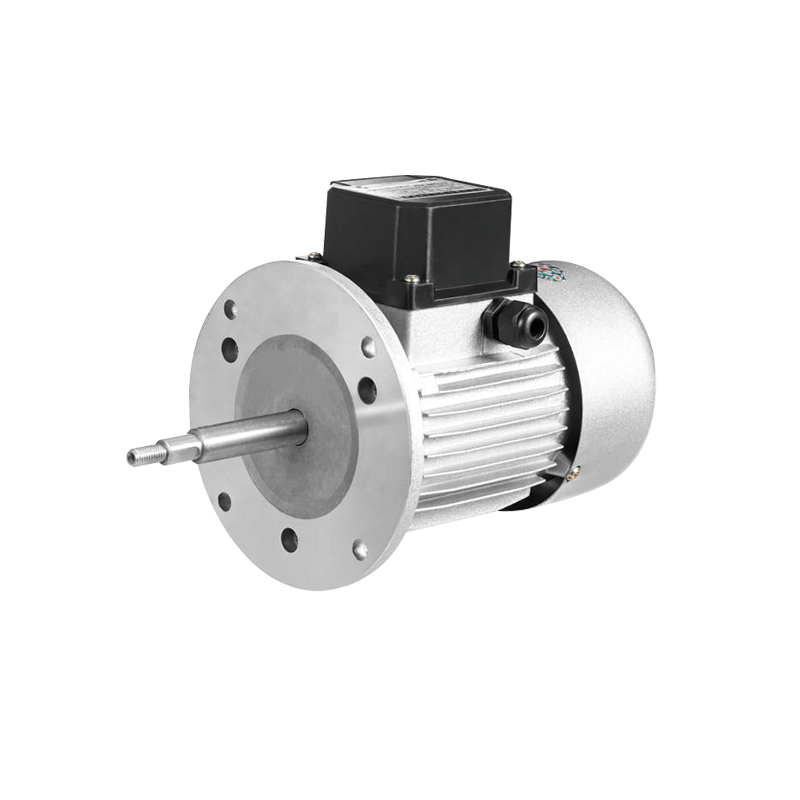
The motor converts electrical energy into motion, so its efficiency matters. Yet the label on its housing is easy to misread.
Capacity Is Not Consumption
A rated figure describes what the motor can deliver under stated test conditions. It says little about what the unit drew during last Thursday's night shift.
Think of a delivery van. Engine size tells you what the vehicle is built to handle. Fuel use still depends on the route, the cargo, and the driving style. Industrial equipment follows the same logic: load, running time, and control settings decide the real electricity figure.
Running Hours Change Everything
Two factories can buy identical equipment and see very different bills. One runs it in short cycles tied to production steps. The other leaves it on through several shifts, including breaks.
A simple tracking habit helps here. Record running hours beside production output. If hours climb while output stays flat, some of that runtime may be doing nothing useful.
Factor Three: Leaks and System Layout
A suction unit never works in isolation. Hoses, valves, joints, filters, and the machine it serves all influence how hard it must work.
Chasing Down Air Leaks
When a system struggles to hold its required condition, the first suspect is usually the pump. The real cause is often smaller and cheaper to fix. Air sneaks in through a worn seal, a loose clamp, or a cracked hose, and the unit keeps removing it without end.
A short inspection round can cover these points:
- Hose joints and clamps
- Gaskets and seals
- Valve operation
- Pipe connections
- The interface between the unit and the machine
Replacing the equipment will not cure a leak. The new unit would face the same problem on day one.
Clearing the Path for Airflow
Long pipe runs, tight bends, narrow fittings, and clogged filters slow the movement of air. Slower airflow means more effort for the same outcome.
When a line is rearranged or upgraded, trace the route from the unit to the point of use. Remove restrictions that serve no purpose, and service filters on the schedule the manufacturer recommends.
Factor Four: Maintenance Habits
Wear rarely stops a machine outright. The unit keeps going, just a little less efficiently each month. That quiet decline is why maintenance matters for energy as well as reliability.
Clues That Something Has Changed
Experienced technicians often notice trouble before any alarm sounds. Pay attention to:
- A shift in operating sound
- Extra warmth around the housing
- New or stronger vibration
- Slower build-up of vacuum
- Longer run times for the same task
None of these proves that power use has risen. Each one is a reasonable cue to inspect.
Building a Routine That Sticks
Follow the guidance supplied for your specific model, since requirements differ between designs. A general routine may include:
- Checking accessible seals and connections
- Cleaning or replacing filters as instructed
- Keeping cooling paths clear
- Logging service dates and recurring faults
Trained personnel should carry out the work, with the equipment isolated under site safety rules. Written records add value over time. Comparing today's behavior against notes from last quarter can reveal a slow trend that a single check would miss.
Factor Five: Matching Operation to Production Demand
Few factories run at a constant pace. Some stations need suction only during one step of a cycle. Others rely on it without a break. Equipment that follows a fixed pattern regardless of demand may draw power with no benefit to the process.
Control Options Worth Exploring
Depending on the design and the application, engineers may consider:
- Linking operation to machine signals
- Start-stop arrangements for intermittent tasks
- Variable-speed operation, where the equipment supports it
Not every model suits every method. Frequent starting can stress certain designs, so the manufacturer's advice should guide the choice.
Hunting for Idle Time
Breaks, changeovers, and long pauses are common moments when a unit runs with nothing to do. Before switching one off, confirm its role. Some systems need continuous operation to hold their condition or to support other machines.
Sketching the production sequence on paper often exposes idle windows that nobody had noticed.
Factor Six: Surroundings and Installation
Where a unit sits affects how it behaves. Warm air, dust, poor ventilation, and cramped mounting can all influence cooling and wear.
| Condition | Possible Effect | Practical Step |
|---|---|---|
| Warm surroundings | Cooling may be affected | Review ventilation and installation guidance |
| Dust or contamination | Filters and parts may wear sooner | Add suitable protection and inspect regularly |
| Restricted airflow | System resistance may rise | Check filters, hoses, and pipework |
| Air leakage | Unit runs longer to hold vacuum | Inspect joints and seals |
| Long operating hours | More time drawing electricity | Review schedules and controls |
| Poor model match | Equipment may work outside its intended range | Confirm requirements before buying |
How to Compare Energy Use Before Buying
Specific questions bring specific answers. Broad claims are easy to make and hard to verify, so tie your questions to your own application.
Questions Worth Asking a Supplier
- What working conditions is the equipment designed for?
- Is it intended for continuous, intermittent, or mixed duty?
- What motor information can you share?
- Which maintenance tasks and intervals do you suggest?
- Are there installation or environment requirements?
A Back-of-the-Envelope Cost Estimate
You need only two numbers: the average power the unit draws and the hours it runs.
Energy used (kWh) = Average power (kW) × Running time (hours)
Multiply the result by your local electricity rate to see a cost figure. If the load changes during the day, use measured averages in place of the label value. A power meter on the supply line shows more than any catalog sheet can.
Counting the Whole Cost
A low price tag can be offset by higher running and service costs. Electricity, maintenance time, spare parts, and unplanned stoppages all belong in the comparison.
Talking With a Manufacturer
Choosing equipment goes more smoothly when the supplier takes time to understand your application. A useful conversation covers working conditions, duty cycle, available space, and the surrounding environment.
Sweelin Motor offers an electric vacuum pump range for industrial use. Buyers can review the product information and contact the company to discuss their equipment needs. When requesting a quotation, describe your application in as much detail as you can. That helps the supplier explain limits, installation points, and available documents before an order is placed.
Quick Answers to Common Questions
What has the biggest influence on energy use?
No single factor applies everywhere. Equipment selection, load, running hours, leaks, flow restrictions, and maintenance condition all play a part.
Can a small air leak raise electricity use?
Yes. The unit may need to run longer or work harder to hold the required condition. The effect depends on leak size, system design, and operating pattern.
Does a bigger motor always use more power?
Not necessarily. Motor rating shows capacity. Actual use depends on load, efficiency, control method, and running time.
How often should a vacuum pump be serviced?
The schedule depends on the model and its working environment. Follow the maker's instructions, and investigate any change in sound, heat, vibration, or performance.
What should be included in a quotation request?
Describe the application, required vacuum conditions, airflow needs, operating schedule, installation environment, and any compatibility requirements for connected equipment.
Energy use in a suction system grows out of the relationship between the equipment, the vacuum circuit, and the production process. Choosing a suitable model, sealing leaks, keeping filters and seals in good order, trimming idle running, and tracking real operating data can all help reduce unnecessary consumption.
Start with a clear picture of what your process needs. Then compare technical information, ask direct questions, and review the numbers after installation. Small, steady habits tend to save more than one dramatic fix.


