 English
 Español



Building 1, Block 4, Wufeng Industrial Park, Daxi Town, Taizhou City, Zhejiang Province, China
Walk into any plant room and you will probably hear it before you see it. A pump is running somewhere, moving water or process liquid through a network of pipes. It sounds steady, almost routine. But behind that steady sound sits a decision that was made earlier, sometimes months ago: which motor is driving it.
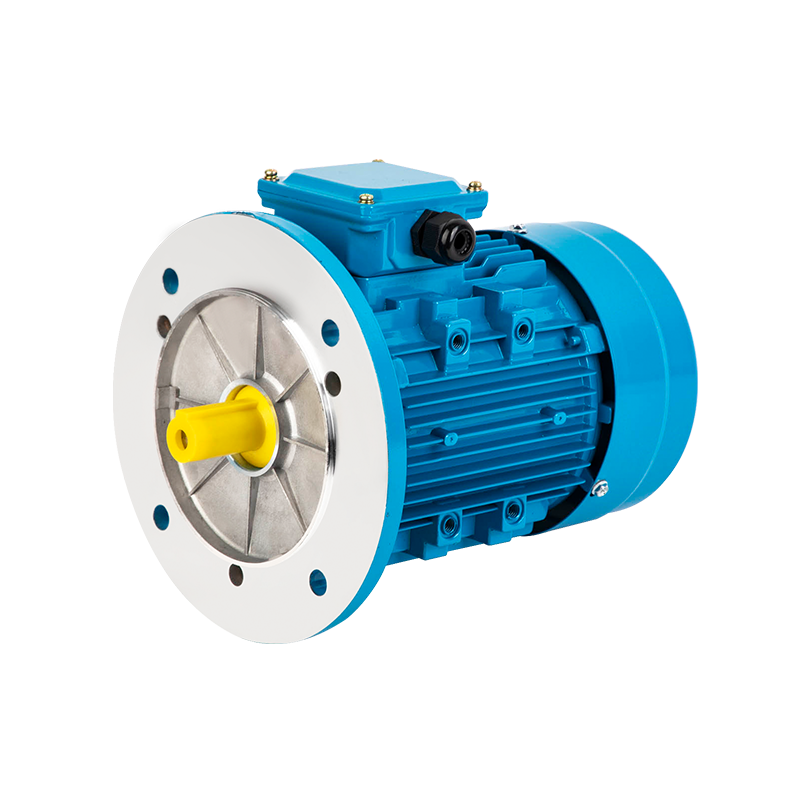
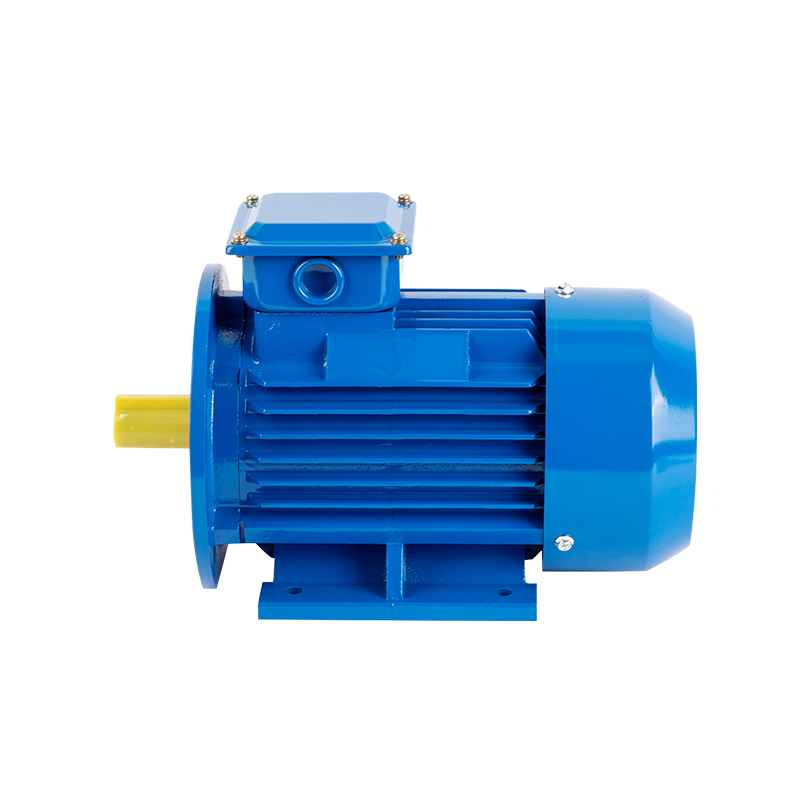
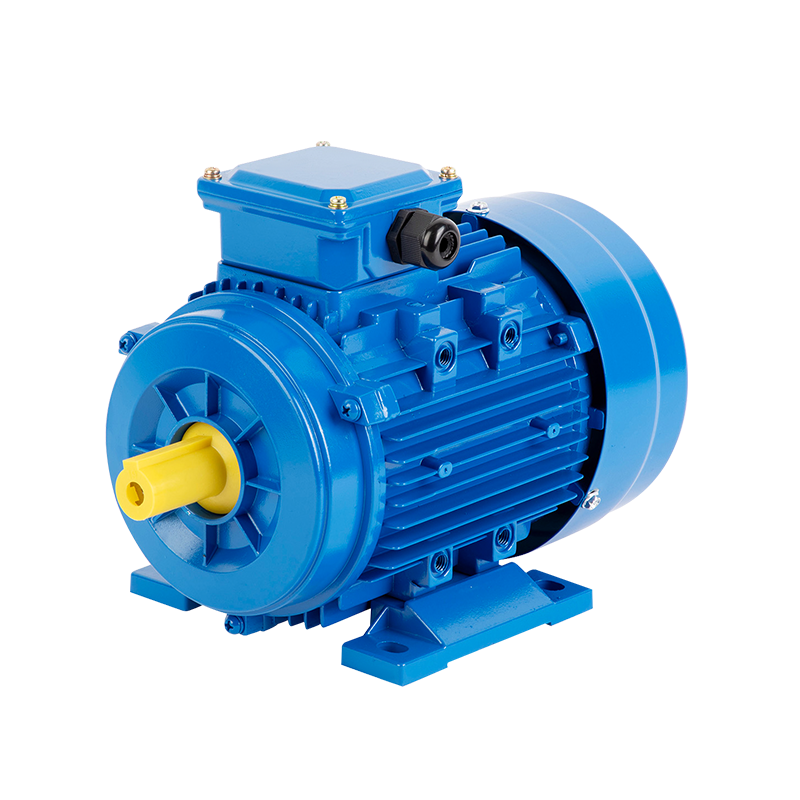
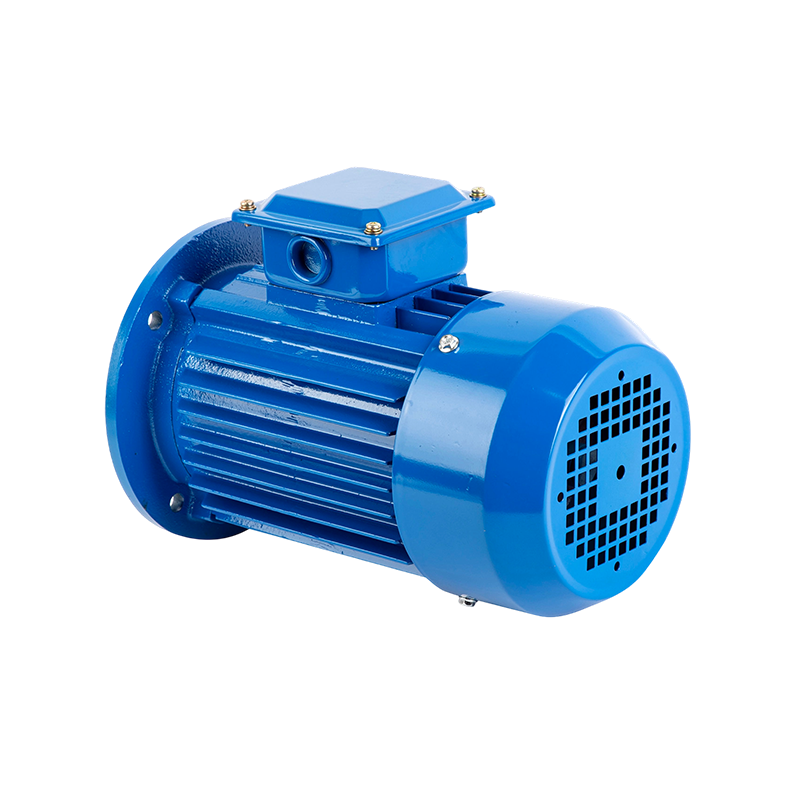
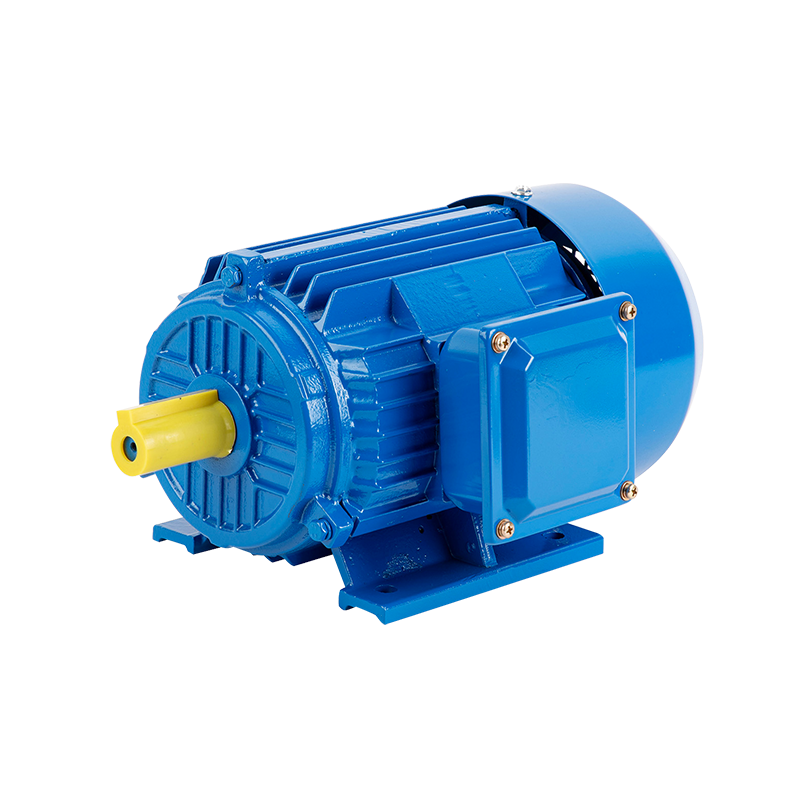
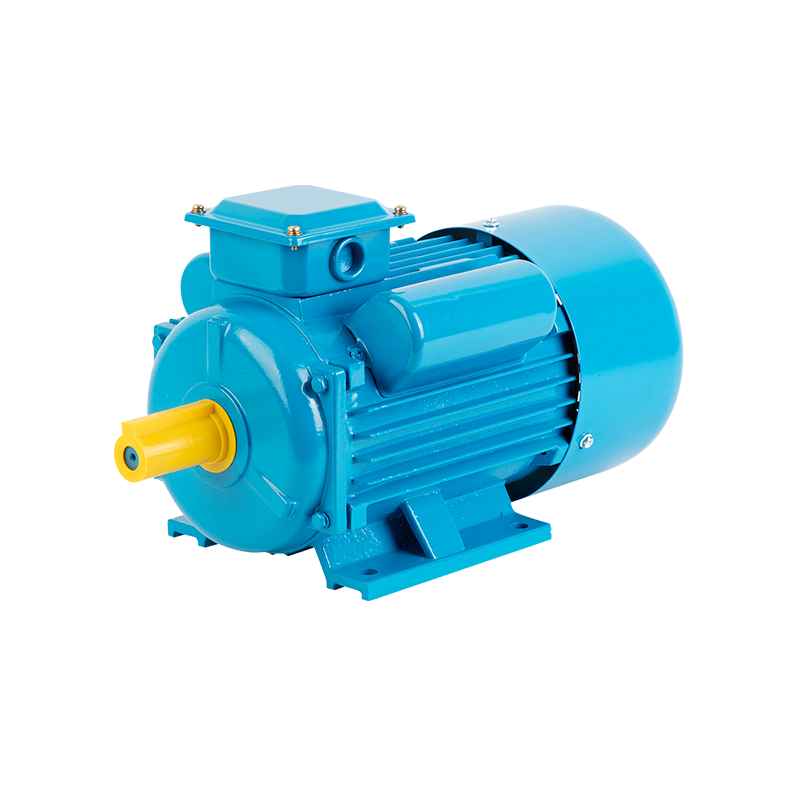
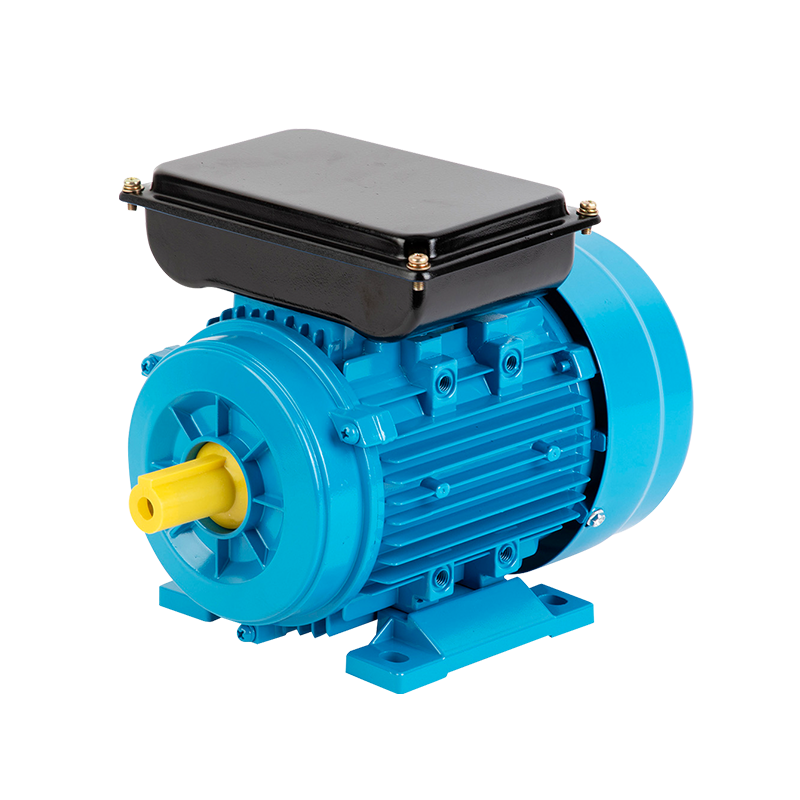
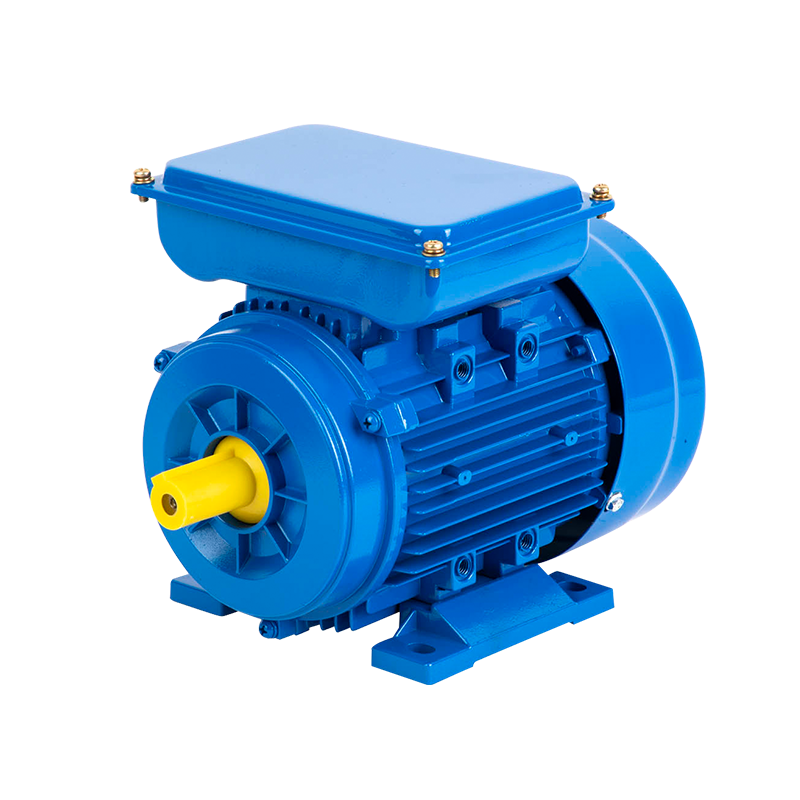
When people choose an AC Electric Motor for a pump system, they are rarely starting from zero. There is already a layout, a pipe network, maybe even an older motor that has been running for years. The new choice is usually about keeping things stable, reducing small problems, or making sure the system can keep going without constant attention.
What Pump Systems Feel Like in Real Operation
On paper, pump systems look predictable. In reality, they have their own rhythm.
Flow changes more than people expect
Even in systems designed for steady output, demand is rarely fixed. Valves adjust, usage changes, and pressure can move up or down slightly throughout the day.
You might not notice it at first, but the motor does. It responds to those small shifts every time.
The system resists in its own way
Pipes are not just empty pathways. Over time, they develop resistance. It can come from buildup, temperature changes, or even slight changes in layout.
The motor is always reacting to that resistance, even if nobody is measuring it directly.
Starting conditions matter
Some systems run all day. Others stop and start depending on production needs. Those starting moments can be more demanding than steady running.
If a motor struggles during these transitions, it often shows up later as instability or wear.
Why the Motor Choice Shows Up Later, Not Immediately
Here is something people learn from experience. A motor that seems fine on day one may not feel the same after weeks of operation.
Small mismatches take time to appear
At the beginning, everything may run smoothly. But if the motor is not well matched to the pump, small issues can build up.
Maybe the flow feels slightly uneven. Maybe the sound changes a little. These are not failures, but they are signals.
The system tells you when something is off
Operators often describe it in simple terms:
- The system feels heavier than before
- It does not sound as smooth
- It needs more attention than expected
These are not technical descriptions, but they are accurate.
Looking at the Motor as Part of a System
It helps to stop thinking about the motor as a separate item. In a pump setup, it is one part of a chain.
Pump, motor, and piping work together
If one part behaves differently, the whole system changes. The motor does not just spin. It interacts with load, pressure, and movement.
That is why matching matters more than just getting something that runs.
Installation plays a bigger role than expected
Even a suitable motor can feel wrong if it is not installed properly. Alignment, mounting, and connection all affect how it behaves.
A small misalignment can turn into vibration. Over time, that vibration becomes wear.
Things People Actually Look At When Choosing
In real purchasing situations, the checklist is often simpler than expected.
Does it fit the way the system runs
People ask themselves:
- Will this motor handle the daily workload
- Will it stay stable when conditions change
- Will it work without constant adjustment
These are practical questions, not theoretical ones.
How it behaves over time
Short tests do not always show the full picture. What matters is how the motor performs after hours, days, and weeks of use.
Consistency becomes more important than initial performance.
How easy it is to live with
Maintenance matters. Not just major repairs, but everyday checks.
If a motor is easy to inspect and maintain, it fits better into daily operation.
Common Situations That Affect Motor Performance
You start to notice patterns after seeing a few installations.
Temperature slowly rising
Heat is normal, but sometimes it builds more than expected. It usually shows up after longer running periods, not immediately.
People often notice it by touch or by comparing different days of operation.
Slight vibration becoming noticeable
Vibration rarely appears suddenly. It starts small.
At first, it is easy to ignore. Over time, it becomes part of how the system feels. That is usually when people start checking alignment or load conditions.
Sound changing over time
Every system has its own sound. When that sound changes, even slightly, it often means something has shifted.
Experienced operators pick this up quickly.
A Simple Way to Approach the Decision
Instead of overcomplicating the process, many people follow a straightforward path.
Start with how the system works
Before looking at motor options, they look at the system itself.
- How does it run during a normal day
- Does it operate continuously
- Are there frequent changes in demand
Understanding this gives a clearer direction.
Choose for stability, not just function
A motor that simply runs is not always enough. The goal is smooth and stable operation.
That often means choosing something that works quietly in the background rather than drawing attention.
Think about the long run
The real test is not the first hour. It is the thousandth hour.
A good match continues to behave the same way over time.
A Practical Comparison View
| Area | What People Notice | What It Leads To |
|---|---|---|
| System Fit | Smooth or uneven operation | Stability of flow |
| Environment | Heat and surrounding conditions | Long-term behavior |
| Installation | Alignment and connection | Vibration and wear |
| Daily Use | Consistency during operation | Ease of management |
| Maintenance | Effort required for upkeep | Operational continuity |
Why Simple Setups Often Work Better
There is a tendency to look for more complex solutions, but in many cases, simpler setups are easier to manage.
A motor that runs steadily without constant adjustment tends to fit better into real working environments.
Complexity can introduce more variables, and more variables often mean more things to watch.
What Has Changed in Recent Years
People are paying attention to different things now compared to before.
Stability is getting more attention
Instead of focusing only on output, there is more interest in how stable the system feels during operation.
Compatibility is more important
Many systems are not new builds. They are upgrades or replacements. That makes compatibility a key factor.
Long-term thinking is more common
There is a shift toward looking at how things perform over time, not just at the start.
Choosing an AC Electric Motor for a pump or fluid system is not about finding something that works once. It is about finding something that keeps working in a steady, predictable way.
In real environments, people value equipment that does its job quietly, without drawing attention. When the system runs smoothly, nobody thinks about the motor. And in many cases, that is exactly the goal.
A well-matched motor does not stand out. It simply becomes part of a system that people can rely on, day after day.


