 English
 Español




Building 1, Block 4, Wufeng Industrial Park, Daxi Town, Taizhou City, Zhejiang Province, China
Choosing an industrial vacuum pump involves more than reading a spec sheet or comparing prices. The factory behind the product affects how consistent the pumps are, how clearly technical questions get answered, and how smoothly orders move from confirmation to delivery. When you compare vacuum pumps manufacturers, the quotation is a starting point. What matters more is how each supplier handles production, inspection, application needs, and service.
1. Can the Supplier Support Your Order Requirements?
Many suppliers list several pump models. Fewer can explain clearly how those pumps are made. Ask how the factory organizes production, sources components, assembles the units, and inspects them.
What a Typical Production Process Includes
- Component preparation and material inspection
- Motor and pump assembly
- Electrical and mechanical checks
- Operation testing
- Final inspection and packaging
Ask whether inspection happens during production or only on finished units. Also ask whether the company runs its own production and assembly facilities. That tells you how much control it has over the process.
Flexibility in Order Arrangements
Some buyers restock regularly. Others purchase pumps for a single machine project. Check whether the factory can discuss different order quantities, configurations, packaging requirements, and delivery schedules. If you plan repeat purchases, talk about production capacity early.
2. Does the Product Range Match Your Application?
A pump in a packaging machine faces different demands from one in a general manufacturing system. Start from the application, not the model name.
Prepare the Basics Before You Contact Suppliers
| Factor | What to Clarify |
|---|---|
| Application | Which machine or process will use the pump? |
| Vacuum level | What level does the system require? |
| Air volume | How much air must be removed? |
| Operating cycle | Continuous or intermittent running? |
| Installation | What space and connection options exist? |
| Environment | Is the site dusty, humid, or sensitive to temperature? |
| Maintenance | What inspection and servicing will be needed? |
With these details, a supplier can recommend a suitable model instead of guessing.
Look Past the Catalog
Two pumps can look alike on paper yet differ in internal structure, motor configuration, or operating characteristics. Ask each supplier to explain how its models differ and which uses each one is designed for.
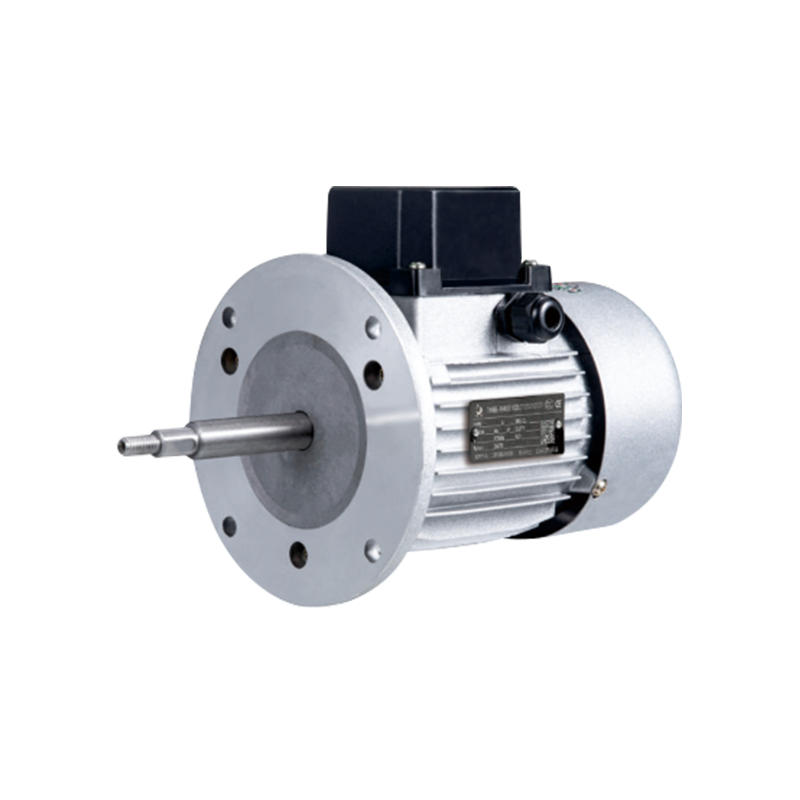
SWEELIN Electromechanical, for example, offers the XD Series Electric Vacuum Pump range for industrial uses such as manufacturing, packaging, and material handling. Buyers can review the range and talk through their application before choosing a model.
3. How Does the Factory Check Product Quality?
A vacuum pump often becomes part of a larger machine or production line. If it fails, connected processes can be affected. So it helps to know how the supplier inspects its products.
Questions Worth Asking
- Are incoming components inspected before assembly?
- Are motor and electrical connections tested?
- Is each pump run before shipment?
- Are noise and vibration checked?
- How are defective units handled?
- Can inspection records be provided on request?
Procedures differ between factories. Ask for specifics instead of relying on general statements about quality.
Certifications and Documents
Depending on your market and use case, you may need some of the following:
- Product certification documents
- Electrical safety information
- Installation instructions and operating manuals
- Maintenance guidelines
- Inspection records
Confirm that each document applies to the exact model you are buying. Certification rules vary by country, so importers should also check local regulations.
4. Can the Technical Team Handle Your Questions?
Technical communication is easy to overlook, yet it shapes both the purchasing process and later use of the equipment.
Notice How the Supplier Responds
Suppose you say the pump will go into an automated packaging machine. A capable team will ask about the operating cycle, the vacuum requirement, and the installation conditions before suggesting a model. A generic recommendation with no follow-up questions is a weaker sign.
Information to Request Before Ordering
- Product structure and working principle
- Installation and connection requirements
- Motor compatibility
- Routine maintenance steps
- Common operating issues
- Available replacement parts
Clear documentation helps engineers and maintenance teams plan how the pump fits into their system.
5. What Does the Quotation Actually Cover?
A quotation rarely shows the full cost of industrial equipment. One offer may leave out accessories, packaging, or services that another includes. Compare quotations under the same conditions.
Items to Check in Each Quotation
- Model and configuration
- Included components and accessories
- Packaging method
- Delivery terms and shipping responsibilities
- Payment conditions
- Warranty terms
- Additional charges
If two quotations describe different configurations, comparing the final prices can mislead you.
Think About Cost Over the Service Life
Purchase price is one part of the picture. Electricity use, routine maintenance, replacement parts, service needs, and possible downtime also count. A pump that doesn't suit the application may use extra energy or need frequent adjustment. Selecting equipment based on real working conditions helps keep operating costs more predictable.
6. Can the Supplier Keep to Your Schedule?
For machinery manufacturers and distributors, delivery timing affects production plans and inventory. Even a well-matched product causes trouble if order progress is unclear.
Points to Confirm Before Ordering
- Production lead time
- Order confirmation steps
- Packaging and labeling requirements
- Shipping arrangements and export documents
- How progress updates will be shared
For orders with several models, check whether they can ship together or need separate arrangements.
How Are Changes Handled?
Plans shift. Quantities, schedules, or packaging details may change after the initial discussion. Ask how the supplier reviews such requests and whether they could affect production or shipping. Settling this early avoids misunderstandings later.
7. What Support Is Available After Delivery?
The relationship continues after shipment. Buyers may need help with installation, commissioning, maintenance, or troubleshooting. Distributors and machinery makers often need to support their own customers as well.
Warranty and Service
- What does the warranty cover?
- How do you report a product problem?
- Is technical guidance available after delivery?
- Can replacement parts be supplied?
- What information is needed when requesting help?
The answers should match the written agreement.
Spare Parts
Some components need replacing after long periods of operation. Find out which parts are available and how to order them. Distributors can use this information to plan inventory and serve customers in different regions.
8. A Simple Checklist for Supplier Comparison
| Item | Question to Ask |
|---|---|
| Manufacturing | Does the company run its own production and assembly facilities? |
| Product selection | Does it offer models suited to your application? |
| Quality control | Which inspections are carried out before shipment? |
| Certifications | Are the required documents available? |
| Technical support | Can the team answer application-specific questions? |
| Pricing | Are configuration and included services clearly stated? |
| Delivery | Are production and shipping steps explained? |
| After-sales | Are warranty and spare parts terms clear? |
Why Manufacturer Experience Matters for Long-Term Cooperation
A supplier choice can shape future sourcing, equipment maintenance, and project planning. A company with experience in electric motors and vacuum equipment can usually explain pump structure, assembly, and operating conditions in practical terms.
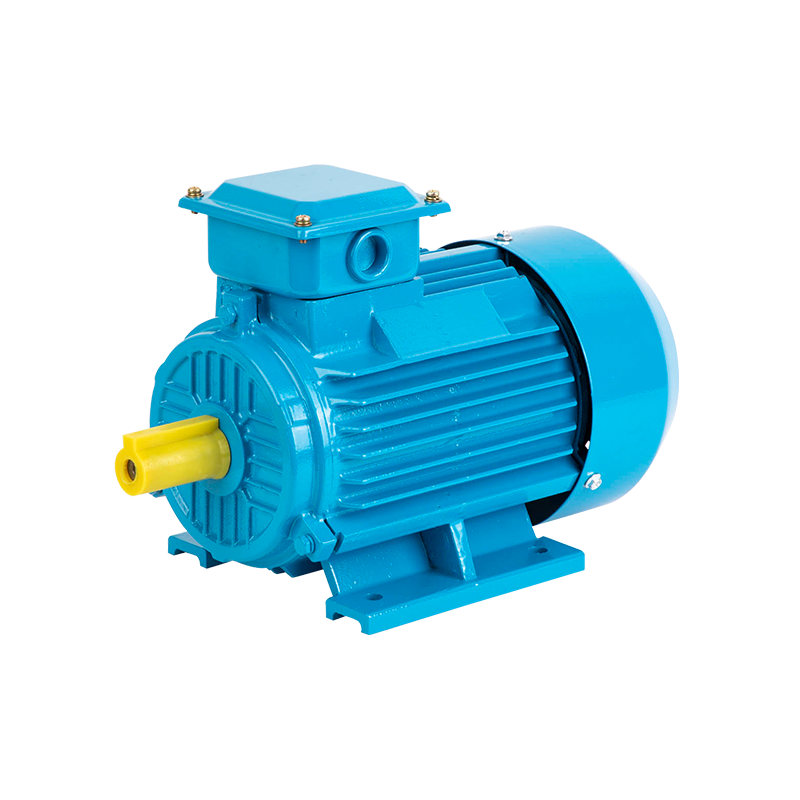
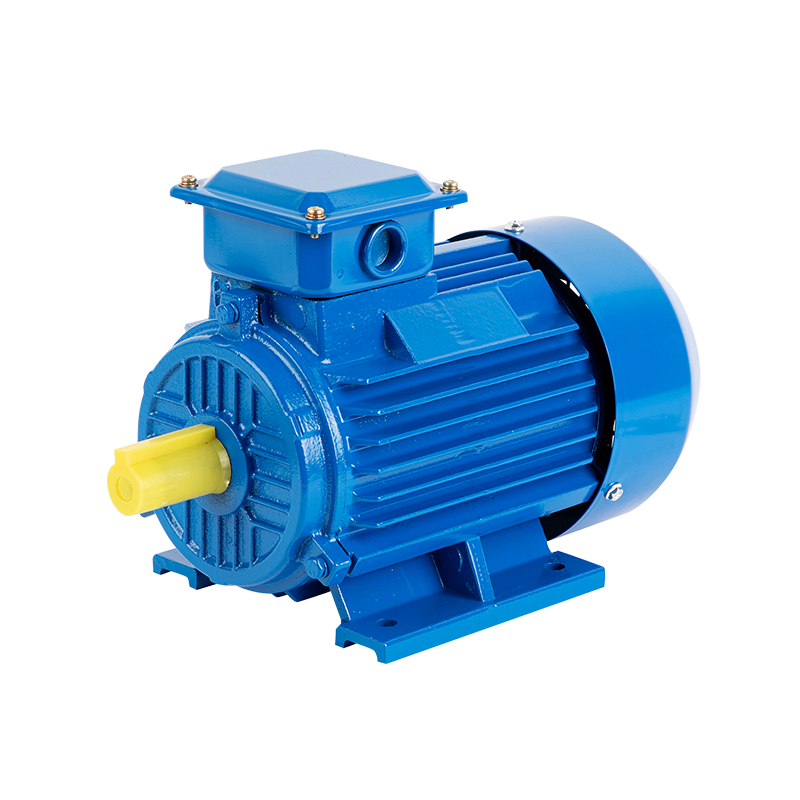
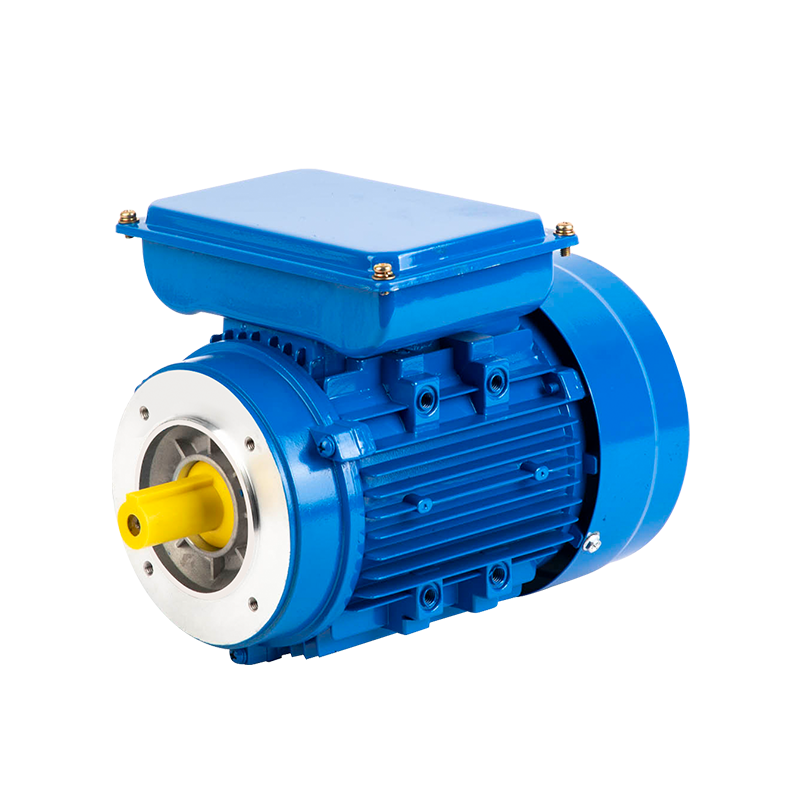
SWEELIN Electromechanical, operated by Taizhou Sulin Electromechanical Co., Ltd., covers product design, manufacturing, sales, and service. Its range includes electric motors and XD Series Electric Vacuum Pumps for industrial applications.
If you need vacuum equipment for manufacturing, packaging, or material handling, review the SWEELIN Electric Vacuum Pump product range and contact the company with your operating requirements.
FAQ
What should I prepare before contacting a vacuum pump supplier?
Prepare your application, required vacuum level, air volume, operating cycle, installation space, and working environment. These details let the supplier recommend a model more accurately.
How do I compare quotations from different suppliers?
Check that each quotation covers the same model, accessories, packaging, delivery terms, warranty, and extra charges. Comparing unlike configurations gives misleading results.
Which documents should I ask for?
Common requests include certification documents, operating manuals, installation instructions, maintenance guidelines, and inspection records. Confirm that they apply to the exact model you are buying.
Selecting an industrial vacuum pump supplier takes more than comparing quotations. Look at manufacturing capability, product fit, inspection practices, technical communication, delivery arrangements, and after-sales support together.
Before you decide, write down your application details and share them with each candidate. Ask specific questions, review the documents, and compare quotations on equal terms. This approach gives purchasing teams a clearer view of what each of the vacuum pumps manufacturers on their shortlist can offer, and it supports daily operations and future sourcing plans.


