 English
 Español




Building 1, Block 4, Wufeng Industrial Park, Daxi Town, Taizhou City, Zhejiang Province, China
Picking an industrial motor gets tricky when a machine has to hold a set speed for long stretches. Power rating alone won't tell you whether a motor suits the equipment. Load type, starting method, power supply and working environment all affect the result.
A Three Phase AC Synchronous Motor can suit applications where a steady rotational speed matters. Still, many machines run well on an asynchronous motor, which works on a different principle and is often easier to fit into an existing system.
Choosing between the two starts with how motor speed works and what your machine needs from the motor.
Why Does Motor Speed Matter in Industrial Equipment?
Picture a conveyor moving products along a production line. If its speed drifts, the equipment downstream has trouble keeping pace. A pump relies on stable operating conditions to deliver the flow a process requires. In other machines, speed determines how components move together and how smoothly the whole system runs.
So start with the application, not the product name or the rated power.
A few questions help narrow the options:
- Does the machine need a fairly constant speed?
- Will the load stay roughly the same during operation?
- Does the speed need to change on a regular basis?
- How often will the motor start and stop?
- Is the motor replacing an existing unit or going into a new machine?
Clear answers also give a motor manufacturer a better picture of your working conditions.
How Does a Three Phase AC Synchronous Motor Maintain Its Speed?
To judge whether this motor fits your application, it helps to see how it works.
A synchronous motor produces rotation through the interaction between the stator's rotating magnetic field and the rotor's magnetic field. While it runs in synchronism, the rotor turns at the same speed as the rotating field.
An induction motor behaves differently. Its rotor normally turns a little slower than the magnetic field while it produces torque.
What Determines the Motor's Rotational Speed?
Two factors set the synchronous speed: the supply frequency and the number of magnetic poles. In plain terms:
Synchronous speed (rpm) = 120 × supply frequency (Hz) ÷ number of poles
This relationship is handy for comparing designs. At the same frequency, a different pole count gives a different synchronous speed.
The calculated speed doesn't settle the question, though. The machine may also need a certain starting torque, operating range or control arrangement, and these should be checked before you choose a motor.
Can the Motor Hold Its Speed Under Heavy or Changing Loads?
Not beyond its design limits. A synchronous motor keeps synchronism only while it operates within those limits.
If the load gets too heavy, the motor can fall out of synchronism or stop. Sudden load changes can also cause trouble when the motor and its control system don't match the application.
A machine with a fairly steady load makes very different demands from equipment that repeatedly accelerates heavy material during a shift.
A stable speed doesn't mean the motor can cope with every load condition. Torque capability, starting method and operating environment still count.
When Should You Consider a Synchronous Motor?
A synchronous motor deserves a look when the application needs a defined speed relationship and the system can handle the motor's starting and control requirements. The decision depends on the equipment, not on the industry it sits in.
Which Applications May Suit Synchronous Operation?
Possible uses include:
- Industrial machinery that needs a predictable rotational speed
- Mechanical drive systems where speed coordination matters
- Specialized production equipment with defined operating requirements
- Installations that use compatible electronic drives to manage the motor
Treat these as examples rather than recommendations. Two machines in the same factory can have quite different motor needs, because their loads, duty cycles and control systems differ.
A good first step is to study the driven equipment. What does it demand at startup? How much torque does it need during normal running? Does the load change within the production cycle? These answers tell you more than the motor category does.
Synchronous Motor or Asynchronous Motor: What Is the Difference?
Buyers comparing industrial motors often ask this. Both types are used in three-phase AC systems, but they don't work the same way.
A synchronous motor runs at the speed of the rotating magnetic field while it stays in synchronism. An asynchronous motor, also called an induction motor, normally runs with slip. Its rotor turns slightly slower than the field while it produces torque.
That difference affects motor selection, starting arrangements and speed behavior.
| Comparison Point | Synchronous Motor | Asynchronous Motor |
|---|---|---|
| Operating speed | Rotor follows synchronous speed during normal operation | Rotor normally runs below synchronous speed under load |
| Starting arrangement | Depends on motor design and control method | Many designs use conventional industrial starting methods |
| Speed behavior | Tied to supply frequency and pole count | Changes slightly with load during normal operation |
| Control requirements | May need specific excitation or drive arrangements | Often works with common industrial motor control systems |
| Maintenance | Depends on rotor construction and excitation system | Depends on construction, bearings, cooling and operating conditions |
| Selection priorities | Speed relationship and application requirements | Load matching, practical integration and operating conditions |
In short, neither type fits all situations. A synchronous motor may suit one machine, while an asynchronous motor is the more practical choice for another.
Why Do Many Industrial Buyers Consider Asynchronous Motors?
Asynchronous motors are widely used in industrial equipment. They cover a broad range of applications and come in many configurations. The right pick still depends on the machine's load, speed, power supply, mounting arrangement and working environment.
If your equipment doesn't specifically call for synchronous operation, check whether an asynchronous motor can meet the same practical requirements. The answer depends on the application's real needs and the motor's documented characteristics.
How Does the Load Affect Your Motor Choice?
Selection gets easier once you know what the equipment will ask of the motor over a normal working day. A machine with a steady load puts different demands on a motor than a mechanism that starts, stops and changes resistance often.
Is Your Equipment Running Under a Constant or Variable Load?
A constant-load application asks for fairly consistent output. Some continuously running machines fall into this group.
A variable load is harder to predict. A conveyor may carry different amounts of material during the day. A pump may see changes in flow demand or system resistance. A production machine may need extra torque at certain stages of its cycle.
When you review the application, look at these factors:
- Starting conditions. Some machines need considerable torque before they begin to move.
- Normal operating load. The motor must suit the mechanical demand of routine operation.
- Load changes. Sudden changes can affect how the motor responds.
- Working schedule. Continuous running and frequent start-stop cycles stress a motor differently.
- Speed control. Decide whether the machine needs a fixed speed or regular adjustment.
These points show whether a synchronous motor, an asynchronous motor, or a motor paired with an electronic drive deserves a closer look.
Can a Synchronous Motor Run at Different Speeds?
Yes. A suitable synchronous motor can run at different speeds with an appropriate control arrangement.
A compatible variable-frequency drive changes the supply frequency and manages the motor's operation. Select the motor and drive as one system, because their compatibility affects starting, torque, speed range and control behavior.
Before adding a drive, check these points:
- Is the motor designed to work with the proposed drive?
- Does the required speed range match the motor's operating capabilities?
- Is enough torque available during acceleration and normal running?
- Is the cooling arrangement still suitable at reduced speeds?
- Does the control system provide the protection the application needs?
A drive gives you more control over machine speed. It also adds equipment and configuration work, so assess the complete system before installation.
What Can Cause Unexpected Changes in Motor Operation?
When a machine starts running differently, the motor is the first suspect. Sometimes it is at fault, but the cause can lie elsewhere in the system. Supply problems, excessive mechanical resistance, wrong drive settings and load changes can all change how a motor behaves.
Where Should You Start When Checking a Motor?
- Power supply. Voltage imbalance, abnormal voltage or an unsuitable frequency can hurt performance.
- Driven equipment. A jammed mechanism, worn bearing or extra friction adds load on the motor.
- Control settings. In systems with an electronic drive, incorrect settings can cause unexpected behavior.
- Cooling. Blocked ventilation or high heat needs attention, especially during long runs.
- Motor condition. Unusual noise, vibration or repeated trips may point to a problem that needs inspection.
A synchronous motor can also lose synchronism when operating conditions exceed what the system can handle. Follow the manufacturer's guidance and your site's electrical safety procedures for inspection and troubleshooting.
How Should You Compare Motor Efficiency and Running Costs?
Purchase price is only one part of what an industrial motor costs. Electricity use, maintenance, downtime and replacement all add to the total over its service life.
For a motor that runs for long periods, energy efficiency is worth a closer look. The possible savings depend on the actual load and operating schedule.
What Information Matters When Comparing Efficiency?
Review the following before deciding:
- The motor's documented efficiency classification
- Typical operating load and working hours
- Compatibility with the existing machine and control system
- Maintenance requirements and availability of service parts
- Extra costs for drives or other equipment
Efficiency labels are useful, but they only tell part of the story. Energy consumption depends on how the motor is used, and the efficiency of the whole drive system also affects overall performance.
For that reason, compare products using relevant technical documents and realistic operating conditions rather than general claims about energy savings.
What Should You Tell a Motor Manufacturer Before Requesting a Quote?
A manufacturer needs more than the machine's name to judge which motor may fit. Clear application details cut down confusion during product selection and installation planning.
Prepare this information before you request a quotation:
| Information to Provide | Why It Is Useful |
|---|---|
| Equipment type | Explains what the motor will drive |
| Required power | Helps establish the mechanical duty |
| Speed requirements | Clarifies the intended operating behavior |
| Power supply | Confirms voltage, frequency and phase requirements |
| Starting method | Helps determine the starting arrangement |
| Mounting details | Supports mechanical compatibility |
| Operating environment | Identifies temperature, dust and moisture conditions |
| Duty cycle | Shows whether operation is continuous or intermittent |
| Applicable standards | Clarifies documentation and compliance needs |
When you replace an existing motor, include its nameplate information and mounting details if you can. Matching rated power isn't enough. Shaft dimensions, frame size, speed, electrical characteristics and operating conditions may need to match too.
If the application specifically calls for synchronous operation, say so when you contact the supplier. It can change the motor design and control arrangement under consideration.
How Can SWEELIN Help You Evaluate Motor Options?
For equipment manufacturers and purchasing teams, the application comes first. The motor should fit the machine's working conditions, not the other way around.
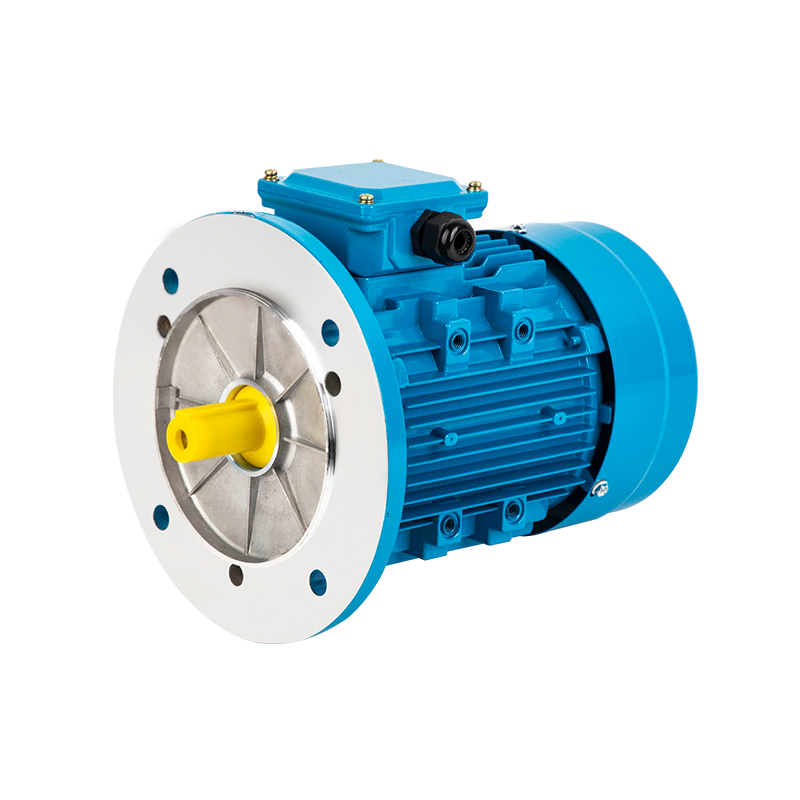
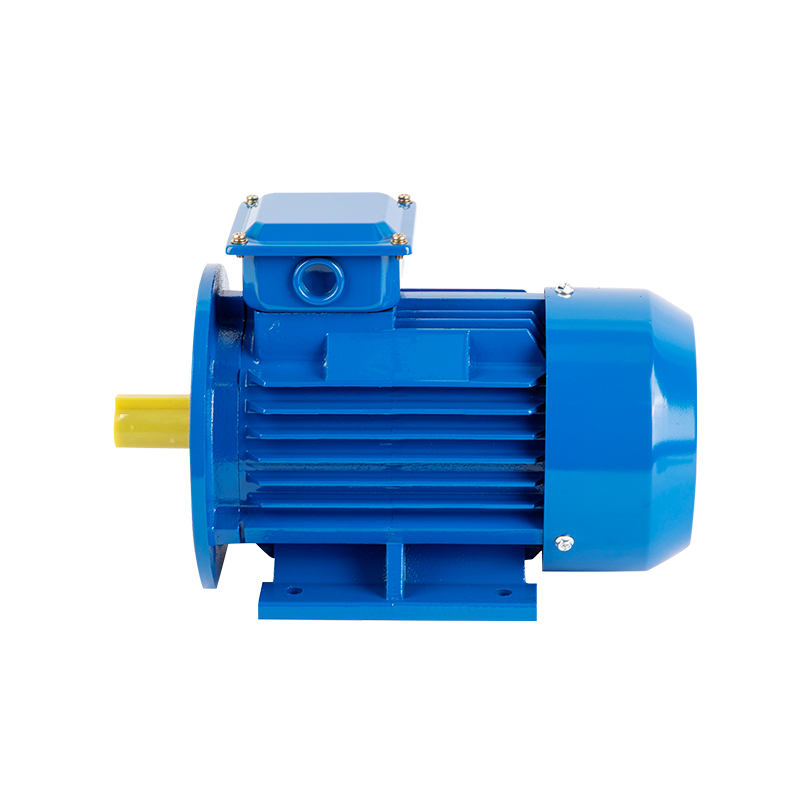
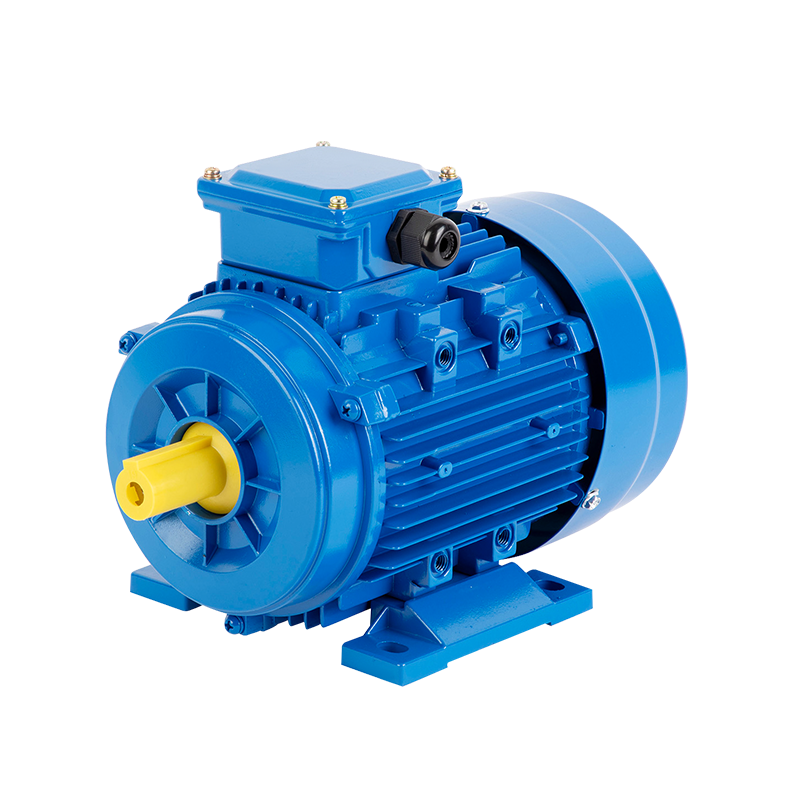
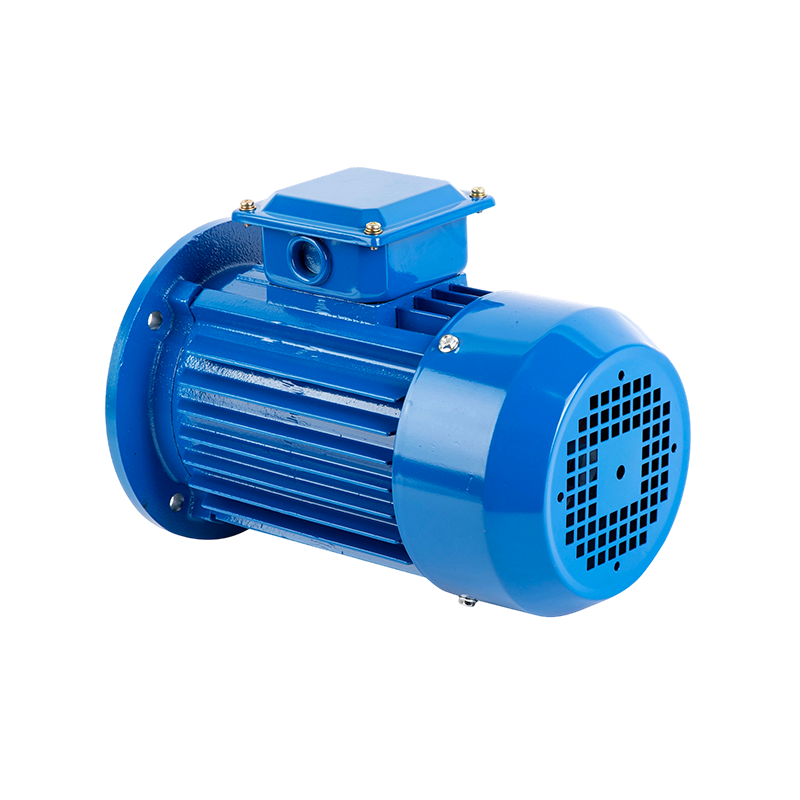
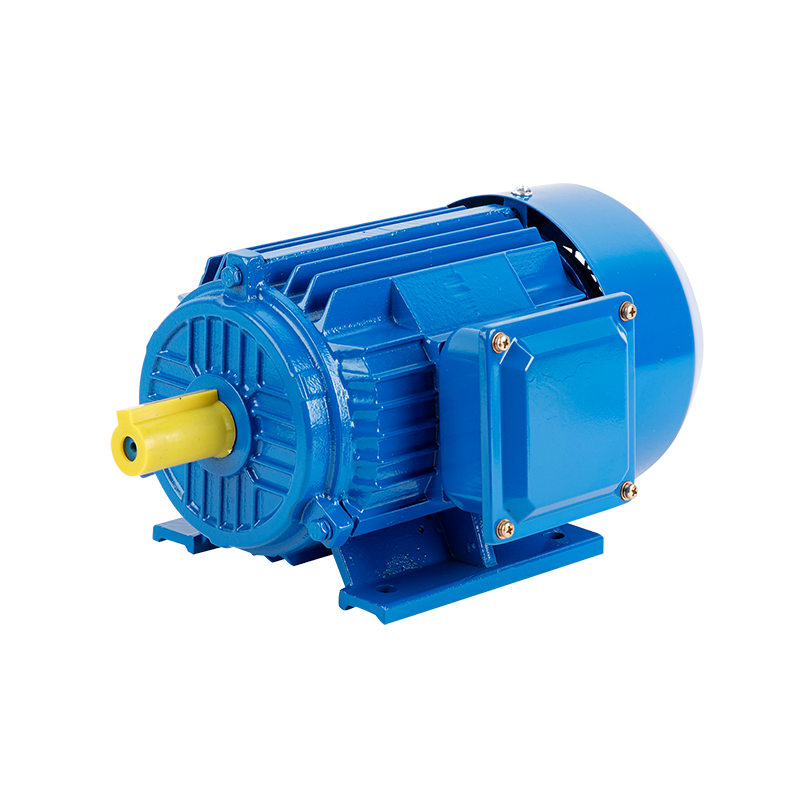
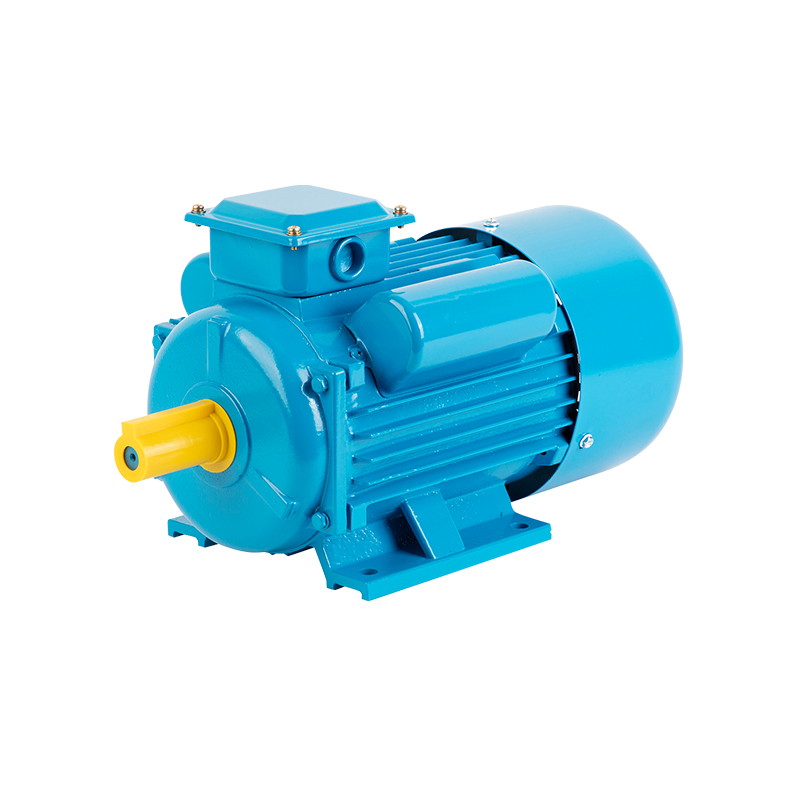
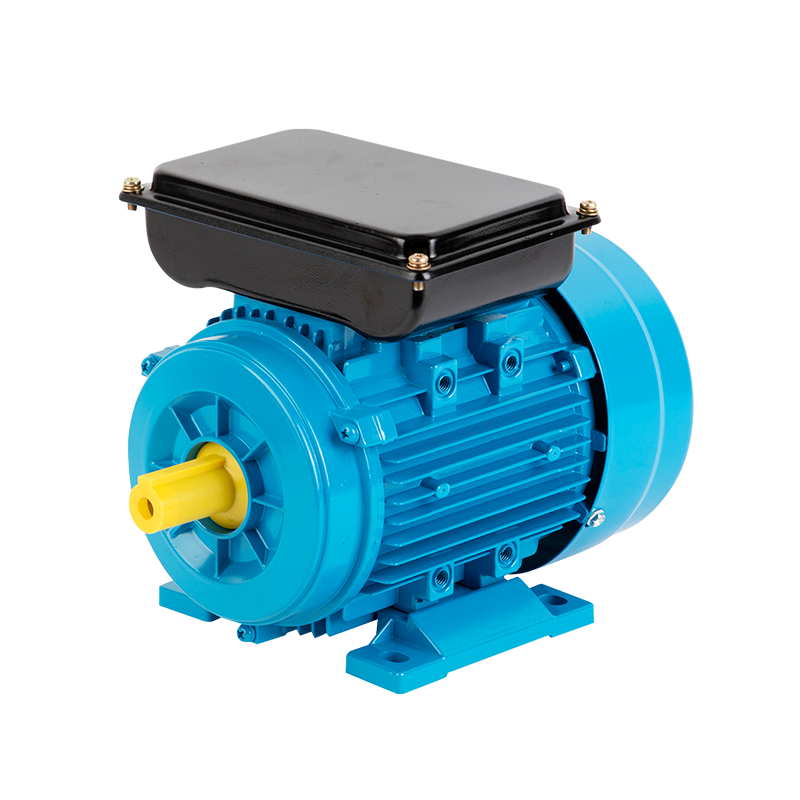
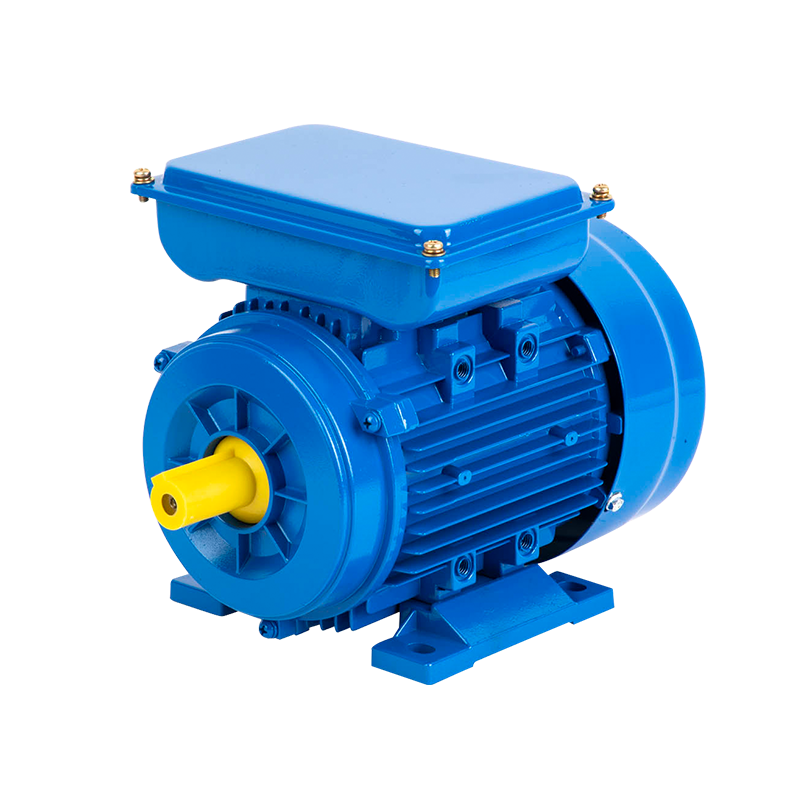
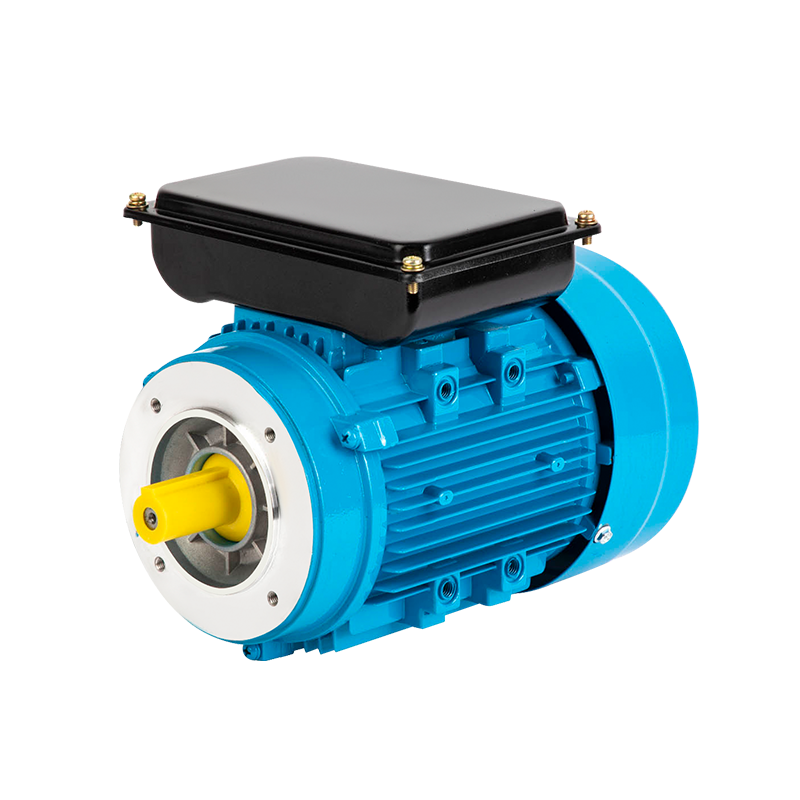
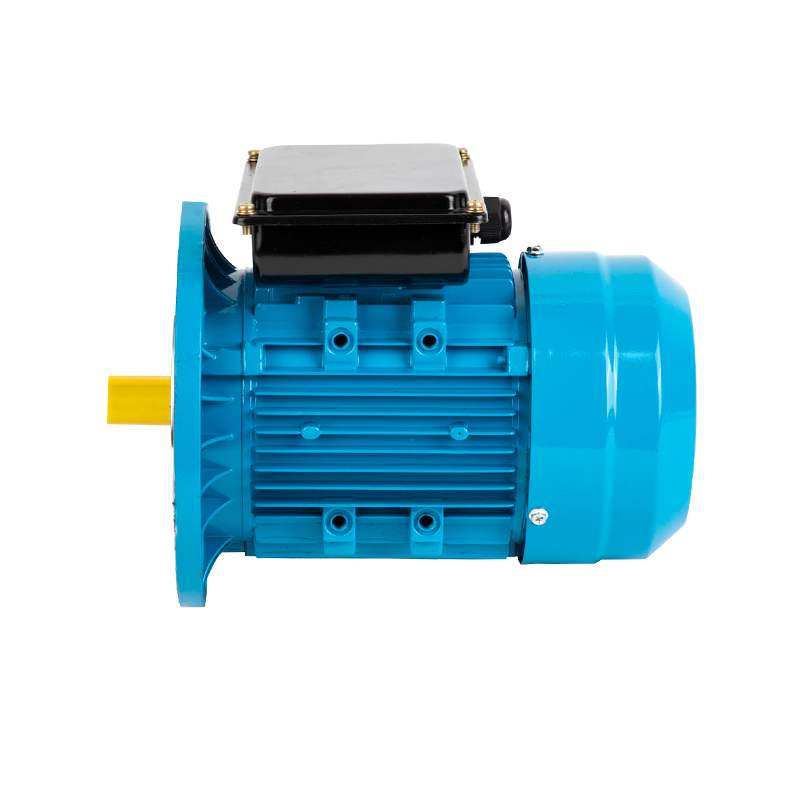
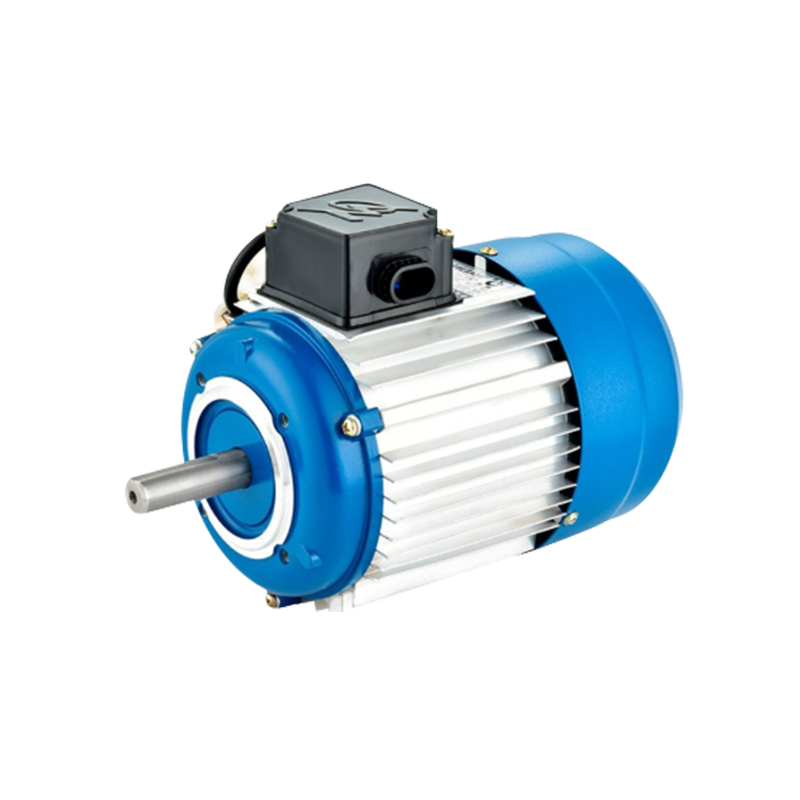
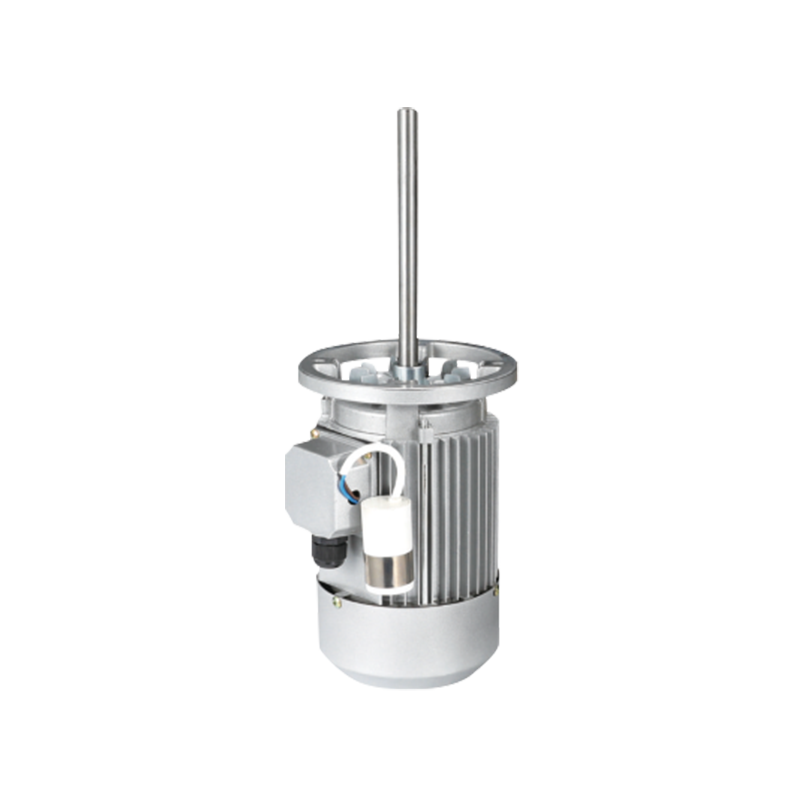
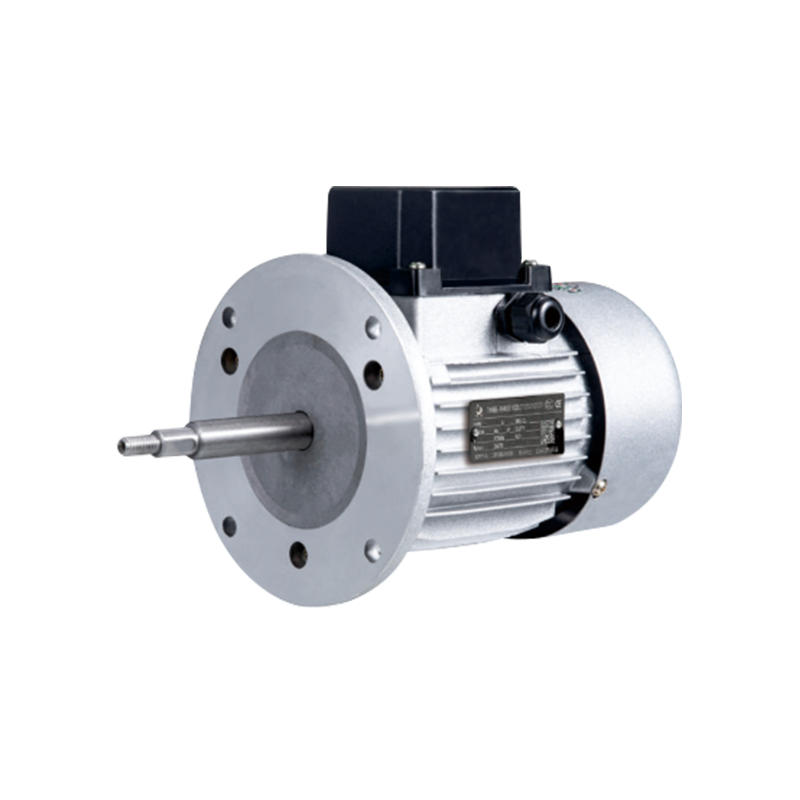
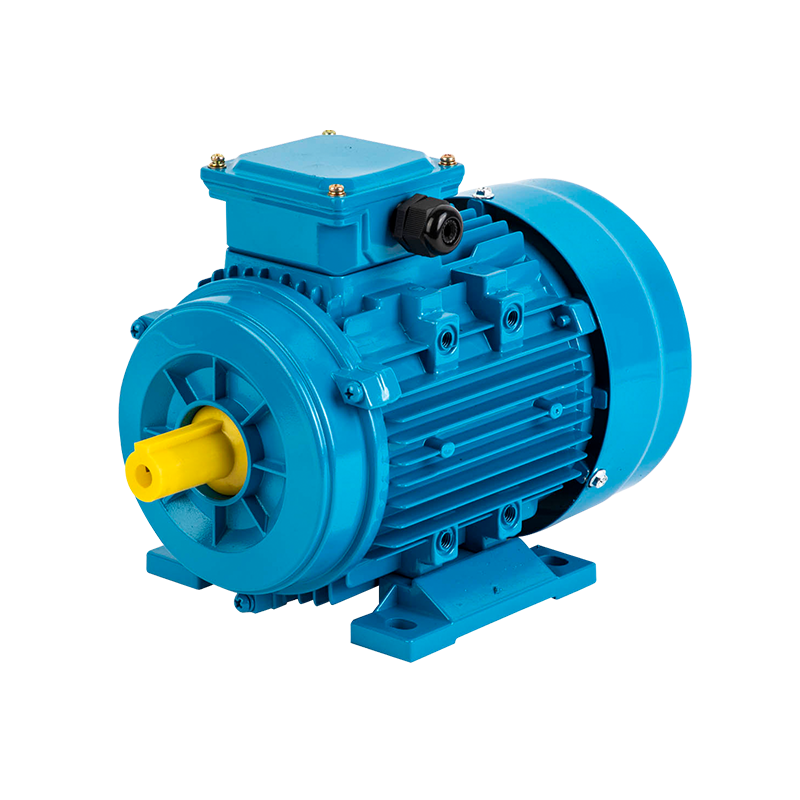
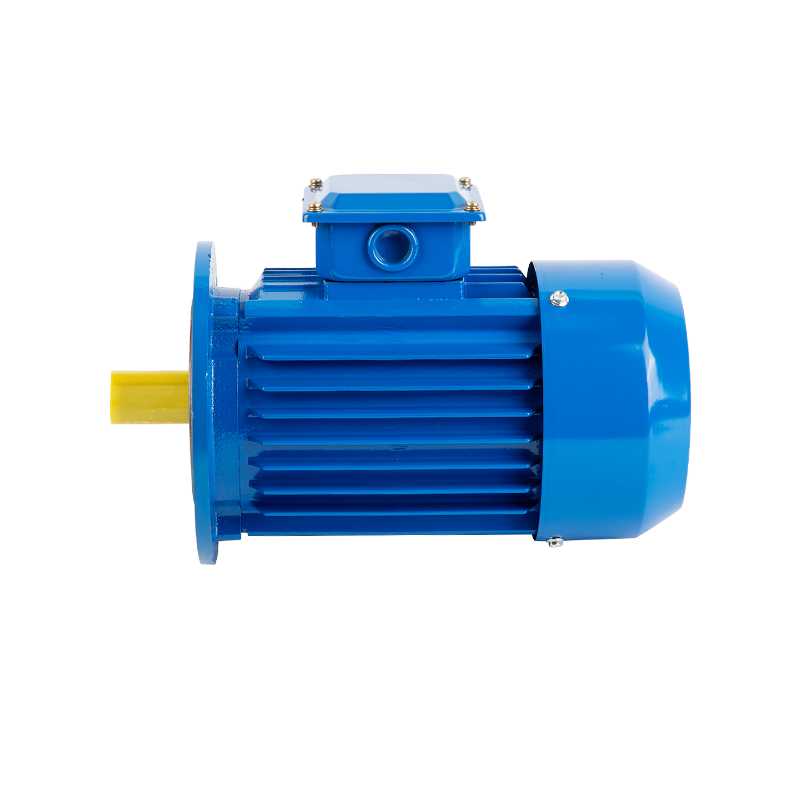
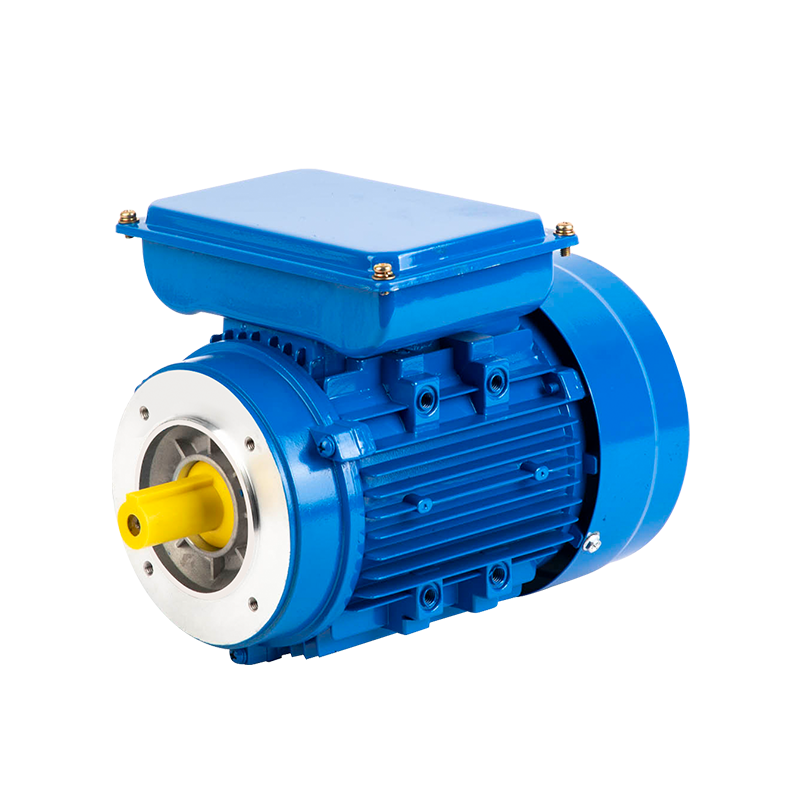
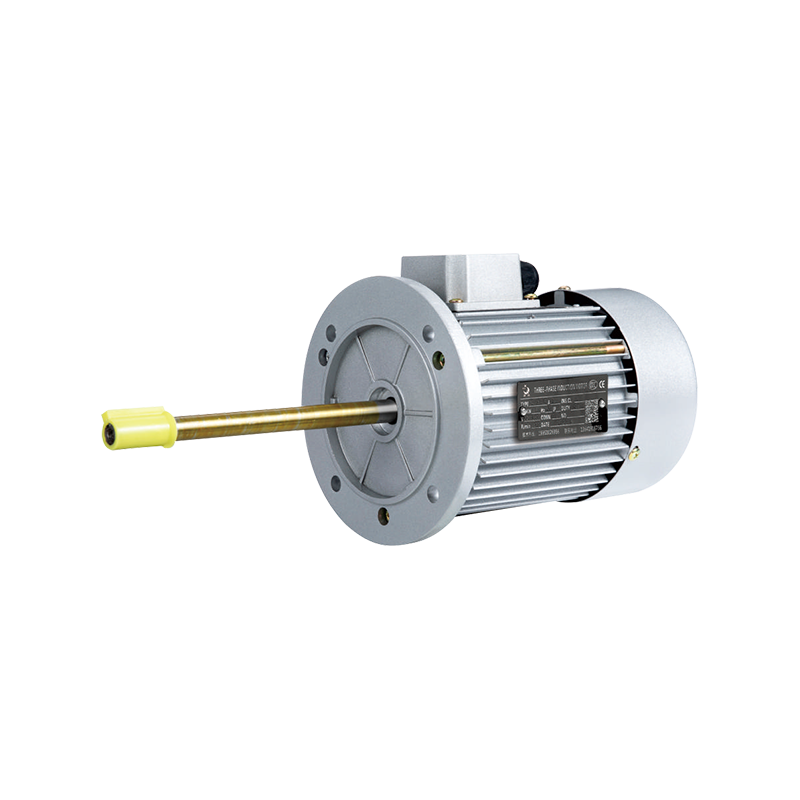
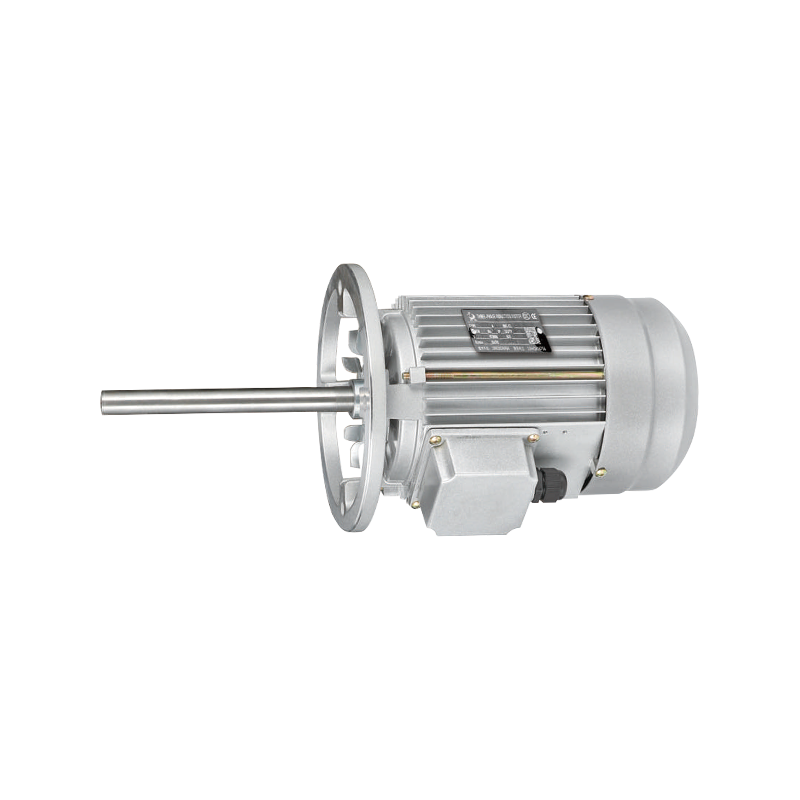
SWEELIN offers the YE4 series of three-phase asynchronous motors for industrial use. Buyers considering this range can review the product information and confirm whether the documented characteristics match their equipment requirements.
If you are weighing synchronous against asynchronous options, gather details on the load, required speed, power supply, mounting arrangement and operating environment before you talk to a manufacturer. That makes the conversation more practical. It also shows whether a standard motor configuration will do or the application needs a different arrangement.
A synchronous motor can be a suitable choice when an application needs a defined relationship between rotational speed, supply frequency and pole count. Speed is only one part of the decision, though. Starting conditions, load changes, control arrangements and maintenance needs also deserve attention.
For other applications, an asynchronous motor may be the more practical option. The right choice depends on the machine, its operating conditions and the requirements of the complete drive system.
Before you buy, look at how the equipment will run through a typical working cycle. Check the required speed, assess the load, confirm the power supply and review the installation requirements.
Whether you are sourcing a motor for new equipment or replacing an existing unit, sharing these details with a manufacturer helps narrow the options and supports a better-informed decision.


