 English
 Español



Building 1, Block 4, Wufeng Industrial Park, Daxi Town, Taizhou City, Zhejiang Province, China
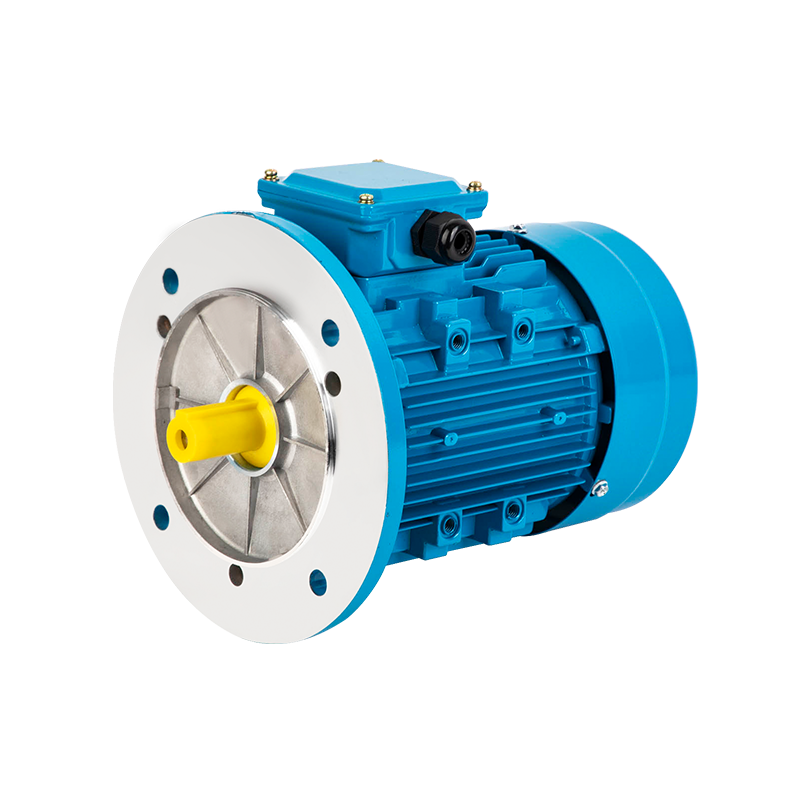
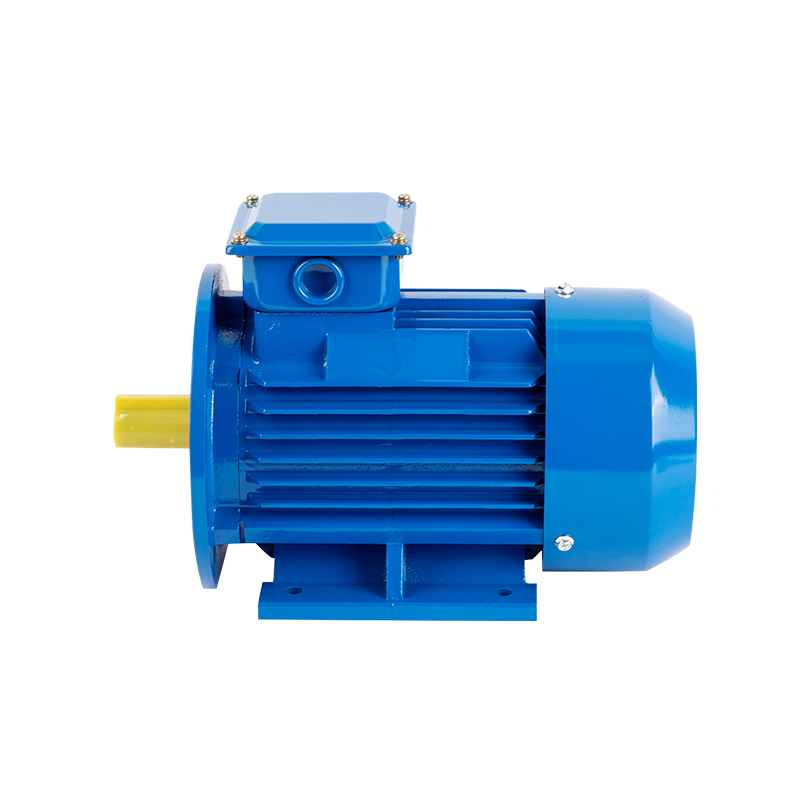
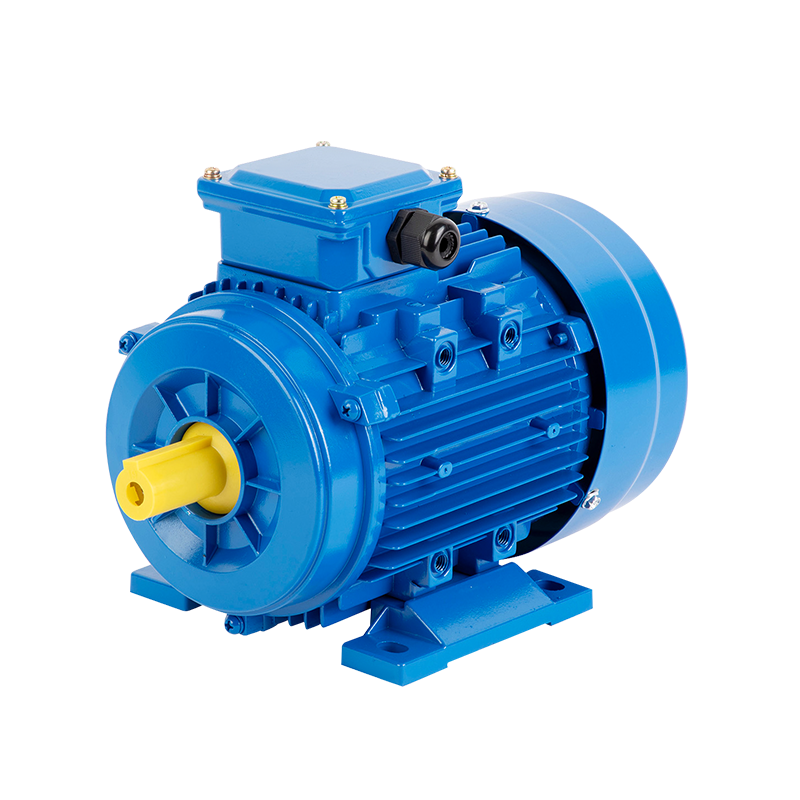
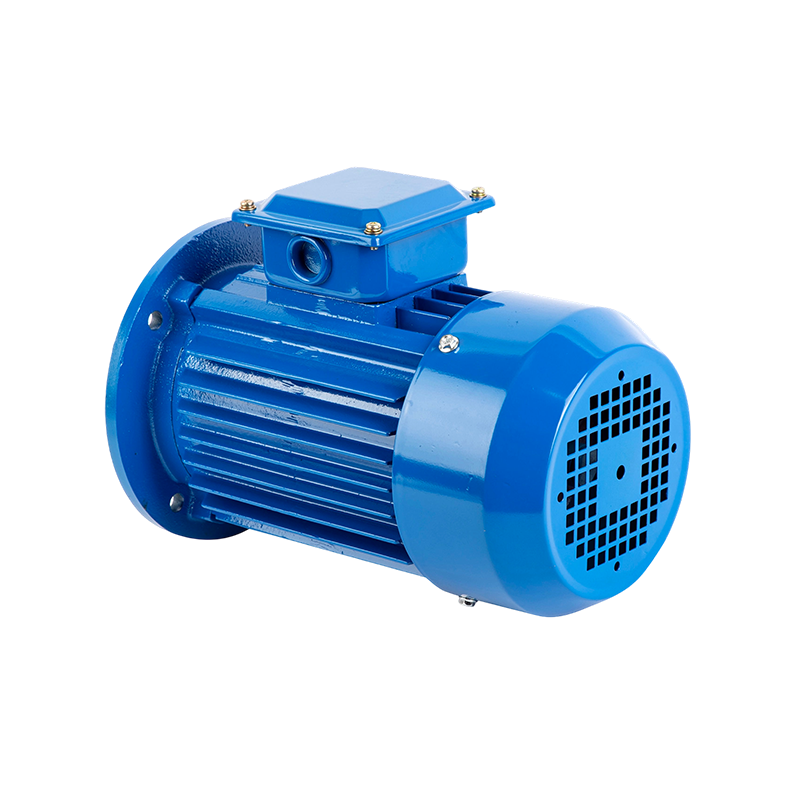
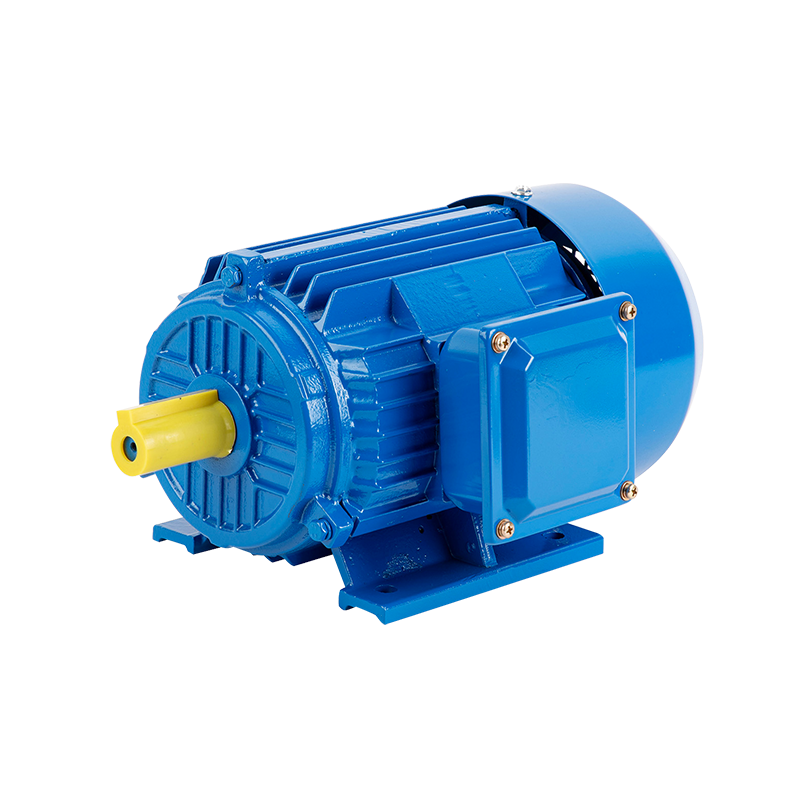
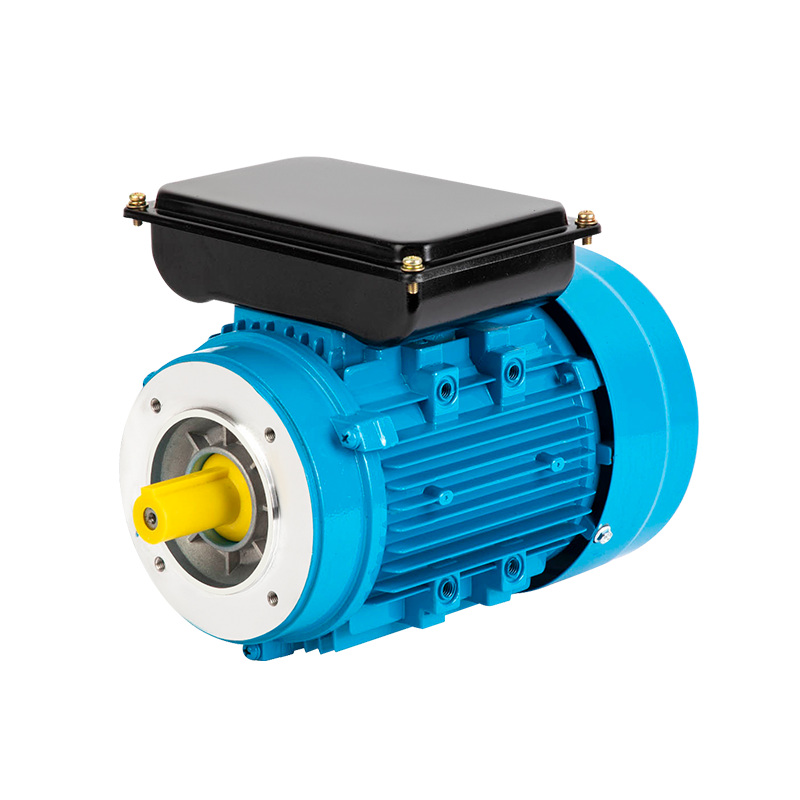
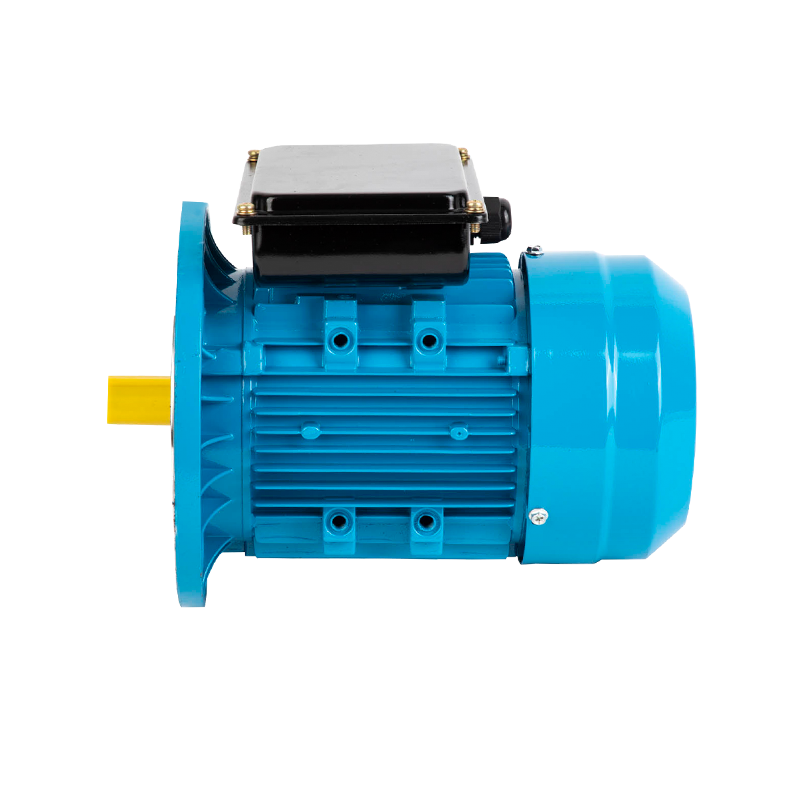
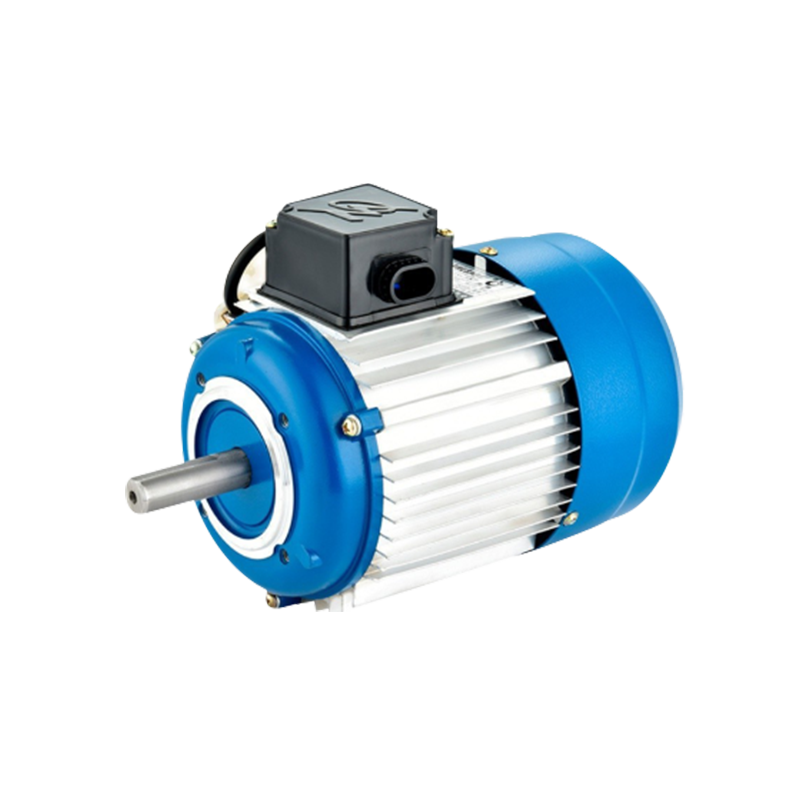
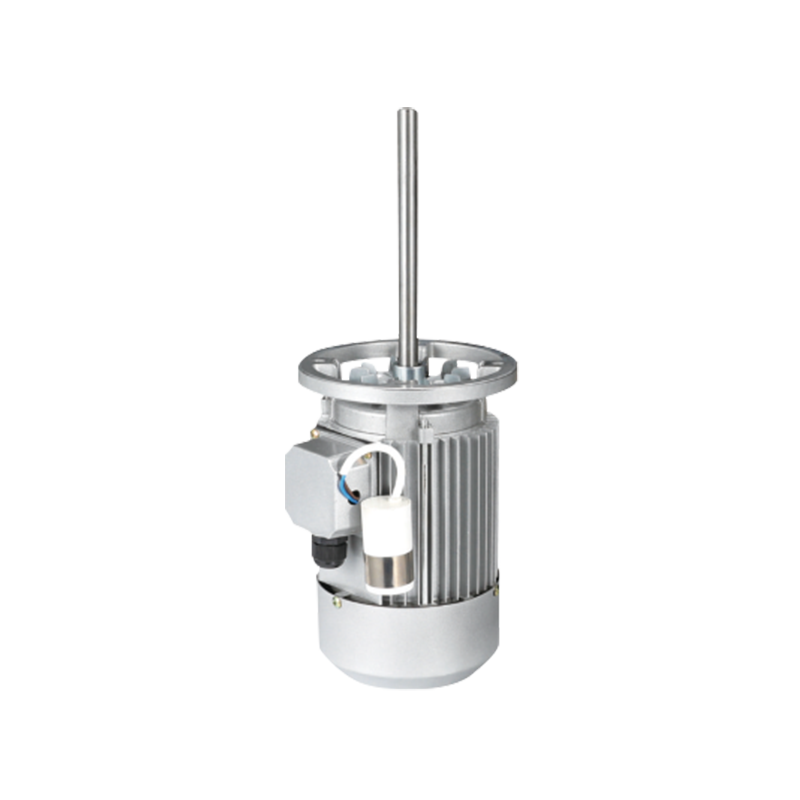
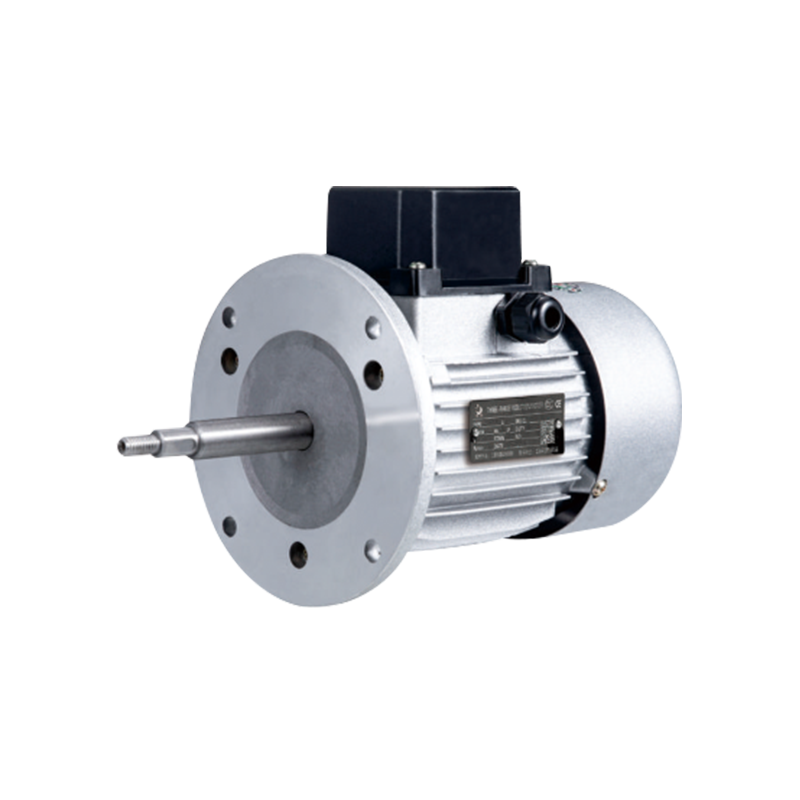
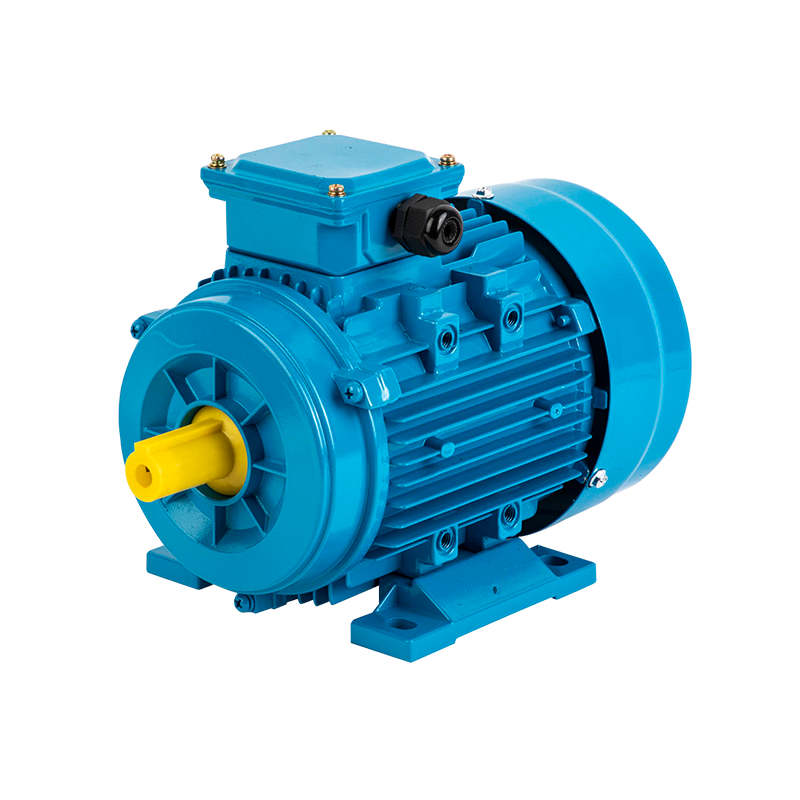
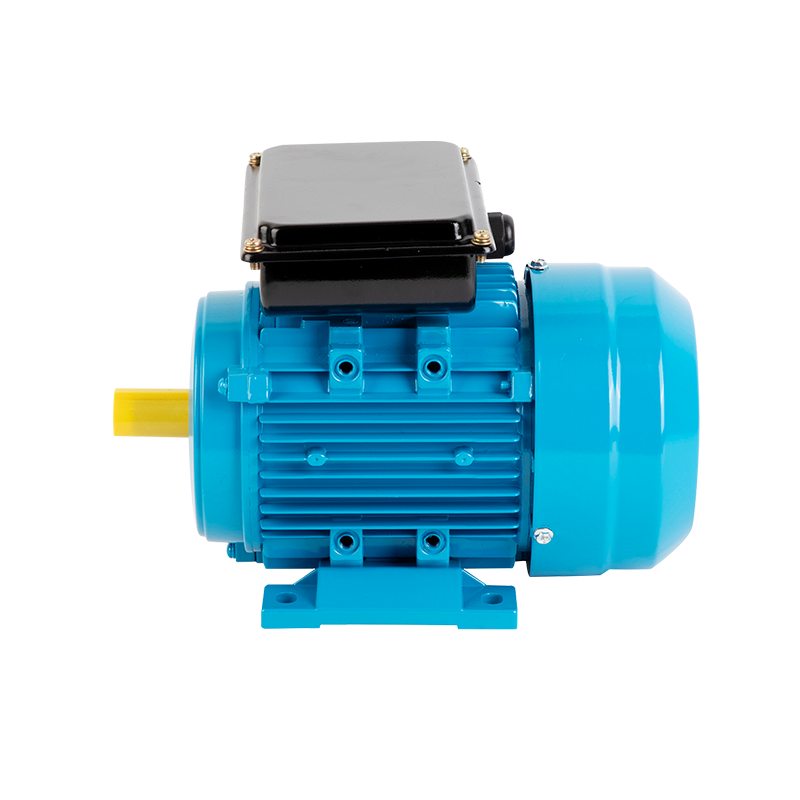
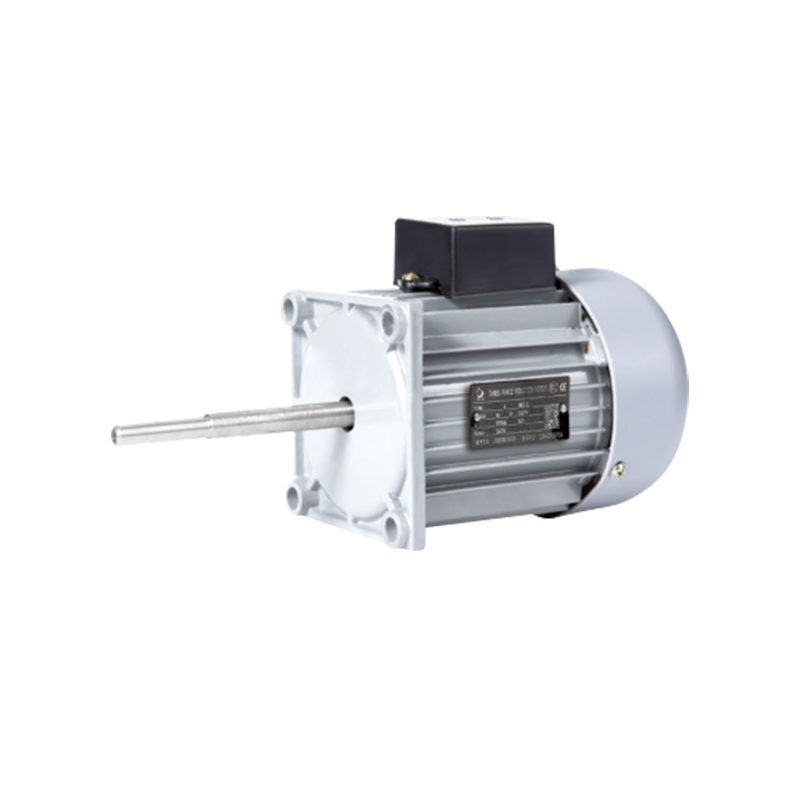
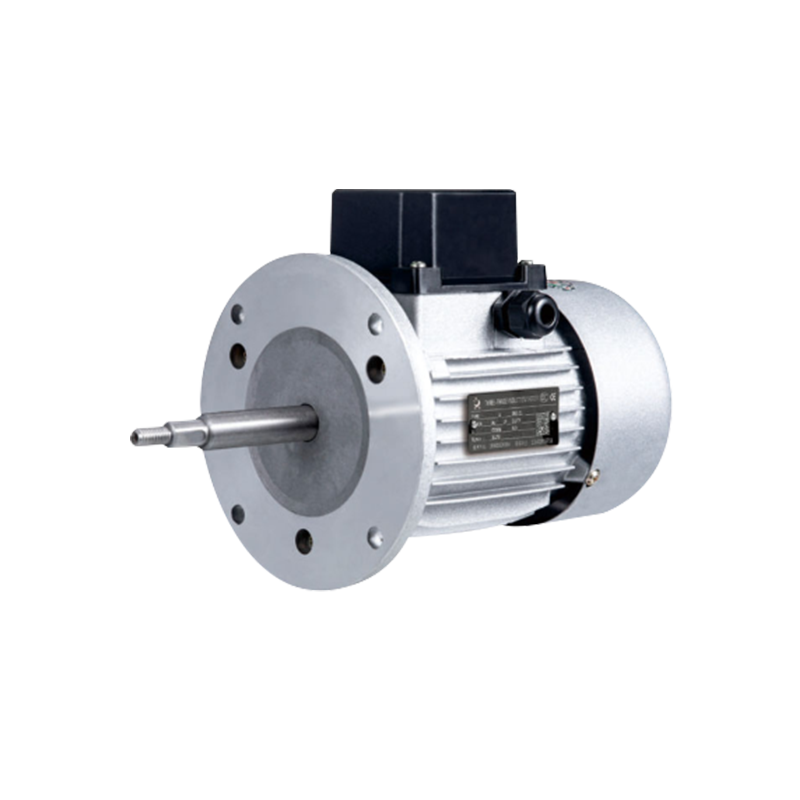
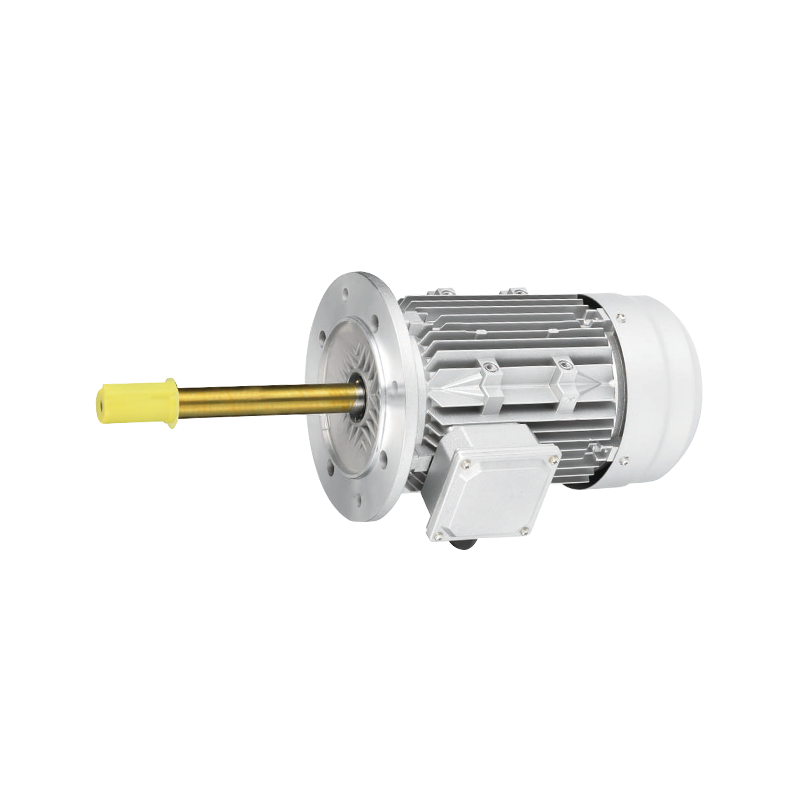
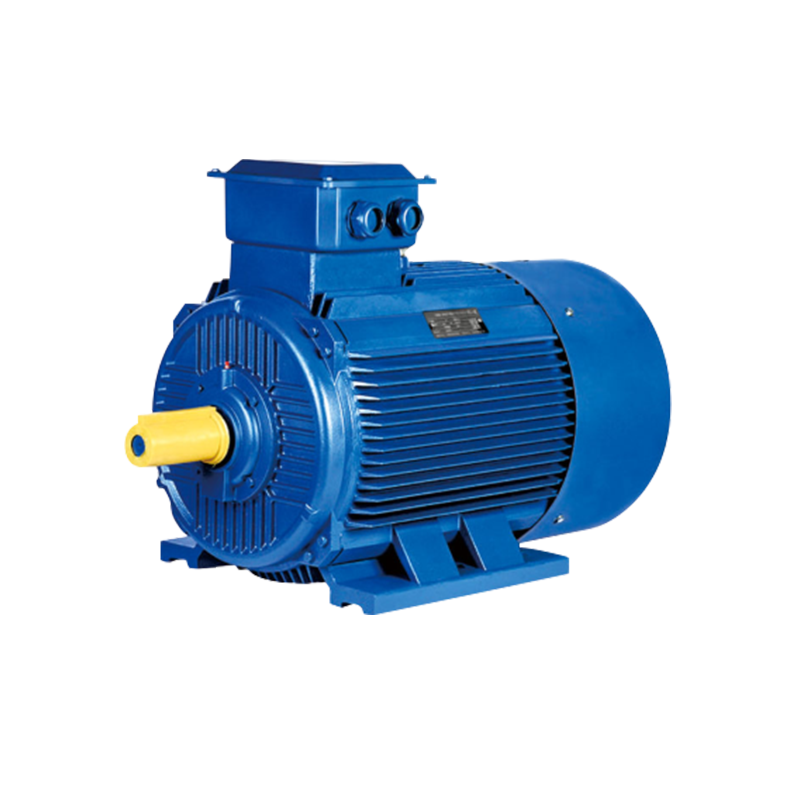
A Three Phase Industrial Motor basically turns electrical energy into mechanical motion, and it does that through magnetic fields working together. Two main parts make the whole thing run. The stator sits on the outside — stationary, carrying windings hooked up to the three-phase power supply. The rotor's the inner piece, spinning away inside the stator once the motor actually gets going.
Three-phase AC power sets up a rotating magnetic field inside the stator. That field spins at a speed tied directly to the power supply frequency. As it rotates, it induces current in the rotor, and that current creates its own magnetic field right back. The push and pull between these two fields is what generates torque — and torque is what actually turns the rotor.
The basic design hasn't really changed much in decades, honestly. It just works. The principles behind three-phase motors are well understood at this point, and manufacturing methods have been refined over years and years of actual production experience.
Why Does the Squirrel-Cage Rotor Design Support Heavy Duty Work
The squirrel-cage rotor gets its name pretty literally from how it looks. Bars run along the rotor, connected at each end by rings — and the whole thing ends up looking like, well, a squirrel cage. Aluminum or copper usually makes up the bars and rings.
Construction here is simple, and that simplicity is really the point. No brushes needing periodic swaps. No commutator demanding upkeep. There aren't any contact points sitting around waiting to wear out. A Three Phase Industrial Motor built with a squirrel-cage rotor can run for years without needing much attention at all.
That same simplicity makes the motor pretty rugged too. Dust, dirt, moisture — none of it really bothers the rotor since there's no exposed contact surface for any of that stuff to interfere with. The motor just keeps running in conditions that would trip up other motor types pretty quickly.
A few advantages worth pointing out with the squirrel-cage rotor:
- No brushes to wear out or replace
- No commutator to maintain
- Simple, rugged construction overall
- Handles harsh environments without much trouble
- Long service life with minimal maintenance needed
How Does Three-Phase Power Delivery Enhance Motor Performance
Three-phase power delivers energy without any real interruption. Voltage never drops to zero the way it does with single-phase power between cycles. That steady delivery translates into smooth, even motor operation — less vibration, less noise, overall a calmer running motor.
Three-phase motors also tend to run more efficiently than single-phase ones. The design just makes better use of input power, turning a bigger share of electrical energy into actual mechanical output. Power factor — basically how well the motor uses the electricity it's given — tends to run higher with three-phase designs too.
Self-starting is another point in three-phase's favor. The rotating magnetic field gets the motor moving the instant power hits it. Single-phase motors, by contrast, usually need starting capacitors or some other extra device just to get spinning. That self-starting trait alone makes three-phase motors a lot simpler to install and run day to day.
What Characteristics Make These Motors Suitable for Industrial Applications
A Three Phase Industrial Motor tends to hold high efficiency across a pretty wide range of loads. Efficiency stays fairly steady even as load shifts around. A motor running at partial load still uses electricity effectively — it doesn't fall apart performance-wise just because it's not maxed out.
Speed stays steady too, even as load conditions change. A conveyor moving a light load runs at nearly the same speed as one hauling something heavier. The speed drop — what engineers call slip — stays small throughout. That steady speed is exactly what a lot of processes need to run predictably.
| Characteristic | Three-Phase Motor | Single-Phase Motor |
|---|---|---|
| Power delivery | Continuous | Pulsing |
| Starting torque | Good | Limited |
| Efficiency | Higher | Lower |
| Maintenance needs | Lower | Higher |
| Self-starting | Yes | Requires starting components |
The range of available sizes makes these motors useful across a huge spread of applications too. The same core design that runs a small pump can scale right up to power a large compressor, and performance characteristics tend to hold up consistently across all those different sizes.
A Three Phase Motor Factory usually keeps this range in mind from the start, since consistent performance across sizes doesn't happen by accident — it comes down to careful design work and tight production control behind the scenes. That kind of manufacturing discipline is really what lets a single motor platform serve so many different industrial needs without losing reliability along the way.
How Does Motor Construction Support Heavy Loads
Stator windings really sit at the center of torque generation here. They're arranged in slots running around the inside of the stator, and once power flows through them, a magnetic field forms up. How strong that field gets depends on the current running through and how many turns are in the winding itself.
Heat becomes a real concern once loads get heavy. A motor pushing full capacity generates heat that has to go somewhere — it can't just build up indefinitely. The motor frame and cooling fins do a lot of the work carrying that heat away from the windings. Larger motors often have fans mounted right on the shaft, pulling air across the motor body as it spins. That forced air cooling keeps temperatures within limits the motor can actually handle long-term.
Larger frame sizes come into play once power ratings climb higher. A motor delivering more torque needs a bigger stator, more copper packed into the windings. The rotor has to grow too, since it's dealing with stronger magnetic forces at that point. Basically, the physical size of the motor tracks pretty closely with its power rating.
The relationship between motor size and load capacity isn't complicated, honestly. Bigger motors handle heavier loads because there's simply more material there to carry current and shed heat. Getting the size right matters a lot for the application at hand — too small, and the motor just can't keep up with the load. Too large, and you're wasting energy running something oversized for the job.
Where Do Three Phase Industrial Motors Typically Operate
Industrial machinery accounts for a big chunk of where three-phase motors end up working. Pumps, compressors, conveyors — all of it runs on these motors. They supply the power needed to move fluids, compress air, shift materials around. This equipment often runs for hours or days straight, and the motor really needs to keep going without a hiccup through all of that.
HVAC systems in commercial and industrial buildings lean on three-phase motors too. Large fans, chillers, air handling units — they all use these motors to push air and refrigerant where it needs to go. During peak heating or cooling seasons, the motors might run nonstop for extended stretches. A failure there doesn't stay small either — it can affect a whole building pretty fast.
Water pumping and irrigation setups use three-phase motors as well. Pumps pull water from wells or reservoirs and push it through pipes, and the motors driving all this might sit outdoors or tucked into pump houses. They've got to deal with whatever weather shows up and still stay dependable through it.
Lifting equipment — cranes, hoists, that sort of thing — relies on these motors too. The motor supplies the torque needed to actually lift heavy loads, and the speed control that comes with some three-phase setups helps with precise material handling.
A few common places you'll find them:
- Pumps for water, oil, and chemicals
- Compressors for air and refrigeration
- Conveyors for materials handling
- Fans and blowers for ventilation
- Cranes, hoists, and lifting equipment
What Factors Influence a Three Phase Motor Factory's Production
Efficiency standards shape a lot of how a Three Phase Motor Factory approaches design and build. Higher-efficiency motors carry more copper in the windings, better magnetic steel in the core — that extra material cuts down losses, sure, but it also drives up cost. A Three Phase Motor Factory has to find a workable balance between efficiency requirements and what production actually costs.
Testing plays a real role in keeping quality consistent. A Three Phase Motor Factory tests every motor before it heads out the door. These tests cover electrical performance, mechanical vibration, temperature rise — the usual suspects. Motors that don't clear the bar get reworked or scrapped outright. Testing at the factory level cuts down significantly on failures showing up later out in the field.
The balance between standardization and customization shapes the product line too. Standard motors come out cheaper to produce since the same components get reused across a lot of orders. Custom motors cost more but hit specific requirements customers actually need met. A Three Phase Motor Factory offering both options ends up serving a much wider slice of the market.
Why Do These Motors Remain the Industry Standard
The cost-to-performance balance of three-phase motors has kept them around for decades now, honestly. They deliver reliable power at a reasonable price point. Efficiency's improved gradually over time, sure, but the basic design has stayed pretty much the same throughout. That kind of proven track record gives users real confidence in the product.
Maintenance needs stay low, which matters a lot in industrial settings. A motor needing frequent service just creates downtime and piles onto operating costs. Three-phase motors, on the other hand, tend to run for years with little more than occasional bearing lubrication needed.
Handling harsh conditions without failing adds real value on top of all that. The simple construction, the lack of parts that wear down — it makes the motor a practical pick for demanding environments. The Factory building these things really supports an entire industry that depends on equipment staying up and running.
Consistency in three-phase motor production backs up reliable industrial operations too. The same motor design coming out of a Three Phase Motor Factory today performs pretty similarly to one built a decade back. Established design work paired with steady production processes tends to produce motors that meet expectations, run after run.


