 English
 Español



Building 1, Block 4, Wufeng Industrial Park, Daxi Town, Taizhou City, Zhejiang Province, China
Standard motors work well for plenty of common uses. Pumps, ventilation fans, conveyor belts, and countless other everyday machines run fine with designs pulled straight from a catalog. Things get more complicated once the application leaves the ordinary behind. Tight spaces, odd mounting angles, harsh environments, and unusual power requirements change the picture quite a bit. Under these conditions, the generalized approach of a stock motor tends to fall short somewhere along the line.
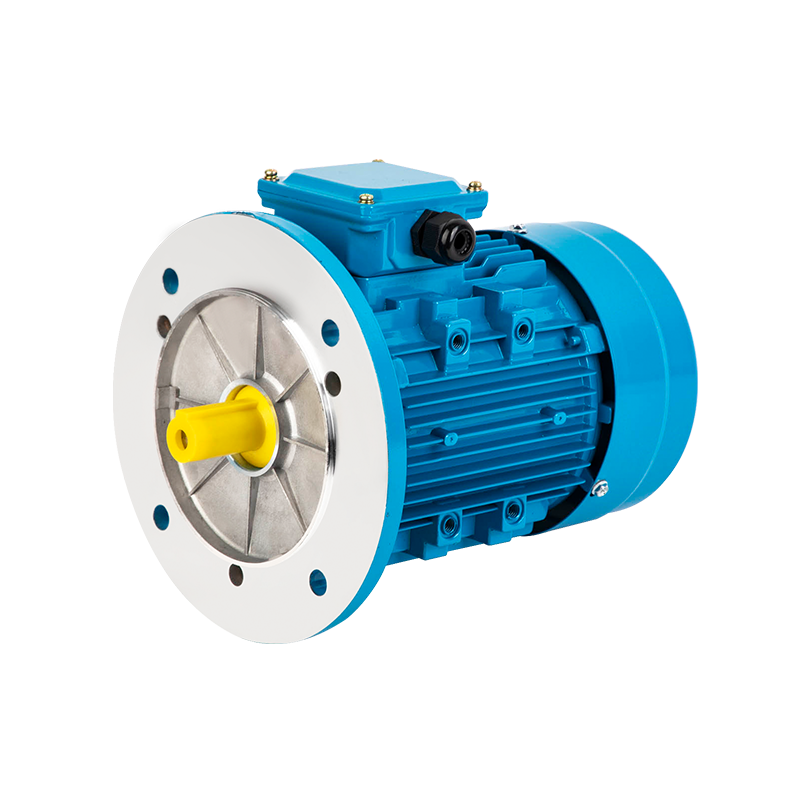
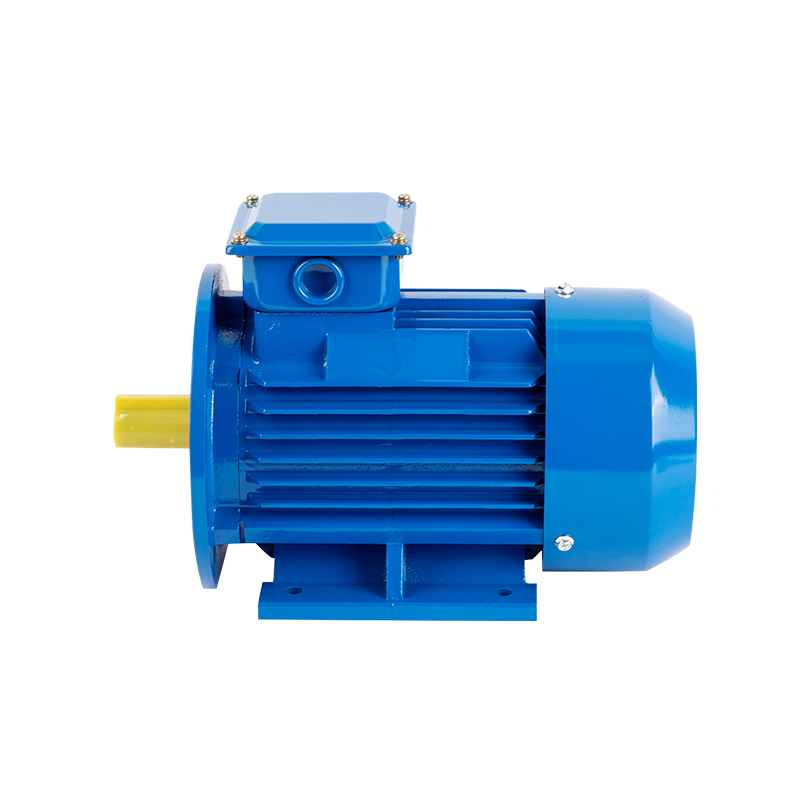
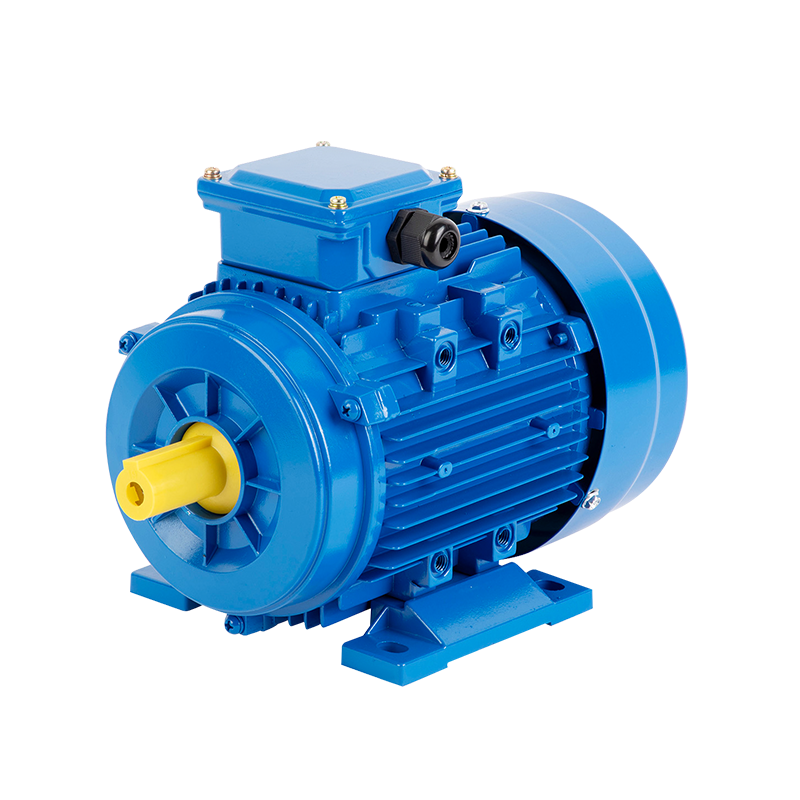
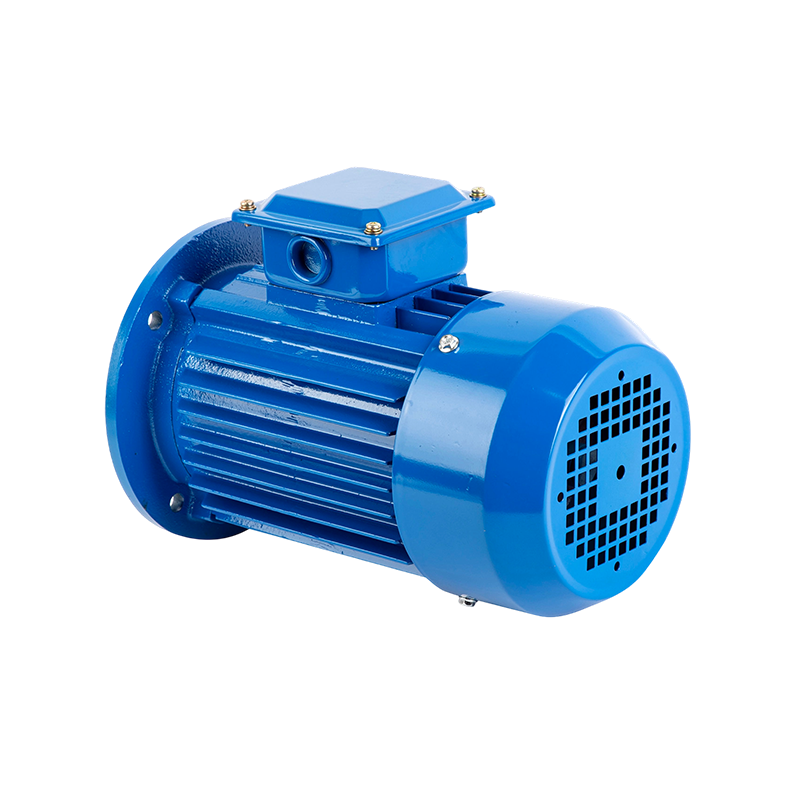
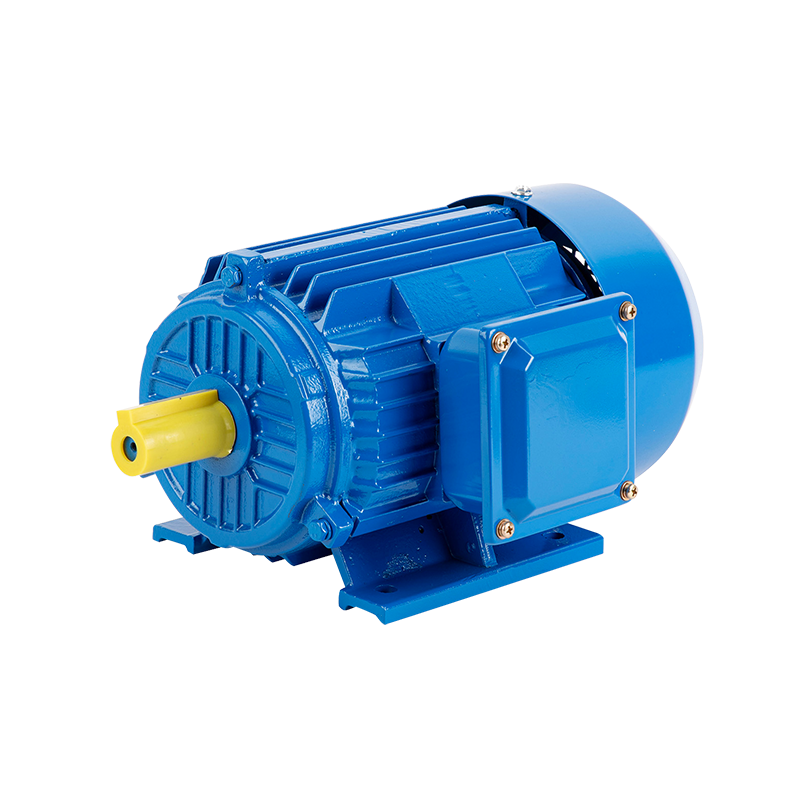
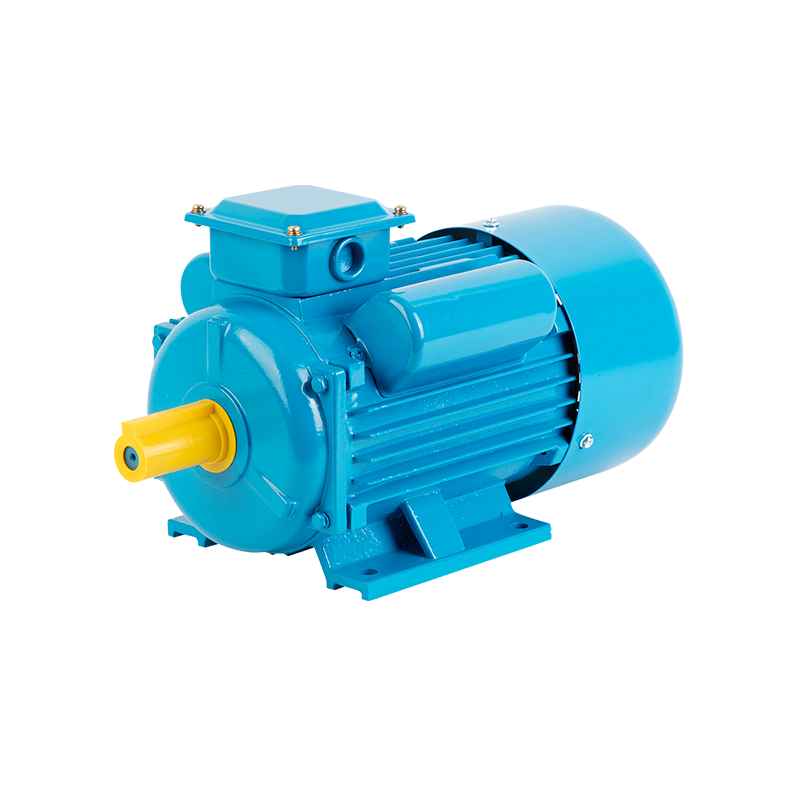
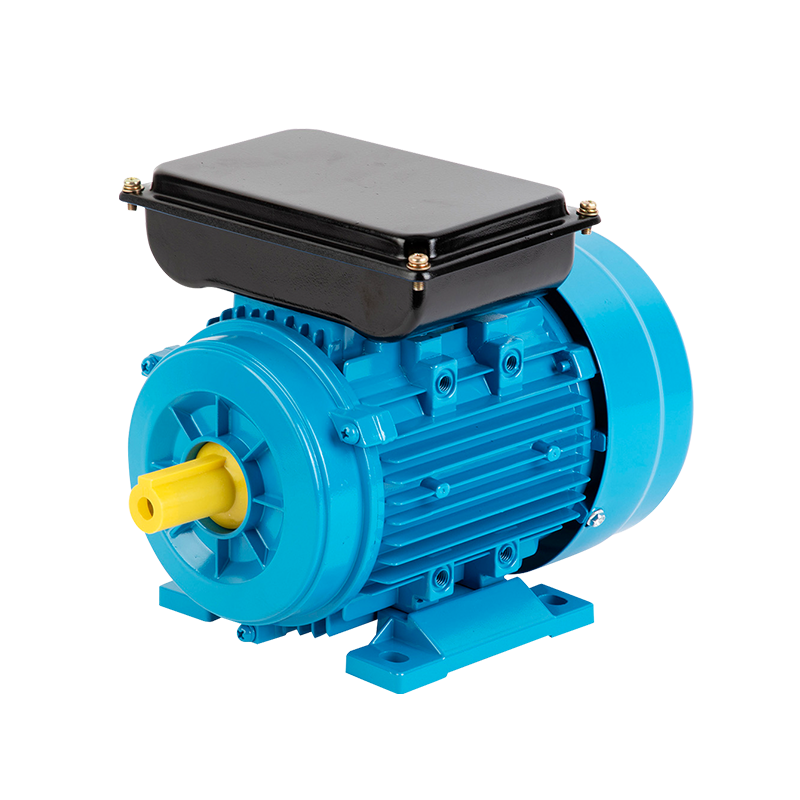
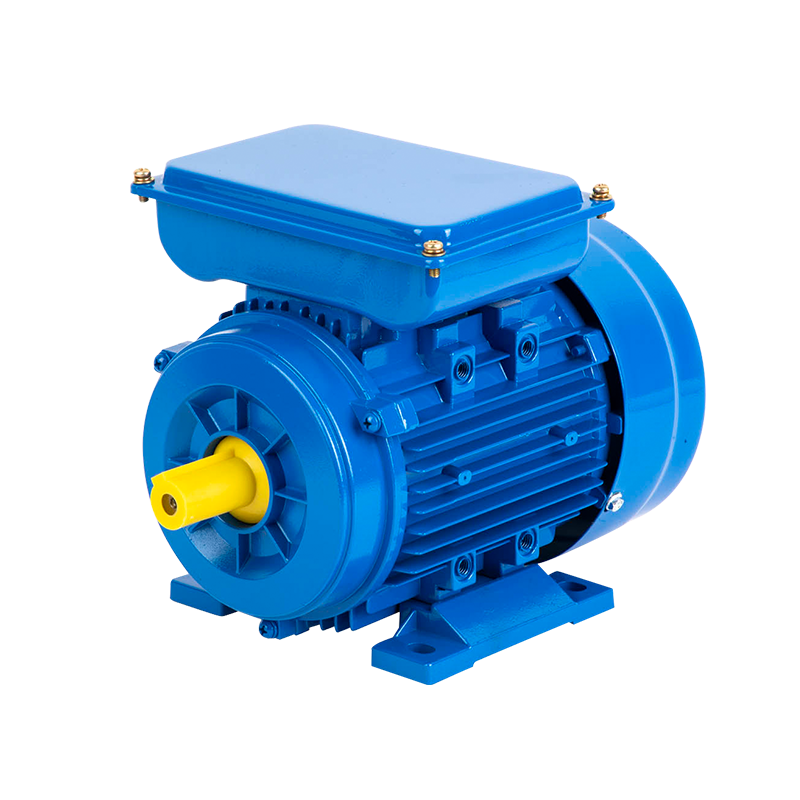
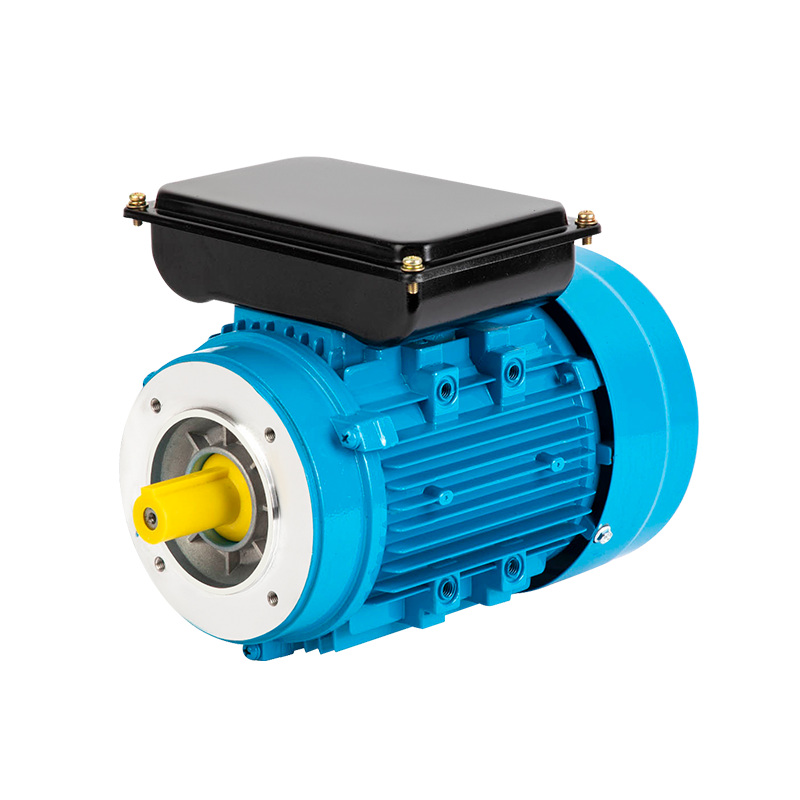
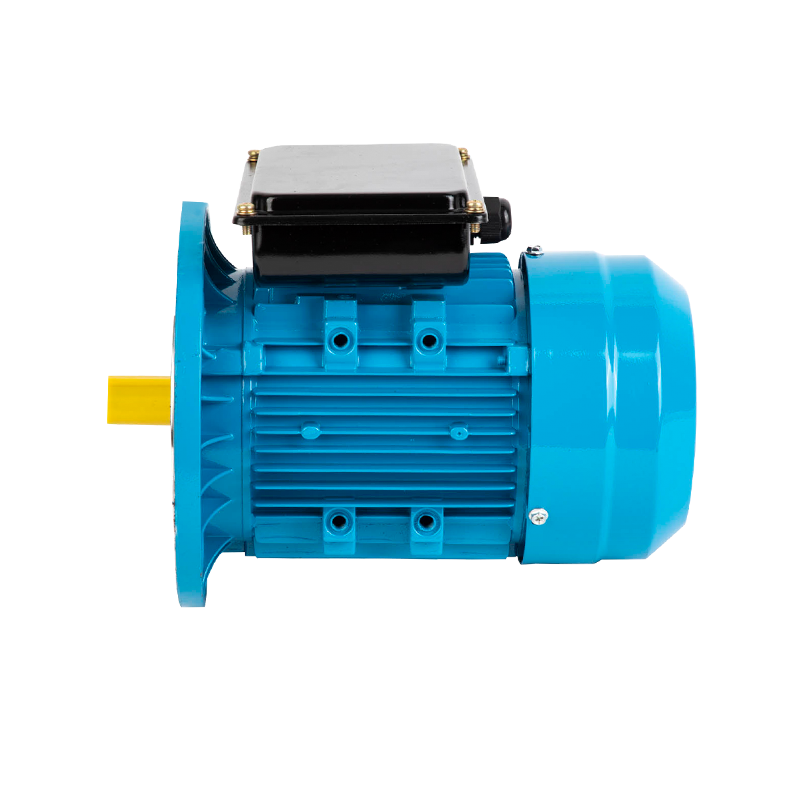
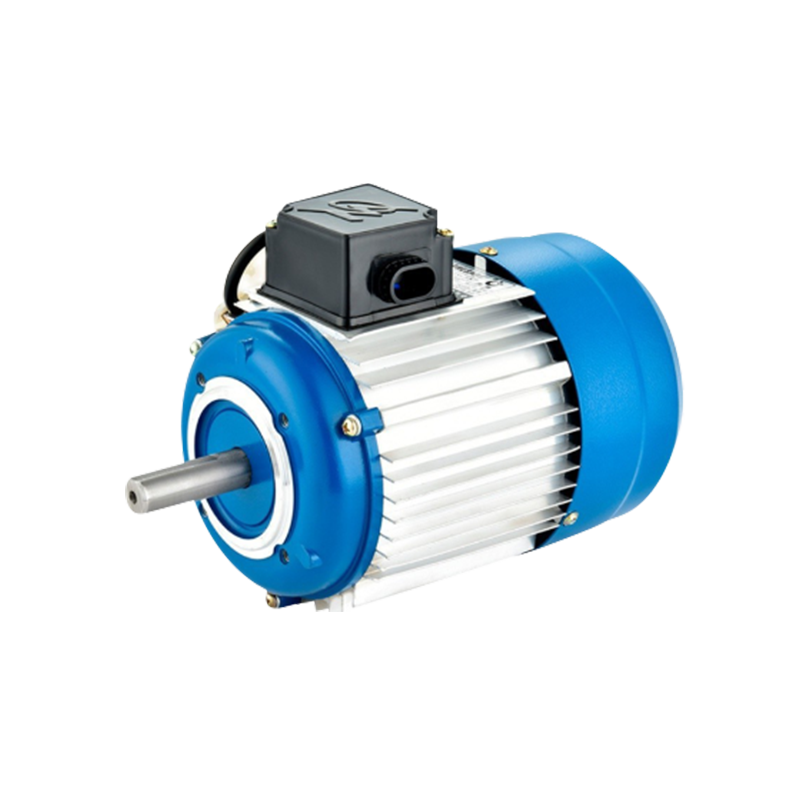
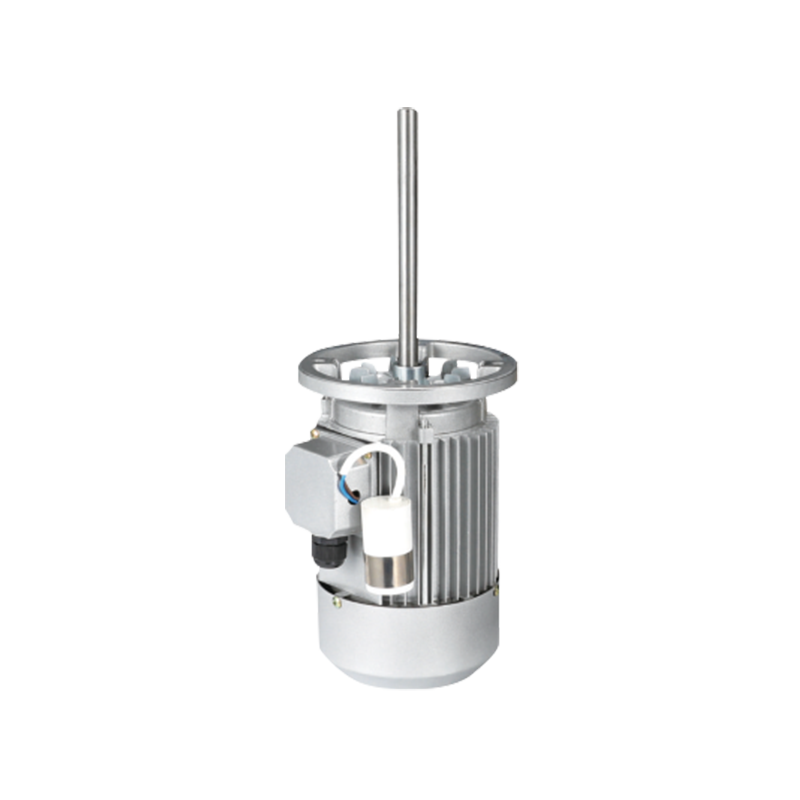
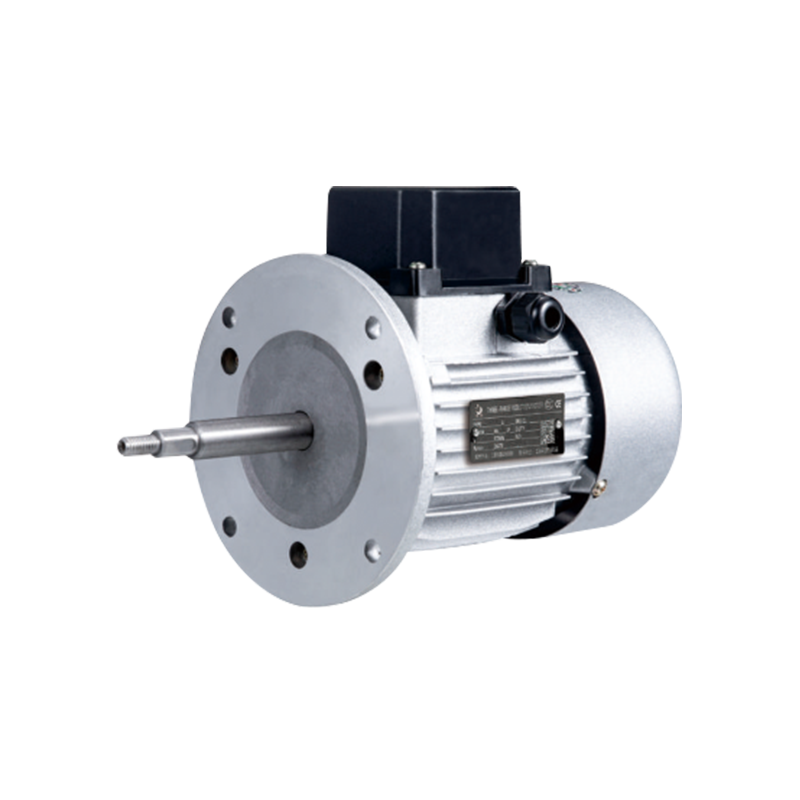
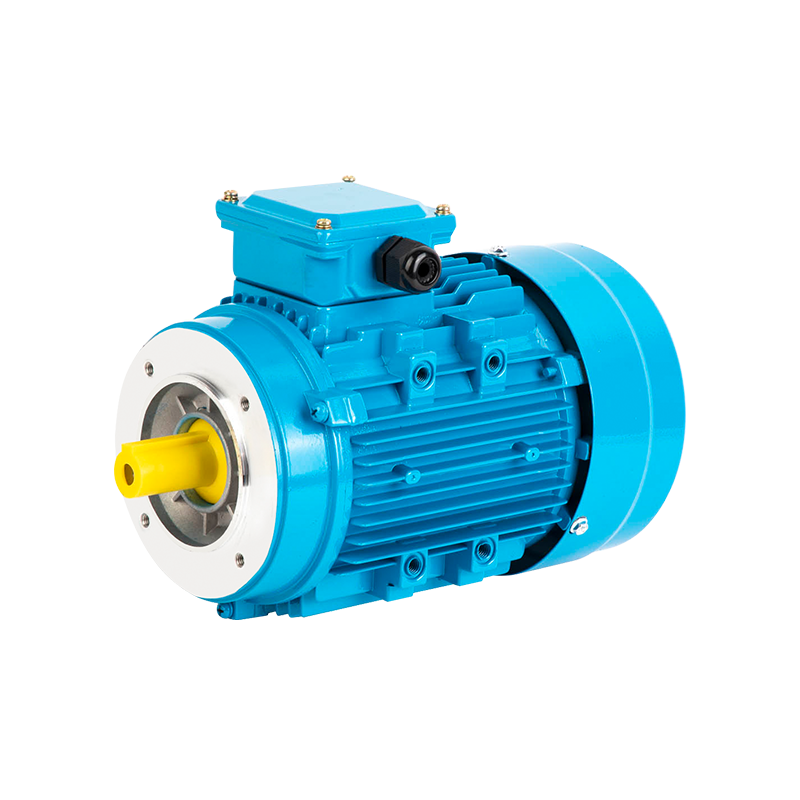
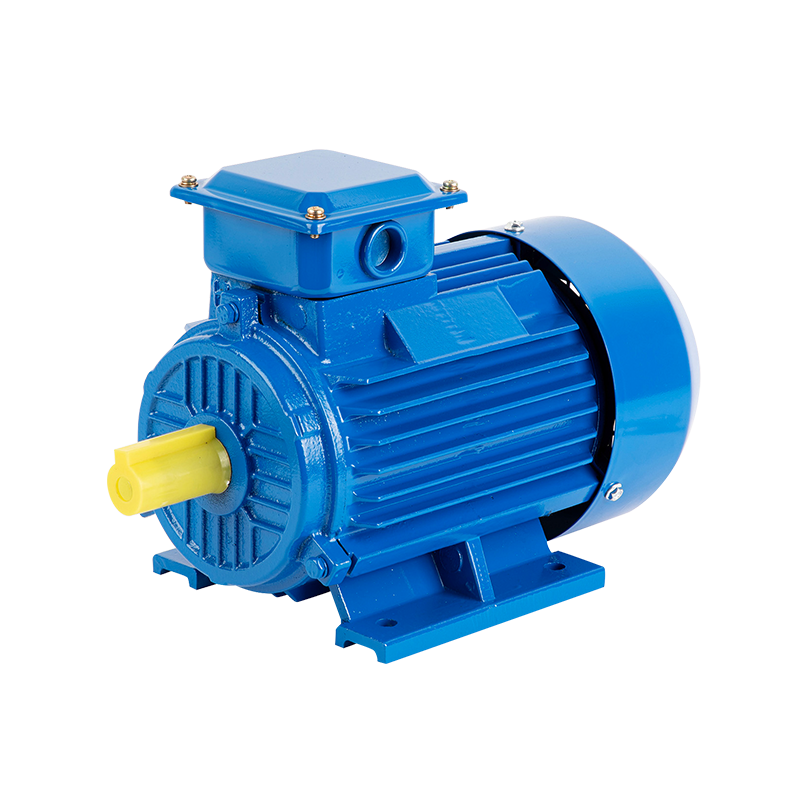
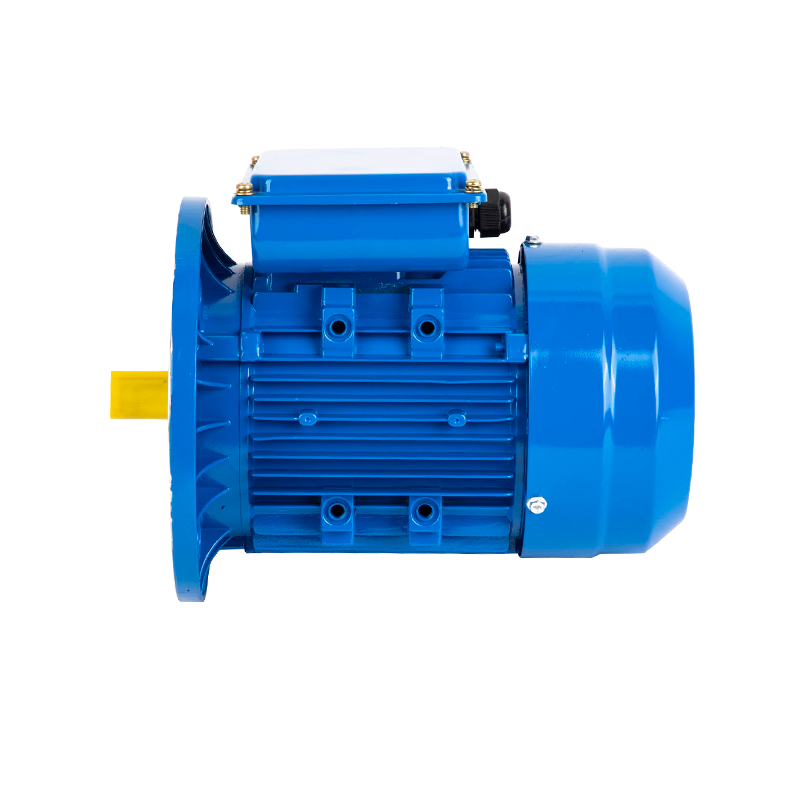
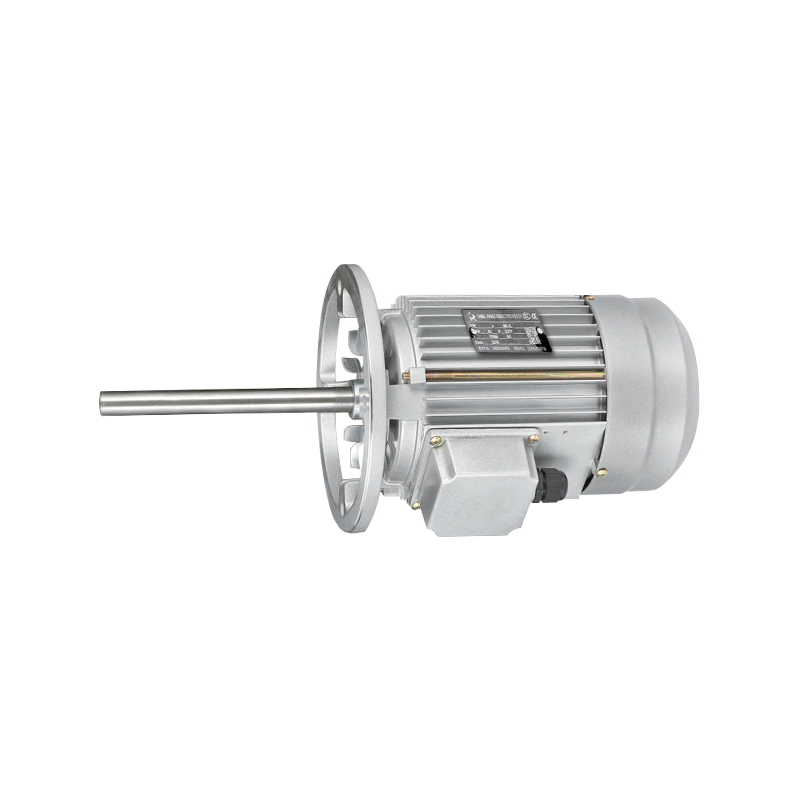
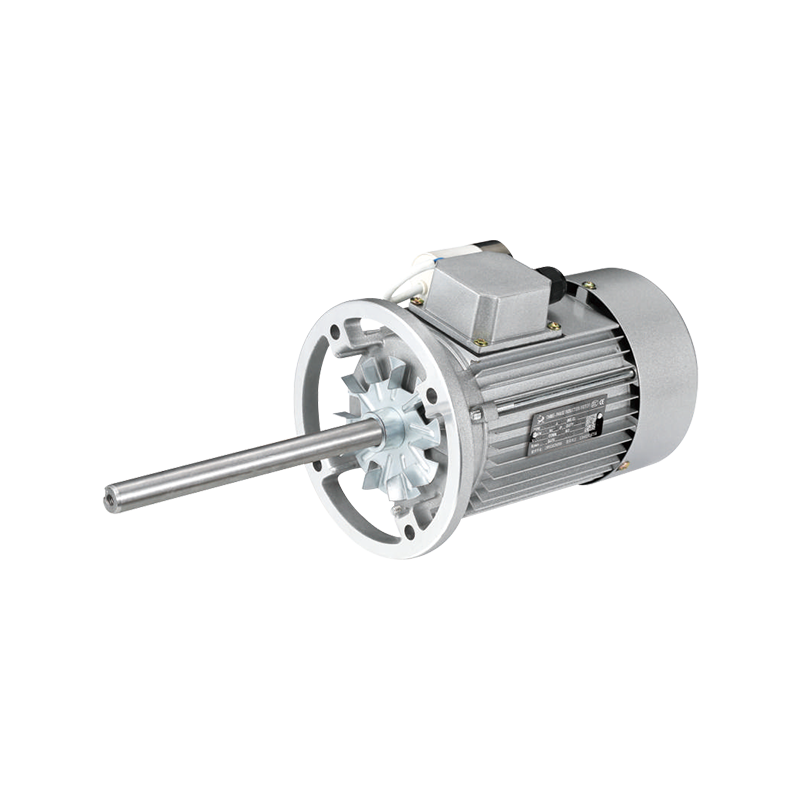
This is where a Custom Electric Motor comes into play. It starts from the ground up to fit the job at hand, with mounting holes placed where they're actually needed, a shaft built to the necessary dimensions, and electrical characteristics adjusted to match what the driven equipment demands. It works with the application rather than forcing the application to work around it.
A few factors contribute to how well a custom design suits its purpose. Electrical design counts as a key element, but so do the mechanical details, the materials chosen for construction, and the manufacturing processes involved. Attention across all these areas tends to produce a motor that not only fits but performs reliably over its intended service life.
Understanding the Limitations of Standard Off-The-Shelf Motors
Catalog motors get built for quantity. A manufacturer sets up a production line for a particular frame size and electrical rating, then produces thousands of units off that same line. The economics work well for a broad market, but the range of offerings stays fairly limited by nature. Only so many combinations of dimensions, ratings, and features make sense to keep in stock.
Space constraints often cause trouble with standard units. Equipment designers working on a new machine, or upgrading an existing line, usually face fairly tight tolerances. A motor that's a few millimeters too wide, or has mounting feet placed a few centimeters too far apart, may simply not fit the space available. The design team then has to revisit the mechanical layout, often making compromises nobody really wanted just to accommodate the off-the-shelf component.
Electrical mismatches present another category of difficulty. An application might call for a voltage that isn't common in standard motors. Or the speed-torque curve needed could fall outside the design envelope of what's available on the shelf. Running a motor outside its intended operating range tends to bring reduced efficiency, excess heat, and a shorter service life along with it.
Certain environments challenge standard motors as well. Dust, moisture, and corrosive vapors all threaten to shorten motor life over time. Sealing standard units against these exposures often involves costly modifications that may not even prove fully effective in the end. A purpose-built motor can address these threats from the design stage, working in appropriate sealing, coatings, and materials from the start.
Key Design Factors That Define a Custom Electric Motor
A Custom Electric Motor takes shape through a range of design decisions. Each choice addresses a specific aspect of the intended service, and each one contributes to how well the finished product actually suits its job.
| Design Factor | What It Controls | Why It Matters |
|---|---|---|
| Electrical rating | Voltage, frequency, power level | Must match available power and required output |
| Frame geometry | Mounting dimensions and bolt pattern | Determines whether it fits the available space |
| Shaft design | Diameter, length, keyway | Must connect correctly to driven equipment |
| Cooling approach | Ventilation or liquid cooling | Keeps temperature within acceptable limits |
| Environmental sealing | Gaskets, coatings, housing design | Keeps moisture and dirt away from internal parts |
Electrical parameters set the foundation here. Voltage and frequency need to match the power source available. The motor's torque and power ratings should align reasonably well with what the driven equipment demands. Getting these parameters right helps the motor run efficiently and reliably under normal working conditions.
Mechanical integration covers how the motor actually connects to the machinery around it. Frame mounting pattern, shaft dimensions, and coupling type all get specified to match the application at hand. Paying attention to these details tends to make installation more straightforward and cuts down the chance of alignment problems showing up later.
Thermal behavior deserves careful thought too. Motors produce heat roughly in proportion to the power they deliver, and that heat needs somewhere to go to avoid damaging windings, bearings, and other components. The cooling method — whether convective airflow, a forced-air fan, liquid cooling, or some other arrangement — depends on the motor's operating pattern and the environment it works in.
Environmental protection comes down to keeping harmful substances away from the motor's internals. Moisture threatens electrical insulation and promotes corrosion of metal parts. Dust buildup can block ventilation paths and help to overheating. Chemical exposure can degrade housing materials and seal compounds over time. Each application carries its own set of risks, and motor design responds to those risks with countermeasures suited to the situation.
The Role of Application-Specific Requirements in Motor Design
Each piece of machinery places its own demands on the motor driving it. Understanding and responding to those demands is largely what makes a custom design fit its intended purpose well.
Duty cycle matters quite a bit here. A motor running continuously handles heat differently than one cycling on and off through the day. Continuous operation builds steady-state temperatures that need to stay within insulation and bearing limits. Intermittent operation may allow higher output peaks, provided the rest periods give the motor a chance to cool back down.
Speed control needs shape the design too. Some applications call for fixed-speed operation, which simplifies things on the motor side. Others need variable speed, which might point toward different winding configurations or rotor designs. The type of speed controller involved — a variable frequency drive, a soft starter, or something else — can influence motor design as well.
Starting conditions vary from one application to the next. Some driven loads present high resistance when starting from rest, calling for a motor with strong starting torque. Others present low resistance at startup, letting the motor accelerate quickly with less initial effort required. Matching the motor's starting characteristics to what the load actually needs helps support reliable operation over the long haul.
Specific performance targets sometimes come into play as well. An application might call for a certain efficiency level, a particular output speed, or a limited temperature rise. These targets get built into the motor design through choices around materials, geometry, and manufacturing processes.
Material Selection and Its Effect on Motor Suitability
Materials chosen for motor construction affect how well the unit performs in its intended service, sometimes in ways that only show up after months of use. The operating environment often shapes which materials make sense in the place. A motor running in a clean, temperature-controlled factory faces a fairly different reality than one exposed to outdoor weather, chemical splashes, or abrasive dust day after day.
Copper windings carry the electrical current producing the magnetic field. The quality and purity of that copper affect both efficiency and heat generation. Winding insulation needs to hold up against the voltage applied and the temperatures reached during operation. Different insulation classes cover different temperature limits, and picking the right class helps the windings survive whatever thermal conditions they end up facing.
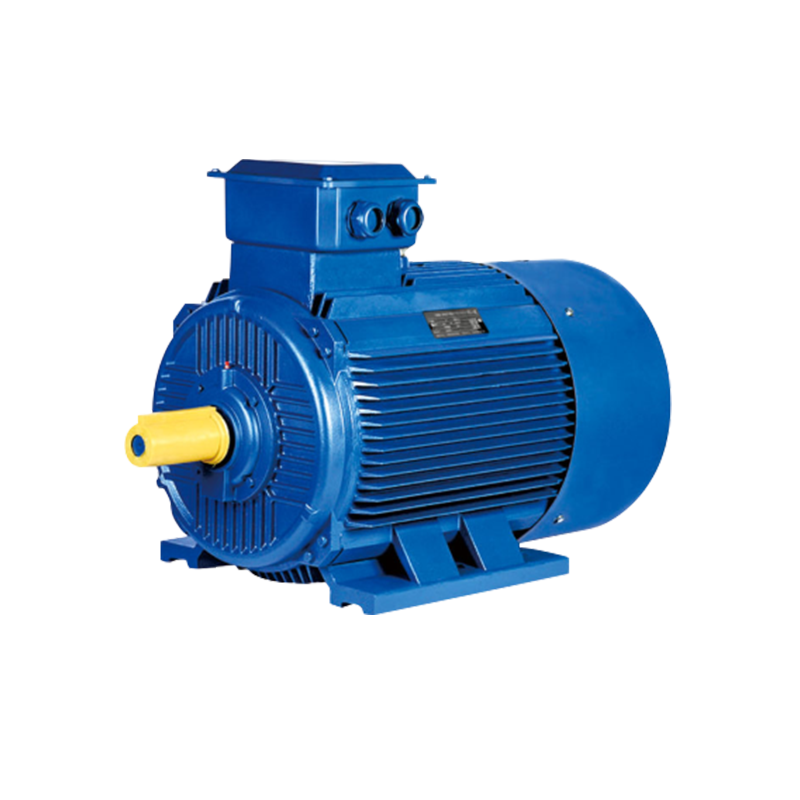
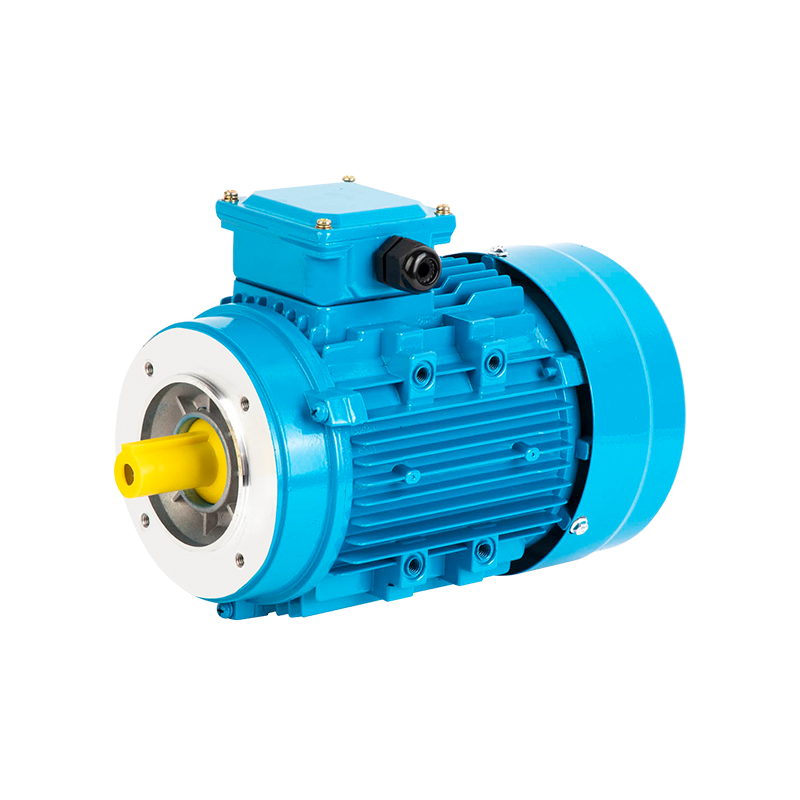
Housing materials affect durability and heat dissipation alike. Cast iron housings offer solid robustness and decent thermal conductivity. They also provide some natural damping of vibration along the way. Aluminum housings weigh less and dissipate heat pretty effectively, though they may not hold up quite as well in rough service compared to cast iron. The choice between these and other materials usually comes down to the priorities of the application at hand.
Bearings support the rotating shaft and need to handle the loads imposed by the driven equipment. Bearing type, size, and lubrication all get specified based on load, speed, and operating conditions. Sealed bearings keep lubricant in and contaminants out, which comes in handy in dirty environments. Open bearings allow for relubrication but need more attention over time.
| Material Choice | Application Consideration | Effect on Motor Performance |
|---|---|---|
| Winding copper | Electrical conductivity and heat tolerance | Affects efficiency and temperature rise |
| Insulation class | Temperature limits of the winding | Determines safe operating range |
| Housing material | Strength, weight, and heat dissipation | Influences durability and cooling |
| Bearing type | Load capacity and maintenance needs | Affects service life and reliability |
| Shaft material | Strength and corrosion resistance | Must handle torque and environmental exposure |
Shaft material selection gets attention for applications involving torque transmission and possible exposure to moisture or chemicals. Carbon steel works fine for many general-purpose situations. Stainless steel or other corrosion-resistant alloys tend to make more sense when the shaft needs to resist rust or chemical attack over time.
Environmental and Operating Condition Considerations
The environment where a motor operates often decides how well it holds up over the years. Temperature, moisture, dust, and chemical exposure all take a toll eventually. Addressing these factors during the design phase gives the motor a better shot at a long service life.
Temperature extremes present challenges at both ends of the scale. High temperatures cut into insulation life and reduce bearing lubricant effectiveness. Low temperatures can thicken lubricants and cause condensation once the motor warms back up. Design accounts for the expected temperature range through material selection, cooling capacity, and lubrication choices.
Moisture exposure shows up in various forms. Humidity, rain, washdown sprays, and condensation all introduce water to motor surfaces and internal spaces over time. Sealing solutions help prevent moisture from getting in through shaft seals, gaskets, and housing joints. Coatings protect external surfaces from rust and corrosion as well.
Dust and particulates present another category of concern. Abrasive particles can damage bearings and insulation over repeated exposure. Dust buildup on motor surfaces can block cooling paths and help to overheating down the line. Enclosure types ranging from open drip-proof to totally enclosed fan-cooled to dust-tight offer different levels of protection against particle ingress.
Collaboration Between Designers and Manufacturers
Building a successful custom motor tends to depend on solid communication between the design team and the production team. Both sides bring knowledge the other side genuinely needs.
Customers usually know their application inside and out. They understand the operating conditions, the load characteristics, and the space constraints they're working within. They may also have preferences about materials, connections, or maintenance access based on past experience. Sharing this information clearly helps the manufacturer put together a design that actually fits.
An Electric Motor Factory brings practical knowledge about what can get built efficiently and reliably on the production floor. Production engineers understand the limitations of casting, machining, and assembly processes better than outside observers would. They know which design choices add unnecessary cost and which ones allow for easier manufacturing. Their input often improves the design while keeping it practical to actually produce at scale.
The specification process tends to work when it flows in both directions. The customer lays out requirements. The manufacturer suggests ways to meet those requirements within production constraints. Together, they refine the design until it satisfies both the application needs and the realities of manufacturing.
A few points support effective collaboration:
- Share operating condition data early in the process
- Discuss material preferences and explain the reasoning behind them
- Review design drawings and offer feedback promptly
- Ask about production feasibility and cost drivers
- Request sample units for testing before full production runs
Testing plays a role in this collaboration too. Prototype motors often get built and tested to check whether they meet specifications. Results from these tests may point toward adjustments in the design. Running these tests early tends to reduce the risk of problems showing up after production has already started.
Quality Assurance in Custom Motor Production
Quality practices largely determine whether a custom design delivers consistent performance over time. A well-designed motor built inconsistently on the production line won't perform reliably no matter how solid the original design was.
Electrical tests verify insulation integrity, winding resistance, and proper connections. Mechanical tests check vibration levels, bearing temperature, and shaft runout. Performance tests confirm the motor delivers close to its rated torque, speed, and power.
| Test Type | What It Verifies | Why It Matters |
|---|---|---|
| Insulation resistance | Winding insulation health | Prevents electrical failure |
| Vibration analysis | Mechanical balance and bearing condition | Indicates assembly quality |
| Temperature rise | Cooling system effectiveness | Confirms thermal design |
| Performance curve | Speed-torque relationship | Validates design calculations |
Documentation supports this verification process along the way. Test results get recorded and compared against acceptance criteria. Material certificates confirm the specified materials were actually used in production. Dimensional inspection records show the motor meets print tolerances within reason. This documentation provides a trail of evidence that the motor was built according to the design requirements laid out from the start.


