 English
 Español




Building 1, Block 4, Wufeng Industrial Park, Daxi Town, Taizhou City, Zhejiang Province, China
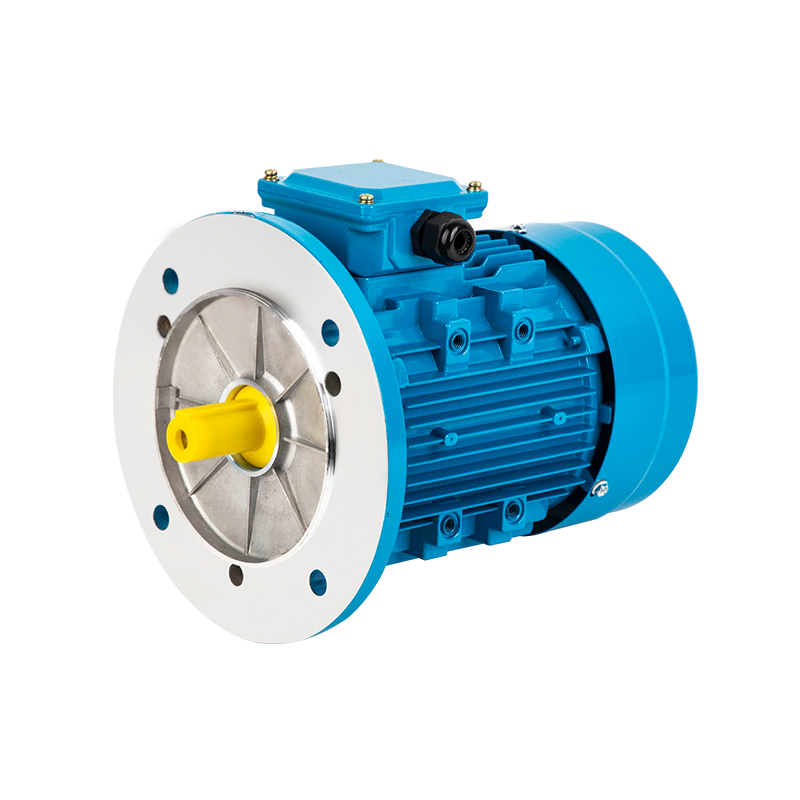
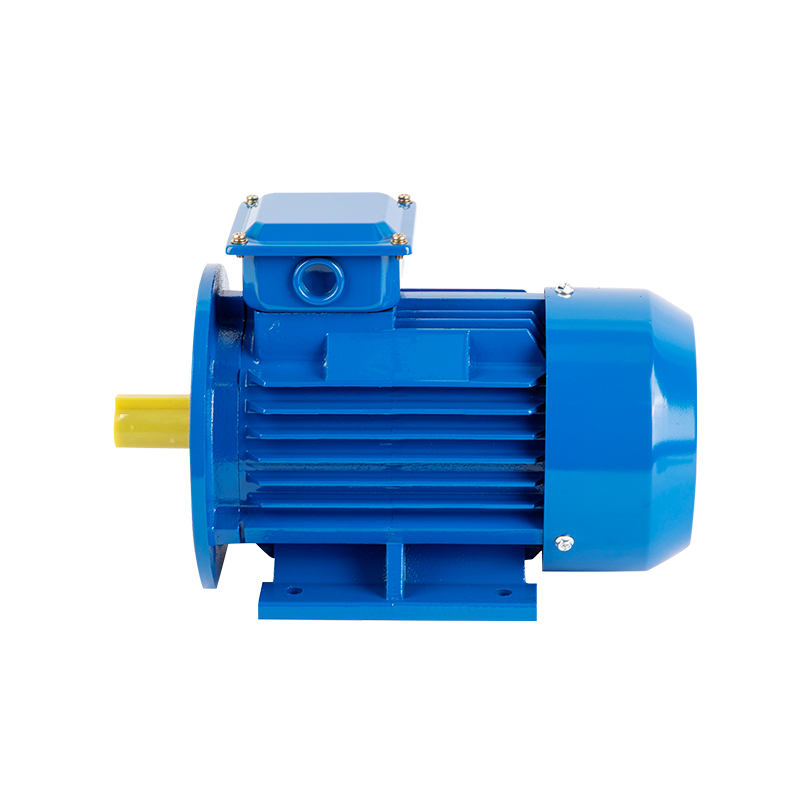
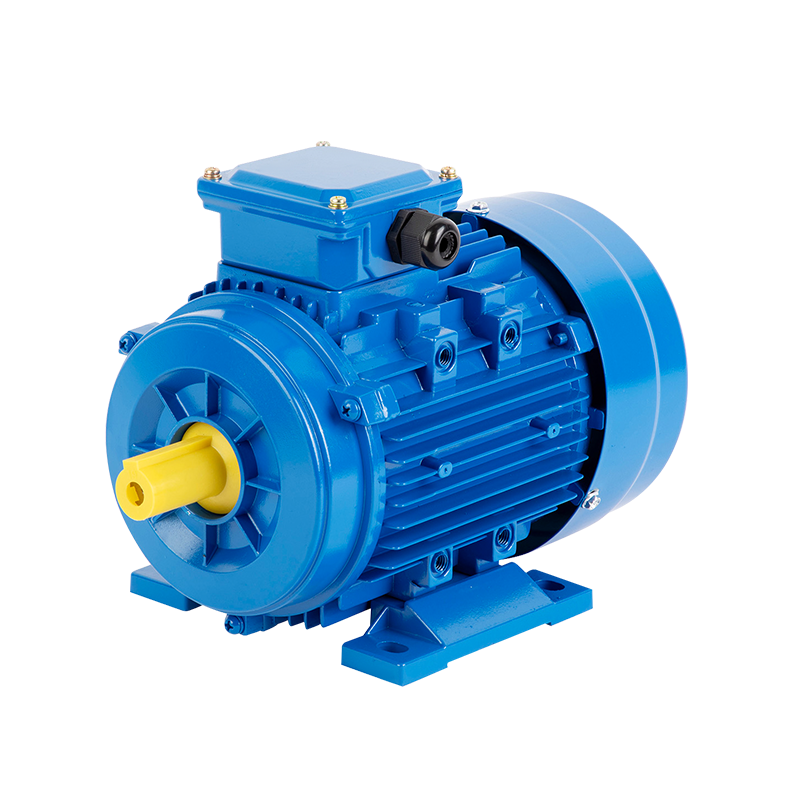
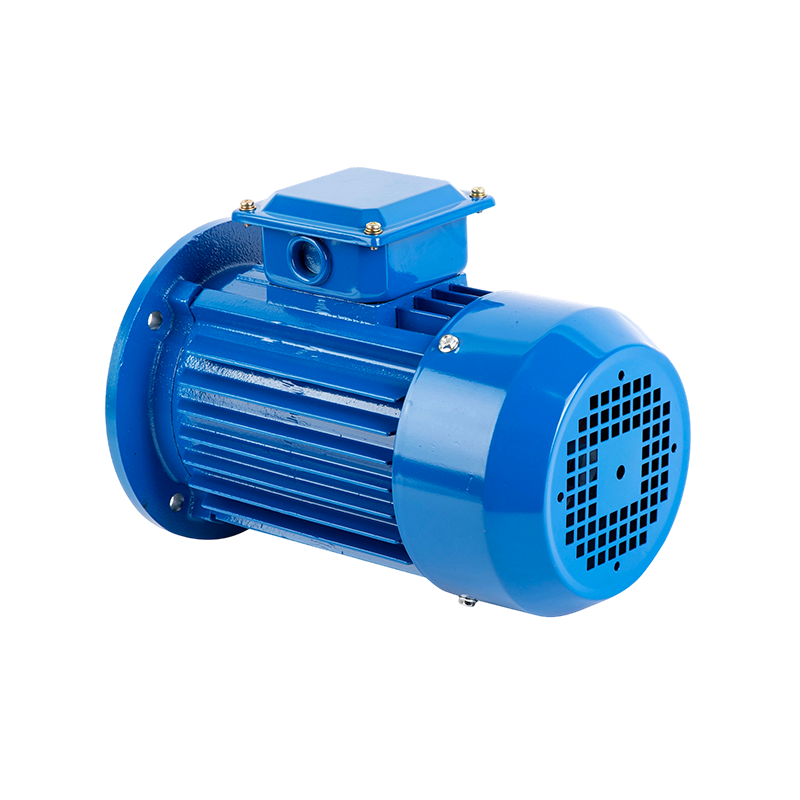
Most industrial breakdowns don't trace back to bad luck. They trace back to a sourcing decision made months earlier, usually under time pressure, usually based on a spec sheet and a price quote that looked reasonable at the time. A three-phase motor is one of those components that quietly runs for years until it doesn't, and when it fails, the real cost shows up in lost production hours, not in the original purchase price. So before placing an order, it helps to look at the company behind the motor with the same scrutiny you'd apply to a long-term business partner, not just a one-time vendor.
The Track Record Tells You More Than the Website Does
Any company can put together a polished product page. What's harder to fake is a consistent manufacturing history. If a supplier has been producing three-phase motors for a decade or more, there's usually a paper trail of client relationships, repeat orders, and resolved problems that newer entrants simply haven't had time to build.
A few things worth digging into:
- Ask how long they've specifically made three-phase asynchronous motors, not electrical components in general. Diversified manufacturers sometimes stretch thin across too many product lines.
- Find out whether they build core components themselves, like windings and housings, or whether most of the work is subcontracted. In-house production usually means tighter control over consistency.
- Request a few references from companies in your region or industry. A supplier confident in their work won't hesitate to connect you with existing clients.
None of this requires fancy research tools. A phone call and a willingness to ask slightly uncomfortable questions usually gets you further than browsing a company's "About Us" page.
What Actually Happens on the Factory Floor
Materials and Winding Quality
The internal construction of a motor determines how it ages under load, heat, and continuous operation. The copper grade in the windings and the steel used in the core aren't things you can inspect by eye, so you're relying on the factory's own standards and willingness to be transparent about them.
Useful questions to raise during a factory conversation:
- What insulation class is used, and does it appear on the test documentation, not just the nameplate?
- Is winding done through automated processes, manual labor, or some combination, and how is consistency checked between batches?
- What happens when a batch fails an internal quality check? Is it reworked, scrapped, or does it ship anyway?
That last question tends to reveal a lot. A supplier who answers honestly, even admitting occasional defects get caught and reworked, is usually more trustworthy than one who insists nothing ever goes wrong.
Testing Before the Motor Ever Leaves the Building
Pre-shipment testing isn't a bonus feature in this industry, it's baseline practice. The real question is how rigorous and well-documented it is. Reasonable things to request include:
- No-load and load performance checks
- Insulation resistance testing
- Vibration and noise readings
- Temperature rise behavior under simulated working conditions
If a factory can hand over sample test reports without hesitation, that's a decent sign their quality process is more than a slogan on a brochure.
Paperwork That Matters More Than It Looks
Certification documents often get glanced at once and then forgotten, until a shipment gets held at customs or an insurance claim requires proof of compliance. At that point, having the right paperwork stops being a formality and starts being the thing standing between you and a very frustrating week.
| Document Type | What It Actually Tells You | When It Becomes Critical |
|---|---|---|
| Safety Compliance Certificates | The motor meets electrical safety rules for your destination market. | Customs clearance and legal resale. |
| Efficiency Classification Records | The motor falls into a recognized energy performance category. | Projects with energy regulations or rebate programs. |
| Quality System Certification | The factory follows a documented, repeatable process. | Long-term consistency across multiple orders. |
| Material Compliance Records | Restricted substances are kept within allowed limits. | Export to regions with strict environmental rules. |
One detail buyers often miss: a certificate might exist for a product line in general without necessarily covering the exact model variant being ordered. It's worth asking the supplier directly to confirm which specific SKUs a given certificate applies to, and getting a copy in writing rather than trusting a badge displayed on a webpage.
Fitting the Motor to Your Equipment, Not the Other Way Around
Industrial buyers rarely need something generic off a shelf. The motor has to match the pump, the conveyor, the fan, or whatever automation line it's going into, down to shaft dimensions and mounting orientation. A supplier who can accommodate reasonable modifications without turning your order into a drawn-out engineering negotiation is genuinely useful to work with.
Before committing, it's worth clarifying:
- Minimum order quantities for anything outside the standard configuration.
- How much longer customized units take compared to stock models.
- Whether you'll see an approval drawing before production starts, so mistakes get caught on paper instead of in a finished product.
- How cooling method or mounting changes affect the overall timeline.
Suppliers who handle customization well tend to bring these details up early in the conversation, rather than letting you discover constraints after the deposit has already been paid.
What Happens After You've Already Paid
This is where a lot of supplier relationships quietly fall apart. The motor arrives, everything looks fine for the first few months, and then a wiring question or an unusual vibration comes up. At that point, you find out whether the company you bought from treats support as an actual service or as something that ends the moment the invoice is settled.
Things worth checking in advance:
- How fast do they typically respond to technical questions once a sale is complete?
- Are spare parts kept in stock, or does every request mean a new production run?
- Is installation and maintenance documentation written clearly enough that your own technicians can follow it without a translator or a phone call?
- Will they walk through a problem over video call if something looks off after installation?
The companies that handle this well usually aren't the loudest about it in their marketing. You find out by asking current clients directly, or by testing their response time with a technical question before you've even placed an order.
Getting the Motor From Their Warehouse to Yours
A well-built motor sitting in a warehouse three months past the promised delivery date doesn't help anyone. Supply reliability depends on a handful of practical factors that are easy to overlook until a shipment is delayed:
- How exposed the factory is to raw material price swings, particularly copper and steel, which can shift production schedules.
- Whether their production capacity actually matches the order volumes they're taking on, or whether large orders quietly bump smaller clients down the queue.
- Packaging suited for long ocean or rail transit, including moisture barriers and shock protection.
- Honesty about lead times. Overly optimistic promises during negotiation often turn into frustrating follow-up calls later.
If you're dealing with a new supplier and the order size allows it, placing a smaller trial shipment first is a practical way to see how closely their actual delivery performance matches what they promised on paper.
None of this is about finding a flawless supplier, because that doesn't really exist in any industry. It's about finding one whose weaknesses are manageable and whose strengths line up with what actually matters for your application. A company with a solid manufacturing history, transparent testing practices, the right paperwork for your market, reasonable customization flexibility, responsive after-sales support, and realistic delivery timelines will cover most of what causes problems down the line. The specifications on a datasheet matter, certainly, but they're only half the picture. The other half is whether the people building and shipping that motor are the kind of partner you'd want to be dealing with two years from now, after the warranty period has quietly expired and the motor is still expected to just keep running.


