 English
 Español




Building 1, Block 4, Wufeng Industrial Park, Daxi Town, Taizhou City, Zhejiang Province, China
A factory can run smoothly and still spend more on electricity than expected. Production may be steady, machines may not have broken down, and workers may be following the usual schedule. Yet the monthly bill tells a different story. In some cases, the reason is connected to the motors running behind the production line.
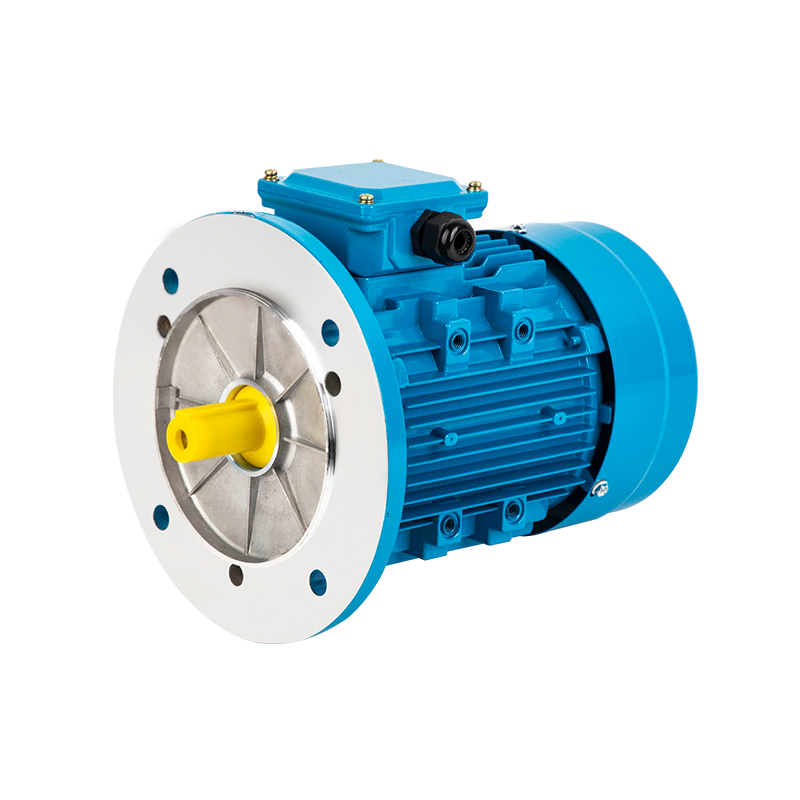
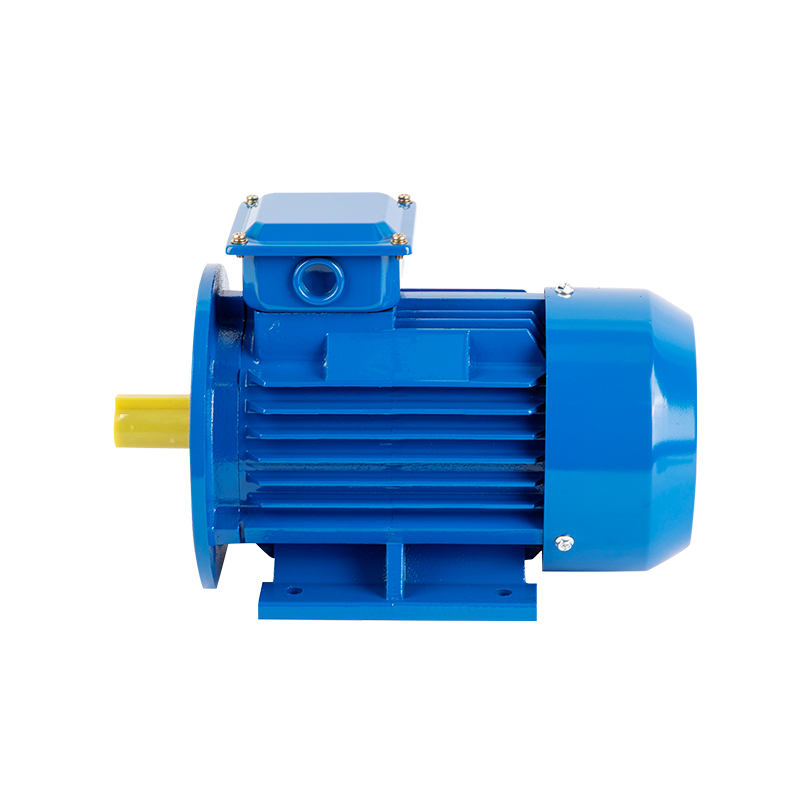
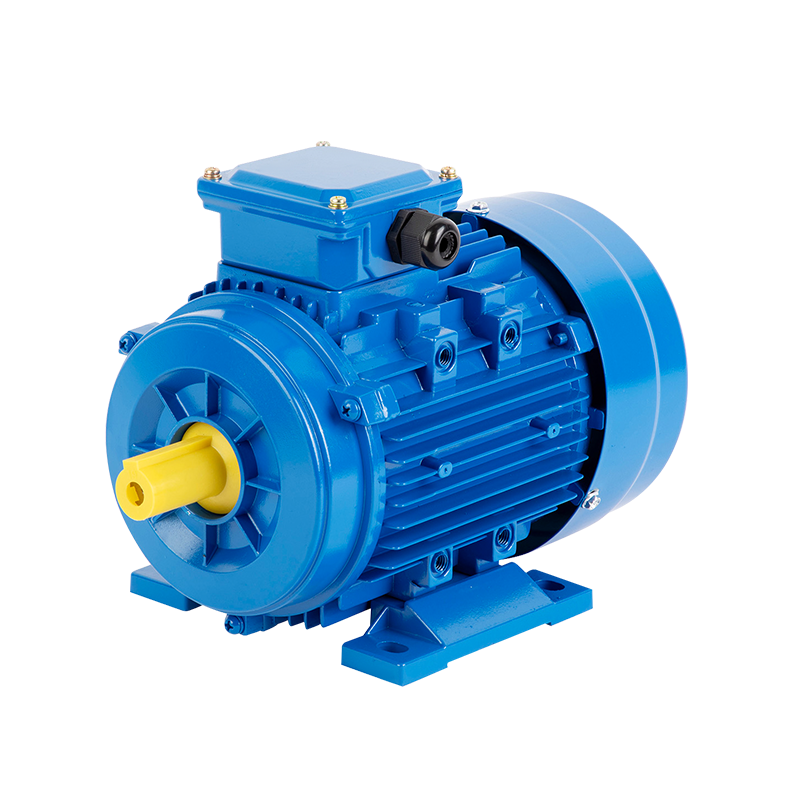
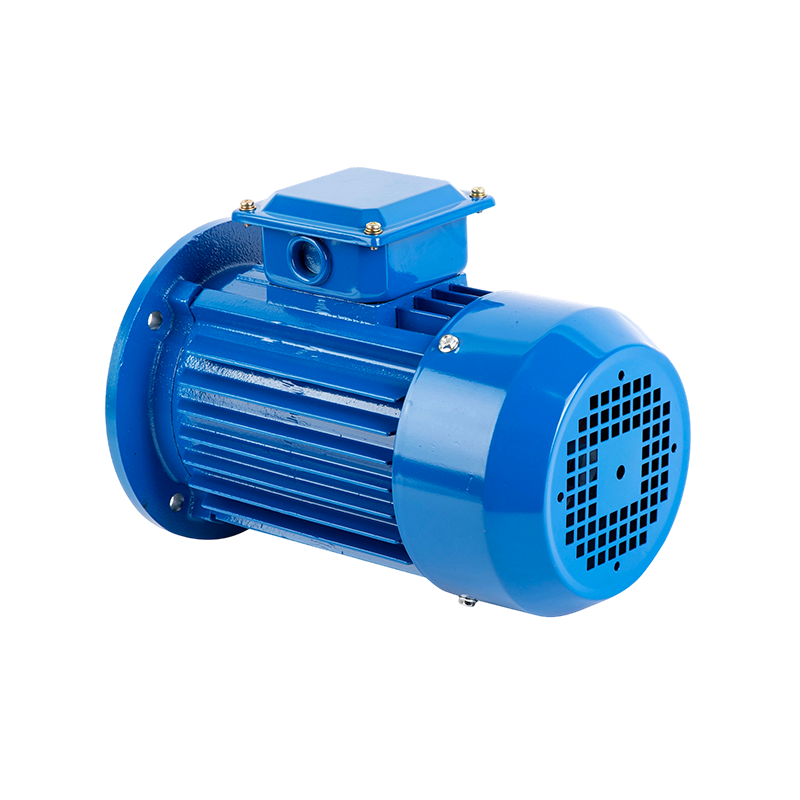
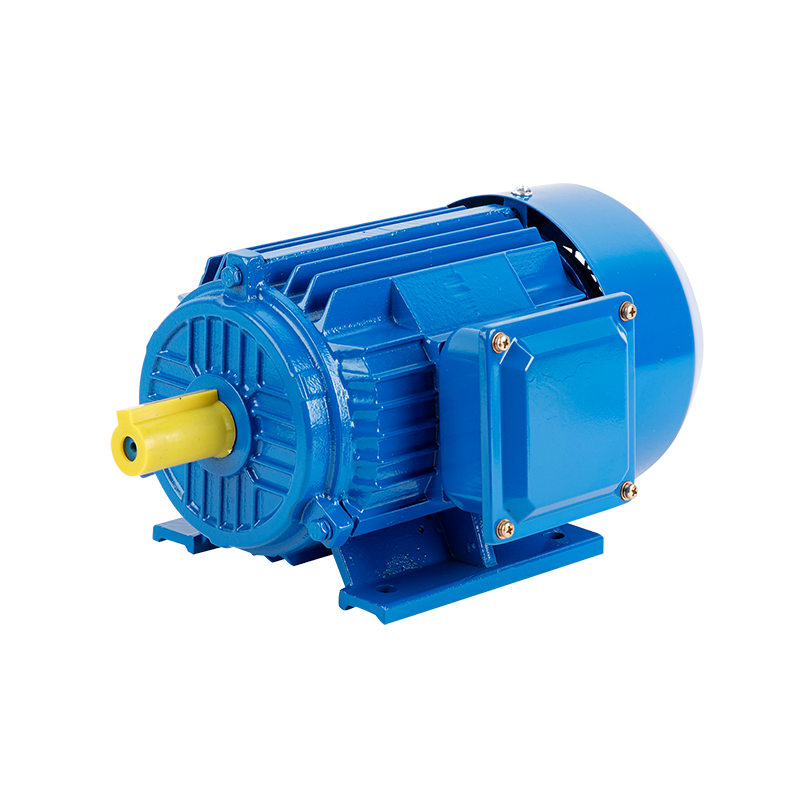
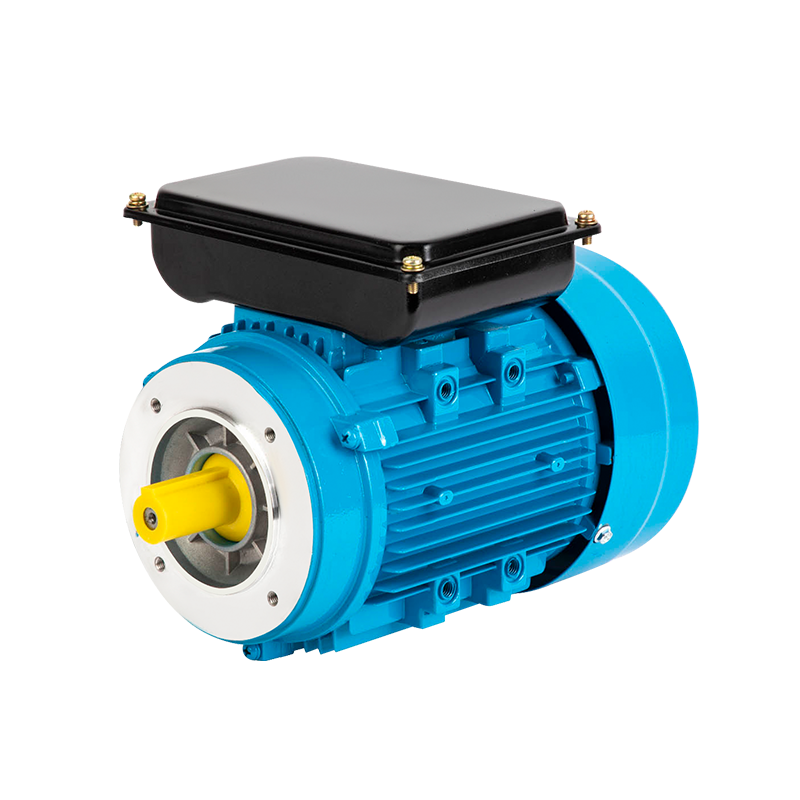
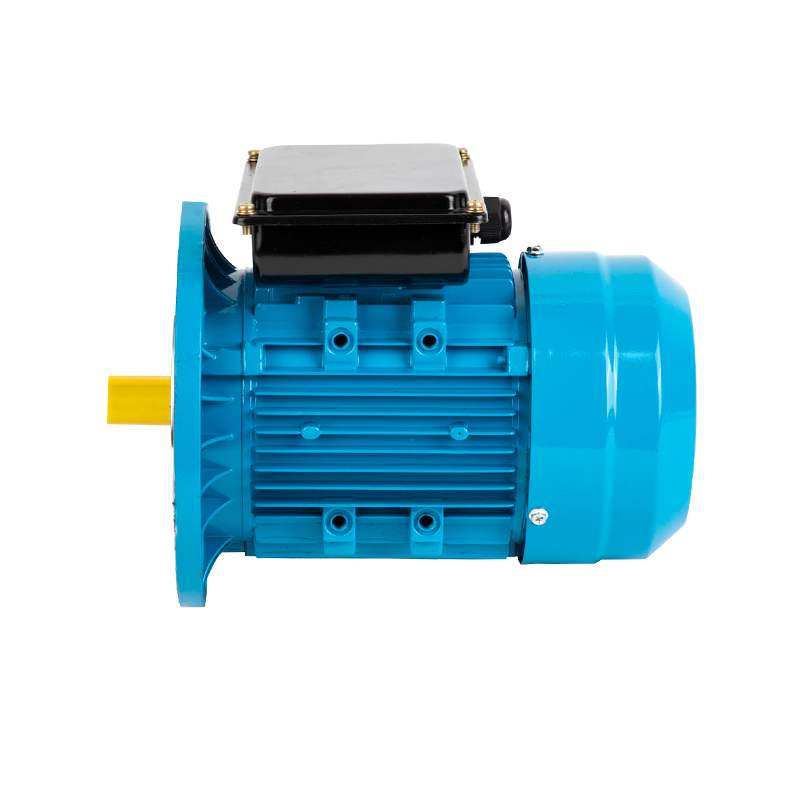
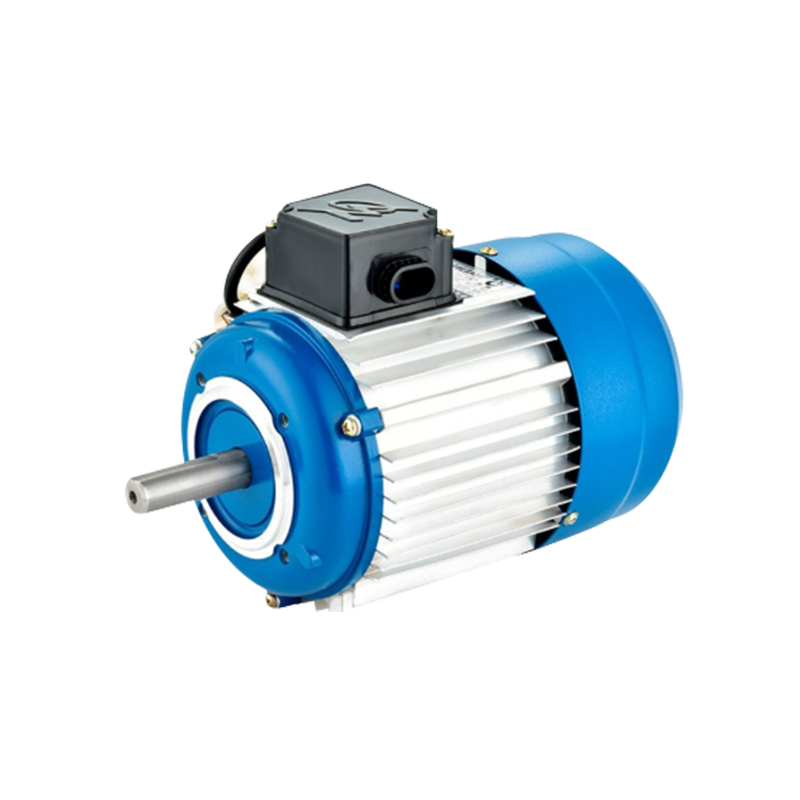
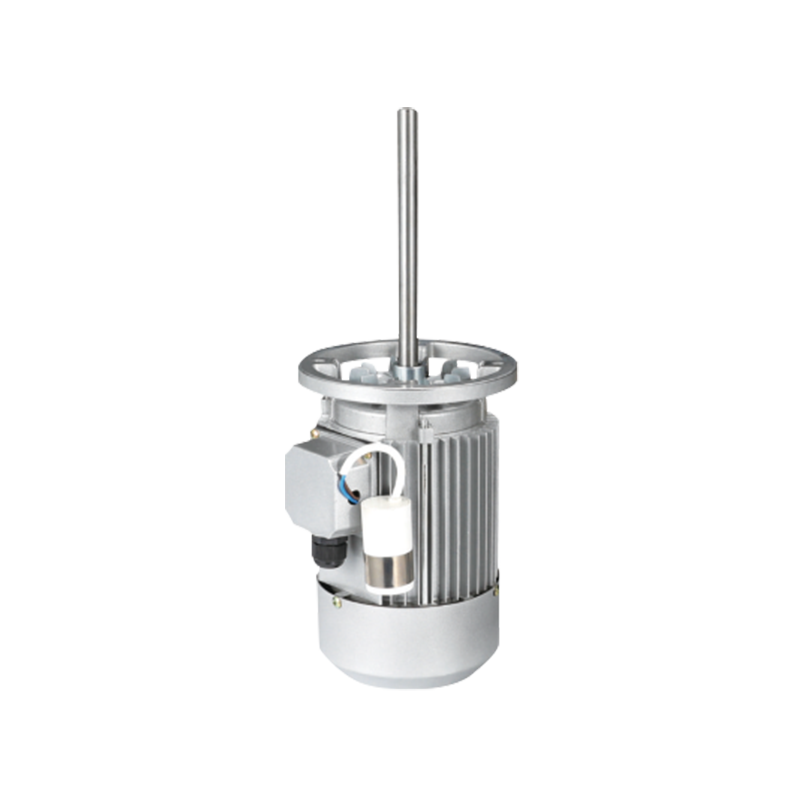
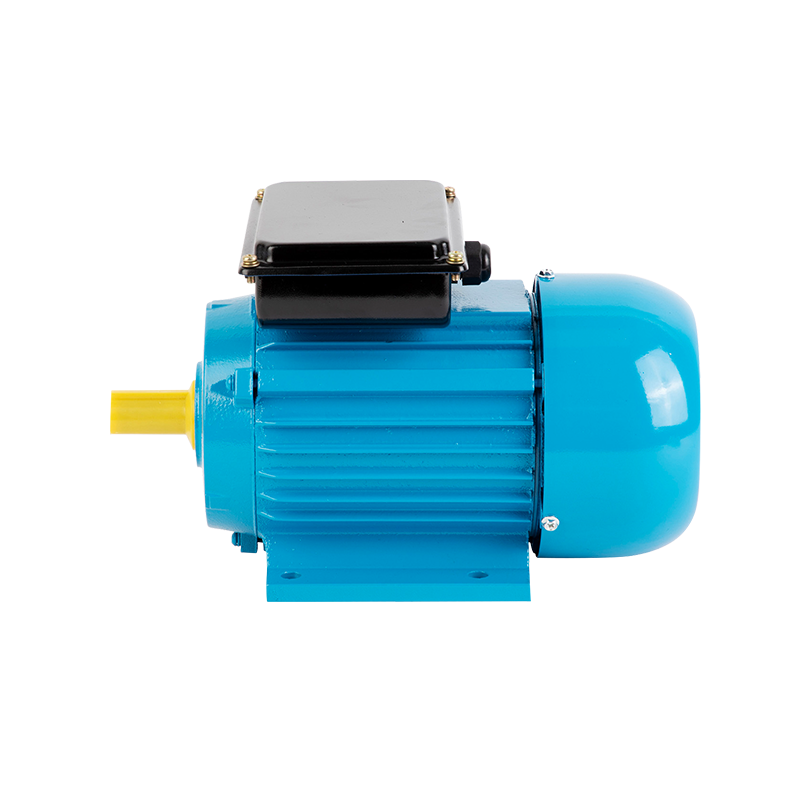
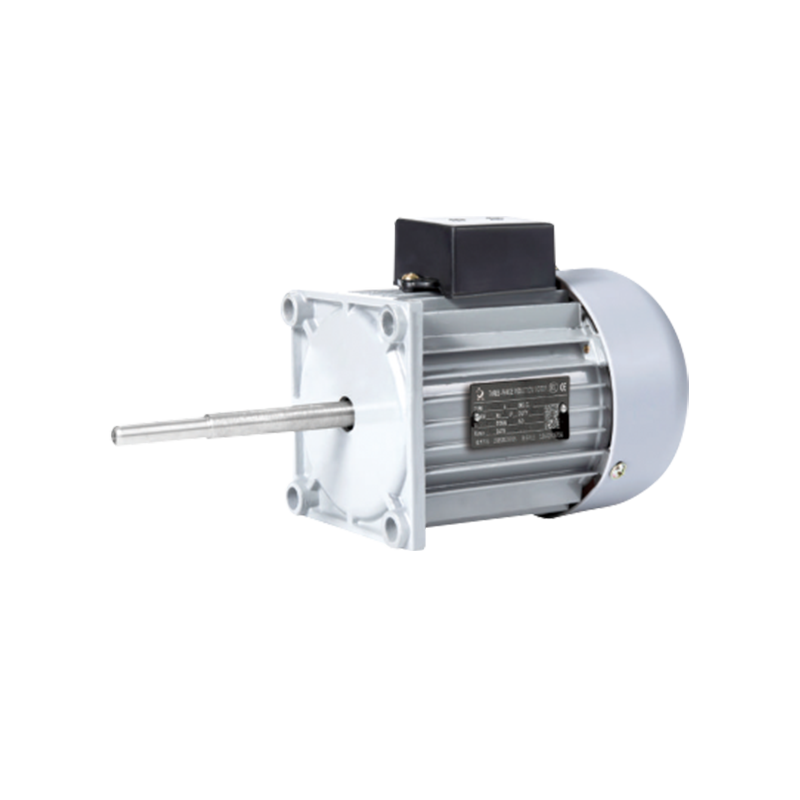
A three phase industrial motor powers equipment that factories rely on every day, from material conveyors and water pumps to ventilation fans and processing machines. These motors often work for long hours, but their electricity use is shaped by more than how long they stay switched on. The load they carry, the condition of the machinery, and the way the production process is managed all make a difference.
Looking at these details can help a factory understand where its money goes. It may turn out that an older motor needs replacing. It may also be a blocked pump line, an unnecessary operating cycle, or a machine that keeps running after its work is finished. The useful starting point is to find out what is happening on the factory floor.
The Electricity Bill Tells Only Part of the Story
Motors are easy to overlook because they rarely attract attention when everything works as expected. A conveyor moves products, a fan circulates air, and a pump supplies liquid. As long as production continues, the equipment may receive little attention beyond routine maintenance.
But each operating hour uses electricity. A motor converts electrical energy into mechanical output, and part of the input is lost through heat and other effects. Motor efficiency describes the relationship between the electrical energy supplied and the useful mechanical energy produced.
That relationship matters when a machine operates every working day. A motor used occasionally may have limited influence on the monthly bill, while one running across several shifts can account for a much larger share of energy consumption.
There is another point worth remembering: two motors with similar ratings do not necessarily have the same energy costs. One may be working under a steady load, while the other deals with frequent changes in demand. Their connected machines and operating schedules may be quite different.
For this reason, factory managers need to look at actual use, not just the information printed on a motor's nameplate.
When the Motor Is Not the Real Problem
Imagine a factory replacing a motor because electricity consumption seems unusually high. The new unit is installed, but the expected savings never appear. The reason could be that the original problem was not inside the motor at all.
Several everyday situations can produce this outcome.
The Machine Asks for More Work Than Necessary
A pump may be moving liquid through a partially blocked pipe. A fan may be working against a restricted airflow path. A conveyor may have worn components that increase resistance.
In each case, the motor has to drive a system that is not operating as intended. Depending on the equipment, this added workload can affect electricity consumption and increase wear.
The motor might be functioning normally while the connected machinery creates the problem. Replacing it without checking the system could therefore add cost without addressing the cause.
Maintenance teams can look for changes in noise, vibration, temperature, and operating current. These signs do not identify a fault on their own, but they can help narrow down where an inspection is needed.
The Motor Does Not Fit the Job
Motor capacity needs to suit the machine's working requirements. Choosing a unit that is too small can cause problems when the equipment faces its normal production load. Choosing one with considerably more capacity than the application needs can also create unnecessary expense and may affect operating efficiency under light-load conditions.
A conveyor carrying small packages does not necessarily have the same requirements as one moving heavy materials. A pump used in a process with changing flow needs may also behave differently from a pump operating under steady conditions.
Before selecting a motor, engineers should understand what the equipment does throughout a normal shift. Starting conditions, changes in load, and periods of demanding operation all belong in that assessment.
The goal is not simply to choose a motor with a larger rating for extra reassurance. It is to find a unit that can handle the real work without being poorly matched to the application.
Small Changes in Running Time Can Add Up
Production schedules have a direct connection to energy use. Some motors need to operate continuously, but others may remain switched on because nobody has reviewed the way the line runs.
A conveyor might continue moving after the last product has passed. Supporting equipment may remain active while the next production stage is waiting. A machine may also run through breaks even when the process does not require it.
These situations are worth checking, although stopping every idle machine is not always appropriate. Cooling, ventilation, circulation, and other processes may need to continue. Repeated starting and stopping can also create problems for certain equipment.
A practical review begins with a simple question: does this machine need to be running at this moment?
Operators and maintenance staff can work together to identify equipment that can safely stop during production gaps. Where appropriate, clearer shutdown procedures or better coordination between production stages may reduce wasted operating time.
The savings will depend on the equipment and how often these situations occur. Even so, a change in operating practice may be worth examining before investing in new motors.
What Electrical Problems Should Factories Watch For?
A three phase motor depends on a suitable electrical supply. If the supply or connections are not in good condition, the motor may draw abnormal current, generate additional heat, or operate unreliably.
Voltage imbalance is one condition that deserves attention. Loose connections, damaged wiring, and unsuitable electrical components can also cause trouble. These issues should be checked by qualified personnel rather than diagnosed from appearance alone.
Motor controls are another part of the picture. A machine that always runs at a fixed speed may not need to operate that way throughout the entire production cycle.
For example, a fan serving an area with changing ventilation needs may be able to adjust its output. A pump may also have periods when the required flow changes. In suitable applications, a variable frequency drive can adjust motor speed to match demand and may reduce energy use.
However, this approach is not appropriate for every machine. The possible savings depend on the load, process requirements, and control arrangement. A drive should be considered after reviewing the application, not simply because variable speed sounds more efficient.
How to Find Out Where the Money Is Going
When a factory wants to understand motor energy costs, it helps to start with the machines that run frequently or consume a substantial amount of power. Maintenance records, operating schedules, and electrical measurements can provide useful information.
| What Workers Notice | A Possible Cause | What to Investigate |
|---|---|---|
| A motor runs longer than the production process requires | Poor coordination between operating stages | Production timing and shutdown practices |
| A motor becomes unusually hot | Overloading, ventilation problems, or an electrical fault | Motor condition and electrical supply |
| A pump or fan runs at the same output despite changing demand | The system may not need constant output | Process requirements and control options |
| A conveyor becomes noisy or develops vibration | Wear or misalignment in the drive system | Bearings, rollers, couplings, and alignment |
| Repair work becomes increasingly frequent | The motor or connected equipment may be nearing the end of its useful service life | Maintenance history and replacement costs |
| Electricity consumption rises without a clear production increase | Longer running hours, changing loads, or equipment problems | Operating data and energy measurements |
These are clues rather than confirmed diagnoses. A hot motor, for instance, does not automatically mean that it is inefficient. The cause may be an electrical issue, restricted cooling, excessive load, or another operating condition.
Investigating the reason first helps prevent unnecessary purchases and directs maintenance work toward the actual problem.
Calculating the Cost of Running a Motor
Factories can estimate electricity consumption using the motor's average electrical input and its operating hours.
Electricity Consumption (kWh) = Average Electrical Input Power (kW) × Operating Hours
To estimate the energy charge, multiply the consumption by the applicable electricity rate.
The figures need to reflect real operating conditions. A motor's nameplate rating often refers to its rated mechanical output rather than the electrical power it draws. Using the output rating as if it were the actual electrical input can lead to an inaccurate estimate.
Where the load changes throughout the day, a single reading may not provide a reliable picture. Measurements taken during representative production periods can give the factory a better basis for comparison.
Electricity bills may also include demand charges, time-based rates, or other fees. The calculation above estimates energy consumption, but it does not necessarily capture every part of the factory's electricity expense.
It is also important to compare like with like. A motor handling a heavier production load should not be judged against one operating under lighter conditions without accounting for the difference.
Replacing a Motor: When Does It Make Financial Sense?
Replacement may be worth considering when a motor no longer suits the application, requires frequent repairs, or consumes more electricity than a suitable alternative under comparable conditions. Still, a higher purchase price does not automatically mean higher long-term costs, and a newer motor does not guarantee a particular level of savings.
Before making a decision, factories should look at the whole expense.
- Electricity use: How much power does the existing motor draw during normal operation?
- Maintenance: Are repair costs increasing, and are spare parts becoming difficult to obtain?
- Running hours: Will the motor operate regularly enough for energy savings to make a meaningful difference?
- Installation: Can the new unit fit the existing mounting and drive arrangements?
- Electrical compatibility: Will the supply and control system work with the replacement?
- Production interruption: How much downtime will the change require?
A basic payback estimate can help compare the cost with the expected savings.
Estimated Payback Period = Initial Replacement Cost ÷ Estimated Annual Savings
This estimate depends on the quality of the information used. The initial cost should include installation and necessary modifications, while the expected savings should reflect realistic energy use and operating hours.
The result is a guide, not a guarantee. Changes in electricity rates, production volume, and maintenance needs can affect the actual outcome.
In some factories, repairing the existing equipment or changing its operating schedule may be more practical. In others, replacement may be a reasonable long-term investment.
What Matters When Buying a New Industrial Motor?
A new motor should be selected according to the machine it will drive and the conditions in which it will operate. A pump, compressor, conveyor, and mixer can place different demands on a motor, particularly during startup and changes in workload.
Buyers should review the manufacturer's documentation for relevant information, including rated output, efficiency classification, mounting arrangement, enclosure protection, duty requirements, and operating conditions. The applicable requirements depend on the equipment and installation.
Compatibility deserves attention before an order is placed. Differences in mounting dimensions, shaft arrangements, electrical connections, or control requirements may create additional work during installation.
Factories should also consider how frequently the motor will run. For equipment used throughout the day, electricity consumption can be an important part of its cost over time. For a machine that operates occasionally, purchase price and maintenance requirements may carry more weight.
A useful purchasing decision considers how the motor will perform in the actual application rather than relying on a single specification.
Keeping Energy Costs Under Control
A factory does not need to replace every motor to begin managing electricity expenses. Often, the more useful first step is to understand how existing equipment is being used.
Running hours, mechanical condition, motor selection, electrical supply, and control methods all influence energy consumption. Their importance varies from one application to another, which is why the same solution will not work for every machine.
Start with equipment that runs for long periods, has developed unusual operating symptoms, or appears to consume more electricity than its workload would suggest. Check the maintenance history, review operating schedules, and use measurements where needed.
The results may point to a repair, a change in production practice, a control adjustment, or a motor replacement. What matters is that the decision follows the evidence rather than an assumption about the cause.
Over time, this approach can help factories make more informed equipment decisions, reduce avoidable energy use, and understand the real operating cost of the machinery that keeps production moving.


