 English
 Español



Building 1, Block 4, Wufeng Industrial Park, Daxi Town, Taizhou City, Zhejiang Province, China
When a motor is installed inside equipment, attention is usually placed on power output and operating conditions, while the frame surrounding the motor often receives less discussion. In actual machine design, the housing affects much more than protection. It connects with installation space, equipment balance, maintenance access, and the way different parts are arranged together.
Many machines are becoming smaller in structure while still needing to perform multiple tasks. Under such conditions, every component added to the system influences the final design. A heavier motor frame may require stronger mounting parts or additional support structures, which can make equipment planning more complicated.
Weight control has therefore become one of the factors considered during motor development. Reducing unnecessary weight does not mean removing structural functions. Instead, it focuses on finding a balance between protection, installation needs, and overall equipment arrangement.
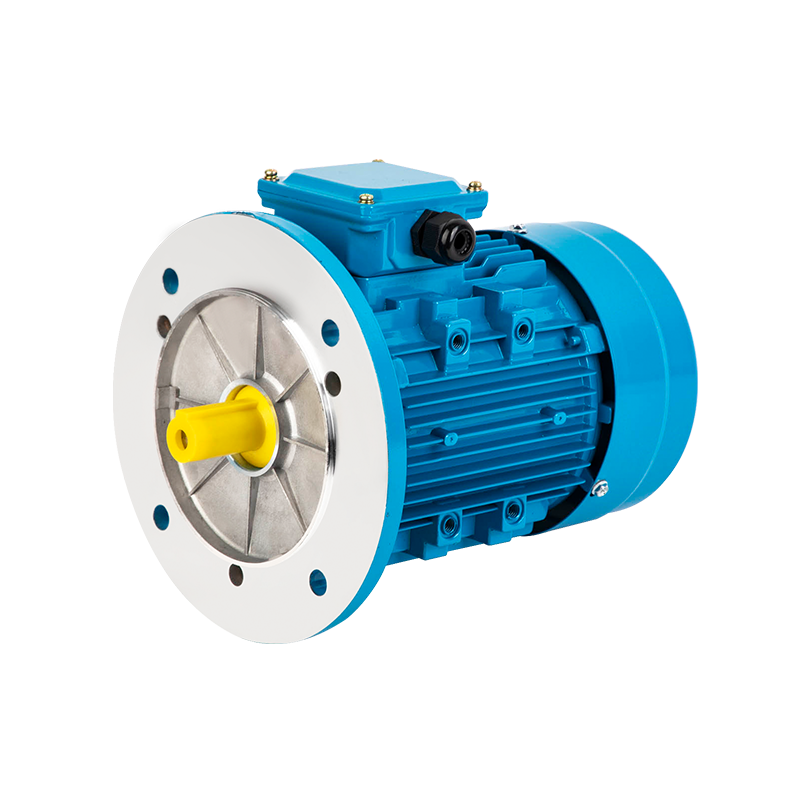
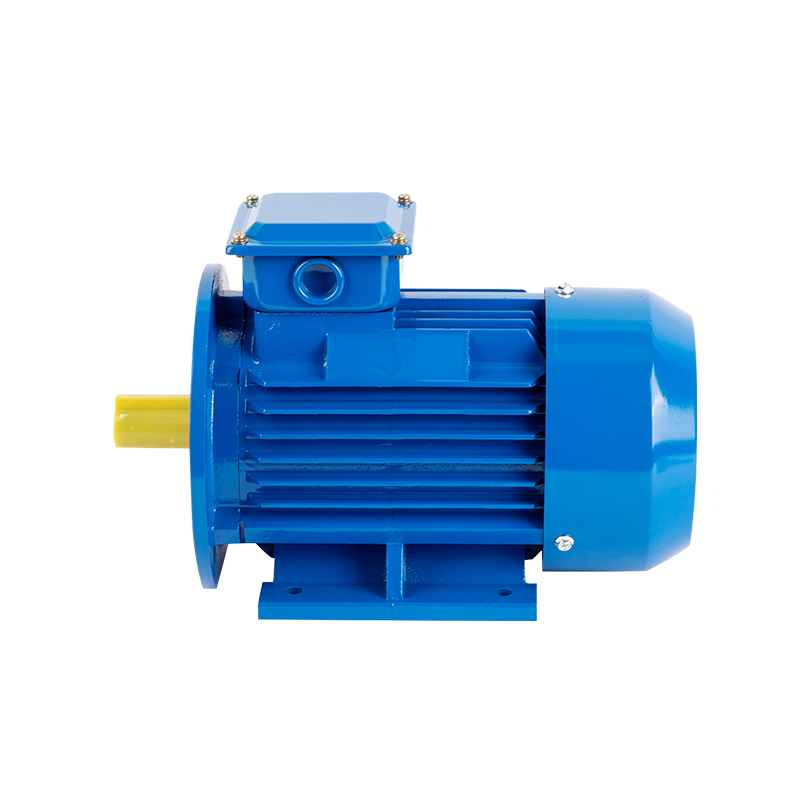
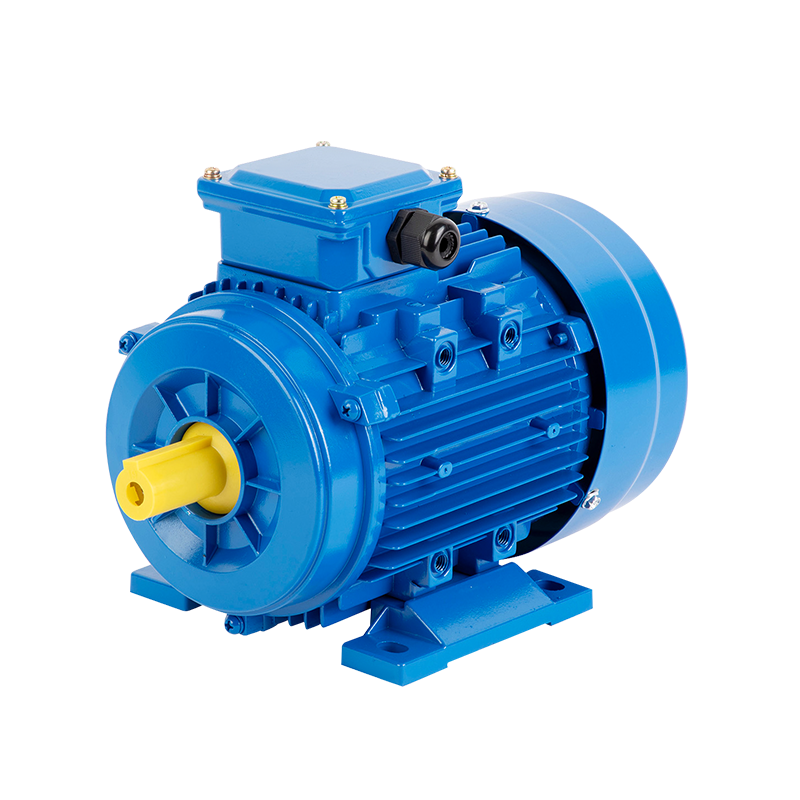
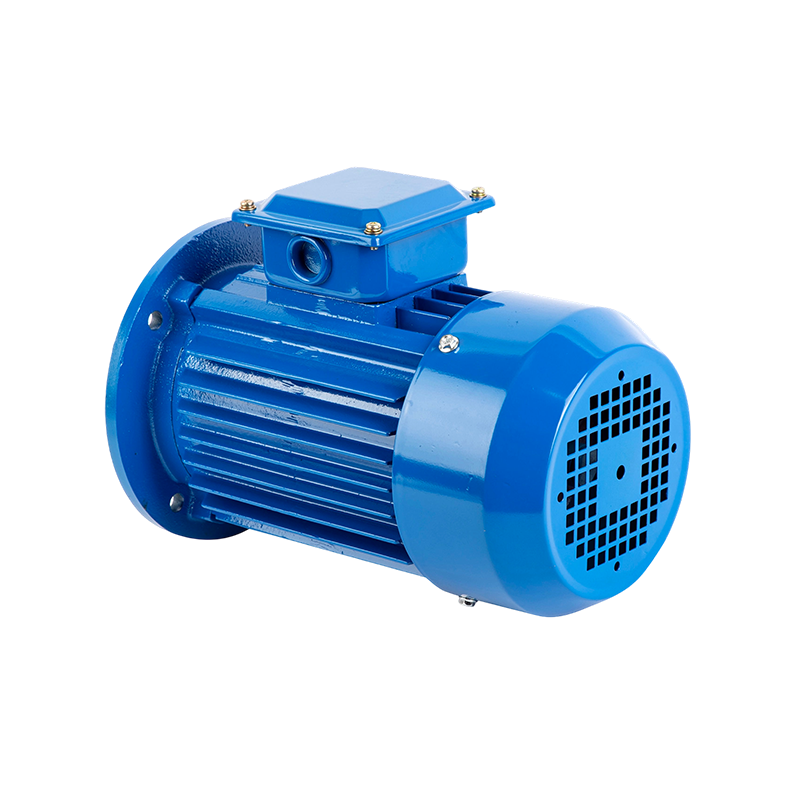
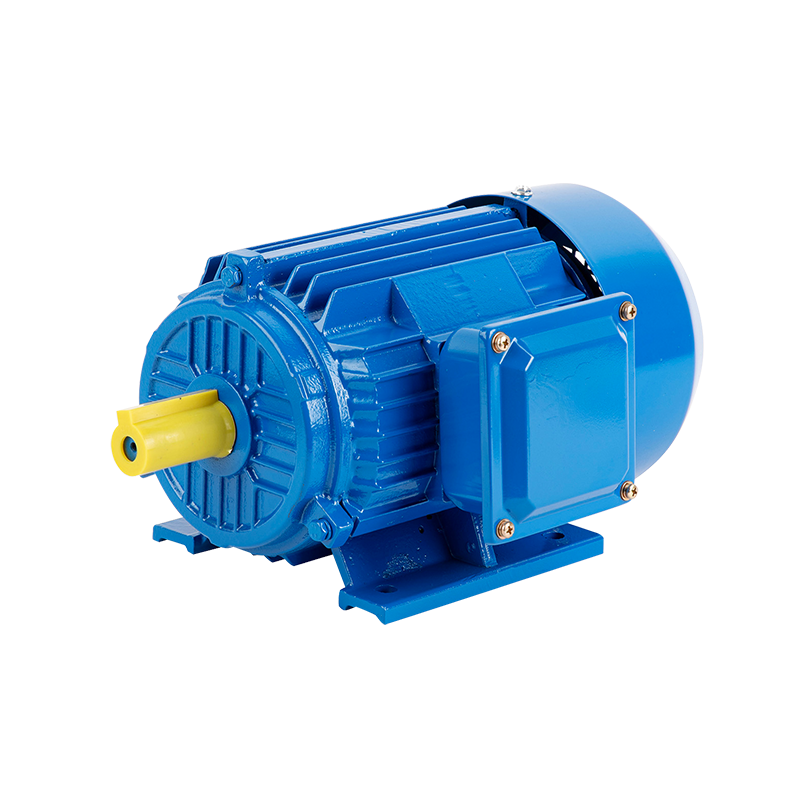
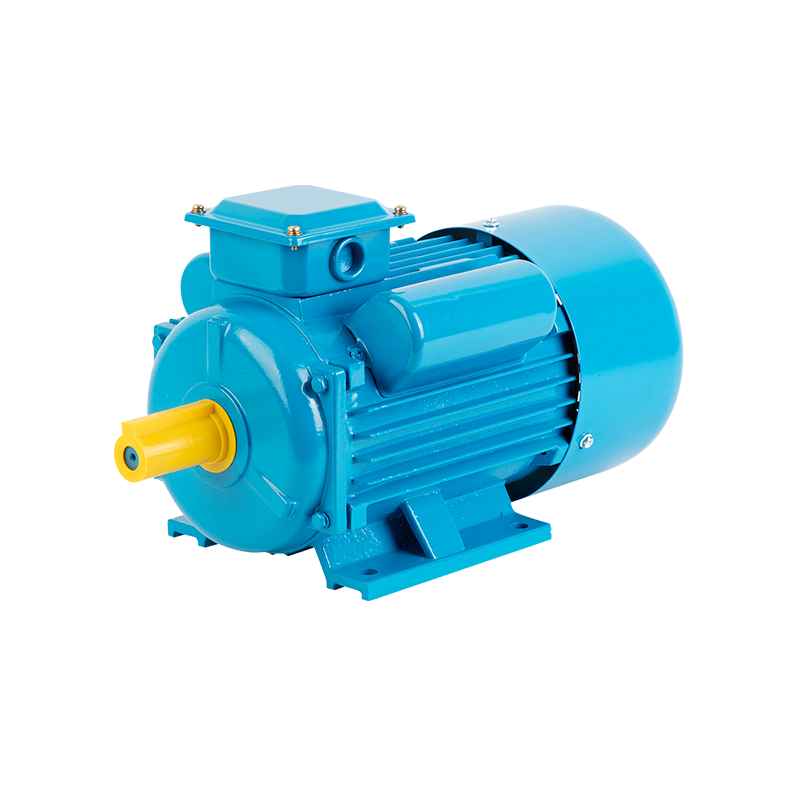
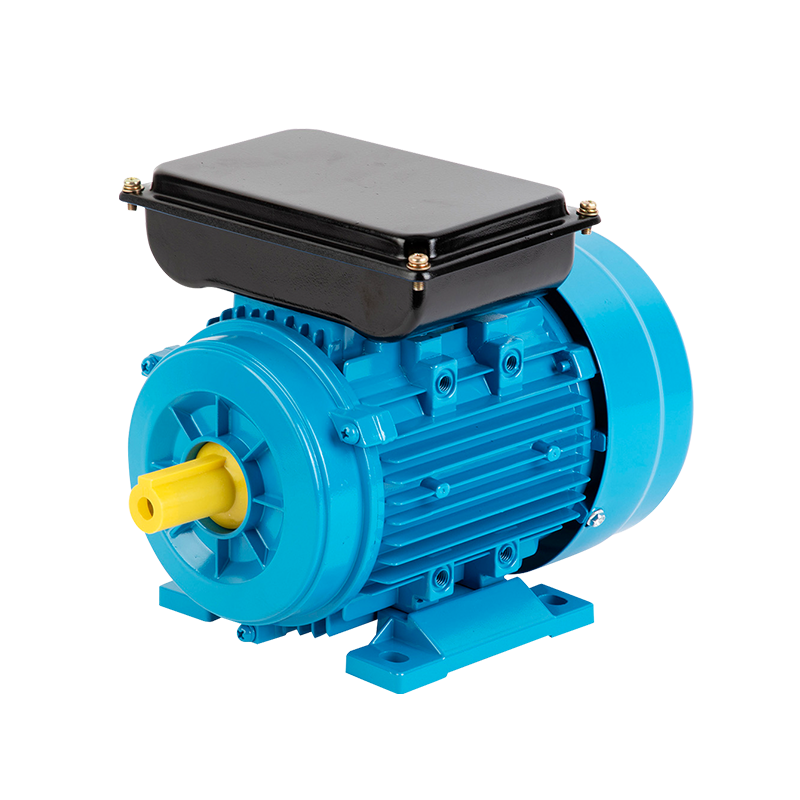
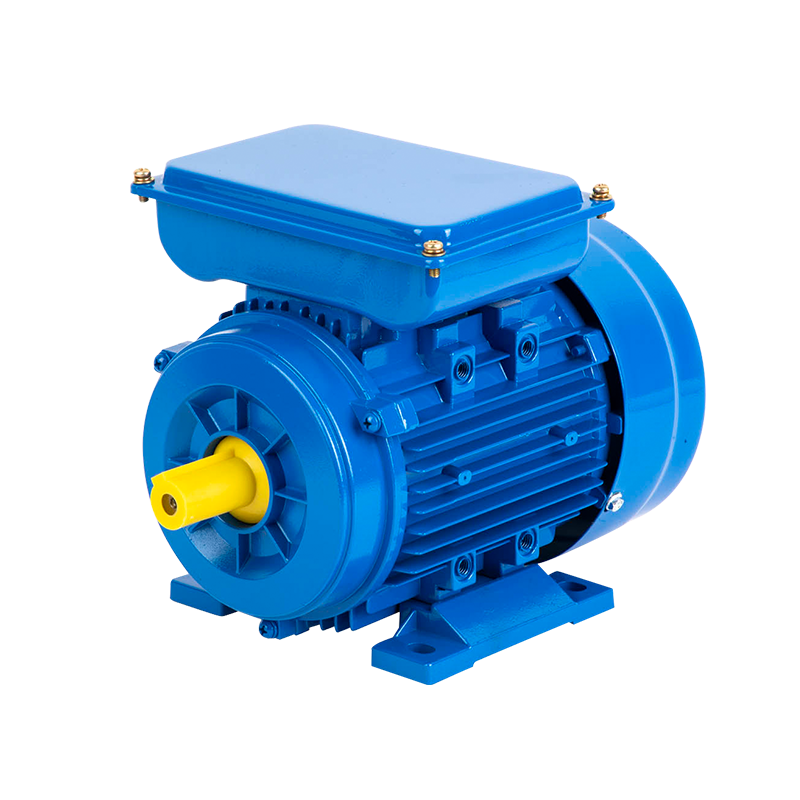
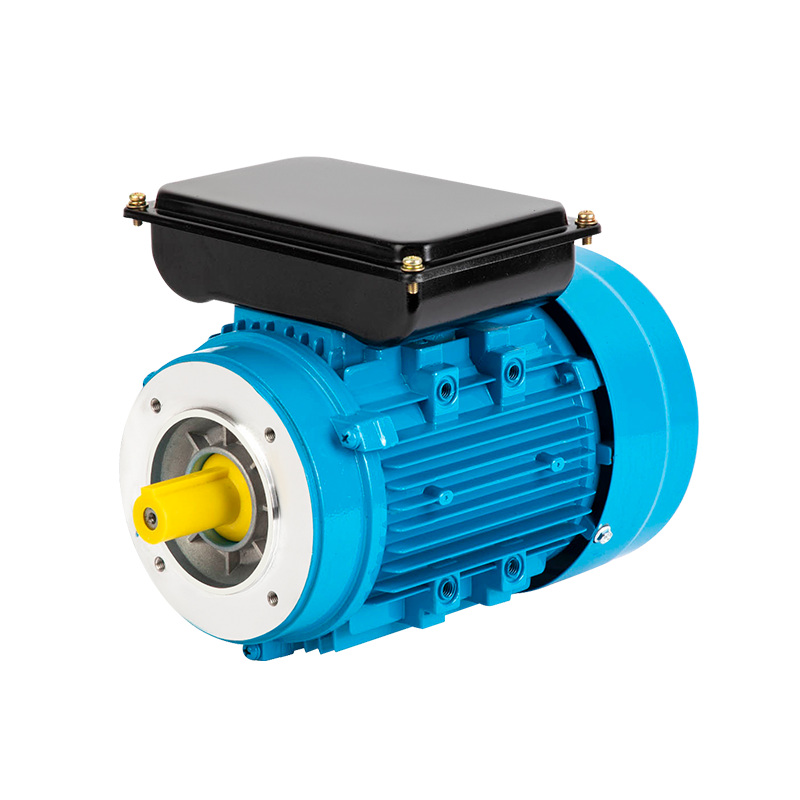
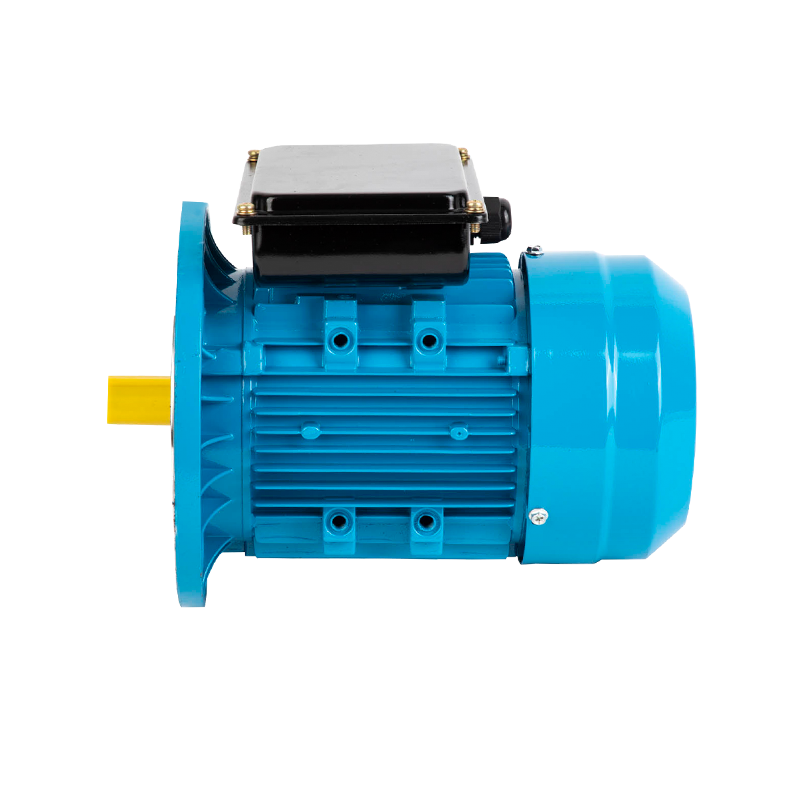
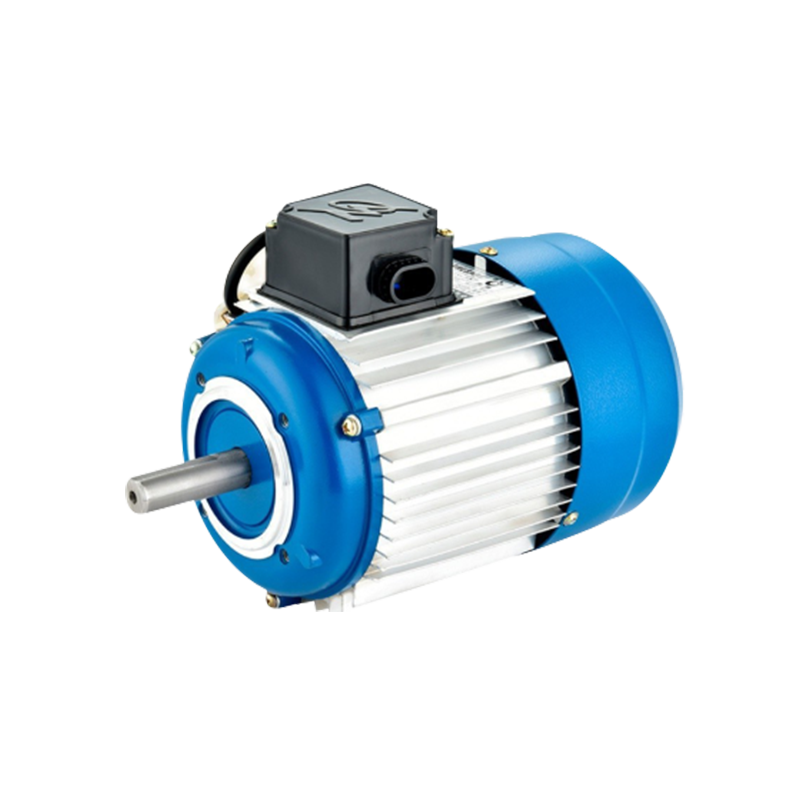
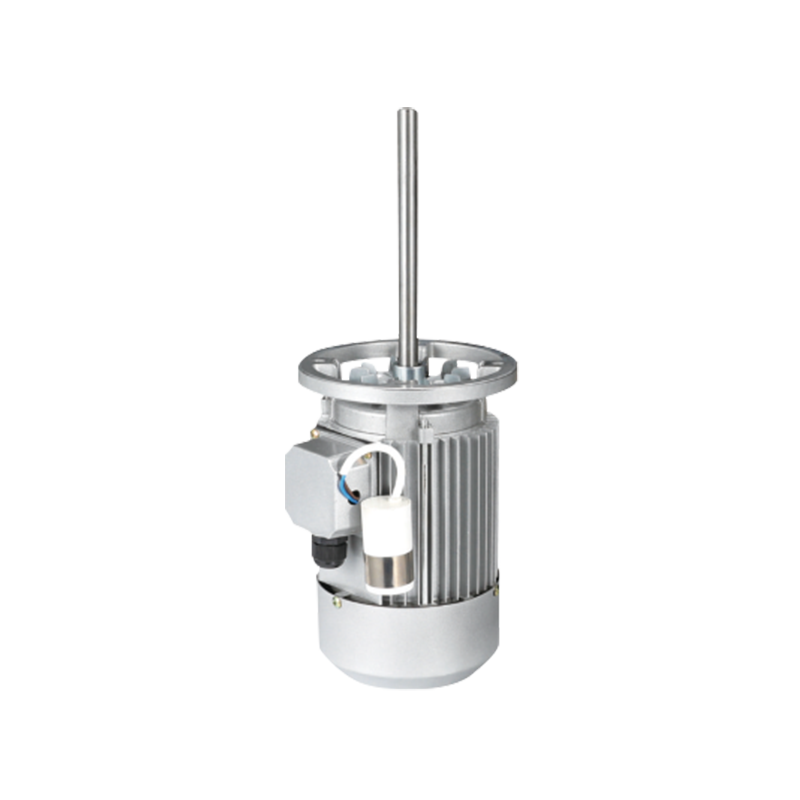
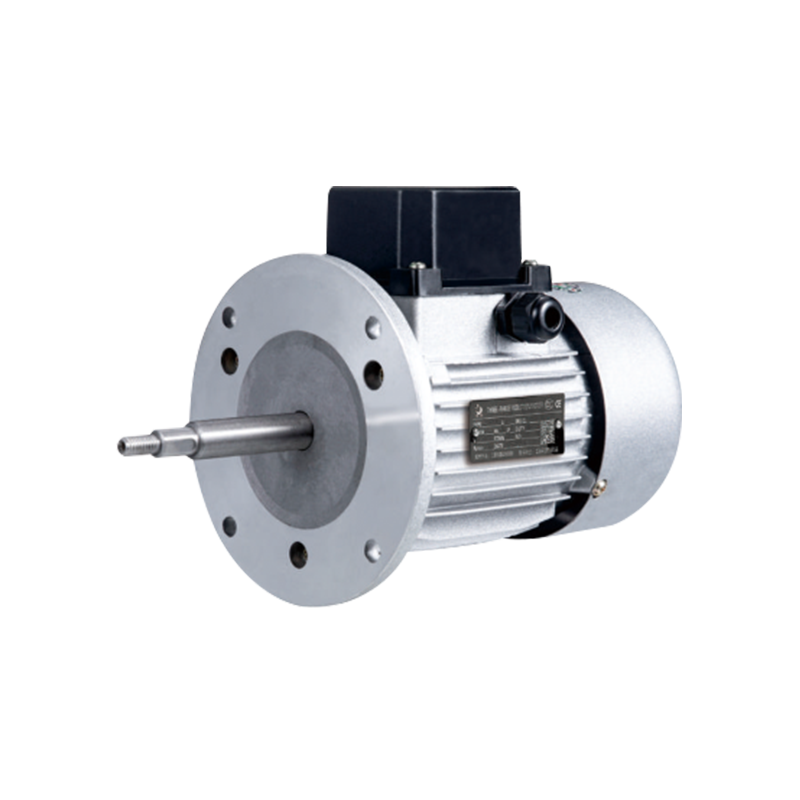
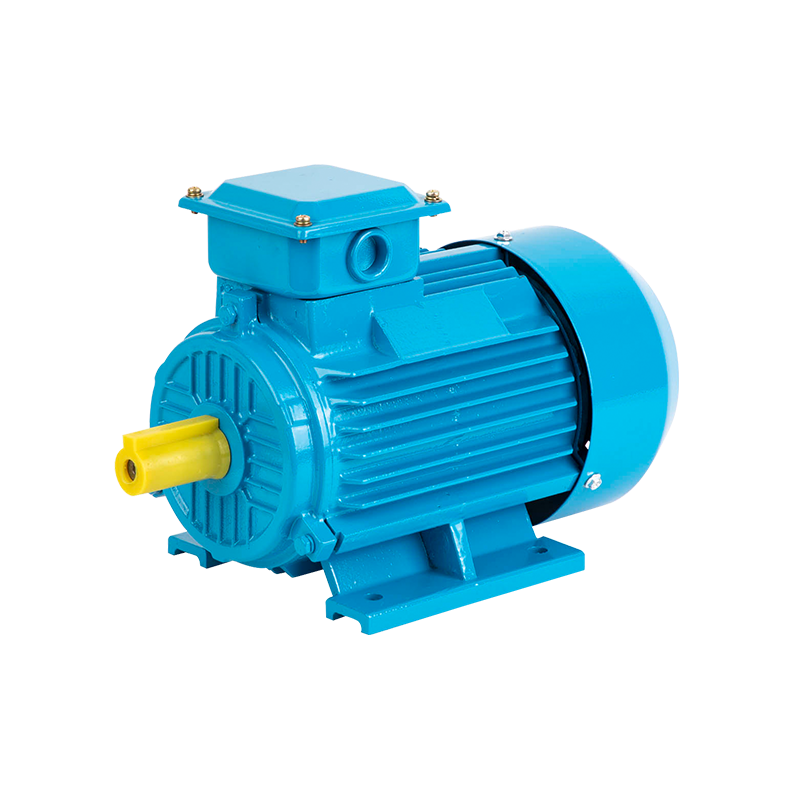
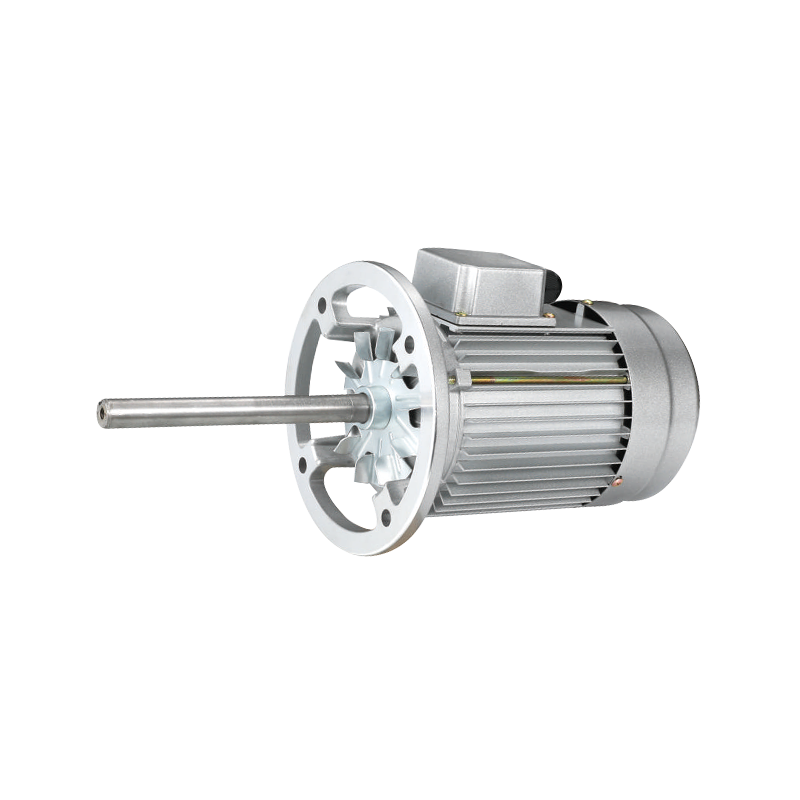
An Aluminum Frame Motor is used in applications where a lighter housing structure can bring practical value. The frame surrounds and protects internal components while helping the motor fit into different equipment layouts. For machines with limited space or frequent movement requirements, housing material can influence how easily the complete system is designed and maintained.
The choice of motor frame depends on many conditions. Installation location, working environment, maintenance habits, and equipment structure all affect whether a certain design is suitable. A lightweight frame becomes meaningful when it works well with the rest of the machine.
How Does Aluminum Material Support Lightweight Motor Structure
The material used for a motor frame has a direct effect on the weight of the finished component. Aluminum is often considered for housing applications because it allows manufacturers to create a lighter structure while keeping the frame functional for everyday equipment use.
During assembly, weight can influence how technicians position and connect different parts. In compact machines, there may be little room for adjustment, meaning even small differences in component size and weight can affect installation arrangements.
A lighter motor housing may bring several changes to equipment planning:
- Moving the motor into position can become easier during assembly
- Support structures may require less additional adjustment
- Compact equipment layouts can have more design flexibility
- Maintenance work may involve easier handling during inspection
Motor systems rarely work as isolated components. They are usually connected with shafts, brackets, control parts, and other mechanical elements. Because of this, the weight of one part can influence the design of nearby structures.
For example, equipment used in workshops or mobile applications often needs careful weight distribution. A motor frame that adds unnecessary load may affect how other components are arranged. A lighter housing gives designers another way to manage the relationship between different parts.
An Aluminum Frame Motor is also considered in equipment where installation space is limited. Smaller machines require careful planning because motors, wiring, and supporting structures all compete for available space. A lightweight frame can provide more room for design adjustments.
Material choice alone does not determine whether a motor fits a certain application. The working environment, protection needs, and operating conditions still need to be considered together.
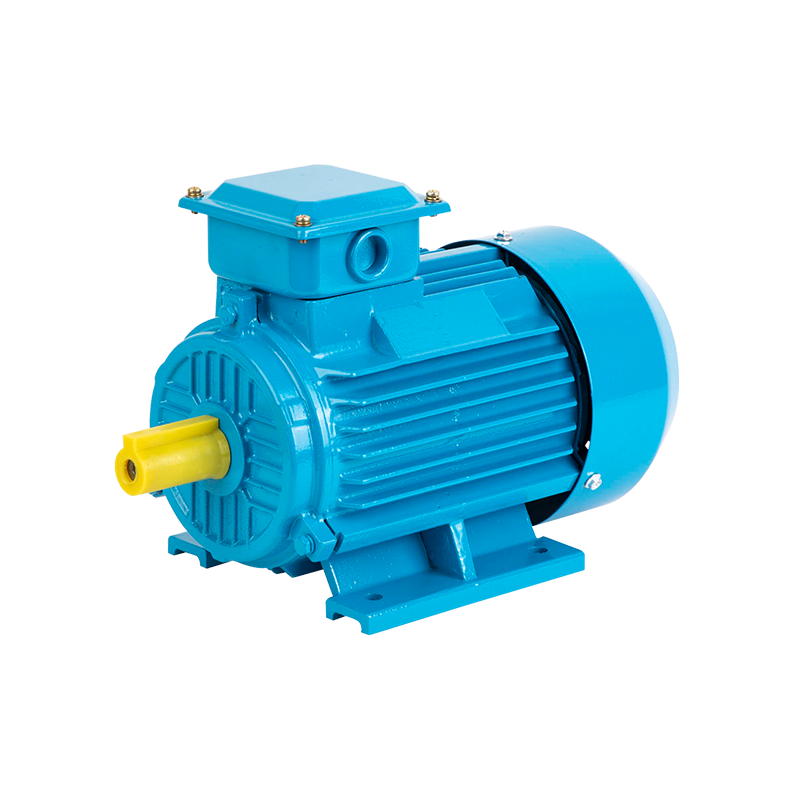
Why Is Frame Design Important For Motor Installation
Motor installation is not only a matter of fixing a component into place. The frame design influences how the motor connects with the equipment around it. Mounting position, connection points, and housing shape all affect the assembly process.
In many machines, technicians need to install motors in areas where access is limited. A frame that matches the equipment structure can make installation steps easier to arrange and reduce unnecessary changes during assembly.
Several parts of frame design affect daily use:
- Mounting areas need to match equipment requirements
- Housing shape should fit available installation space
- External structure should allow normal inspection
- Protective design should support internal component safety
A motor frame also affects future maintenance. Equipment may require checking, adjustment, or replacement of parts during regular operation. A design that allows easier access can reduce the time needed for these tasks.
Lightweight construction can support installation flexibility, especially when motors need to be moved or adjusted during equipment setup. Workers handling mechanical parts often notice differences in weight during repeated assembly operations.
An Aluminum Frame Motor can provide another option for equipment designers who need to balance weight, structure, and installation convenience. The frame becomes part of the complete machine design rather than a separate element.
How Does Aluminum Frame Motor Improve Equipment Adaptability
Different machines face different working conditions. A motor installed in fixed production equipment may have different requirements from one used in equipment that needs regular movement or changes in position.
Lightweight motor structures are often considered where handling and space use are important. During equipment transportation, installation, or adjustment, reducing unnecessary weight can make the overall process easier.
Common application situations include:
- Compact machines with limited internal space
- Equipment requiring flexible component placement
- Systems that need easier movement during setup
- Machinery containing several connected parts
When multiple components are combined into one system, weight distribution becomes part of the design process. A lighter motor frame may allow other structures to be arranged in a more balanced way.
Adaptability also involves maintenance conditions. Machines used in different environments may require different inspection routines. A motor frame should fit the equipment structure while allowing access when service work is needed.
A lightweight design works through cooperation between several elements. Housing material, installation method, operating conditions, and maintenance requirements all influence how well a motor fits into real applications.
What Role Does Heat Management Play In Motor Frame Design
Heat is naturally generated during motor operation, making thermal control a consideration in housing design. The motor frame does not only protect internal parts; it also affects how heat moves from inside the motor toward the surrounding environment.
Aluminum is often used in frame structures because it can help transfer heat through the housing surface. Once heat reaches the outer frame, surrounding air can assist with heat movement away from the motor area.
The effectiveness of heat management depends on more than the frame material. Equipment layout, available airflow, installation space, and working conditions all influence temperature changes during operation.
Several points are connected with frame-related heat management:
- Housing material influences heat movement
- Frame shape affects contact with surrounding air
- Installation conditions change airflow situations
- Regular maintenance supports normal operation
A motor frame needs to match the environment where it works. A lightweight structure can provide value through easier installation and flexible design, while heat-related factors help determine whether the structure fits long-term equipment use.
What Details Matter When Choosing An Aluminum Frame Motor
A motor frame is not selected separately from the machine where it will be installed. During equipment development, the housing needs to fit with the surrounding parts, available space, and daily working conditions. A frame that works in one application may require a different approach in another environment.
Weight is often noticed during assembly and equipment adjustment. When a machine contains several motors or moving parts, every component contributes to the overall arrangement. Reducing unnecessary weight can make installation planning easier and may provide more flexibility when positioning different parts.
However, a lighter frame does not replace the need for proper matching. The motor housing still needs to support normal installation, protect internal components, and fit the way the equipment will be used.
| Checking Point | Related Consideration |
|---|---|
| Frame dimensions | Whether the motor can fit into the planned installation area |
| Connection position | Whether mounting parts match surrounding equipment |
| Housing condition | Whether the frame fits the working environment |
| Weight arrangement | Whether the equipment structure remains balanced |
| Maintenance space | Whether inspection work can be carried out conveniently |
Installation space is one of the common issues faced during equipment assembly. Inside a machine, motors often share space with other parts such as support components and connection systems. A frame that matches the available area can reduce unnecessary changes during installation.
Connection design also affects the overall assembly process. Different machines have different mounting methods, so the motor frame needs to work together with the complete structure. Small differences in frame shape or position may influence how smoothly components are connected.
The environment around the motor should not be ignored. Equipment operating in areas with dust, moisture, or changing temperatures may require different housing considerations compared with indoor machines. Frame selection usually depends on where the motor will work rather than only on the material itself.
Maintenance conditions become another consideration after installation. Over time, motors may need inspection, cleaning, or adjustments. A housing design that allows reasonable access can make routine service work easier to arrange.
How Does A Lightweight Motor Frame Affect Equipment Layout
In equipment manufacturing, available space is often carefully planned. Motors need to work together with mechanical parts, electrical connections, and supporting structures, which means the size and weight of one component can influence the whole arrangement.
A lighter frame may give designers more options when organizing equipment layouts. For machines with limited space, reducing unnecessary weight can help balance different sections without adding extra support requirements.
During installation, workers may need to move motors into position, connect parts, or make adjustments before the equipment starts operating. A lighter housing can make these steps easier, especially when access areas are narrow.
An Aluminum Frame Motor is often considered in situations where weight control is part of equipment planning. The purpose is not simply to reduce weight; the connection between the motor and the complete machine remains the key point.
For compact machinery, every component needs to work within a planned area. A motor frame that fits naturally into the equipment can leave more room for other parts and reduce conflicts during assembly.
Weight also matters when equipment needs to be relocated. Machines used in workshops, testing areas, or flexible production spaces may require movement during setup or adjustment. In such cases, component handling becomes part of the design consideration.
How Do Different Working Conditions Affect Motor Frame Selection
Motor applications are not identical. Equipment used in a fixed location may focus on installation stability, while machines that move or change positions may pay more attention to weight and handling.
Compact equipment often requires careful use of internal space. A motor frame needs to fit with nearby parts without creating additional layout problems. A suitable housing shape can help equipment builders arrange components more naturally.
Maintenance-focused applications place attention on access. When technicians inspect a machine, they need enough room to check connections, remove dust, or review possible changes during operation.
Equipment that requires movement has another concern. A lighter motor frame can reduce difficulties during transportation and installation adjustments.
Different applications may focus on different points:
- Compact machines often require careful space planning
- Service-oriented equipment needs easier access
- Movable systems may require simpler handling
- Complex machines need better coordination between parts
A motor frame becomes useful when it matches the actual working situation. The same housing design may not provide the same effect in every machine because equipment conditions are different.
How Does Aluminum Frame Motor Relate To Daily Maintenance
Maintenance is closely connected with equipment design. Once machinery starts operating regularly, access to different components can influence how easily inspection and service work can be completed.
Motor frames are involved in these daily processes because technicians may need to check external surfaces, review connection areas, or remove surrounding parts during maintenance.
A lighter housing can make certain handling tasks easier. In machines where motors are installed in narrow spaces, moving or adjusting components may require additional effort. A frame with lower weight can support smoother maintenance procedures.
Routine checks may include:
- Inspecting the outside condition of the motor
- Cleaning dust or material buildup
- Checking connection areas
- Observing changes during operation
The frame itself does not determine maintenance results alone. Equipment layout, installation method, and working environment all influence service conditions.
An Aluminum Frame Motor can support equipment where easier handling and flexible installation are considered during planning. The actual maintenance experience depends on how well the motor frame works with the complete machine.
How Does Frame Material Influence Future Equipment Planning
Material selection continues to affect how machines are designed. As equipment becomes more compact, individual parts need to work together within smaller and more carefully arranged spaces.
Motor housing materials influence weight, installation methods, and equipment organization. A lighter frame can provide another option when designers are balancing different requirements within one system.
Aluminum housing is considered in applications where reducing unnecessary load is part of the equipment planning process. The choice depends on many practical factors, including installation conditions, maintenance habits, and the environment where the motor operates.
A motor frame is connected with the entire machine structure. Material characteristics, housing shape, mounting method, and service access all affect daily use.
An Aluminum Frame Motor can support lightweight structure design when its features match the actual needs of the equipment and the conditions around it.


