 English
 Español



Building 1, Block 4, Wufeng Industrial Park, Daxi Town, Taizhou City, Zhejiang Province, China
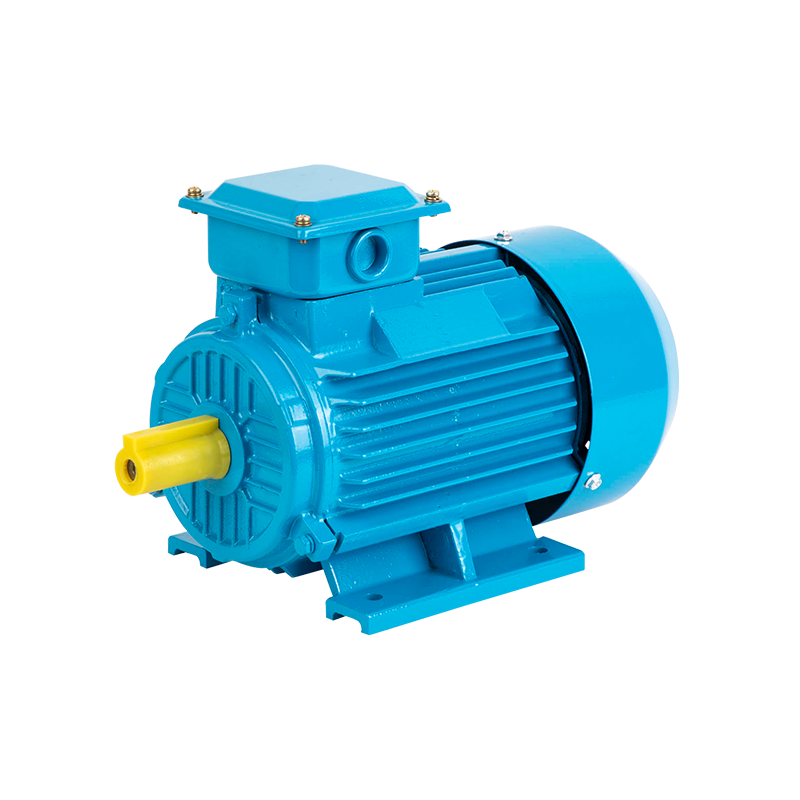
Frame stability does not always get the attention it deserves. People focus on bearings, windings, and electrical connections. The frame just sits there holding everything together. That is exactly why it matters—if the frame moves, everything attached to it moves too.
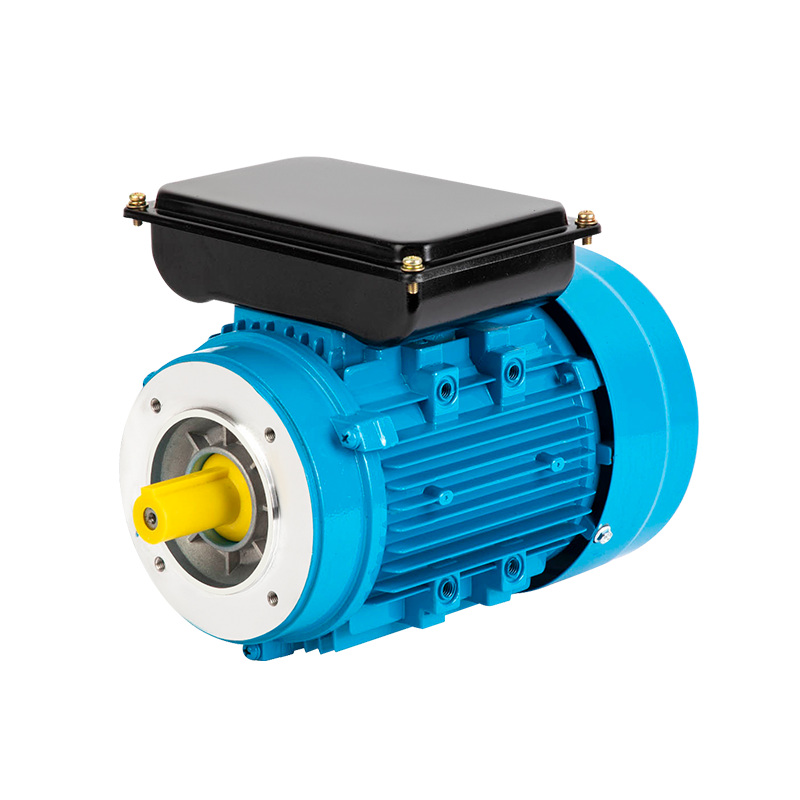
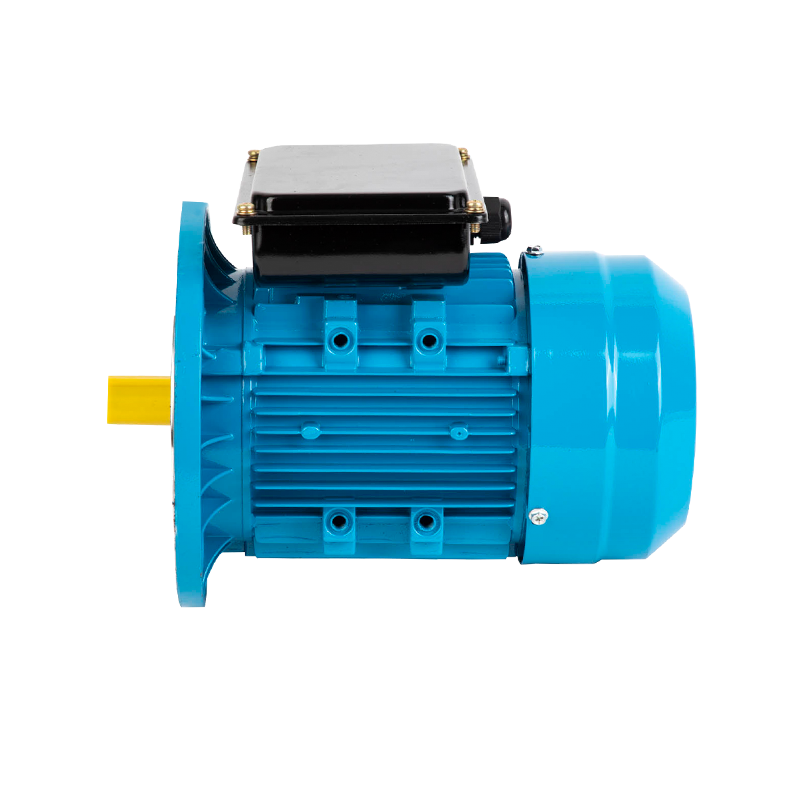
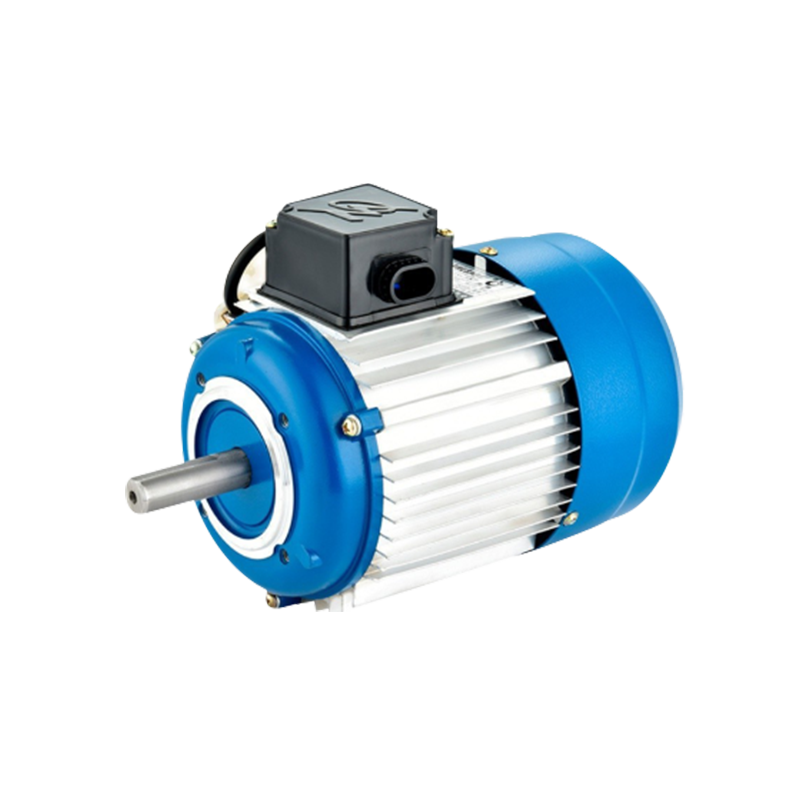
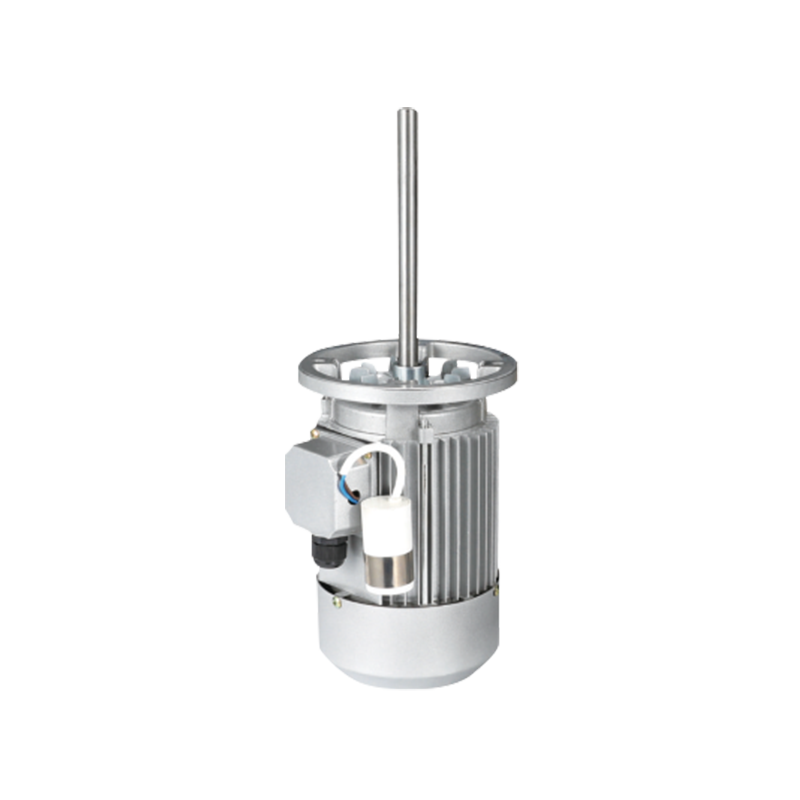
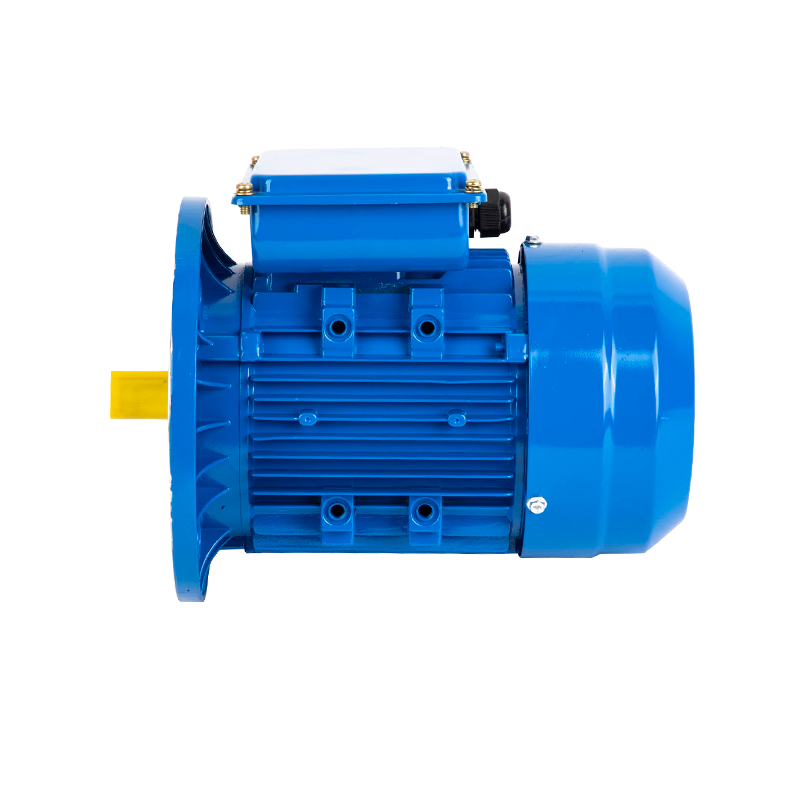
An Aluminum Frame Motor experiences forces from several directions during operation. Torque from the shaft twists against the frame. Magnetic forces between the stator and rotor pull in different directions. The frame needs to resist these forces without flexing or shifting.
Small movements that seem harmless add up over time. The shaft drifts out of alignment with whatever it drives. Misalignment creates additional forces on bearings and seals. Higher bearing loads mean shorter bearing life. It is a chain reaction that starts with a frame that does not stay put.
Some things happen when stability goes bad:
- Bearing wear accelerates
- Vibration levels climb
- Seals begin to leak
- Electrical connections work loose
- Efficiency drops
What Role Does Foundation Preparation Play in Stability?
The foundation holds everything above it. A poorly prepared foundation lets the motor move around, which is the opposite of what you want.
Surface flatness matters. An uneven surface puts stress on certain mounting points. Those points carry more load than they should. The frame can distort or crack over time under that uneven pressure.
Load distribution should be even across the mounting area. The motor's weight and operating forces spread out across the feet. Uneven distribution puts extra stress on one foot. That foot might settle or shift under repeated load.
| Foundation Factor | What It Does | What To Do |
|---|---|---|
| Surface flatness | Uneven support distorts frame | Level the mounting surface |
| Load distribution | Uneven stress on feet | Use full-surface grouting |
| Anchor bolt placement | Poor spacing reduces holding power | Follow manufacturer layout |
| Grout integrity | Voids cause movement | Ensure void-free grouting |
Anchor bolt placement should follow manufacturer recommendations. Bolts too close to edges weaken the hold. Proper spacing matches the motor's feet. Grouting fills all voids and transfers load fully to the foundation.
How Does Mounting Hardware Affect Long-Term Stability?
Mounting hardware does a simple job—holding the motor to its foundation. Simple, but critical. Everything depends on those bolts staying tight.
Bolt selection involves more than grabbing something that fits. The strength grade determines how much tension the bolt can hold. The length affects how much thread engagement you get in the anchor. The finish affects how well it resists corrosion.
Torque specifications matter. Too little torque and the bolt works loose during operation. Too much and you stretch or break the bolt. A torque wrench set to the correct value gives you the right tension without overdoing it.
Washers and locking devices help fight vibration loosening. Split washers and lock nuts resist rotation. Thread-locking adhesives provide extra security. Corrosion prevention keeps hardware from rusting together—important when you need to take things apart later.
What Inspection Practices Identify Early Instability Signs?
Finding problems early means fixing them before they get expensive. Regular inspections catch the small changes that signal trouble.
Visual checks are simple and useful. Gaps between the motor and foundation where there were none before. Paint cracks around mounting feet. Rust streaks that show relative movement. These signs show up before vibration becomes a problem.
Vibration tells you something has changed. Increasing levels of vibration mean something is moving that should not be. The source might be the frame or something else, but rising vibration deserves attention.
Temperature at mounting points gives clues. One foot that runs hotter than others suggests uneven load distribution. Heat makes metal expand, changing the geometry. Consistent temperatures across all feet indicates uniform support.
Fastener tension verification shows if bolts are keeping their tightness. Loss of tension means relaxation or settlement. Re-tensioning restores the correct holding force. Checking on a regular schedule shows how fast fasteners lose their grip.
How Do Alignment Procedures Support Stability?
Alignment between the motor and driven equipment affects frame stability. When shafts line up properly, forces transmit smoothly. No extra loads push the frame sideways or vertically.
Coupling alignment tools measure angular and parallel alignment. Angular misalignment puts bending forces on the shaft and frame. Parallel misalignment creates shear forces. Correct alignment minimizes these forces.
Thermal growth comes into play during alignment. Motors heat up during operation and expand. That expansion moves the shaft position. Cold alignment that ignores thermal growth becomes hot misalignment.
Re-alignment follows any maintenance that changes motor position. Bearing replacement often changes shaft position slightly. Foundation work changes the mounting surface. Each event calls for checking alignment again.
What Shimming Practices Maintain Proper Support?
Shims do a simple job. They fill gaps between the motor feet and the mounting surface. You use them to adjust height and get the motor level without cutting into the foundation. Choosing the right shim material makes a difference.
Soft materials do not hold up. They compress under load and lose thickness. That compression changes the motor's position and throws alignment off. Hardened steel shims keep their thickness year after year.
Stacking shims takes some thought. Multiple thin shims work better than one thick one. You can pull out a thin shim when you need a small adjustment. A thick shim forces you to remove too much material at once.
Where you place the shims matters. The full foot area needs support. Partial support creates stress points and lets the foot bend. The corners should not hang out there with nothing underneath.
Vibration can work shims loose over time. Shims that stick out slightly beyond the foot edge tend to stay put better. Some people use a little adhesive to hold the shim pack together.
Things worth knowing about shimming:
- Hardened steel holds thickness longer than softer materials
- Multiple thin shims give you adjustment flexibility
- Full foot support prevents bending
- Shims extending past the foot resist working loose
How Does Foundation Condition Affect Stability?
Foundations change over time. Concrete cures and shifts. Settlement happens. Grout cracks. Every change affects motor stability.
Fresh concrete moves as it cures. Anchor bolts tightened too early can lose their grip. The concrete pulls away from the bolt or changes shape around it. That is why people wait before final torquing.
Settlement does not happen evenly. One side of the foundation might drop more than the other. That tilts the mounting surface. The motor ends up sitting crooked relative to what it drives.
Grout integrity affects load transfer. Cracks or voids in the grout mean the motor no longer gets uniform support. Voids allow small movements under load. Movements that should not be there.
Foundation damage from impacts, chemical spills, or freeze-thaw cycles causes support problems. Cracks let things move. Damaged areas need repair or the motor will never stay put.
What Role Does Fastener Tension Play in Stability?
Bolted joints lose tension with time. Vibration does it. Thermal cycles do it. Material relaxation does it.
Some joints relax fast. Others take a long time. The material, bolt length, and clamping force all play a role. You might see tension drop within hours on one joint and not for years on another.
A regular re-torquing schedule catches tension loss early. Check at the same time you do other inspections. That keeps the process simple and ensures it gets done.
Temperature changes affect bolt tension. Bolts expand when hot and contract when cold. Repeated cycles gradually reduce tension. Systems that see wide temperature swings have more trouble with this.
Lubrication changes how torque translates to tension. A lubricated bolt reaches higher tension at the same torque setting. One that is dry or dirty gives lower tension. Consistent lubrication gives consistent readings.
A few points about fastener tension:
- Bolts lose tension from vibration, heat, and material relaxation
- Regular re-torquing catches the loss
- Temperature swings accelerate tension reduction
- Proper lubrication gives reliable torque readings
How Do Operating Conditions Challenge Frame Stability?
Motors run through different conditions every day. Heat makes the frame expand and contract. Loads change. Starting and stopping adds shock.
Thermal cycles create movement. The frame grows when hot and shrinks when cool. That movement rubs against the foundation over time. Fasteners can work loose from that rubbing action.
Load changes affect the forces the frame resists. Full load pushes differently than partial load. Systems that vary the load create constantly changing forces.
Starting and stopping adds transient events. Starting torque runs higher than running torque. The frame sees more stress during those moments. Repeated starts and stops stress the mounting system more than continuous running.
Moisture and temperature affect foundation and hardware. Water causes rust. Rust weakens fasteners. Heat changes material properties.
What Maintenance Practices Preserve Stability Over Time?
Regular inspections find problems before they affect operation. Checking the same things each time gives useful comparisons. Consistent measurements mean things are staying put.
The schedule depends on the environment. Motors in tough conditions need checking more often. Motors in clean, stable spaces can go longer between checks.
Clean mounting surfaces during maintenance. Debris and corrosion stop full contact between the motor foot and its support. Even a little dirt can create a stress point.
Write down alignment measurements. Records show what has changed over time. Measurements that drift from baseline indicate developing problems.
Keep track of fastener tension readings. Readings that trend downward suggest relaxation or wear. Readings that stay stable mean the joints are holding. An Aluminum Frame Motor with consistent tension readings and stable alignment usually runs reliably for a long time.


