English
 Español



Building 1, Block 4, Wufeng Industrial Park, Daxi Town, Taizhou City, Zhejiang Province, China
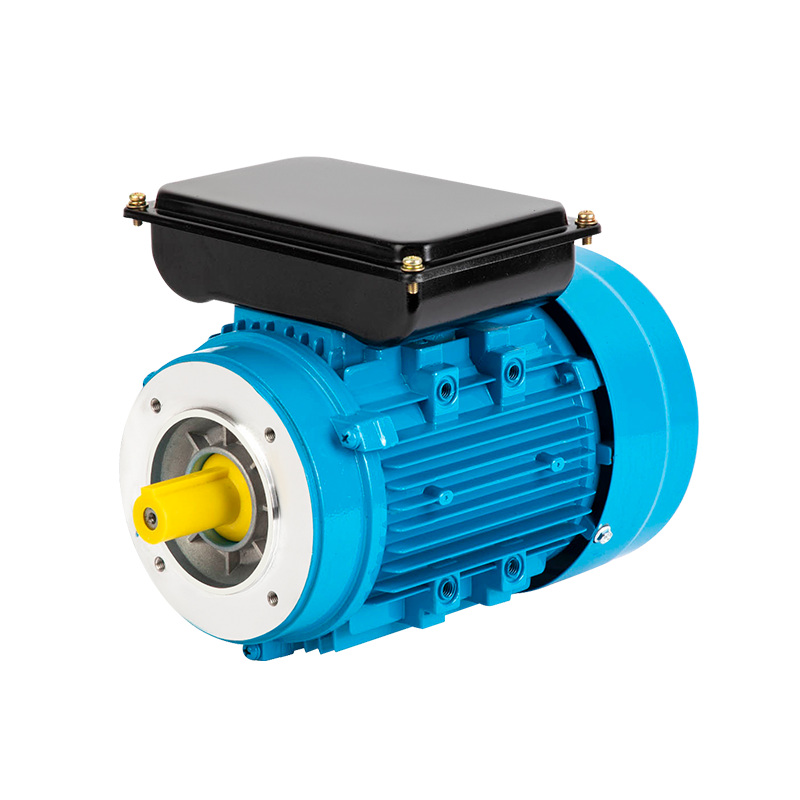
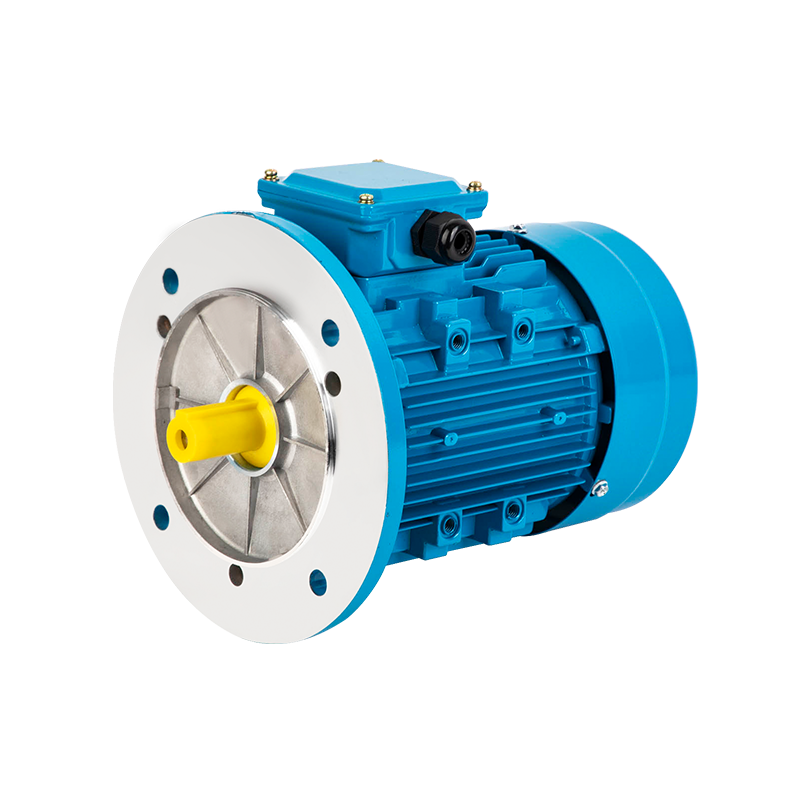
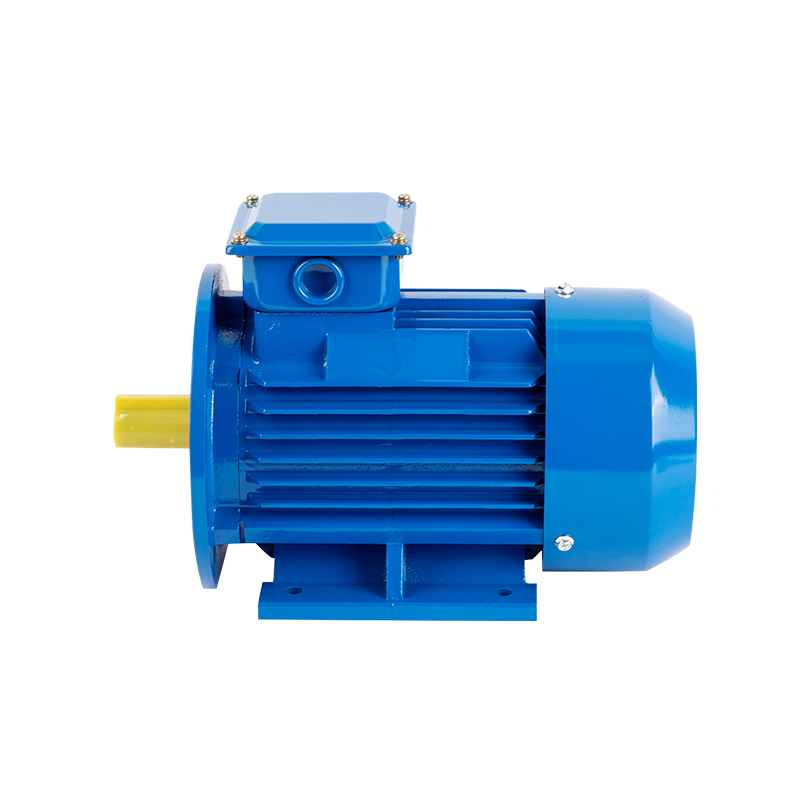
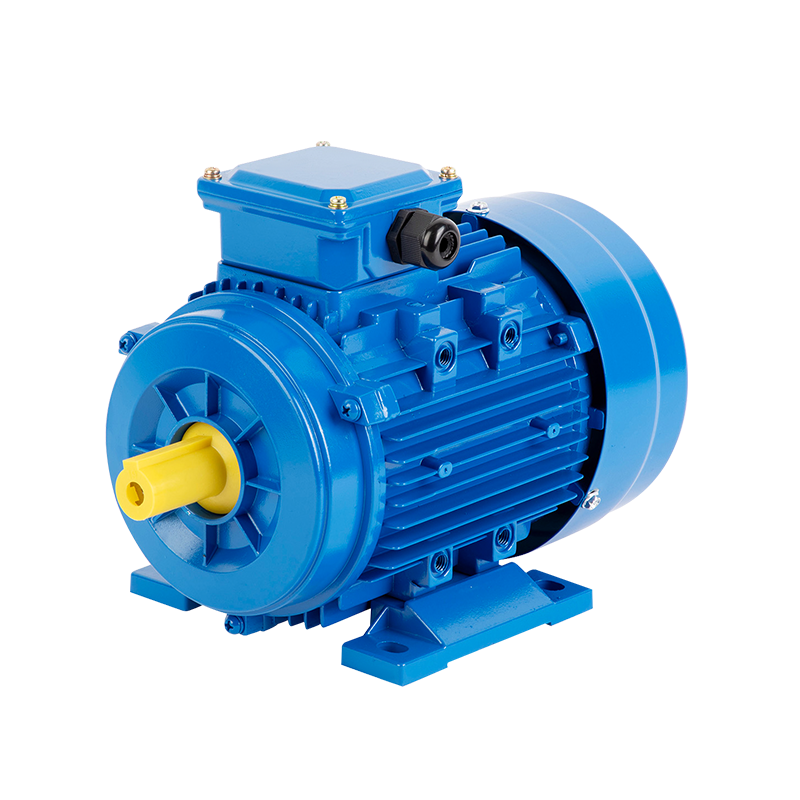
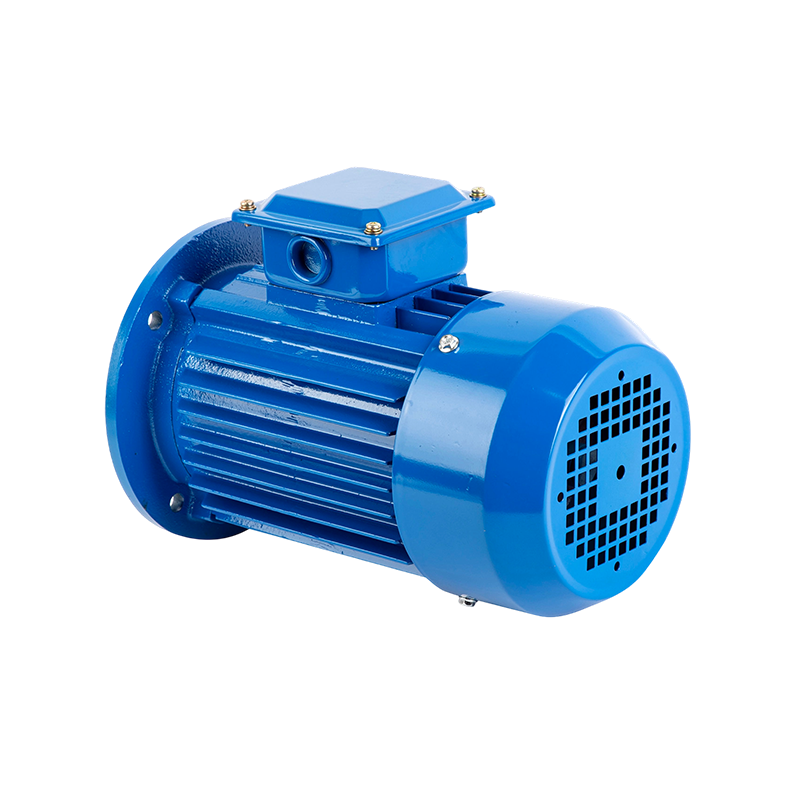
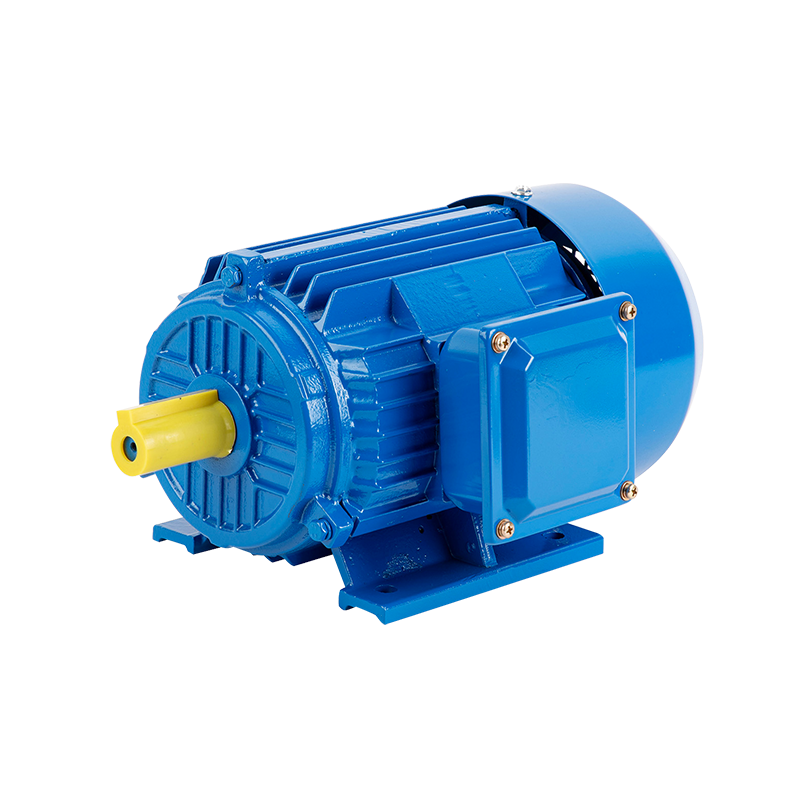
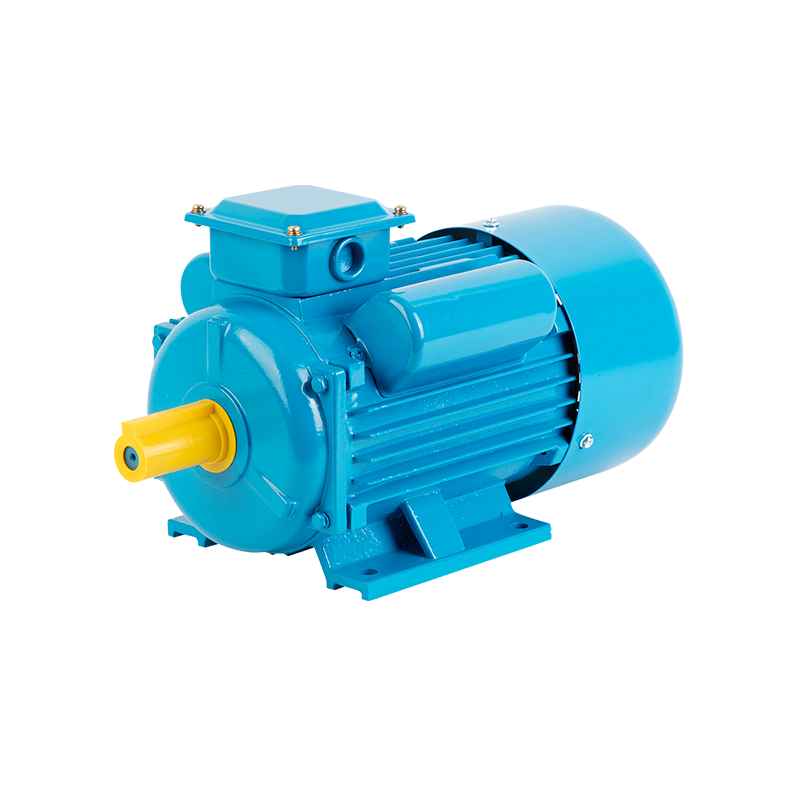
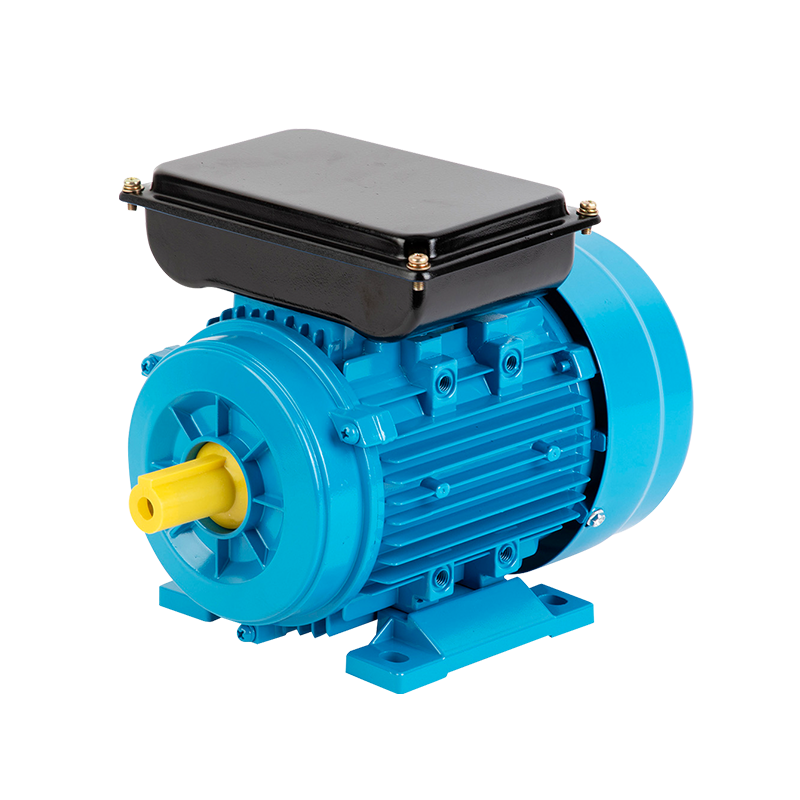
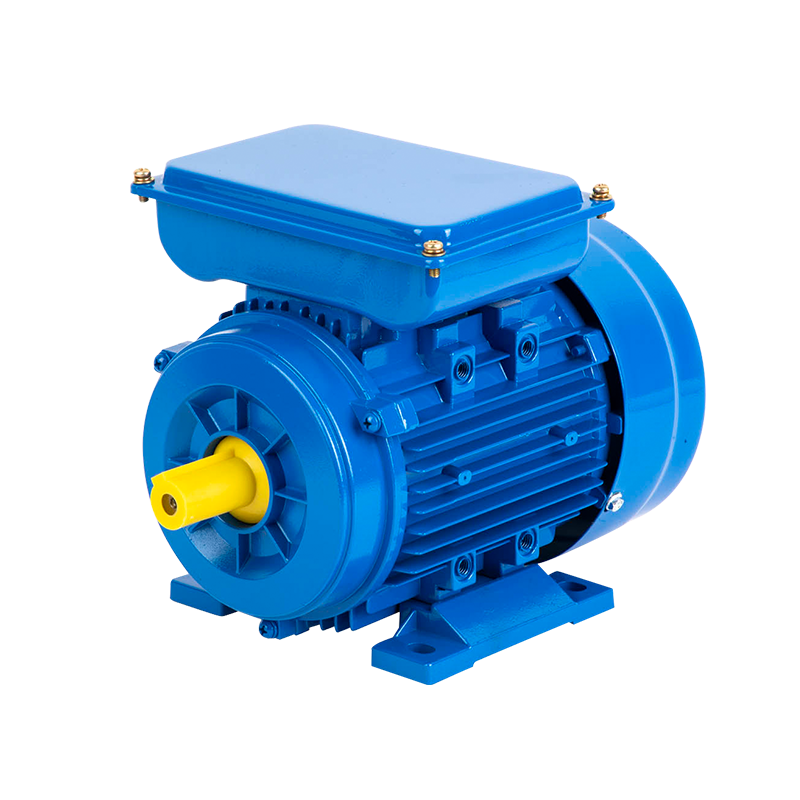
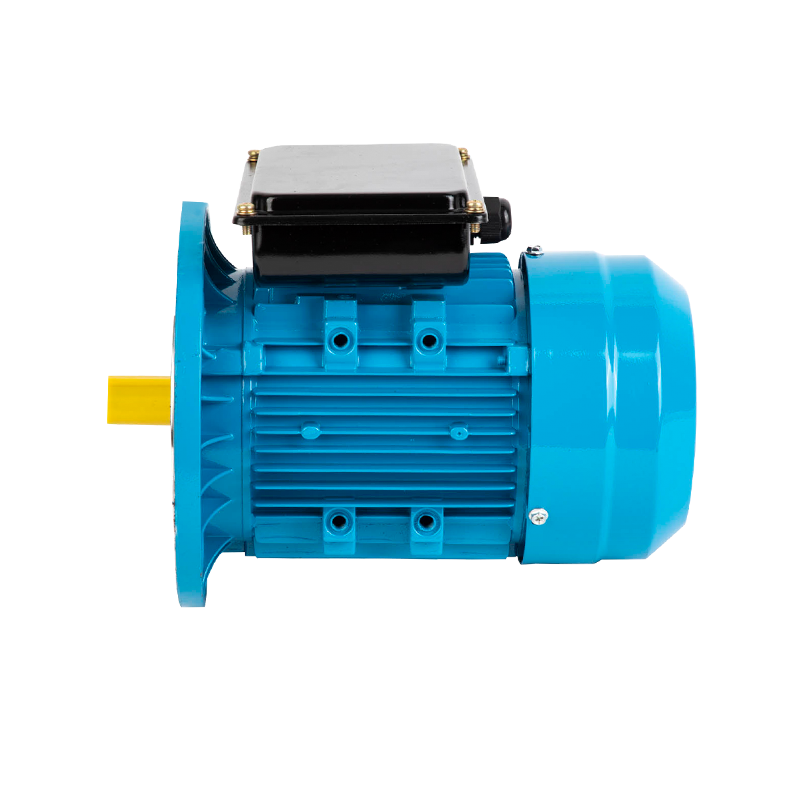
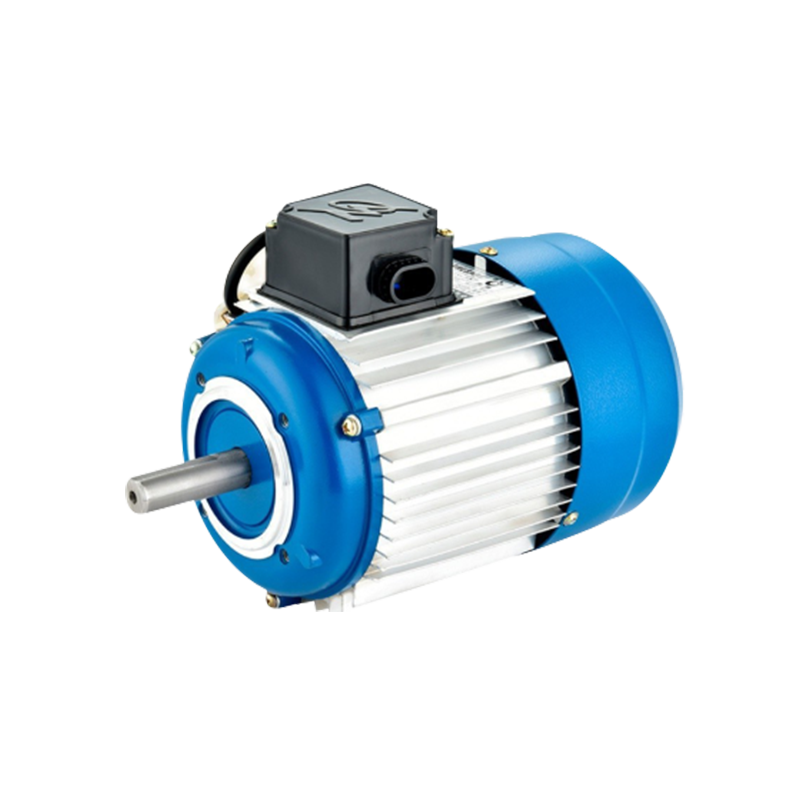
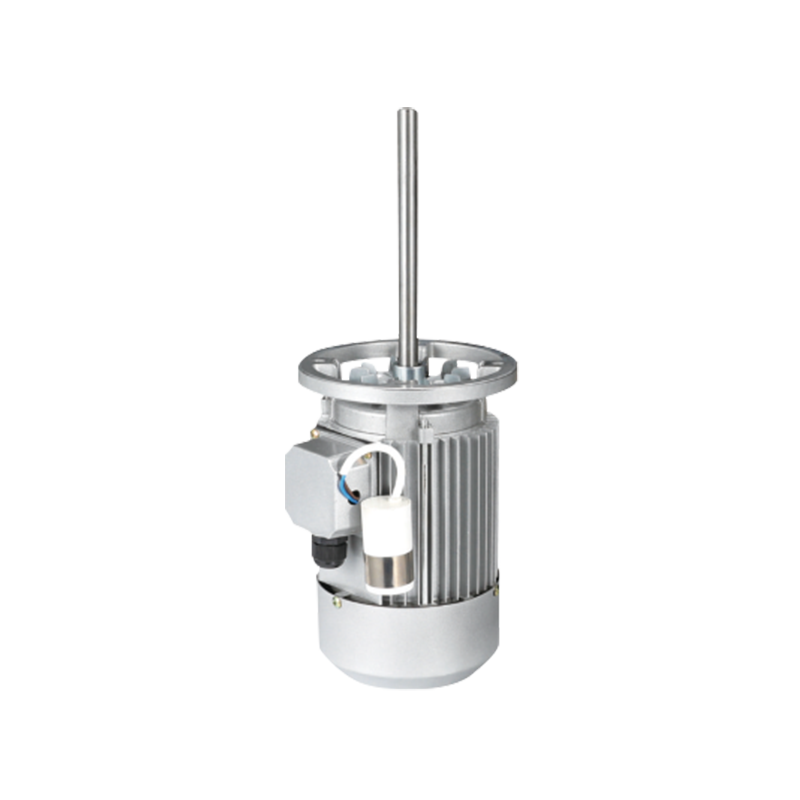
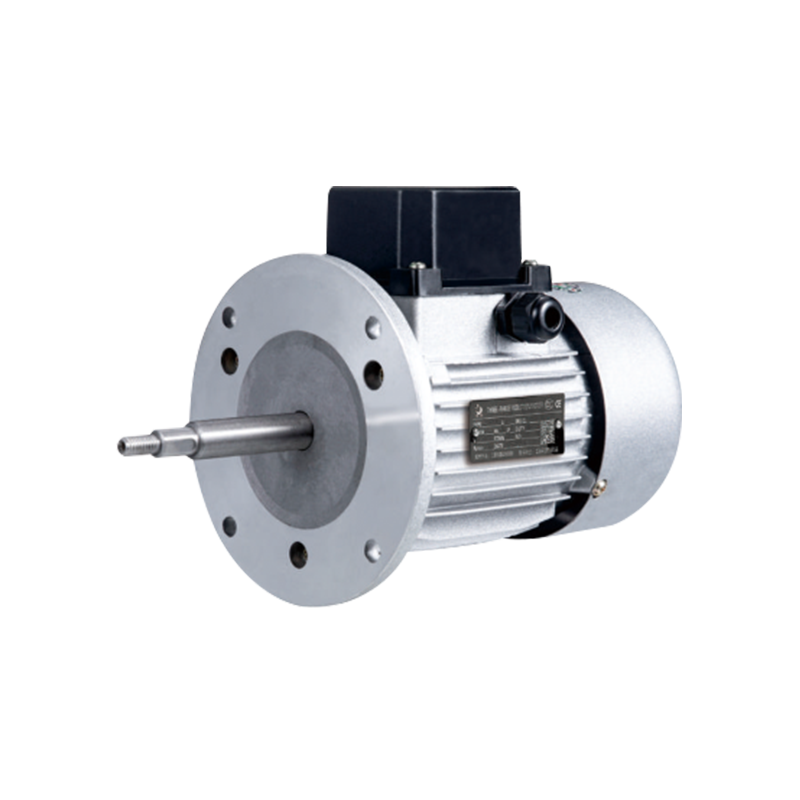
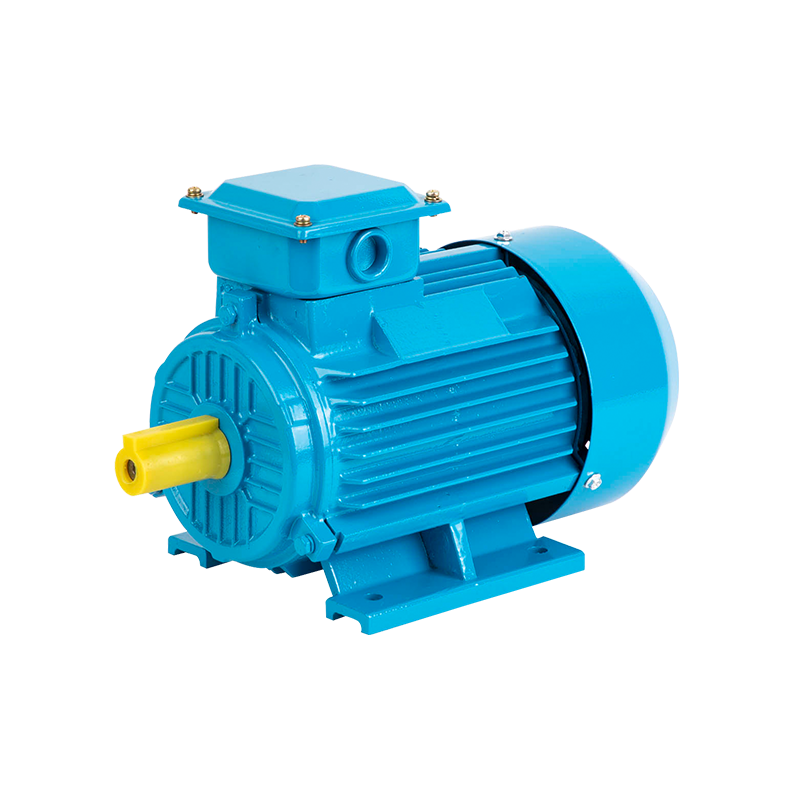
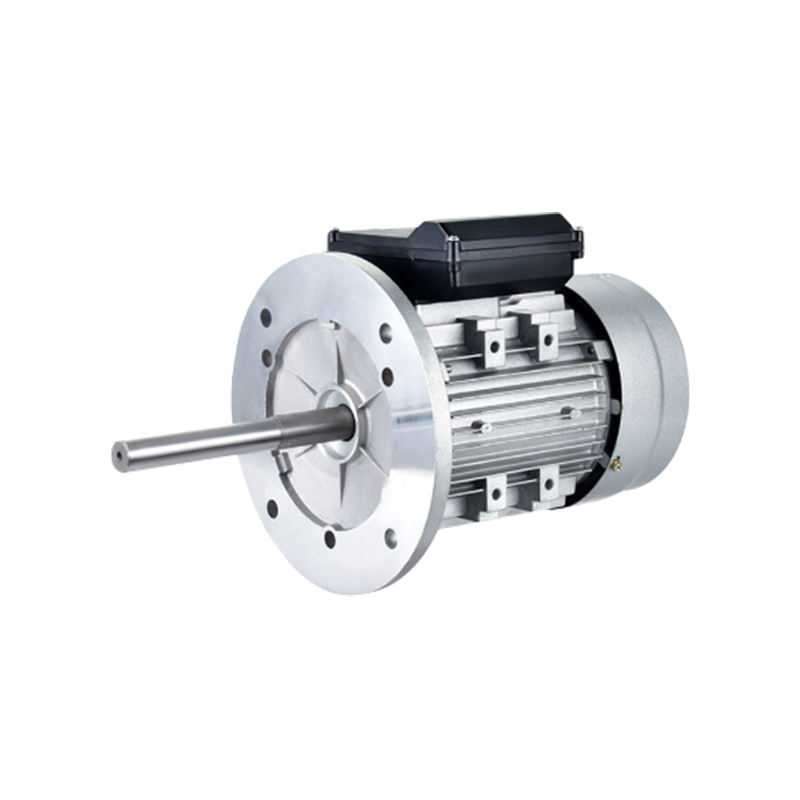
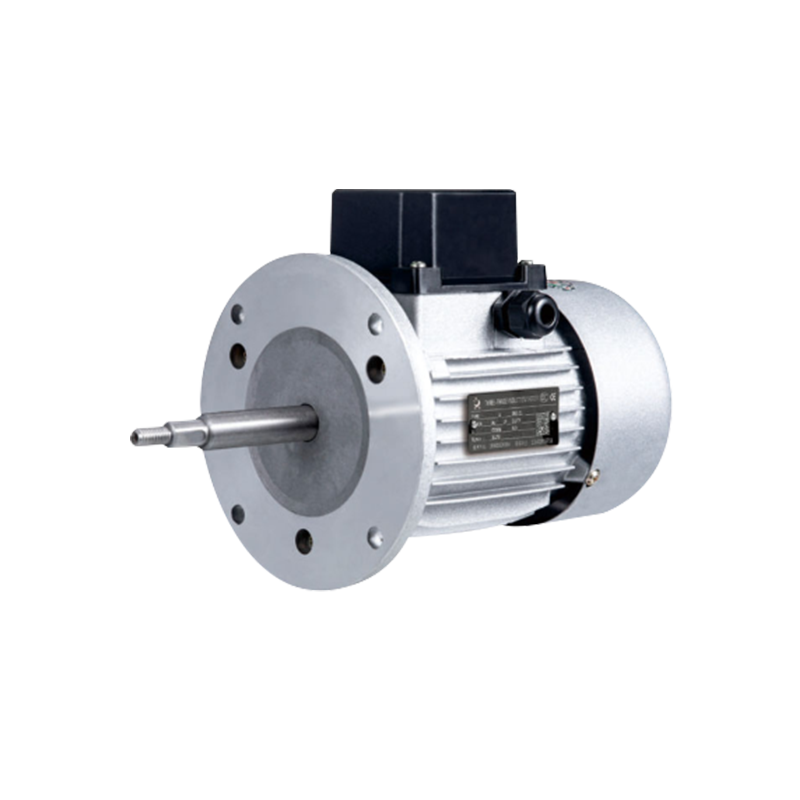
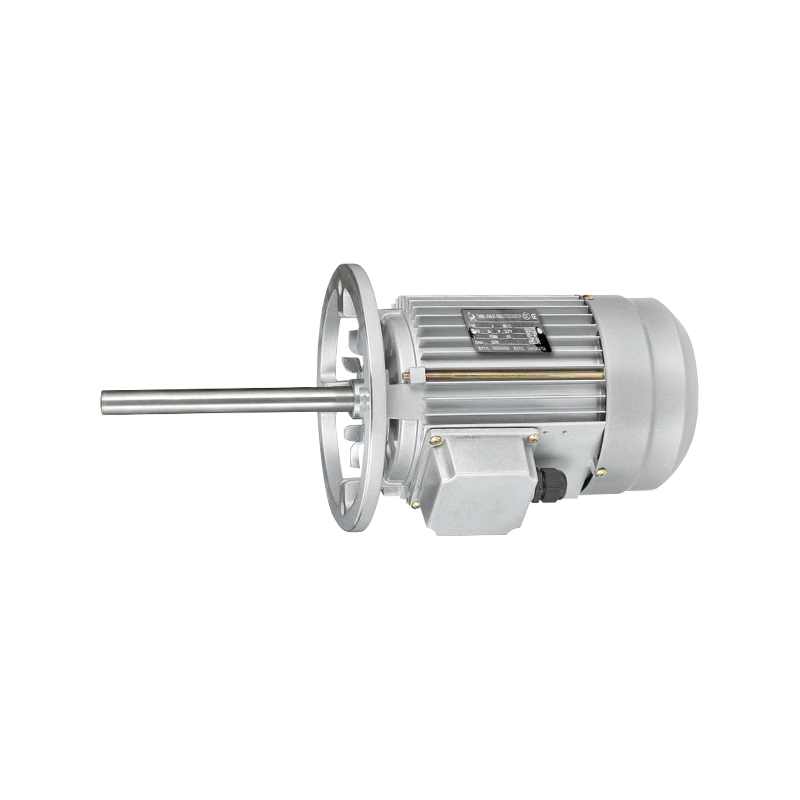
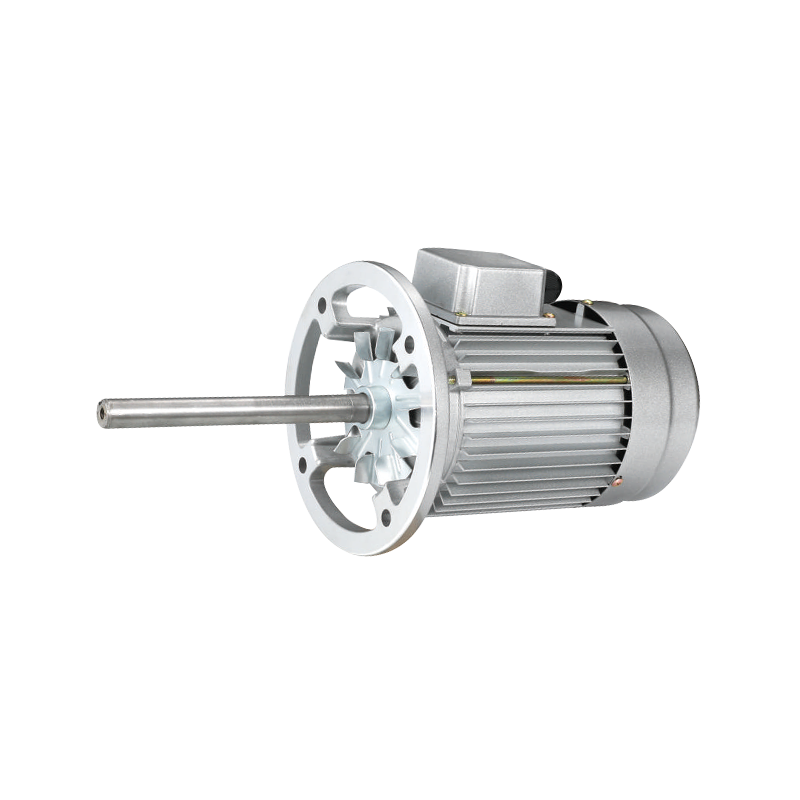
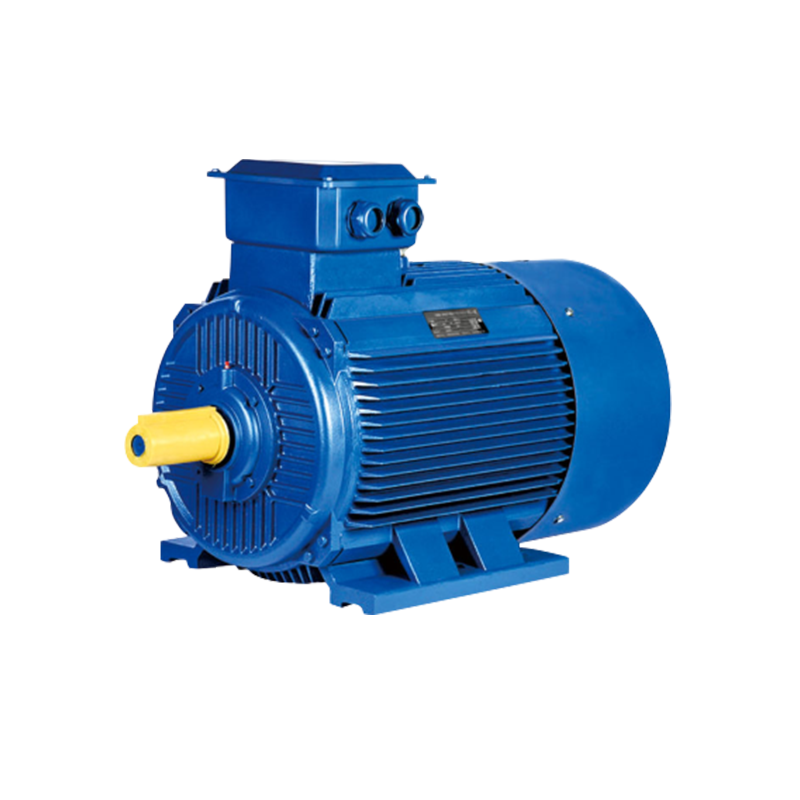
Single phase AC motors are commonly used in homes, small industries, and light commercial applications. These motors operate on a single-phase alternating current supply, making them suitable for situations where three-phase power is unavailable. A Single Phase AC Motor provides reliable performance for devices such as fans, pumps, compressors, and household appliances, combining simplicity with durability.
Basic Principle of Operation
A single-phase AC motor works by creating a rotating magnetic field that interacts with the rotor. Since single-phase power alone cannot generate a rotating field directly, these motors use auxiliary windings, capacitors, or shaded poles to start the rotation. Once the rotor is moving, the motor continues to run using the main winding. This setup allows a Single Phase AC Motor to convert electrical energy into mechanical motion efficiently.
Types of Single Phase AC Motors
Several types of single-phase AC motors are commonly used. Capacitor-start motors provide high starting torque and are suitable for compressors, pumps, and heavy appliances. Split-phase motors are used in fans and small machinery, while shaded-pole motors are often found in low-power applications like small fans or timers. Choosing the right type ensures that a Single Phase AC Motor meets the requirements of the device and the load it drives.
Applications in Daily Life
Single phase AC motors are found in a wide variety of applications. Household appliances such as washing machines, refrigerators, and ceiling fans often use these motors. Light industrial equipment, including small conveyor systems and pumps, also relies on them. A Single Phase AC Motor is favored in these scenarios because it can operate directly from the standard single-phase supply available in residential or commercial buildings.
Efficiency and Maintenance
While single-phase motors are generally less efficient than three-phase motors at higher power levels, they remain practical for low- to medium-power applications. Routine maintenance involves checking bearings, lubricating moving parts, and ensuring electrical connections remain secure. A Single Phase AC Motor with proper care can provide long service life and reliable performance without frequent replacement.
Advantages and Limitations
The main advantage of single-phase motors is their compatibility with widely available single-phase electricity. They are easier to install and require less complex wiring compared to three-phase motors. However, they are typically limited in power output and may require additional components, like capacitors, to start under heavy load. Despite these limitations, a Single Phase AC Motor is a practical solution for many everyday and industrial applications.
Safety and Installation Considerations
When installing single-phase motors, proper grounding and protection against overload or short circuits are important. Many motors include thermal protection devices to prevent overheating. Ensuring that a Single Phase AC Motor is installed correctly helps avoid electrical hazards and extends the life of the motor.
Future and Versatility
Single-phase AC motors continue to be used extensively due to their versatility and the widespread availability of single-phase power. They are suitable for small machinery, household appliances, and light commercial equipment. A Single Phase AC Motor can also be adapted with variable speed drives or other accessories to improve performance in specific applications.
The Single Phase AC Motor remains a vital component in both domestic and light industrial environments. Its simplicity, adaptability, and compatibility with standard electrical supplies make it a practical choice for a range of applications. Understanding its operation, types, and maintenance needs allows users to select and manage these motors effectively, ensuring efficient and reliable performance for everyday mechanical tasks.