 English
 Español



Building 1, Block 4, Wufeng Industrial Park, Daxi Town, Taizhou City, Zhejiang Province, China
Many machines work through long production cycles without receiving much attention until something changes. During normal operation, the motor keeps turning, carrying mechanical load while responding to changing temperatures, dust, and continuous movement. A stable motor helps the whole system run more smoothly, which is why the housing becomes an important part of the overall design instead of simply covering internal components.
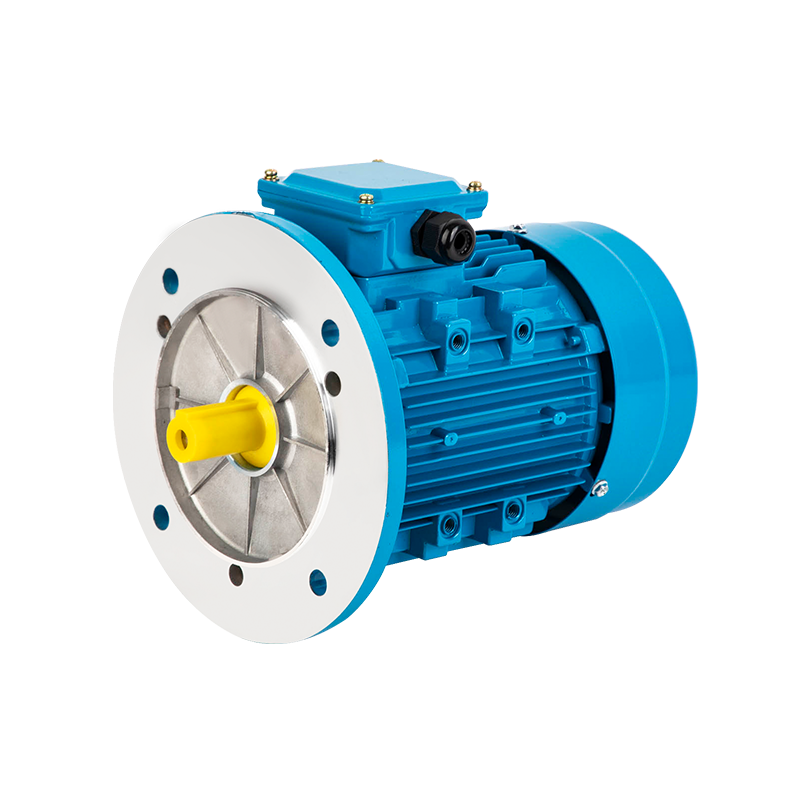
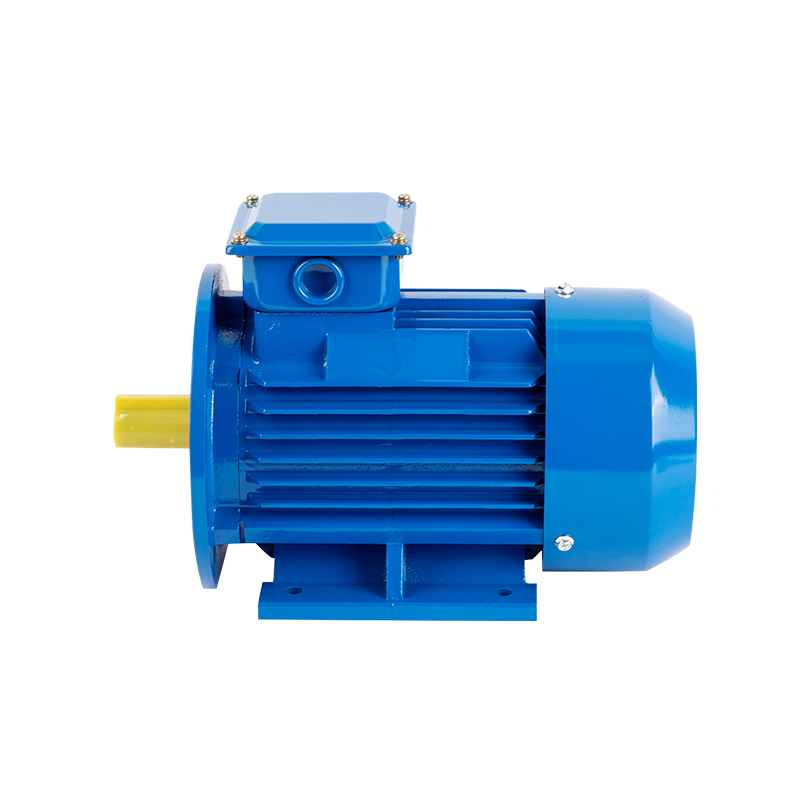
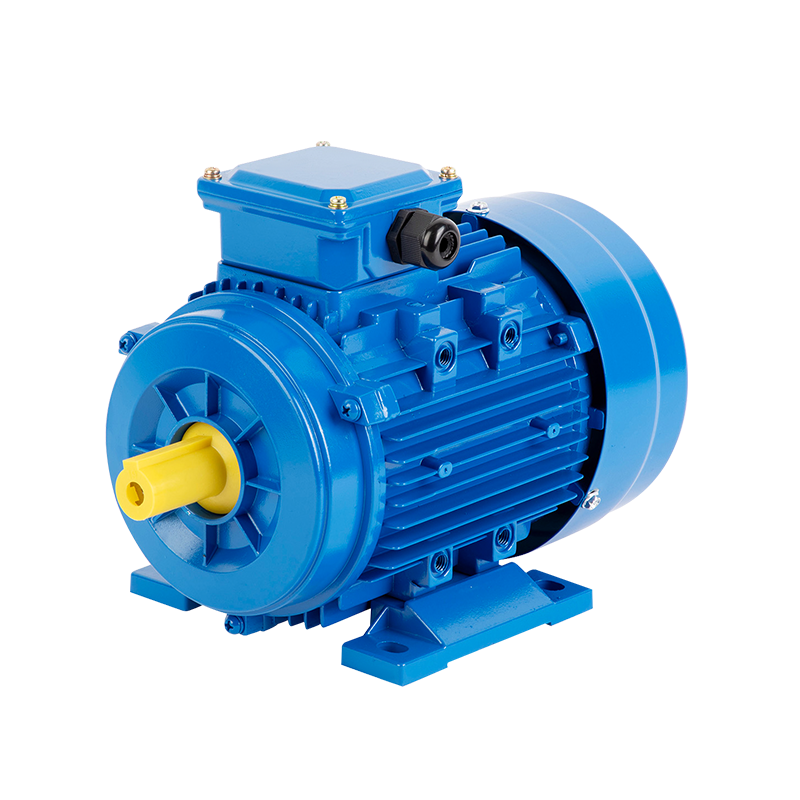
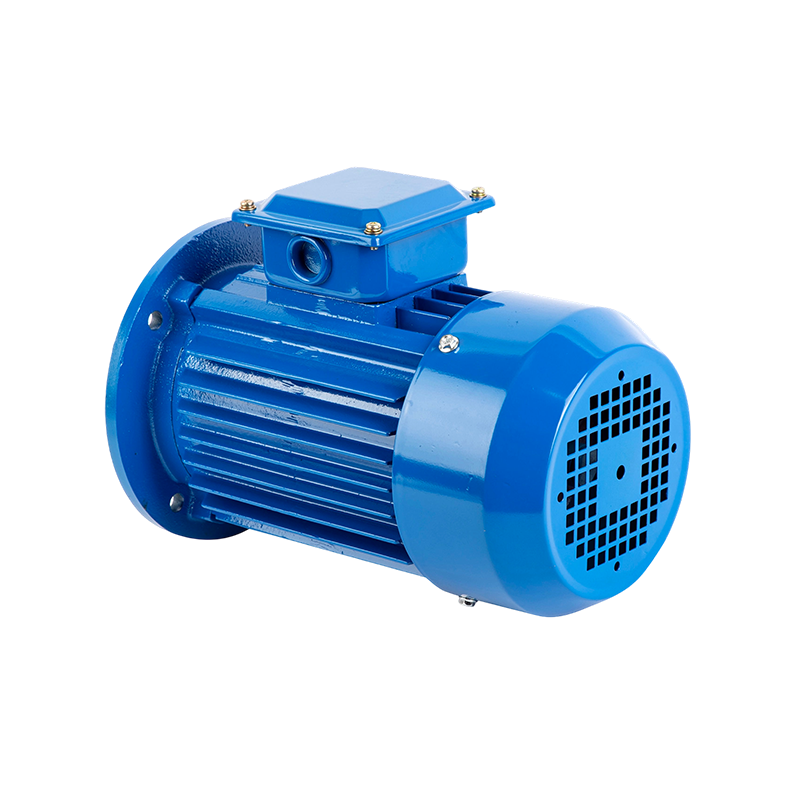
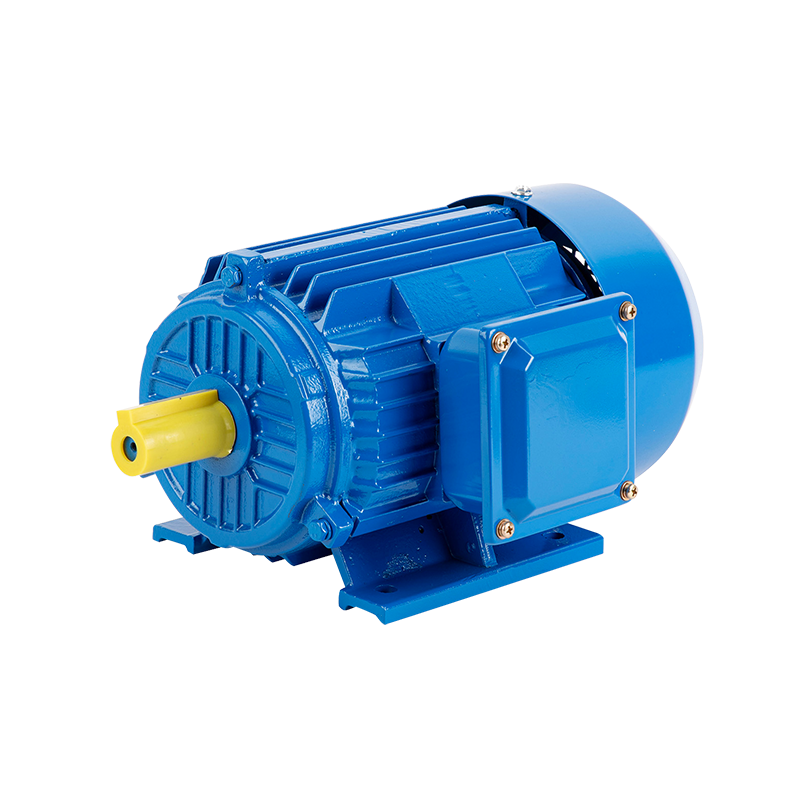
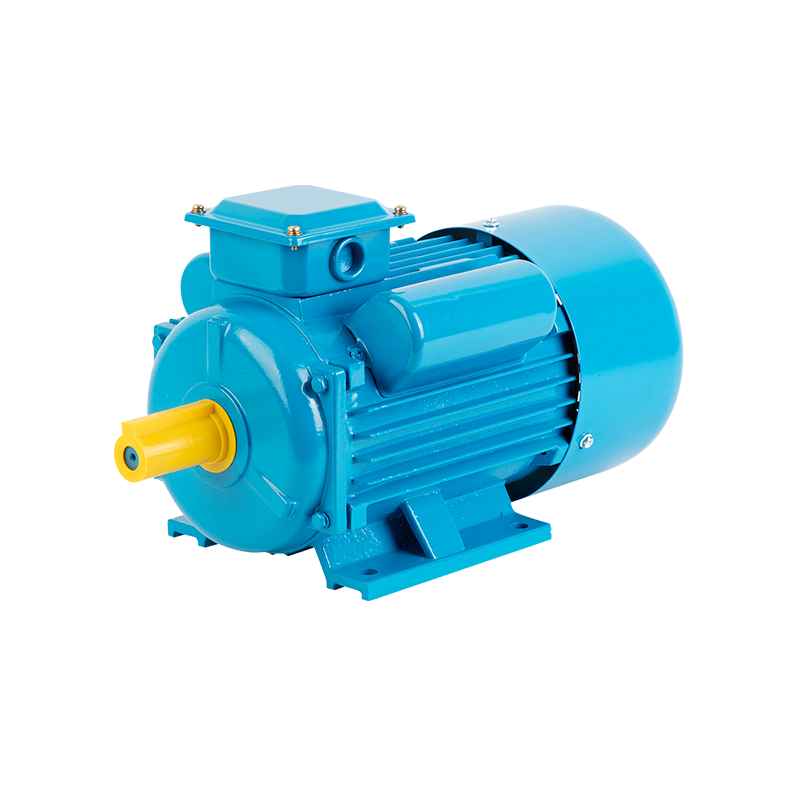
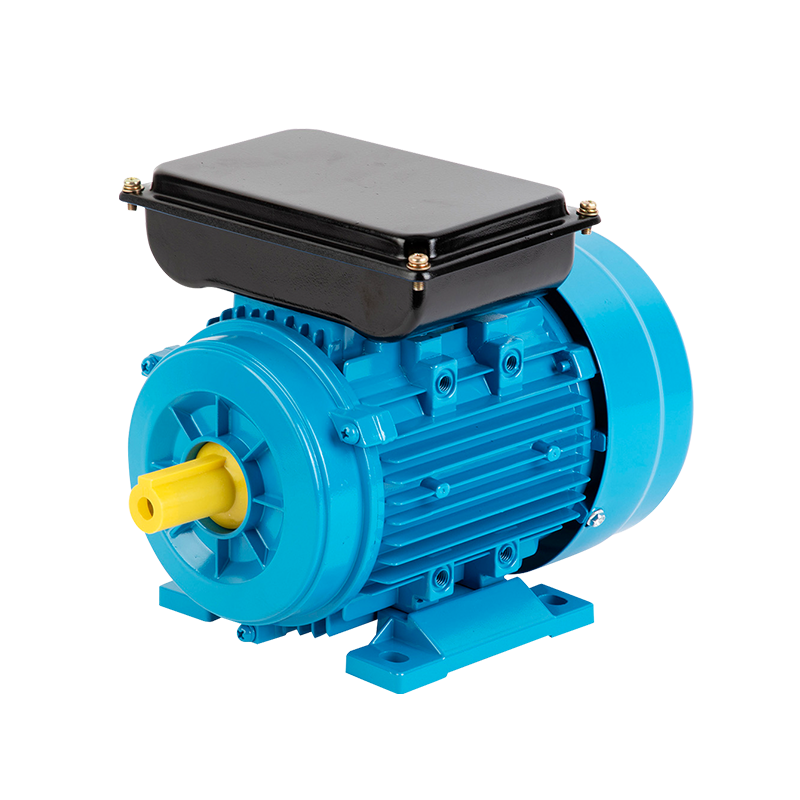
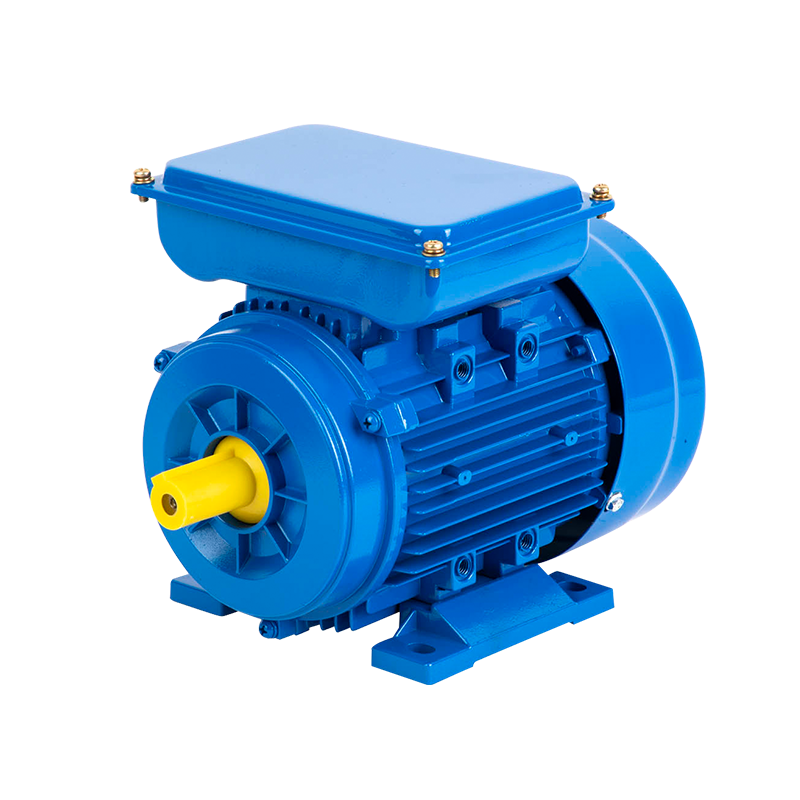
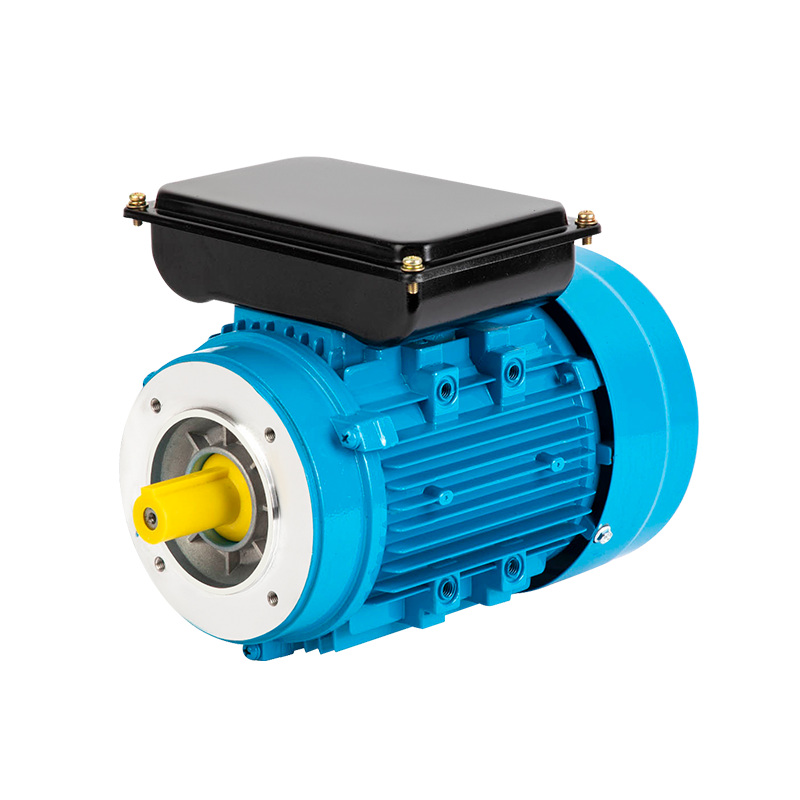
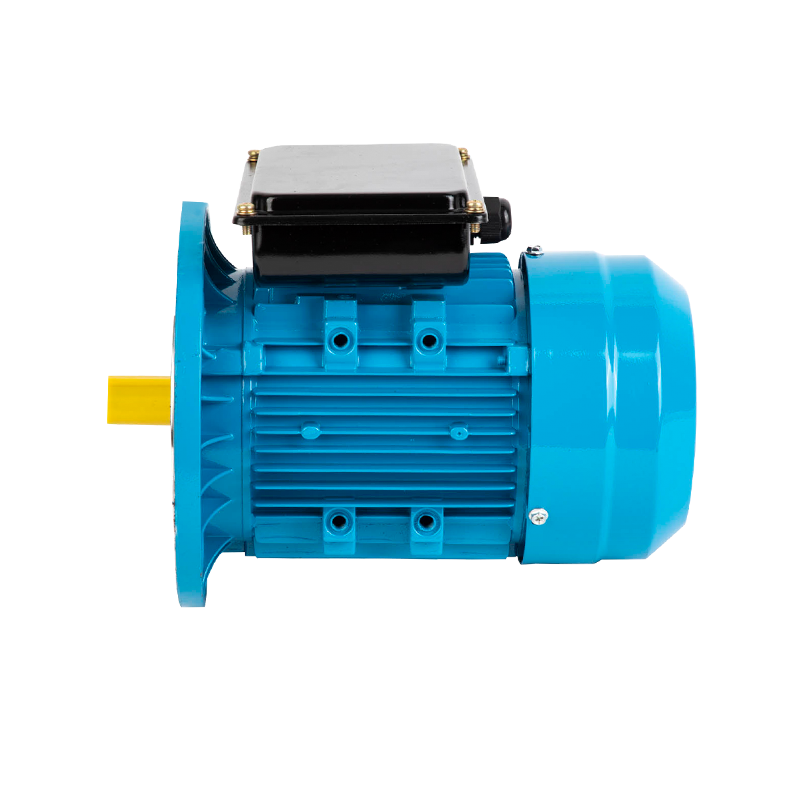
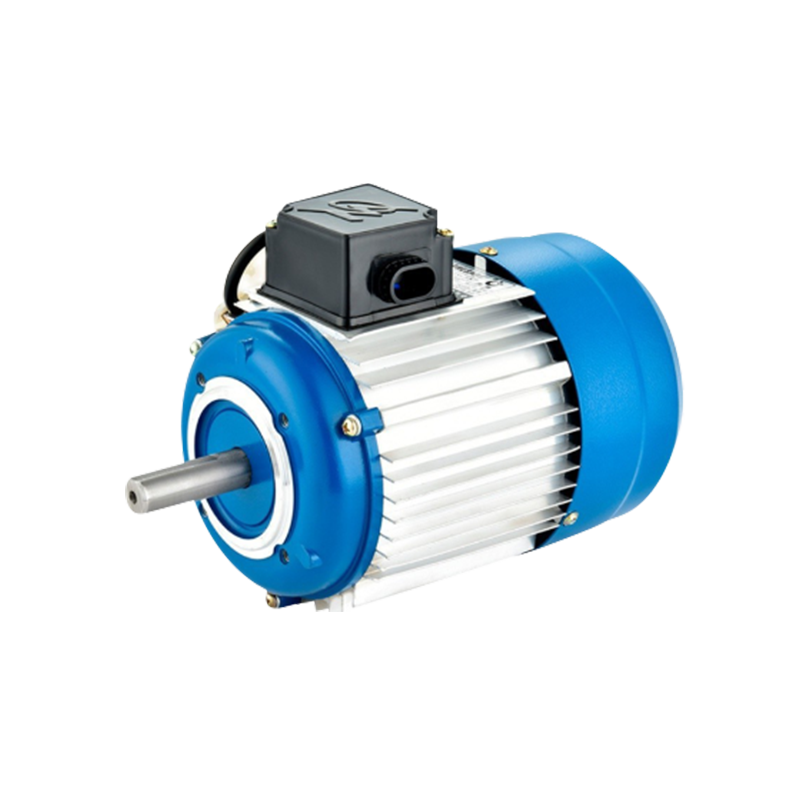
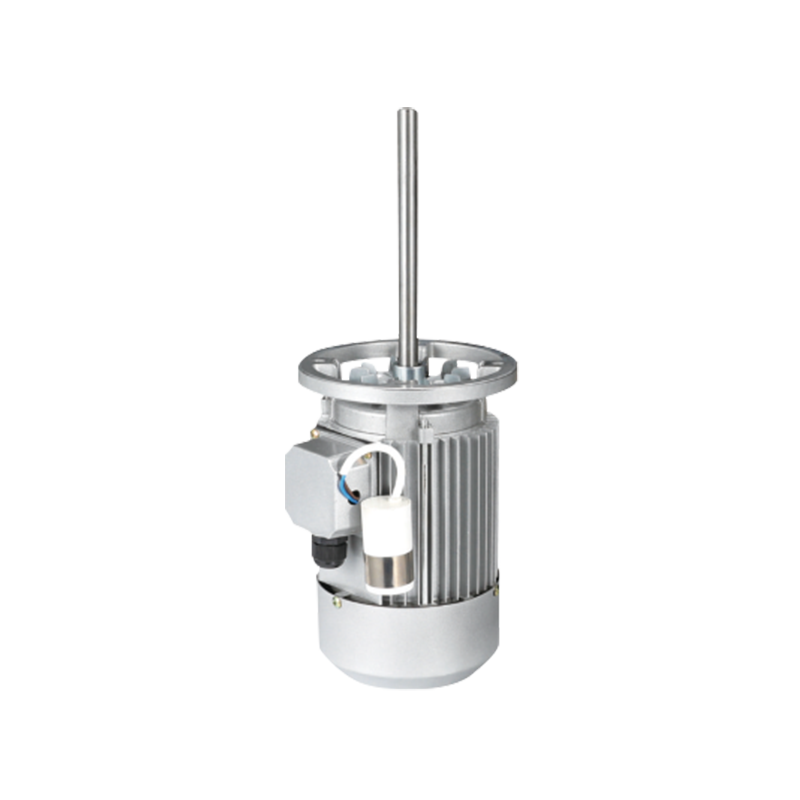
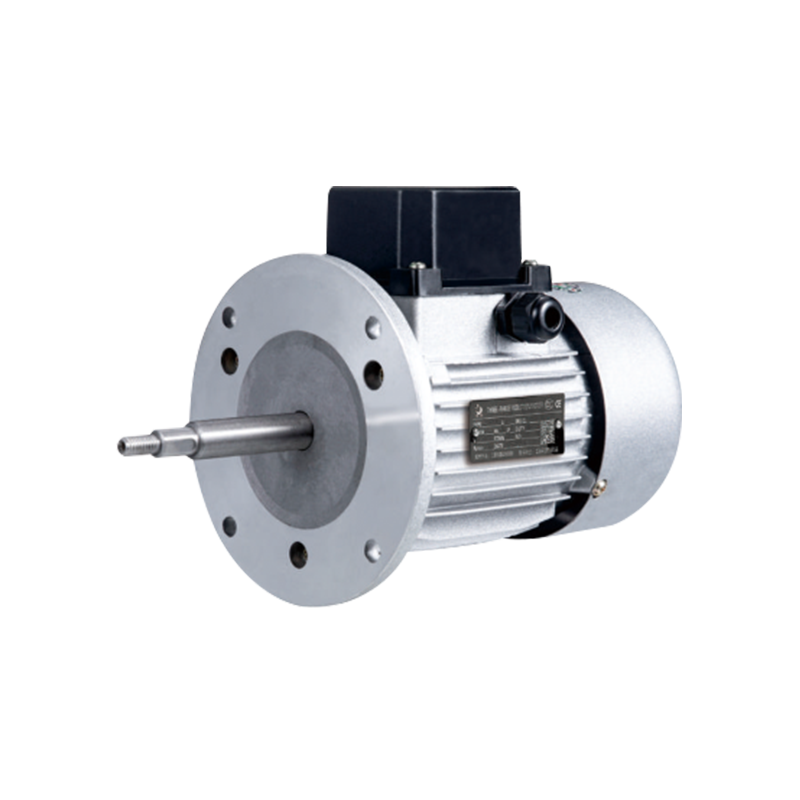
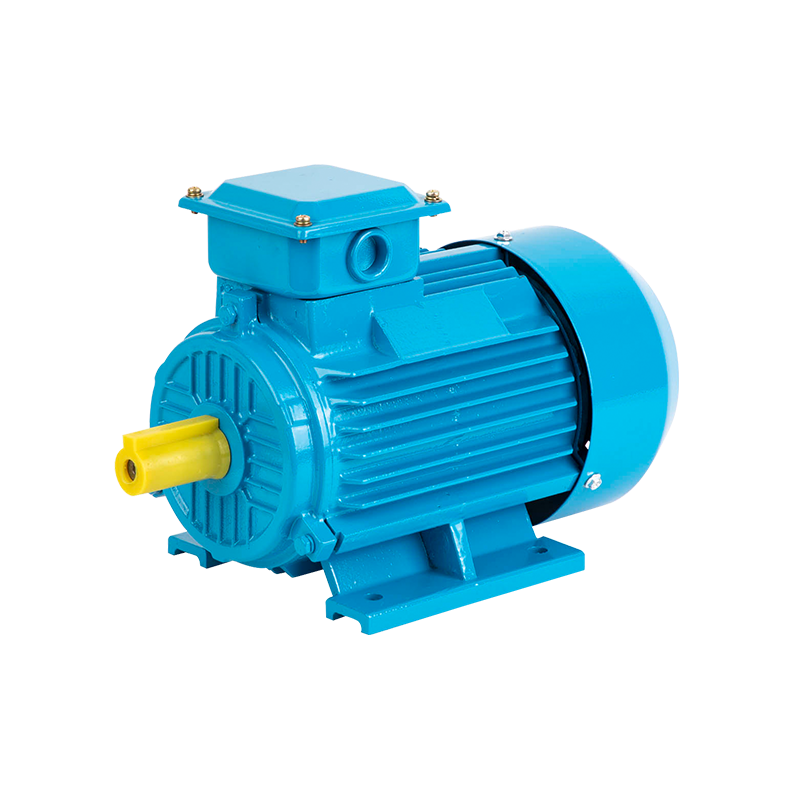
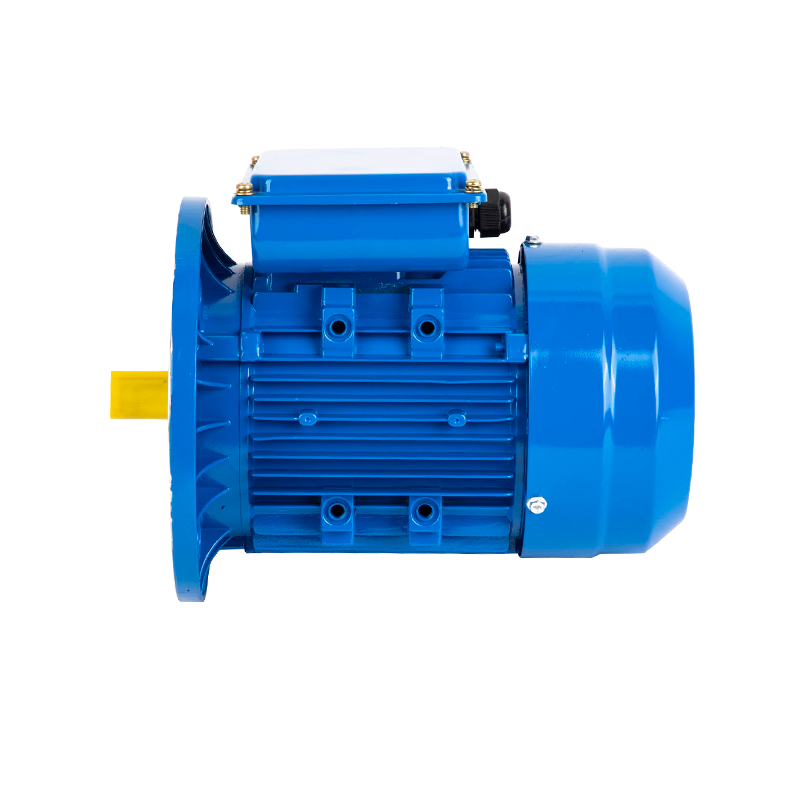
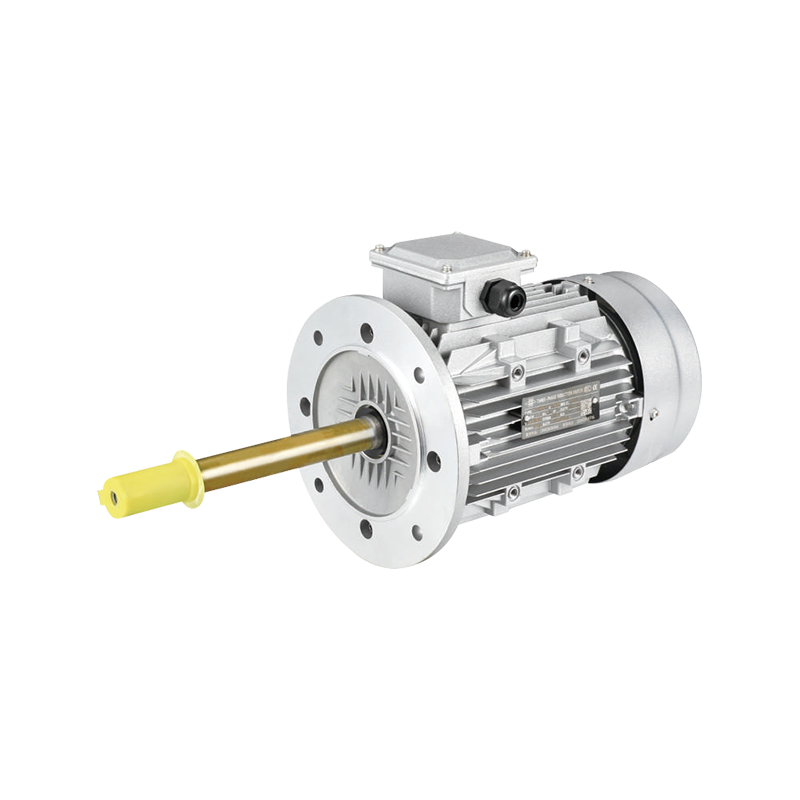
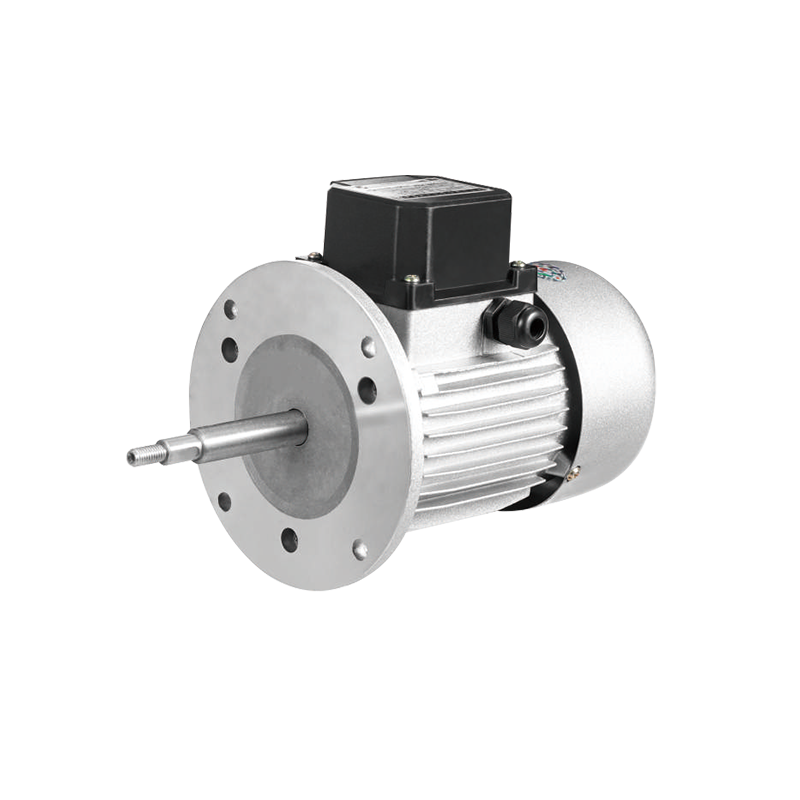
An Aluminum Housing Motor appears in many kinds of industrial equipment because the housing influences heat transfer, structural support, installation, and routine maintenance. Good long-term performance is usually built step by step. Material preparation, machining, assembly, installation, and daily operating conditions all play a part after the motor leaves the production line.
An Electric Motor Factory focuses on producing motors with consistent structure before shipment. After installation, everyday operation continues shaping how the motor performs over time.
Why Material Selection Matters In Long Term Motor Operation
Material selection begins long before the motor is assembled. Every housing supports bearings, rotating parts, and mounting surfaces throughout daily operation. A stable housing helps keep those components working in their intended positions.
Aluminum has become a common housing material because it combines practical strength with relatively low weight. During installation, handling becomes easier, while the completed motor continues providing reliable support for internal parts.
Material preparation also affects long-term stability. Wood, plastic, steel, and aluminum each respond differently to surrounding conditions. For motor housings, aluminum changes very little during normal industrial use, allowing bearings and shafts to remain supported by a stable structure.
Attention is also given to the condition of raw material before machining begins. Small differences at an early stage may influence how accurately finished parts fit together later.
Several practical factors are considered during material selection.
- Stable support for rotating assemblies
- Consistent machining characteristics
- Reliable mounting surfaces
- Suitable structural strength for daily operation
Long service life often begins with careful preparation rather than complicated design.
How Aluminum Housing Supports Heat Movement During Daily Operation
Every operating motor produces heat. Bearings create friction. Electrical parts generate heat while converting energy into movement. Rotating components also contribute as equipment continues running.
Heat naturally moves from warmer areas toward cooler surroundings. Aluminum allows that transfer to happen more easily across the housing surface. Once heat reaches the outside of the motor, surrounding air slowly carries it away.
Housing shape also affects how easily heat leaves the motor. Open space around the housing allows air to move more freely. Dust covering cooling surfaces may slow that process, making routine cleaning part of normal maintenance instead of an occasional task.
Good cooling depends on several conditions working together.
- Open space around the motor
- Clean housing surface
- Steady air movement
- Normal operating load
A cooling system does not rely on one single factor. Material, installation, and the surrounding environment all influence temperature during everyday operation.
Why Housing Weight Matters During Equipment Design
Weight becomes important long before equipment starts working. Designers consider available installation space, supporting structures, transportation, and future maintenance.
A lighter motor can simplify many practical jobs. Moving equipment during installation often becomes easier. Supporting frames carry less load, while maintenance personnel may spend less effort handling replacement parts during servicing.
Compact equipment also benefits from reduced housing weight. Smaller machines often leave little room for installation work, making easier handling a practical advantage throughout the product life cycle.
Weight also affects transportation inside workshops. Lifting equipment, maintenance planning, and machine arrangement all become part of the overall design process.
Practical benefits include:
- Easier positioning during installation
- Lower load on machine structures
- More flexibility when arranging equipment
- Simpler handling during routine maintenance
Weight alone does not determine motor performance, although it influences many practical decisions before the machine enters service.
How Housing Structure Supports Internal Components
Motor housing acts as the supporting framework for many moving parts. Bearings remain fixed inside carefully machined positions while the shaft rotates through the center of the motor.
Stable support helps rotating parts maintain proper alignment. Even small changes in bearing position may influence vibration, operating noise, and long-term wear.
External forces also reach the motor during everyday operation. Nearby machinery may create continuous vibration. Belt tension or connected equipment may apply additional load to mounting points. A rigid housing spreads those forces across the structure instead of allowing them to concentrate around one location.
Protection extends beyond mechanical support. Dust, moisture, and accidental contact are common in many production environments. Housing design helps separate internal components from surrounding conditions during ordinary operation.
Several functions work together.
- Supporting bearing locations
- Maintaining shaft alignment
- Reducing movement caused by external vibration
- Protecting internal assemblies from surrounding conditions
Each function continues working quietly throughout the life of the equipment.
Why Manufacturing Accuracy Influences Long Term Operation
Many operating characteristics begin during production rather than after installation. Machining accuracy influences how well different components fit together once assembly begins.
Housing dimensions affect bearing position, shaft alignment, and mounting surfaces. Small differences may remain unnoticed during assembly, although they can gradually influence operation after long running periods.
Assembly also deserves careful attention. Every internal component depends on surrounding parts for proper support. Balanced positioning helps reduce unnecessary mechanical stress while allowing smoother rotation.
An Electric Motor Factory usually controls several production stages before shipment.
- Material inspection before machining
- Precision processing of housing components
- Careful assembly of rotating parts
- Inspection before packaging
Each production stage contributes a small part to overall motor stability. Long-term operation often reflects the combined result of many accurate manufacturing steps instead of one individual process.
How Electric Motor Factory Maintains Product Consistency
Every completed motor passes through a sequence of production steps before reaching the customer. Material preparation comes before machining. Machining is followed by assembly. Inspection takes place before delivery.
Consistency across those stages helps produce motors with similar structural characteristics.
| Production Activity | Purpose During Manufacturing |
|---|---|
| Material preparation | Improve housing stability |
| Housing machining | Maintain accurate dimensions |
| Assembly | Keep internal parts aligned |
| Surface treatment | Protect housing during use |
| Final inspection | Check overall assembly condition |
Production quality provides the starting point. Stable installation, suitable operating conditions, and routine maintenance continue supporting motor performance long after manufacturing has finished.
How Installation Conditions Influence Everyday Motor Operation
A carefully manufactured motor still depends on correct installation before it can work as intended. Small differences during mounting often remain unnoticed in the beginning. After long operating periods, those differences may slowly influence vibration, temperature, or mechanical wear.
The mounting surface should provide stable support without placing unnecessary stress on the housing. When the motor sits evenly, internal parts continue rotating in a balanced condition. A twisted mounting position may place additional load on bearings and the shaft, causing movement to become less uniform over time.
Alignment between the motor and connected equipment also deserves attention. Couplings, belts, or other transmission parts work more smoothly when rotational centers remain properly positioned. Even slight offset can create continuous side force during operation.
Several installation details are checked before normal production begins.
- Secure fastening of mounting points
- Stable support beneath the motor
- Proper alignment with connected equipment
- Enough space around the housing for air movement
- Electrical connections arranged without pulling on the motor body
Care taken during installation often reduces unnecessary adjustment later in the service life.
How Working Environment Affects An Aluminum Housing Motor
Industrial equipment rarely operates under identical surroundings every day. Temperature, ventilation, airborne dust, and moisture all change with the working environment. Although the motor continues performing the same task, surrounding conditions may influence how internal parts respond over time.
Dust is a common example. Fine particles can settle on the outer surface of the housing and gradually reduce the movement of heat into the surrounding air. Cleaning the exterior during routine maintenance helps keep the cooling surface open.
Air circulation also deserves attention. Equipment placed in narrow spaces may receive less natural airflow than machines installed in open production areas. Allowing enough space around the housing helps heat move away more easily.
Humidity can also influence long-term operation. A clean and reasonably dry environment helps protect both mechanical and electrical components throughout daily use.
Several environmental conditions are worth observing.
- Airflow around the motor
- Dust collecting on the housing
- Moisture in the surrounding area
- Changes in operating temperature
- Cleanliness around ventilation openings
No production environment remains completely unchanged. Regular observation helps small changes become easier to notice before they affect normal operation.
Common Changes Seen During Long Term Operation
A motor that has worked continuously for many years often shows gradual changes rather than sudden failure. Small differences usually appear long before operation becomes unstable.
Surface condition may change because of ordinary working environments. Dust, light contact during maintenance, and normal aging all leave small marks on the housing. Such changes usually affect appearance more than function.
Operating sound may also change slowly. Bearings naturally wear during long service periods, making careful listening part of routine inspection. Slight vibration differences may appear as connected equipment ages or operating conditions change.
Some commonly observed signs include:
- Housing becoming warmer than usual under the same operating load
- Slight changes in operating sound
- Small differences in vibration during rotation
- Dust collecting around cooling surfaces
- Looser mounting hardware after long service periods
Observing gradual changes often provides more useful information than waiting until a noticeable problem develops.
How Routine Maintenance Supports Stable Operation
Regular maintenance is generally based on simple inspection rather than complicated procedures. Small tasks completed at suitable intervals often help maintain steady operating conditions.
Cleaning remains one of the easiest maintenance activities. Removing dust from the housing allows air to move more freely around cooling surfaces. Fasteners can also be checked during routine inspection, since continuous vibration may gradually reduce clamping force.
Bearings deserve regular attention as well. Unusual sound, increased vibration, or changes in running temperature often indicate that closer inspection is worthwhile.
Daily maintenance may include:
- Cleaning the housing surface
- Removing dust around ventilation areas
- Checking mounting bolts
- Listening for unusual operating sounds
- Watching for changes in vibration during operation
Routine inspection does not eliminate normal wear. It simply helps identify gradual changes before they influence the surrounding equipment.
Where Aluminum Housing Motor Is Commonly Applied
Different industries place different demands on electric motors, yet many applications share similar operating conditions. Long running periods, repeated starting and stopping, and continuous mechanical load are all common in everyday production.
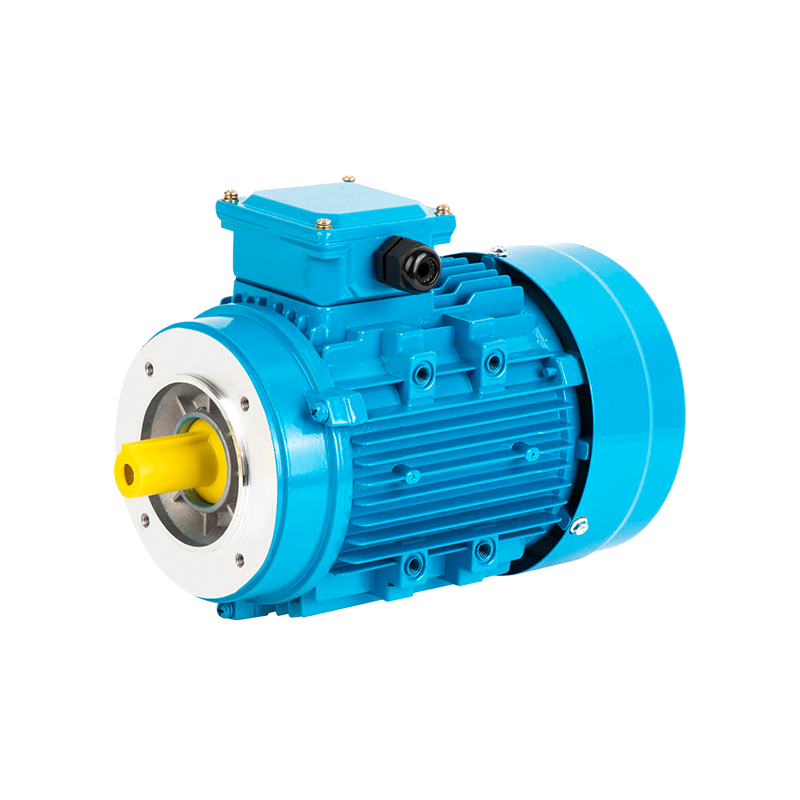
An Aluminum Housing Motor is often selected for equipment where stable operation, manageable weight, and convenient installation are important practical considerations.
Common application areas include:
- Material conveying equipment
- Ventilation systems
- Pumps handling routine fluid movement
- Production machinery with repeated operating cycles
- Automated equipment requiring continuous motion
Although each application has its own operating environment, the basic requirements remain similar. Stable structure, controlled temperature, and regular maintenance continue supporting reliable operation.
How Material Manufacturing Installation And Maintenance Work Together
Long-term motor performance develops through the combined influence of several connected stages. Material selection provides the starting point. Manufacturing shapes the housing and internal structure. Installation places the motor into its working environment. Daily operation and routine maintenance continue affecting performance throughout the service period.
An Electric Motor Factory prepares the product before delivery, while equipment operators influence later operating conditions through installation quality and regular inspection. Neither stage works independently.
A stable housing supports rotating components. Accurate assembly helps maintain alignment. Suitable installation reduces unnecessary mechanical stress. Routine maintenance keeps cooling surfaces clean and allows small changes to be noticed before they become larger concerns.
For many industrial systems, dependable operation is built gradually through ordinary attention to detail. Small actions carried out consistently often have a greater influence on long-term performance than major repairs carried out after problems have already appeared.


