 English
 Español



Building 1, Block 4, Wufeng Industrial Park, Daxi Town, Taizhou City, Zhejiang Province, China
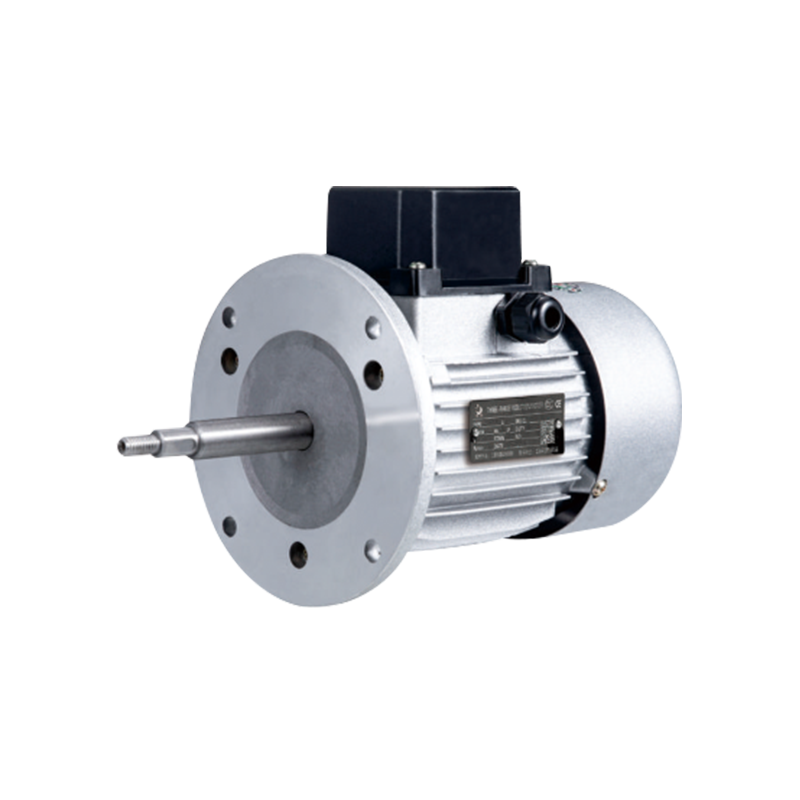
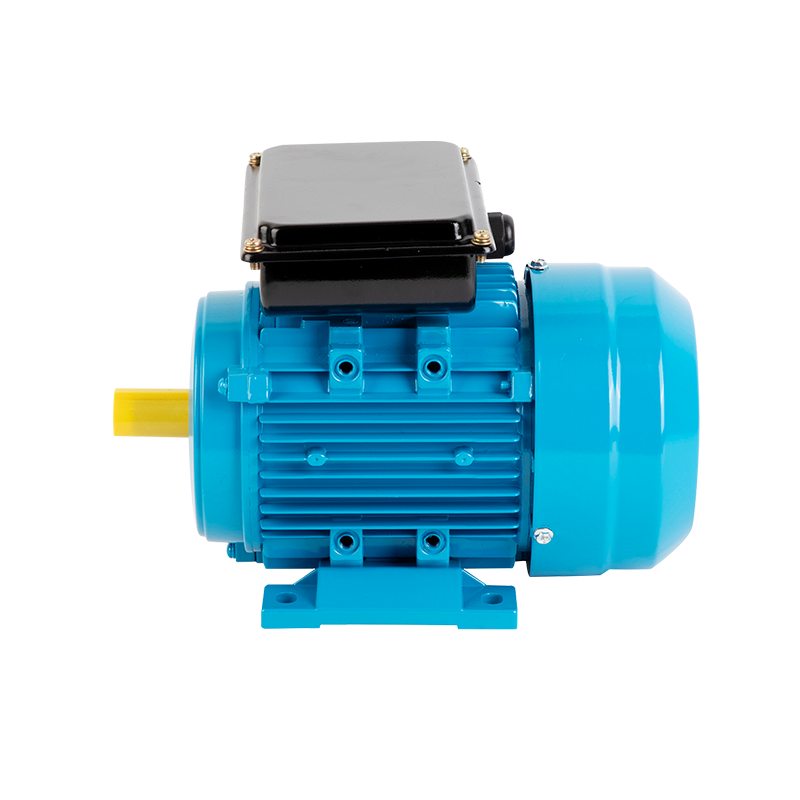
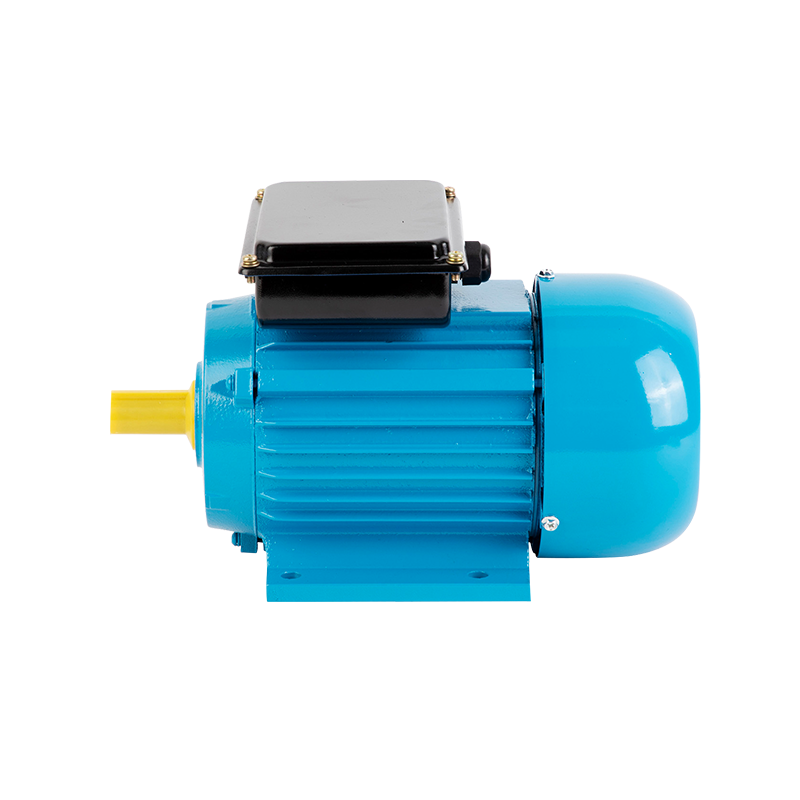
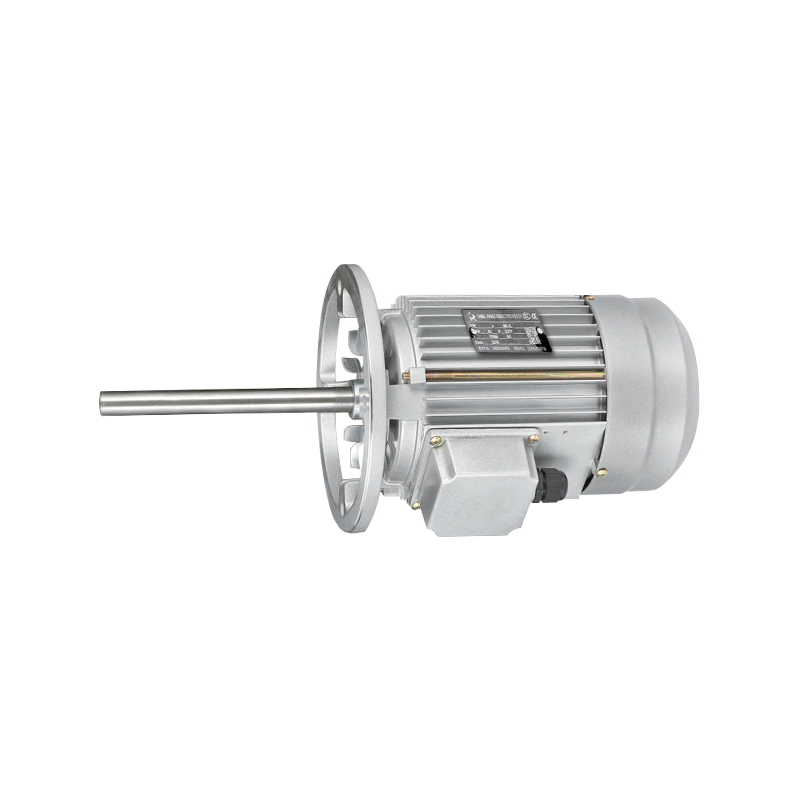
Open up any piece of automated equipment and a motor sits somewhere inside. That motor might look like any other, though the details tell a different story. Standard motors come off production lines by the thousands, each one identical to the next. Custom motors take a different path.
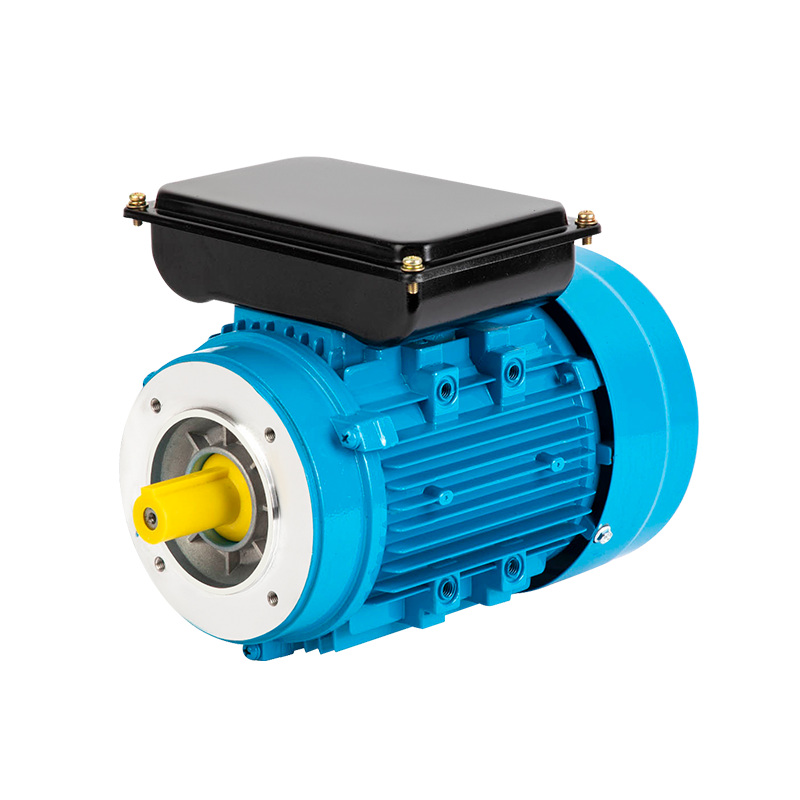
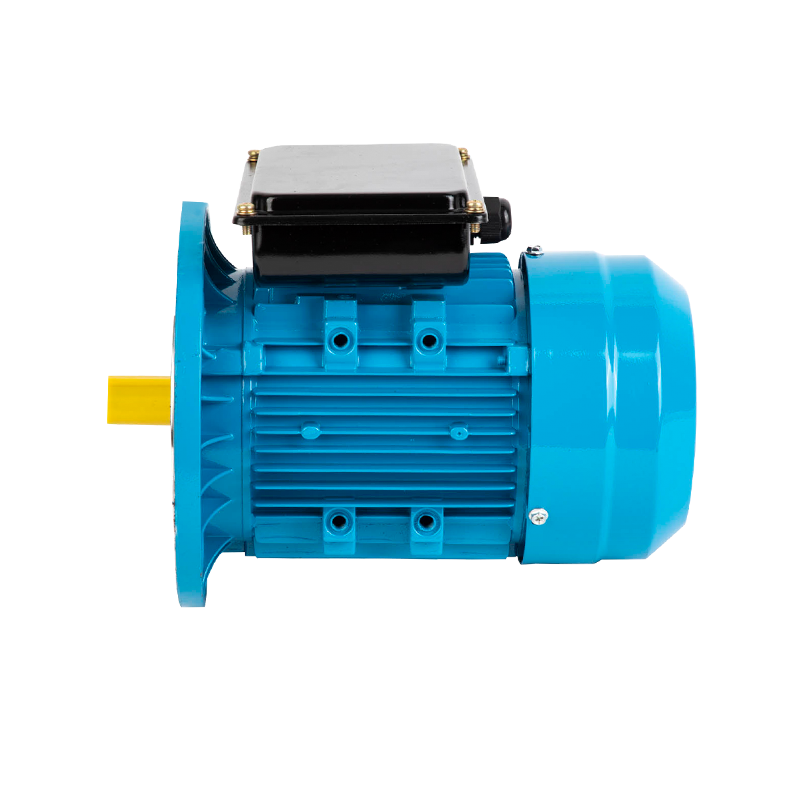
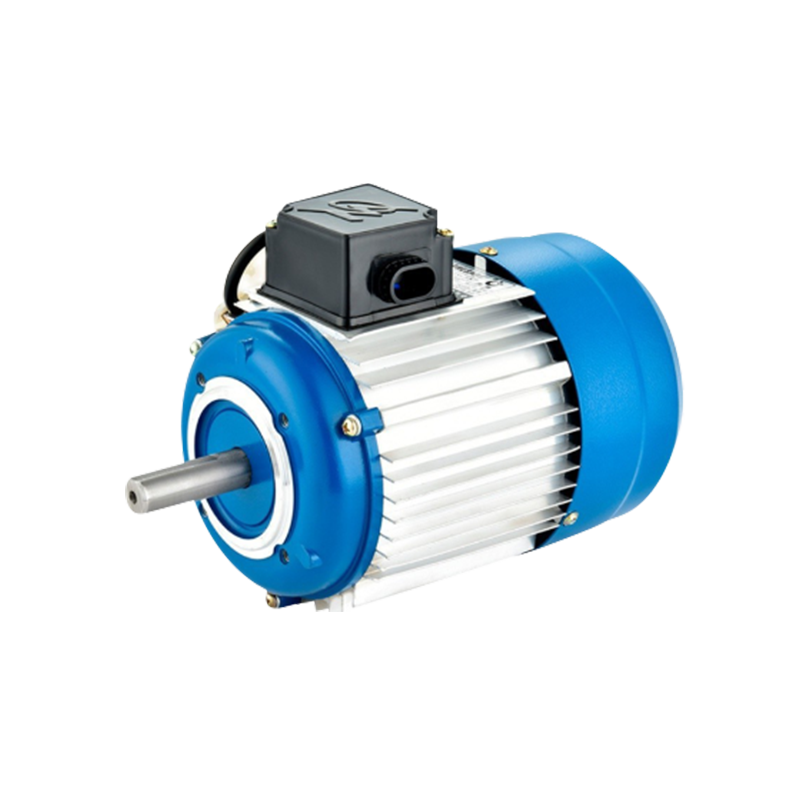
A Custom Electric Motor design starts with a question. What does this specific machine need? The answer drives every decision about the motor. Space constraints might force a shorter frame. Speed requirements might call for unusual winding configurations. The operating environment might demand special sealing.
The process moves from requirements to drawings, then from drawings to prototypes. Each step refines the design. The final motor fits the application because it was built for that application. Off-the-shelf solutions cannot match that level of fit.
Standard motors work well for standard applications. When the application deviates from standard, the motor needs to deviate as well. That deviation is what custom motor design delivers.
What Role Do Custom Electric Motor Factories Play in Custom Design
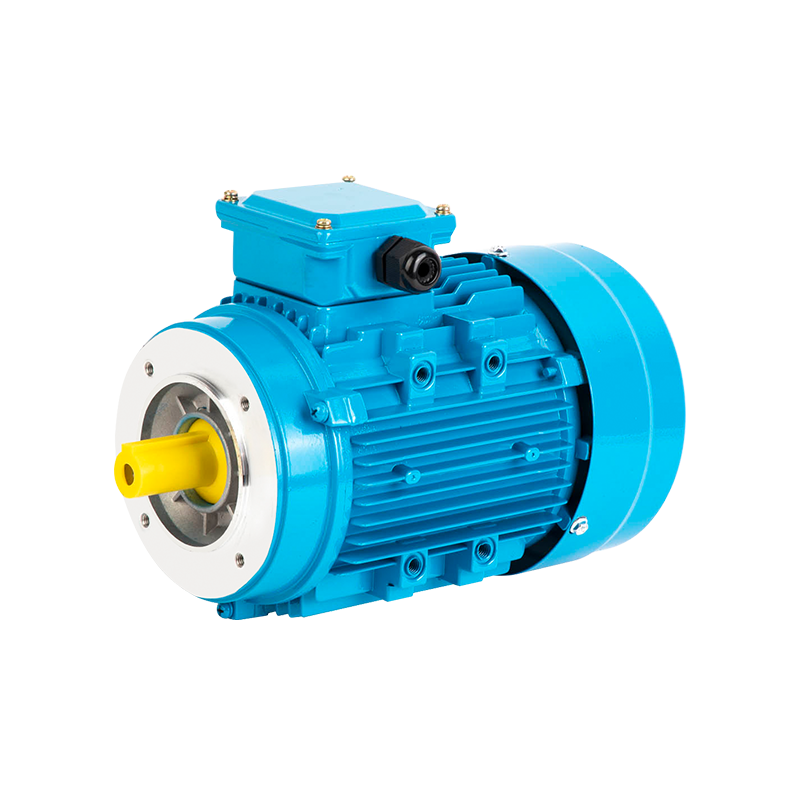
An Electric Motor Factory that takes on custom work operates differently from one that only produces standard models. Engineering becomes a central function. The factory needs people who can translate customer needs into motor specifications. Those people need to understand both motor design and application requirements.
The production side faces its own challenges. Custom motors use parts that may not be standard inventory. The assembly sequence might differ from standard production. Workers need to adapt to those differences while maintaining quality.
Testing custom motors requires flexibility as well. Each new design needs verification. The performance tests, temperature checks, and durability trials all get tailored to the specific application. A custom motor factory cannot just run a standard test routine and call it done.
The factory and the customer stay in contact after the motor ships. Questions come up during installation. Performance concerns might appear during startup. The Electric Motor Factory provides the support that ensures the motor works as intended.
Why Do Automation Systems Require Specialized Motors
Automation changes the rules for motor selection. Precision matters more than raw power. The motor needs to move exactly when commanded, to exactly the right position, at exactly the right speed. Standard motors can handle some of those demands, though they often fall short.
The space inside automation equipment disappears quickly. Motors, sensors, and controls all compete for room. A standard motor might be the wrong shape or too large. Custom designs fit into the available space without compromising performance.
The duty cycle in automation looks different than in many other applications. Motors start and stop frequently. They might need to hold position without power. They might reverse direction many times per minute. Standard motors are not always built for those conditions.
Downtime carries a high cost in automation. A motor failure stops the line. The custom motor can include features that improve reliability for the specific duty cycle. That reliability translates to fewer stops and more production.
How Do Special Equipment Needs Drive Custom Motor Design
Special equipment covers a broad range of machines that do unusual things. Medical devices position patients. Laboratory instruments handle samples. Packaging equipment wraps products at high speed. Each type of equipment has motor needs that standard products cannot meet.
The environment plays a role. Some equipment operates in sterile conditions that prohibit certain materials. Some runs in vacuum chambers where outgassing matters. Some gets washed down with high-pressure water at the end of each shift. A custom motor can be built to handle those conditions.
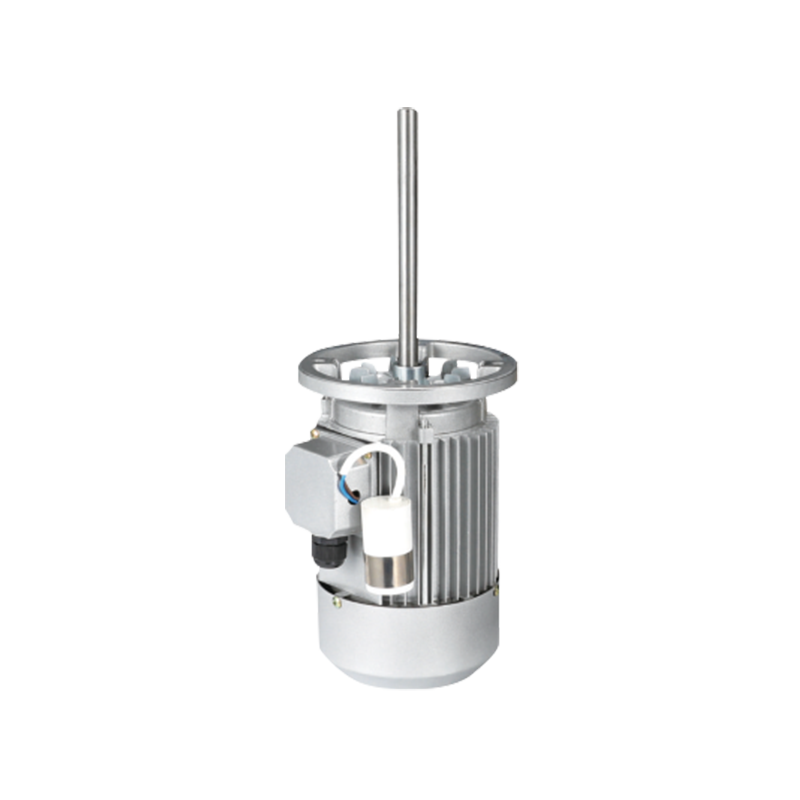
Mounting requirements often differ from standard frames. The motor might need to sit vertically or at an angle. It might need to mount inside the equipment rather than on a separate base. Custom designs accommodate those requirements.
The integration with other components also drives custom design. The motor might need to include a position sensor, a connector, or a cooling system. Those elements can be built into the custom motor assembly.
What Performance Parameters Get Customized in Motor Design
The torque-speed relationship can be shaped to match the load. Some applications need high torque at low speed for starting heavy loads. Others need constant power across a range of speeds. The motor design can deliver the shape that the application requires.
Power supply compatibility gets addressed in custom designs. Standard motors match standard voltages. Custom motors can match the voltage available in the equipment. That matching eliminates the need for extra power conversion equipment.
| Parameter | What Can Be Changed | Why It Matters |
|---|---|---|
| Speed range | Adjusted up or down | Matches process needs |
| Torque output | Shaped for the load | Proper acceleration |
| Frame dimensions | Fits available space | Equipment integration |
| Mounting type | Matches equipment | Simple installation |
| Protection level | Suits the environment | Longer motor life |
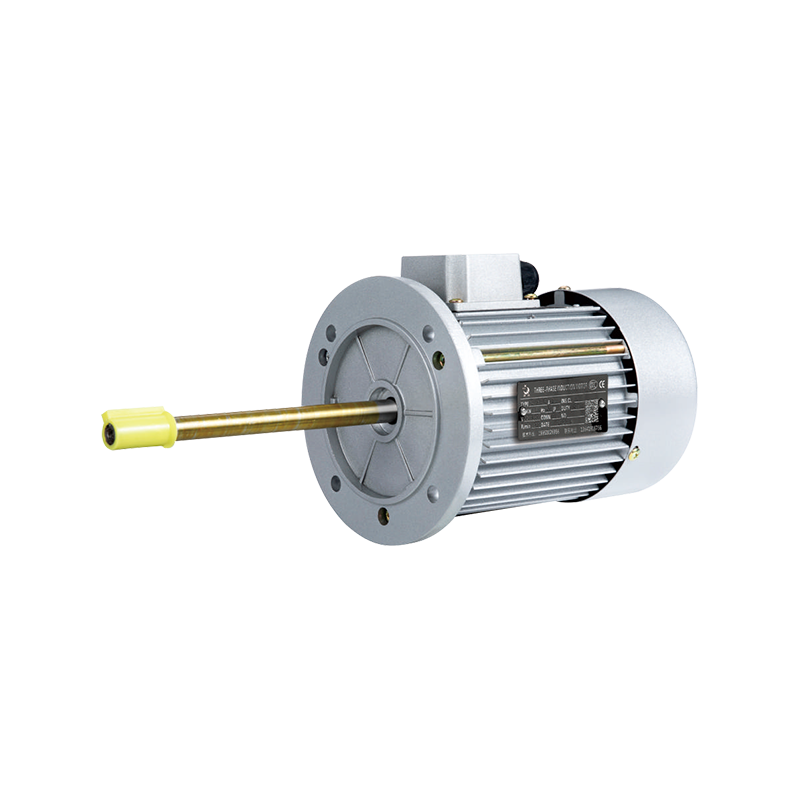
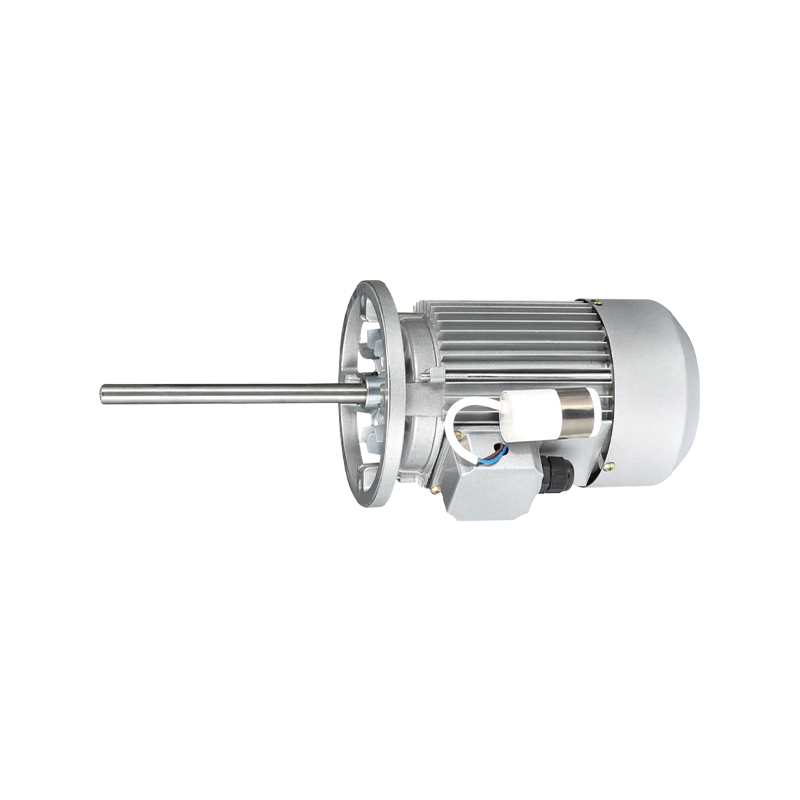
The physical form of a custom motor can be adapted to fit the equipment. The motor might need to be shorter, longer, or a different shape than standard offerings. The shaft might need a specific diameter or length. These physical characteristics get designed for the application.
Cooling gets attention in custom designs. Standard cooling methods may not work in tight spaces or harsh environments. Liquid cooling, special air paths, or other approaches can be incorporated into the design.
The insulation system needs to match the electrical and thermal conditions. Higher temperatures require more robust insulation. Moisture exposure needs moisture-resistant materials. The custom design includes the appropriate insulation for the conditions.
How Does Environmental Protection Factor Into Custom Design
Motors live in all kinds of places. Some sit in clean, climate-controlled rooms. Others work outdoors through rain and dust. Still others operate in washdown areas where water sprays across equipment at the end of each shift. The environment shapes what a motor needs to survive.
Temperature presents one set of challenges. High ambient heat reduces a motor's ability to cool itself. The insulation ages faster. Bearings run hotter. Low temperatures cause different problems—lubricants thicken, seals stiffen, and startup becomes harder. A motor built for a freezer room differs from one built for a foundry.
Moisture finds its way into motors through seals and openings. Condensation forms when warm motors cool down in humid air. Water ingress helps to insulation failure and corrosion. Custom designs address moisture through sealing materials, drainage paths, and coatings that resist water.
Dust and chemicals create their own issues. Abrasive particles wear bearings and insulation. Corrosive gases attack metal parts. Food processing plants require washdown capability. A custom motor can include the right protection level for the specific environment.
An Electric Motor Factory works with the customer to identify environmental risks. The motor then gets designed with the sealing, materials, and coatings that address those risks.
What Efficiency Considerations Apply to Custom Motors
Efficiency matters for a simple reason—wasted energy costs money. A motor that runs for hours every day consumes significant power over its service life. The difference between a good motor and a better motor can translate to real savings.
Custom designs allow targeted efficiency improvements. The motor can be optimized for the actual operating point rather than a broad range. The efficiency at the specific speed and load of the application can be higher than a general-purpose motor.
The duty cycle affects efficiency decisions. A motor running continuously sees every efficiency gain multiplied across many hours. A motor running intermittently might not benefit as much from efficiency improvements because the operating time is shorter.
Trade-offs exist between efficiency and other characteristics. Higher efficiency might require more copper in the windings, which changes the motor size. It might require different lamination materials that cost more. The custom design balances efficiency against other requirements.
The operating profile matters for efficiency as well. Some applications run at a single speed all day. Others vary speed frequently. The motor design can be optimized for the actual operating profile rather than assumed conditions.
How Do Custom Motors Reduce Downtime in Automation
Downtime stops production. Every minute of stopped equipment costs money in lost output and idle labor. Motors contribute to downtime when they fail or when they need maintenance.
A motor correctly sized for the application lasts longer. Overloaded motors run hot and fail early. Underloaded motors operate inefficiently but do not necessarily fail sooner. The right sizing reduces thermal stress on the motor components.
Custom designs avoid failure modes common in misapplied standard motors. A standard motor used in an intermittent duty application might overheat during frequent starts. A custom design with proper thermal capacity handles the duty cycle.
Maintenance requirements can be reduced through custom design. Bearings sized for the actual loads last longer. Insulation chosen for the thermal conditions resists breakdown. The custom motor may run longer between maintenance intervals.
The Electric Motor Factory can provide guidance on maintenance practices for custom motors. The operator learns what to check and when. That knowledge helps catch small problems before they become failures.
What Economic Factors Influence Custom Motor Decisions
The initial cost of a custom motor exceeds that of a standard motor. Engineering time, prototyping, and specialized production all add expense. The question is whether the added performance justifies the added cost.
Longer service life can offset higher initial cost. A motor that lasts twice as long costs half as much per year of service. The custom motor, designed for the application, may outlast several standard motors that get replaced when they fail.
Reduced downtime adds value. A production line that does not stop saves money. The custom motor that avoids a failure every year pays for itself in avoided downtime.
| Economic Factor | Custom Motor Impact | When It Matters Most |
|---|---|---|
| Initial purchase price | Higher | Budget-sensitive projects |
| Service life | Longer | Continuous operation |
| Downtime cost | Reduced | High-value production |
| Energy consumption | Optimized | High-running hours |
| Maintenance frequency | Lower | Hard-to-access locations |
Energy savings from efficiency improvements add up over the motor's life. A small efficiency gain, multiplied by thousands of operating hours, becomes a meaningful cost reduction. The custom motor can be optimized for efficiency at the actual operating point.
The value of application-specific performance may be difficult to quantify but still matters. A motor that provides better control, smoother operation, or more precise positioning improves the overall equipment performance.
What Factors Guide the Decision to Specify a Custom Motor
The choice between custom and standard motors involves several considerations. Each application has its own answers.
The availability of suitable standard motors provides the starting point. If a standard motor meets the requirements, custom design may not be necessary. The search for standard motors should be thorough before committing to custom design.
Performance requirements that cannot be met by catalog products point toward custom design. Speed ranges outside standard offerings, unusual mounting configurations, or special environmental protection all suggest custom solutions.
The volume of motors needed affects the economics. A single motor for a prototype carries high development cost per unit. A production run of motors spreads the development cost across more units, making custom design more affordable.
The decision comes down to balance. What does the application need? What is available? What does it cost? The answers to those questions guide the choice between custom and standard motor solutions.


