 English
 Español



Building 1, Block 4, Wufeng Industrial Park, Daxi Town, Taizhou City, Zhejiang Province, China
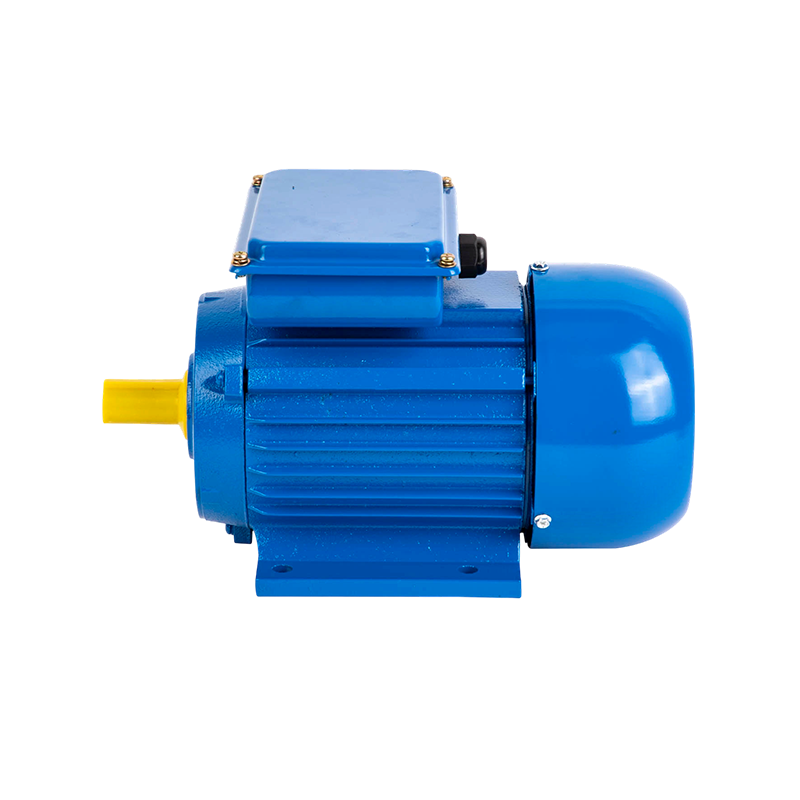
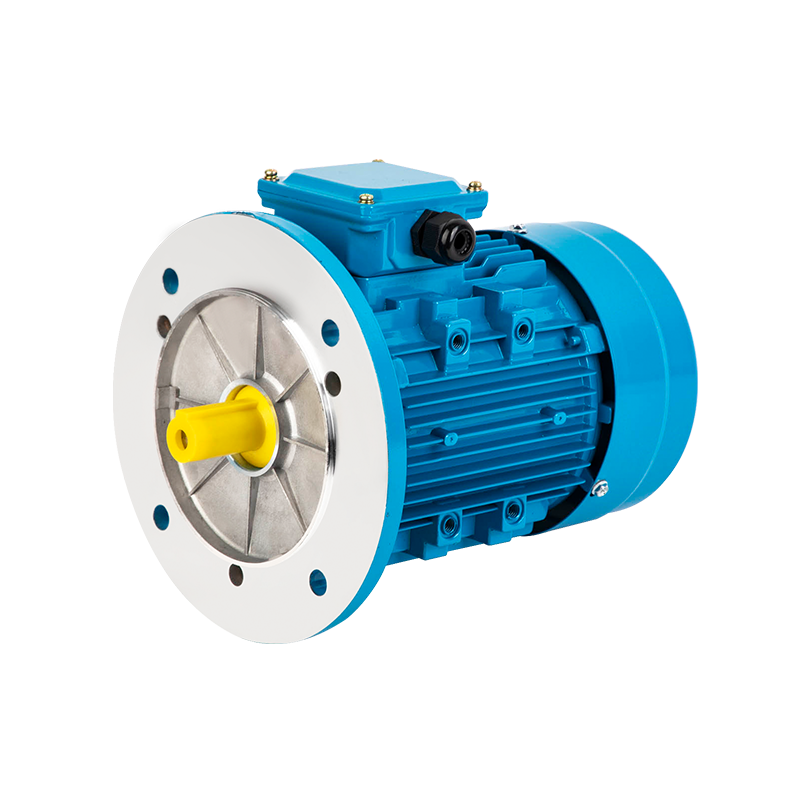
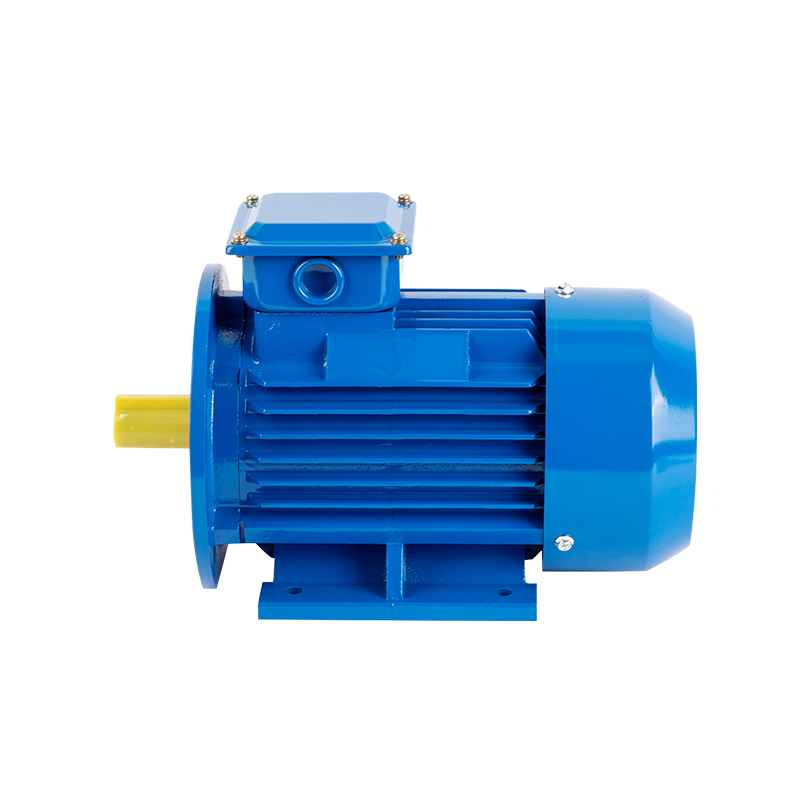
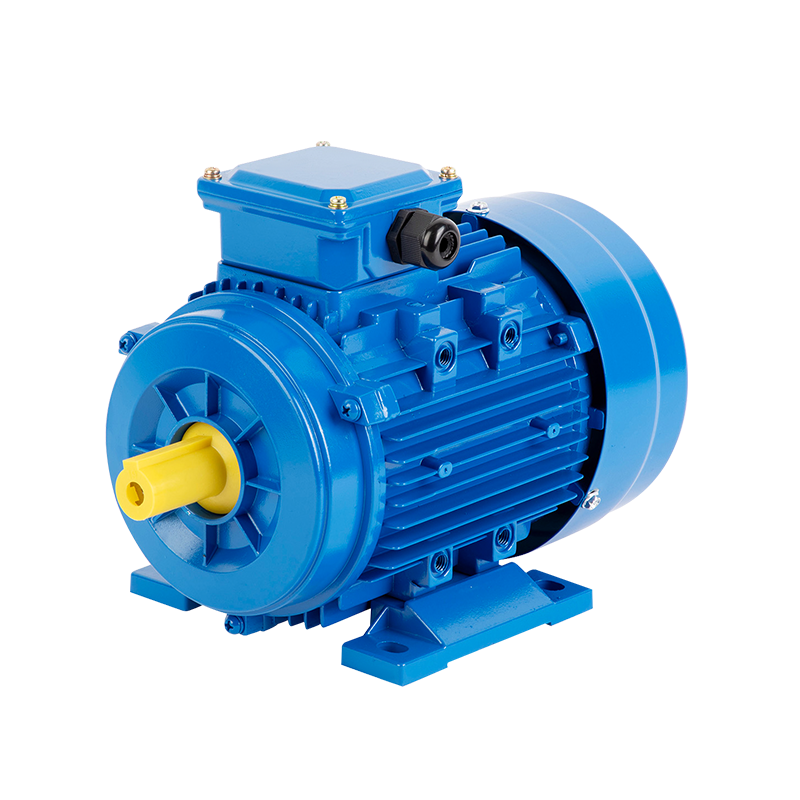
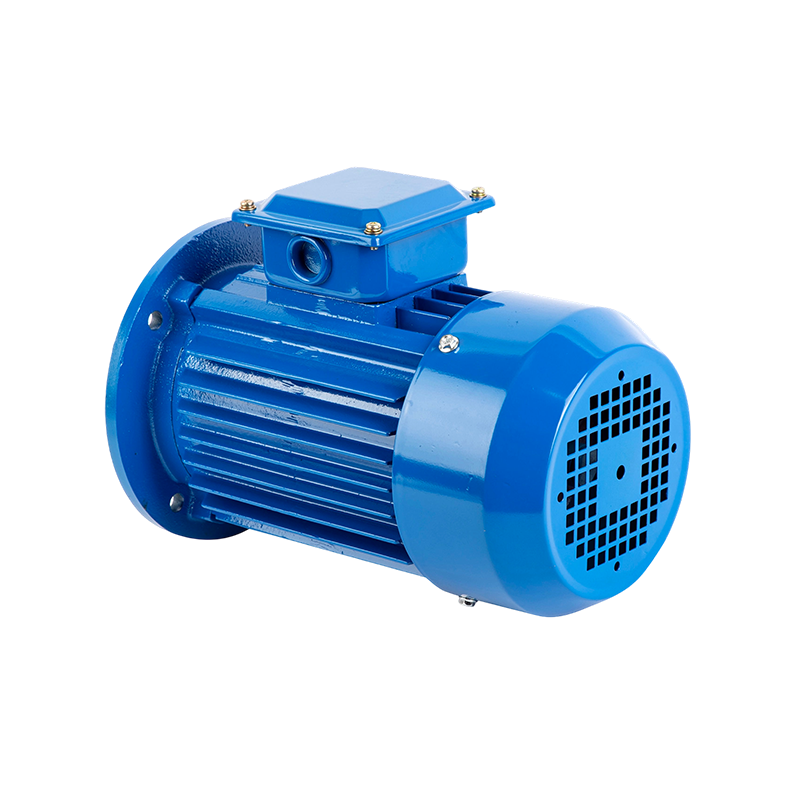
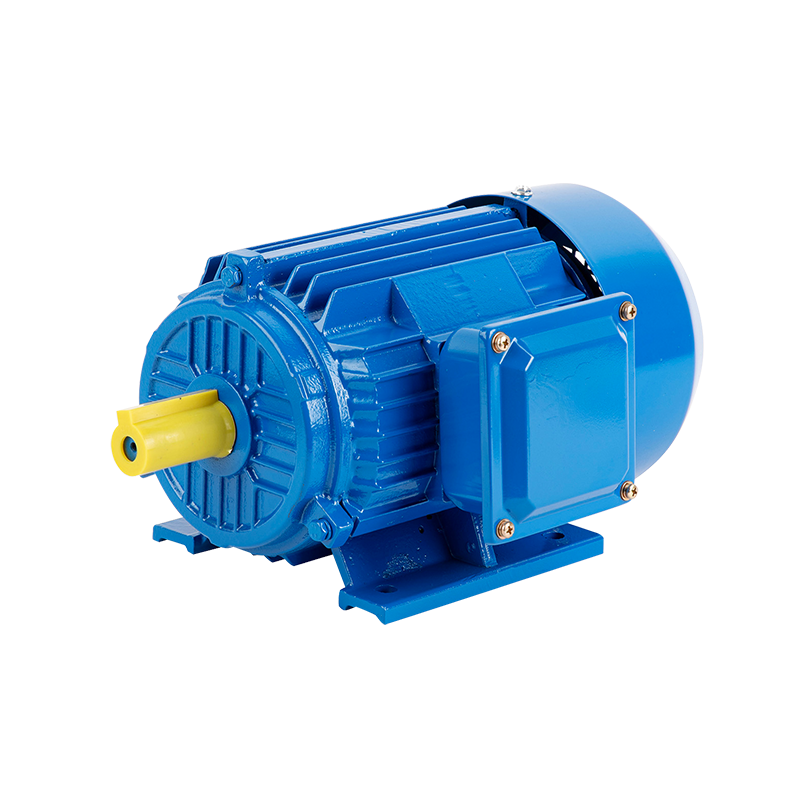
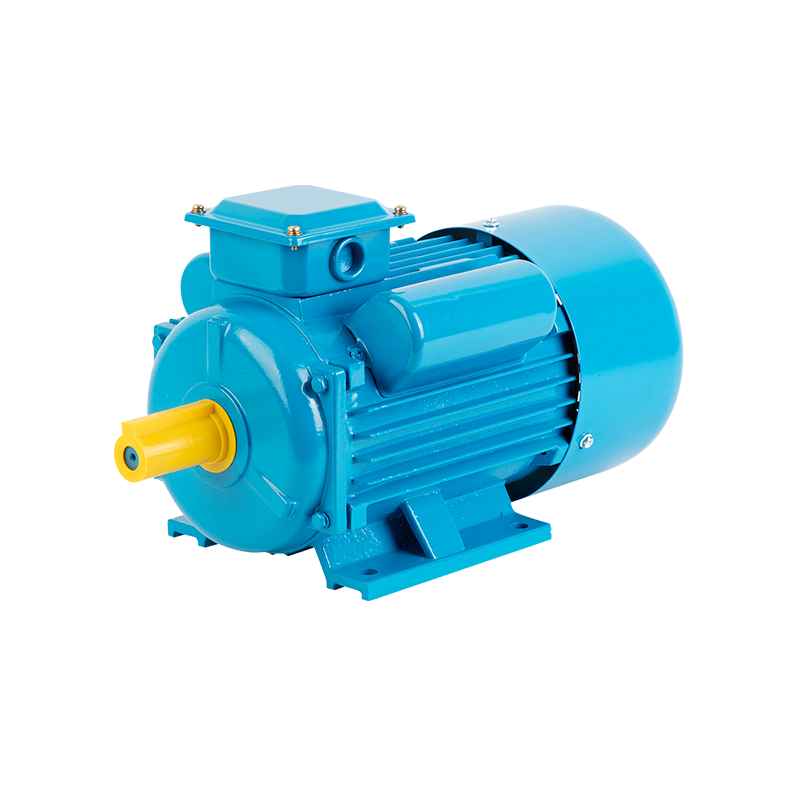
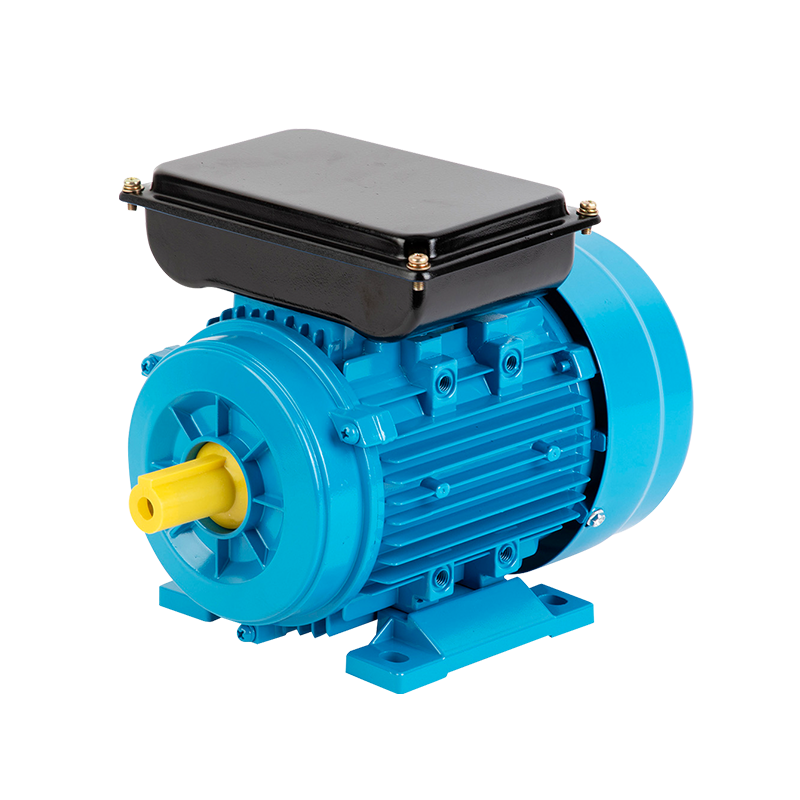
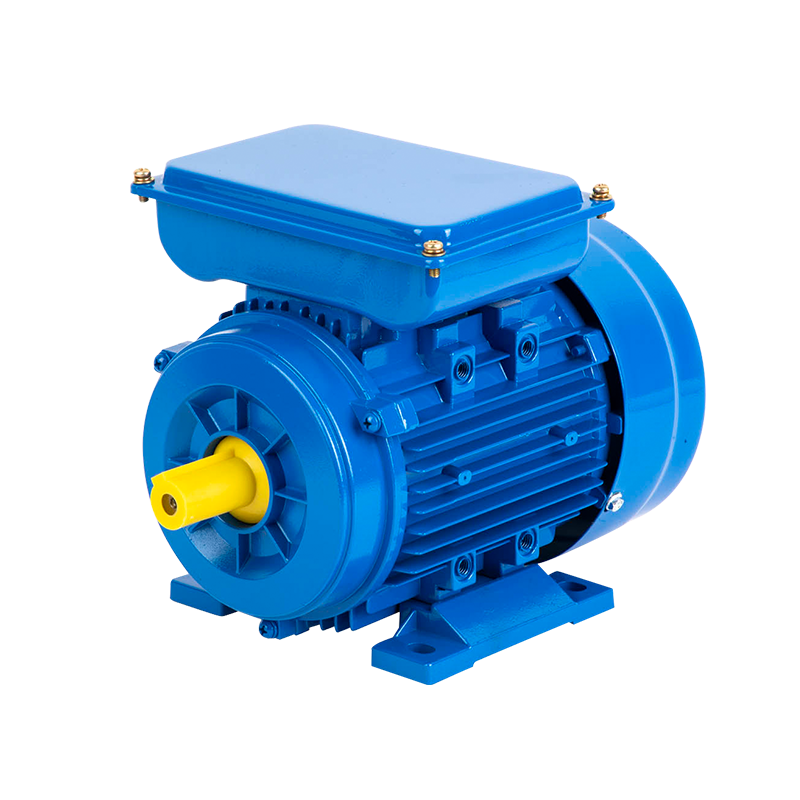
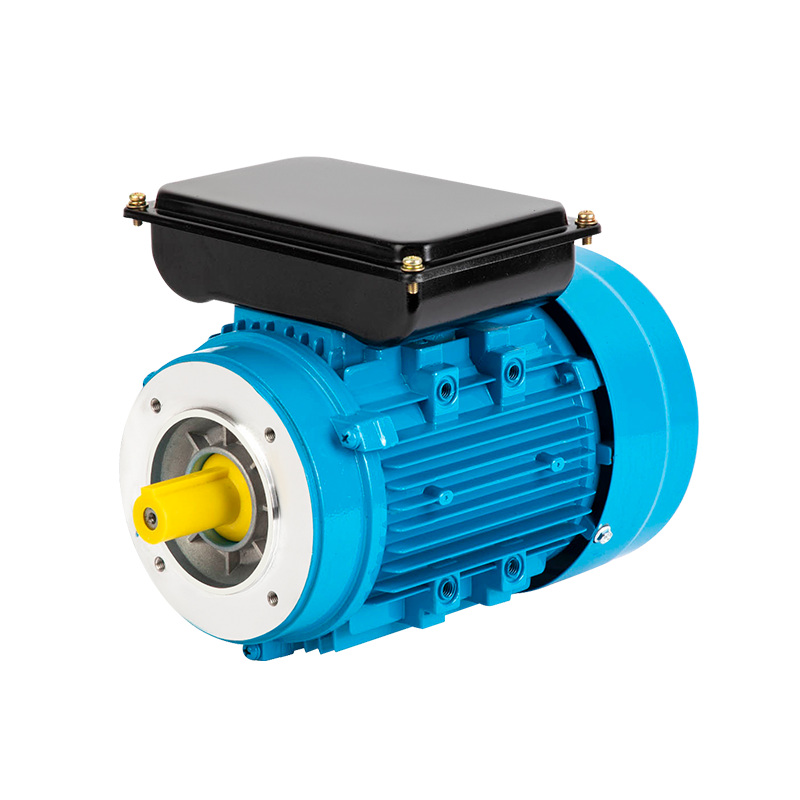
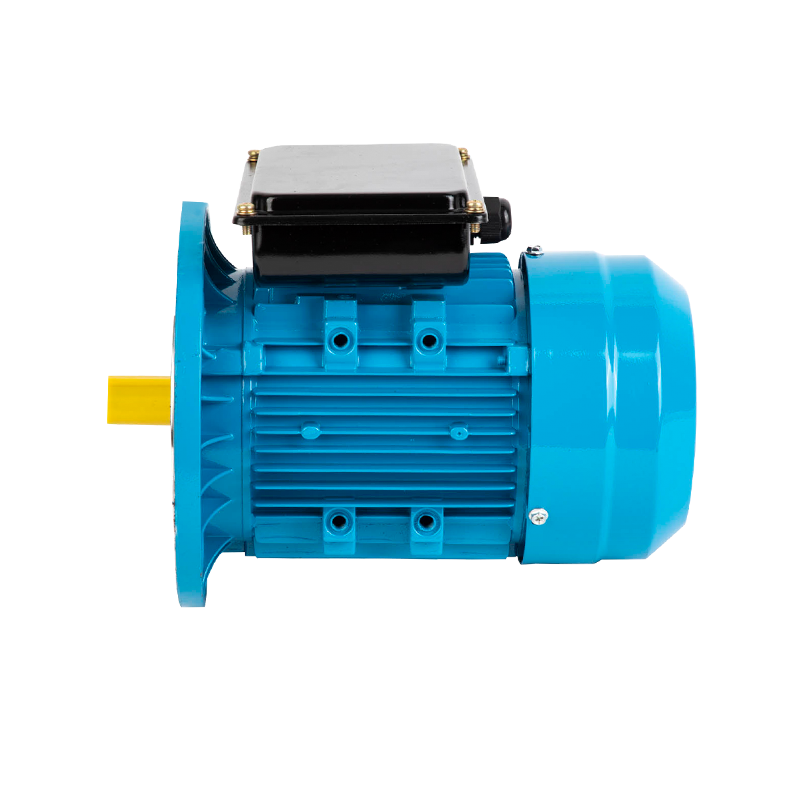
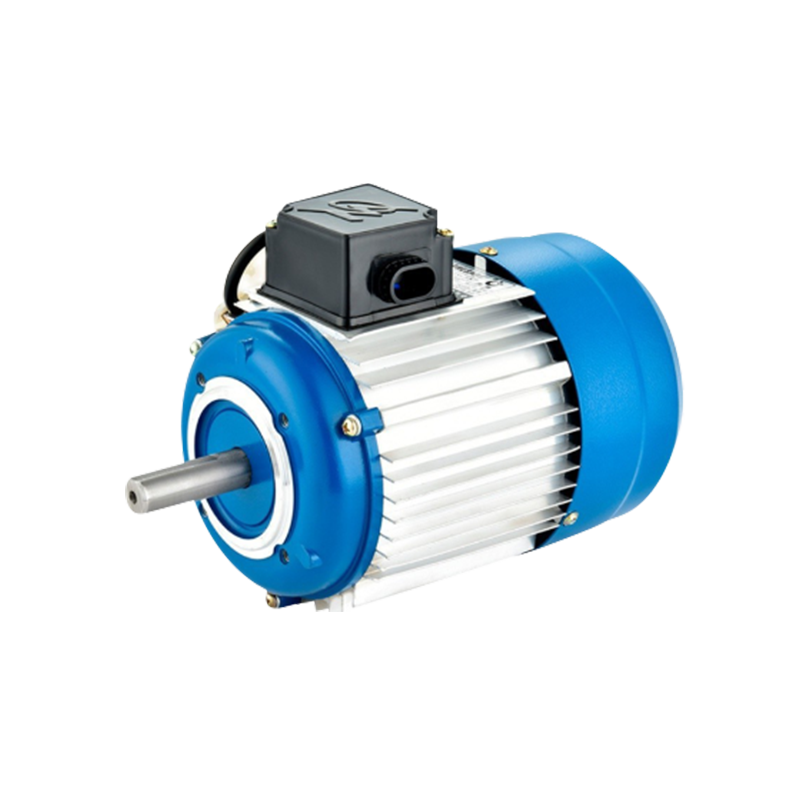
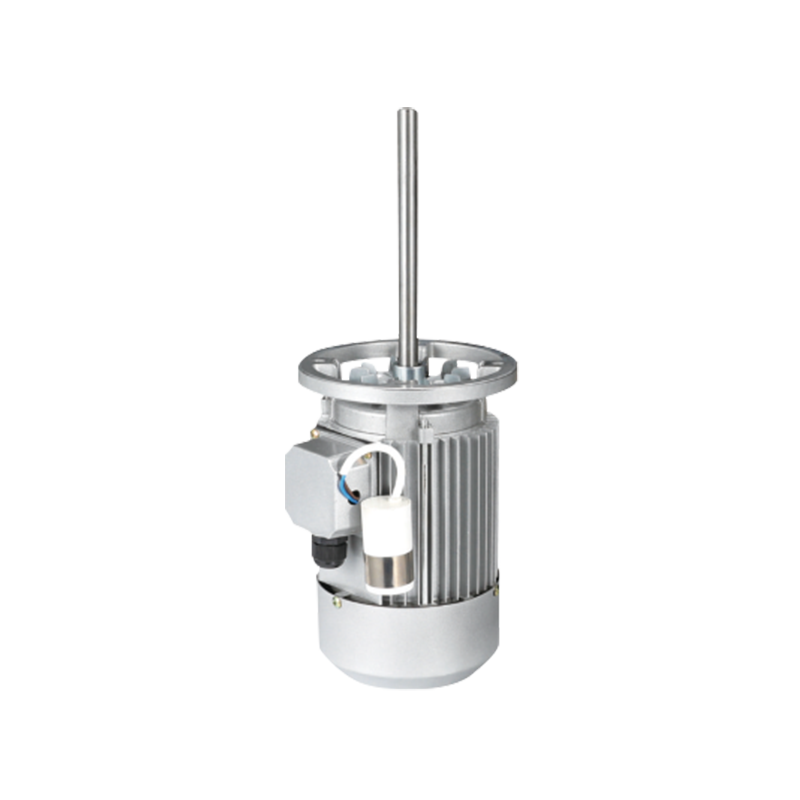
A Single Phase AC Motor Manufacturer specializes in producing motors designed for applications where three-phase power is not available. These motors are commonly used in household appliances, small machinery, pumps, fans, and other equipment requiring reliable single-phase electricity. Choosing the right manufacturer is important for both residential and industrial users because it affects motor efficiency, durability, and long-term performance.
Key Features to Look For
When evaluating a Single Phase AC Motor Manufacturer, there are several critical aspects to consider:
- Motor Quality: High-quality motors are built with durable materials, precise windings, and balanced rotors. This ensures smooth operation and reduces the risk of overheating or mechanical failure.
- Range of Products: Manufacturers offering a variety of motor sizes, power ratings, and mounting options can better serve diverse applications, from small domestic pumps to industrial machinery.
- Energy Efficiency: Efficient motor design reduces electricity consumption and helps maintain stable operation over extended periods. Some manufacturers also provide guidance on selecting motors that suit specific operational needs.
- Technical Support: A reliable manufacturer provides support for installation, troubleshooting, and maintenance, which is essential for both home users and industrial operators.
Applications Across Industries
Single Phase AC Motor Manufacturers supply motors for a wide range of applications. In homes, these motors power fans, water pumps, washing machines, and small compressors. In industries, they are used in light machinery, conveyor systems, small pumps, and other equipment where three-phase supply is unavailable. Understanding the manufacturer's product range helps users select the right motor for their specific requirements.
Maintenance and Reliability
Even with motors from a trusted Single Phase AC Motor Manufacturer, proper installation and maintenance are essential:
- Installation Guidelines: Follow the manufacturer's recommendations to ensure correct alignment, voltage matching, and mounting.
- Routine Inspections: Regularly check bearings, windings, and electrical connections to detect potential issues early.
- Avoid Overloading: Running a motor beyond its rated capacity can reduce efficiency and shorten service life.
Manufacturers that provide clear manuals, technical support, and spare parts access make it easier for users to maintain reliable operation.
Choosing the Right Manufacturer
When selecting a Single Phase AC Motor Manufacturer, consider factors such as experience in the field, product certifications, customer references, and after-sales support. A manufacturer with a proven track record can ensure consistent product quality and timely delivery. For industrial users, suppliers offering customizations or a wide product range can address unique operational requirements.
Long-Term Advantages
Working with a dependable Single Phase AC Motor Manufacturer ensures consistent performance and minimizes downtime. Efficient and durable motors reduce maintenance costs and energy consumption. Home users benefit from reliable appliances, while industrial users maintain smooth production processes. Over time, the right manufacturer provides both economic and operational advantages, making the choice of supplier a critical decision.
A Single Phase AC Motor Manufacturer is more than a product provider; they are a partner in achieving reliable motor operation. By evaluating product quality, energy efficiency, technical support, and supplier credibility, users can select motors that meet their specific needs. From household appliances to industrial machinery, choosing the right manufacturer ensures consistent performance, longer motor lifespan, and lower operational risks.


