 English
 Español



Building 1, Block 4, Wufeng Industrial Park, Daxi Town, Taizhou City, Zhejiang Province, China
Energy efficiency is becoming a more important part of electric motor selection. For equipment manufacturers, distributors, and industrial buyers, choosing a motor is no longer only about whether it can provide the required power. Energy use, operating conditions, maintenance needs, equipment design, and changing market requirements can all affect the final decision.
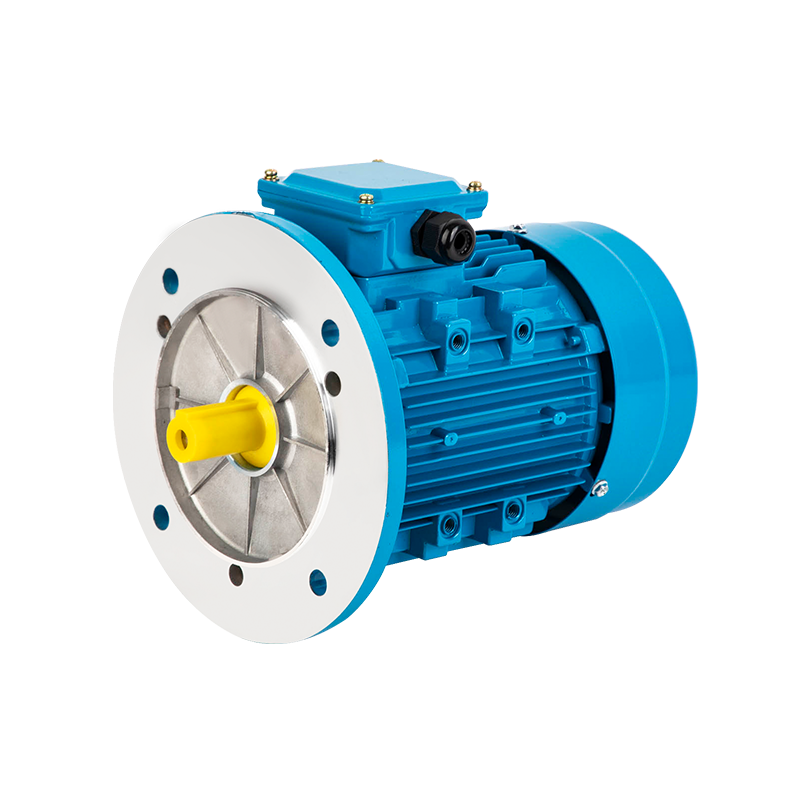
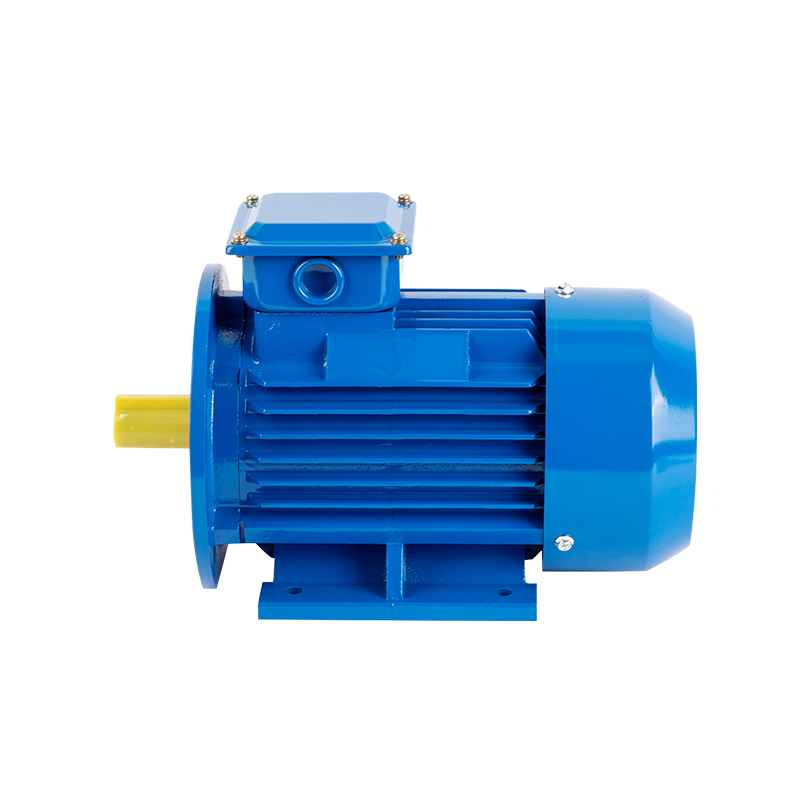
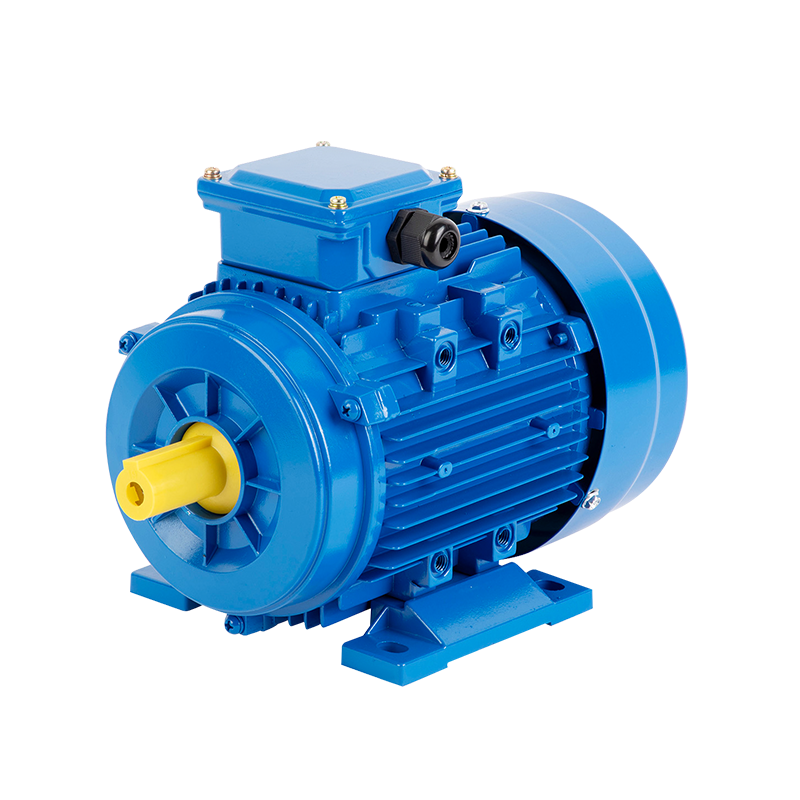
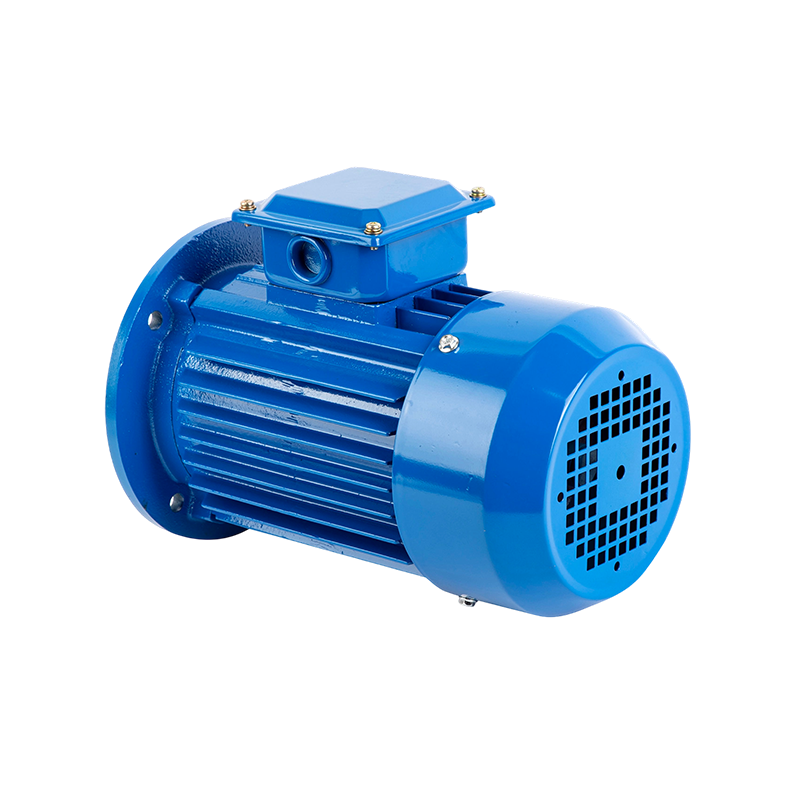
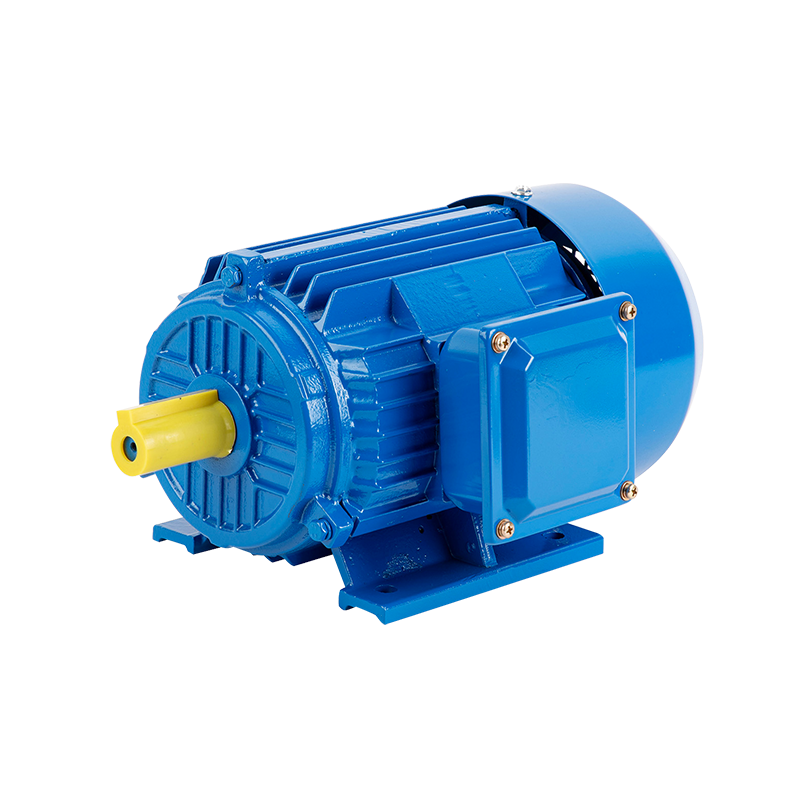
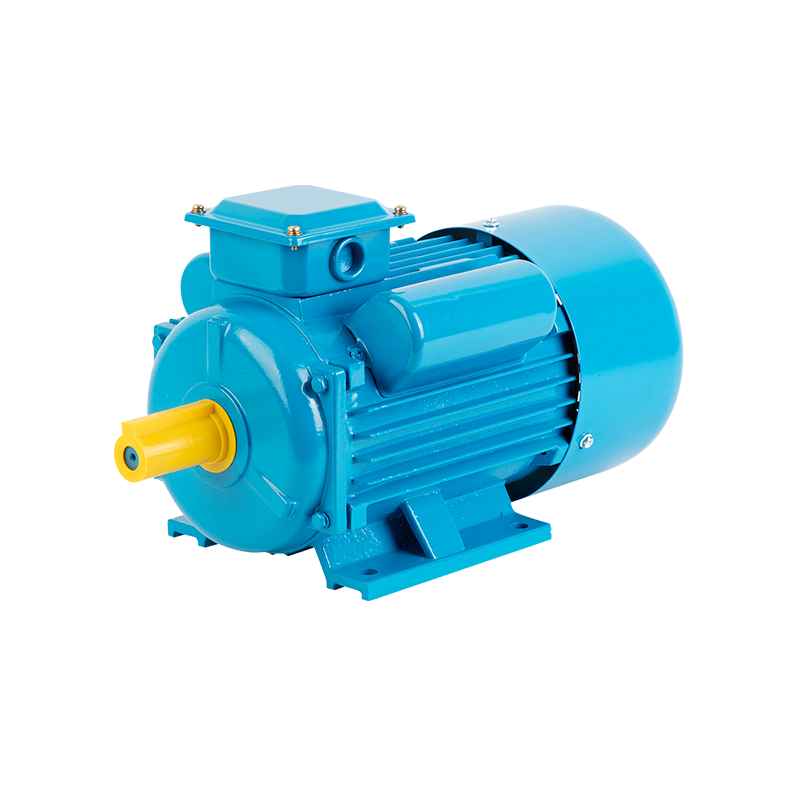
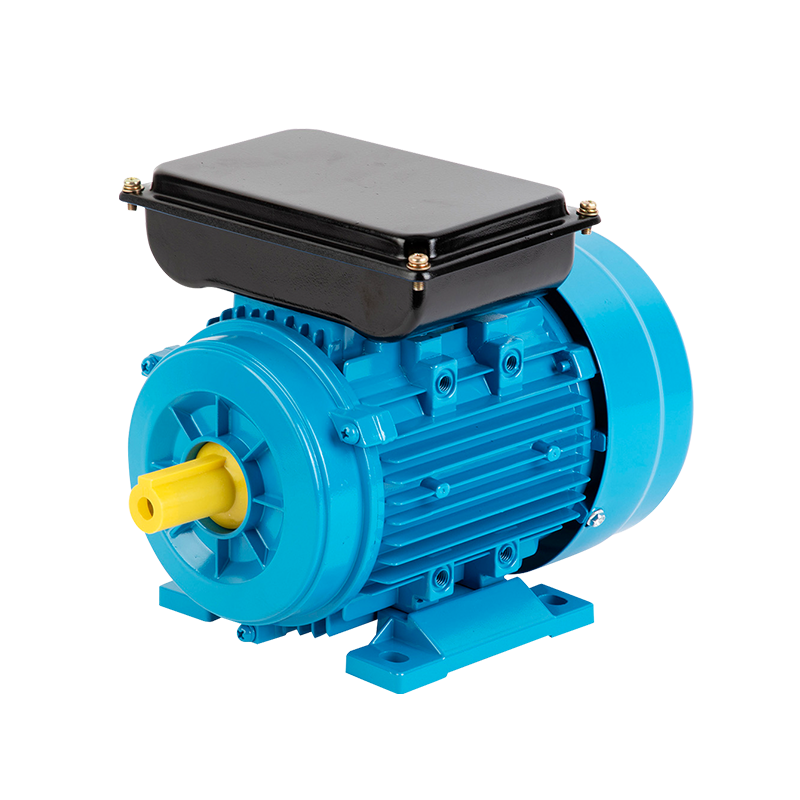
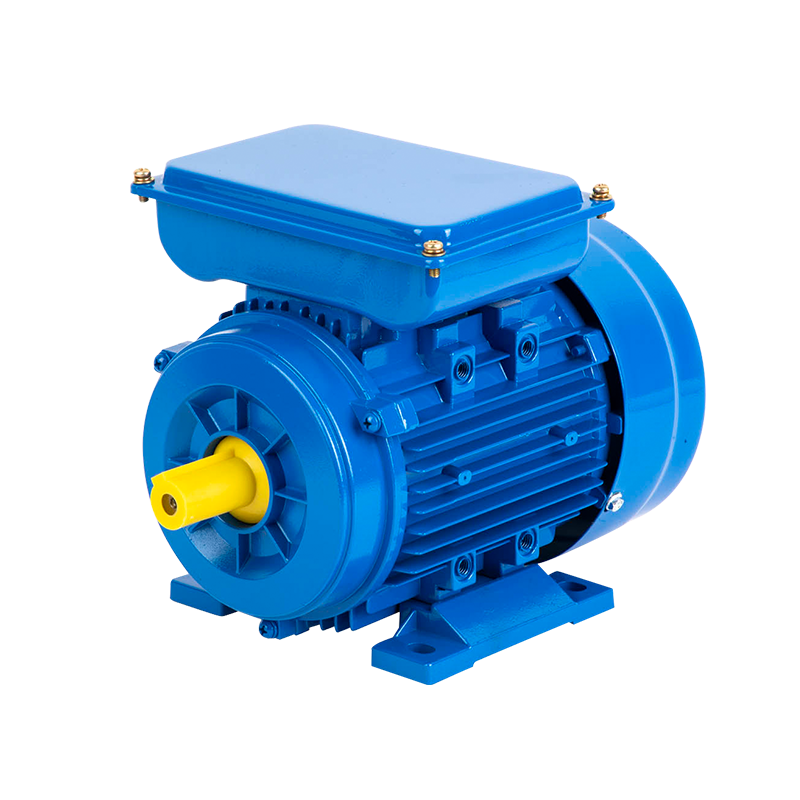
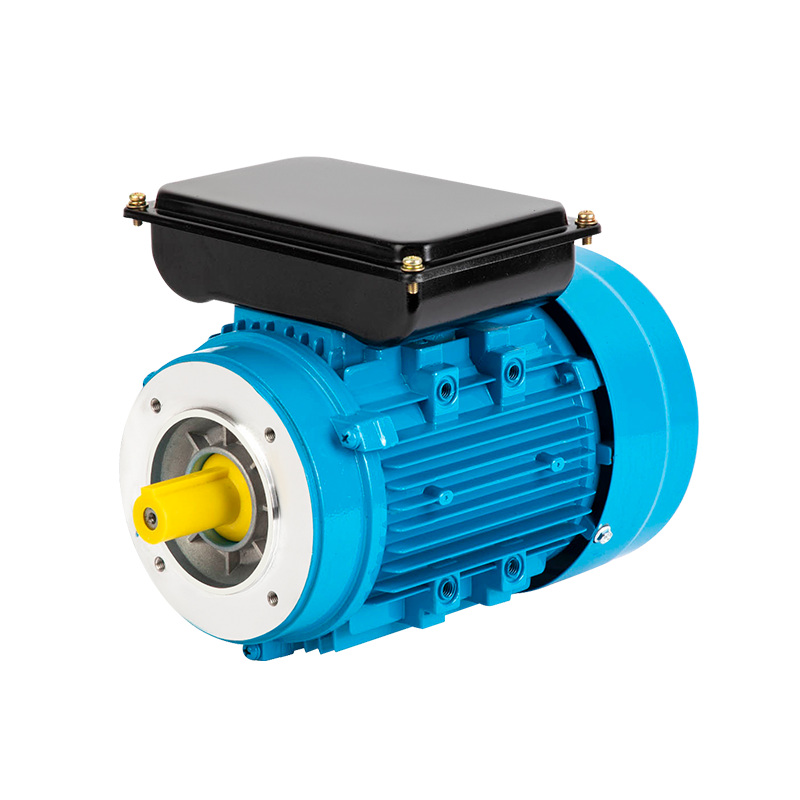
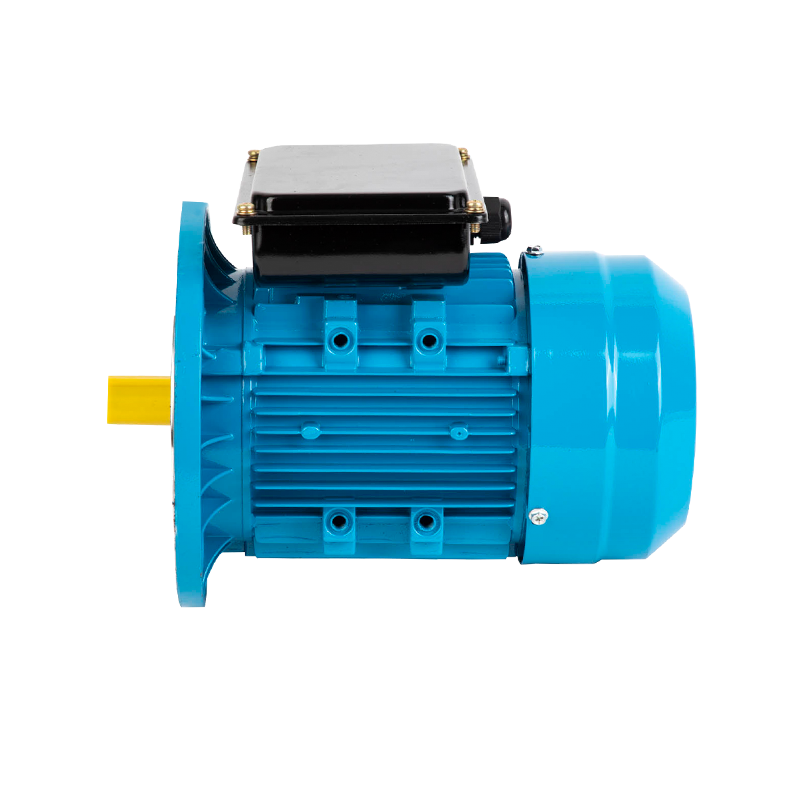
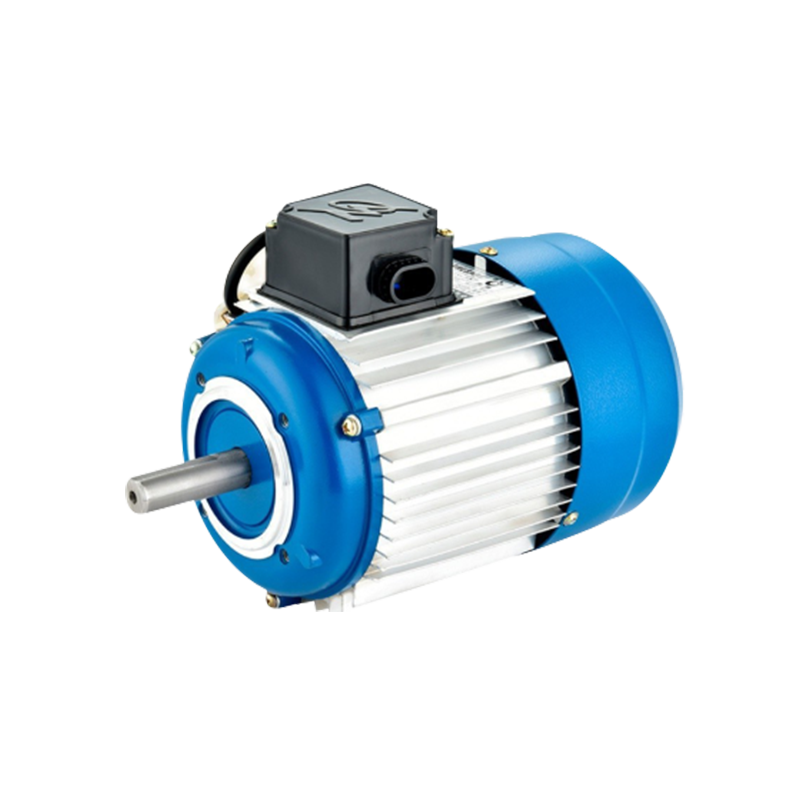
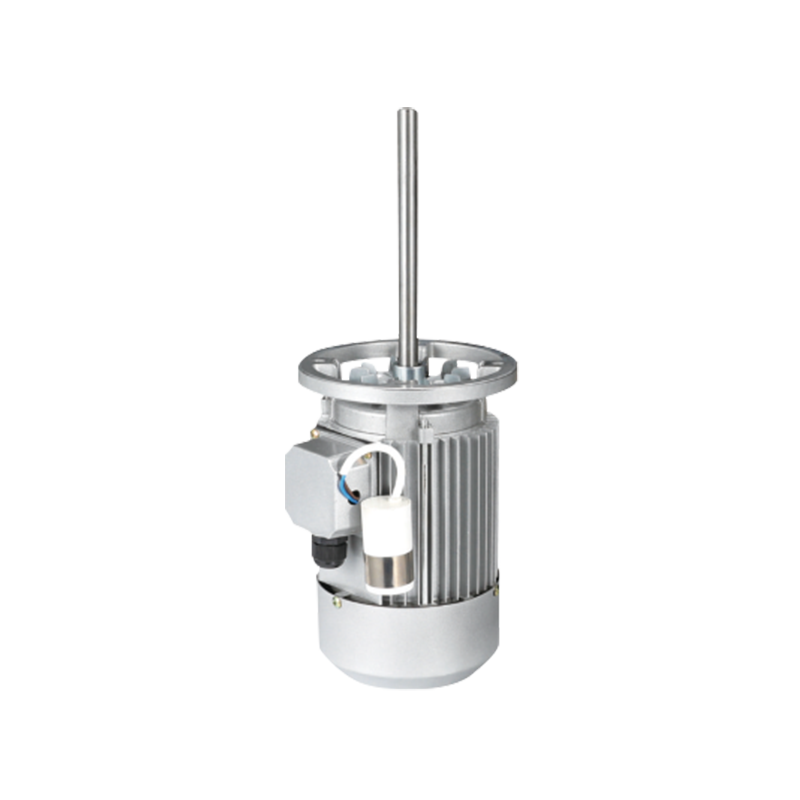
This is also changing the way buyers look at an Aluminum Frame Motor. Aluminum construction is often associated with lower weight and practical equipment integration, but the frame material alone does not determine how efficiently a motor operates. The motor's electrical design, load condition, cooling method, operating pattern, and application all have a role.
So, are energy efficiency requirements changing Aluminum Frame Motor selection? In many industrial applications, the answer is yes. The change is not simply about choosing a motor with a higher efficiency classification. It is about looking at the complete operating situation before deciding which motor design is appropriate.
Why Is Energy Efficiency Becoming More Important in Motor Selection?
Electric motors are used in pumps, fans, compressors, conveyors, production equipment, ventilation systems, and many other machines. Unlike components that operate only occasionally, a motor may run for long periods during normal production.
Because of this, even a small difference in energy use can become relevant over the working life of equipment. Buyers are therefore paying closer attention to how a motor converts electrical energy into mechanical output and how much energy is lost during operation.
Energy efficiency is also becoming part of equipment planning. Manufacturers may need to consider operating costs, internal sustainability targets, customer requirements, and energy-related rules in different markets.
This does not mean that every application should simply select the motor with the highest efficiency classification available. The right choice depends on how the motor will actually be used.
Does the Aluminum Frame Affect Motor Efficiency?
The frame material and motor efficiency are related, but they should not be treated as the same thing.
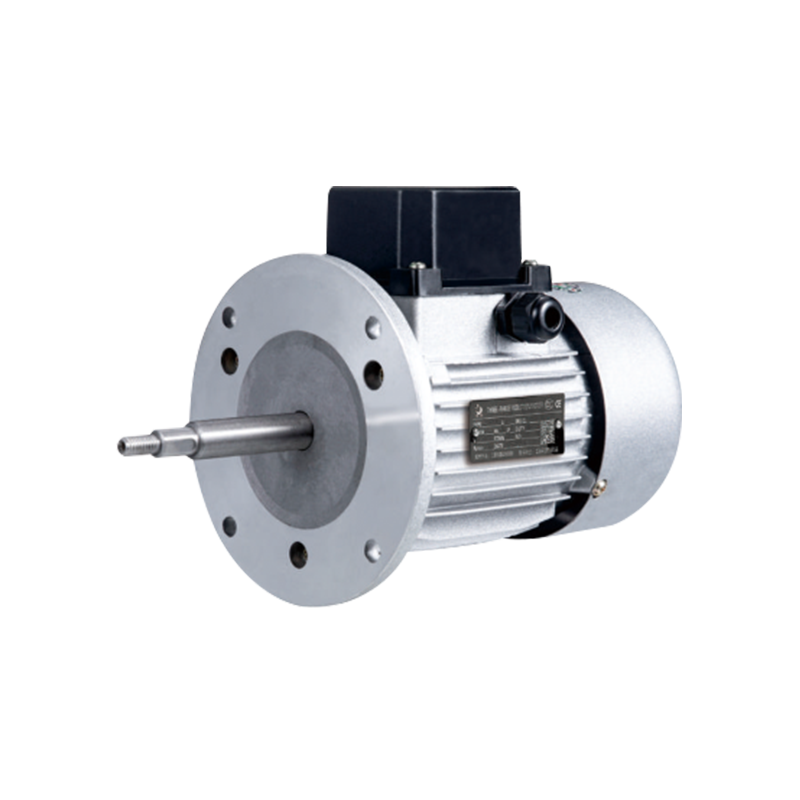
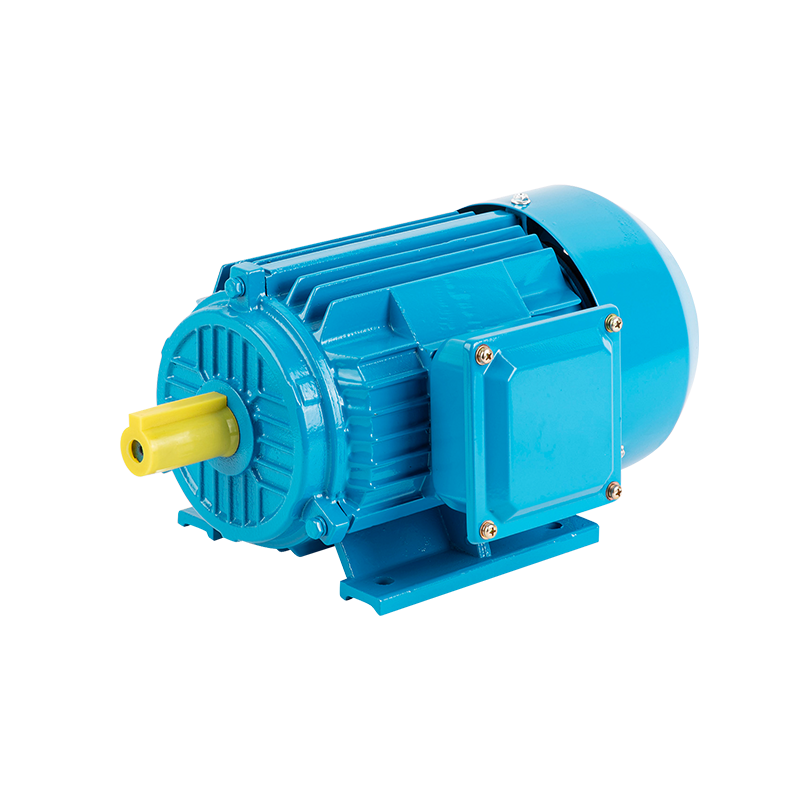
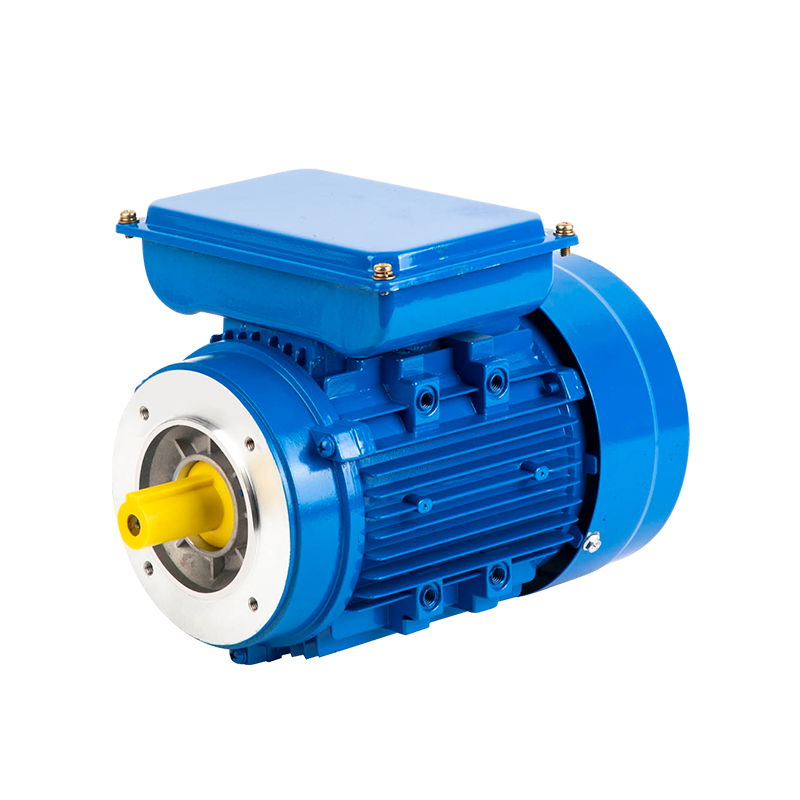
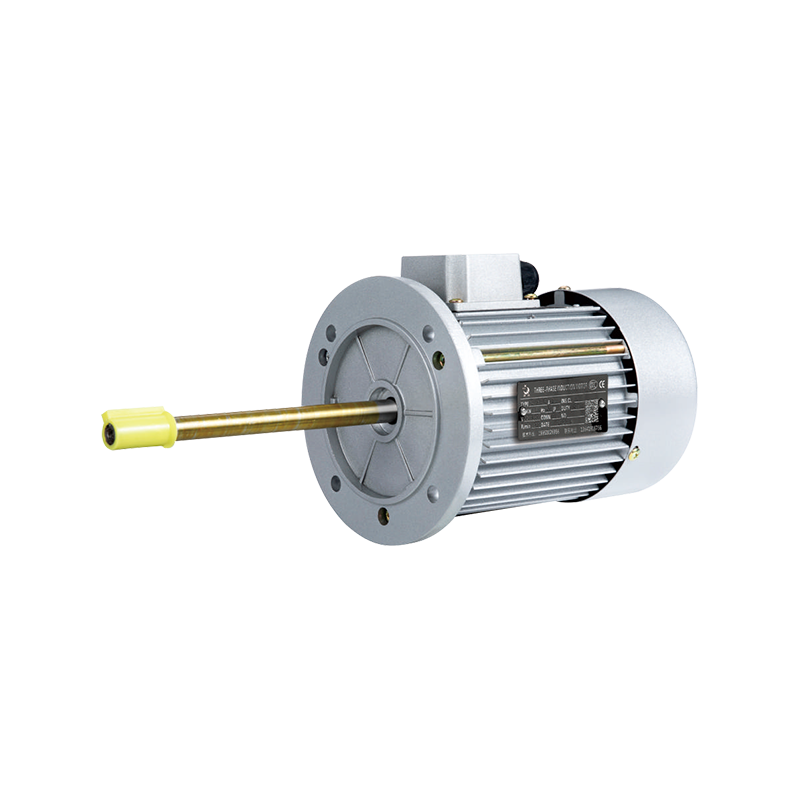
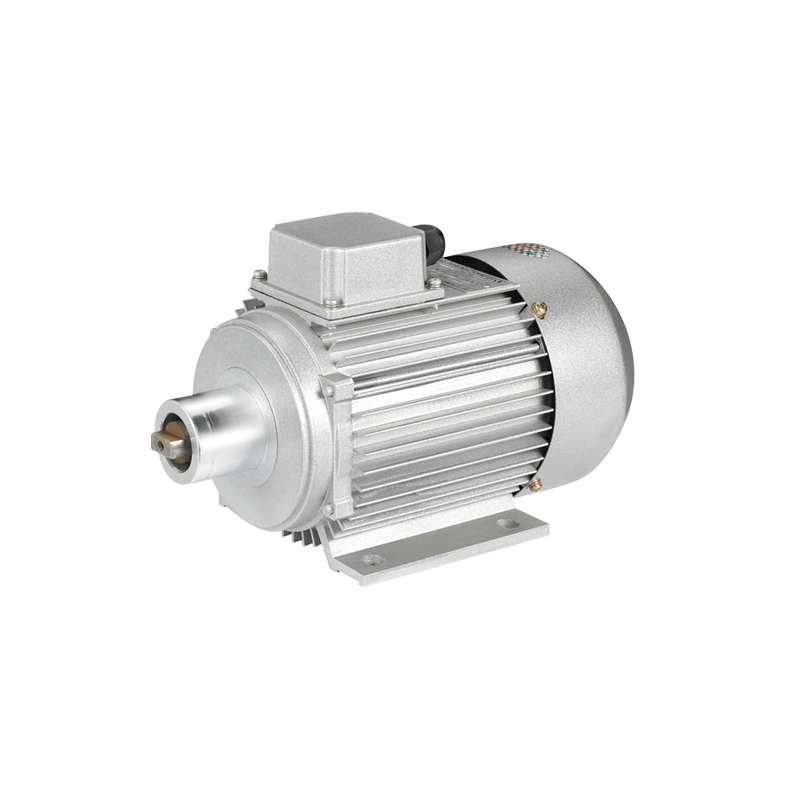
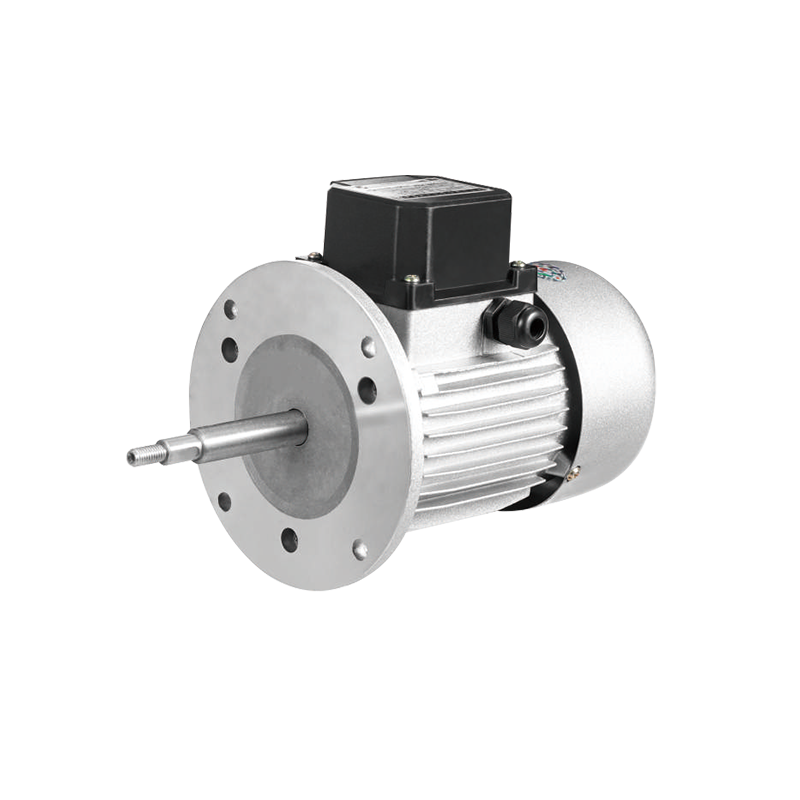
An aluminum frame can provide a lightweight housing for an electric motor. This can be useful when equipment designers need to manage overall machine weight or simplify installation and handling. Aluminum can also play a role in heat transfer because of its thermal characteristics.
However, the efficiency of an induction motor is influenced by several internal factors. These can include winding design, magnetic circuit design, rotor construction, bearing condition, cooling arrangement, electrical losses, and the way the motor is operated.
For this reason, an Aluminum Frame Motor should be evaluated as a complete motor rather than selected only because its housing is made from aluminum.
What Are Buyers Looking at Beyond the Efficiency Label?
When energy efficiency becomes part of the purchasing process, buyers usually need to look at several factors together.
| Selection Factor | Why It Matters |
|---|---|
| Motor efficiency | Helps determine how much electrical energy is converted into useful mechanical output. |
| Load pattern | A motor that operates under changing loads may have different energy requirements from one running at a steady load. |
| Operating hours | Longer running periods can make energy consumption a larger part of the equipment's operating cost. |
| Cooling method | Heat management can affect operating stability and the working condition of internal components. |
| Motor size | An unsuitable motor size can affect both energy use and machine operation. |
| Drive system | Variable-speed applications may require the motor and drive to be considered as one operating system. |
| Installation requirements | Frame dimensions, mounting arrangements, and available machine space can influence compatibility. |
This broader approach is becoming more useful as motor selection moves away from a simple power-matching exercise.
How Does the Application Change Aluminum Frame Motor Selection?
The same motor may behave differently in different applications because the working conditions are not identical.
Pumps and Fans
Pumps and fans often operate for extended periods, so energy consumption can be an important part of equipment planning. In these applications, the motor should be considered together with the driven load rather than evaluated separately.
For variable-flow systems, speed control may also change the way the motor is used. A motor that works well at one operating point may not be the right choice if the equipment regularly moves between different operating conditions.
Conveyors and Production Equipment
Conveyors and production machinery may experience repeated starts, stops, acceleration, and changes in load. Here, buyers need to consider more than continuous running efficiency.
Starting characteristics, mechanical load, duty cycle, and the control method can all affect the selection process. A motor that appears suitable based only on rated output may not match the actual working pattern of the machine.
Compact Industrial Equipment
Weight and installation space can become important when motors are integrated into compact machinery. An aluminum housing may be considered where equipment designers want to manage motor weight while maintaining a practical mechanical structure.
In these situations, the motor should be checked together with the mounting arrangement, shaft connection, cooling space, and surrounding components.
Are Energy Efficiency Requirements Affecting OEM Motor Design?
Original equipment manufacturers are facing a more detailed motor selection process because the motor is often part of a larger machine rather than a standalone product.
For an OEM, changing the motor can affect mounting space, wiring, cooling, noise, machine weight, control systems, and service procedures. A motor that meets an efficiency requirement but does not fit the machine architecture may create additional design work.
This is one reason Aluminum Frame Motors continue to receive attention in equipment design. Their lighter housing can be useful in applications where weight and integration are part of the design discussion.
Still, energy efficiency needs to remain part of the complete evaluation. A lightweight housing does not automatically make the finished machine energy-efficient.
What Role Does Heat Management Play?
Heat is closely connected with motor operation. Electrical losses generate heat inside the motor, and the cooling system needs to remove that heat effectively.
For an Aluminum Frame Motor, the housing can contribute to heat transfer, but the overall cooling performance depends on the motor's complete construction. Air movement, fan arrangement, internal design, ambient conditions, installation position, and operating load can all influence temperature behavior.
This becomes particularly relevant when a motor operates for long periods or in an environment where ventilation is limited.
Instead of asking only whether aluminum provides good heat transfer, buyers should ask a more practical question: How does the complete motor manage heat under the actual working conditions?
Does Variable Speed Operation Change the Selection Process?
Variable frequency drives have changed the way many industrial motors are operated. Instead of running at one fixed speed, equipment can adjust motor speed according to the process requirement.
This can create opportunities to reduce unnecessary energy use in applications where the required output changes during operation. At the same time, variable-speed operation introduces additional considerations for motor selection.
The motor, drive, load, and cooling system need to work together. When the operating speed changes, the cooling conditions may also change. A motor that relies on a certain amount of airflow for cooling should therefore be evaluated according to its expected speed range and duty cycle.
For buyers considering an Aluminum Frame Motor for variable-speed equipment, the question should not be limited to whether the motor can connect to a drive. The more useful question is whether the motor is suitable for the complete operating profile.
How Should Buyers Compare Aluminum Frame Motors?
A useful comparison starts with the application rather than the product name.
- Identify the actual mechanical load.
- Check whether the load remains steady or changes during operation.
- Consider how many hours the motor will normally run.
- Review the required speed and starting conditions.
- Consider whether variable-speed control will be used.
- Check the available installation space.
- Review the required mounting arrangement.
- Consider the surrounding temperature and ventilation conditions.
- Compare efficiency information under relevant operating conditions.
- Check maintenance and replacement requirements.
This approach helps prevent one common problem in motor purchasing: selecting a product based on one specification while overlooking the rest of the system.
Why Motor Sizing Still Matters
Energy efficiency requirements do not remove the need for correct motor sizing. In fact, they make proper sizing more relevant.
A motor that is too large for its normal load may not operate at the point where its efficiency is most suitable. A motor that is too small may experience excessive loading, temperature rise, or operating stress.
The goal is therefore not simply to choose a motor with a higher efficiency figure. The goal is to select a motor that matches the actual machine load and expected operating pattern.
This is particularly important for equipment manufacturers that produce machines for different customers. If the same machine design can operate under several load conditions, motor selection may need to account for those differences from the beginning of the design process.
What Does This Mean for Aluminum Frame Motor Buyers in 2026?
The motor market is moving toward a more complete approach to energy use. Buyers are increasingly looking at the relationship between motor efficiency, equipment design, operating hours, control systems, maintenance, and total operating cost.
For Aluminum Frame Motors, this creates both opportunities and selection challenges.
The lightweight nature of aluminum can make the motor attractive for equipment where weight and installation are important. At the same time, buyers still need to evaluate electrical efficiency, thermal behavior, mechanical requirements, and application conditions.
In other words, the frame material is only one part of the decision.
Are Energy Efficiency Requirements Changing the Way Motors Are Purchased?
Yes, the selection process is becoming more application-focused.
Instead of asking only, "What power rating do I need?", equipment designers and buyers are increasingly asking questions such as:
- How often will the motor operate?
- Will the load change during production?
- Will a variable-speed drive be used?
- How will the motor be cooled?
- Does the motor fit the available machine space?
- How will energy use affect long-term operating costs?
- Does the motor meet the requirements of the target market?
- Will maintenance and replacement be straightforward?
These questions provide a clearer picture of whether a particular Aluminum Frame Motor is suitable for the application.
Energy efficiency requirements are influencing electric motor selection, but the change is not simply about choosing a motor with a particular efficiency classification. Buyers need to consider the complete operating environment, including load, running time, speed control, cooling, installation, maintenance, and equipment design.
For Aluminum Frame Motors, the lightweight housing can be useful in applications where equipment weight and integration matter. However, motor efficiency depends on the complete electrical and mechanical design rather than the frame material alone.
As industrial equipment becomes more focused on energy use and operating cost, motor selection is likely to become more closely connected with the design of the entire machine. For manufacturers and buyers, understanding that relationship can make it easier to choose a motor that fits both the equipment and its expected working conditions.


