 English
 Español



Building 1, Block 4, Wufeng Industrial Park, Daxi Town, Taizhou City, Zhejiang Province, China
Heavy duty pumps often work under sustained mechanical demand. The motor needs to provide steady rotational movement while the pump handles fluid resistance from pipes, valves, fittings, and changes in operating conditions. A mismatch between the drive unit and pump can affect temperature, vibration, starting behavior, and service condition.
Pump performance is not determined by the motor alone. The pump body, shaft, coupling, piping arrangement, fluid movement, and operating schedule all influence the mechanical load placed on the drive unit. A pump working against greater resistance may require different motor characteristics from a pump operating with relatively free fluid movement.
Motor selection should begin with the actual duty of the pump. Several basic conditions deserve attention:
- Whether operation is continuous or intermittent
- Whether the pump starts under significant mechanical resistance
- Whether the load changes during operation
- Whether the surrounding area contains dust, moisture, or heat
- Whether sufficient space is available for cooling and maintenance
A suitable motor should operate within its intended working range without being exposed to unnecessary mechanical or thermal stress. Excessive sizing can also create practical issues, including higher equipment cost, larger installation requirements, and less suitable operation under lighter loads.
The connection between pump and motor also matters. Poor shaft alignment, an unstable mounting base, or an unsuitable coupling can introduce mechanical forces that were not part of the original pump load. Motor selection and mechanical installation are closely related parts of the same system.
What Makes Heavy Duty Pump Applications Different
A heavy duty pump may handle fluid movement for long operating periods, with the motor repeatedly exposed to mechanical demand. Resistance can come from the liquid itself as well as from the piping system.
A restricted pipe changes the conditions under which the pump operates. Valve position can also affect resistance. A pump handling fluid through a long or complicated pipe route may experience a different mechanical load from one connected to a simpler system.
Starting conditions require separate attention. When a pump starts, the motor needs to accelerate the rotating assembly from rest. The mechanical condition of the pump at that moment affects how easily the motor reaches normal operation.
Frequent starting and stopping creates another operating pattern. Repeated starts bring repeated changes in electrical demand, mechanical force, and motor temperature. A system designed for continuous running may have different requirements from equipment that cycles according to process needs.
Changes in pump condition can also appear as motor symptoms. Increased vibration, unusual sound, or rising temperature may result from the pump rather than an electrical fault in the motor. Bearing wear, shaft misalignment, impeller contamination, or pipe restrictions can all change the mechanical demand.
Environmental conditions add another layer. A pump room with limited ventilation can make heat removal more difficult. Moisture around the installation can affect electrical connections and metal components. Dust may collect around cooling openings and mounting areas.
Before choosing a motor, the following pump conditions should be identified:
- Normal operating load
- Starting condition
- Expected load changes
- Pump and shaft arrangement
- Surrounding temperature and airflow
- Moisture and dust exposure
- Available maintenance space
A clear view of these conditions reduces the risk of selecting a motor based only on the pump's nominal requirements.
How to Match Motor Capacity With Pump Load
Motor capacity needs to correspond with the mechanical work required by the pump. A motor operating close to an unsuitable load condition can experience unnecessary heating or unstable operation. A motor with excessive capacity may also be poorly matched to the actual working pattern.
Pump load should be considered across the operating range rather than at a single condition. Fluid resistance can change when valves move, filters become restricted, or the pumping route changes. A load that appears stable during initial commissioning may behave differently after the system has been in service.
| Pump Condition | Effect on Motor Demand | Selection Consideration |
|---|---|---|
| Stable fluid movement | Relatively steady mechanical load | Continuous operating condition |
| Increased pipe resistance | Greater mechanical demand may occur | Operating range |
| Frequent starts | Repeated acceleration demand | Starting condition |
| Pump imbalance | Additional vibration and mechanical stress | Shaft and mounting condition |
| Restricted flow path | Changed pump working condition | System resistance |
Motor capacity should leave suitable operating room without creating an unnecessarily large mismatch. The actual pump duty, starting requirement, running pattern, and surrounding conditions all need to be considered together.
Mechanical transmission also affects the result. Even when the motor has suitable capacity, losses or excessive resistance in the coupling and shaft arrangement can alter the load reaching the pump. Alignment should be checked during installation and after maintenance work.
A capacity decision should also consider future changes within the same system. A modified pipe route, changed valve arrangement, or different pumping task can alter the mechanical demand. Selection based only on the current pump nameplate may not reflect the complete operating condition.
How Does a Three Phase Industrial Motor Handle Heavy Pump Loads
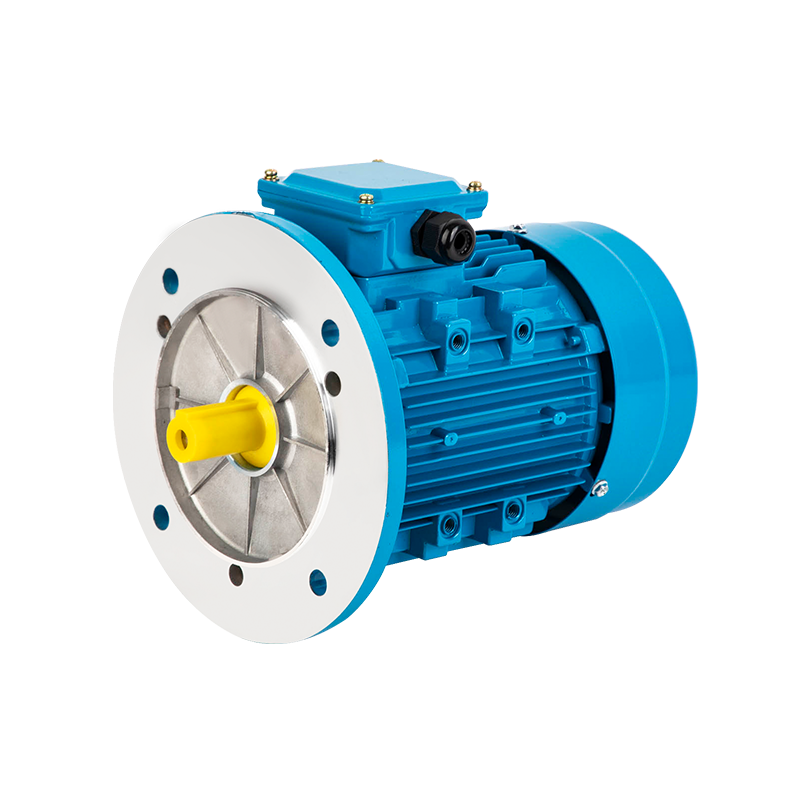
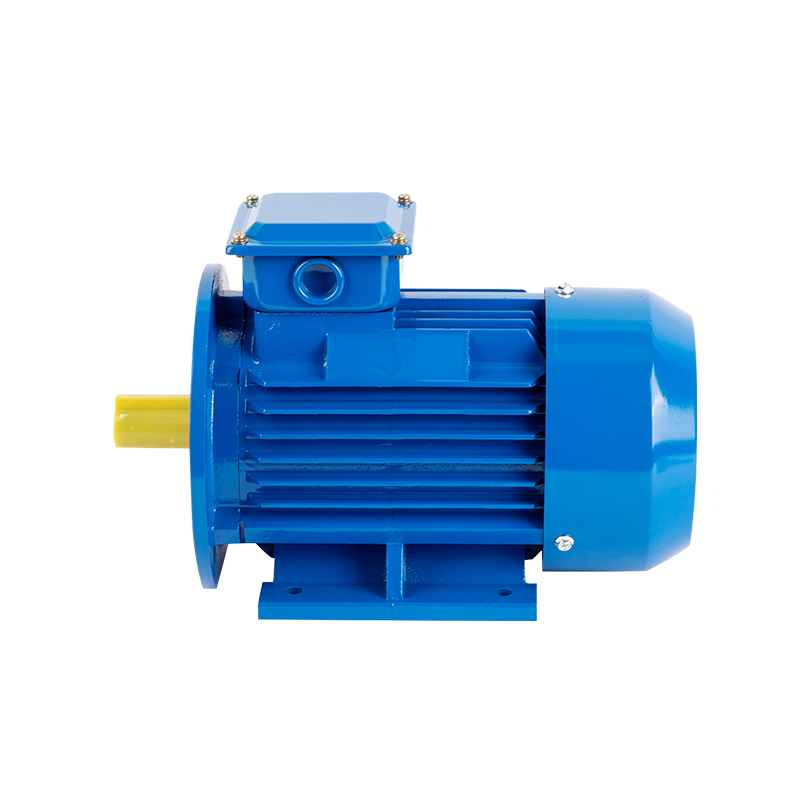
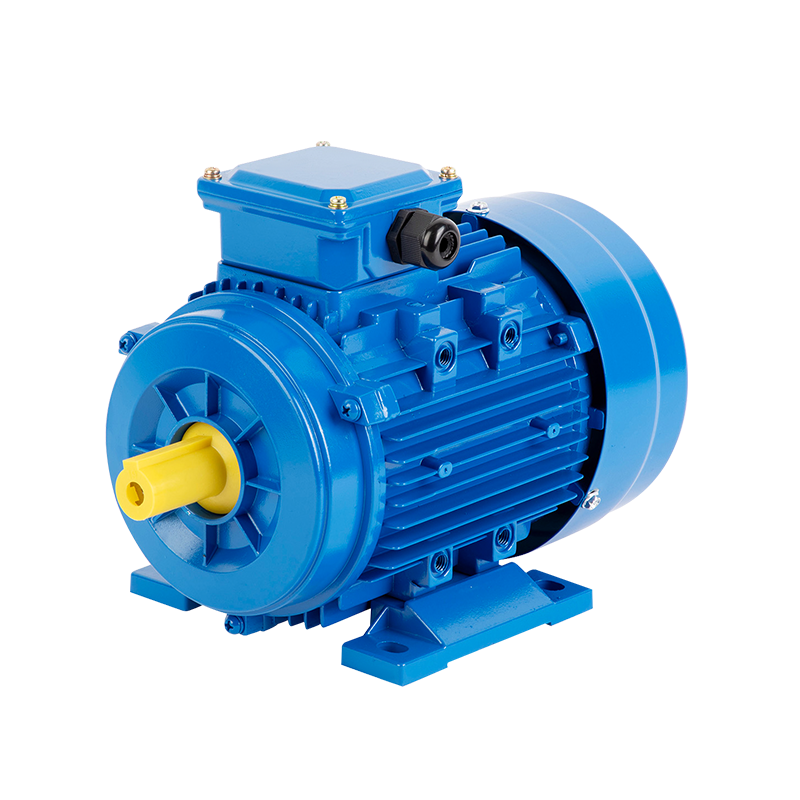
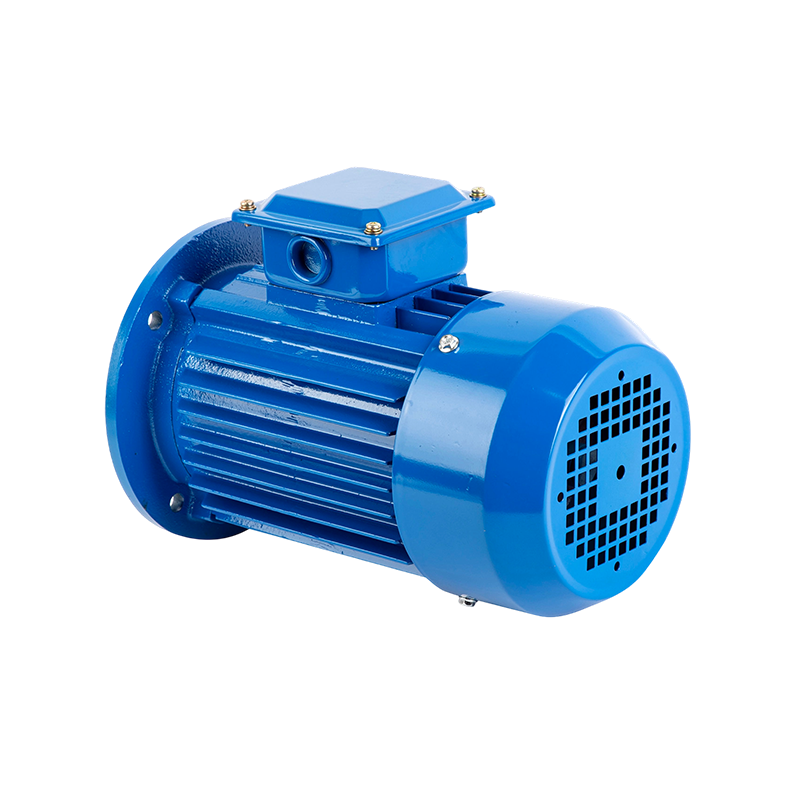
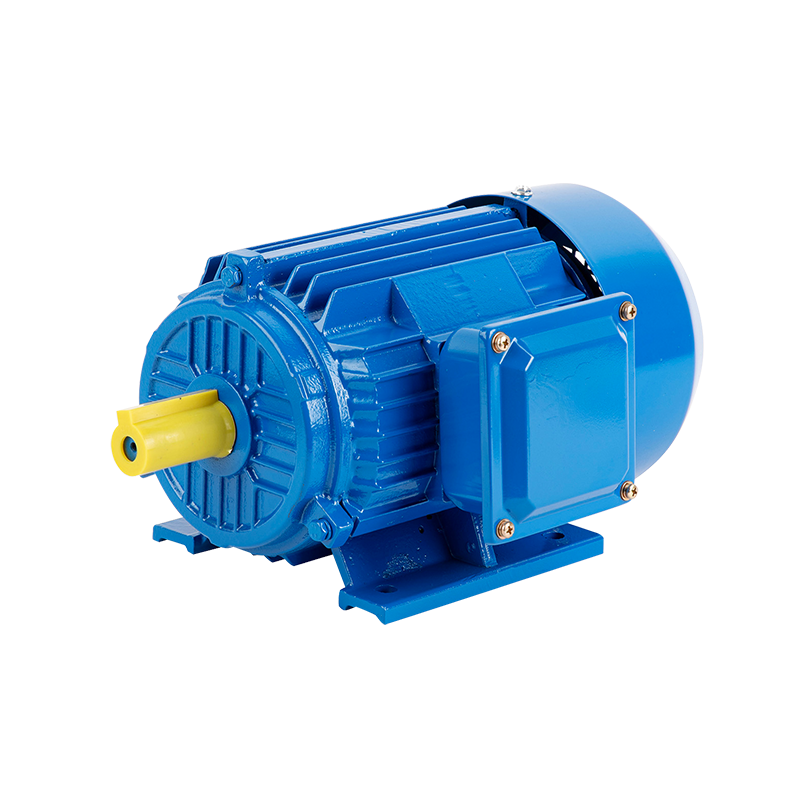
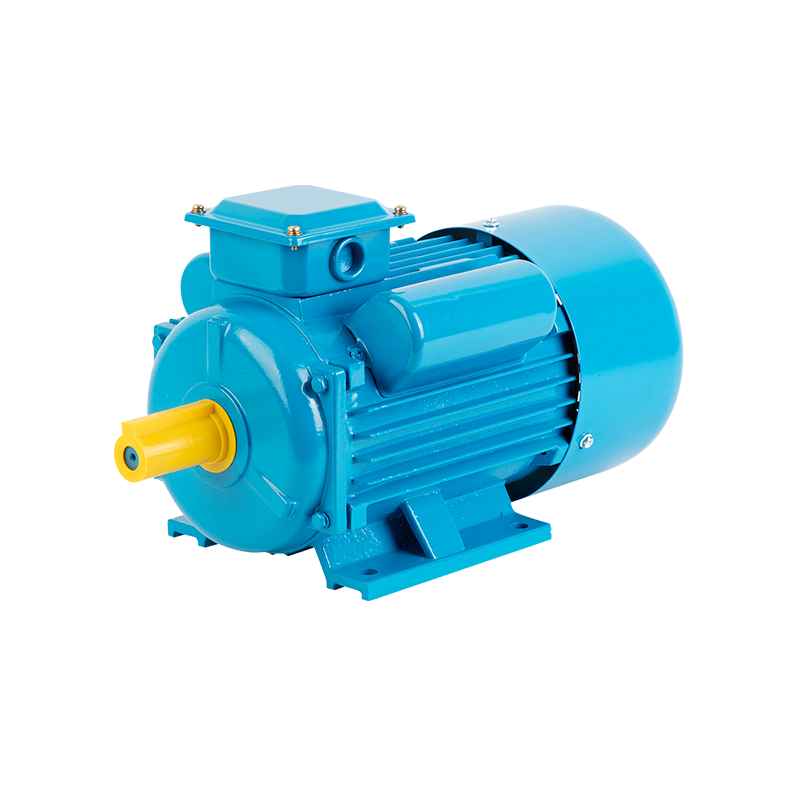
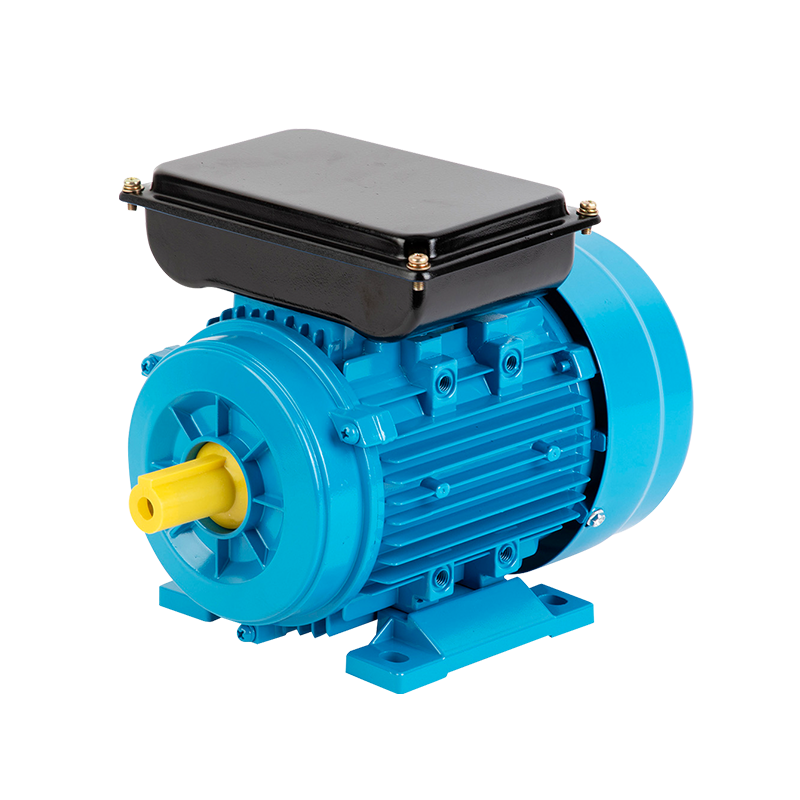
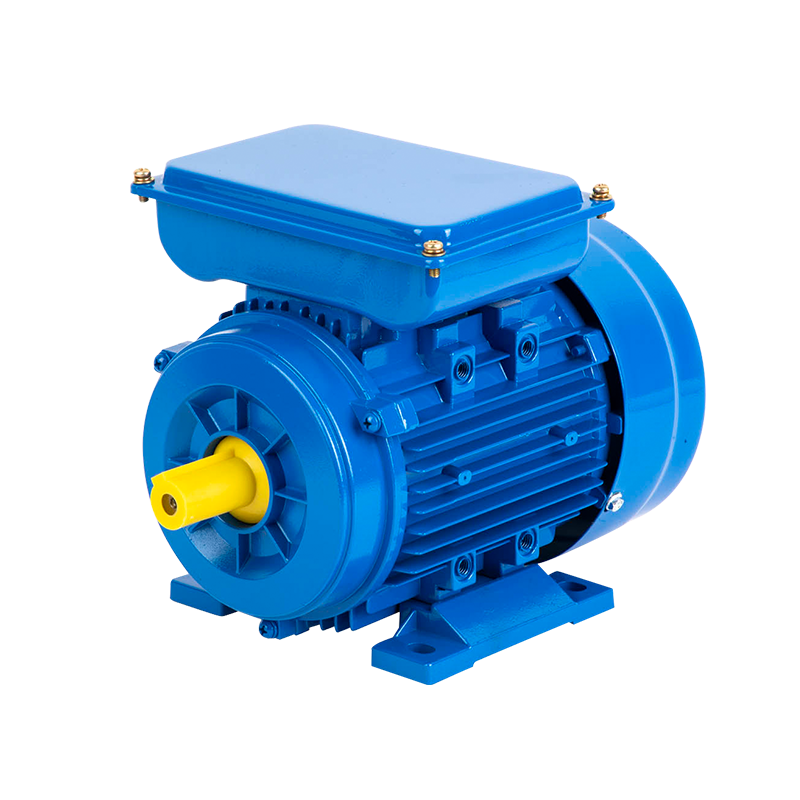
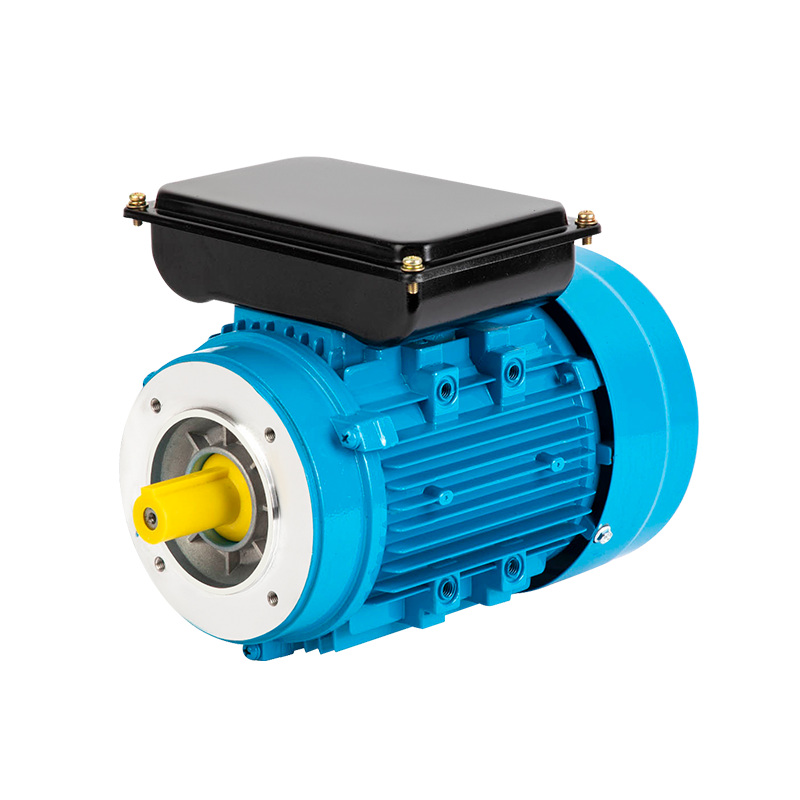
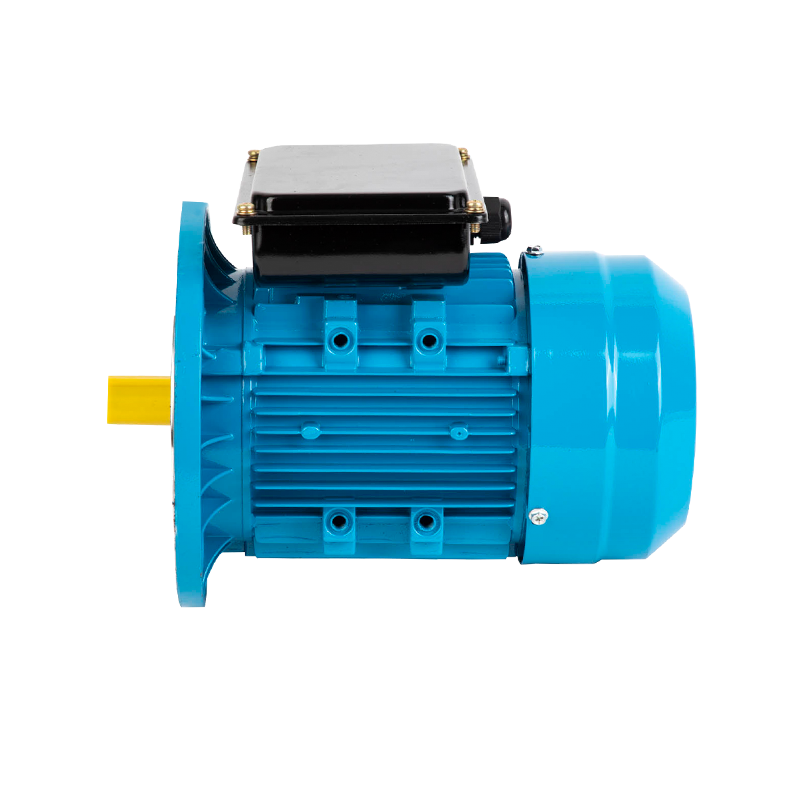
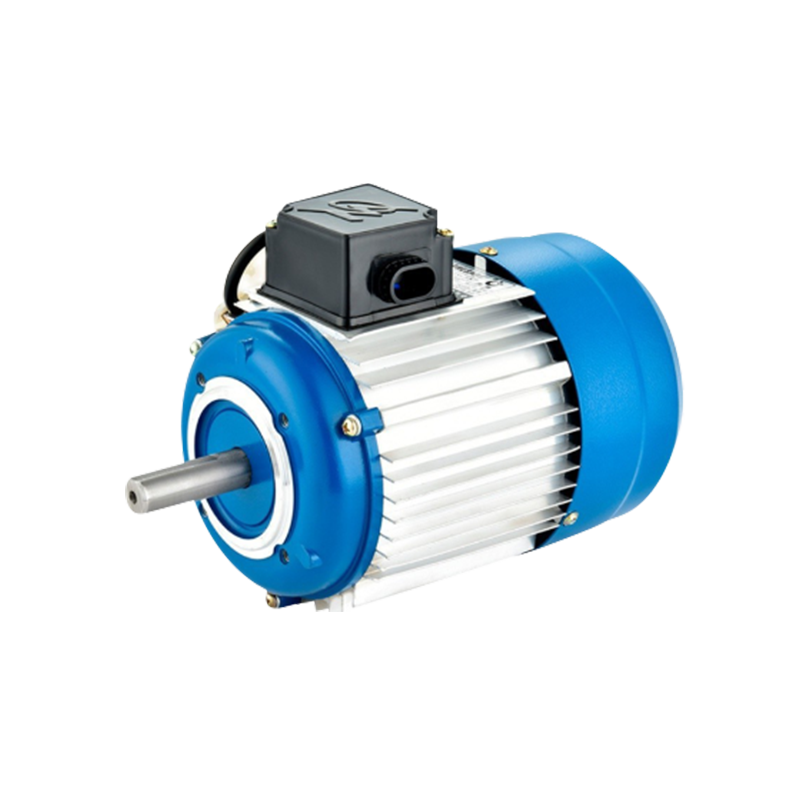
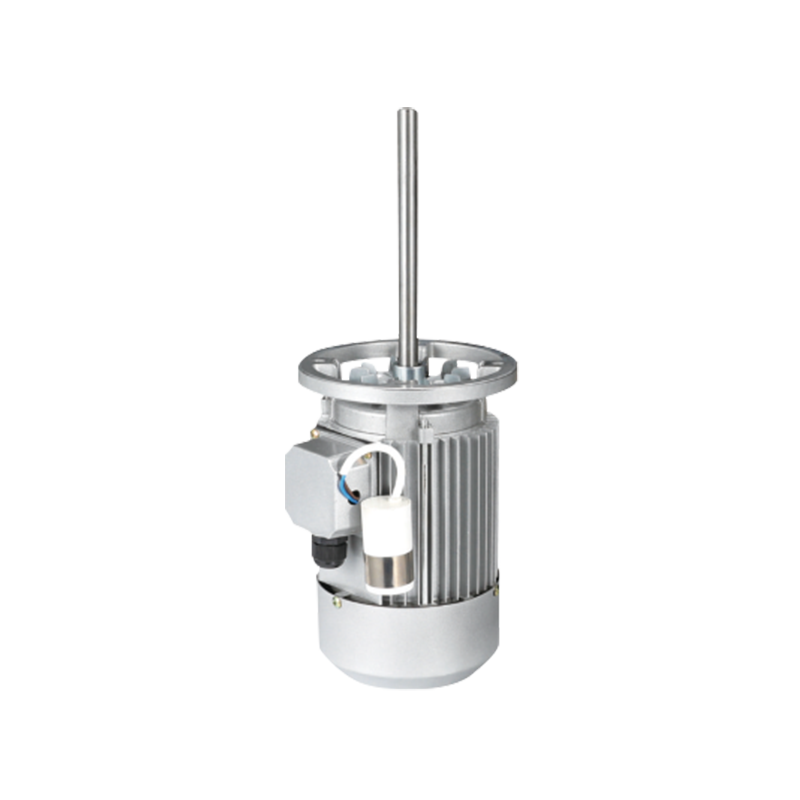
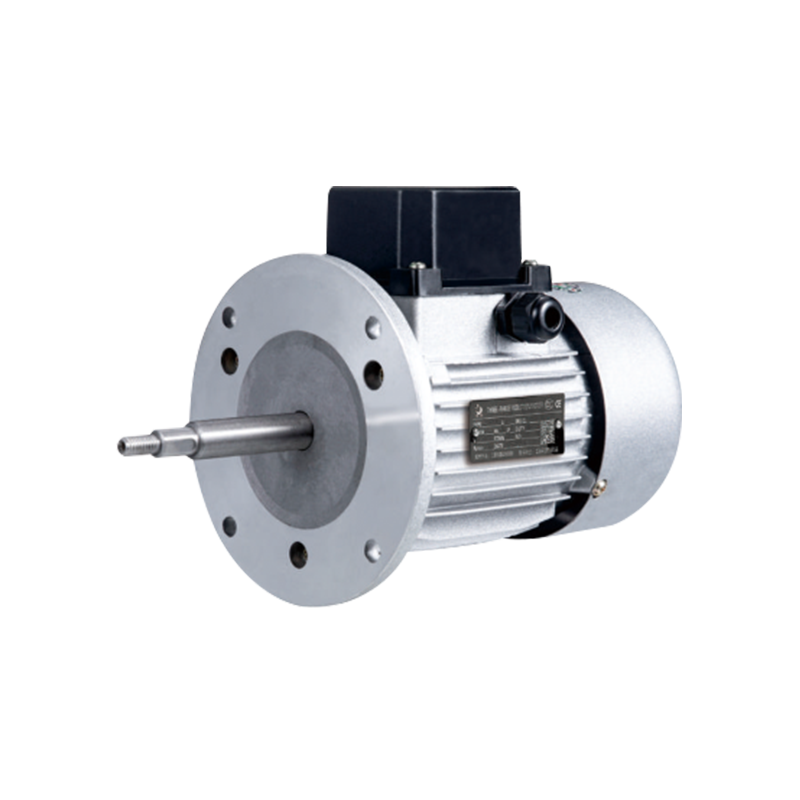
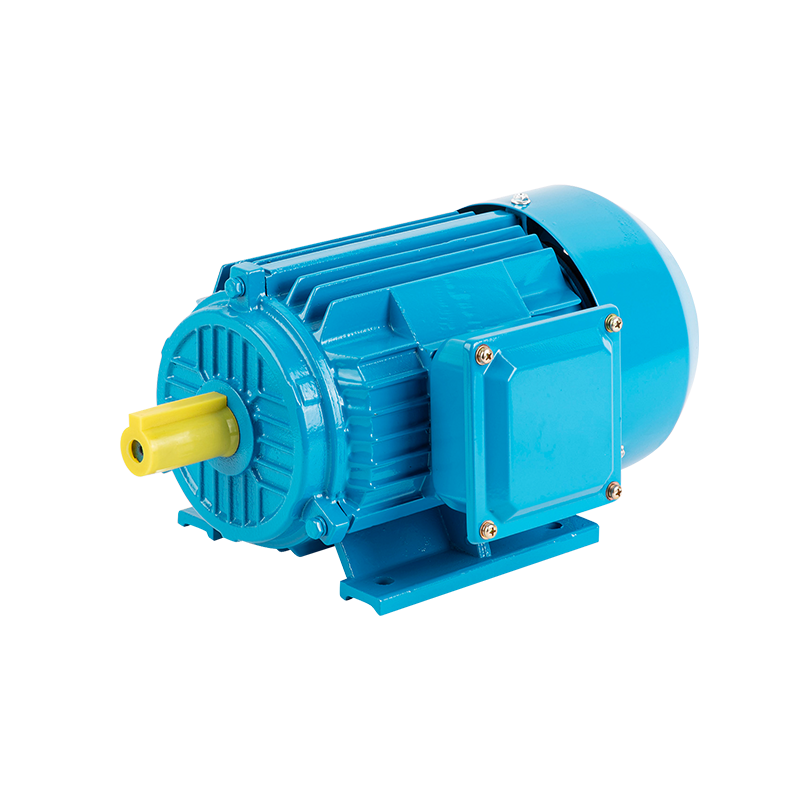
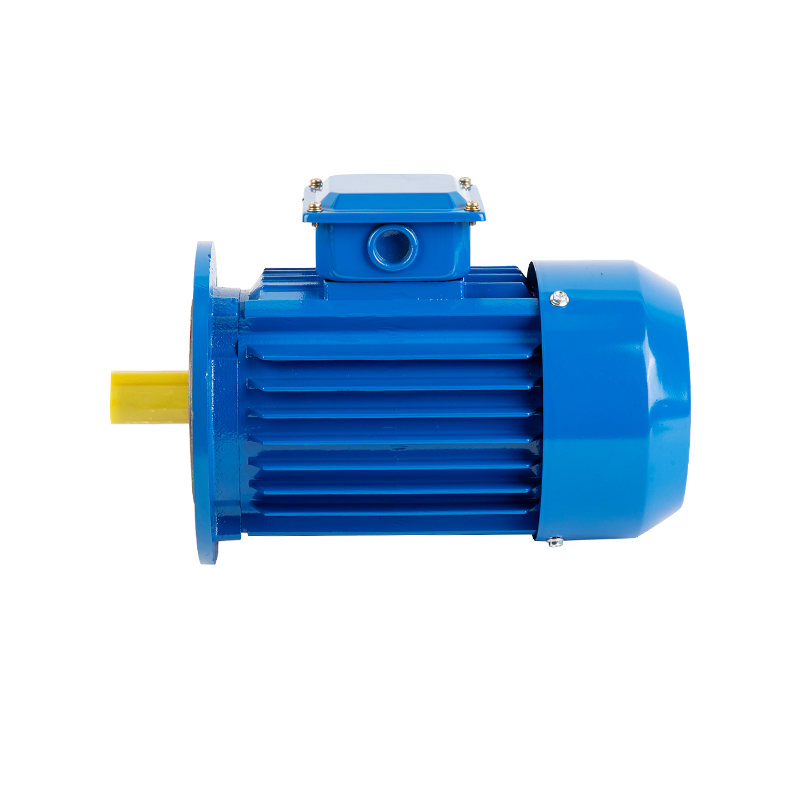
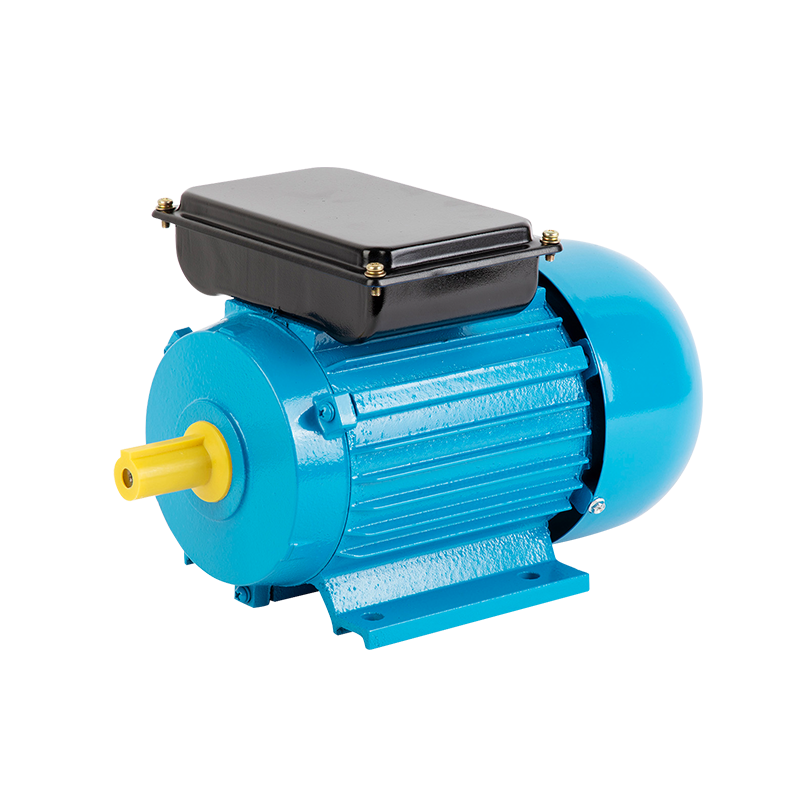
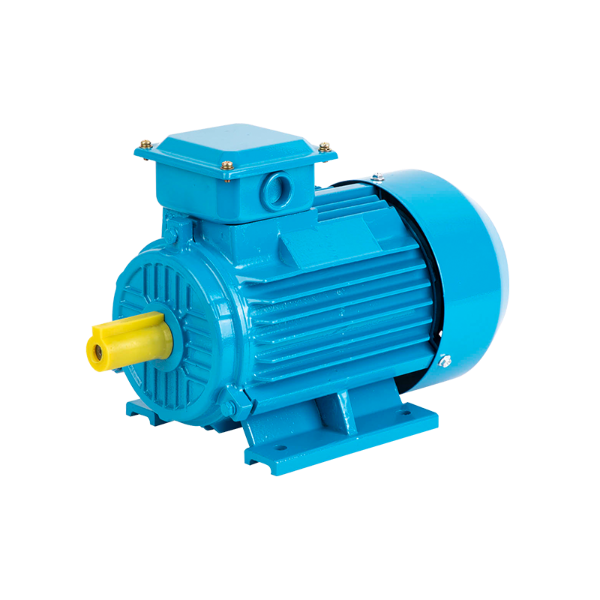
A Three Phase Industrial Motor converts electrical energy into rotational movement through interaction between its internal electrical and magnetic components. In pump applications, that rotation passes through the shaft and coupling to drive the pump.
The motor does not work independently from the pump. When pump resistance increases, the mechanical demand on the motor also changes. Heat generation can rise, while vibration or operating sound may become more noticeable when the system moves away from normal conditions.
Cooling plays an important role during heavy‑duty operation. Heat produced inside the motor needs to move through the housing and into the surrounding environment. Restricted airflow, accumulated dust, or excessive ambient heat can make this process more difficult.
Mechanical components also require attention. Bearings support rotating parts, while the shaft transfers movement toward the pump. If alignment is poor, additional force can develop around the shaft and coupling. Continuous operation under such conditions can affect both motor and pump components.
For pump applications, useful operating checks include:
- Motor temperature changes
- Vibration around the mounting and coupling
- Unusual operating sounds
- Shaft and coupling condition
- Cooling airflow
- Electrical connection condition
- Changes in pump flow or resistance
A change in motor behavior should be assessed alongside the pump. For example, increased vibration may come from pump imbalance, while rising temperature may result from restricted cooling or increased mechanical load.
The motor's construction also needs to suit the installation environment. A metal housing provides structural support and contributes to heat transfer, while the enclosure and cooling arrangement need to match the surrounding conditions.
Heavy duty pump service places demands on both electrical and mechanical components. Proper selection requires attention to how the motor starts, carries the pump load, releases heat, and remains mechanically connected during operation.
What Electrical Conditions Should Be Checked
Electrical conditions affect how a pump motor starts and continues to run. The available power supply needs to match the motor requirements, while voltage and frequency should remain within the conditions specified for the equipment.
An unsuitable electrical supply can produce symptoms that are sometimes mistaken for mechanical problems. Unusual noise, unstable rotation, excessive heating, or repeated protection trips may have an electrical cause. Checking the supply and connections can help separate these issues from problems in the pump itself.
Starting conditions deserve particular attention. A pump with considerable mechanical resistance requires sufficient starting capability to bring the rotating assembly into operation. Frequent starts can also produce repeated thermal changes inside the motor.
Electrical inspection can cover several areas:
- Supply condition and connection stability
- Cable and terminal condition
- Protection device settings
- Starting behavior
- Signs of local heating
- Changes in operating current
- Evidence of moisture around electrical parts
Phase‑related problems can also affect motor operation. An abnormal connection may cause uneven operation and additional heating. Loose terminals should not be ignored, particularly in equipment exposed to vibration.
The electrical system should be considered together with the pump's mechanical condition. A motor drawing unusual current may be responding to increased pump resistance rather than an isolated electrical fault. Inspection of both sides of the drive system can provide a clearer indication of the actual cause.
How Do Installation Conditions Affect Pump Motor Operation
A heavy duty pump installation needs a stable mechanical foundation. Movement at the mounting base can transfer vibration into the motor and pump assembly. Loose bolts, an uneven base, or a weakened support structure can gradually change alignment during operation.
Shaft alignment is another important point. The motor shaft and pump shaft need to remain correctly positioned relative to each other. Misalignment can place additional force on the coupling and bearings, producing heat, vibration, or unusual sound.
Cooling space should also be considered during installation. A motor enclosed by walls, panels, stored materials, or nearby equipment may have less access to moving air. Dust can collect around cooling surfaces, while moisture can create problems around electrical connections.
| Installation Area | Condition to Check | Possible Operating Effect |
|---|---|---|
| Mounting base | Stability and fastening | Increased vibration |
| Shaft connection | Alignment and coupling condition | Mechanical stress |
| Cooling area | Air movement and clearance | Heat accumulation |
| Electrical section | Cable and terminal condition | Local heating |
| Pump surroundings | Leakage and drainage | Moisture exposure |
The position of the motor relative to the pump should also allow access for inspection. Components that cannot be reached easily may receive less frequent attention, allowing small operating changes to continue unnoticed.
Pump rooms can present additional environmental concerns. Condensation may form around equipment when temperature conditions change. Liquid leakage from nearby pipes or seals can also reach areas that should remain dry. Proper drainage and equipment spacing can reduce exposure.
Installation quality is not limited to physical assembly. The surrounding working conditions, maintenance access, cooling path, and electrical arrangement all influence long‑term operation.
What Maintenance Practices Support Heavy Duty Pump Operation
Motor maintenance is closely connected with pump maintenance. A clean motor may still operate under excessive stress when the pump has a blocked passage or damaged rotating component.
Ventilation around the motor should remain clear, particularly in areas where dust can accumulate. The housing, cooling openings, and nearby surfaces can be inspected during routine service. Unusual deposits may also indicate a change in the surrounding environment.
Mechanical inspection should focus on parts that transfer or support movement. Mounting bolts, shaft connections, couplings, and bearings can gradually change condition during extended operation. A new vibration pattern or change in operating sound deserves attention even when pump flow remains acceptable.
Pump‑side inspection can include:
- Pipe restrictions
- Valve condition
- Leakage around seals
- Shaft alignment
- Pump vibration
- Unusual operating noise
- Changes in fluid movement
Electrical maintenance should cover terminals, cables, and visible signs of overheating or moisture. Cleaning procedures need to match the motor enclosure and site conditions. Direct exposure of electrical components to unsuitable cleaning materials can create additional faults.
Maintenance records can provide useful information when operating changes happen slowly. A gradual increase in vibration or temperature may be easier to recognize when previous inspection results are available for comparison.
A practical maintenance routine also considers the operating schedule. Equipment running for long periods requires attention to heat removal and mechanical wear. Equipment that starts and stops frequently requires closer observation of starting behavior and repeated thermal changes.
Which Conditions Should Guide the Final Motor Selection
The final selection should reflect the actual working conditions of the pump rather than a single specification. Mechanical load, starting behavior, operating duration, installation environment, and maintenance access all have a bearing on suitability.
A pump handling changing resistance may require different operating characteristics from a pump working under a relatively stable load. The surrounding environment also matters. Limited airflow can affect cooling, while moisture and dust can influence enclosure requirements and maintenance frequency.
Several conditions should be reviewed before the motor is installed:
- Pump load and expected load changes
- Starting and stopping pattern
- Available electrical supply
- Cooling space around the motor
- Mounting and shaft arrangement
- Dust, moisture, and heat exposure
- Access for inspection and servicing
- Compatibility between motor and pump components
The relationship between the pump and motor remains important after selection. A suitable drive unit cannot correct a blocked pipe, poor alignment, damaged bearing, or inadequate cooling path. Regular inspection of the complete assembly helps keep electrical and mechanical problems separate during fault diagnosis.
For heavy duty pumping equipment, selection is closely tied to the real conditions at the installation site. Load behavior determines mechanical demand, electrical conditions influence starting and running, while mounting and cooling affect temperature and vibration. Maintenance access then determines how easily gradual changes can be detected and addressed.


