 English
 Español



Building 1, Block 4, Wufeng Industrial Park, Daxi Town, Taizhou City, Zhejiang Province, China
When an OEM develops a new machine, the motor is rarely treated as an isolated component. It needs to fit the equipment structure, work with the intended load, support the machine's operating cycle, and connect properly with the surrounding mechanical system. A motor that appears suitable from a product description may still create problems if its housing, mounting arrangement, shaft connection, cooling conditions, or operating behavior does not match the equipment.
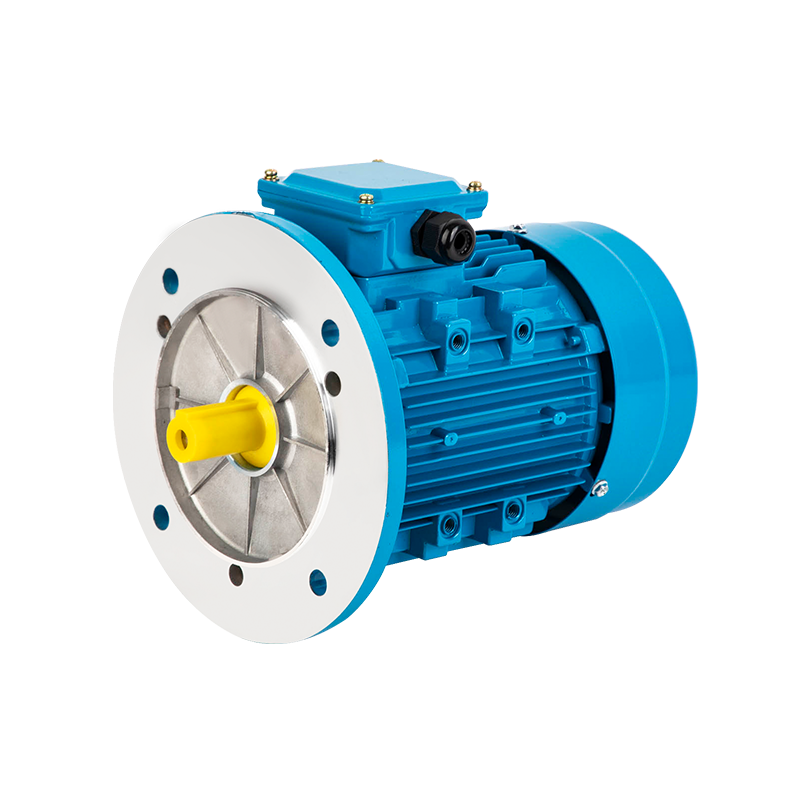
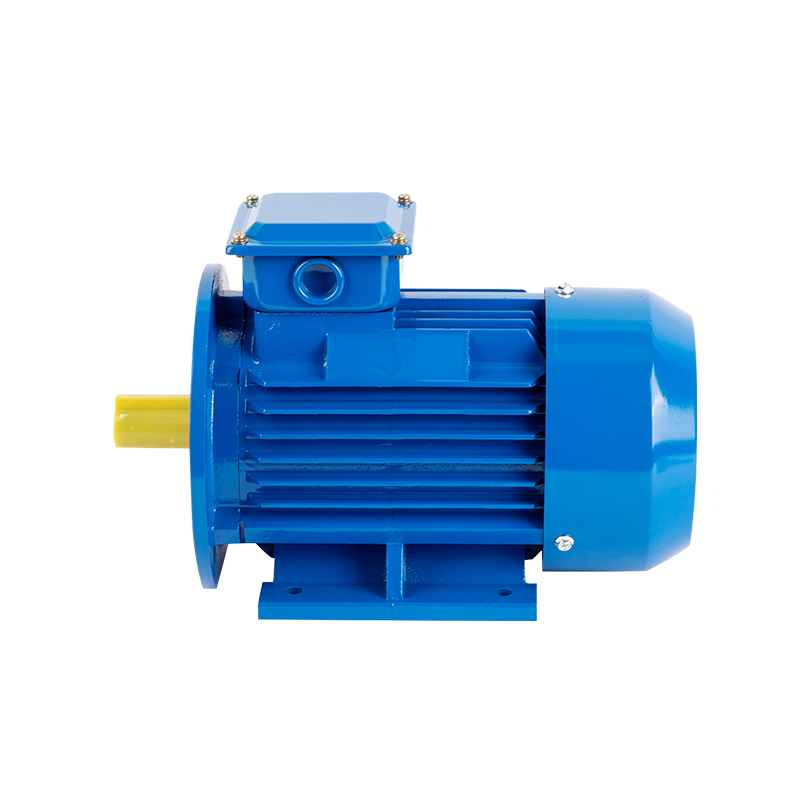
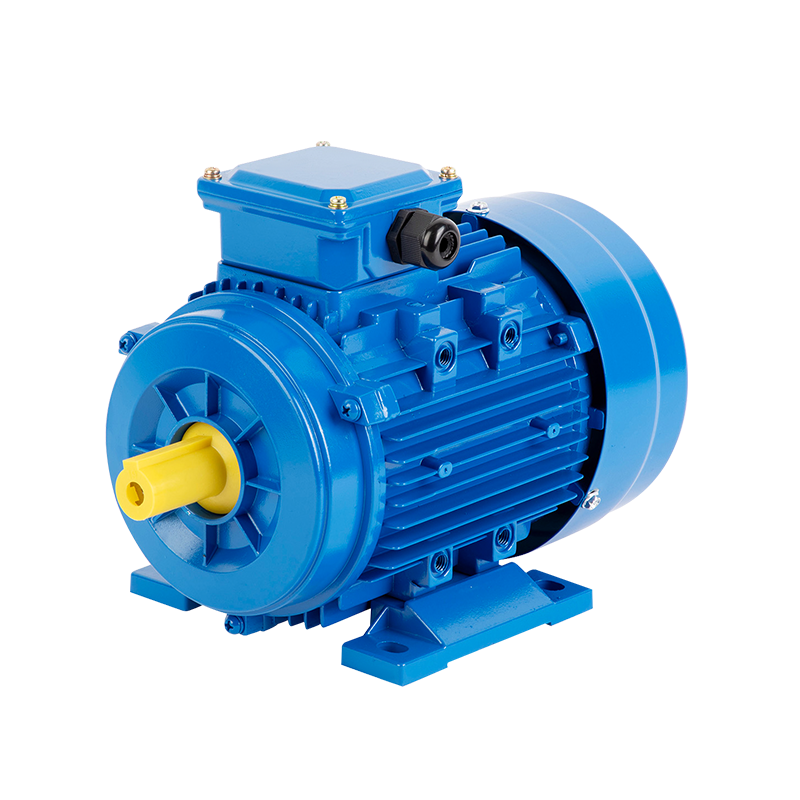
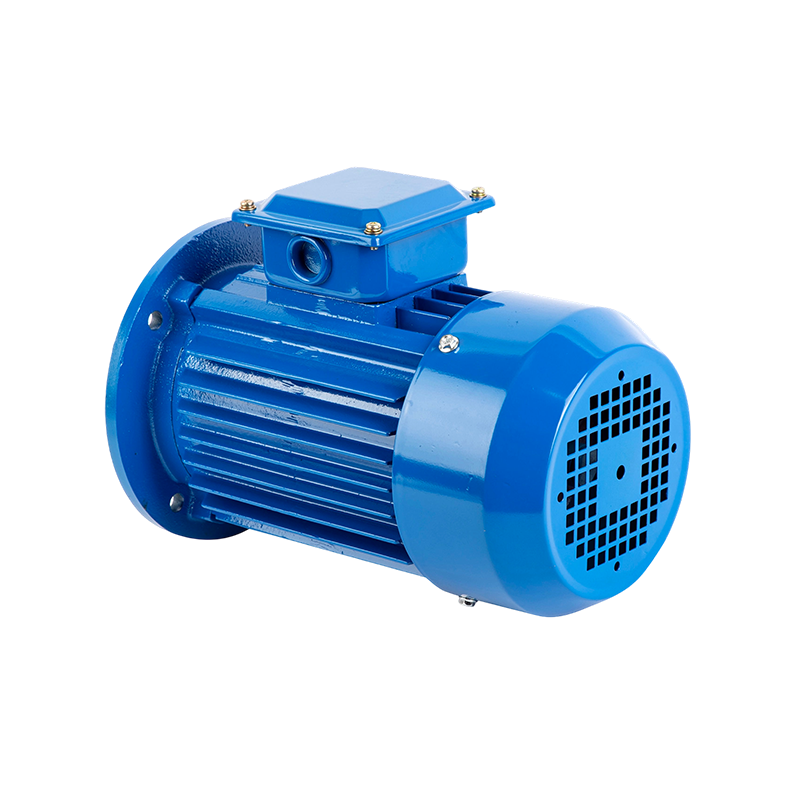
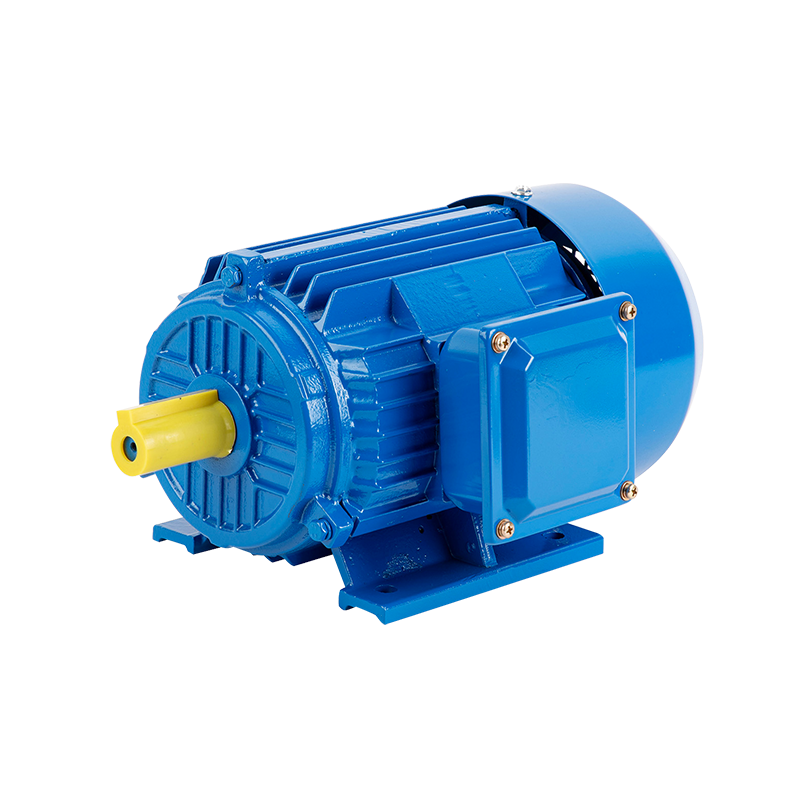
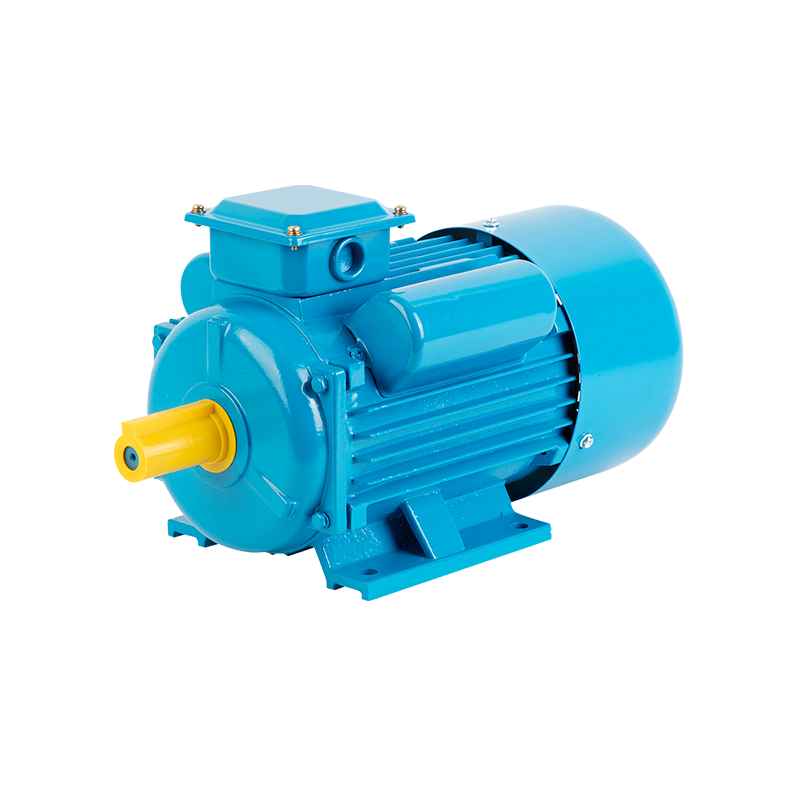
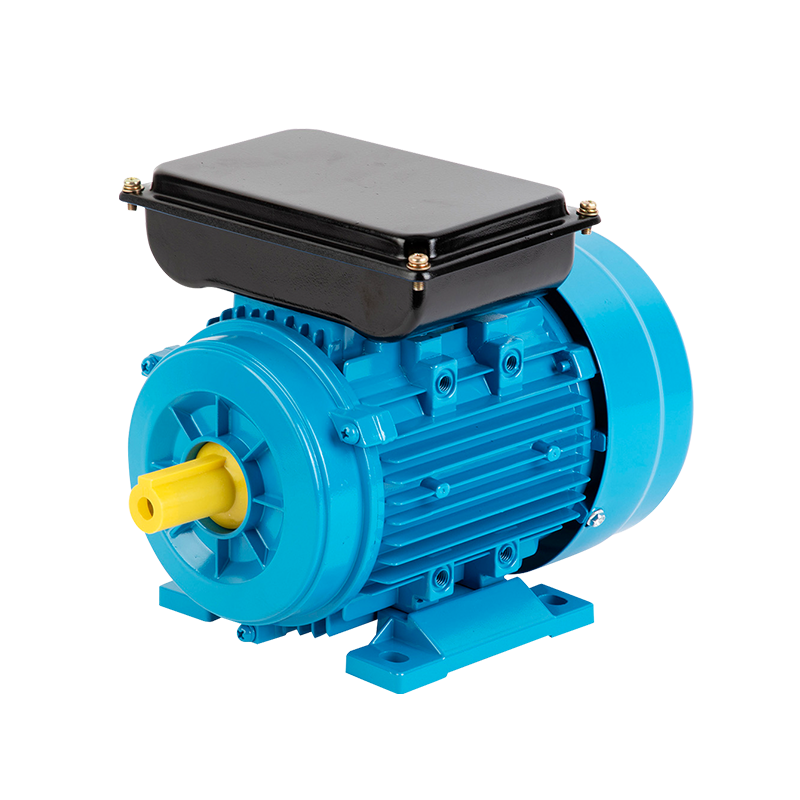
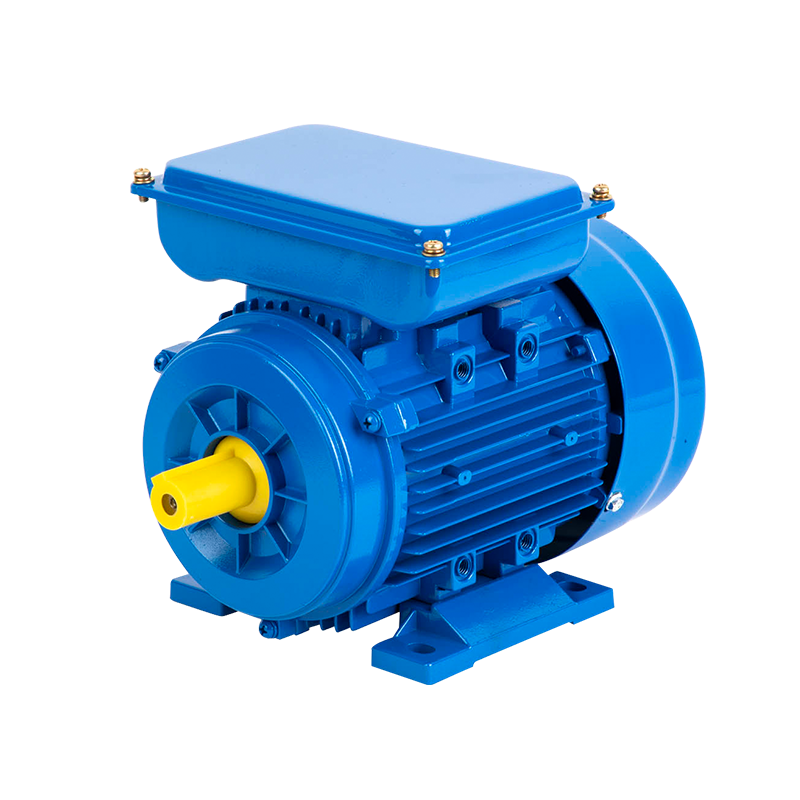
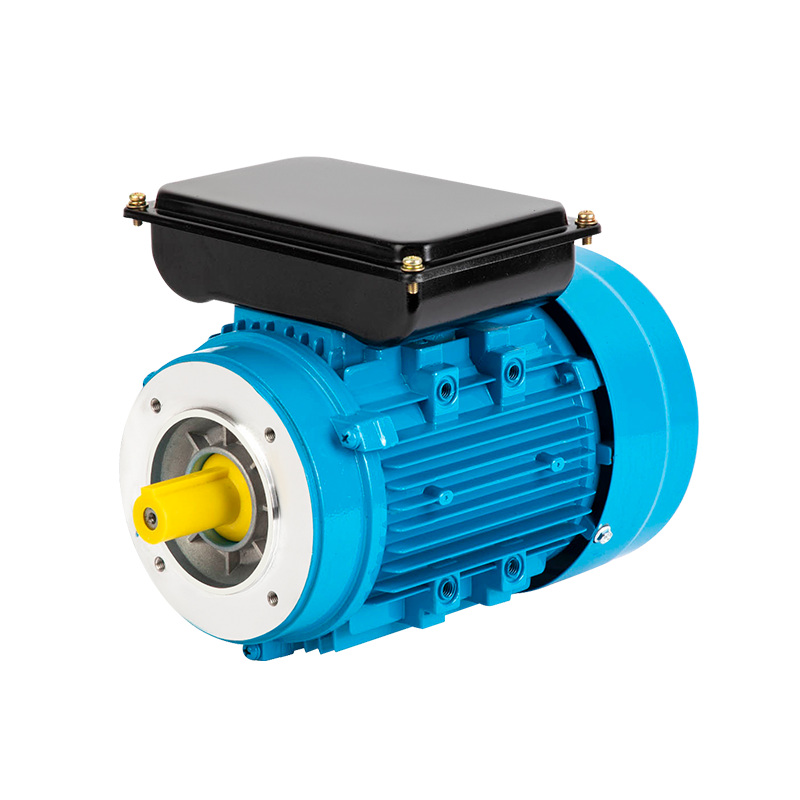
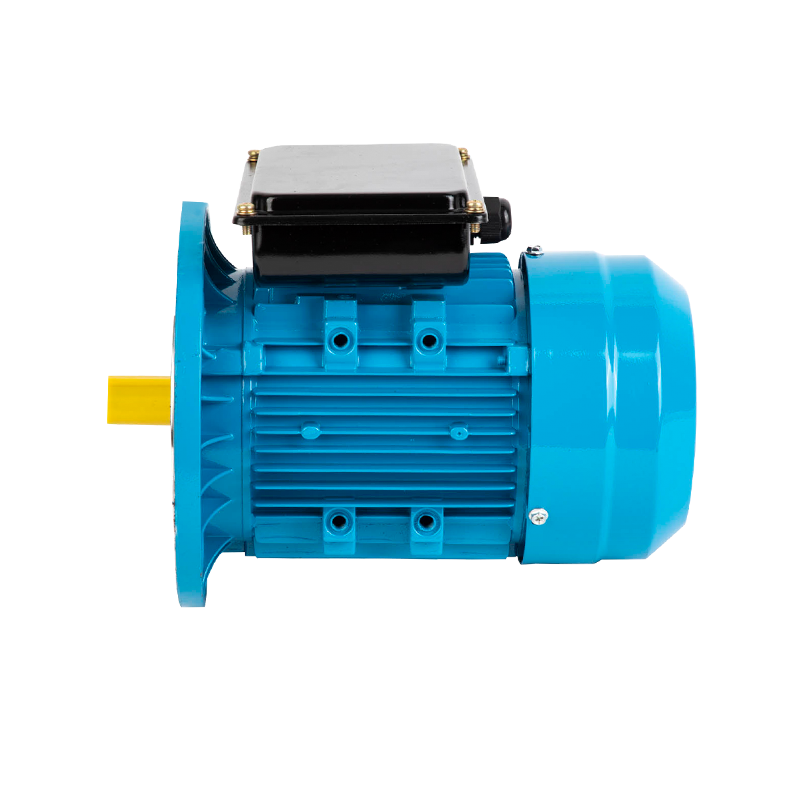
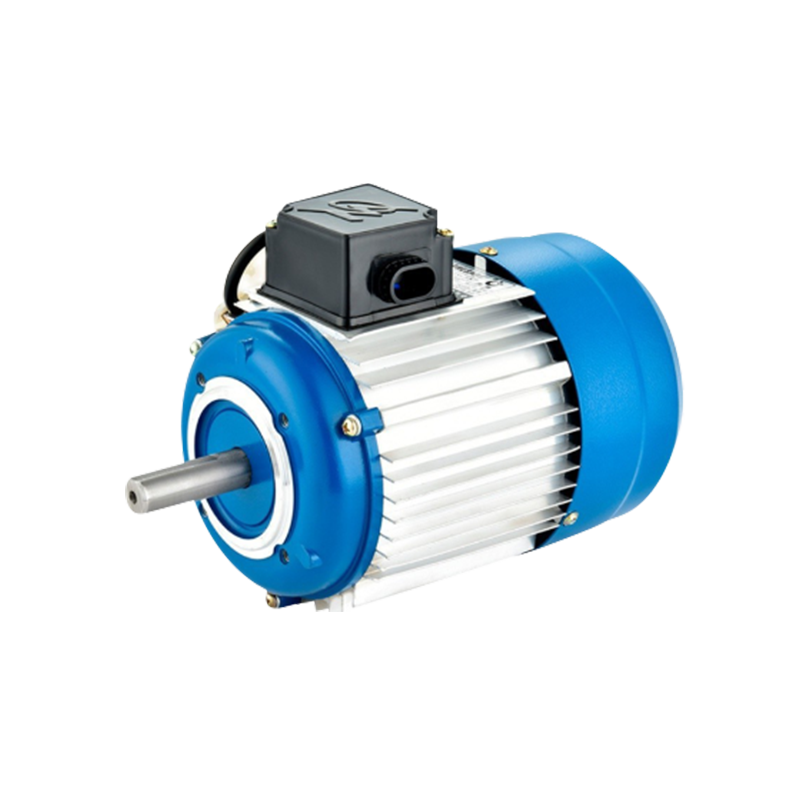
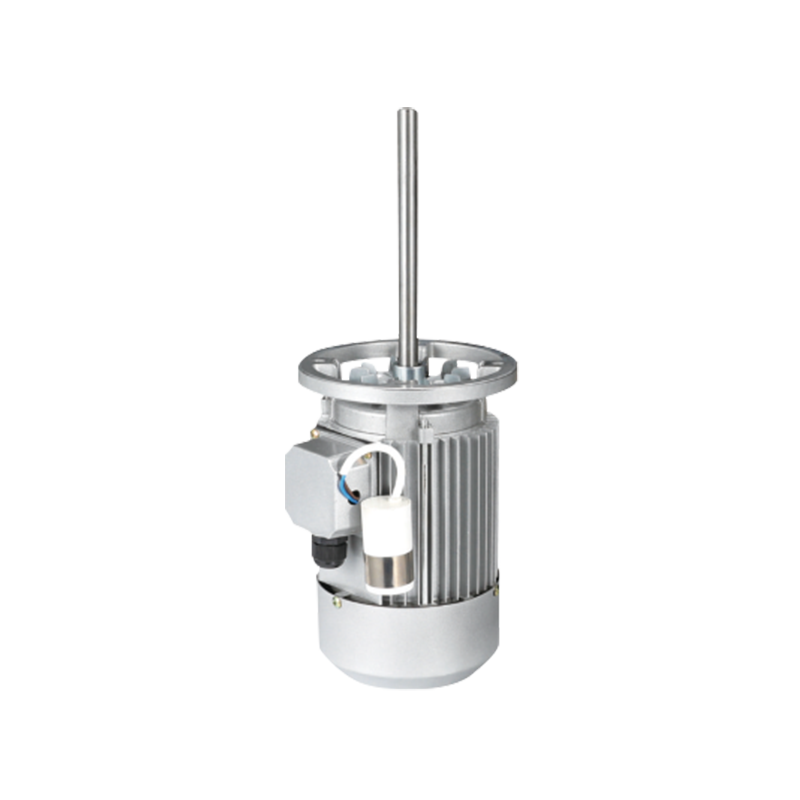
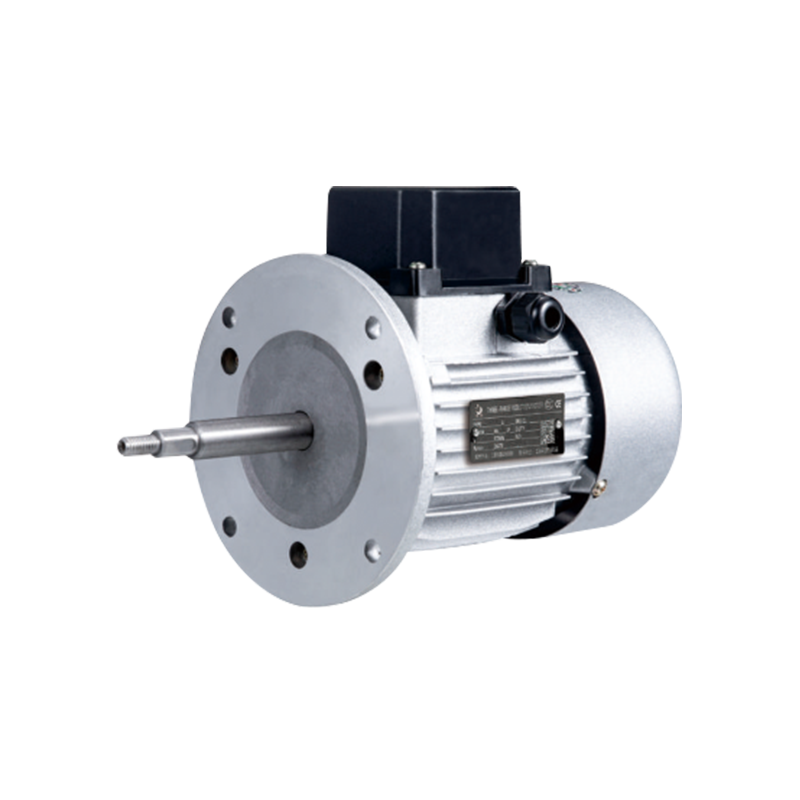
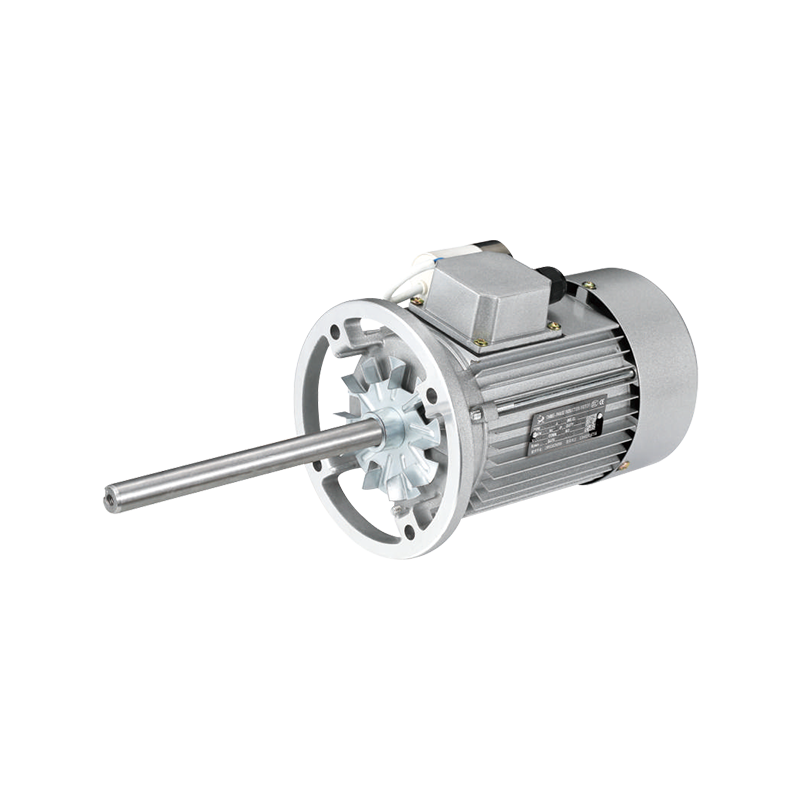
This is changing the way original equipment manufacturers approach motor sourcing. An Aluminum Frame Motor can be considered when equipment designers are looking at weight, installation, heat management, and overall machine layout. However, the aluminum frame itself is only one part of the selection process.
OEM buyers also need to think about the actual application. How will the motor operate? What type of load will it drive? How much space is available? Will the machine use variable speed control? Does the motor need to fit an existing structure? These questions can have a direct effect on the final choice.
So, what are OEMs looking for in Aluminum Frame Motors today? In many cases, the answer comes down to application fit, practical integration, operating conditions, and sourcing consistency rather than one isolated specification.
What Do OEMs Consider Before Choosing An Aluminum Frame Motor?
OEM motor selection usually begins with the machine itself. Before purchasing a motor, an engineering team may already have a defined equipment layout, mechanical structure, available installation space, and expected operating cycle.
The motor therefore needs to work within those boundaries.
- Available installation space
- Mounting arrangement
- Shaft connection
- Motor housing dimensions
- Cooling space
- Driven equipment requirements
- Expected operating conditions
A machine with limited internal space may leave little room for changes. If the selected motor requires a different mounting structure or interferes with nearby components, the equipment manufacturer may need to modify brackets, guards, transmission parts, or the machine enclosure.
For this reason, OEMs often evaluate a motor as part of the complete equipment design rather than treating it as a separate purchasing item.
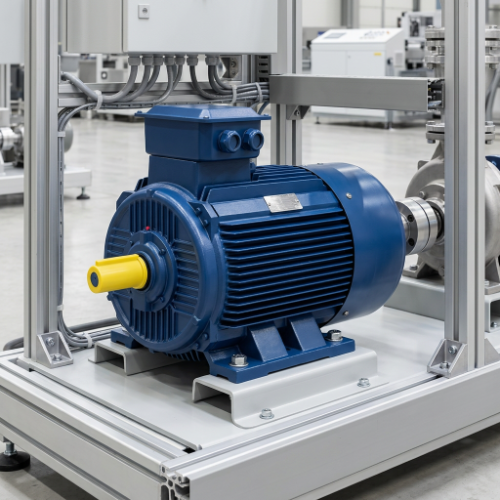
Why Does Housing Design Matter?
The motor housing affects how the unit is installed and how it fits into the surrounding machine structure. Aluminum construction can be relevant when equipment designers are paying attention to overall weight, handling, and installation requirements.
The housing can also participate in heat transfer, although actual thermal behavior depends on the complete motor design, cooling arrangement, operating load, installation position, and surrounding environment.
This means OEM buyers should avoid judging a motor only by its frame material. The more useful question is whether the complete motor design fits the intended equipment and working conditions.
Why Does Motor Weight Matter To OEM Equipment?
Weight can become an important consideration when a motor is installed inside compact equipment, mounted on a movable structure, or positioned where assembly and handling need to remain practical.
An aluminum housing may help equipment designers manage the weight of the motor while keeping the component suitable for integration into the machine. This can be relevant during both equipment assembly and transportation.
However, weight should not be evaluated separately from mechanical and thermal requirements. OEM selection normally involves balancing the motor's physical characteristics with its expected load, installation method, cooling conditions, and operating duty.
| OEM Consideration | Why It Matters |
|---|---|
| Motor Weight | Can influence equipment handling, assembly, and overall machine structure. |
| Housing Design | Affects installation space and the relationship between the motor and nearby components. |
| Mounting Method | Needs to match the mechanical structure of the equipment. |
| Shaft Arrangement | Should work with the driven component and transmission system. |
| Cooling Conditions | Can influence the motor's operating condition during extended use. |
How Does Heat Management Affect OEM Motor Selection?
Heat is a normal part of electric motor operation. Electrical and mechanical losses generate heat, while the motor's cooling arrangement helps release it into the surrounding environment.
For an OEM, this means the motor cannot be evaluated separately from the machine enclosure and installation position.
Engineering teams may need to consider:
- Whether enough air space is available around the motor
- Whether the machine enclosure restricts ventilation
- Whether nearby components generate additional heat
- How long the motor will normally operate
- Whether the mechanical load changes during operation
An aluminum frame can play a role in heat transfer because of the material's thermal characteristics. However, this does not mean that an aluminum housing alone determines cooling performance.
Internal motor construction, ventilation, fan arrangement, load, ambient conditions, and installation all contribute to the final thermal behavior.
For OEM buyers, the practical question is therefore not simply whether aluminum provides heat transfer. The more useful question is whether the complete motor can operate under the actual thermal conditions created by the equipment.
Why Do Load Conditions Matter To OEMs?
Different machines place different demands on motors. Two pieces of equipment may use motors with similar basic characteristics while operating under very different load patterns.
A fan may operate for long periods with a relatively stable load. A conveyor may experience changes as materials enter and leave the system. Production machinery can involve repeated starting, stopping, and acceleration. A pump may also operate under changing process conditions.
This is why OEM engineers usually need to understand the machine's actual working pattern before choosing a motor.
| Application | Selection Consideration |
|---|---|
| Fan Equipment | Operating duration, airflow requirements, cooling conditions, and stable operation. |
| Automation Equipment | Installation space, operating cycle, machine layout, and mechanical connection. |
| Sealing Machinery | Compact installation, starting behavior, mechanical connection, and repeated operation. |
| Woodworking Equipment | Load changes, vibration, dust exposure, and surrounding operating conditions. |
| Vacuum Pump Equipment | Continuous operation, mechanical demand, cooling, and equipment integration. |
The application therefore provides important context when an OEM compares different motor options.
Are OEMs Looking Beyond Basic Motor Specifications?
For many equipment manufacturers, a product specification sheet is only the starting point. The motor still needs to fit the machine after the basic electrical requirements have been reviewed.
OEM teams may look at several areas together:
- Mechanical compatibility
- Mounting arrangement
- Housing dimensions
- Shaft connection
- Cooling conditions
- Operating cycle
- Load behavior
- Control method
- Maintenance requirements
- Long-term sourcing needs
This broader evaluation can reduce the risk of selecting a motor that meets one requirement but creates difficulties elsewhere in the machine.
How Does Motor Efficiency Fit Into OEM Selection?
Energy use is another factor that can influence equipment design. When a motor operates for long periods, its electrical consumption can become part of the machine's overall operating cost.
OEMs may therefore consider motor efficiency together with the expected working conditions rather than viewing efficiency as a separate issue.
A machine that operates continuously under a relatively stable load may have different energy considerations from equipment that starts and stops frequently. Variable-speed machinery can also require a different evaluation because the motor may operate across different speed and load conditions.
This is why the motor should be selected according to the actual application rather than simply based on an efficiency label.
Does Variable Speed Operation Change Motor Selection?
Variable speed control is used in many industrial applications where equipment output needs to change according to the process. When this approach is used, the motor and drive should be considered together.
Changing motor speed can also affect cooling conditions. A motor that depends on airflow for heat management may behave differently at different operating speeds.
OEM engineers should therefore consider:
- Expected operating speed range
- Load changes during operation
- Cooling conditions at different speeds
- Frequency of speed changes
- Starting and stopping requirements
- Compatibility between motor and control system
For an Aluminum Frame Motor used in variable-speed equipment, the important question is not simply whether a drive can be connected. The motor needs to be suitable for the complete operating profile of the machine.
What About Installation Space?
Installation space can become a major concern for OEM equipment, particularly when the motor is placed inside a compact machine.
The available space needs to accommodate the motor itself as well as the surrounding mechanical and electrical components. There also needs to be enough room for appropriate ventilation and future maintenance access.
OEM designers may therefore review the motor housing, mounting position, shaft direction, connection area, and cooling space at the same time.
An aluminum frame can be useful in applications where weight and compact equipment integration are being considered, but the complete installation arrangement still needs to be checked before production.
Why Does Customization Matter To OEM Buyers?
Standard motor configurations are suitable for many applications, but OEM equipment does not always follow a standard machine layout.
A machinery manufacturer may have specific requirements related to mounting, shaft arrangement, installation position, or equipment structure. In these situations, communication between the motor supplier and engineering team can become an important part of the sourcing process.
Customization does not always mean developing an entirely new motor. In some projects, it may involve selecting an appropriate configuration or discussing application-specific requirements before production.
This approach can help reduce unnecessary changes to the equipment design.
What Should OEMs Discuss With A Motor Supplier?
- What type of equipment will use the motor?
- What is the expected load pattern?
- How will the motor be mounted?
- What shaft connection is required?
- What are the surrounding ventilation conditions?
- Will variable-speed control be used?
- Are there application-specific design requirements?
- What product information is needed for equipment design?
Does Supply Consistency Matter For OEM Projects?
Once a motor has been approved for an OEM machine, the sourcing process does not end with the first order. If the equipment enters repeated production, the motor becomes part of an ongoing manufacturing process.
This makes consistency an important practical consideration.
Engineering and purchasing teams may need the motor configuration, dimensions, connection details, and product information to remain suitable across repeat orders. Unexpected changes can create additional work for production and engineering departments.
For this reason, OEM buyers may look beyond the initial product quotation and consider how well the supplier can support an ongoing equipment program.
What Should OEMs Check Before Ordering An Aluminum Frame Motor?
A simple application-based checklist can help equipment manufacturers review the motor before placing an order.
| Selection Area | Questions To Review |
|---|---|
| Application | What machine will the motor drive? |
| Load | Is the load steady, changing, cyclic, or intermittent? |
| Installation | Does the motor fit the available equipment space? |
| Mounting | Does the mounting arrangement match the machine structure? |
| Shaft | Can the shaft connect properly with the driven component? |
| Cooling | Is enough space available for suitable heat management? |
| Environment | Will dust, moisture, heat, or vibration affect the installation? |
| Control | Will the motor operate with fixed-speed or variable-speed control? |
| Maintenance | Can the motor be inspected and serviced as part of the machine? |
| Supply | Can the selected configuration support repeat equipment production? |
This type of review helps OEM teams avoid selecting a motor based on one specification while overlooking the rest of the equipment.
What Are OEMs Really Looking For In Aluminum Frame Motors?
For OEMs, motor selection is increasingly connected with the complete machine design. Weight, installation space, load conditions, heat management, operating efficiency, control methods, and maintenance all have a place in the decision.
An Aluminum Frame Motor can be relevant when equipment designers want to consider housing weight and practical machine integration. At the same time, the aluminum frame should not be treated as the only factor that determines motor performance.
The electrical design, mechanical structure, cooling arrangement, operating pattern, and application all contribute to how the motor performs in the finished equipment.
This is particularly important for OEM projects because a motor is usually one part of a larger system. A choice that works well on a product sheet still needs to make sense after it is installed inside the machine.
On OEM Aluminum Frame Motor Selection
OEMs today are looking at electric motors from a broader equipment perspective. The decision is no longer limited to matching a motor with a basic power requirement. Buyers also need to consider how the motor fits the machine, how it handles the intended load, how heat is managed, how much space is available, and how the motor will operate throughout the equipment's working cycle.
For Aluminum Frame Motors, the housing material can be an important part of that discussion, particularly where weight and equipment integration matter. But the final selection should always be based on the complete application.
By reviewing mechanical compatibility, load behavior, cooling, installation, control, maintenance, and sourcing requirements together, OEM engineering and purchasing teams can develop a clearer picture of what they actually need from a motor.
As a motor manufacturer integrating design, production, sales, and service, Taizhou Sulin Electromechanical Co., Ltd. works with different motor applications and OEM requirements, providing a practical manufacturing base for customers evaluating motor solutions for industrial equipment.
That application-focused approach is likely to remain important as industrial equipment becomes more integrated and manufacturers continue to look closely at energy use, machine design, and long-term operating considerations.


