 English
 Español



Building 1, Block 4, Wufeng Industrial Park, Daxi Town, Taizhou City, Zhejiang Province, China
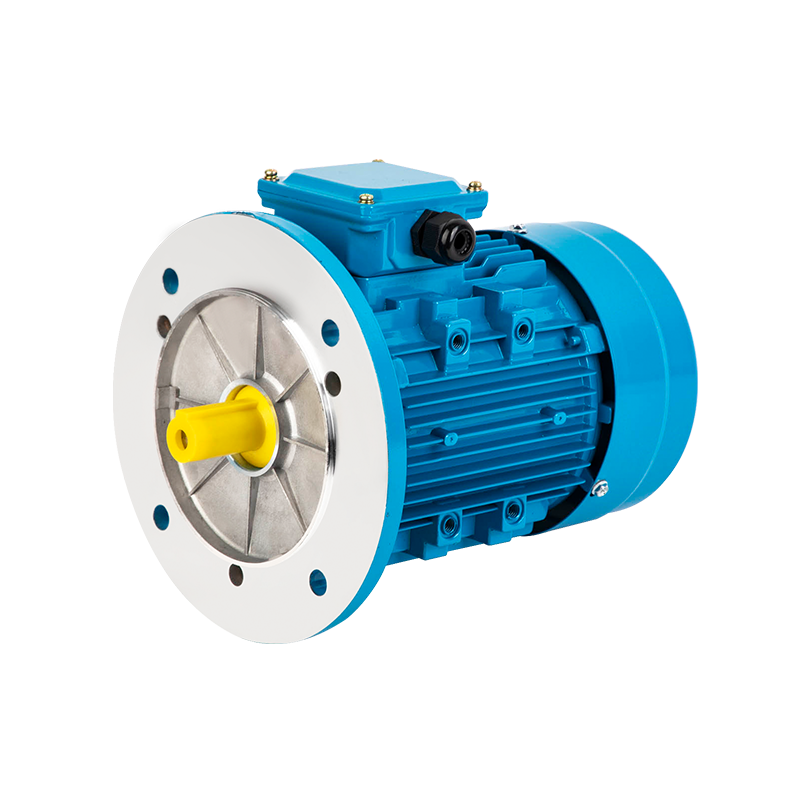
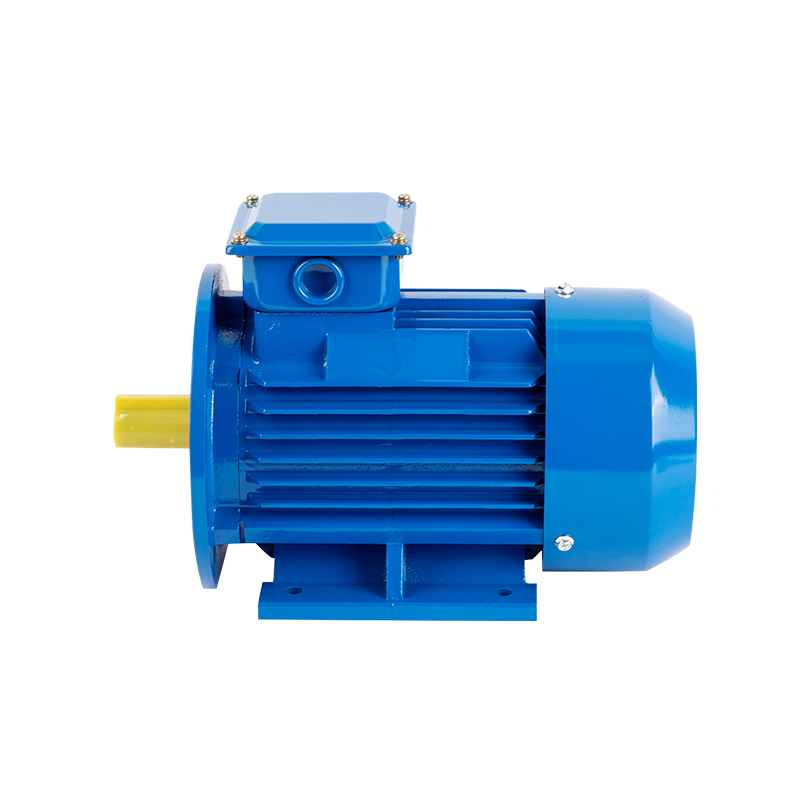
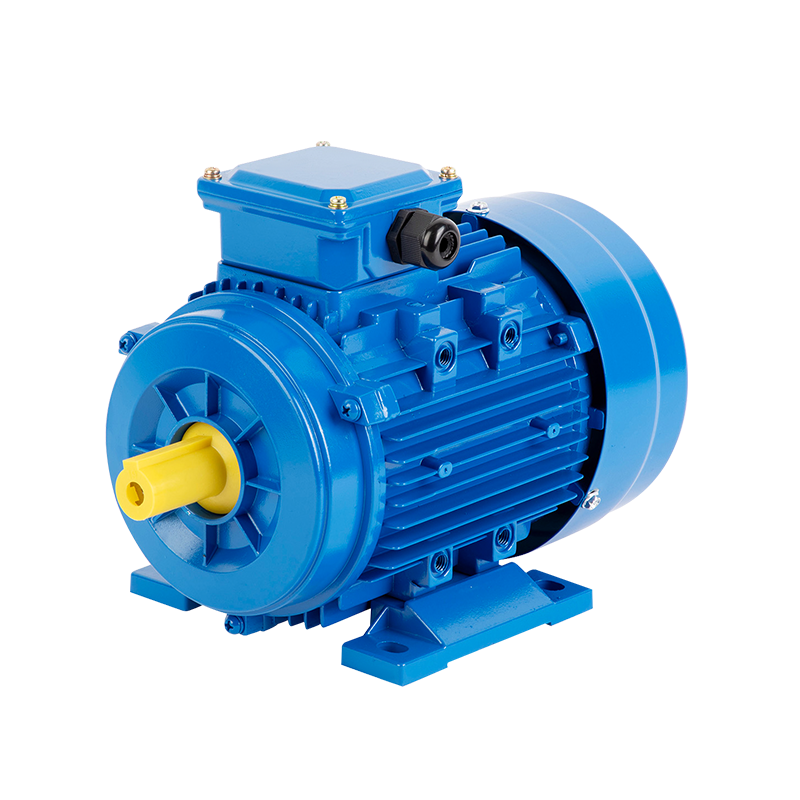
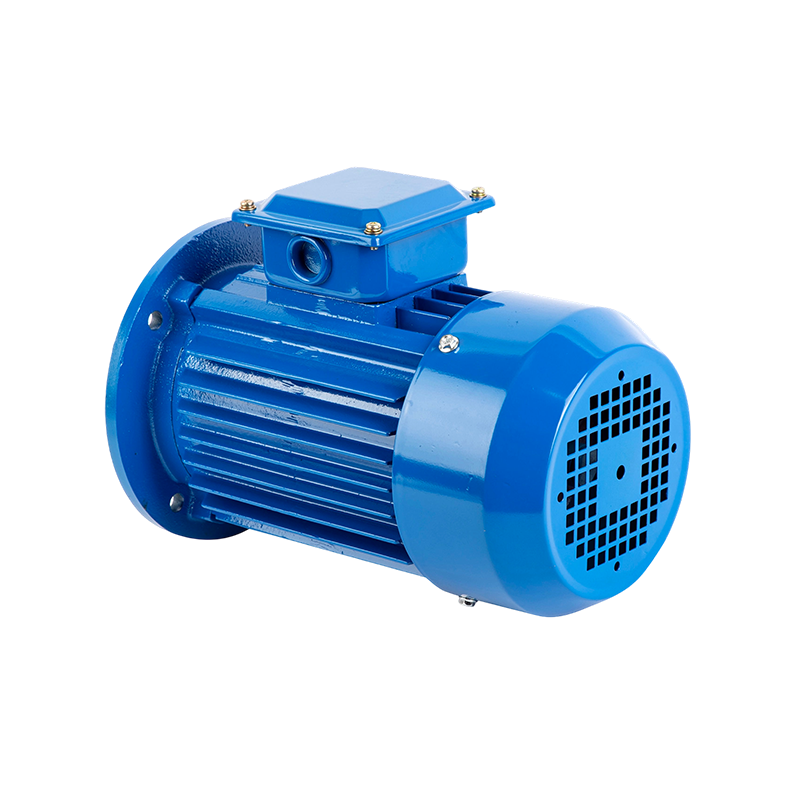
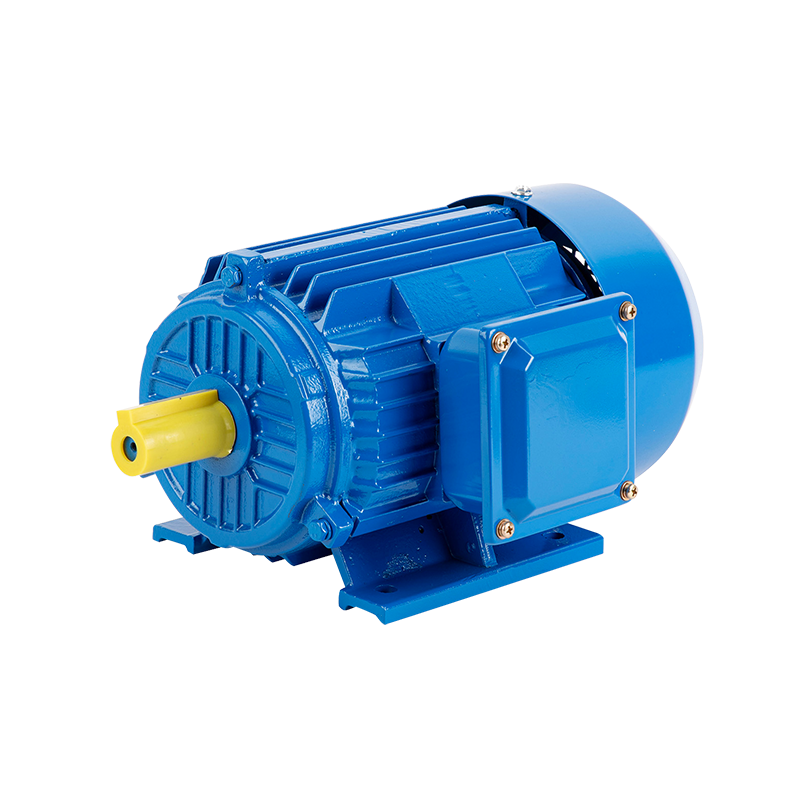
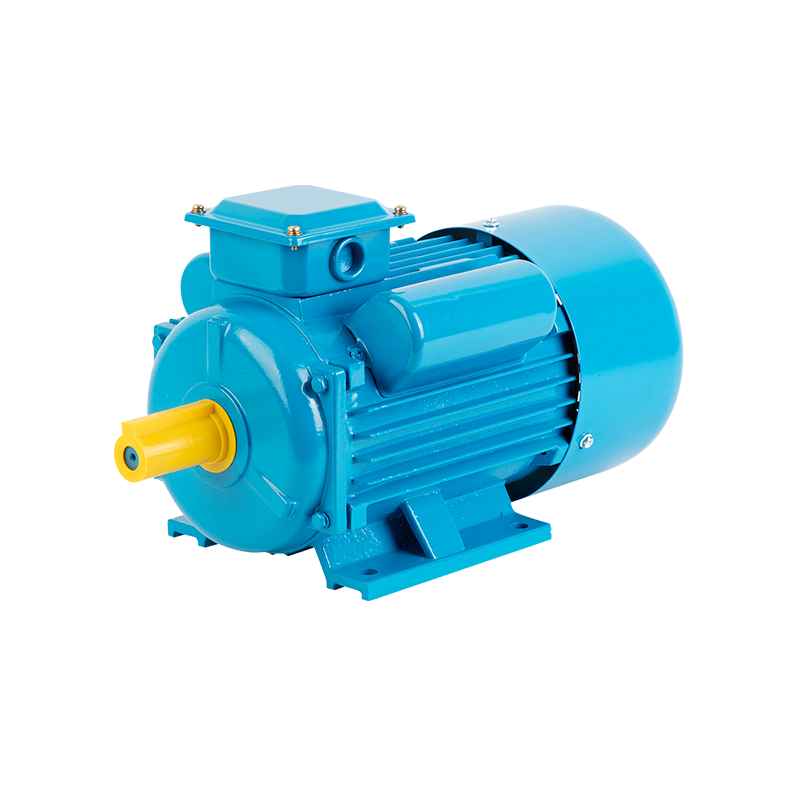
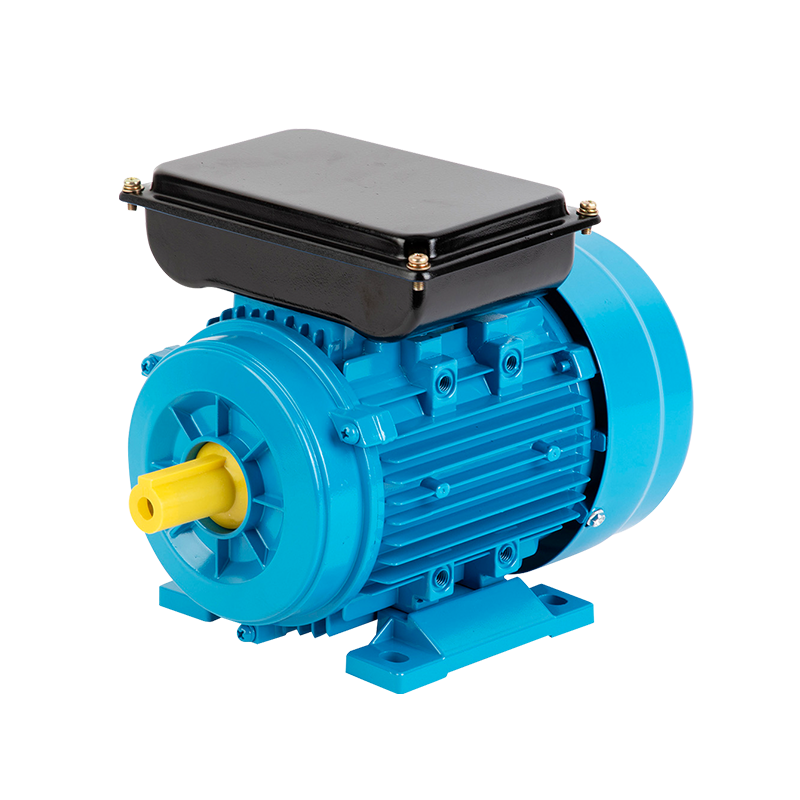
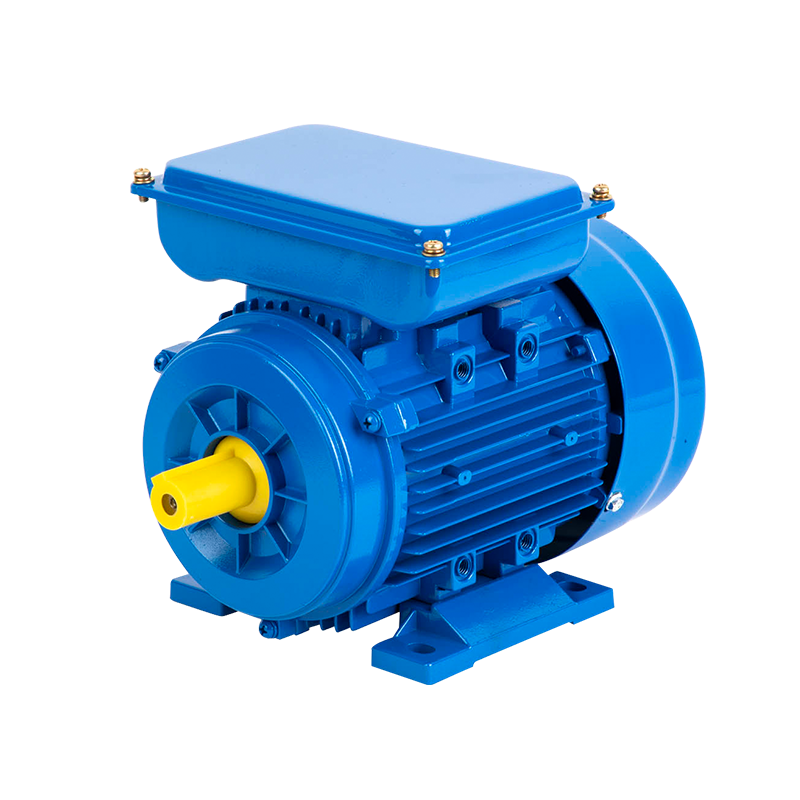
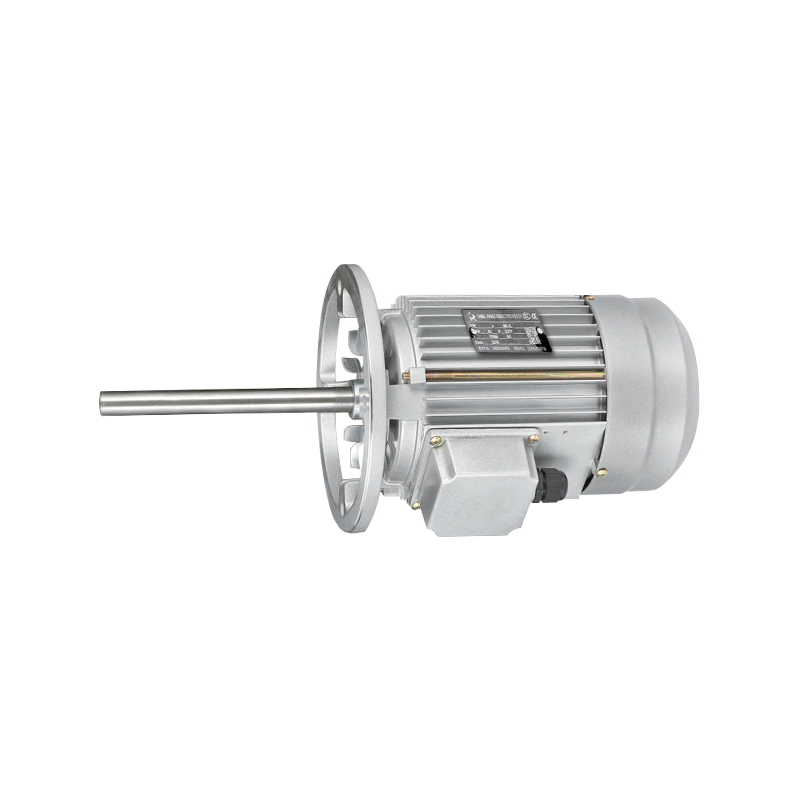
The frame of an electric motor does more than just hold everything together. It works as the outer housing that shields windings, bearings and other internal components from whatever environment the motor operates in. But its job doesn't stop at mechanical protection — the frame also has a real say in how well the motor performs over its lifetime.
Heat is just part of the deal with motor operation. Current running through the windings runs into electrical resistance, and that resistance generates heat as a byproduct. That heat has to go somewhere. Trap it inside the motor, and temperatures climb — and higher temperatures push electrical resistance up even further, creating a feedback loop that chips away at overall efficiency.
Frame material has a lot to do with how effectively that heat actually escapes the motor core. Some materials conduct heat readily, others behave more like insulators and hold warmth in. That difference shows up in operating temperatures and, over the long run, in energy consumption too.
A few factors link frame material directly to motor performance:
- Thermal conductivity sets the pace of heat transfer
- Surface area determines how much heat actually reaches the surrounding air
- Material density affects overall weight and handling
- Dimensional stability under temperature swings affects component alignment
Choosing a frame material isn't just about strength or cost. It reaches into electrical performance, mechanical durability and long-term operating expenses all at once.
How Heat Generation Affects Motor Performance
Every motor generates heat while running. Current moving through the windings runs into electrical resistance, and that resistance turns part of the electrical energy into heat instead of useful work. How much heat depends on the load the motor's carrying and how its internal components are designed.
Heat works its way into motor performance in a few different ways. Electrical resistance in copper windings climbs as temperature rises. As resistance goes up, more energy gets converted to heat rather than mechanical output — the motor runs hotter, resistance climbs further, and this loop can drag efficiency down noticeably over time.
Temperature also takes a toll on the insulation inside the motor. Windings are coated with insulating material meant to guard against short circuits, but sustained high heat gradually wears that material down. As insulation degrades, the odds of an electrical fault go up right along with it.
Bearings and other mechanical parts feel the heat too — literally. Lubrication breaks down faster once temperatures climb. Clearances shift as components expand. Between the electrical and mechanical effects combined, excess heat can genuinely shorten how long a motor lasts.
Managing heat removal properly helps keep electrical performance steady. Motors that run cooler tend to lose less energy to inefficiency, and they typically last longer too, simply because their components face less thermal wear and tear along the way.
What Properties of Aluminum Influence Heat Transfer
Aluminum conducts heat more readily than many other materials commonly used for motor frames. That thermal conductivity lets heat move quickly from the motor core out to the frame surface — from there, moving air carries it the rest of the way away.
A frame material's thermal conductivity essentially determines how fast heat can escape the motor core. High conductivity gives heat a clear path from the windings out to the surface. Low conductivity, on the other hand, just traps heat close to where it's generated.
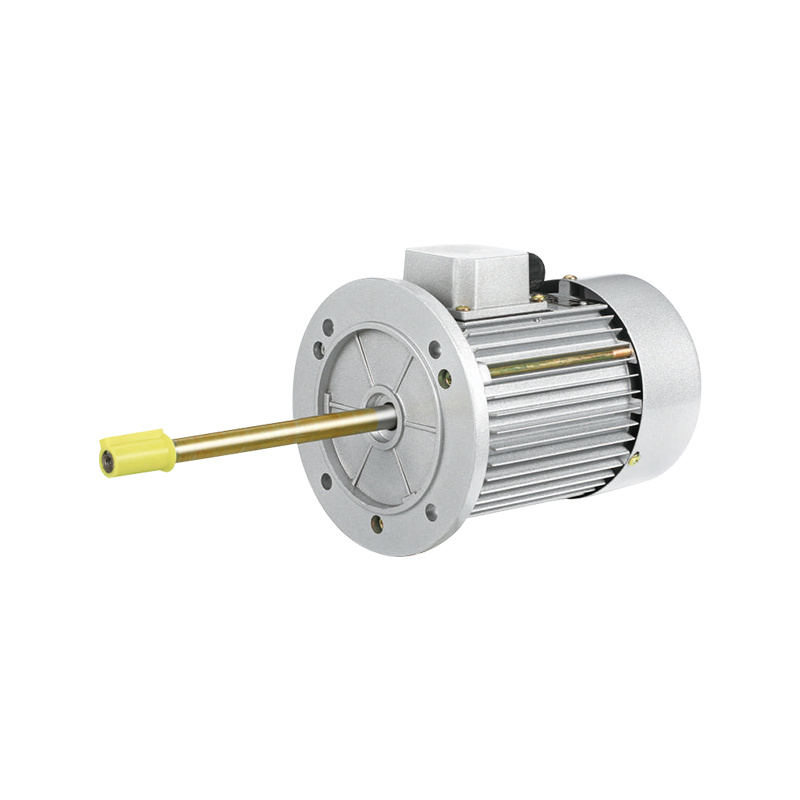
Surface area and fin design work hand-in-hand with material properties here. Adding fins to a frame increases the surface area available for heat to escape, and paired with aluminum's strong conductivity, finned designs can deliver effective cooling without needing any extra equipment bolted on.
Aluminum brings some practical perks beyond thermal performance too. Its lower density compared to something like cast iron means lighter frames overall — and lighter motors are simply easier to handle during installation, while placing less strain on whatever's mounting them.
| Property | Benefit for Motor Frames |
|---|---|
| Thermal conductivity | Moves heat away from the motor core efficiently |
| Low density | Cuts down overall motor weight |
| Corrosion resistance | Keeps surface condition stable across varied environments |
| Ease of casting | Allows for complex fin shapes to boost cooling |
Effective heat transfer narrows the temperature gap between the motor's interior and the surrounding air. A motor running cooler operates with lower electrical resistance and puts less thermal stress on its components overall.
How Frame Material Affects Overall Motor Weight
Material density has a direct hand in frame weight. Aluminum is less dense than steel or cast iron, so an aluminum frame simply weighs less for the same volume of material. That weight difference ripples through several aspects of installing and using the motor.
Lighter frames bring down the total mass of the whole motor assembly. A lighter motor takes less effort to lift, position and secure during setup. Overhead mounting gets noticeably easier when the motor weighs less, and structural supports underneath can be lighter too.
Weight plays into handling and support requirements throughout installation. Motors going into tight spaces or up at height benefit from that reduced weight — workers deal with less physical strain handling lighter equipment, and the odds of dropping or damaging the motor during installation drop as well.
Lower weight also eases the load on mounting systems generally. Floor plates, brackets and other supports can be designed with lower load capacity in mind, and the savings on supporting structure often offset some of the cost gap between frame materials.
That weight advantage sticks around through the motor's entire service life too. Relocation, maintenance, eventual replacement — all of it involves handling the motor at some point, and a lighter unit simplifies every one of those tasks along the way.
Where Thermal Management Connects to Energy Use
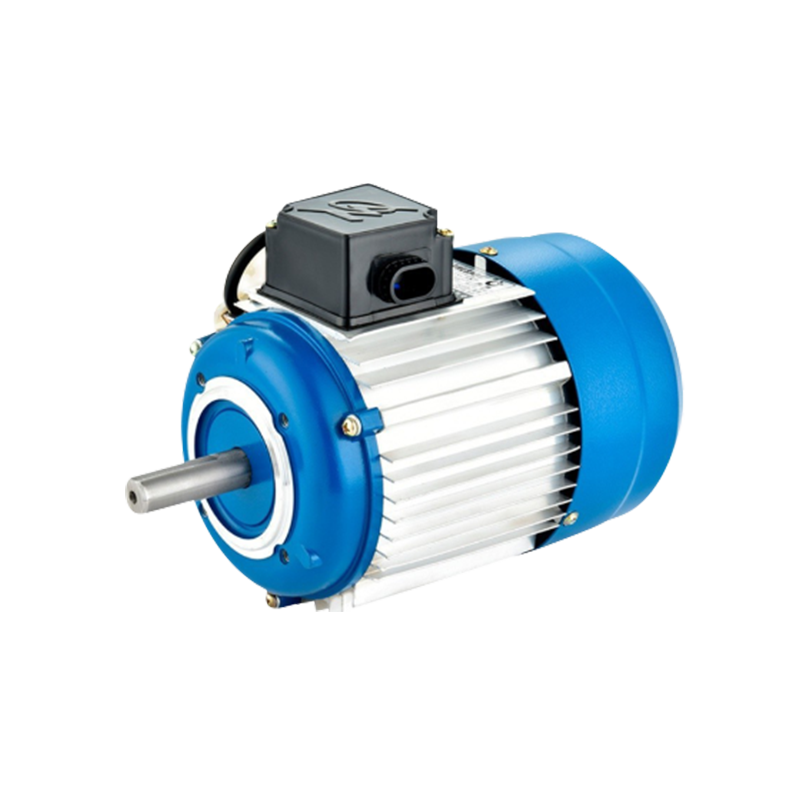
Motors running cooler typically lose less energy to electrical inefficiency. Less waste heat translates pretty directly into more input energy actually converting to mechanical output — the connection between heat and efficiency is about as straightforward as it gets.
Thermal management isn't some separate concern from efficiency — they're tied together. How well the frame handles cooling affects how much energy the motor burns through for a given workload. A cooler-running motor pulls less current to deliver the same torque, simply because its windings carry lower resistance.
This temperature-efficiency relationship shows up in every motor application out there. Motors working in hot environments or under heavy loads lean especially hard on effective cooling. A frame that pulls heat away efficiently helps hold efficiency steady across a wide swing of operating conditions.
Less waste heat means more of that input energy actually shows up as useful mechanical work. Cooler-running motors carry lower electrical losses, and the frame's contribution to cooling directly shapes how much energy gets consumed for whatever workload it's handling.
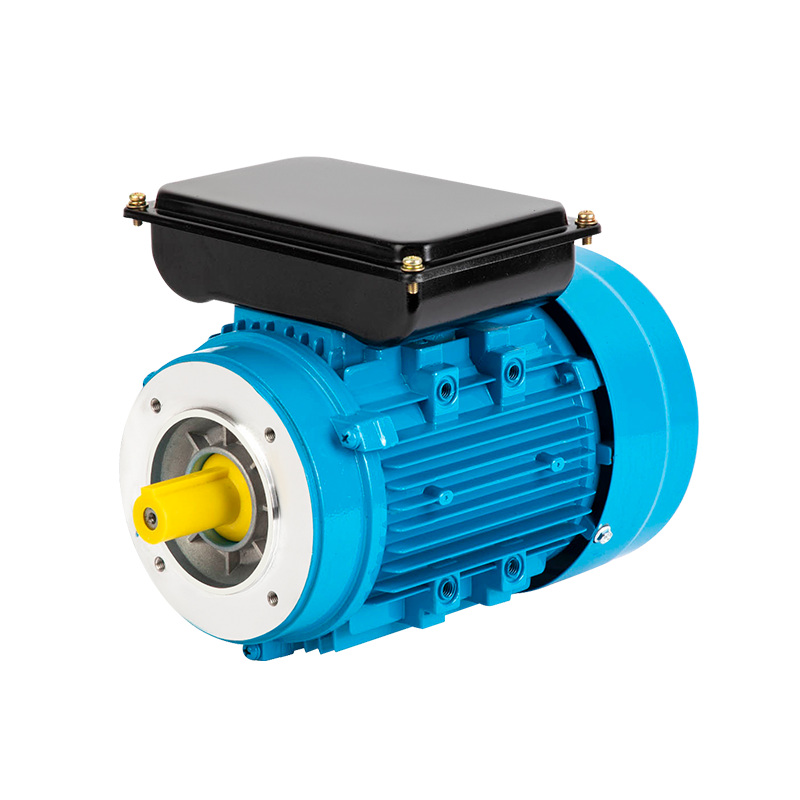
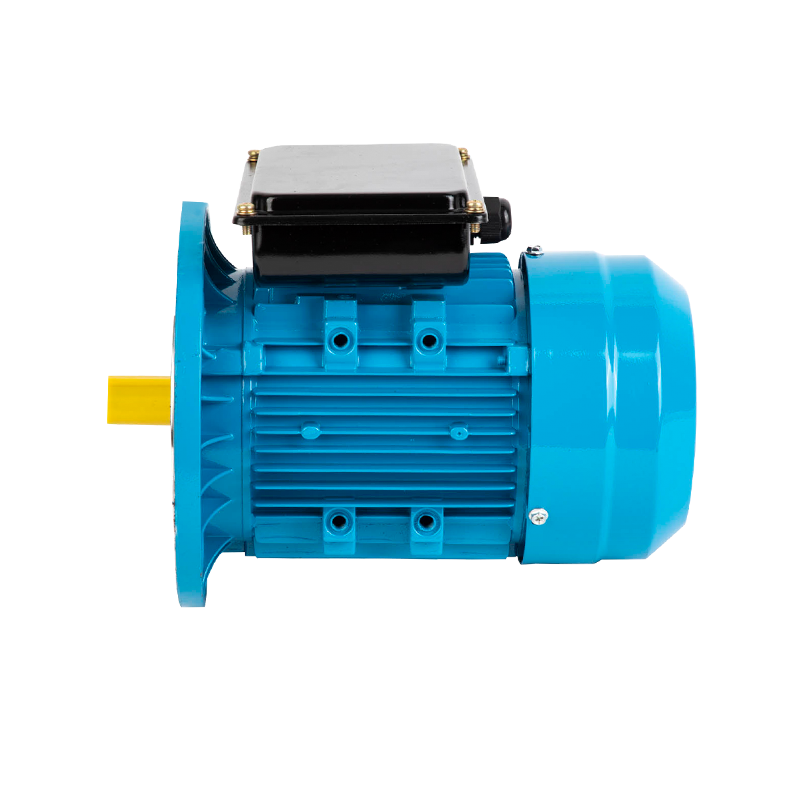
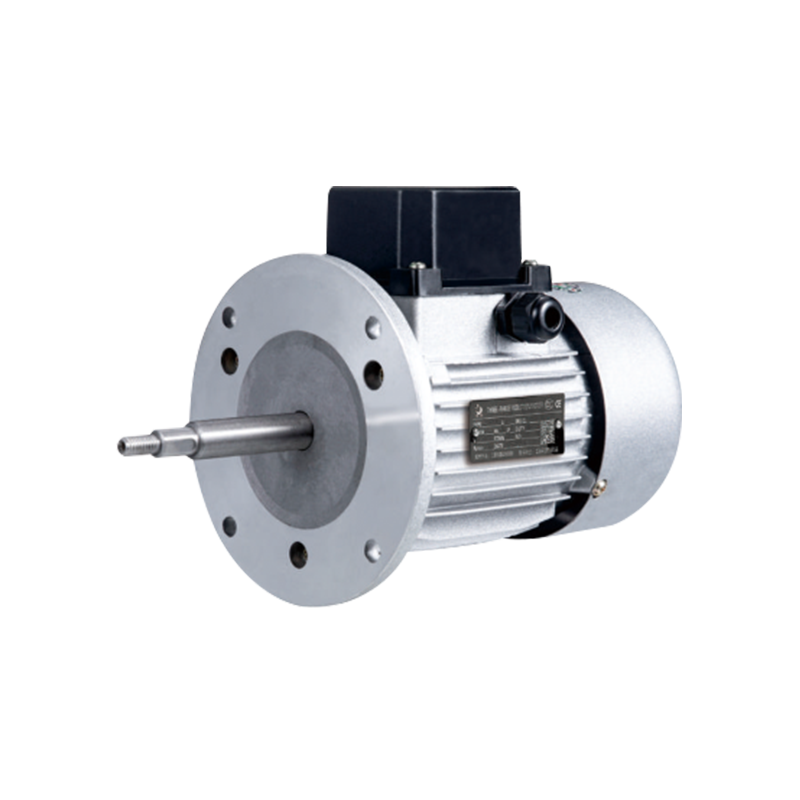
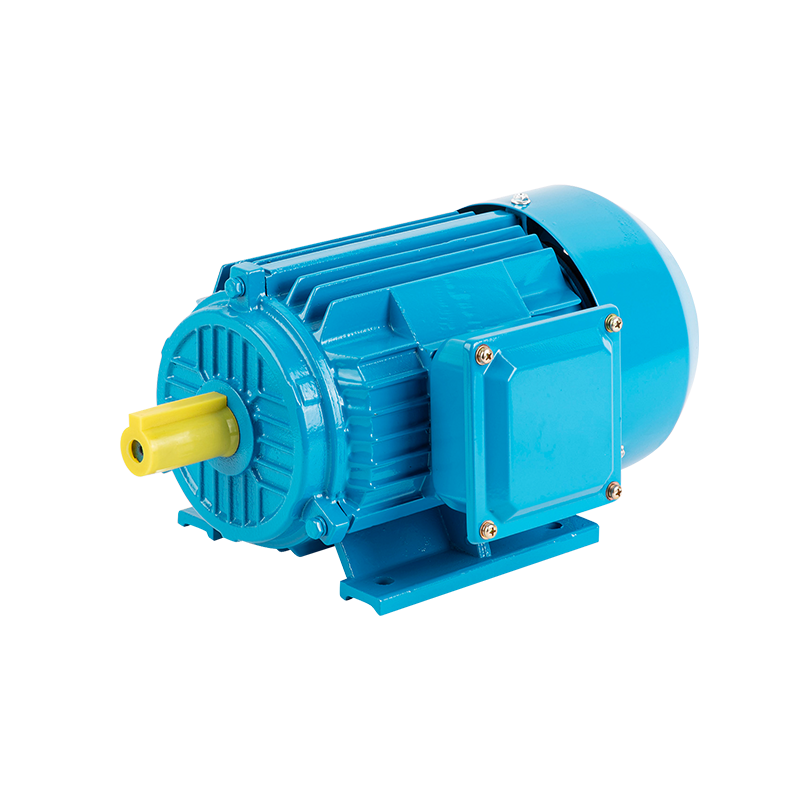
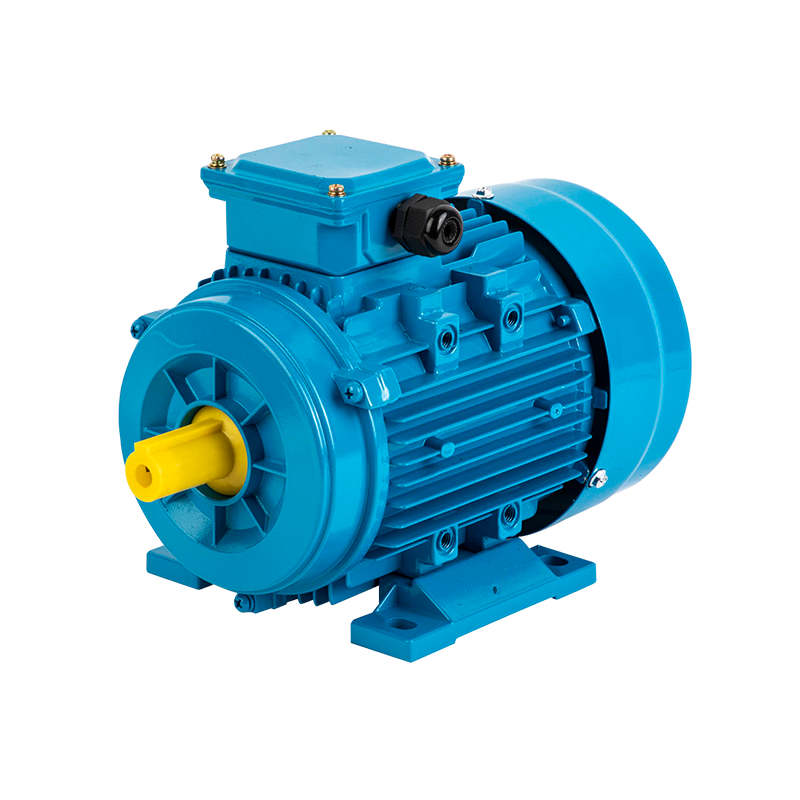
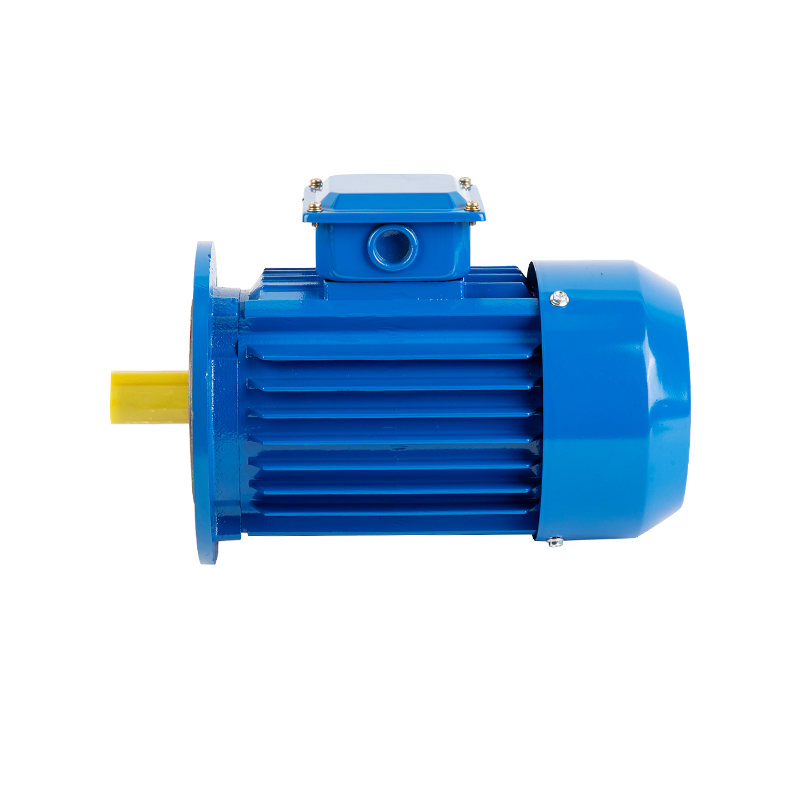
An Aluminum Frame Motor tackles these thermal challenges through the material properties baked right into its design. Good thermal conductivity, lighter weight and flexibility in fin design together make aluminum a genuinely practical choice for motor frames across plenty of industrial settings. Its knack for moving heat away from internal components helps keep electrical performance steady and feeds directly into the motor's overall efficiency.
How Frame Construction Influences Motor Longevity
Operating temperature has a lot to do with how long a motor's internal components actually last. Heat wears down the materials inside gradually — insulation on the windings grows brittle over time, bearings lose their lubrication, and other components pick up wear that only speeds up as temperatures climb.
Motors that run consistently cooler tend to enjoy longer service lives. The logic here is pretty simple: components facing less thermal stress just hold up longer. A frame that pulls heat away effectively keeps internal temperatures within the range where materials behave the way they're supposed to.
Insulation life is especially sensitive to heat exposure. The materials wrapping the windings degrade faster under sustained high temperatures, while a motor running cooler keeps that insulation in good shape for a lot longer. Fewer winding failures down the line means less downtime spent on rewinding or outright replacement.
Bearings benefit from good thermal management too. Heat breaks down lubricating grease and strips away its effectiveness — and once lubrication fails, bearings wear out faster than they should. Keeping the frame cooler helps preserve proper lubrication conditions for longer stretches.
Frame design built around cooling feeds directly into overall durability. Fins, ventilation paths and material choice all work together to keep internal temperatures in check. Solid thermal design is really about protecting internal components from wearing out before their time.
How Material Selection Affects Manufacturing and Assembly
Different frame materials call for different fabrication approaches entirely. Manufacturing an aluminum frame looks nothing like the process for steel or cast iron — each material brings its own considerations around machining, finishing and assembly.
Aluminum casting opens the door to complex shapes that would be a real headache with other materials. Cooling fins, mounting feet and other features can all get cast right into the frame as one piece, cutting down on secondary operations and simplifying the whole manufacturing process.
Machining and finishing shift depending on material too. Aluminum cuts more easily than steel, which means less tool wear and shorter machining time. Aluminum frames typically need less post-machining treatment to hit a good surface finish compared to some alternatives.
Assembly differs as well. Aluminum can be welded, though it needs different techniques than steel welding calls for. Fasteners paired with aluminum frames also have to account for the material's distinct thermal expansion and corrosion behavior.
| Manufacturing Aspect | Aluminum Frame | Cast Iron Frame |
|---|---|---|
| Casting complexity | Allows detailed fin shapes | Limited to simpler forms |
| Machining difficulty | Cuts easily, longer tool life | Requires more effort |
| Welding | Possible with proper technique | Commonly welded |
| Surface finishing | Simple treatment often adequate | May require more processing |
These manufacturing advantages can shave down production time and lower overall costs. At larger production volumes, those efficiencies start adding up into a meaningful chunk of the motor's total cost.
What Happens When Frame Material Doesn't Match Operating Conditions
Trouble tends to crop up when a motor's frame material isn't suited to its actual operating environment. Overheating shows up when cooling capacity falls short of what the application demands — a frame that can't shed heat fast enough lets internal temperatures climb past design limits.
Thermal expansion mismatches between frame and internal components can add stress too. As temperatures rise, different materials expand at different rates, and if the frame expands more or less than the shaft or bearings, that mismatch places extra stress right on those parts.
Performance decline often comes back to poor thermal management at the root. Motors running too hot burn more energy for the same output, fail more often, and simply don't last as long. How well the frame material handles cooling has a direct bearing on motor performance over time.
High ambient temperatures put even more strain on a frame's cooling capacity. Motors sitting near heat sources or stuck in poorly ventilated spaces face extra thermal challenges on top of whatever heat they're already generating — frame design needs to account for these environmental realities from the start.
How Custom Electric Motor Design Incorporates Frame Choices
Custom Electric Motor projects tend to bring frame material into the conversation early in the design process. The frame isn't something bolted on as an afterthought — it's a core part of the overall design, weighed by engineers alongside every other component to strike the right balance between performance, durability and cost.
Operating environment, load patterns and duty cycles all shape frame selection. A motor running continuously under heavy load faces very different thermal demands than one that only kicks on now and then.
Motor designers juggle thermal, mechanical and cost considerations all at once — no single factor gets to dominate the decision. The frame material has to hit thermal targets while still fitting within cost and manufacturing constraints.
Frame material is really just one piece of a bigger optimization puzzle. The strongest motor designs think through how every part works together — a well-chosen frame ends up supporting the performance of the windings, bearings and every other internal component too.
What to Consider When Selecting a Motor Frame Material
A handful of factors come into play when picking a frame material for an industrial motor. Working through each one helps match the motor to the job it's actually going to do.
- Operating temperature range and ambient conditions.
A motor running in a hot environment needs stronger cooling than one sitting somewhere cool. The frame material has to handle the expected temperature swing without losing its properties along the way. - Load profile and duty cycle.
Continuous heavy loads generate more heat than intermittent use does. The frame's cooling capacity should line up with how the motor will actually be run day to day. - Mounting configuration and space constraints.
Motors crammed into tight spaces with poor airflow need frames that cool effectively without leaning on forced air. Fins and surface design carry more weight when space is at a premium. - Installation handling and access requirements.
Lighter frames are simply easier to maneuver in awkward locations. A material that trims weight can make both installation and maintenance noticeably easier. - Cost versus performance priorities.
Material choice always comes with trade-offs. A pricier frame might deliver better thermal performance, but that cost gap needs to be weighed against the energy savings and longevity gains it actually delivers.
| Selection Factor | What to Consider |
|---|---|
| Operating temperature | Ambient heat and motor load shape cooling needs |
| Duty cycle | Continuous operation demands better thermal management |
| Installation space | Tight spaces limit airflow and cooling options |
| Handling requirements | Lighter frames ease installation and maintenance |
| Expected service life | Longer expected life justifies stronger thermal design |


