 English
 Español



Building 1, Block 4, Wufeng Industrial Park, Daxi Town, Taizhou City, Zhejiang Province, China
Stable motor operation is closely connected with the condition of the equipment being driven. An electric motor may run for long periods under changing loads, varying ambient conditions and different power supply states, so performance cannot be judged only by whether the shaft continues to rotate.
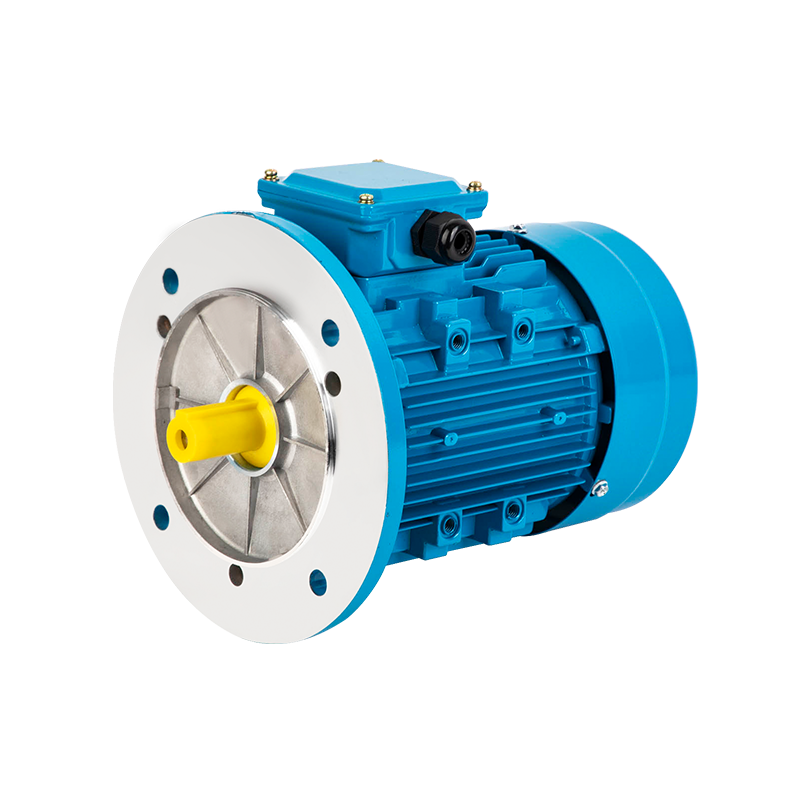
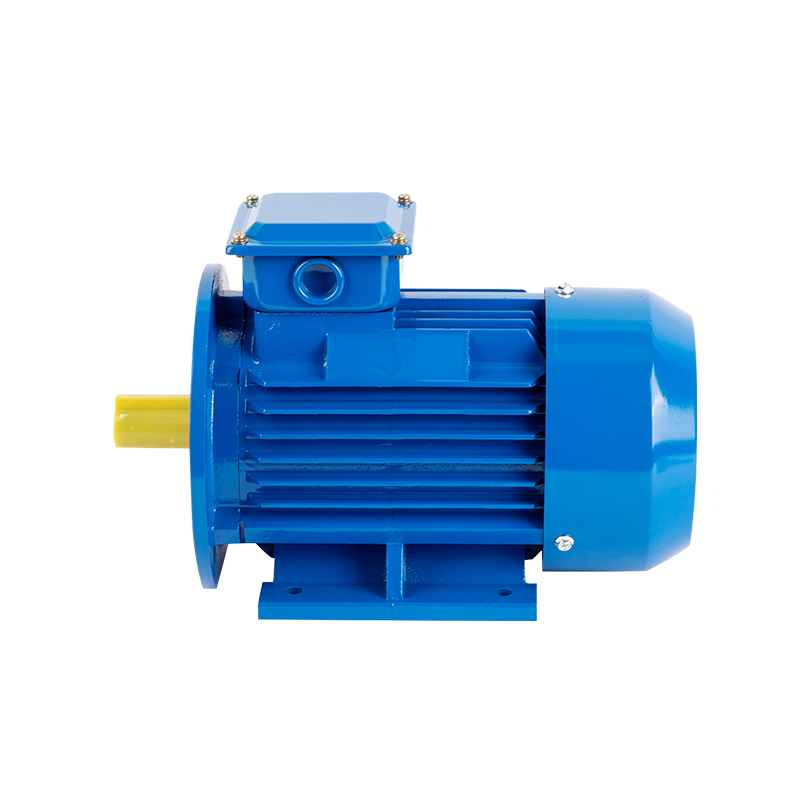
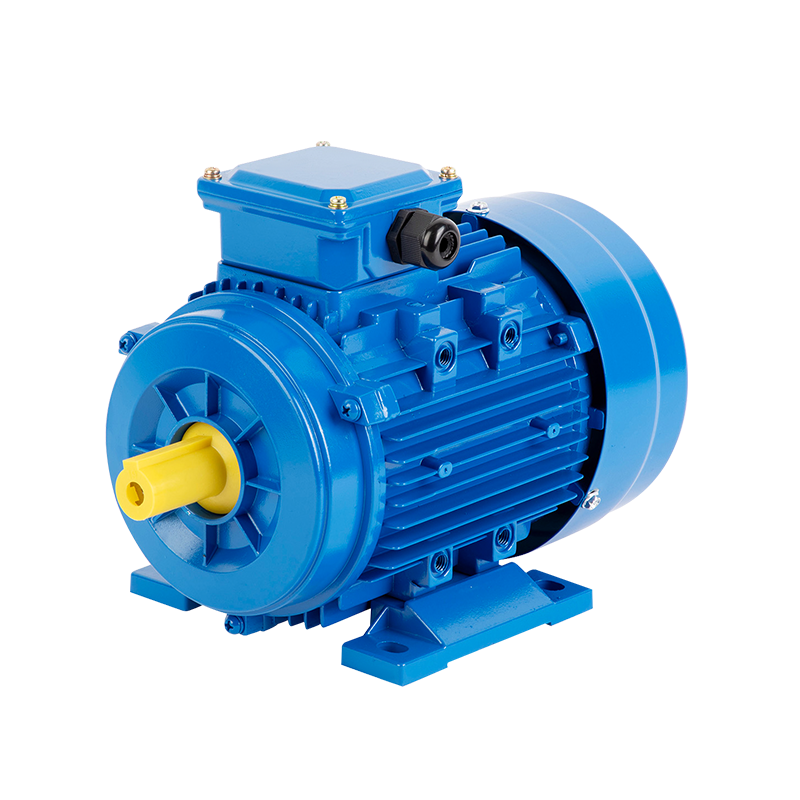
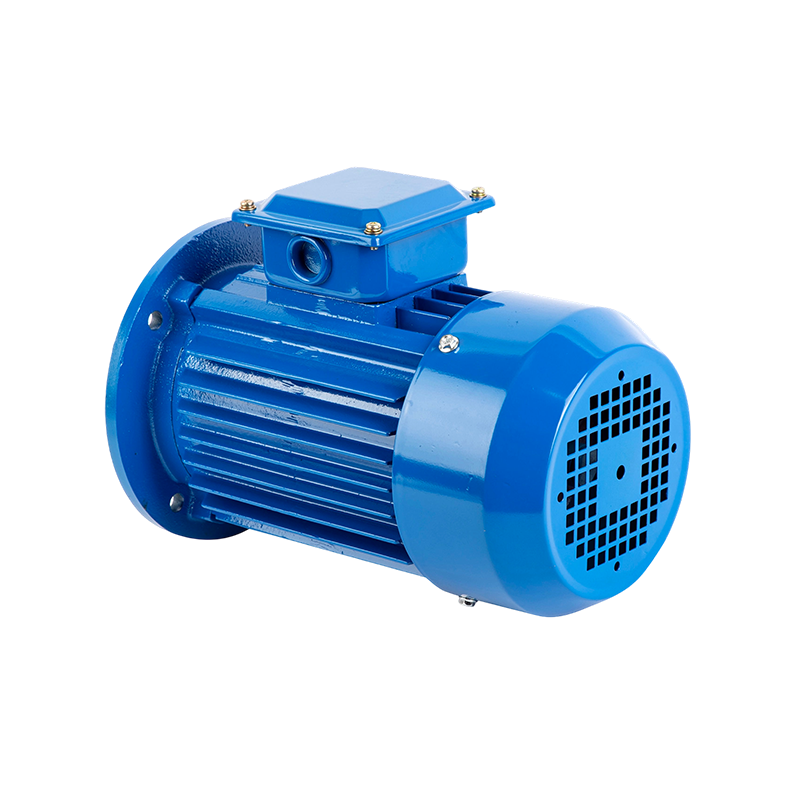
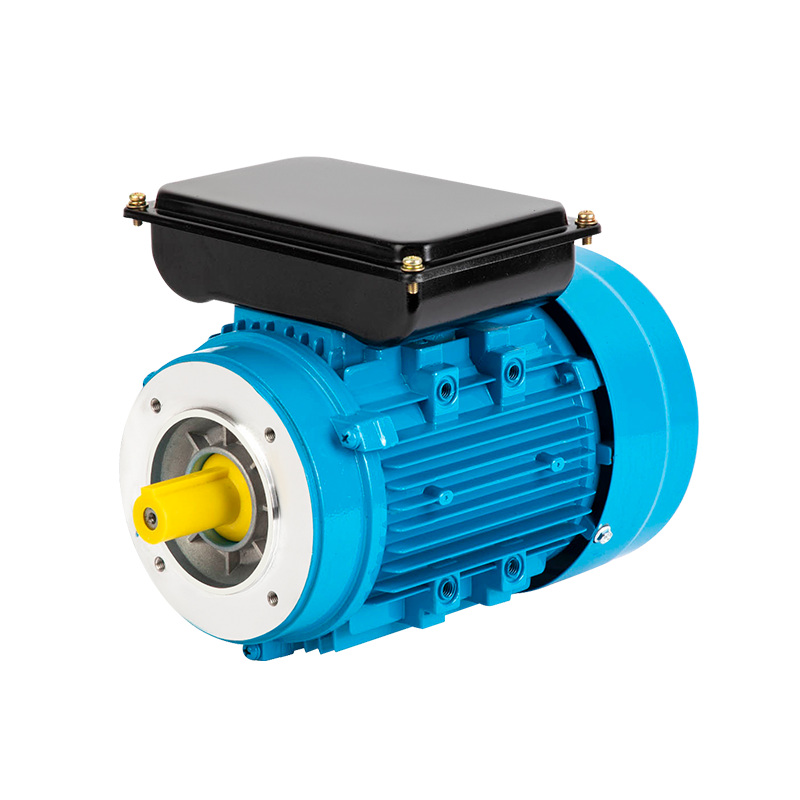
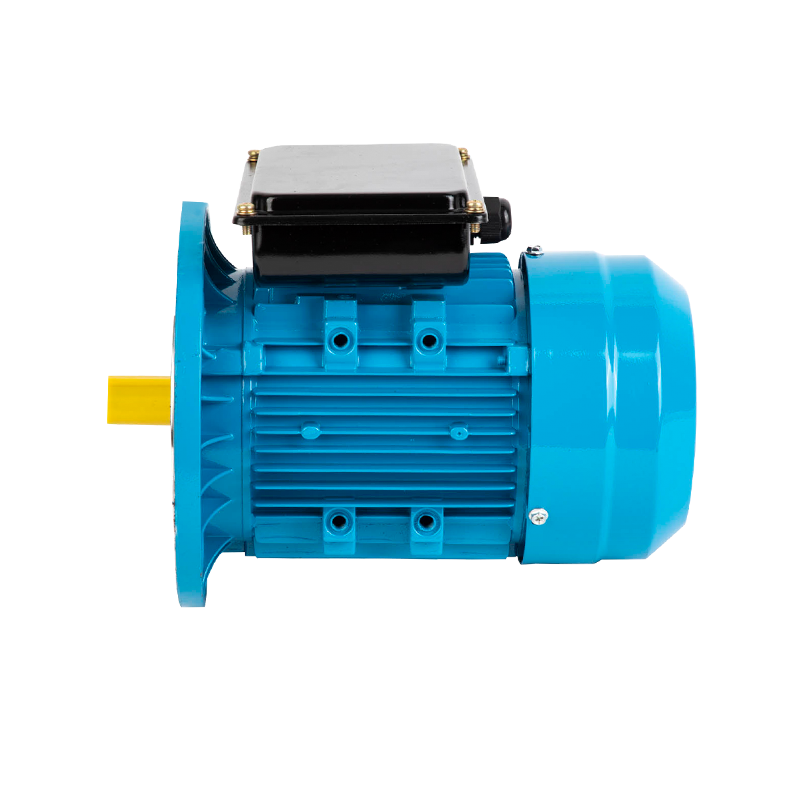
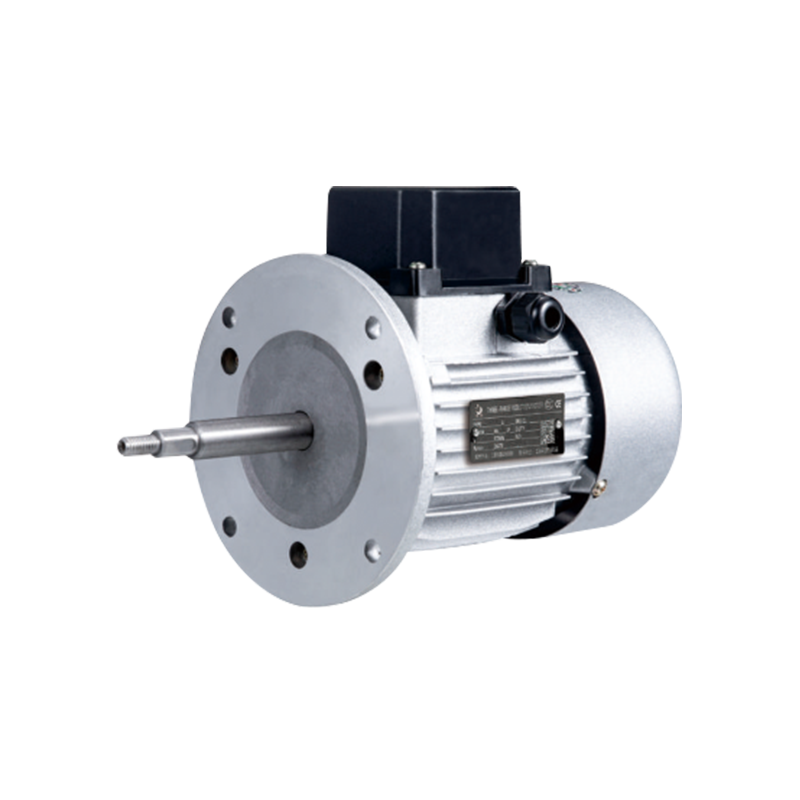
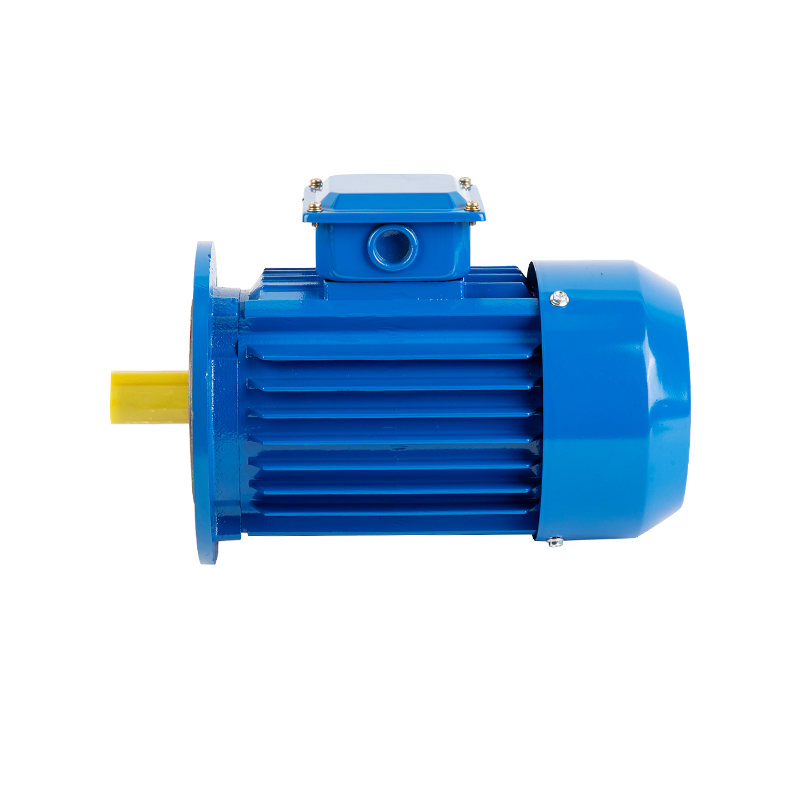
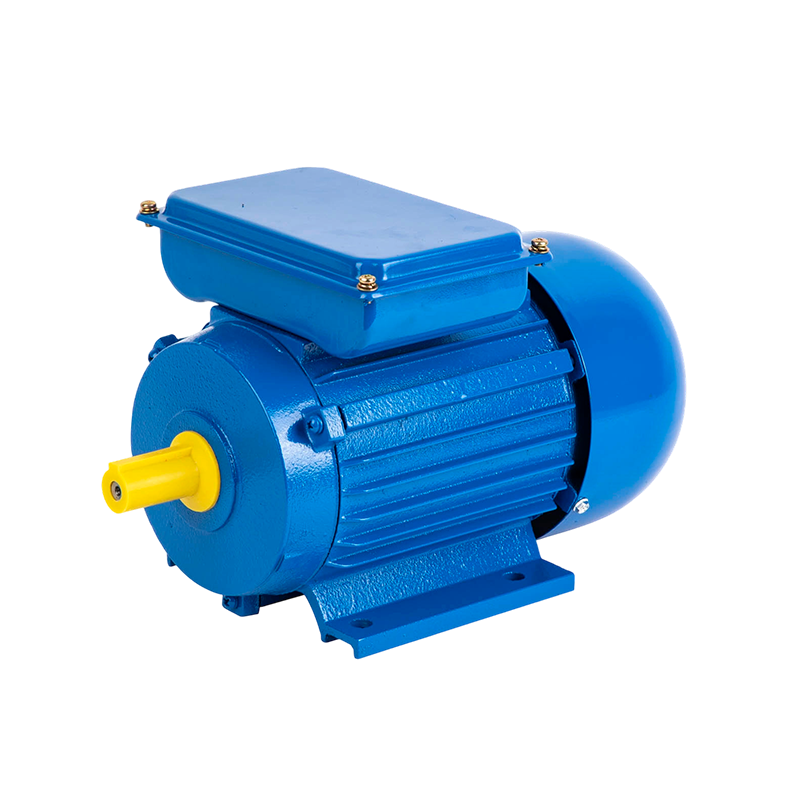
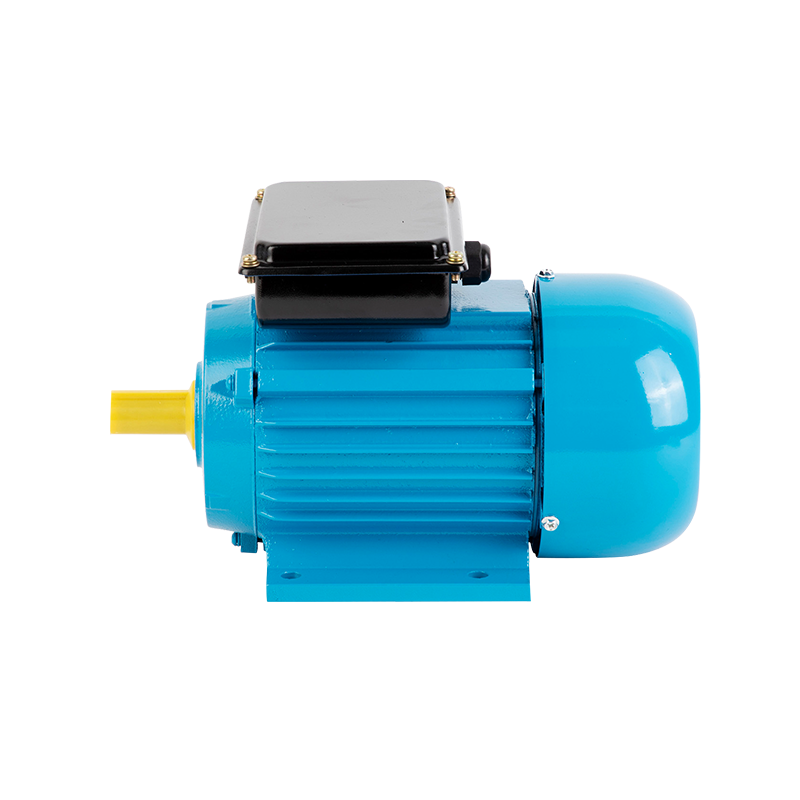
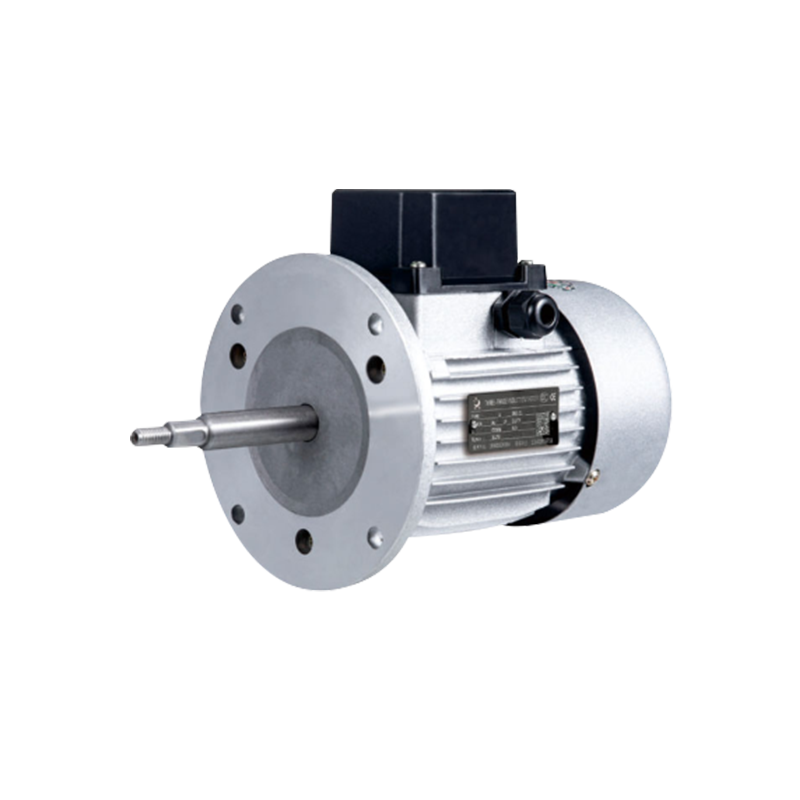
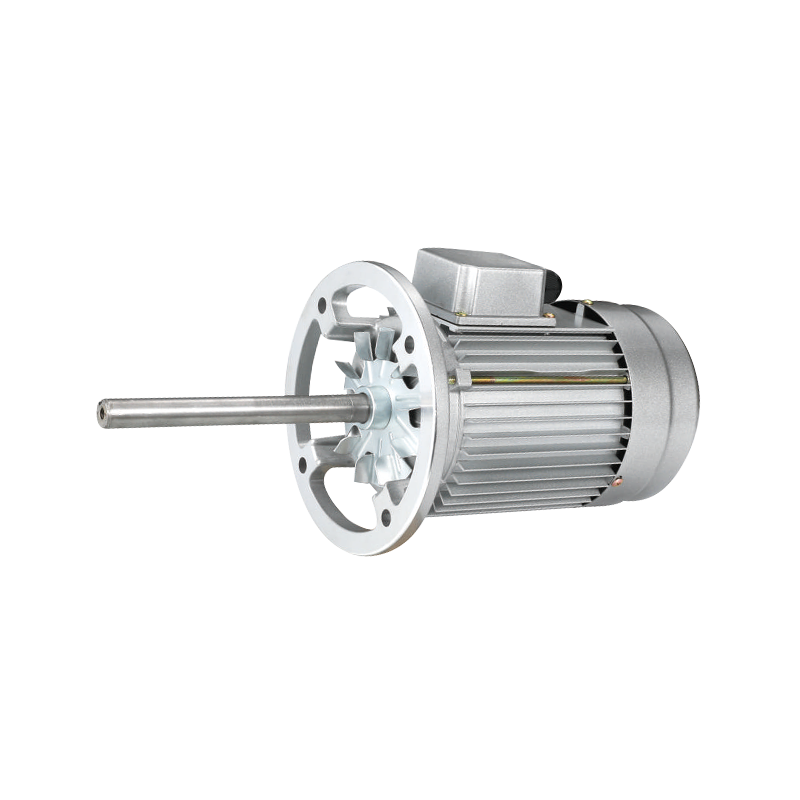
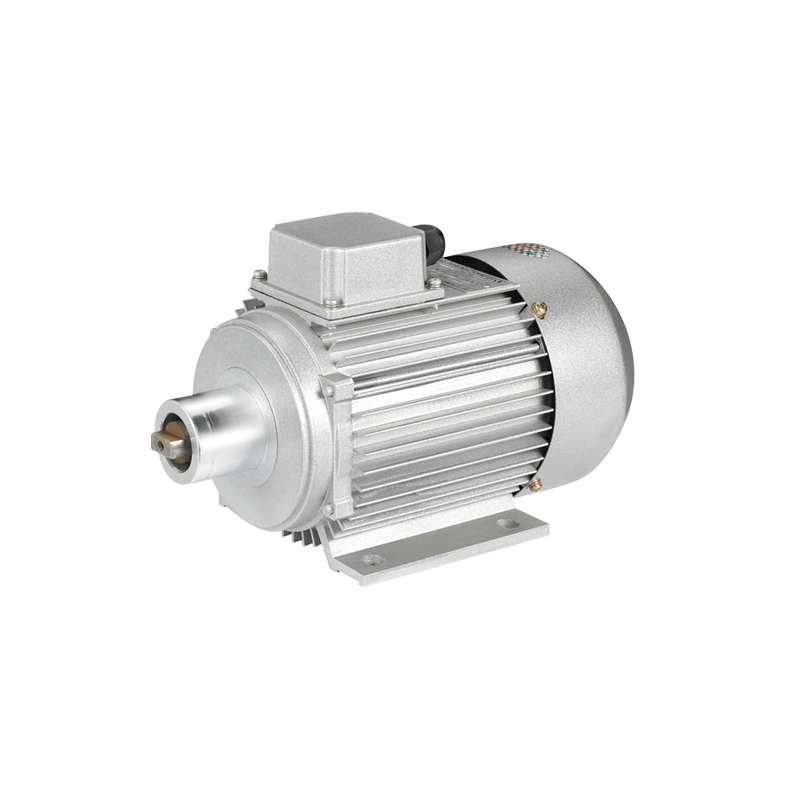
An Asynchronous Motor responds to several conditions at the same time. Electrical supply affects current and torque, mechanical load affects running demand, while heat produced during operation needs to leave the motor through its cooling path. A change in one area can gradually influence another.
For industrial equipment, unstable operation may appear through changes in speed, unusual noise, vibration, temperature or current. Such signs do not always point to a single cause. A useful inspection therefore considers the motor, driven machine and surrounding operating conditions as one system.
For an Asynchronous Motor Supplier, this relationship also matters during product selection and production planning. A motor designed for one working environment may behave differently when installed under another load, cooling condition or power supply arrangement.
How Power Supply Conditions Affect Motor Stability
Electrical supply has a direct influence on motor operation. Changes in voltage can alter current and torque behavior, while an uneven three-phase supply can cause the motor phases to carry different electrical loads.
Voltage imbalance deserves particular attention because current imbalance can become more pronounced than the original voltage difference. Increased electrical losses can then produce additional heat inside the windings, affecting operating condition over time.
Frequency also influences running behavior. When supply frequency changes, the relationship between the rotating magnetic field and shaft speed changes as well. Equipment connected to the motor may respond differently when operating conditions move away from the intended range.
Power supply checks can therefore include:
- Voltage condition at the motor terminals
- Balance between supply phases
- Stability of the electrical source
- Frequency condition
- Electrical connections and terminals
A motor may appear mechanically sound while electrical supply conditions are creating hidden stress. Regular electrical inspection can help separate power-related problems from mechanical faults.
How Load Changes Influence Operating Stability
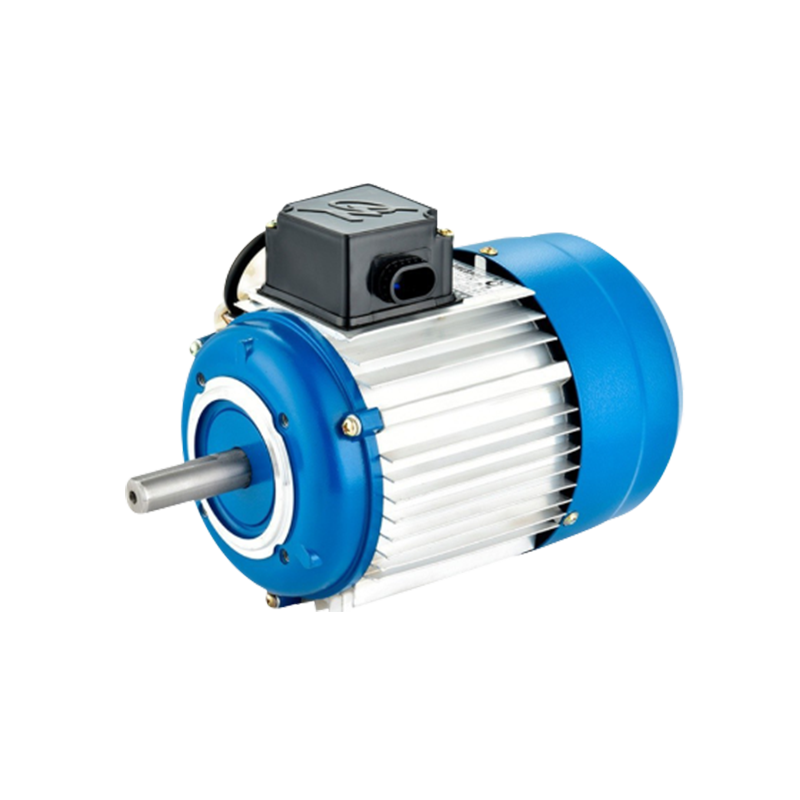
Motor load rarely remains completely unchanged in practical equipment. Pumps, fans, conveyors, compressors and other driven machines can place different demands on the shaft during operation.
When load rises, the motor needs to produce additional torque. Electrical current can also increase, while heat generation may rise with the operating demand. Repeated changes in load can therefore influence both electrical and thermal conditions.
Long periods of operation under a load that does not match the intended application can also affect performance. An oversized motor may spend much of its operating time at a light load, while an undersized unit may experience greater stress during demanding periods.
Load behavior should be considered together with the driven equipment. A sudden increase in mechanical resistance may look like an electrical problem because current rises, even though the original cause comes from the machine connected to the shaft.
| Operating Condition | Possible Change | Area to Inspect |
|---|---|---|
| Load rises | Higher current and heat | Driven equipment |
| Load fluctuates | Changing speed or torque | Mechanical system |
| Resistance increases | Greater motor demand | Shaft and connected parts |
| Light operating demand | Different running behavior | Motor selection |
Stable performance depends on matching motor capacity with the actual working conditions rather than relying only on the motor nameplate.
How Temperature Affects Asynchronous Motor Performance
Heat is a natural part of motor operation. Electrical resistance, mechanical movement and other internal processes produce heat, which needs to move away through the motor housing and surrounding air.
Poor cooling can cause temperature to rise even when the electrical supply appears normal. Blocked ventilation openings, accumulated dust or restricted airflow can reduce heat removal. A hot installation environment can create similar concerns.
Temperature also provides useful information during maintenance. A gradual change from the normal operating condition may indicate increased load, reduced airflow or an electrical issue. Sudden heating deserves closer attention because several faults can produce similar symptoms.
Cooling conditions depend partly on installation. A motor placed in a confined space may have less opportunity to release heat than one installed in an open area. Nearby equipment can also restrict airflow.
Routine inspection can therefore include:
- Airflow around the motor
- Cleanliness of ventilation areas
- Housing temperature changes
- Operating load
- Condition of surrounding equipment
Electrical supply problems can also contribute to heating. Research and industrial guidance indicate that voltage imbalance may increase current imbalance, losses and motor temperature.
Temperature should consequently be viewed as part of a wider operating picture rather than as an isolated measurement.
How Mechanical Conditions Affect Motor Stability
Electrical conditions are only one part of motor performance. Shaft alignment, bearing condition, coupling condition and mechanical resistance can also influence how smoothly a motor operates.
Poor alignment may place additional force on connected parts, while worn bearings can create friction, vibration or unusual noise. A mechanical problem can increase the load seen by the motor, which may then change current and temperature.
Vibration deserves attention because it can develop gradually. Small changes may come from imbalance, loose mounting, bearing wear or problems in the connected machine. Listening to changes in sound can also provide an early indication that operating conditions have shifted.
A stable installation needs suitable mechanical support. Mounting surfaces should remain secure, connected shafts should maintain appropriate alignment, and moving parts should not create unnecessary resistance.
For an Asynchronous Motor Supplier, mechanical assembly and inspection are therefore closely related to electrical performance. Motor stability depends not only on internal electrical construction, but also on how the unit is installed and connected to the equipment around it.
Looking at electrical supply, load, temperature and mechanical condition together gives a clearer picture of why motor performance can change during normal industrial operation.
How Starting and Stopping Conditions Influence Performance
Starting places a different demand on a motor from normal running. When the shaft begins to move, electrical current and mechanical resistance can change quickly before operation settles into a regular state.
A driven machine can also add resistance during startup. Pumps, conveyors and other equipment may require additional force before reaching normal movement. Frequent starting and stopping can therefore place repeated electrical and mechanical stress on the motor.
Starting conditions should be considered together with the equipment being driven. A motor that operates smoothly during continuous running may behave differently when it is required to start under a heavy mechanical load.
Stopping also deserves attention. Sudden stops can transfer mechanical forces through shafts, couplings and connected equipment. In systems where frequent cycling is part of normal operation, the starting and stopping pattern becomes part of motor selection and maintenance planning.
Practical checks can include:
- Starting load
- Frequency of starts and stops
- Mechanical resistance during startup
- Current behavior during starting
- Condition of connected equipment
For an Asynchronous Motor Supplier, understanding the intended operating cycle helps with motor selection and production decisions. A unit used for continuous operation may face different demands from one installed in equipment that repeatedly starts and stops.
How Cooling and Ventilation Support Stable Operation
Heat removal is closely related to motor operating condition. Electrical losses and mechanical movement create heat, while airflow around the housing helps carry that heat away.
Restricted ventilation can gradually change the thermal condition even when the electrical supply remains stable. Dust around air passages, nearby equipment blocking airflow or installation inside a confined space can all reduce cooling effectiveness.
Room conditions also matter. A motor installed in a warm area has less opportunity to release heat than one working in a cooler environment. Poor ventilation can add another layer of thermal stress.
Cooling problems may appear through several signs:
- Housing temperature feels different from normal operation
- Airflow around the motor becomes weaker
- Dust collects around ventilation areas
- Protective devices activate more often
- Performance changes under a familiar load
Cleaning the outside of the motor can help maintain airflow, although internal inspection may be needed when contamination has entered deeper areas.
Cooling should also match the installation method. A motor enclosed by nearby machinery needs enough surrounding space for air movement and maintenance access. Placement should therefore be considered during equipment design rather than after installation.
How Maintenance Conditions Influence Motor Performance
Routine maintenance gives operators an opportunity to notice changes before they develop into larger operating problems. Electrical connections, mechanical parts, ventilation areas and mounting points can all influence stability.
Loose electrical connections may increase resistance and create local heating. Bearing wear can increase friction and vibration, while a blocked cooling path can raise operating temperature. Each issue may begin as a small change that becomes easier to identify when normal operating conditions are known.
| Inspection Area | Signs to Watch | Possible Concern |
|---|---|---|
| Electrical connections | Heat or loose terminals | Supply or connection issue |
| Mechanical parts | Noise or vibration | Bearing or alignment problem |
| Cooling path | Dust or weak airflow | Heat removal problem |
| Motor mounting | Movement or looseness | Mechanical instability |
Regular observation also helps separate a motor problem from an issue in the driven machine. A sudden rise in current may come from increased mechanical resistance rather than an internal electrical fault.
Maintenance records can support this process by showing how operating conditions change over time. Rather than relying on a single inspection, technicians can compare current behavior with the normal condition of the installation.
For industrial equipment, such comparison is useful because motor behavior is influenced by its working environment. A change in noise, temperature, vibration or current can provide a reason to inspect the surrounding system.
What an Asynchronous Motor Supplier Should Consider
Motor selection begins with the intended application. Supply conditions, mechanical load, cooling environment and operating cycle all influence how a motor will behave after installation.
An Asynchronous Motor Supplier needs to consider the relationship between motor construction and application requirements. A unit intended for a clean indoor environment may face different conditions from one installed near dust, heat or moisture.
Production quality also has a direct connection with running behavior. Assembly accuracy, shaft condition, bearing installation, winding consistency and mechanical balance can influence how the finished motor performs.
Useful production checks can include:
- Electrical operation
- Mechanical rotation
- Bearing condition
- Shaft alignment
- Housing assembly
- Cooling path condition
Technical information also needs to match practical installation requirements. Users need to know the expected supply conditions, mounting arrangement, load characteristics and environmental limitations so that the motor can be installed appropriately.
A mismatch between product selection and application can create problems even when the motor itself has been manufactured correctly. For example, a motor exposed to a heavier load than expected may experience increased heating, while poor ventilation can change its thermal condition.
Supplier and user communication therefore has a practical role in maintaining stable operation. Motor specifications need to be considered alongside the actual equipment where the unit will work.
How Operating Conditions Work Together to Maintain Stability
Motor stability rarely depends on one factor alone. Power supply, mechanical load, temperature, cooling and maintenance interact throughout normal operation.
A voltage issue may increase electrical heating, while poor ventilation makes it harder for that heat to leave. Increased mechanical resistance can raise motor demand, and a worn bearing can contribute to both vibration and additional load.
Such connections make troubleshooting more effective when several conditions are checked together.
A simple relationship can be viewed as:
Power Supply → Motor Load → Heat Generation → Cooling → Mechanical Condition
Changes can move through the chain in either direction. A mechanical problem may increase electrical demand, while an electrical problem may create additional heat that changes mechanical behavior.
For operators, several operating signs are useful to watch:
- A change in running sound
- Unusual vibration
- Rising surface temperature
- Changing current under a familiar load
- Repeated protective shutdowns
- Changes in starting behavior
One sign alone may not identify the cause. Comparing several observations can provide a clearer direction for inspection.
Research on induction motors has also shown that voltage quality can influence winding temperature and load-carrying behavior, reinforcing the need to consider electrical conditions alongside mechanical and thermal factors.
Stable motor operation is therefore connected with the complete working environment. Proper selection, suitable installation, regular inspection and attention to changing operating conditions all contribute to keeping an Asynchronous Motor within its intended working range.
For an Asynchronous Motor Supplier, such a system-based view is useful during design, production and technical support. For users, it provides a practical way to investigate changes in motor behavior without immediately assuming that the motor itself is the only source of the problem.


