 English
 Español



Building 1, Block 4, Wufeng Industrial Park, Daxi Town, Taizhou City, Zhejiang Province, China
Service life is influenced not only by maintenance work, but also by how equipment is operated each day. A motor working under steady conditions generally experiences fewer sudden changes than one repeatedly started, stopped, or pushed through irregular workloads.
Frequent starts can place extra demand on electrical and mechanical parts. Sudden changes in the driven equipment can create another source of stress, especially when production conditions change without allowing the system to settle.
A sensible operating routine begins with knowing how connected equipment normally behaves. Unusual noise, slower acceleration, unexpected heat, or changes in vibration can indicate that working conditions have shifted.
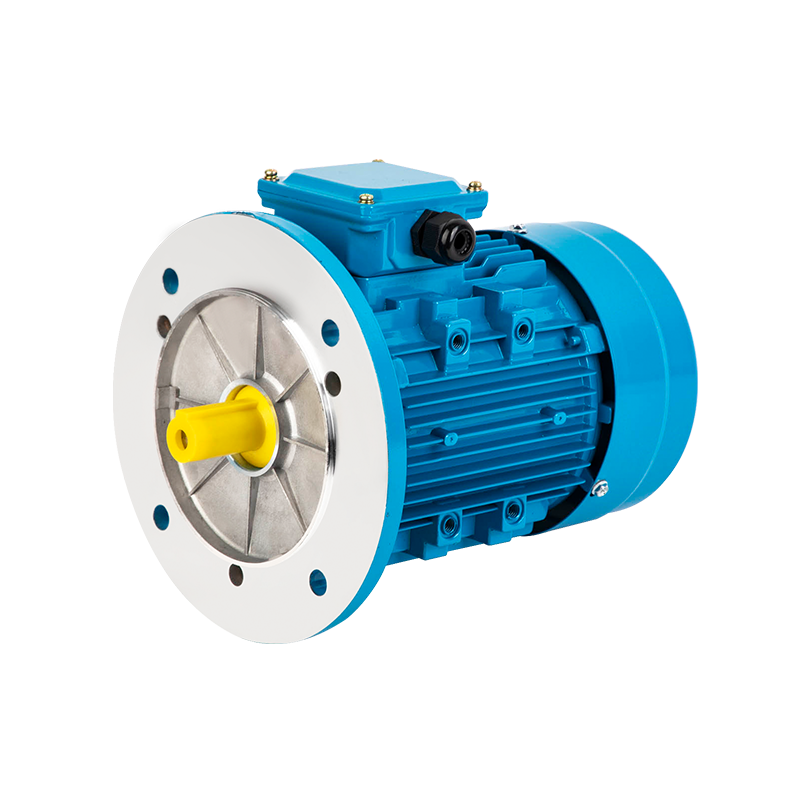
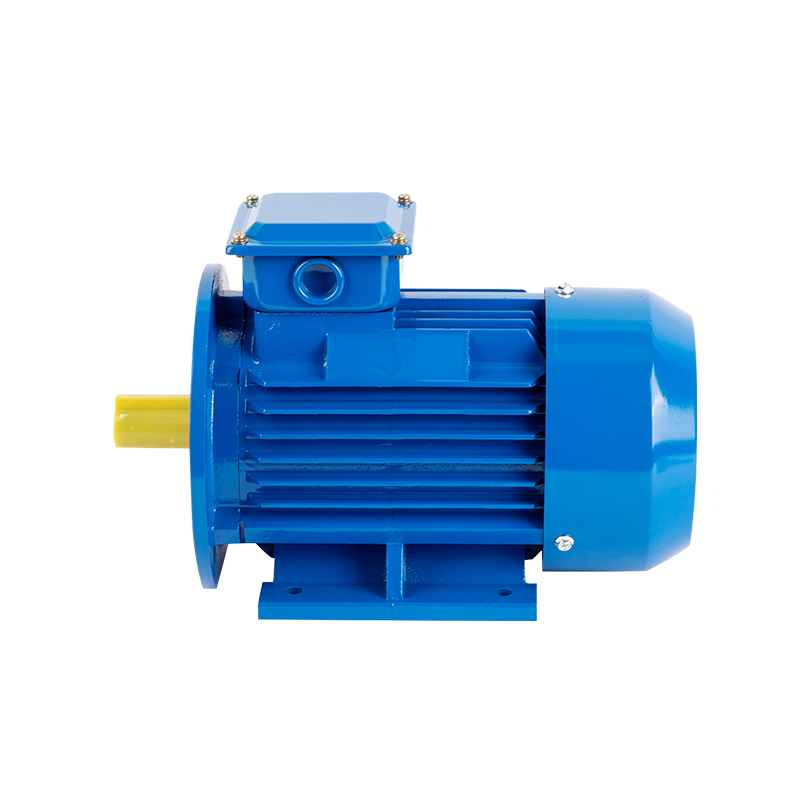
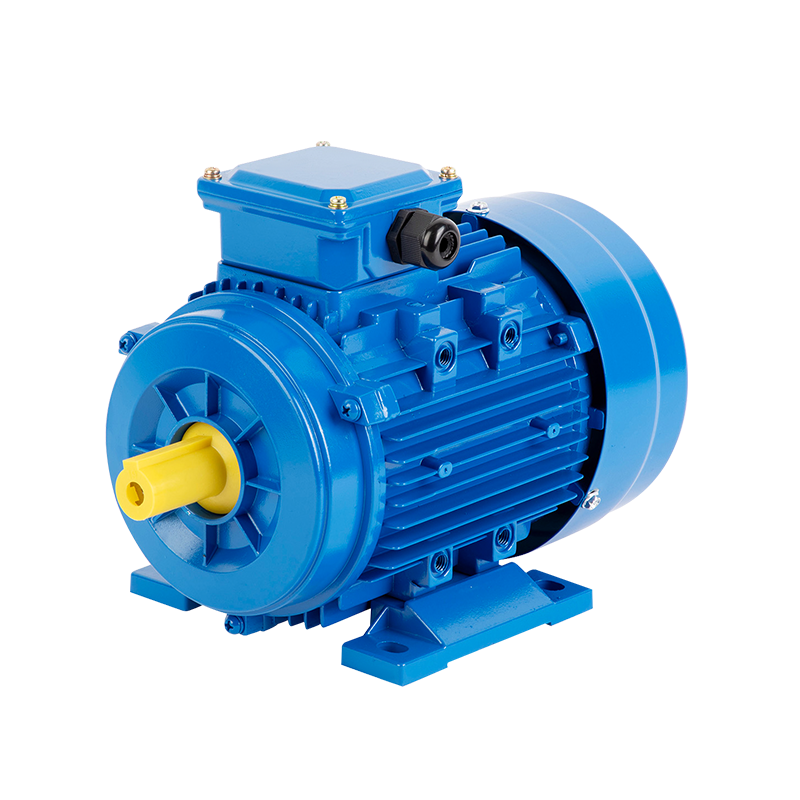
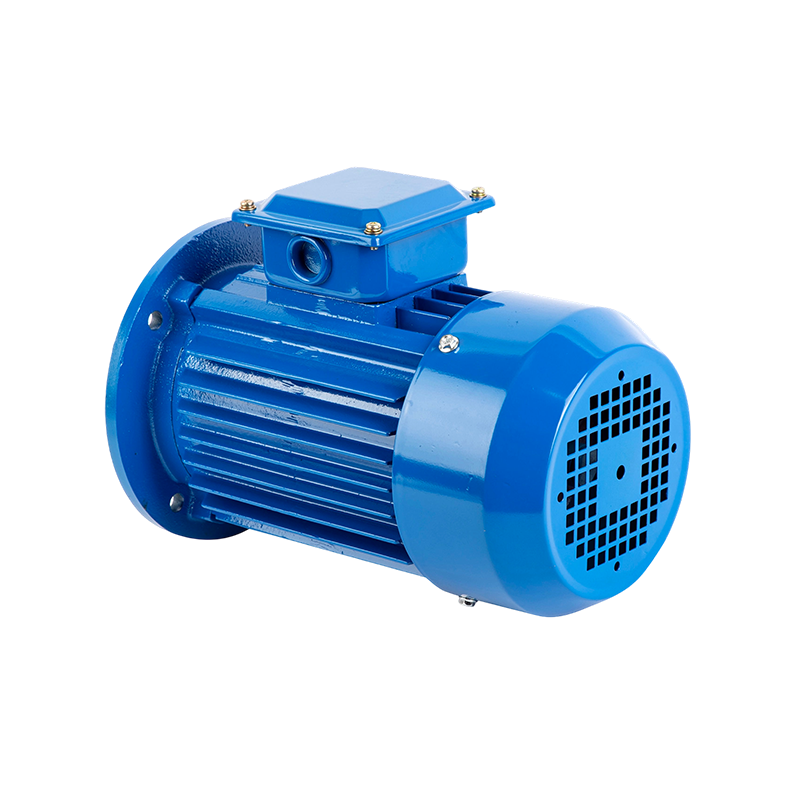
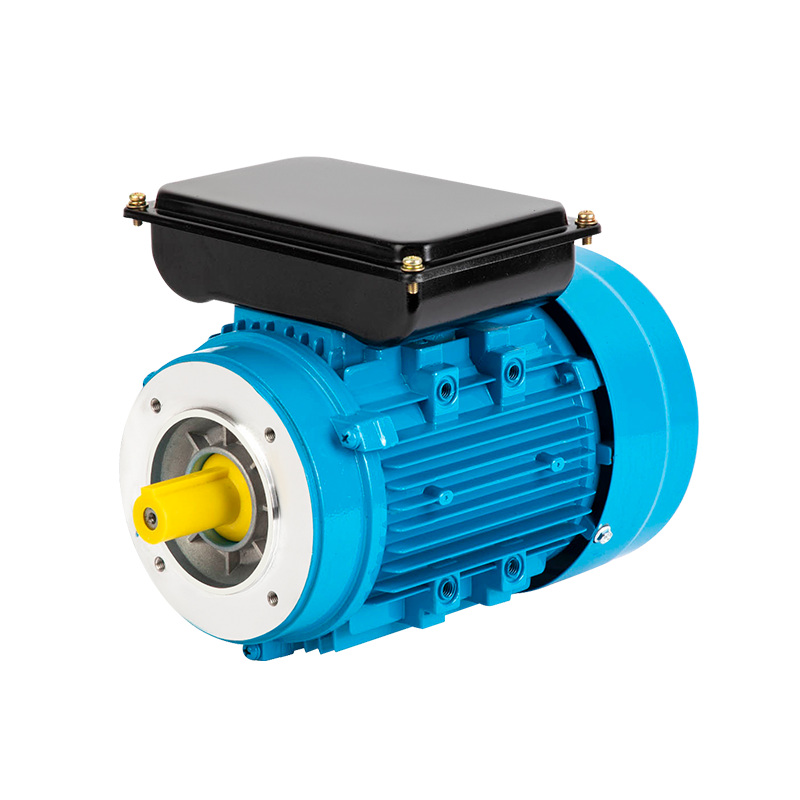
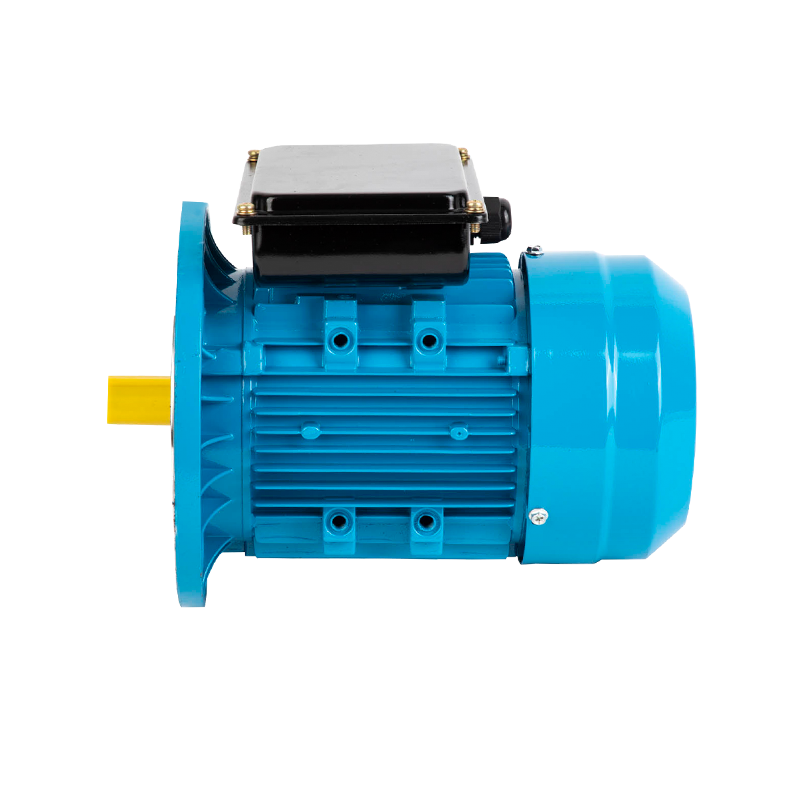
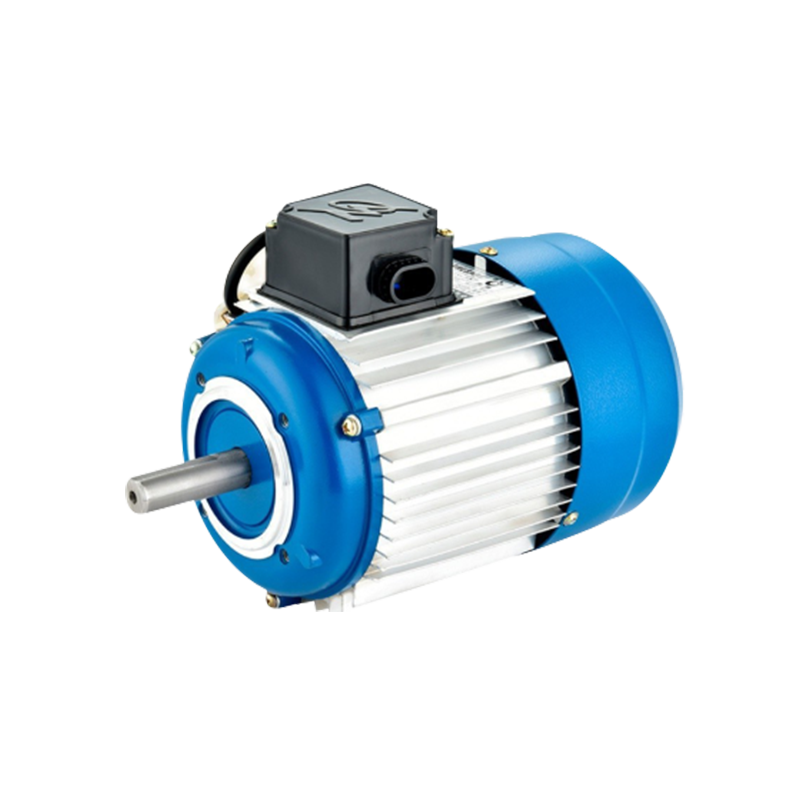
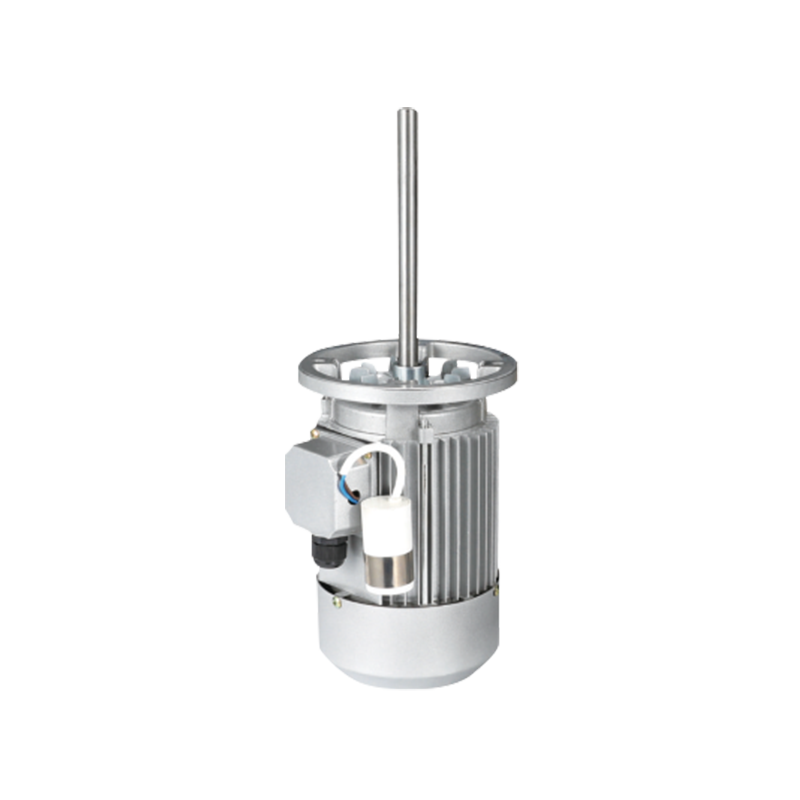
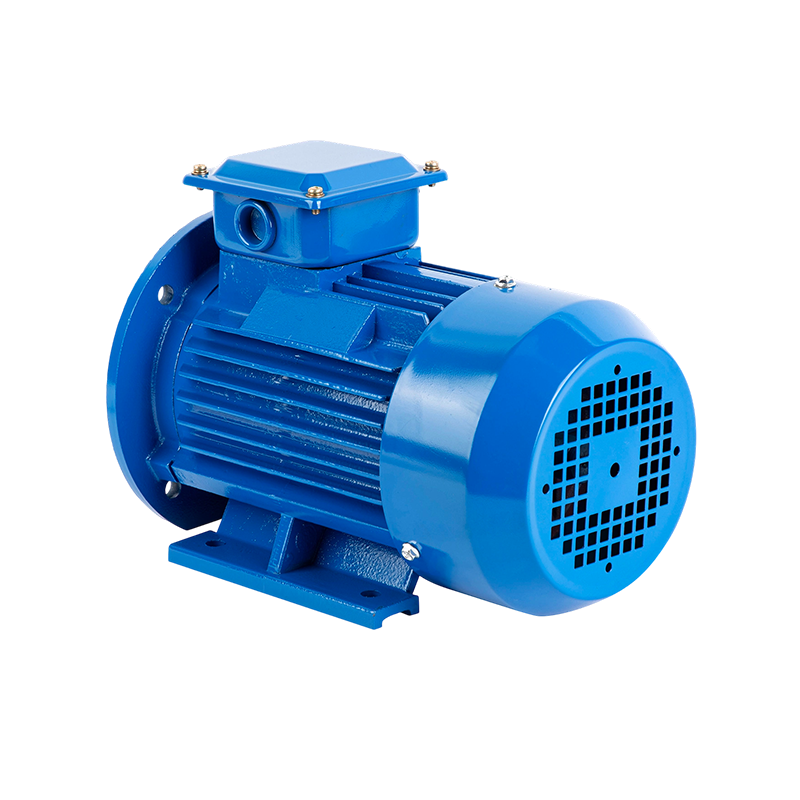
For a Three Phase Industrial Motor, operators can pay attention to a few simple habits:
- Avoid unnecessary repeated starting and stopping.
- Keep surrounding ventilation paths open.
- Watch for unusual changes during normal operation.
- Check connected equipment when the running condition changes.
- Stop treating repeated minor abnormalities as ordinary behavior.
Small changes can be easy to overlook during a busy production shift. A gradual change in sound or temperature may appear insignificant on its own, while repeated observations can reveal a developing issue.
Operating habits also need to match the equipment being driven. A motor connected to a conveyor, pump, fan, or other machine may experience a different working pattern. Maintenance planning becomes more useful when such differences are considered rather than applying one routine to every installation.
Why Should Small Changes in Sound and Vibration Be Noticed
Sound and vibration can provide useful clues about mechanical condition. Normal operation tends to have a familiar sound and movement pattern, making noticeable changes easier to identify when operators pay attention during routine work.
A new rattling sound may suggest a loose component. Increased vibration may relate to alignment, mounting, connected machinery, or rotating parts. A rougher operating sound can also appear when mechanical contact changes.
| Observed Change | Possible Area to Check |
|---|---|
| New rattling sound | Mounting or loose parts |
| Increased vibration | Alignment or connected equipment |
| Rough running sound | Rotating components |
| Repeated noise during starting | Starting condition |
| Change after equipment adjustment | Load or connection |
Trend matters more than one isolated observation. A short unusual sound may have a simple cause, while a change that appears repeatedly deserves closer attention.
Vibration can also spread through connected equipment, making the source difficult to identify by touch alone. Checking the motor together with the driven machine can provide a clearer picture.
Regular observation does not require complicated instruments in every situation. Operators familiar with normal running behavior can often notice changes during ordinary rounds, after which maintenance personnel can decide whether a closer inspection is appropriate.
How Can Overheating Be Prevented Before It Becomes a Problem
Heat is a natural part of motor operation, although excessive or unusual temperature can indicate that operating conditions have changed. Preventing overheating therefore starts with identifying why additional heat may be developing.
Blocked airflow is one common concern. Dust, oil deposits, stored materials, or nearby equipment can restrict air movement around cooling areas. A motor working in a warm or poorly ventilated location may also have greater difficulty releasing heat.
Load conditions matter as well. A connected machine that begins requiring more effort can change the motor's operating condition. Mechanical friction, obstruction, or changes in production materials may place additional demand on the drive system.
Rather than checking temperature only after a fault occurs, routine observation can focus on changes from normal operation.
Useful checks include:
- Is airflow around the housing unobstructed?
- Has the surrounding environment changed?
- Has connected equipment become harder to operate?
- Does unusual heat appear during a particular task?
- Has cleaning around ventilation areas been overlooked?
Heat should also be considered together with sound and vibration. Several changes occurring at the same time can provide more useful information than temperature alone.
A sudden rise may require prompt attention, while a gradual increase may point toward changing environmental or mechanical conditions. Either situation deserves investigation rather than being ignored.
What Happens When Motor Load Keeps Changing
Load changes can be part of normal industrial work. Problems may arise when equipment repeatedly moves between very different operating conditions without suitable control.
Starting a heavily loaded machine can create a different demand from steady operation. Repeated changes may also increase heating and mechanical stress, particularly when connected equipment has resistance, blockage, or inconsistent material flow.
A motor should therefore be considered together with its driven machine. Selecting a unit based only on a simple nameplate requirement may not reflect how the equipment actually behaves during production.
For example, a conveyor may experience changing material weight, while a pump can encounter changing flow resistance. A fan may respond differently as airflow conditions change. Each application creates its own operating pattern.
Maintenance teams can review:
Normal Load → Load Change → Motor Response → Heat or Vibration → Operating Condition
Such a sequence helps separate normal production changes from conditions that need investigation.
Repeated overload should not be treated as a normal operating strategy. When production requirements have changed permanently, equipment selection or system adjustment may need to be reviewed rather than expecting the existing motor to carry a different workload indefinitely.
How Does the Working Environment Affect Service Life
Environmental conditions can quietly influence long‑term motor condition. Dusty workshops, humid spaces, oily production areas, and locations with limited airflow place different demands on equipment.
Dust can collect around ventilation openings and reduce cooling efficiency. Oil residue may hold dust against surfaces, making cleaning more difficult. Moisture can affect exposed electrical connections and other vulnerable areas.
A clean and dry installation does not mean maintenance can be ignored. Environmental conditions can change as production processes, nearby equipment, or building ventilation change.
Location should therefore be considered during routine inspections. A motor installed close to a source of dust may require different attention from one working in a relatively clean room.
Environmental checks can focus on:
- Airflow around the motor
- Dust accumulation
- Moisture exposure
- Oil or chemical residue
- Nearby heat sources
- Changes in the surrounding workspace
Small environmental changes can accumulate over time. Keeping the installation area suitable for normal operation helps reduce unnecessary stress on electrical and mechanical parts.
Why Can Poor Alignment Create Problems Over Time
Alignment is easy to overlook once a motor has been installed and the equipment starts running normally. A small position change at a connection point can gradually affect how rotating parts work together, creating extra movement and mechanical stress.
Coupling areas deserve particular attention because the motor and driven equipment operate as a connected system. When their shafts are not positioned correctly, vibration may increase and rotating components can experience uneven loading.
Mounting conditions can also change during long operation. Loose fixing points, movement of the supporting structure, or repeated vibration may alter the original position. A machine that operated smoothly after installation may therefore need another alignment check later.
Signs worth watching include:
- A gradual increase in vibration
- New noise around the coupling area
- Unusual movement during starting
- Changes after nearby equipment has been adjusted
- Repeated wear around connected mechanical parts
Correct alignment should not be treated as a one‑time installation task. Inspection becomes particularly useful after major equipment movement, repair work, or noticeable changes in operating behavior.
When Should Lubrication and Mechanical Checks Be Adjusted
Lubrication needs to follow actual working conditions rather than an identical routine for every installation. Running environment, load changes, operating frequency, dust exposure, and component condition can all influence maintenance needs.
Too little attention can allow friction and wear to increase. Excessive or unsuitable lubrication can create different problems, especially when material reaches areas where it should not be present.
Mechanical checks should follow a similar approach. A machine operating in a clean environment under a steady workload may require different attention from equipment exposed to dust, moisture, or frequent operating changes.
| Working Condition | Maintenance Focus |
|---|---|
| Stable production | Routine observation |
| Frequent load changes | Heat and vibration checks |
| Dusty surroundings | Cleaning and airflow |
| Humid location | Connections and exposed areas |
| Noticeable noise change | Mechanical inspection |
| Recent repair work | Alignment and mounting |
Such a method makes maintenance more closely related to actual equipment behavior.
Inspection should also consider the condition of surrounding components. A motor may appear normal while a connected machine creates additional resistance. Checking only the motor can therefore miss an issue elsewhere in the drive system.
How Can Electrical Connections Stay Stable During Long Operation
Electrical connections can change gradually through vibration, environmental exposure, repeated heating and cooling, or physical disturbance during maintenance work. A connection that was secure during installation may need inspection later.
Loose connections can create abnormal heating and unstable operation. Moisture around exposed areas may introduce another concern, especially in environments where humidity changes frequently.
Routine checks should focus on visible signs and overall operating behavior rather than unnecessary adjustment. Maintenance personnel can inspect connection areas for signs of looseness, discoloration, moisture, or other unusual conditions.
Power should be isolated according to the site's safety procedure before electrical inspection or service work begins. Internal electrical areas should not be opened casually during normal operation.
Good housekeeping also helps. Keeping the surrounding area clean and dry reduces the chance that dust, oil, or moisture will reach vulnerable connection points.
A stable electrical connection supports consistent operation, while careful inspection helps identify changes before they develop into larger maintenance problems.
How Can Vibration Changes Reveal Mechanical Issues
Vibration becomes more useful as a maintenance clue when changes are compared with normal operating behavior. A machine does not need to become visibly unstable before an unusual pattern deserves attention.
Several factors can affect vibration, including alignment, mounting, connected machinery, rotating components, and changing load conditions. Because causes can overlap, vibration should be considered alongside sound, heat, and production conditions.
For example, a change that appears directly after mechanical adjustment may point toward installation or alignment. A gradual increase during normal production may require closer inspection of rotating or supporting components.
A simple maintenance record can include:
- Date of inspection
- General sound condition
- Noticeable vibration changes
- Temperature observations
- Recent production changes
- Maintenance already completed
Records do not need to become complicated reports. Simple notes can help maintenance personnel recognize repeated patterns and avoid treating every new symptom as an unrelated problem.
What Maintenance Records Can Reveal About Motor Condition
Maintenance records can turn scattered observations into a clearer picture of equipment behavior. A single note about unusual heat may have limited meaning, while repeated observations across different operating conditions can show a developing trend.
Useful records can connect symptoms with production activities. For example, increased vibration appearing after a machine adjustment may provide a useful clue during later inspection.
Records can also show whether the same problem has already been addressed. Repeated repairs in one area may suggest that the underlying cause has not been fully resolved.
For a Three Phase Industrial Motor, practical records can cover:
- Cleaning work
- Mechanical inspections
- Electrical connection checks
- Alignment checks
- Lubrication work
- Unusual operating observations
Keeping information consistent makes comparison easier. Maintenance personnel can then distinguish between normal changes and recurring conditions that deserve additional attention.
A record should support maintenance decisions rather than create paperwork for its own sake. Simple, useful information is more valuable than a long list of routine entries that does not reflect actual operating conditions.
How Can Manufacturers Support Longer Motor Service
Manufacturing decisions influence what happens after equipment reaches the production floor. Proper assembly, suitable material selection, mechanical balance, connection quality, and inspection during production all form part of the initial condition.
A Three Phase Motor Factory also has a role in providing clear information about installation, operating conditions, maintenance requirements, and suitable working environments. Such information can help users avoid applying the motor outside its intended operating conditions.
Manufacturing and maintenance are connected in another way. Feedback from equipment operating in real production environments can reveal recurring concerns related to mounting, cooling, connections, or mechanical integration. Such feedback can support later improvements in production and inspection processes.
For manufacturers, useful attention can include:
- Consistent assembly procedures
- Careful inspection of rotating parts
- Secure electrical connections
- Suitable housing and cooling arrangements
- Clear installation information
- Practical maintenance guidance
A Three Phase Motor Factory does not control every condition after installation. Workplace temperature, production load, cleaning practices, alignment, and maintenance decisions remain important throughout service.
Longer service life therefore develops from cooperation between equipment design, installation, operation, and maintenance. No single action can replace regular observation. A steady operating routine, early attention to unusual changes, suitable environmental care, and maintenance based on actual conditions can help reduce avoidable stress throughout the working life of industrial motor equipment.


