 English
 Español



Building 1, Block 4, Wufeng Industrial Park, Daxi Town, Taizhou City, Zhejiang Province, China
That housing does more than cover the internal parts. It serves as the barrier between the motor's sensitive components and the outside world. Dust, water, heat, and physical shocks all pose threats. The housing must resist each of these while still letting the motor do its job.
The material used for the housing changes how well the motor handles those threats. Cast iron and steel have been used for years. Aluminum offers a different set of characteristics. The choice affects how the motor manages heat, resists corrosion, and protects its internal parts.
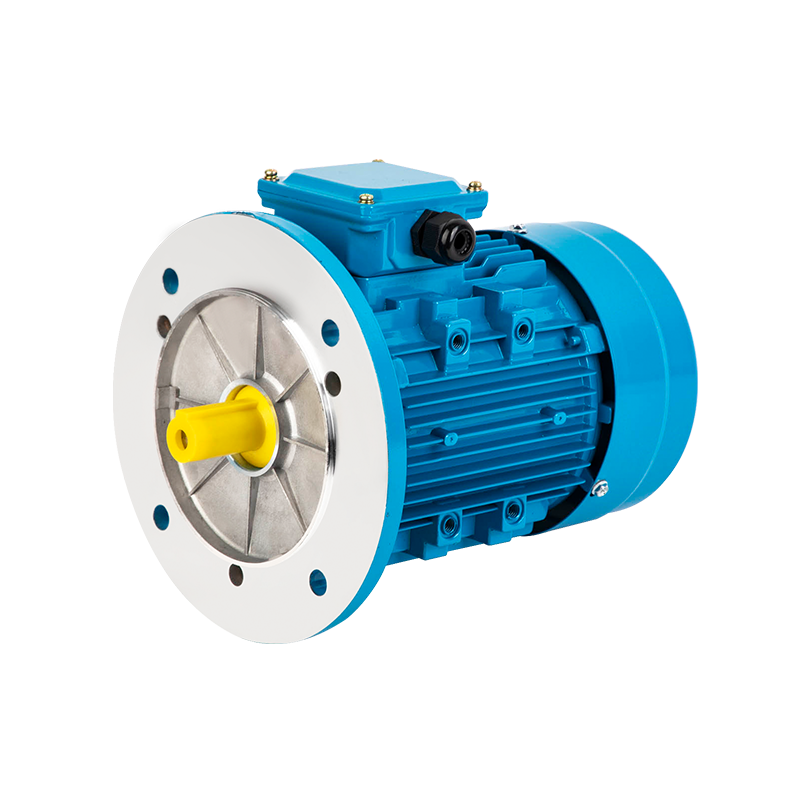
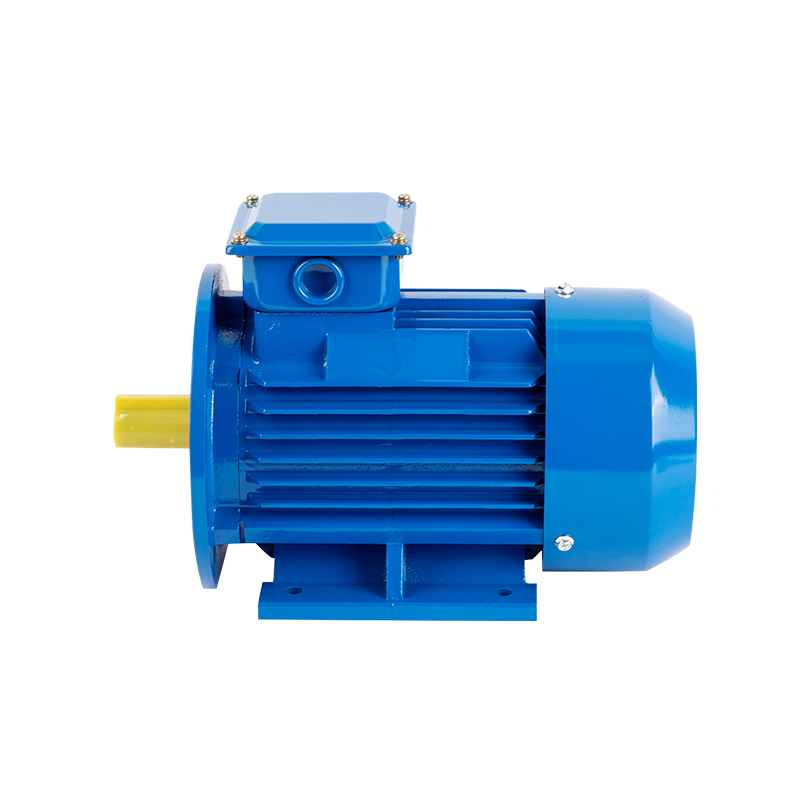
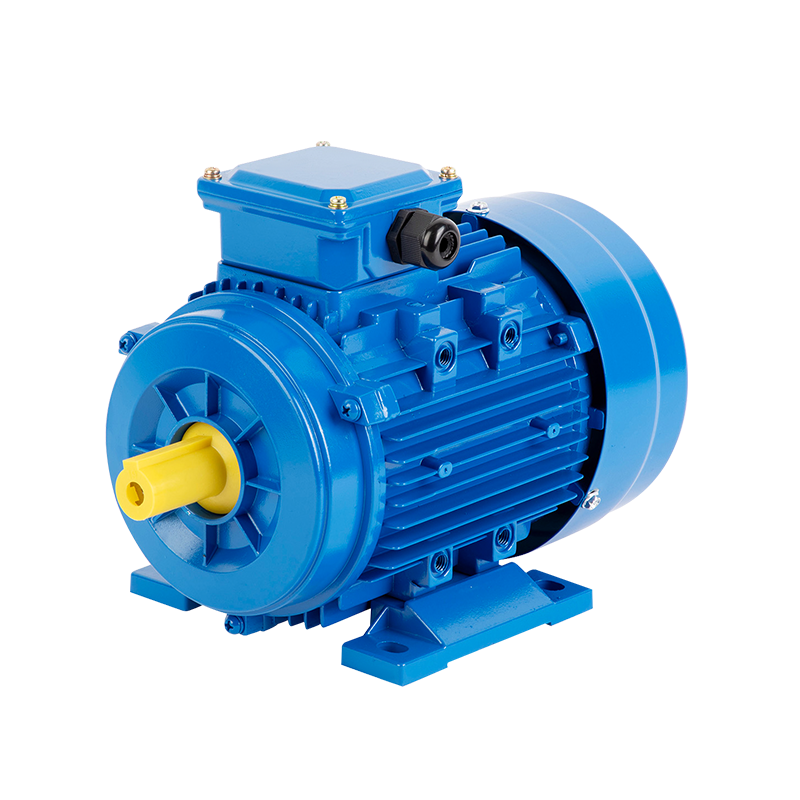
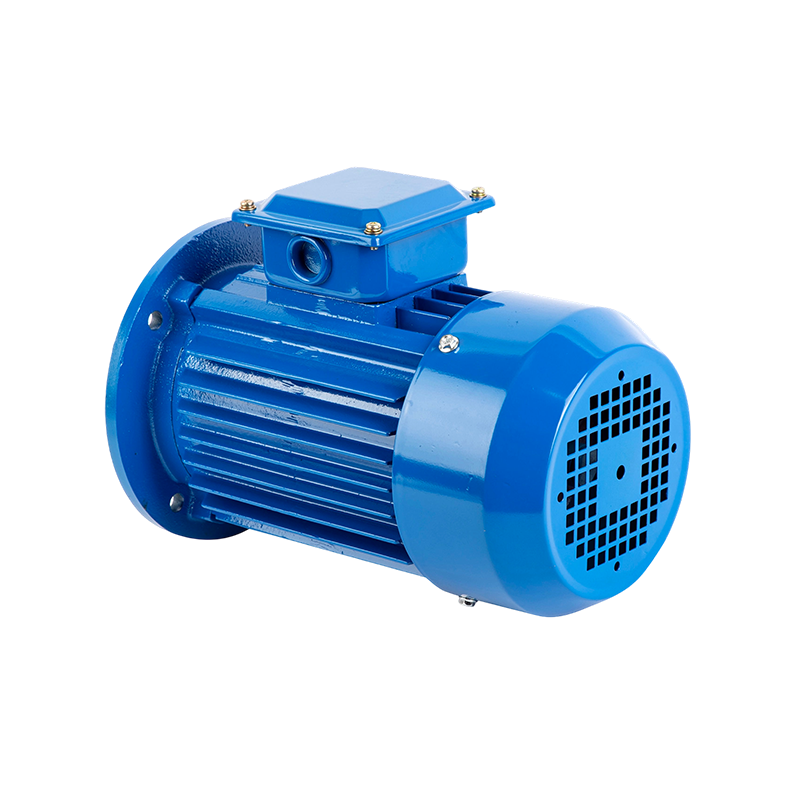
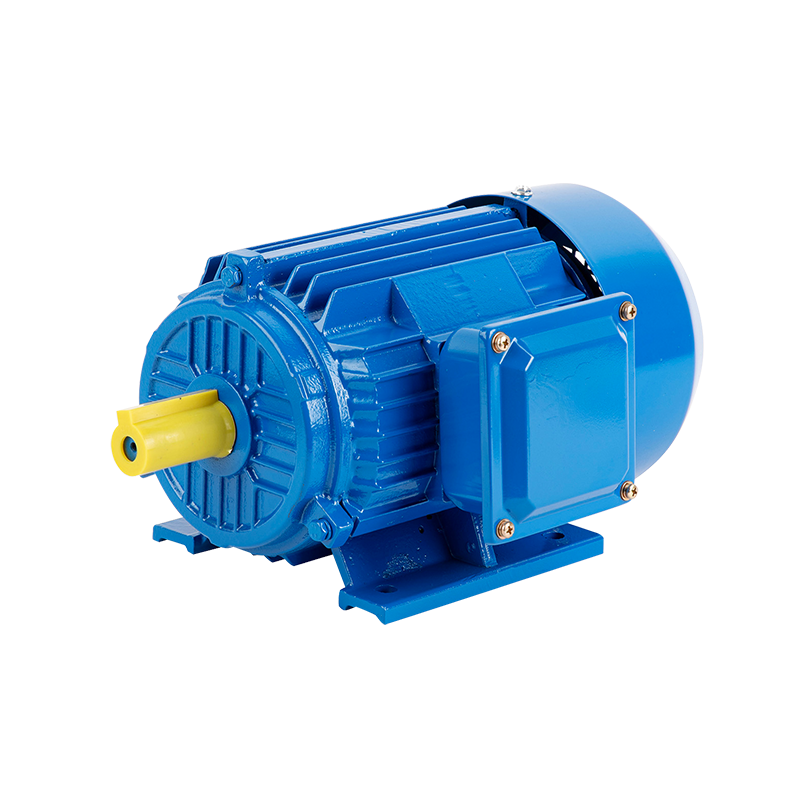
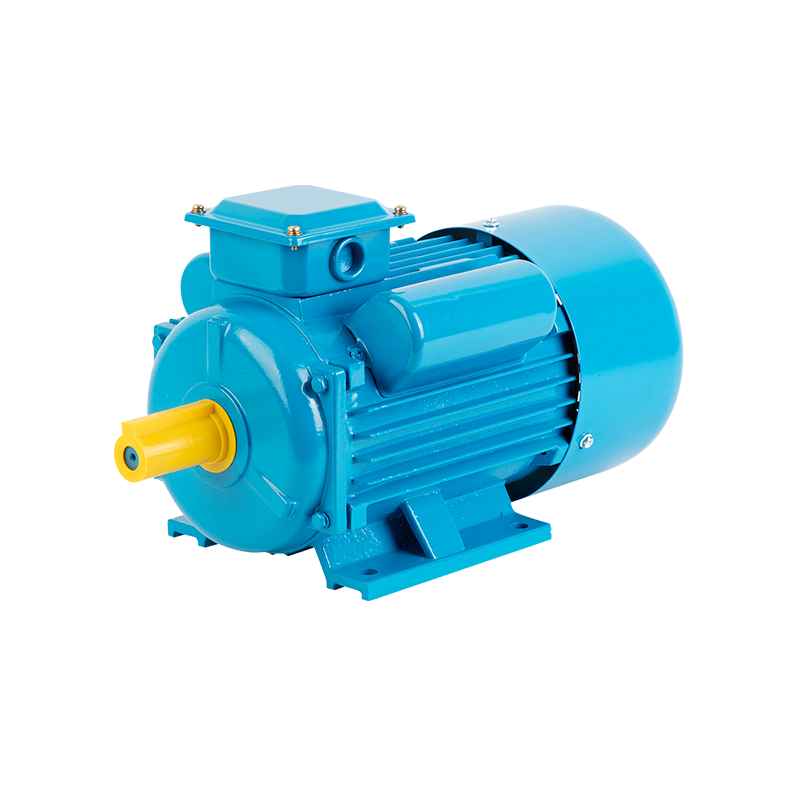
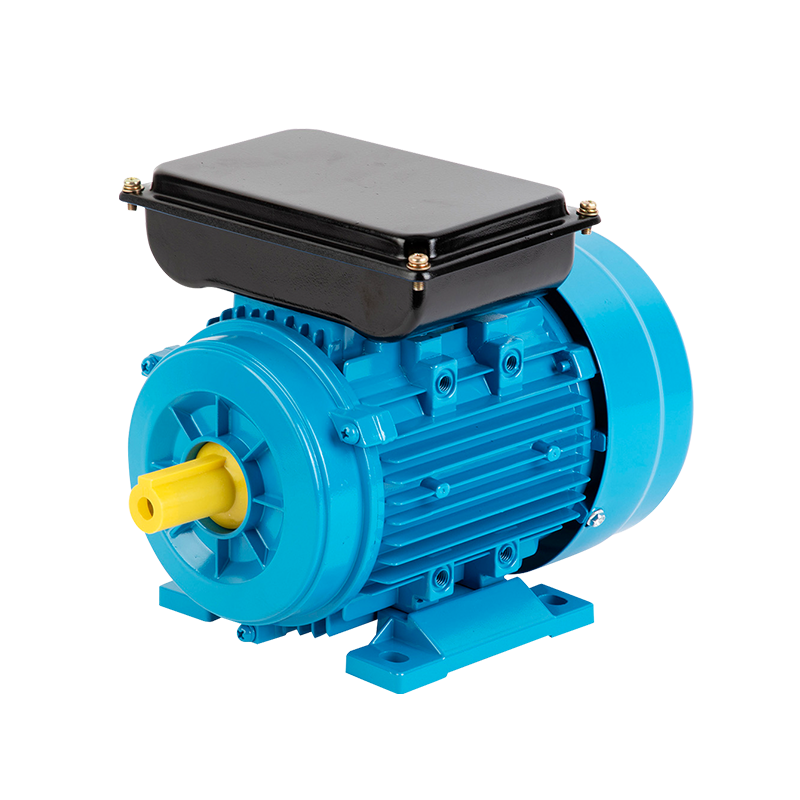
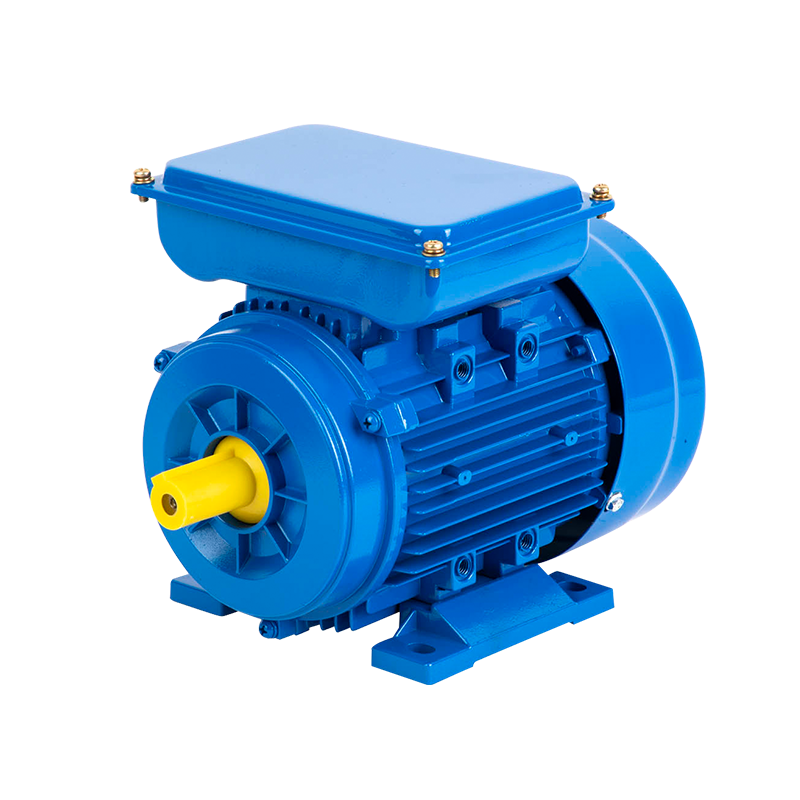
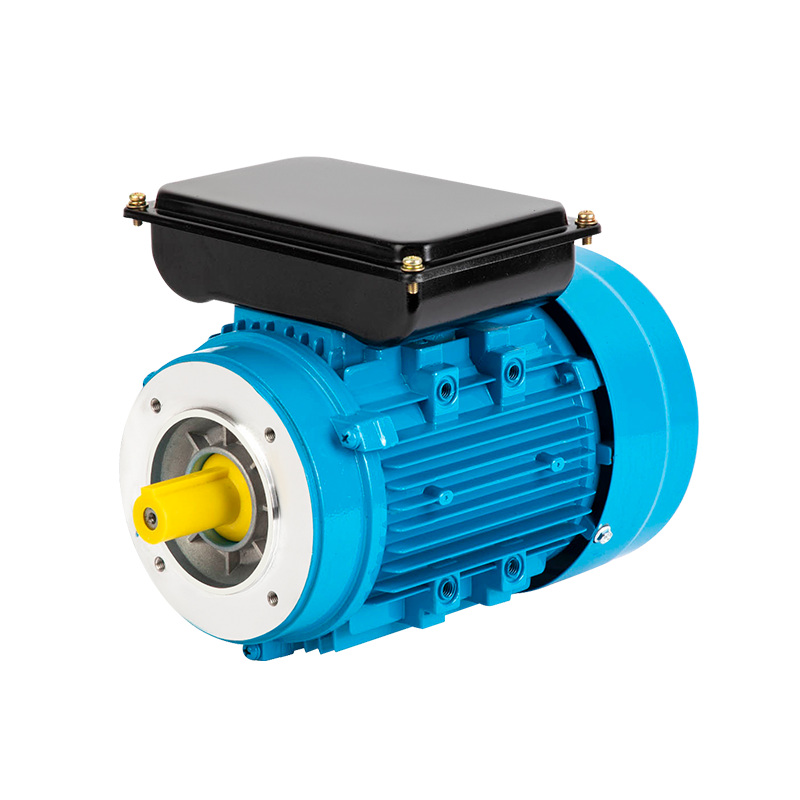
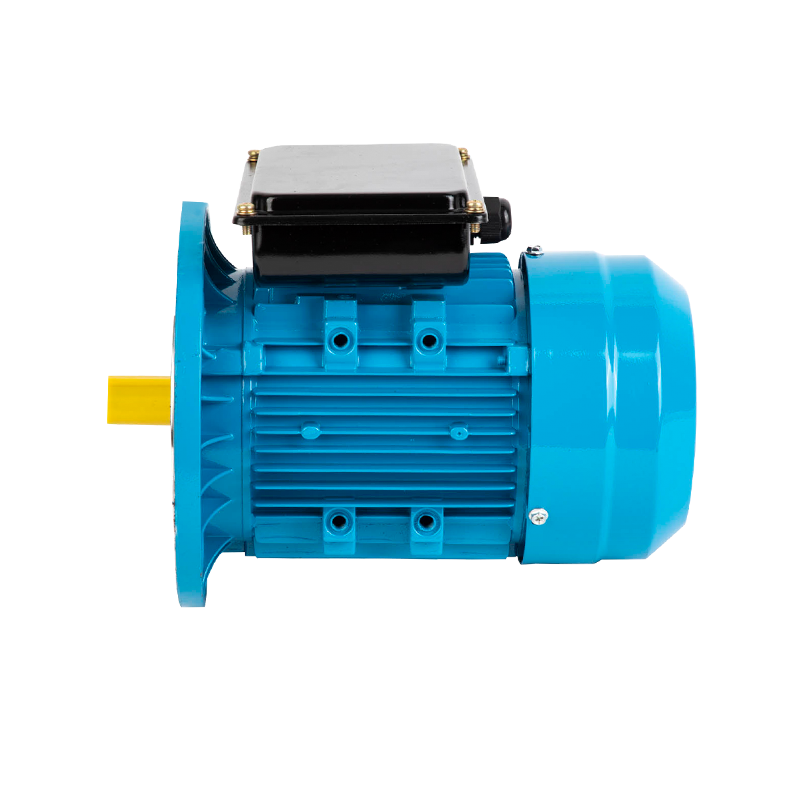
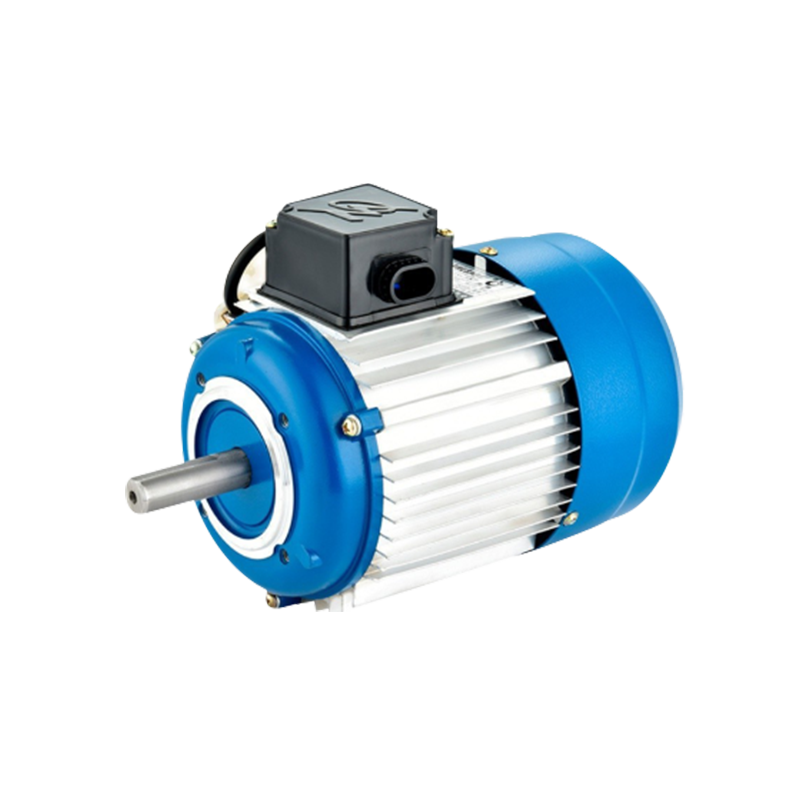
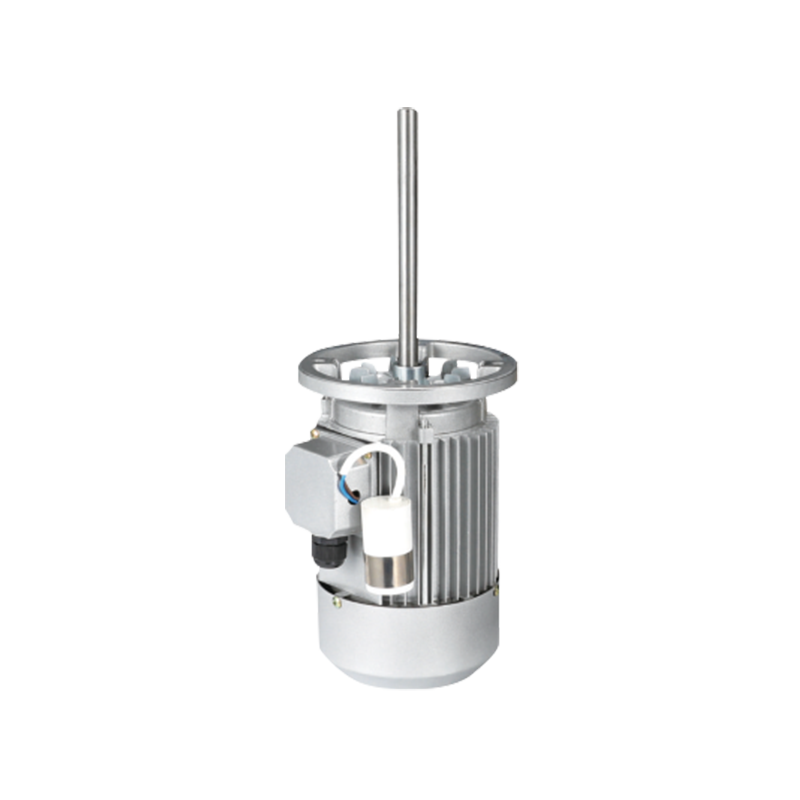
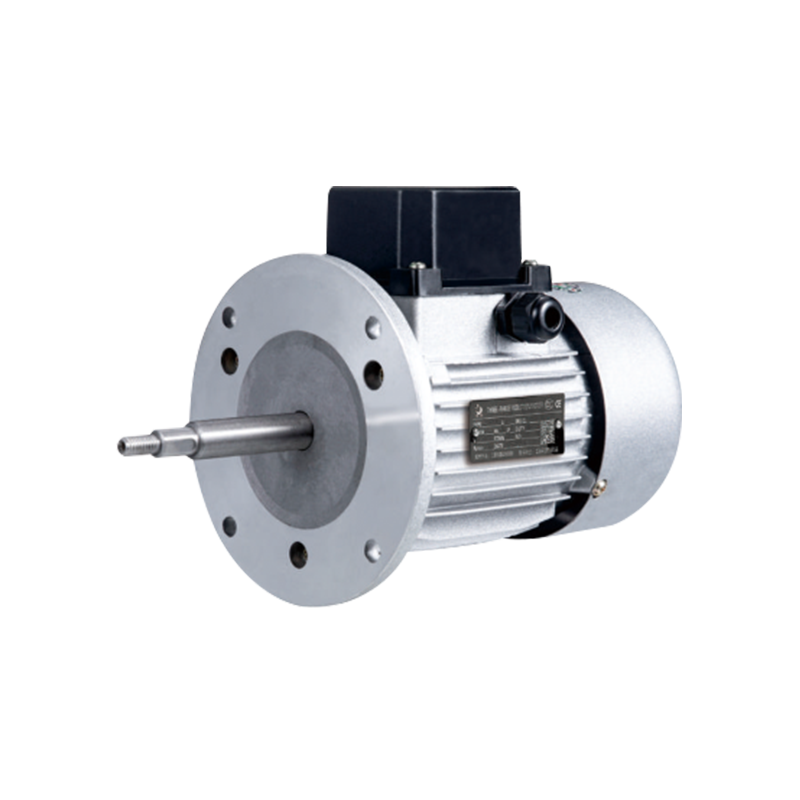
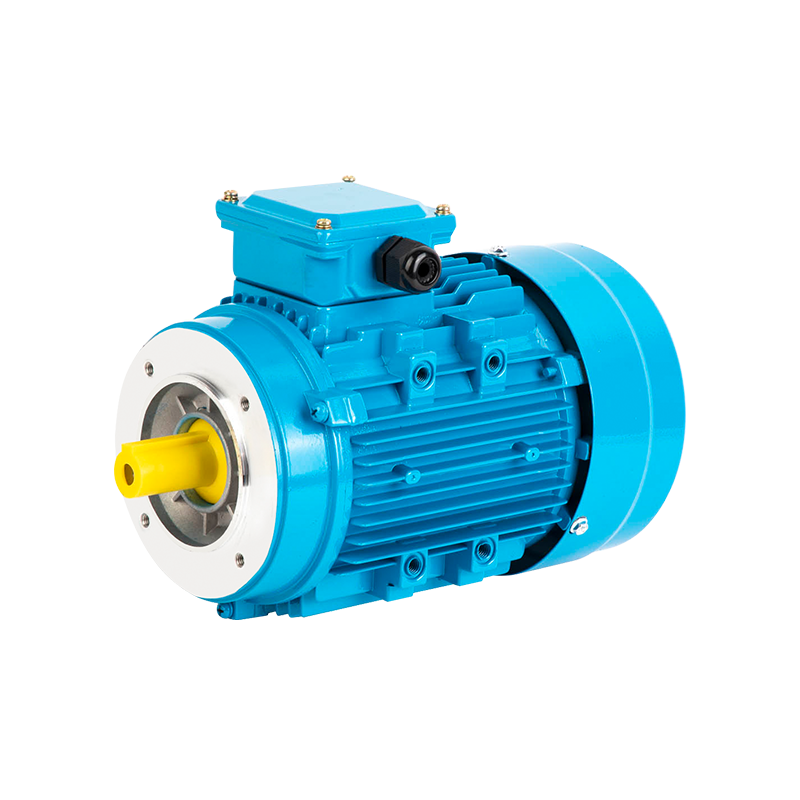
An Aluminum Housing Motor brings advantages that suit many applications. The material moves heat well, stands up to moisture, and offers good strength without the weight penalty of steel or iron. These qualities combine to protect the motor's internal components over years of service.
How Aluminum Housing Keeps the Motor Running Cool
Heat shortens the life of a motor. High temperatures break down winding insulation. Bearings lose their lubrication when they get too hot. A motor that runs cooler will simply last longer.
Aluminum moves heat about three times faster than iron. A motor with an aluminum housing pulls heat away from the windings and bearings more quickly. The heat travels from the internal parts to the housing surface, where air can carry it away.
Manufacturers can easily shape aluminum into cooling fins. The fins add surface area for heat to escape. Air flowing across the fins picks up heat and carries it away from the motor. The fin design can be tailored to the motor's specific operating conditions.
A motor that runs cooler keeps its insulation within safe temperature limits. Bearings operate in the range where their lubricants work properly. The thermal advantage of aluminum housing supports motor reliability over time.
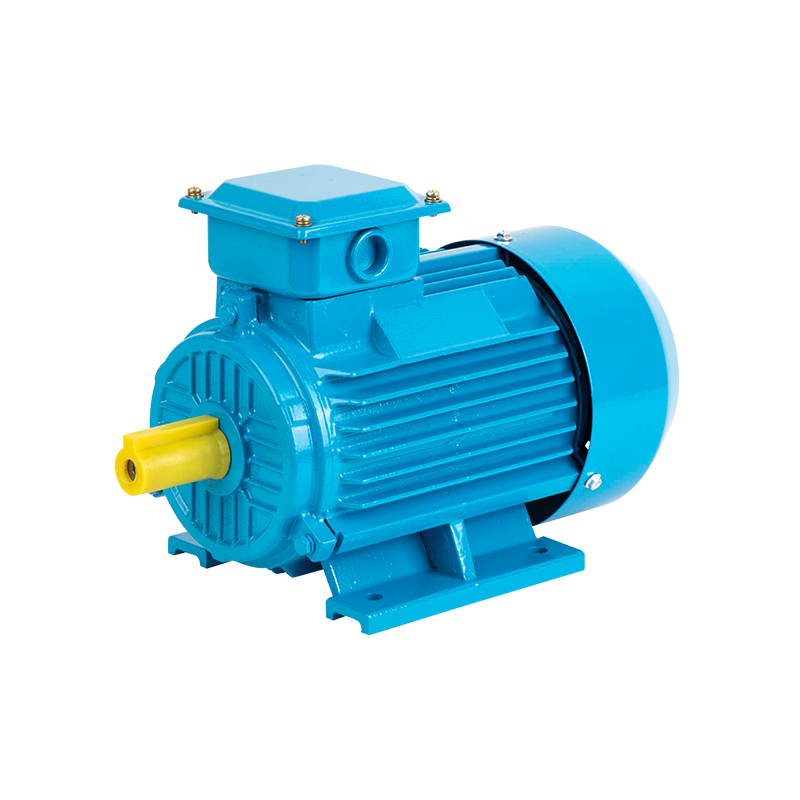
What Natural Features Protect Aluminum from Corrosion
Aluminum develops a thin oxide layer when exposed to air. This layer forms naturally and reforms if scratched or damaged. The oxide acts as a barrier that stops further oxidation of the metal underneath.
The oxide layer also resists moisture and prevents rust. Steel and iron rust when water reaches them. Aluminum stays unaffected by moisture because the oxide layer protects it. The natural corrosion resistance of aluminum makes it a practical choice for installations where moisture is a concern.
Motors placed outdoors or in washdown areas benefit from this protection. A housing that does not rust stays intact and keeps contaminants out.
How Housing Design Blocks Dust and Moisture
The shape and machining of the housing determine how well it seals against dust and moisture. Precision machining creates flat surfaces that fit together tightly. Seals placed between housing parts close any remaining gaps.
The housing design can incorporate features that actively resist contamination. Labyrinth seals create a path that dust and water cannot easily follow. Grooves for O-rings provide places for seals that block ingress.
An Aluminum Housing Motor with good sealing keeps its internal parts clean and dry. The insulation stays free of conductive dust that could cause shorts. The bearings stay free of moisture that could help to corrosion. The protection extends the motor's service life.
What Strength-to-Weight Means for Motor Installation
Aluminum weighs about one-third as much as steel or iron for the same volume. A motor with an aluminum housing is lighter than one with a cast iron housing of the same size. The lower weight makes handling and installation simpler.
The weight saving also reduces the load on mounting structures. A lighter motor does not need as robust a support. The system that holds the motor can be simpler and lighter.
| Characteristic | Aluminum Housing | Cast Iron Housing |
|---|---|---|
| Thermal conductivity | Faster | Slower |
| Corrosion resistance | Natural oxide layer | Requires coating |
| Weight for given volume | One-third of iron | Heavier |
| Cooling fin integration | Easy to form | More difficult |
| Impact resistance | Good with alloy design | Good |
| Sealing capability | Precision machined surfaces | Precision machined surfaces |
High-strength aluminum alloys provide the structural integrity needed for motor applications. The housing keeps its shape under load and holds internal components in alignment. The strength-to-weight ratio offers a practical advantage without reducing protection.
How an Electric Motor Factory Shapes Housing Quality
The quality of a motor housing tends to start at the factory level. Casting processes tend to determine the consistency of the material. A well-controlled casting operation tends to produce housings with fairly uniform wall thickness and minimal porosity. Porosity, or small voids in the metal, can create weak points or leak paths.
CNC machining follows the casting step. The machining process tends to create flat mounting surfaces and precise fits for bearings and seals. A housing that's machined accurately tends to hold the internal components in proper alignment. Misalignment can help to vibration and wear over time.
Impregnation treatments tend to seal any remaining porosity in the casting. A resin fills the microscopic voids in the metal, helping prevent leaks through the housing wall. The treatment tends to improve the housing's ability to keep contaminants out.
Process control at the factory tends to help every housing meet roughly the same standard. Consistent processes tend to produce fairly consistent results. A factory that monitors and controls its processes tends to deliver housings that perform close to what's expected.
What Manufacturing Processes Support Aluminum Housing Quality?
Green sand casting is one fairly common method for producing aluminum motor housings. The process uses sand molds to shape the molten aluminum. The sand tends to allow complex shapes with cooling fins and mounting features.
Precision machining follows the casting step. The machining tends to remove excess material and create accurate surfaces. The bearing fits, the mounting feet, and the terminal box openings all tend to require machining.
Impregnation treatments tend to address any porosity in the casting. A vacuum draws resin into the pores of the metal. The resin tends to seal the voids and helps prevent leaks through the housing.
A few manufacturing processes that tend to support housing quality:
- Sand casting for complex housing shapes
- CNC machining for dimensional accuracy
- Impregnation for sealing porosity
- Surface finishing for corrosion resistance
- Dimensional inspection for quality assurance
What Design Features Support Installation and Use?
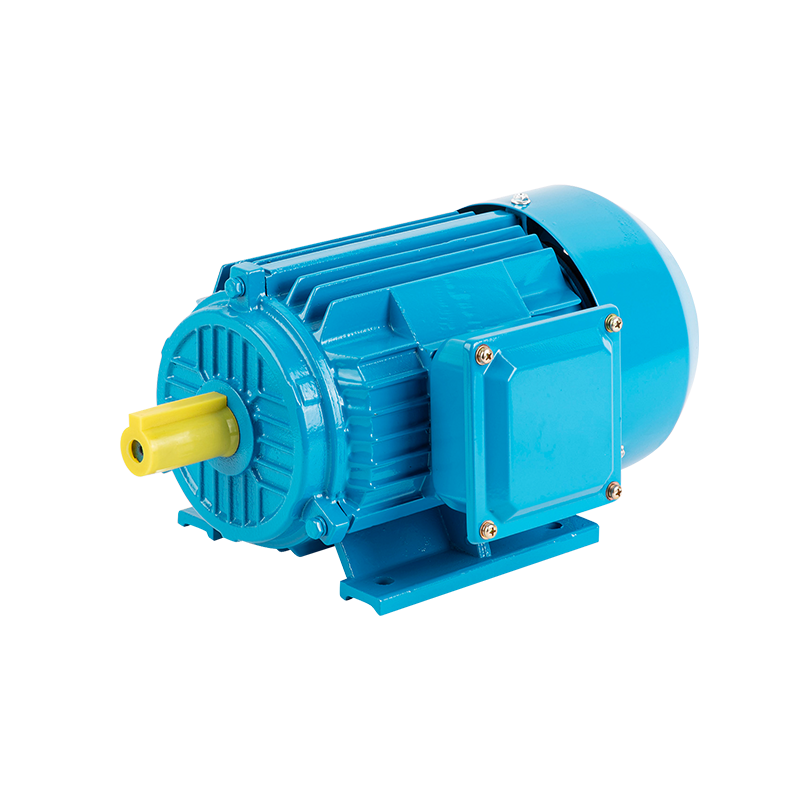
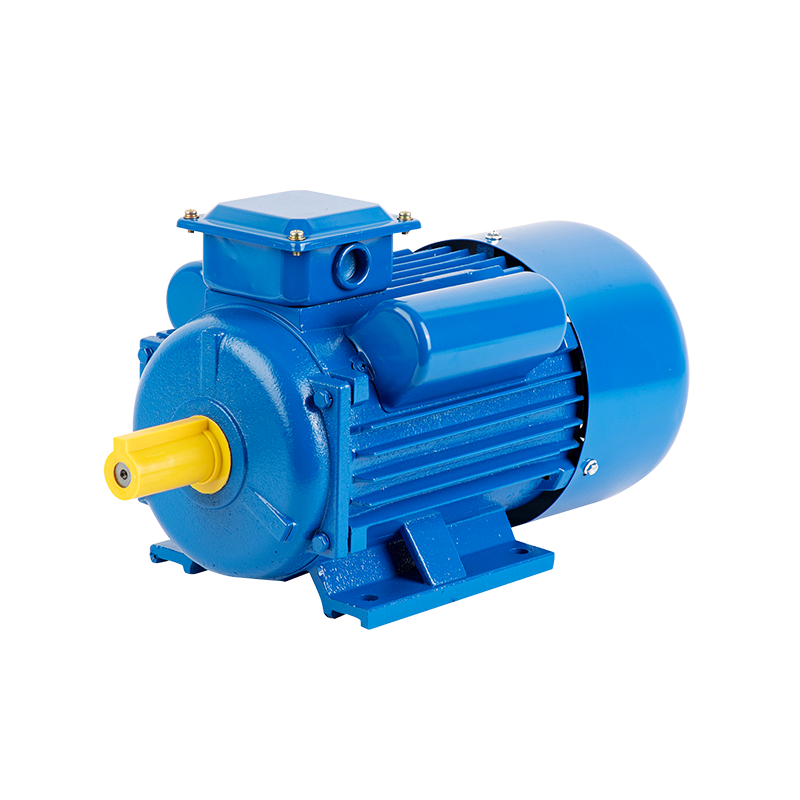
Removable mounting feet tend to give some flexibility during installation. The feet can generally be positioned on different sides of the motor to suit the mounting arrangement. That flexibility tends to reduce the need for custom mounting brackets.
These design features tend to reduce installation time somewhat. A motor that goes in quickly and connects easily tends to save on labour costs. The design choices at the factory level tend to affect the installation experience at the site.
Applications that involve moisture tend to benefit from aluminum housing. The corrosion resistance of aluminum tends to make it a practical choice for outdoor installations, washdown areas, and humid environments. A motor that resists rust tends to keep its protection over time.
Applications where heat dissipation is a priority also tend to suit aluminum housing fairly well. The thermal conductivity of aluminum tends to help keep motor temperatures in check. A motor that runs a bit cooler tends to last longer and require less maintenance.
Weight reduction tends to offer an advantage in applications where the motor gets moved around or where the supporting structure is somewhat limited. A lighter motor tends to be easier to handle during installation and maintenance.
The versatility of Aluminum Housing Motors tends to make them a fairly common choice across many industrial sectors. Food processing, material handling, and general manufacturing all tend to use Aluminum Motors. The combination of thermal, corrosion, and weight advantages tends to suit a fairly wide range of applications.
How Do Protection Features Work Together as a System?
The protection of an Aluminum Housing Motor probably doesn't come from one feature alone. The housing, the sealing, and the impregnation tend to work together. The housing provides the structure. The sealing helps keep contaminants out. The impregnation seals any porosity.
Thermal management and corrosion resistance tend to reinforce each other somewhat. A motor that runs cool tends to keep its internal components in better condition. A motor that resists corrosion tends to keep its housing intact longer. The combination tends to support better long-term reliability.
The complete protection picture for a Motor tends to include thermal conductivity, corrosion resistance, sealing, and structural integrity. Each feature tends to contribute to the motor's ability to withstand environmental challenges. A motor that combines these features tends to provide fairly reliable service in demanding conditions.
The value of a Motor probably lies in the combination of protection features rather than any single one. Thermal performance, corrosion resistance, and light weight tend to come together in one housing material. The motor tends to stay cooler, resist damage reasonably well, and remain easy to handle. These characteristics tend to support reliable performance across a fairly wide range of applications.


