 English
 Español



Building 1, Block 4, Wufeng Industrial Park, Daxi Town, Taizhou City, Zhejiang Province, China
Continuous production lines don't have much patience for equipment that hesitates or drifts under load. Motors sit at the center of that reliability question, since they're what turns electrical energy into the mechanical movement driving nearly every process on a factory floor.
That connection between motor stability and daily operation is pretty direct. A motor that runs smoothly lets connected equipment settle into a consistent rhythm. The moment speed starts fluctuating, or vibration creeps in, or power transmission gets uneven, the whole system feels it — not just the motor itself.
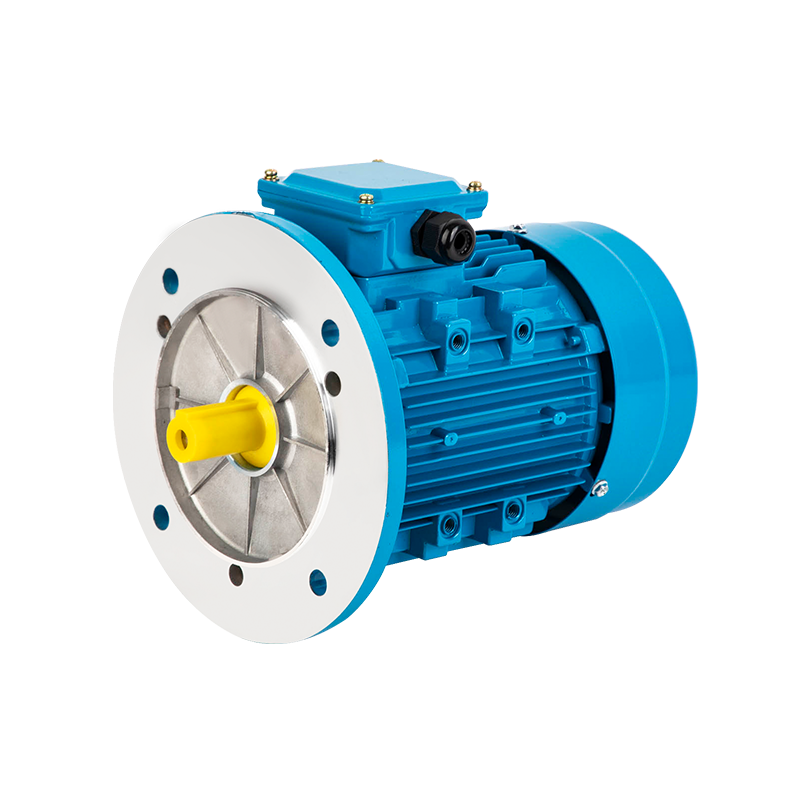
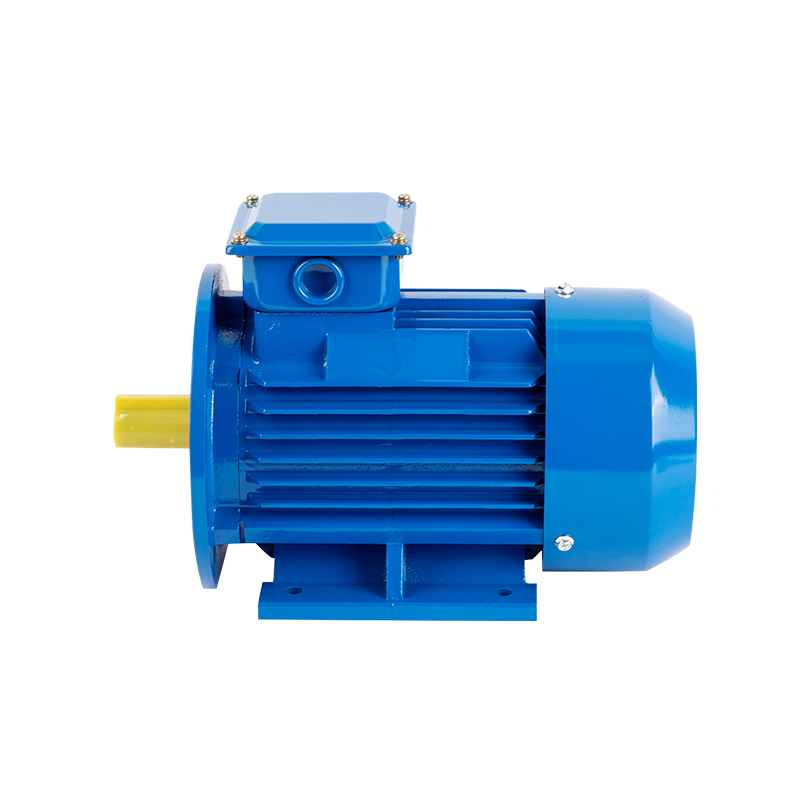
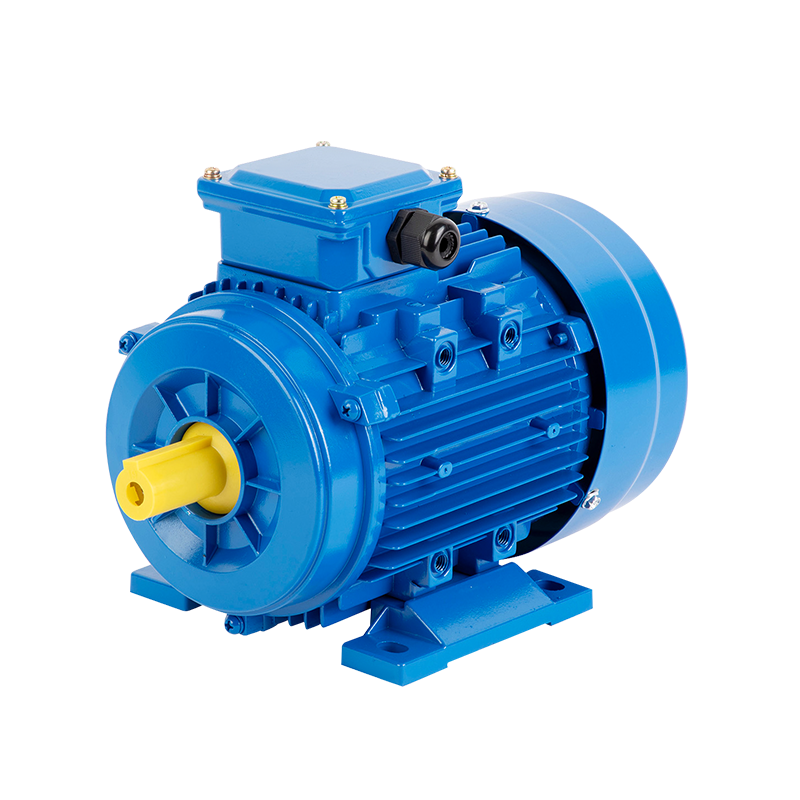
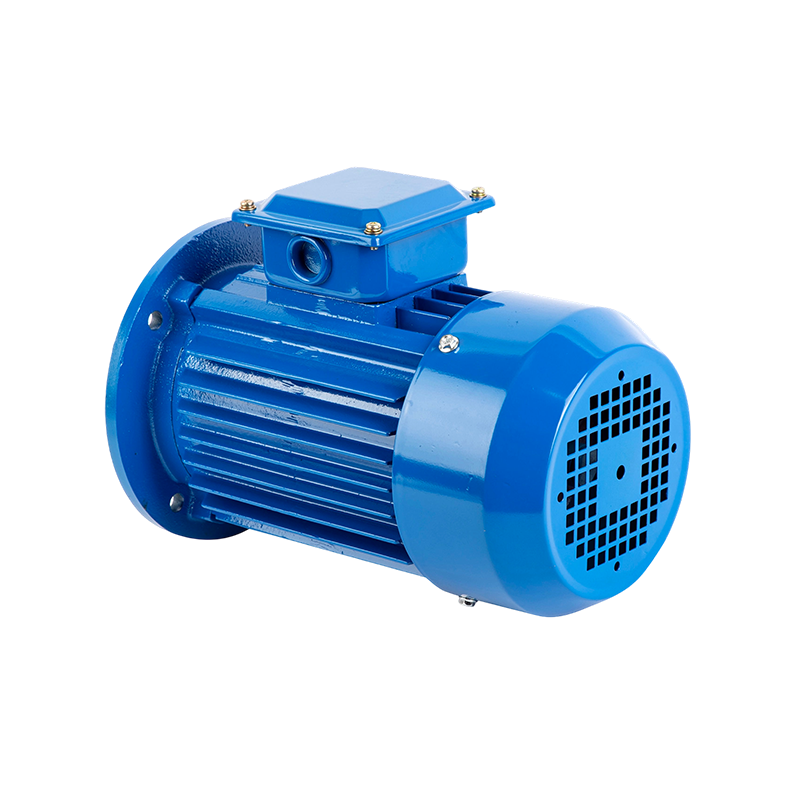
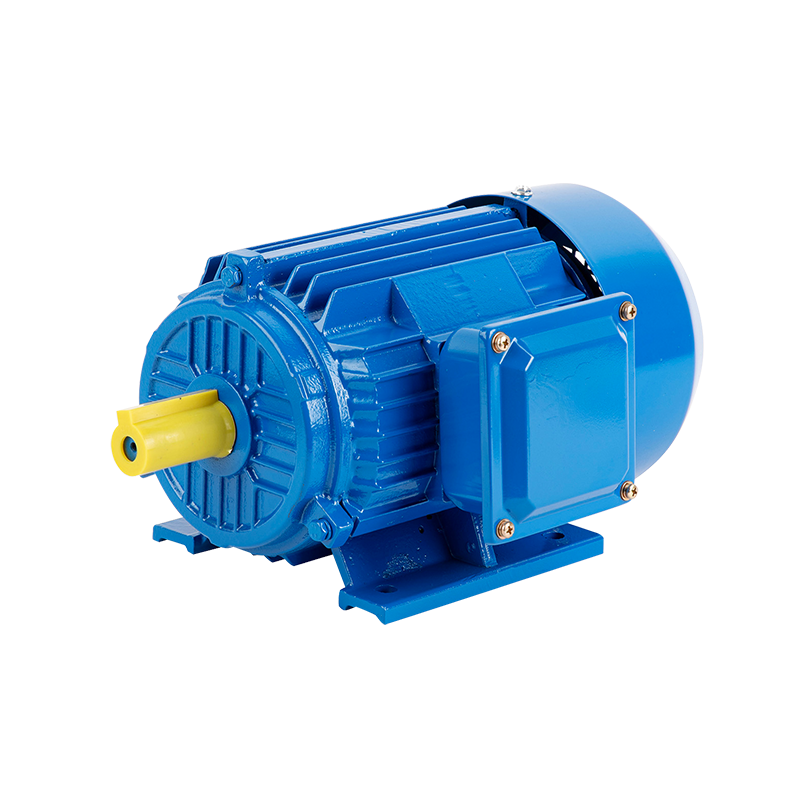
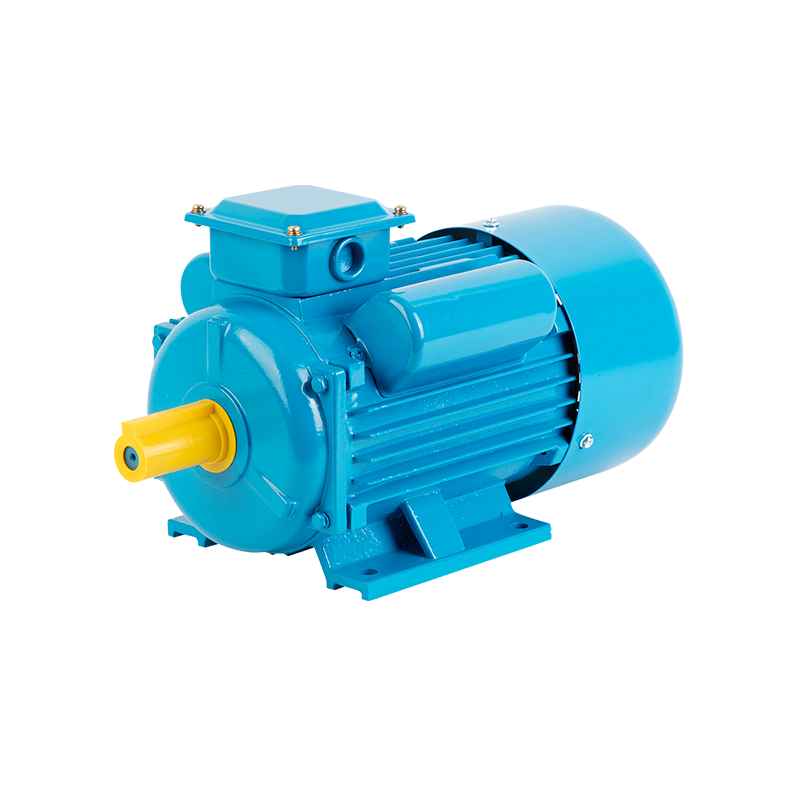
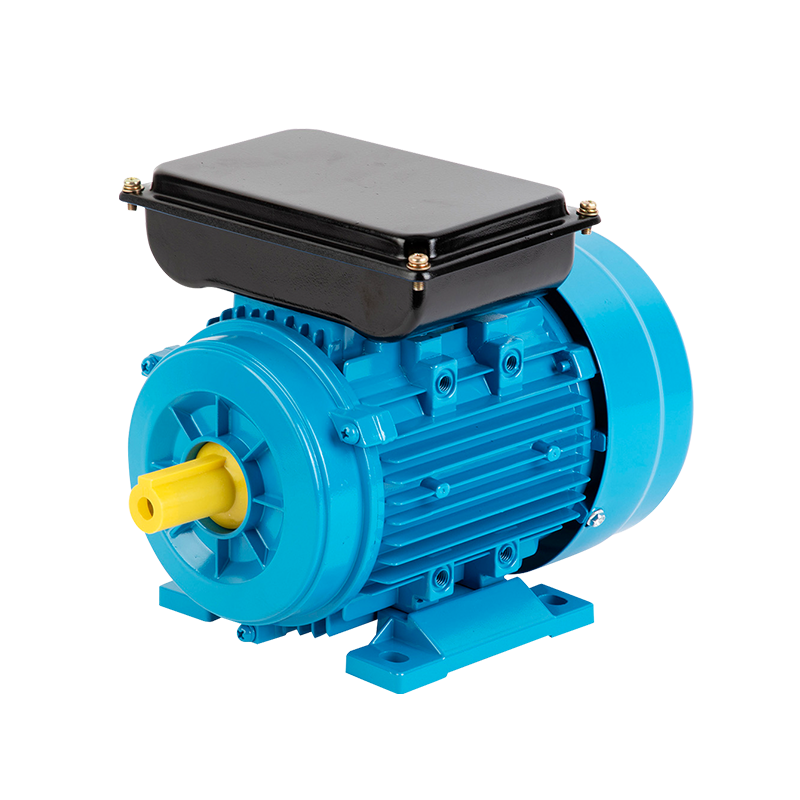
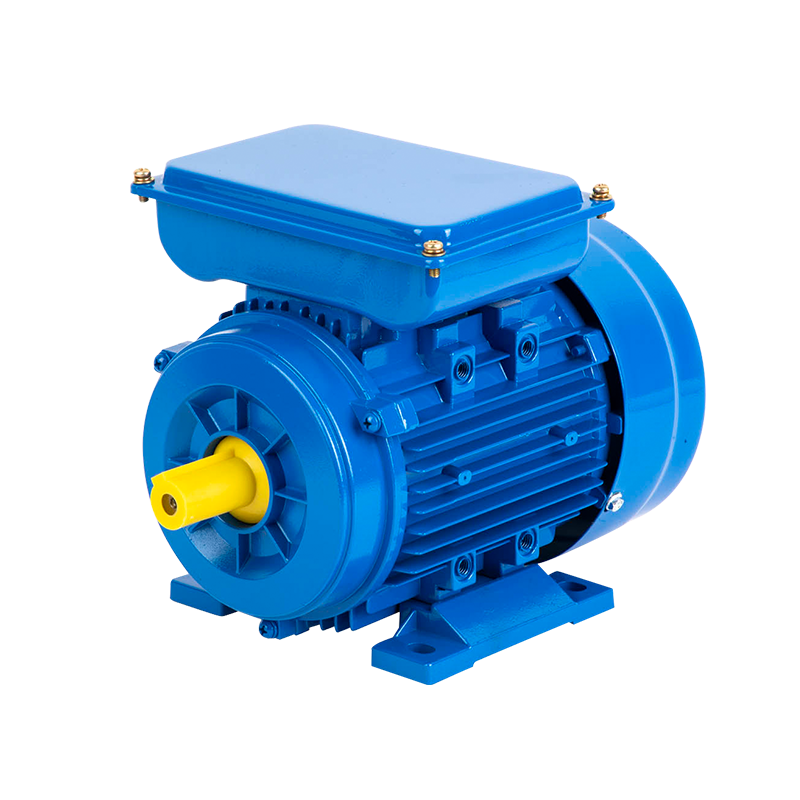
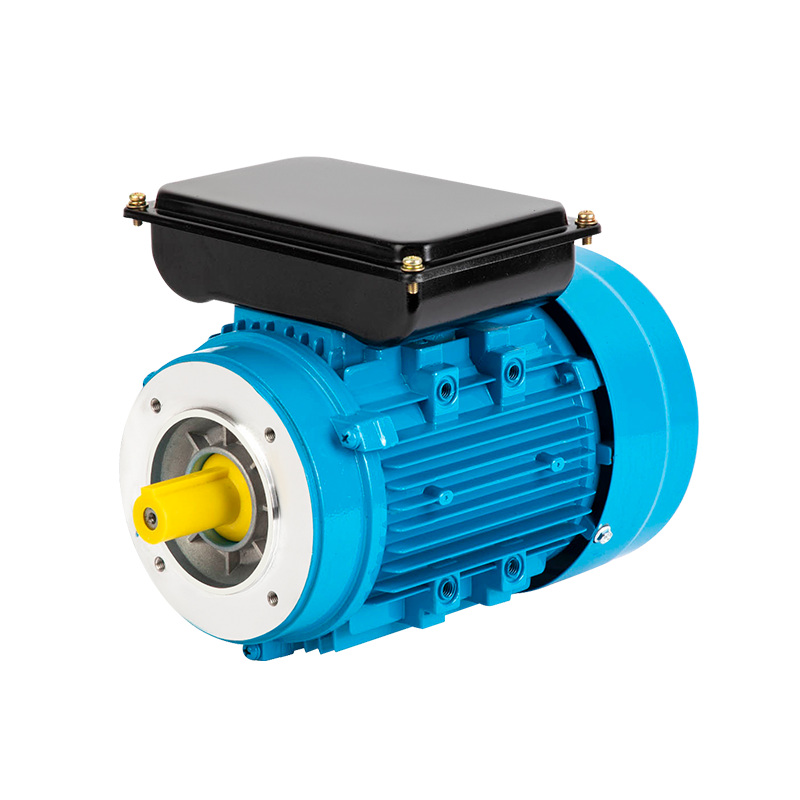
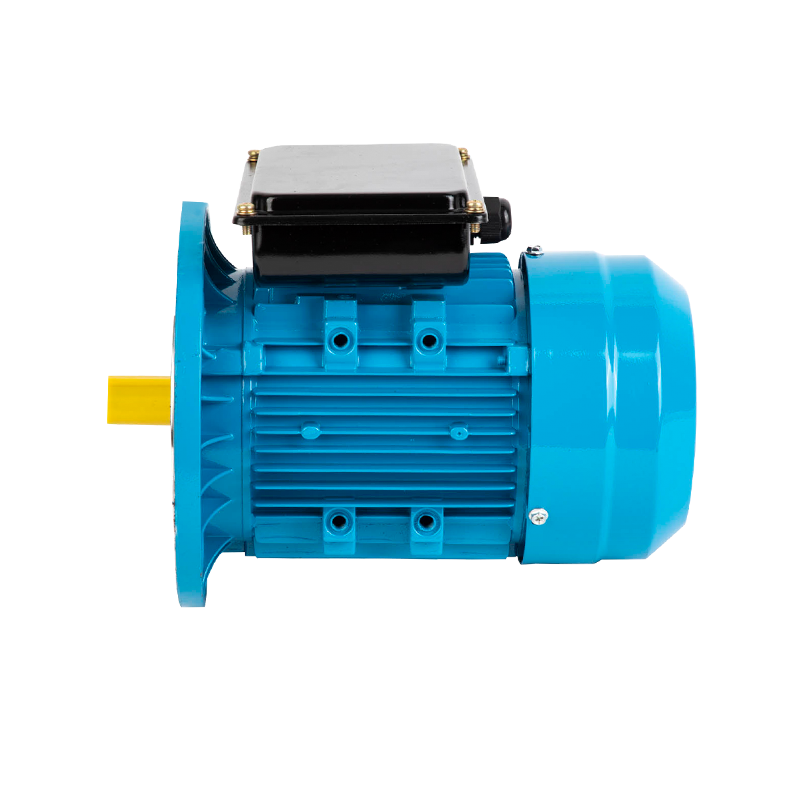
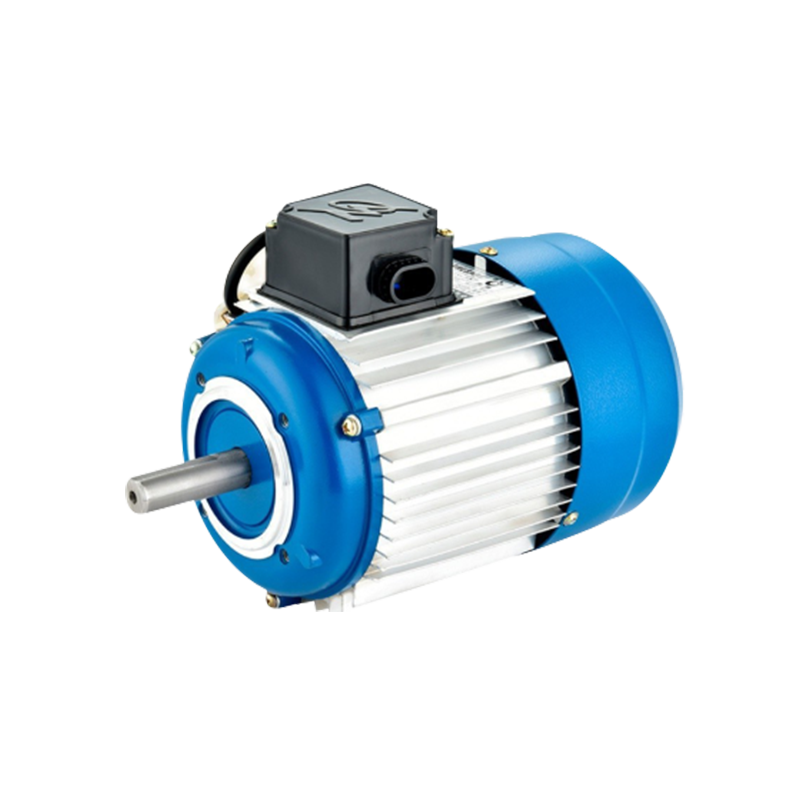
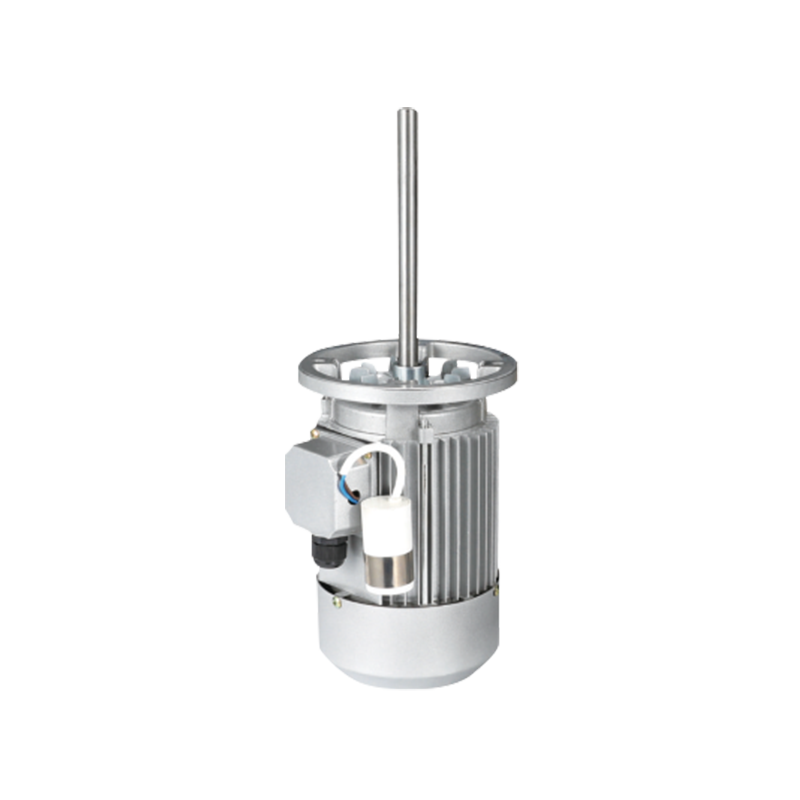
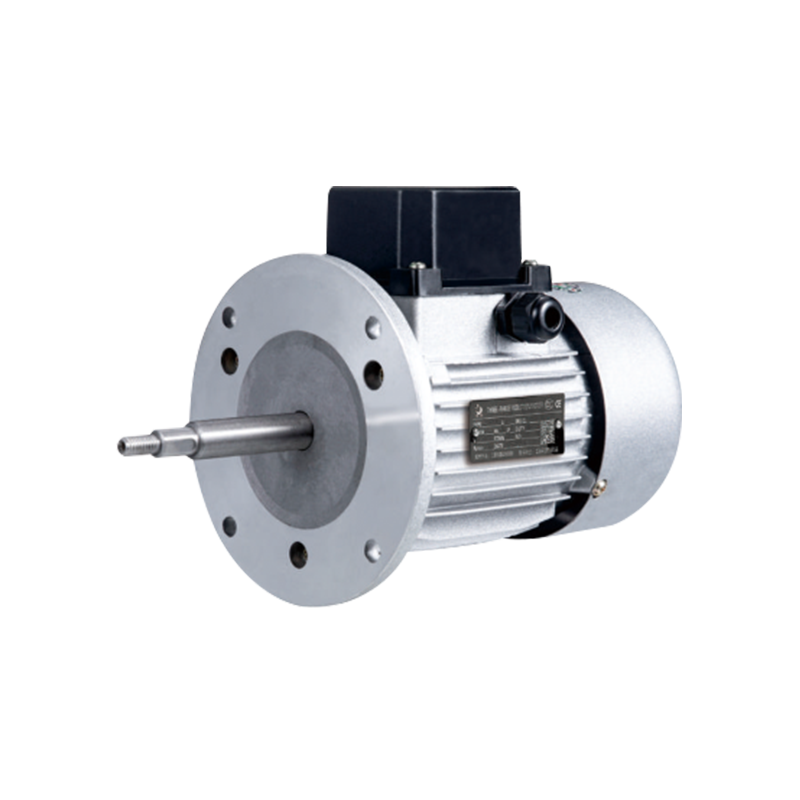
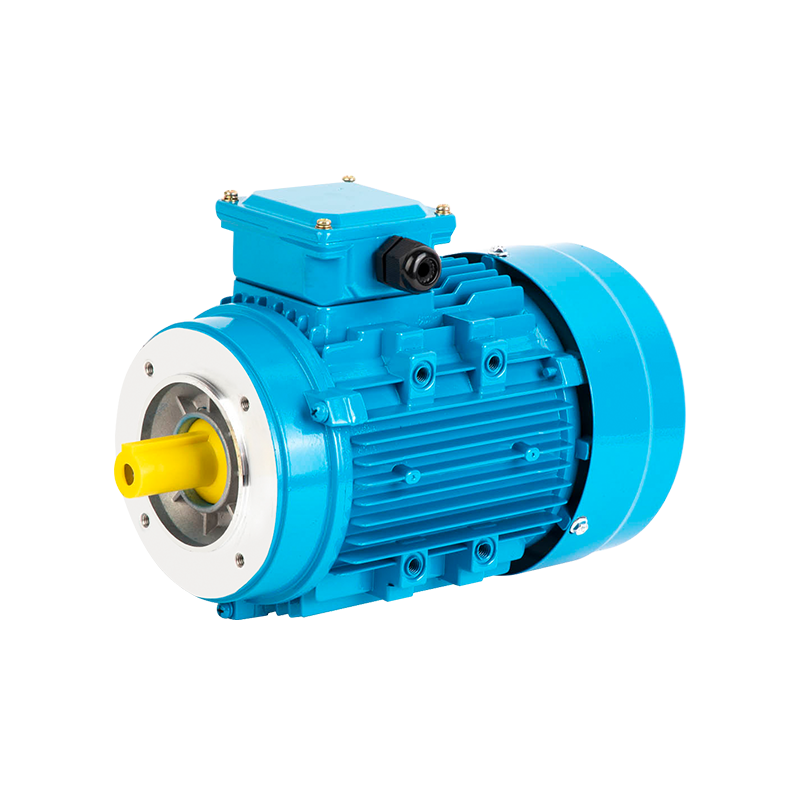
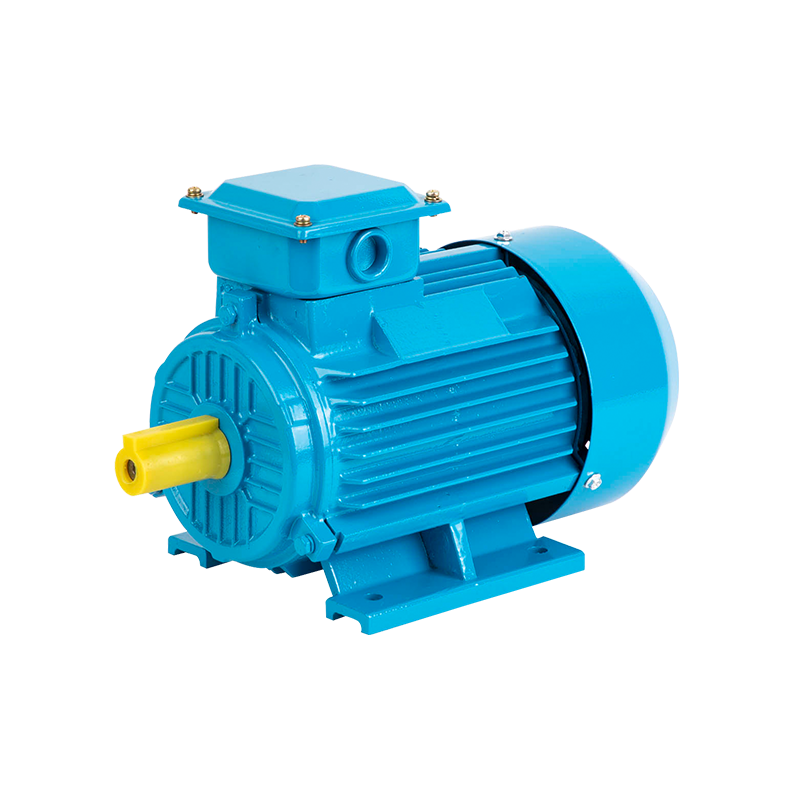
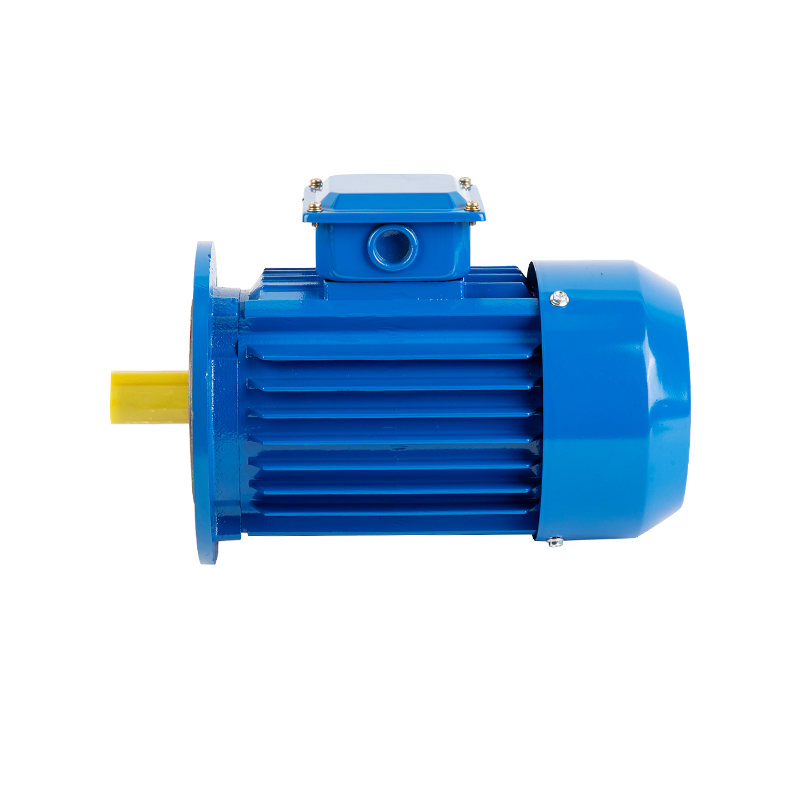
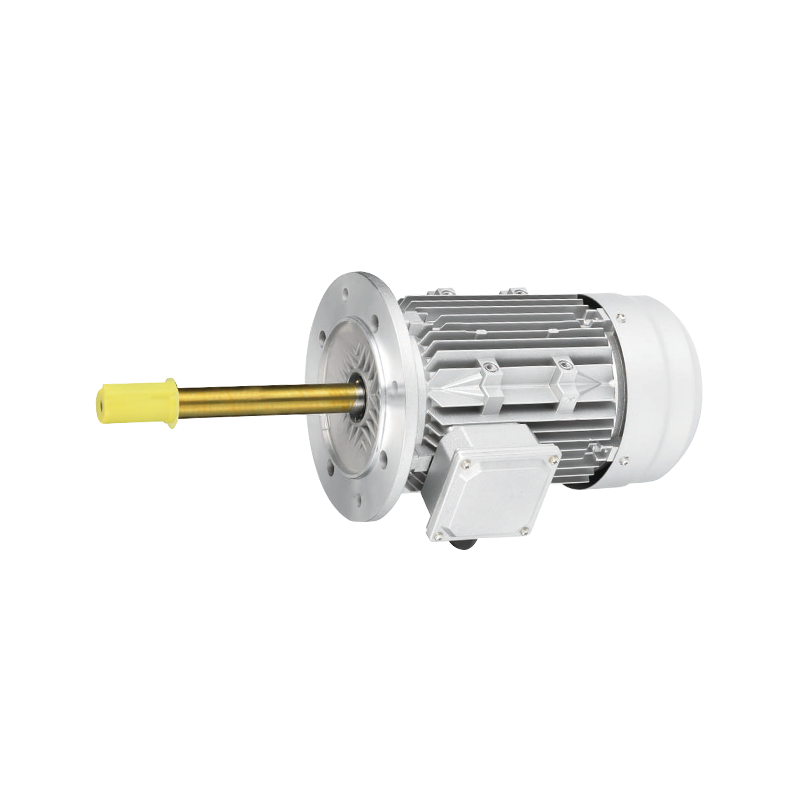
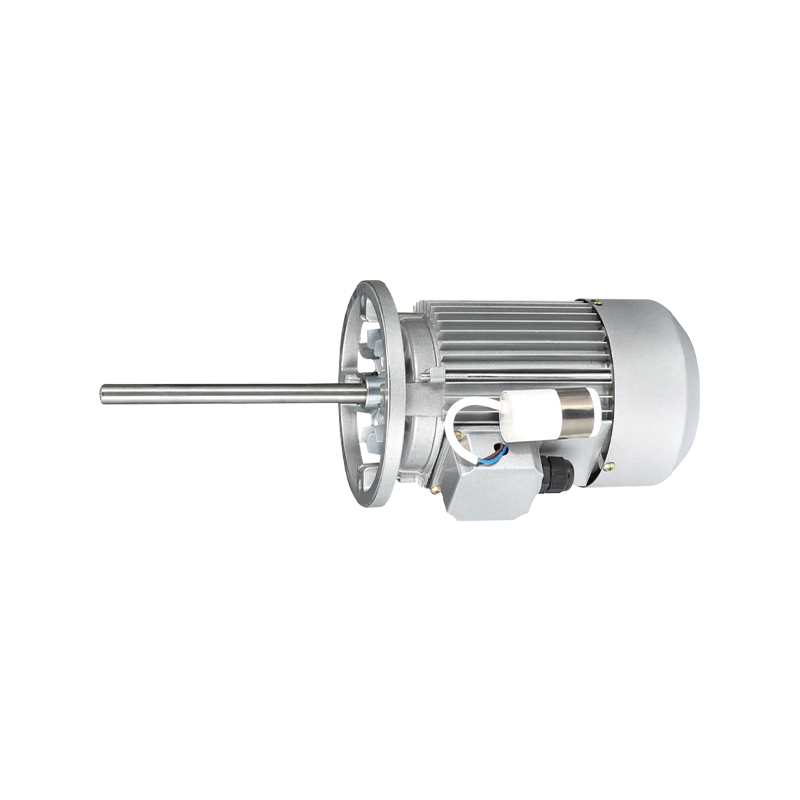
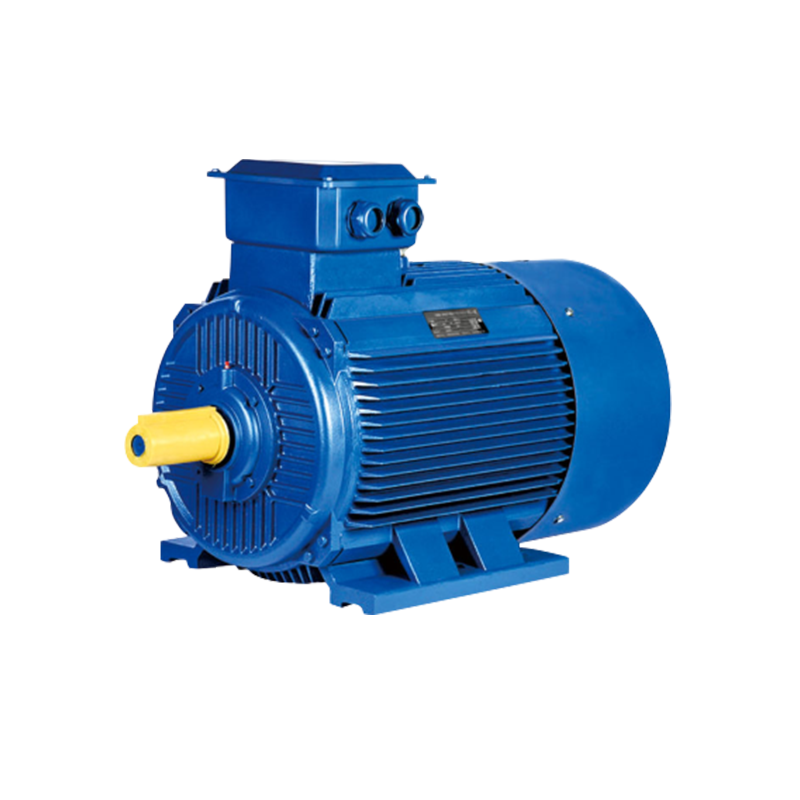
A Three Phase Industrial Motor is built around exactly this problem. Rather than pulling from a single electrical input, it draws on a coordinated three‑phase supply that keeps rotation continuous and balanced. That structural choice is what lets it absorb regular industrial workloads without losing steady movement in the process.
Output stability rarely traces back to one part doing its job well. It comes from several things working in concert — how balanced the electrical input is, how the internal mechanics are built, how effectively heat gets managed, how well the motor actually matches whatever equipment it's driving, and whether inspection and maintenance happen on schedule rather than as an afterthought.
None of these pieces operate in isolation. Electrical components, mechanical elements, and the surrounding working environment all lean on each other, and a design that accounts for that interaction tends to sidestep the kind of imbalance that causes real headaches down the line.
Industrial settings rarely stay predictable, either. Some machines cycle through wildly different loads over a shift; others need to run continuously for hours without a break. That variability is exactly why motor selection and maintenance planning end up mattering as much as the motor's raw specifications.
How Does a Three Phase Industrial Motor Generate Continuous Operating Performance?
Turning electrical energy into mechanical movement is fundamentally about internal components working together in sync — and for industrial use, keeping that rotation steady matters because whatever's downstream usually depends on it.
A Three Phase Industrial Motor builds its rotating force from a balanced electrical system, and that coordination is what gives it smoother operation than setups where power conversion swings around more unpredictably.
Inside, a handful of parts share the workload: electrical components generate the rotating force, mechanical parts carry that movement outward, supporting structures keep everything aligned, and protective elements help the motor cope with whatever conditions it's operating in.
These pieces each play a distinct role, but they're not independent of one another. A small misalignment in one area tends to ripple outward — poor mechanical alignment shows up as vibration, unsuitable operating conditions show up as temperature problems that weren't there before.
How efficiently a motor converts energy also shapes how consistent its output actually is. Electrical energy has to become mechanical movement without excessive loss along the way, and a well‑balanced structure is what keeps that conversion efficient and the resulting movement smooth.
Industrial buyers tend to think about this in terms of application rather than specs alone. A motor running on a production line faces a different set of demands than one tucked inside a smaller standalone machine, and matching the motor's design to that actual working environment is really where the decision gets made.
Which Design Features Help Maintain Stable Motor Output?
Stability isn't a single feature — it's what happens when electrical design and mechanical construction cooperate well. Here's how the major design elements each contribute:
| Design Factor | Function | Influence on Operation |
|---|---|---|
| Electrical structure | Converts power into movement | Supports continuous operation |
| Mechanical components | Transfers rotating force | Helps maintain smooth movement |
| Cooling design | Controls internal temperature | Supports stable working conditions |
| Protective housing | Shields internal parts | Helps adapt to different environments |
The electrical structure governs how energy enters and moves through the motor. Get that balance right, and uneven force during operation drops off considerably, letting rotation stay smoother across the board.
Mechanical components carry their own weight in this equation. Parts rotating together need real coordination — even small mismatches between them start generating extra stress. Solid structural fit keeps movement consistent and cuts down on wear that would otherwise creep in over time.
Heat is something every motor generates whether it's welcome or not. Electrical resistance and mechanical movement both produce heat as a byproduct of just running, and left unmanaged, rising temperature starts eating into motor condition fairly quickly.
That's where cooling structures earn their keep — moving heat away from critical areas through airflow or direct heat transfer. But the design has to fit the actual environment it's deployed in, since ventilation conditions vary a lot from one installation site to the next.
Protective housing rounds this out. Dust, moisture, and other environmental factors are just part of daily life in many industrial settings, and a housing built to handle them keeps internal components protected long enough to justify the investment.
How Does Load Variation Affect Industrial Motor Stability?
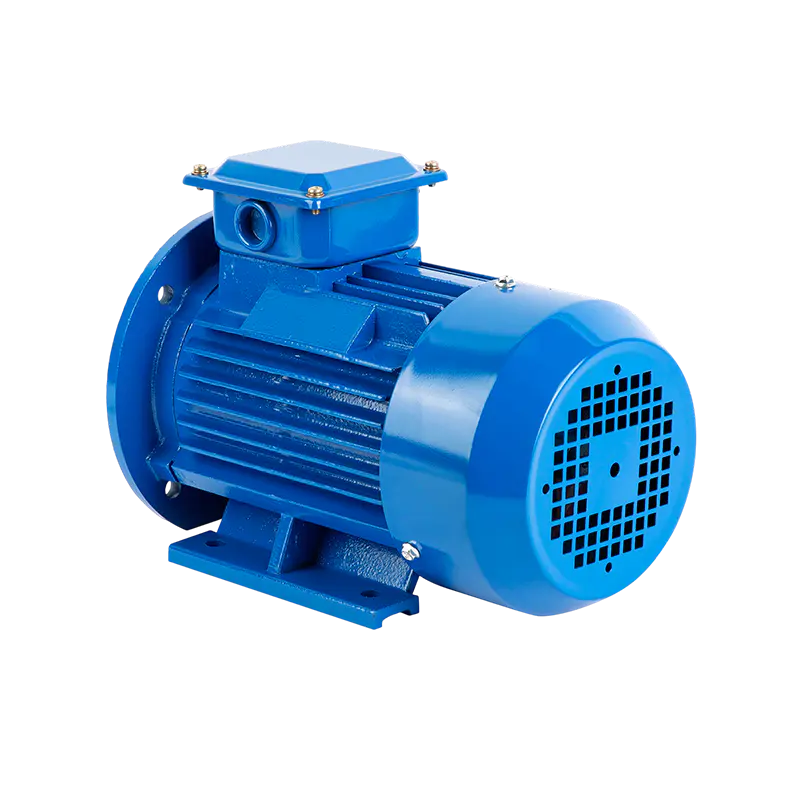
Industrial equipment almost never runs under perfectly identical conditions shift after shift. Production processes shift movement patterns, pressure levels, and workload constantly, and a motor has to absorb those changes without losing its footing.
When connected equipment suddenly demands more force, the motor has to adjust its output to match. Whether that adjustment happens smoothly or creates instability comes down largely to whether the motor was designed with that kind of variation in mind from the start.
A few things shape how well a motor handles shifting loads: what the connected equipment actually requires, what environment it's operating in, how it was installed, and what kind of maintenance history it's carrying.
Pick the wrong motor for the job, and problems tend to surface fairly quickly during everyday use — extra stress builds up in ways a properly matched motor simply wouldn't experience.
This is exactly the kind of variation a Three Phase Motor Factory has to design around during production. Understanding how industrial applications actually differ from one another is what lets manufacturers build motors suited to a range of operating situations, rather than optimizing narrowly for a single use case.
Load management ties directly back to maintenance, too. Regular checks catch unusual operating conditions before they spread into other parts of the system, and keeping the motor properly matched to its connected equipment is often the difference between stable long‑term operation and a slow accumulation of avoidable wear.
Why Is Heat Management Important for Motor Output?
Heat isn't a malfunction — it's just what happens when electrical energy gets converted and mechanical parts start moving. Every bit of industrial operation generates it as a byproduct, as energy passes through the motor and gets transferred into whatever equipment sits downstream. Keeping that temperature in check ends up being a core part of keeping the whole system stable.
A Three Phase Industrial Motor needs a cooling structure built for the job, because unchecked heat doesn't stay contained to one area — it works its way into internal conditions and starts putting extra stress on both electrical parts and mechanical components once temperature swings go unmanaged.
Heat control comes down to a handful of interacting elements: how well air circulates around the motor, what kind of environment it's installed in, how heavy the workload actually is, how the internal structure was designed, and whether cleaning and inspection happen on a regular basis.
Ventilation carries a lot of that weight. A motor tucked into a narrow, poorly ventilated space deals with a completely different thermal reality than one sitting in an open work area with room to breathe. That's exactly why installation planning needs to account for airflow before the motor ever gets bolted down.
The surrounding environment doesn't stay static, either. Dust builds up, moisture creeps in, air movement slows over time — and all of it chips away at cooling efficiency gradually rather than all at once. Paying attention to that environment on an ongoing basis is what keeps operating conditions where they need to be.
How Do Maintenance Practices Support Consistent Motor Performance?
Catching small changes early is really what maintenance is for — spotting shifts before they snowball into bigger operating problems. Industrial motors run for extended stretches, often without much of a break, which makes routine inspection less of an optional extra and more of a baseline requirement.
None of this needs to be complicated. A handful of simple checks — listening for unusual sounds, feeling for vibration changes, verifying connections, glancing at external cleanliness — can tell you a surprising amount about what's actually going on inside a motor.
Typical maintenance work tends to cover:
- Checking external conditions
- Cleaning dust from important areas
- Inspecting electrical connections
- Checking mechanical movement
- Monitoring unusual operating changes
Mechanical parts wear down through repeated use, that's just physics. Proper lubrication paired with regular inspection cuts down friction and keeps movement smoother for longer. Electrical connections need their own attention too, since loose contacts have a way of quietly degrading power transmission long before anyone notices.
How often maintenance happens should track the environment the motor actually lives in. Equipment grinding through demanding industrial conditions all day needs closer attention than something running under lighter, more forgiving circumstances.
There's an energy angle here too. A motor kept in good working condition tends to avoid the energy losses that creep in from poor adjustment or components quietly degrading over time.
The link between maintenance and stability isn't a one‑time thing — it's ongoing. Motors that get proper care hold their working condition considerably better over time, while issues left unaddressed have a way of spreading outward into whatever equipment depends on that motor.
How Does a Three Phase Motor Factory Influence Motor Reliability?
What happens on the factory floor shapes how a motor behaves long after it's installed. Material choices, assembly methods, inspection routines — all of it feeds into the final operating condition a motor ships with.
A Three Phase Motor Factory has to design around real variation in application, since industrial environments differ enormously from one setup to the next. Motors destined for different machines face different workloads, different temperatures, different operating rhythms entirely.
A few manufacturing factors shape reliability directly:
| Production Factor | Purpose | Effect on Motor Use |
|---|---|---|
| Material selection | Supports component performance | Influences operating stability |
| Assembly process | Maintains part coordination | Helps reduce mechanical issues |
| Inspection procedures | Checks production conditions | Supports consistent product quality |
| Design adjustment | Matches application needs | Improves equipment compatibility |
Material choice touches both electrical and mechanical performance simultaneously. Components need characteristics suited to regular operation and whatever environmental stress they'll actually face — not just theoretical specs on a datasheet.
Assembly accuracy matters more than it might seem from the outside. Internal parts need precise positioning, because even small deviations translate into vibration, noise, or degraded movement quality down the line. Careful production work is what keeps components coordinated the way they're supposed to be.
Inspection during manufacturing catches problems before a motor ever reaches an industrial application. Testing under varied operating scenarios surfaces structural or functional issues while they're still cheap and easy to fix.
Factories also need to keep pace with how industrial equipment itself keeps evolving. Expectations around motor design and usage shift as machinery develops, and manufacturers paying close attention to those shifts end up offering options that genuinely fit a wider range of working conditions.
What Factors Should Be Considered When Choosing an Industrial Motor?
Picking the right industrial motor means looking at the whole operating picture, not fixating on a single spec. The motor has to fit the machine, the workload, and the actual conditions it'll operate under day after day.
Selection tends to hinge on:
- Required movement type
- Working environment
- Operating frequency
- Maintenance conditions
- Installation space
How well a motor connects to its equipment matters more than people often assume. A motor that performs beautifully in one application might fall short in a completely different environment — which is why understanding what the machine actually needs comes before comparing spec sheets.
Installation conditions deserve real attention too. Space constraints, ventilation, nearby equipment — all of it can shape how a motor performs once it's in place. A well‑thought‑out installation plan tends to pay off in smoother performance and considerably easier maintenance down the road.
Energy use factors into this decision as well. Motors often run for long stretches, so operating efficiency and how well condition gets managed both shape overall resource use. Choosing carefully upfront avoids the energy waste that comes from mismatched equipment quietly working harder than it should.
Maintenance access is worth planning for too. A motor that's easy to inspect and service saves considerable hassle later, when routine checks or repairs actually need to happen.
A Three Phase Motor Factory's role connects directly to all of this, since manufacturers need to offer products that genuinely fit varied industrial applications rather than a one‑size‑fits‑all approach. Clear communication between suppliers and users tends to be what actually surfaces the right option for a given situation.
How Does Stable Motor Output Support Industrial Operation?
Stable output never comes from a single source — it emerges from electrical balance, structural design, temperature control, and maintenance practices all working together. No individual part carries this alone, because motor performance genuinely depends on how internal components and external conditions interact.
A Three Phase Industrial Motor holds steady operation through coordinated design paired with proper application. Electrical input generates movement, mechanical parts carry that force forward, cooling structures keep temperature in check, and maintenance preserves the whole system's condition over time.
Industrial environments keep shifting, and motor requirements shift right along with them depending on the machine and the process involved. Keeping these factors in view is what makes equipment selection and maintenance planning genuinely practical rather than guesswork.
Stability was never just about the motor in isolation, either. Installation conditions, how well workload gets matched, and consistent care all shape how well the system performs day to day. A balanced approach across all of it is what lets industrial equipment keep running smoothly and hold up over the long haul.


