 English
 Español



Building 1, Block 4, Wufeng Industrial Park, Daxi Town, Taizhou City, Zhejiang Province, China
Mechanical systems depend on parts that do more than simply move. A motor may drive the motion, while the housing around it helps shape how the whole unit fits into a machine. Material choice becomes part of that process because housing affects protection, mounting, heat movement, and the way technicians handle the equipment during installation or service.
A motor housing is not just an outer shell. It helps keep internal parts in place, shields them from outside conditions, and gives the motor a form that can connect properly with the surrounding structure. In many machines, the housing also influences how much room the motor needs and how easily it can be arranged with other components.
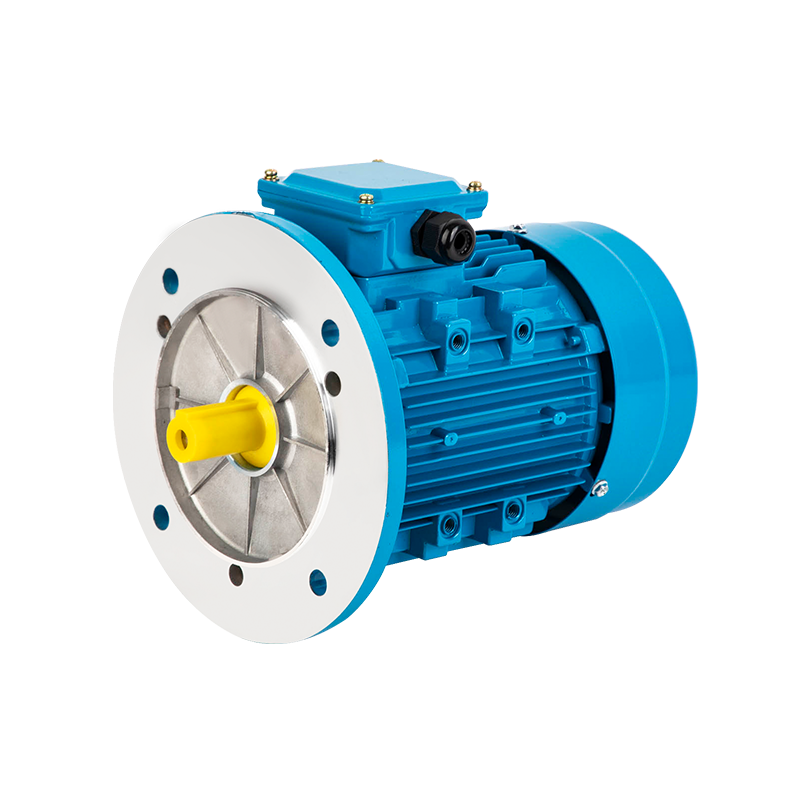
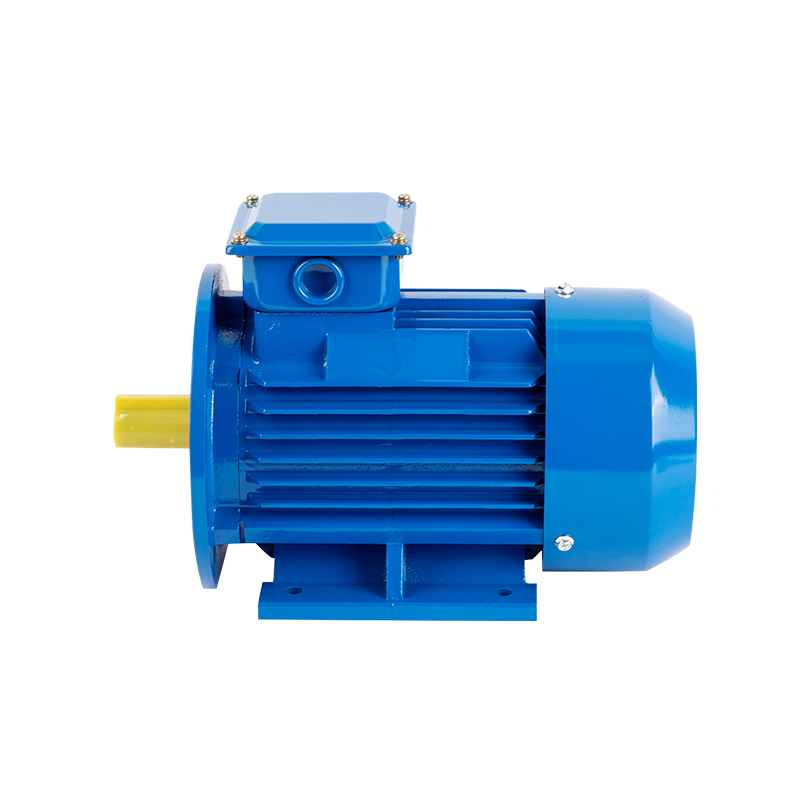
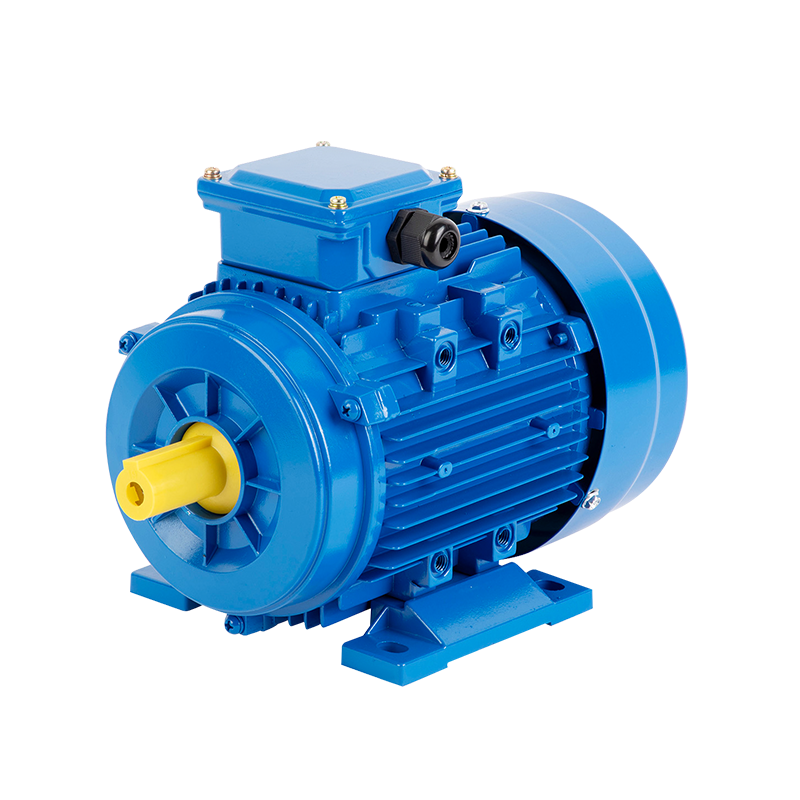
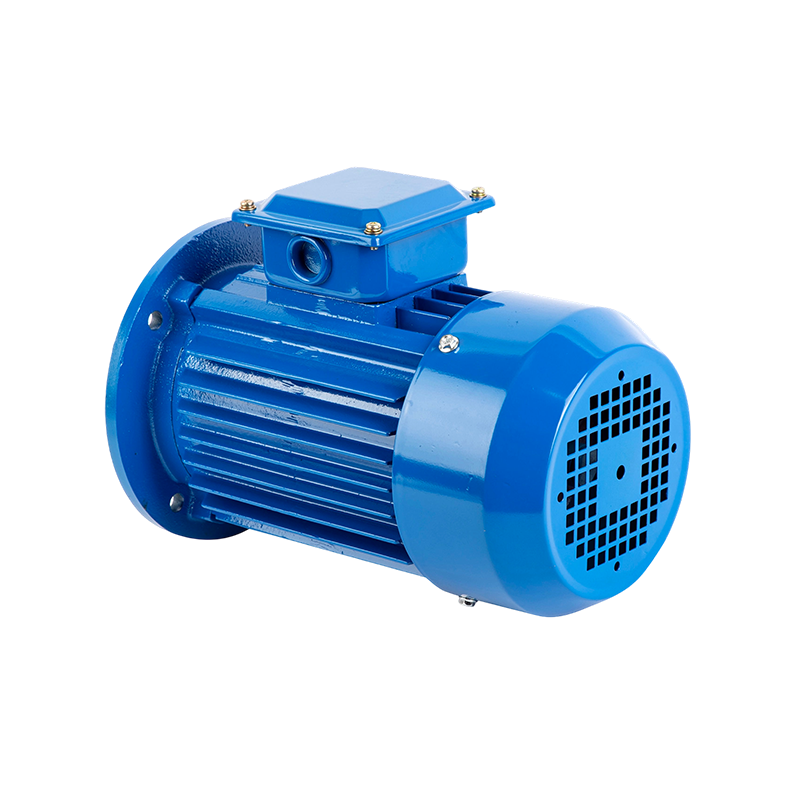
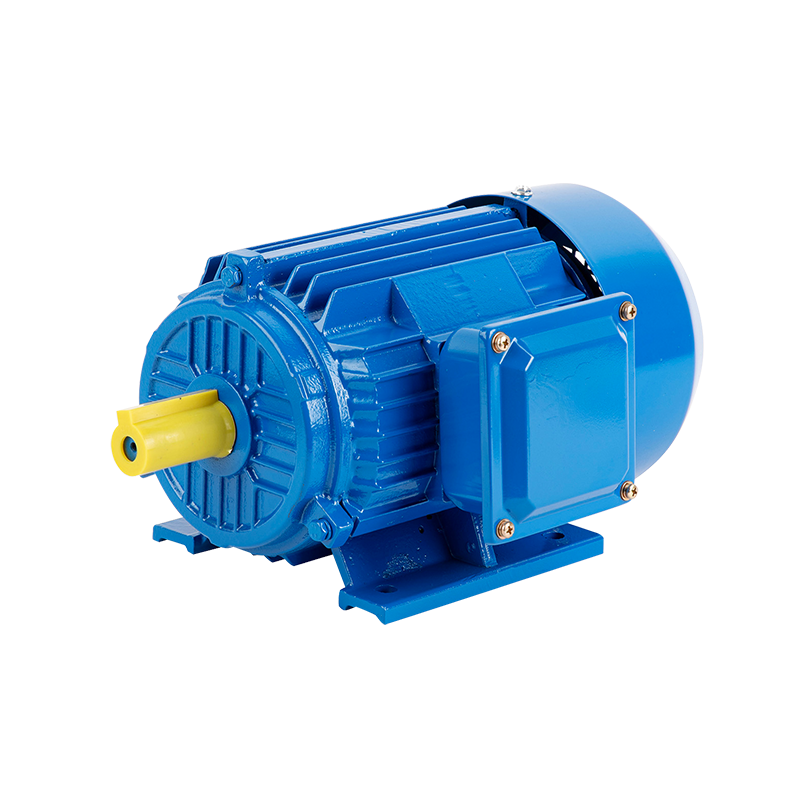
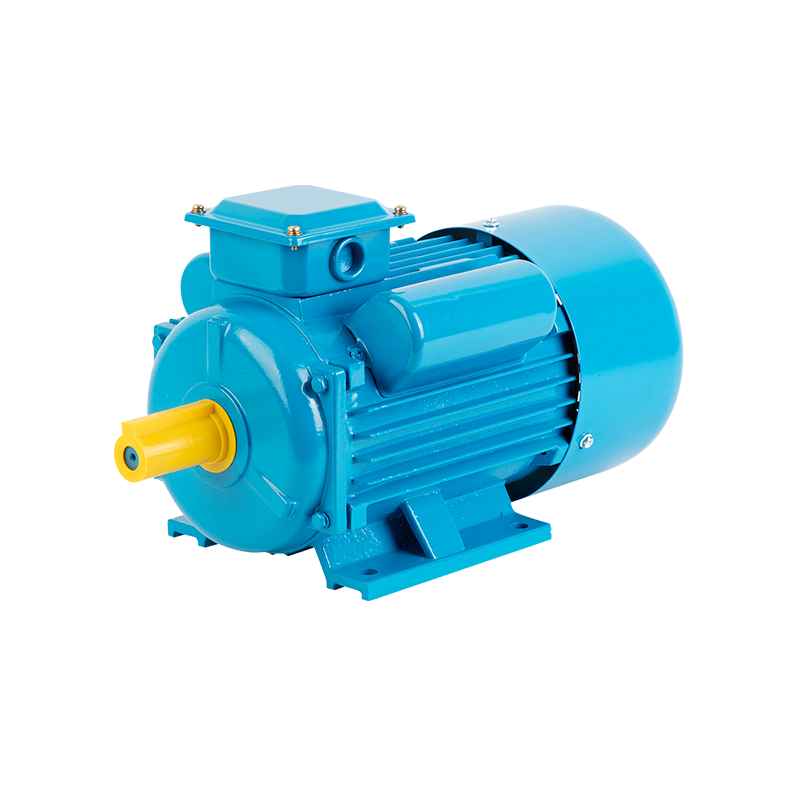
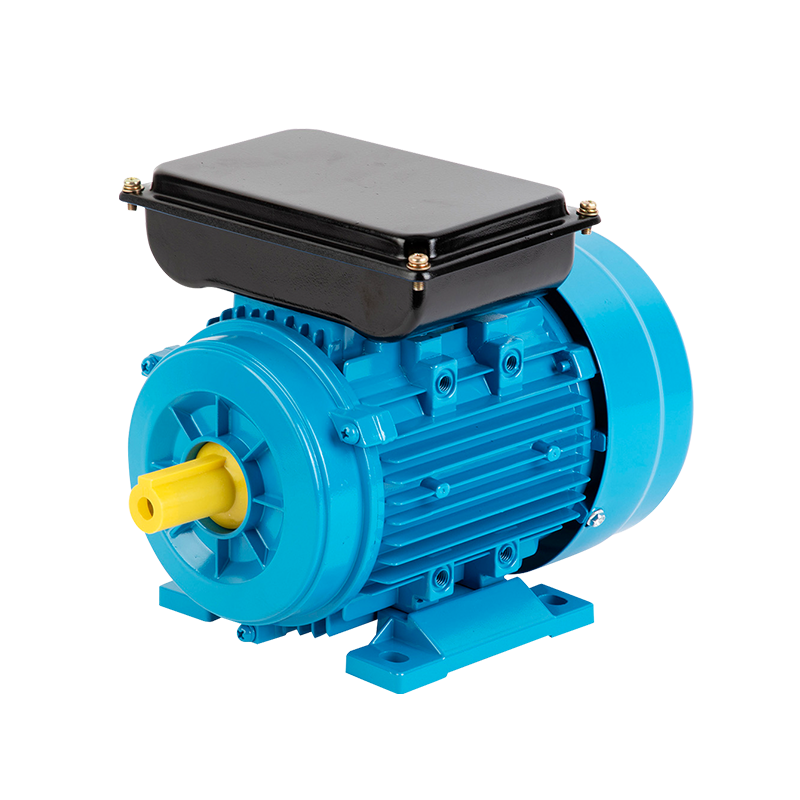
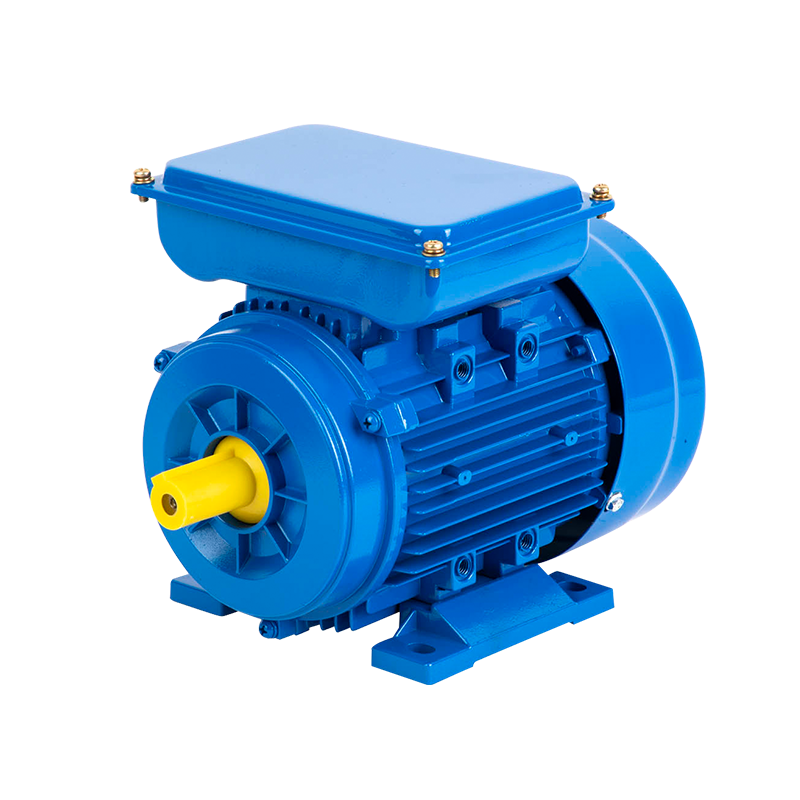
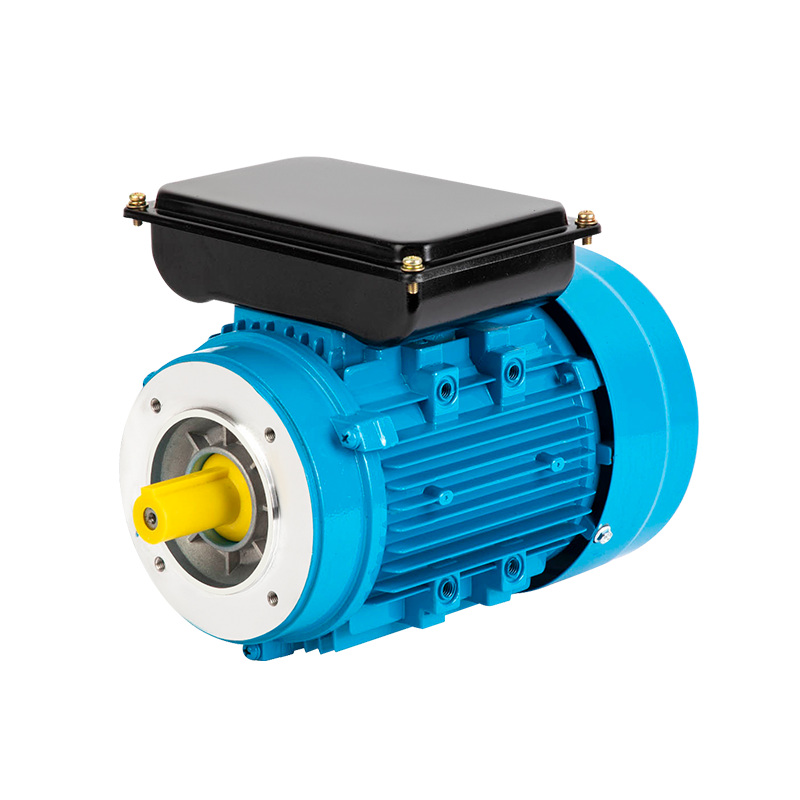
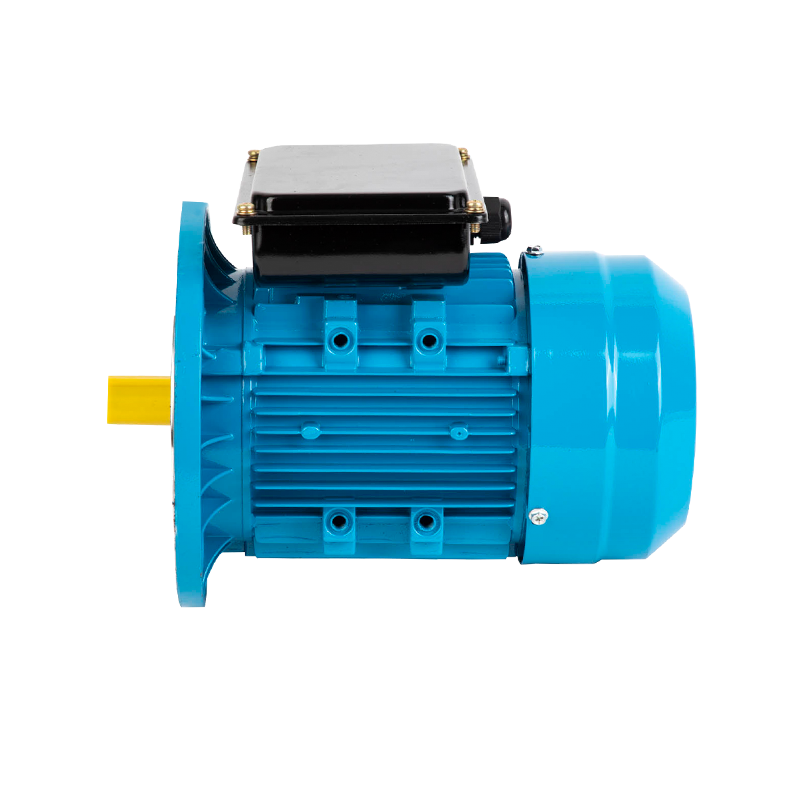
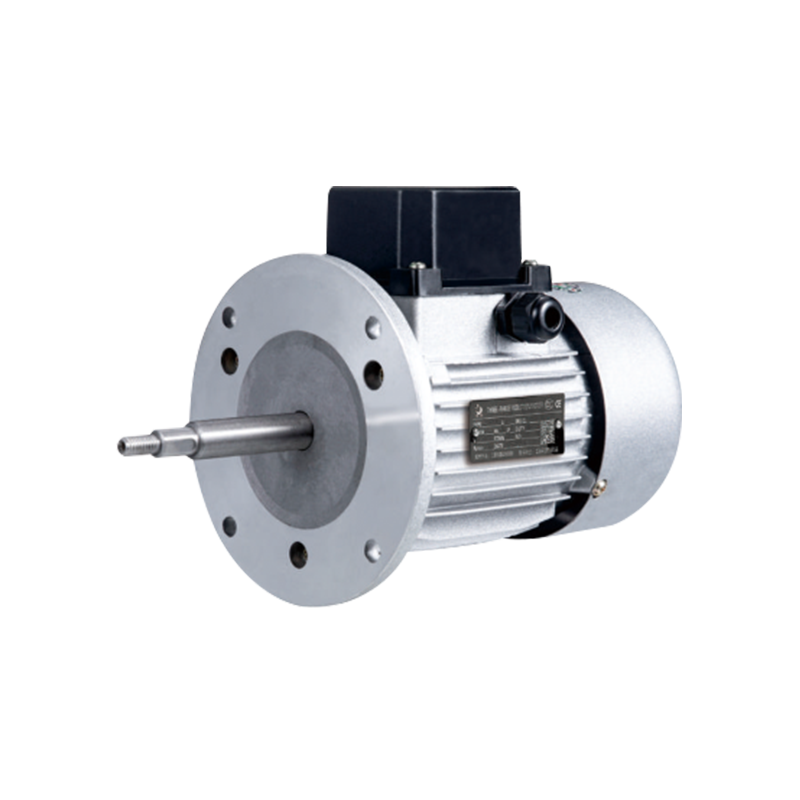
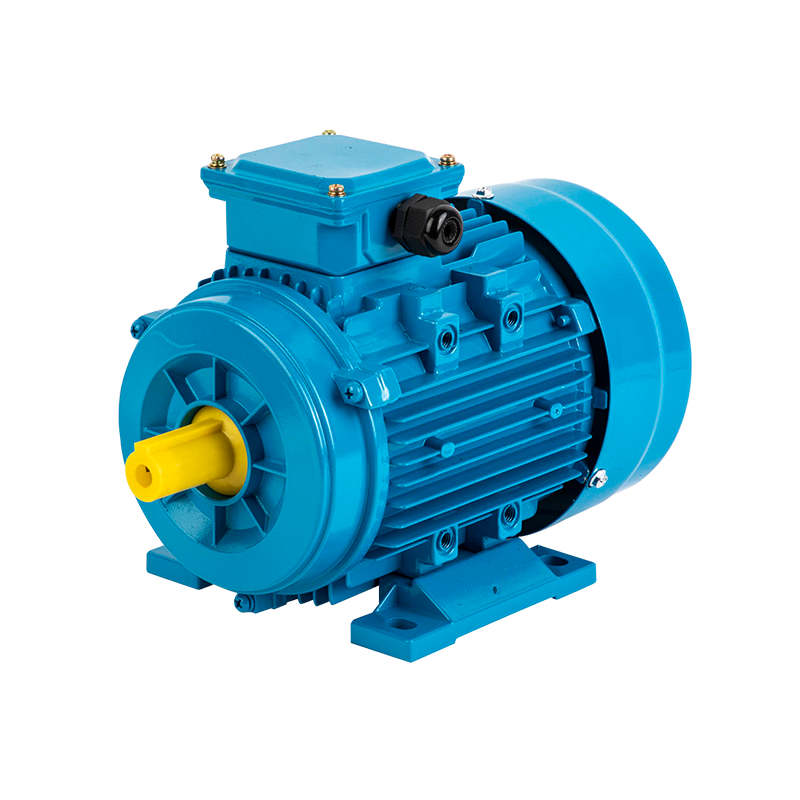
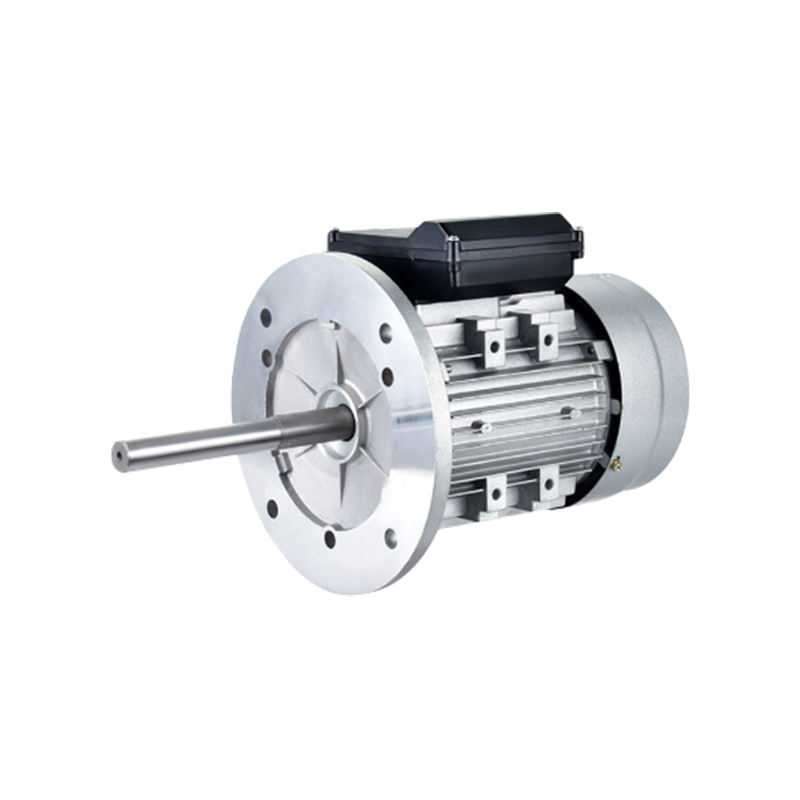
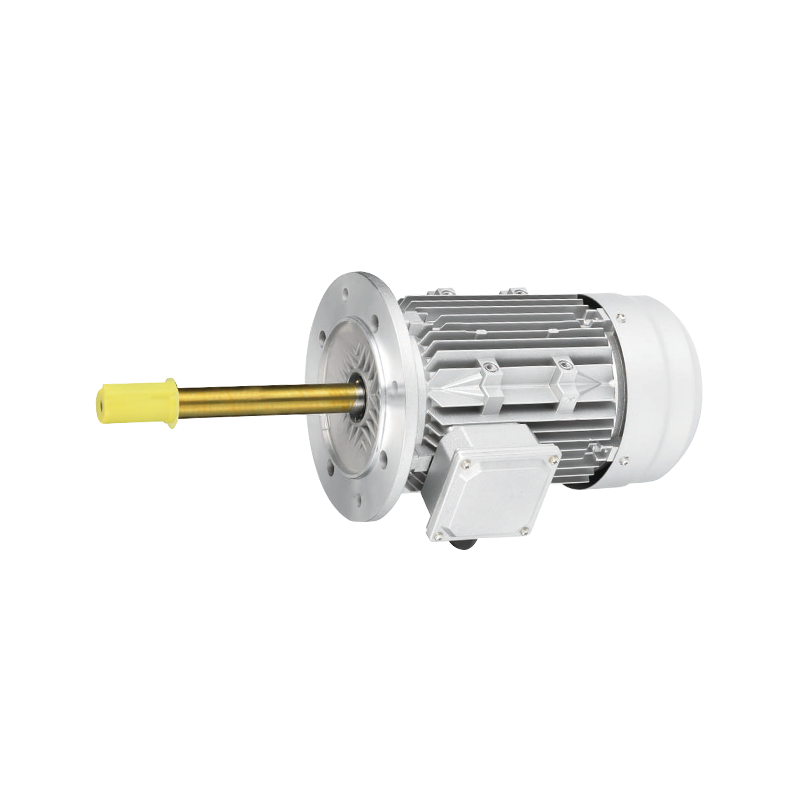
An Aluminum Housing Motor often attracts attention in mechanical design because aluminum brings together several practical qualities that suit different equipment layouts. Weight, structure, and surface condition all matter when a motor needs to work inside a larger system rather than standing alone.
Several questions usually guide the material choice:
- Will the motor fit the available space
- Can the housing support routine installation
- Does the structure help protect internal parts
- Will the motor remain manageable during maintenance
- Does the material fit the machine's working environment
A housing that suits one system may not suit another. A machine built for a compact workspace may need different space planning from equipment placed in a larger frame. Because of that, housing selection often begins with the machine itself rather than with the motor as a separate item.
How Does Aluminum Housing Support Motor Operation
Motor operation creates heat, movement, and repeated internal stress. Housing design needs to respond to all three, which is why the outside material matters so much in daily use.
Aluminum housing gives the motor a rigid form that supports the internal assembly while still remaining practical for many equipment designs. During operation, the housing helps keep internal parts aligned and protects them from dust, moisture, and accidental contact.
Heat management is another reason aluminum becomes a useful option. Motors naturally warm up during running periods, and housing material influences how that heat moves away from the internal parts. A material that handles heat more steadily can support a more balanced equipment structure.
Weight also matters. Mechanical systems often need to keep the whole machine organized and manageable, so a motor that is easier to position can simplify installation and reduce strain on the surrounding frame.
A few practical effects often come from aluminum housing:
- stable support for internal components
- easier integration with machine structures
- practical weight for installation and handling
- better handling of operating heat
- protection from outside contact and buildup
In many cases, the housing is part of the motor's working identity. It affects how the motor behaves in the machine, how it is installed, and how much attention it may need during regular use.
What Mechanical Systems Commonly Use Aluminum Housing Motors
Mechanical systems vary widely, which means motor requirements vary as well. Some equipment needs compact arrangements, while other systems need a body shape that fits into a more open frame. Because of that, housing material becomes part of the overall machine plan.
An Aluminum Housing Motor can be found in many types of mechanical equipment where balance between support and practical handling is important.
Common application areas include:
- automated production equipment
- material transfer systems
- compact mechanical devices
- ventilation-related equipment
- machine tools and processing units
- transportation-related mechanisms
Each application brings its own installation concerns. A production unit may leave only a narrow space for motor placement. A material transfer system may need stable operation across repeated cycles. A compact mechanical device may place greater value on simple arrangement and easier handling.
Different systems also expect different motor behavior. Some need steady movement over long operating periods. Others depend on repeated starts and stops. Those differences shape how the motor housing is selected during equipment planning.
A motor chosen for one system may need a different arrangement in another. The reason is usually not only output, but also size, weight, connection style, and the working space around the motor.
How Does Motor Housing Design Influence Equipment Installation
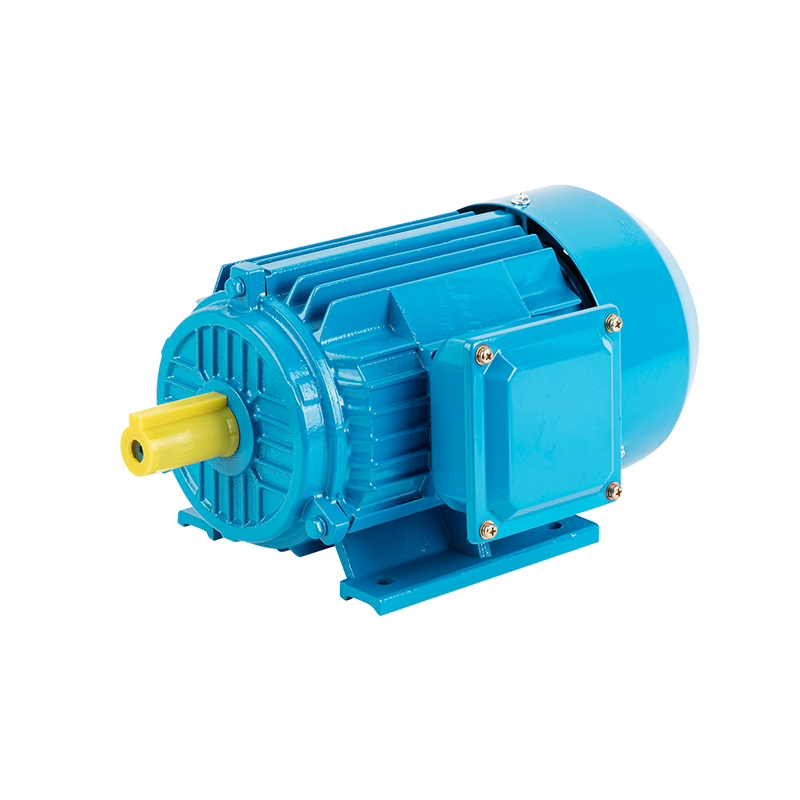
Installation becomes easier when the motor structure matches the machine layout. Housing design influences how the motor sits inside the equipment, how it connects with nearby parts, and how much room remains for later service work.
Mechanical planners usually consider several points before the motor is placed into the machine.
Available Space
Space inside a machine is often limited. A housing that fits the layout can help reduce unnecessary adjustments during assembly.
Mounting Position
Different machines require different installation directions and support points. Housing structure needs to match those mounting conditions.
Connection Arrangement
The motor must connect properly with surrounding components. A housing shape that supports practical connection design can simplify the build process.
Maintenance Access
Equipment often needs to be checked after installation. Clear access around the motor can make cleaning, inspection, and future service less difficult.
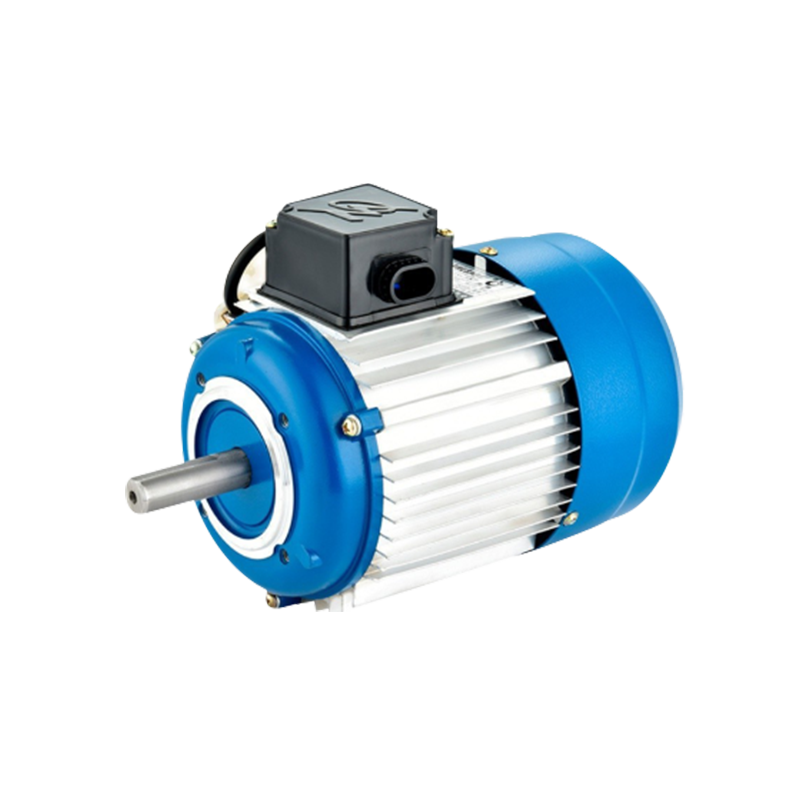
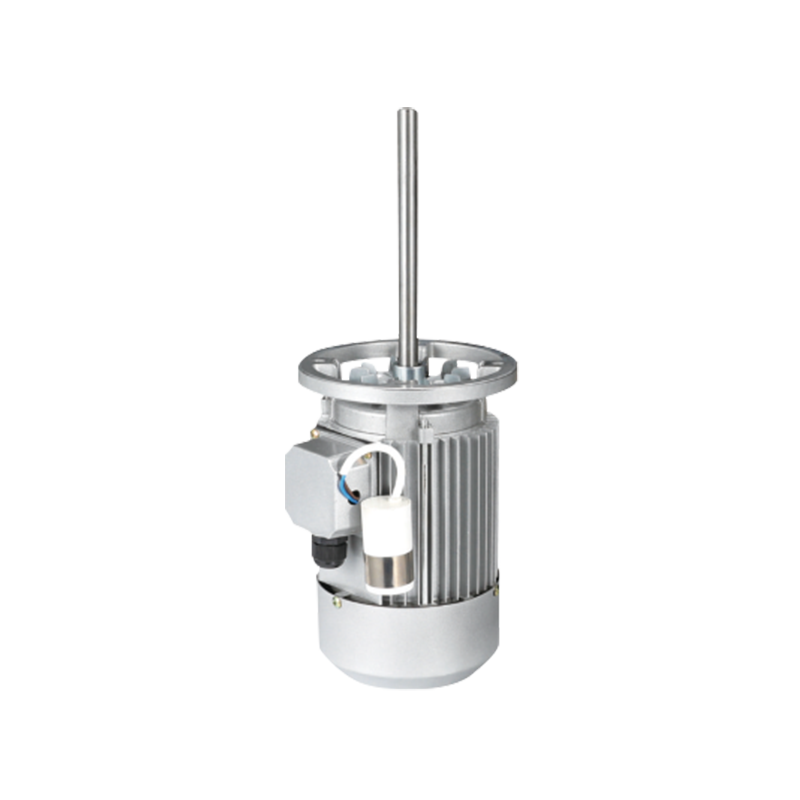
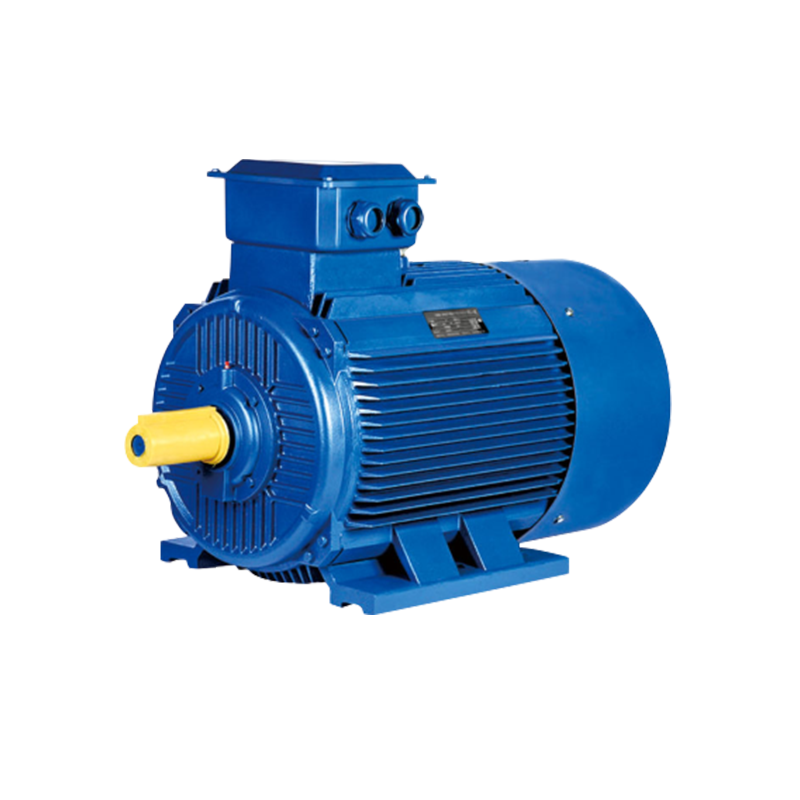
A Custom Electric Motor is sometimes chosen when the standard housing shape does not fully match the machine structure. Custom work allows designers to consider mounting needs, motor space, and connection requirements more closely.
That kind of planning is not only about fitting the motor into a machine. It also helps the complete system feel more organized once the equipment is running.
Why Does Weight And Structure Affect Motor Selection
Motor selection usually starts with power needs, although practical use often depends just as much on size, weight, and how the part fits into the machine around it. A motor may work well on paper, then become harder to place once the equipment layout is reviewed in detail.
Weight influences how a machine is built and balanced. When several components sit inside the same frame, every part adds to the total load. A motor that is easier to handle can simplify assembly and make the surrounding structure easier to plan.
Structure matters for another reason. Mounting position, housing shape, and connection direction all affect how smoothly the motor joins with nearby parts. Small changes in those details may alter installation work, especially when space is tight.
Several practical points often come up during selection:
- room available inside the machine
- total equipment weight
- mounting layout
- connection direction
- nearby component arrangement
A lighter housing does not suit every machine in the same way. Some systems need additional support, while others benefit from easier handling during assembly or service. The choice depends on how the motor will work inside the complete system.
Designers usually look at the whole arrangement instead of one feature alone. Housing material, motor size, and installation method tend to work together, so selection often becomes a matter of balance rather than comparison alone.
How Does Aluminum Material Influence Maintenance Requirements
Maintenance is part of normal equipment use. Even when a motor sits inside a protected machine, the housing still comes into contact with dust, moisture, heat, and routine handling. Over time, those conditions shape how the motor is checked and cared for.
Aluminum housing often makes visual inspection easier because the outer surface can be reviewed without much difficulty. Technicians can check for changes around mounting areas, connection points, or signs of buildup on the outer body.
Common maintenance tasks often include:
- checking the surface condition
- clearing dust from the outer housing
- inspecting fastening areas
- reviewing connection points
- observing changes during operation
The working environment changes maintenance needs as well. A motor placed in a clean indoor system may require different attention from one used in a production area where dust or moisture is more common.
Access is another useful point. If the housing allows technicians to reach the important areas without unnecessary difficulty, routine checks usually move more smoothly. That kind of arrangement becomes useful during regular inspection as well as later service work.
Maintenance is not only about fixing problems after they appear. Regular checking helps users notice changes early and understand how the motor behaves under normal operating conditions.
For systems using an Aluminum Housing Motor, material choice and maintenance planning often go together. The housing supports operation, while regular care helps keep the complete mechanical system in a manageable condition.
What Factors Should Buyers Consider When Choosing Motor Solutions
Choosing a motor solution involves more than checking one technical detail. Mechanical systems bring their own layout, working space, and operating conditions, so selection usually starts with the machine itself.
Several practical factors often guide the process:
| Selection Factor | Why It Matters | Practical Consideration |
|---|---|---|
| Housing Material | Affects structure and protection | Match the working environment |
| Motor Size | Influences installation arrangement | Check available space |
| Mounting Method | Determines connection with equipment | Confirm machine layout |
| Operating Environment | Changes daily use conditions | Review surrounding factors |
| Custom Requirements | Supports special applications | Share project details clearly |
Operating conditions can shift from one system to another. A motor used in a compact indoor device may have different needs from one placed in a larger machine or a location where temperature and exposure change more often.
Installation details should also be confirmed early. Mounting position, shaft direction, and surrounding space all influence how the motor fits into the equipment. Looking at those points before production or assembly helps avoid later changes.
Clear communication between the equipment user and the manufacturer makes the process easier to manage. When machine structure, working environment, and installation needs are explained clearly, the motor solution can follow the real application more closely.
How Does A Custom Electric Motor Adapt To Different Equipment Needs
Not every machine follows the same layout. Some systems have narrow installation areas, while others need special connection points or a different housing shape to work properly. That is where a Custom Electric Motor becomes useful.
Customization allows the motor to follow equipment requirements instead of forcing the machine to adjust around a standard shape. Changes may involve the housing, mounting style, or connection direction, depending on what the application requires.
Common reasons for a custom solution include:
- limited installation space
- special mounting needs
- different machine layouts
- specific connection directions
- working conditions that differ from ordinary use
A custom design begins with understanding the equipment. The goal is not to change the motor for appearance alone. It is to create a shape and structure that sit naturally inside the machine.
For example, one system may need a motor that fits into a smaller frame, while another may require a different assembly direction to match the rest of the mechanism. Those details can shape the final motor plan.
Communication plays a large part in that process. Information about the machine, the operating area, and the expected use helps the final design fit the real situation more closely.
How Does Motor Development Follow Changing Mechanical Requirements
Mechanical systems continue to change as equipment becomes more compact and installation needs become more specific. That shift affects how motors are planned and how their housings are designed.
Motor development usually follows practical changes in the equipment market. Designers pay attention to space limits, easier mounting, and the way motors connect with different machine structures.
Several points remain important during development:
- fit with machine layout
- practical installation method
- suitable housing design
- maintenance access
- connection with surrounding parts
The link between motor and machine has become tighter because many systems now depend on careful arrangement of several components inside one structure.
An Aluminum Housing Motor fits into that development path because material choice becomes part of the complete design rather than a separate detail. Size, structure, installation, and maintenance all shape how the motor is used.
A suitable motor solution begins with the equipment requirement. Looking at the whole system gives a clearer basis for selection than judging the motor on one feature alone.


