 English
 Español



Building 1, Block 4, Wufeng Industrial Park, Daxi Town, Taizhou City, Zhejiang Province, China
In many industrial settings where machines run for long hours with little interruption, attention often shifts from internal motor parts to the outer housing, since the casing is not just a protective shell but a structural layer that influences how heat, vibration, and mechanical stress move through the entire equipment system during operation.
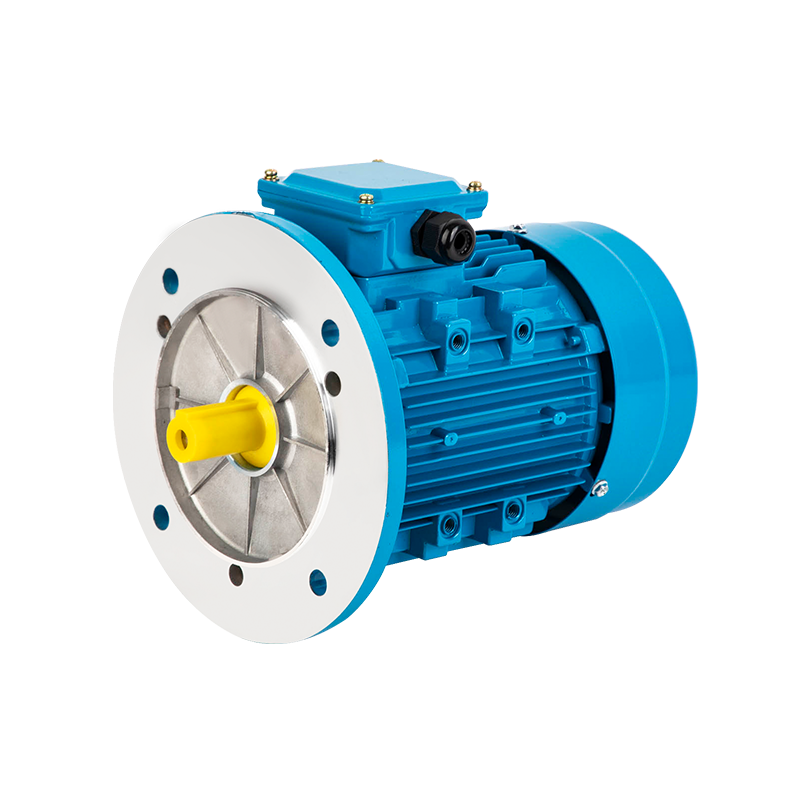
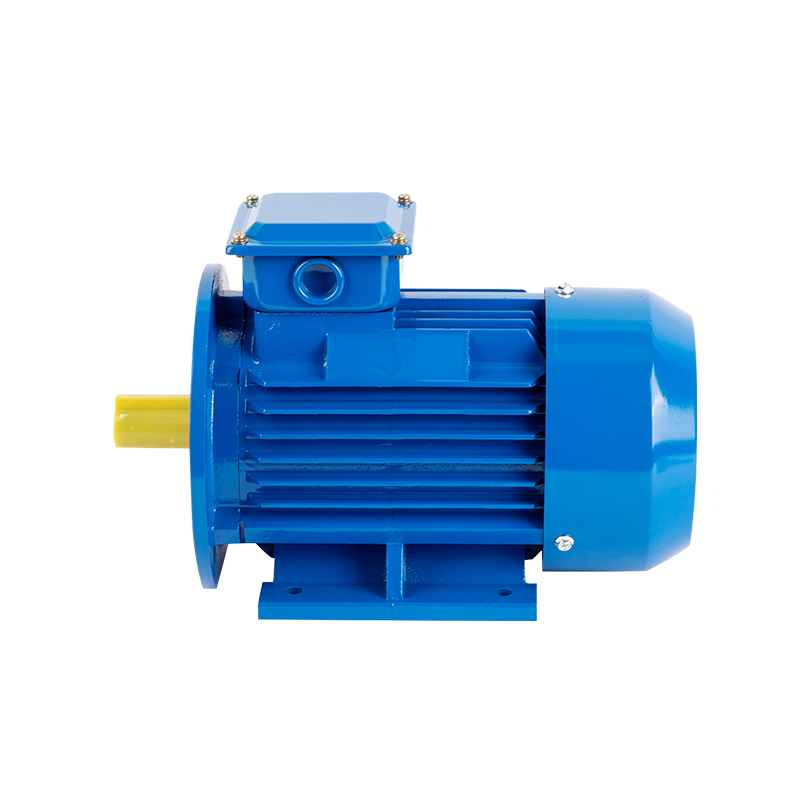
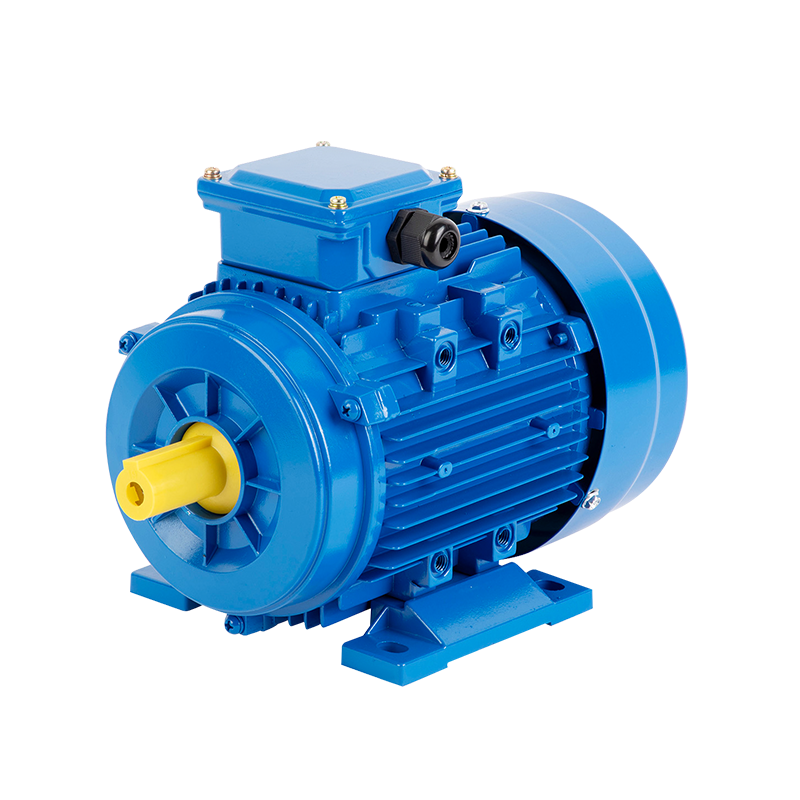
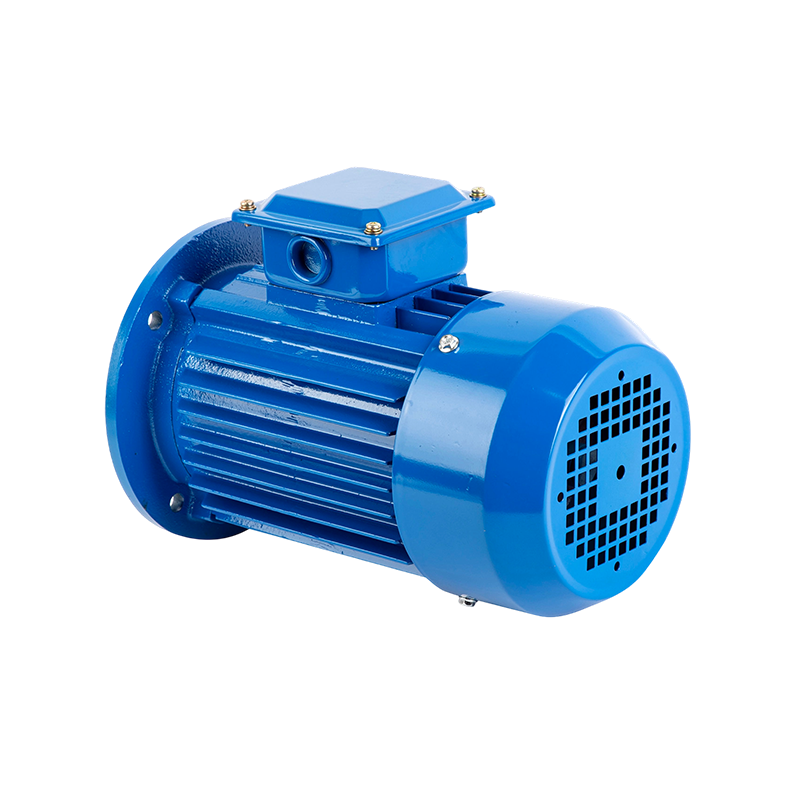
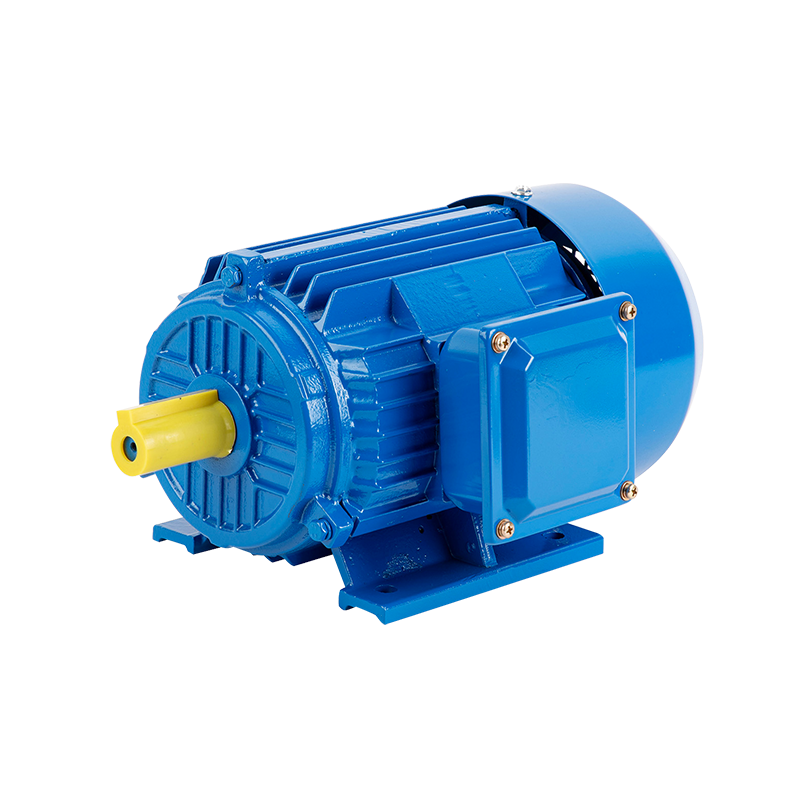
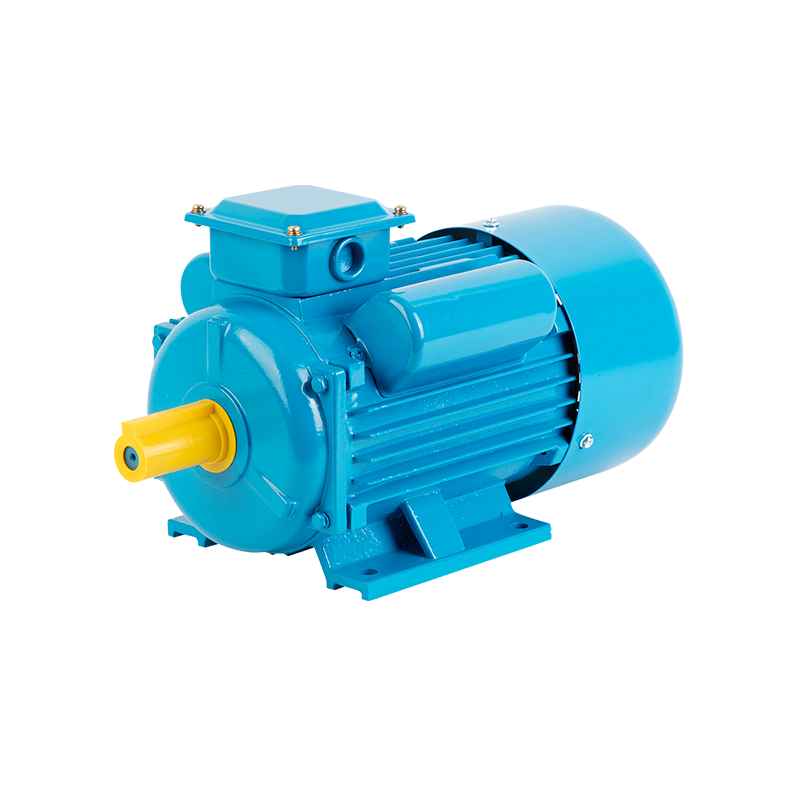
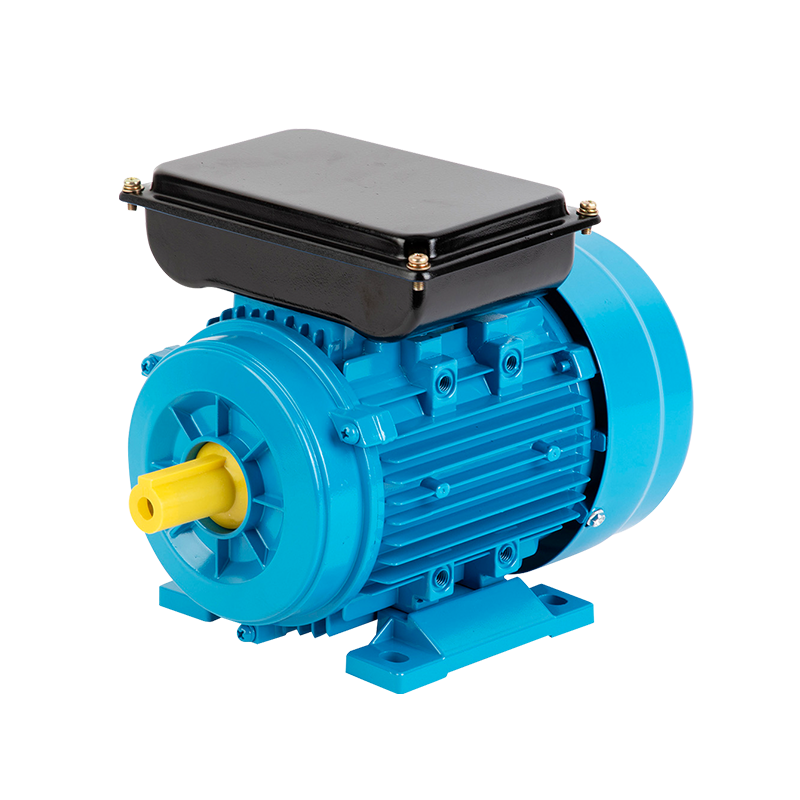
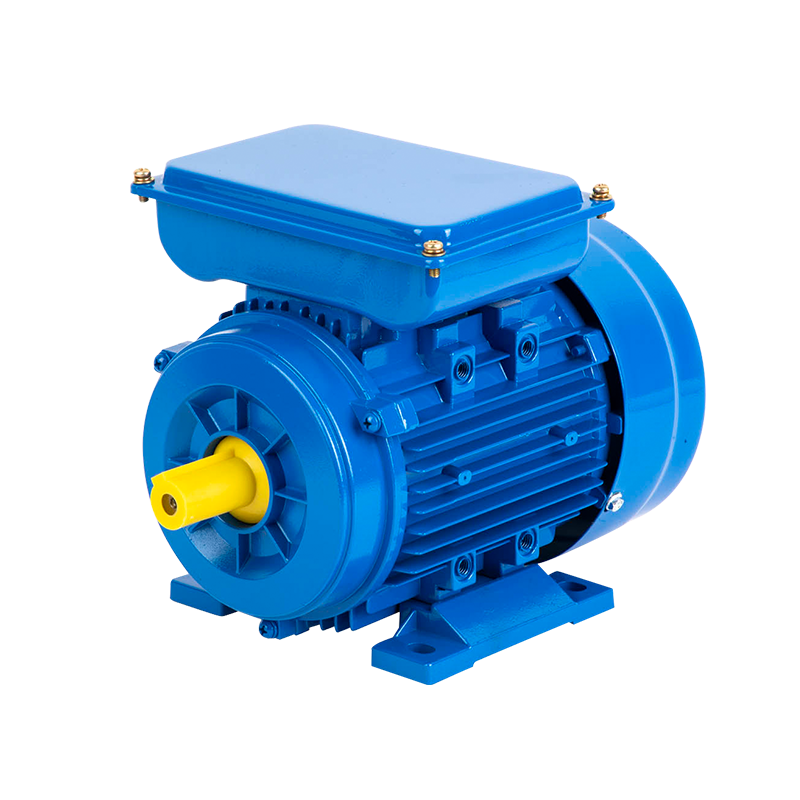
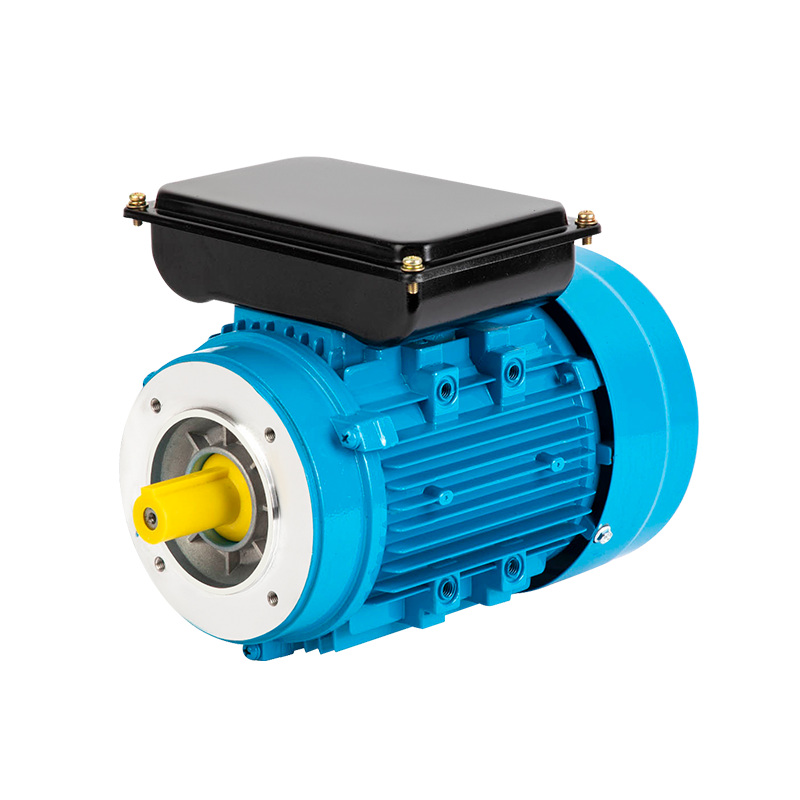
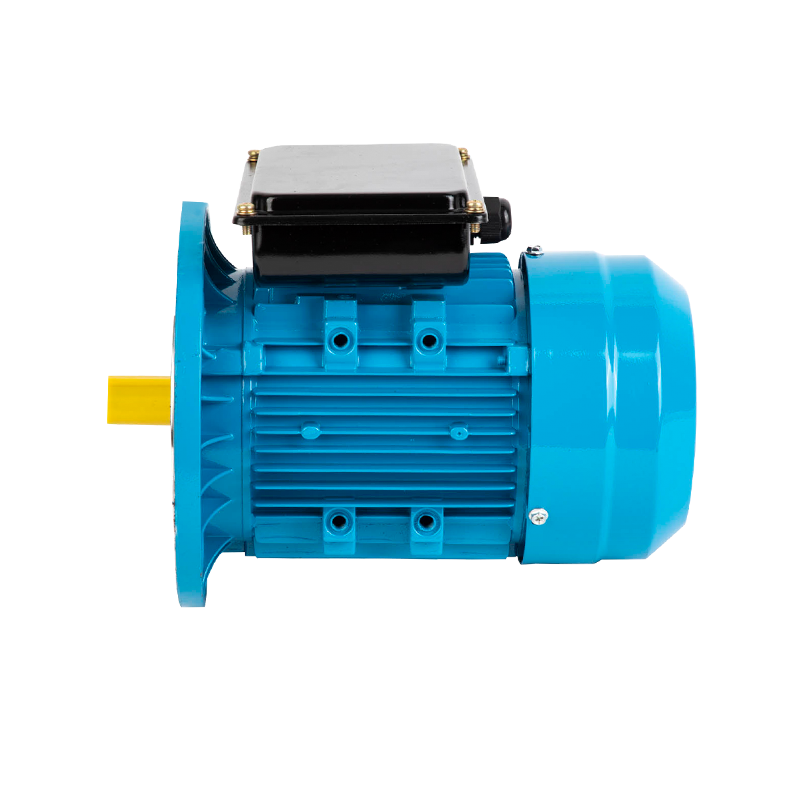
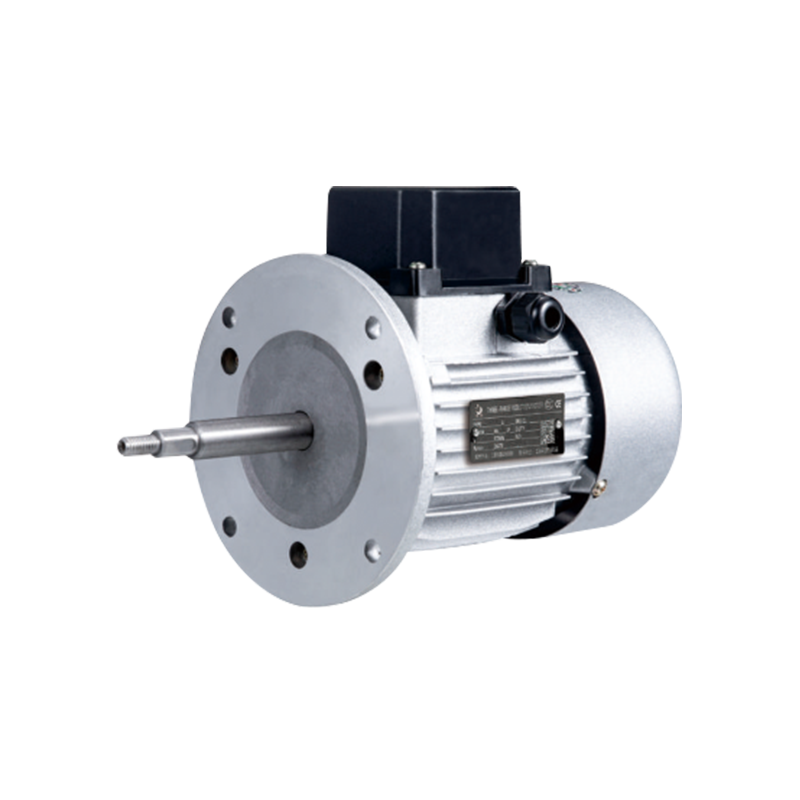
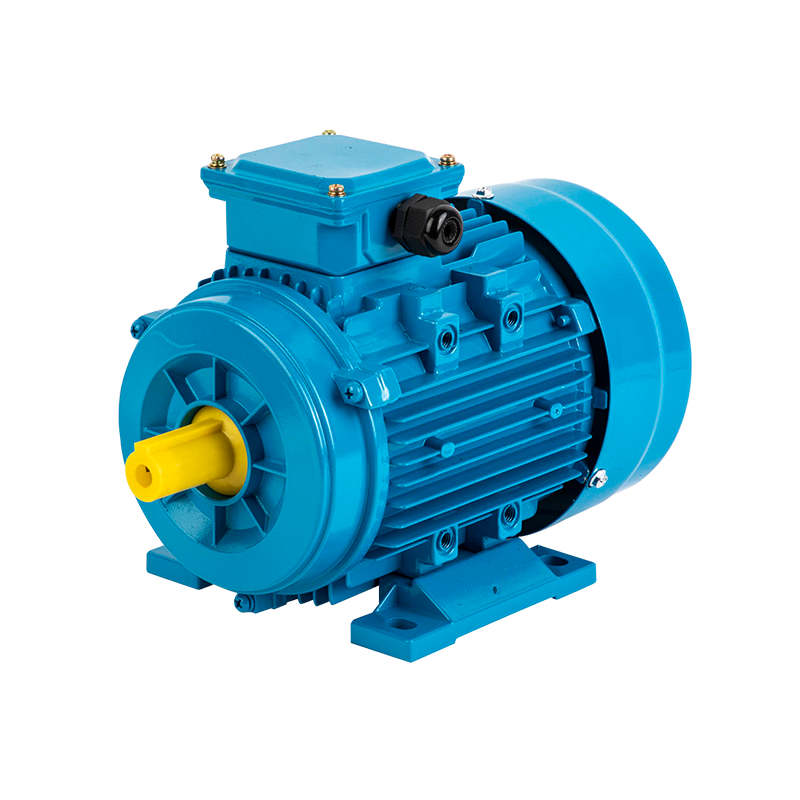
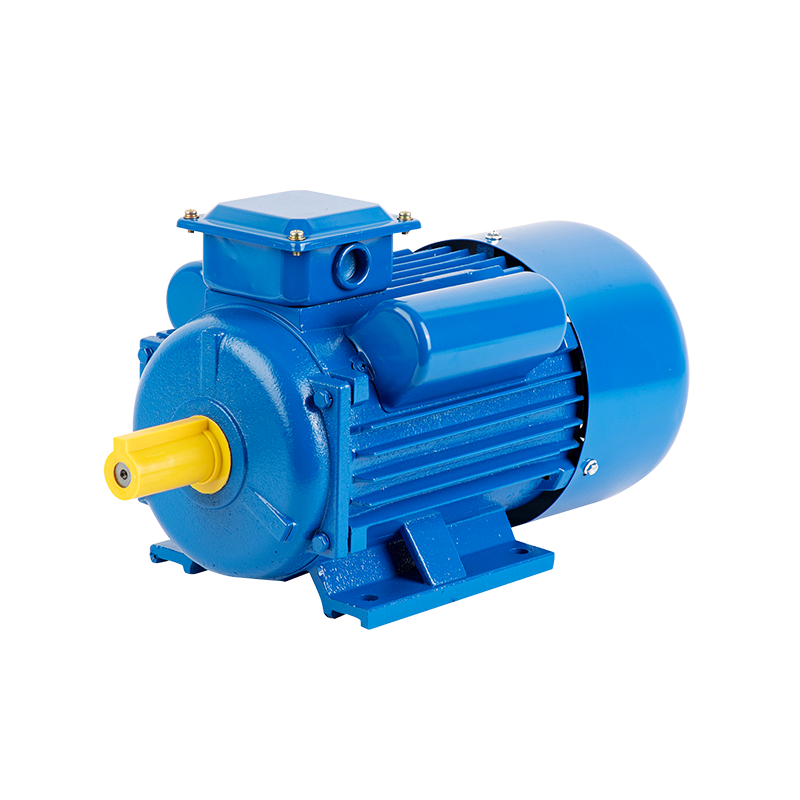
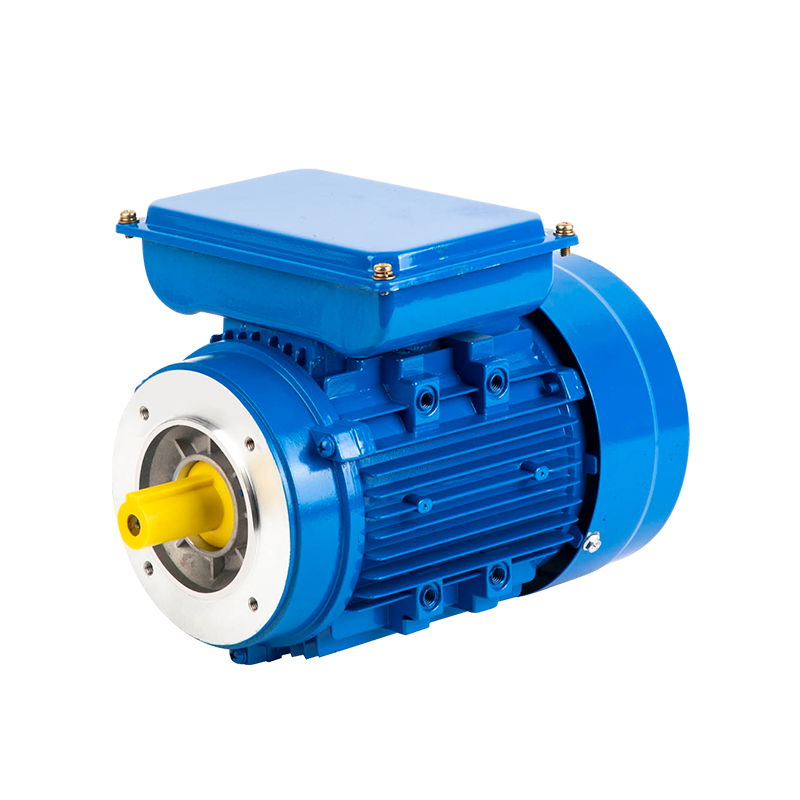
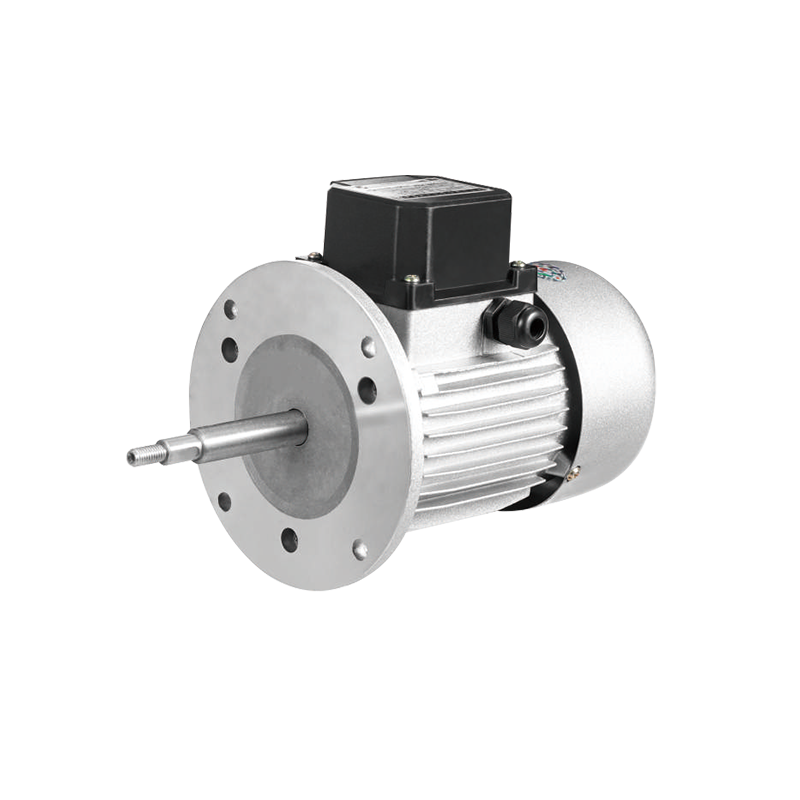
Aluminum Housing Motor is often discussed in this context because material choice quietly changes how a motor behaves once it is fixed into a machine frame, especially when working conditions involve repeated load variation, continuous rotation, and environments where stable output is expected without frequent adjustment.
Electric Motor Factory decisions around housing design are usually tied to this same reality, where material selection, structural forming, and assembly precision are connected rather than separated steps, and the housing becomes part of the stability chain rather than an independent component.
Stability in industrial equipment does not refer to stillness, but to controlled consistency across temperature shifts, vibration cycles, and mechanical load changes that happen naturally during operation.
What Stability Means in Industrial Motor Operation
In practical industrial use, stability is often experienced as the ability of equipment to maintain steady motion even when working conditions are not fully uniform, which includes variations in load, heat buildup, and mechanical resistance that appear during continuous operation.
Inside a motor system, stability depends on how evenly internal forces are distributed and how well those forces are transferred through the housing into the surrounding machine structure, since imbalance at this level can gradually influence alignment and smoothness of movement.
Thermal behavior also becomes part of stability, because rising temperature inside a motor can slowly affect resistance levels and mechanical spacing, which in turn may alter how smoothly rotation is maintained over time.
From an operational perspective, stability can be observed through patterns such as:
Movement that remains steady during repeated cycles
- Reduced irregular vibration during load changes
- Consistent interaction between motor and machine frame
- Gradual rather than sudden performance variation
- Alignment that does not shift easily under normal use
These conditions usually develop from a combination of design choices rather than a single factor, with housing material acting as one of the key structural influences.
How Aluminum Housing Motor Improves Heat Dissipation and Thermal Balance
Heat behavior inside industrial motors tends to build gradually during operation, especially when machines are required to run continuously without extended pauses, and how that heat is managed often shapes overall stability more than it is immediately visible from the outside.
Aluminum housing supports faster movement of thermal energy from the inner motor area toward the outer surface, which reduces the chance of heat concentrating in specific internal zones where it might otherwise affect mechanical consistency.
Instead of remaining trapped inside the structure, heat spreads across the housing surface and is released into the surrounding environment at a more even rate, which helps maintain a more balanced internal condition during long working periods.
In environments where continuous operation is common, this type of thermal balance helps reduce sudden changes in internal resistance, allowing motor behavior to remain more predictable over time.
A simplified view of thermal response differences can be seen below:
| Housing Material Behavior | Heat Movement Pattern | Effect on Operation |
|---|---|---|
| Aluminum structure | Faster heat spreading | More even internal temperature |
| Heavier rigid structure | Slower heat release | Local heat accumulation |
| Mixed structural design | Variable heat flow | Dependent on load condition |
Electric Motor Factory design processes often consider how housing material influences this heat flow, since thermal consistency is closely linked with long-cycle stability in industrial equipment use.
Why Lightweight Structure Influences Vibration and Mechanical Stability
Weight distribution in motor housing affects how vibration travels through connected machinery, and even small changes in structural mass can shift how energy from rotation is absorbed or transmitted during operation.
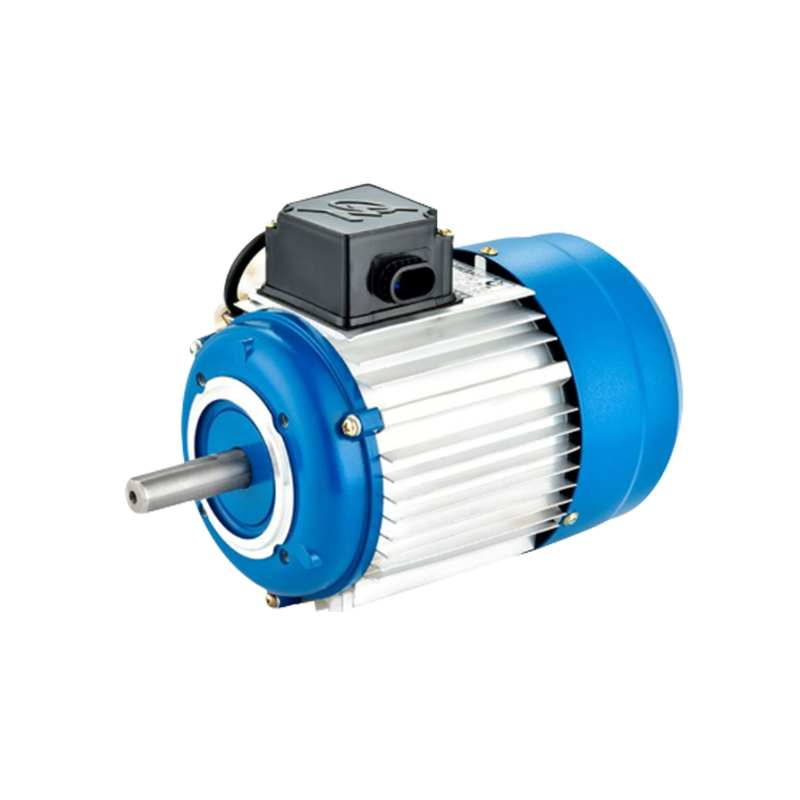
Aluminum Housing Motor introduces a lighter frame compared with heavier housing types, which changes how dynamic forces behave when the motor is running under load, especially during repeated acceleration and deceleration phases in industrial systems.
With reduced mass, the system often responds more smoothly to rotational changes, and vibration transfer into surrounding machine parts can become less intense, helping connected components operate under more controlled mechanical conditions.
In practical use, vibration is not a fixed element but a shifting response that changes with load, alignment, and operational speed, and housing material plays a role in shaping how noticeable those shifts become.
Mechanical stress on supporting elements such as bearings and mounting structures is also influenced by vibration behavior, since repeated oscillation tends to accumulate wear gradually over long periods of use.
The relationship between housing weight and vibration response can be summarized as:
| Structural Condition | Vibration Response | Machine Behavior |
|---|---|---|
| Lighter housing | Lower vibration transfer | Smoother motion consistency |
| Heavier housing | Stronger vibration retention | Higher mechanical stress |
| Balanced design | Controlled vibration flow | Stable long-term operation |
Electric Motor Factory practices often account for this balance between mass and motion behavior, since stability depends on how well vibration energy is managed across the entire structure rather than within the motor alone.
How Corrosion Resistance Supports Long-Term Operational Stability
Industrial environments rarely stay stable in terms of air condition or surface exposure. Some areas carry moisture in the air, some involve dust from constant movement of materials, and in certain cases there may be mild chemical contact from nearby processes. All of these factors act slowly on motor surfaces, and the housing becomes the layer that deals with that exposure.
Aluminum Housing Motor behaves in a slightly different way compared with heavier traditional housings because the surface naturally forms a thin oxide layer after exposure to air. That layer is not visible in daily use, yet it gradually works as a barrier that slows down further reaction with the environment. Over time, this helps the housing keep its shape and surface condition without frequent intervention.
When surface treatment is added, such as coating or anodized finishing, the resistance becomes more stable in environments where humidity or mild chemical presence is part of the working atmosphere. The housing does not rely on constant maintenance to keep its basic structure intact, which indirectly supports the internal motor by keeping the outer frame steady.
In real use, corrosion resistance links to stability in several quiet ways:
- Surface condition remains more uniform during long exposure
- Housing shape does not shift easily due to gradual wear
- Contact points between motor and frame stay consistent
- Structural weakening from environment is reduced
- Long working cycles feel less affected by external conditions
Electric Motor Factory decisions often include environmental thinking at the design stage, since housing behavior outside the motor is closely tied to how stable the system feels after months of operation.
How Structural Precision from Manufacturing Improves Motor Alignment
Even when material choice is appropriate, the final stability of a motor still depends heavily on how accurately the housing is formed. Aluminum housings are commonly shaped through controlled forming methods that allow tighter control over dimensions, which helps reduce small inconsistencies that could affect alignment once the motor is installed inside a machine.
Inside an operating system, alignment is not just about fitting parts together. It influences how smoothly rotation happens, how evenly force is transferred, and how much friction appears during repeated cycles. When the housing structure stays consistent, internal components sit in a more predictable position, which supports smoother mechanical behavior.
If alignment drifts even slightly over time, vibration patterns can shift, and that movement slowly affects surrounding parts such as mounting points or connected shafts. A stable housing reduces that possibility by keeping internal geometry more reliable from the beginning.
Structural precision shows its effect through everyday operation:
- Motor starts and runs with fewer irregular movements
- Internal rotation feels more balanced under load
- Friction remains controlled across long use periods
- Connection with machine frame stays stable
- Energy loss from misalignment is reduced
Electric Motor Factory production processes usually focus on keeping this consistency across units, since stability is closely connected to how accurately the housing reflects intended design once it enters real working conditions.
When Aluminum Housing Motor Fits Industrial Use and When Other Choices Appear
Aluminum Housing Motor often fits situations where equipment runs for long periods under steady load conditions, especially when temperature balance and vibration control are more important than resistance to sudden mechanical impact. In such cases, the combination of light structure and thermal movement creates a steady operating pattern that supports continuous work.
In many conveyor systems, pumping units, ventilation setups, and automated motion equipment, this kind of behavior is useful because the load remains relatively controlled and the priority shifts toward consistent output rather than heavy shock resistance.
There are also environments where mechanical impact or sudden force changes appear more often. In those cases, other housing materials may be selected because different structural behavior responds better to strong external stress. This does not reduce the role of aluminum, but simply places it in a different range of application needs.
A practical comparison can be viewed in a simplified way:
| Working Condition | Aluminum Housing Behavior | Other Material Behavior |
|---|---|---|
| Continuous operation | Stable thermal balance | Varies with structure |
| Moderate vibration | Reduced transmission | Depends on damping design |
| Impact-heavy use | Limited resistance range | Higher shock tolerance |
| Corrosive environment | Strong surface protection | May need extra treatment |
Selection is usually linked to how the motor will behave inside the full system rather than isolated performance points.
How Aluminum Housing Motor Impacts Real Industrial Equipment Behavior
When installed in real industrial systems, Aluminum Housing Motor does not act alone. Its influence spreads into how the entire machine behaves, especially in systems where motion is continuous and multiple components rely on synchronized operation.
In conveyor-based equipment, smoother housing response helps maintain even movement across connected sections, reducing sudden changes that may affect downstream flow of materials or parts. In pumping systems, balanced rotation supports steady fluid movement without noticeable fluctuation during long operation cycles.
Ventilation equipment benefits from reduced vibration transfer, which allows more consistent airflow behavior and reduces structural strain across connected frames. In automated production systems, stable motor behavior supports predictable movement patterns, which becomes important when several mechanical parts operate in coordinated timing.
In each case, the housing material does not change the purpose of the machine, yet it influences how smoothly that purpose is carried out during long periods of use.
How Electric Motor Factory Practices Influence Final Stability Performance
Even with suitable material and design, final stability still depends on how Electric Motor Factory processes handle manufacturing control, assembly alignment, and real-condition testing before the motor enters industrial use.
Material selection is usually linked with expected working environments, where housing behavior is matched with load type, temperature range, and vibration pattern. This alignment between expectation and structure helps reduce instability after installation.
During assembly, attention is given to how housing and internal parts connect, since small misalignment at this stage can gradually affect performance once the motor begins continuous operation.
Testing under working-like conditions allows observation of heat response and vibration behavior, giving room for adjustments that improve consistency before actual deployment.
Over time, the combination of material choice, structural precision, and production control becomes the quiet foundation behind stable performance in industrial equipment, especially in systems where long running cycles are part of normal operation rather than exception.


