 English
 Español



Building 1, Block 4, Wufeng Industrial Park, Daxi Town, Taizhou City, Zhejiang Province, China
Why Heat Appears During Continuous Motor Operation
Continuous operation changes how a motor behaves inside industrial systems. Movement does not pause, load remains steady, and internal components keep converting energy throughout the entire working cycle. Heat becomes a natural outcome of that process.
Inside many industrial environments, space conditions are not always open. Equipment may run inside cabinets, near other machines, or within partially enclosed structures. Air movement slows down in these areas, and heat begins to accumulate around the motor body.
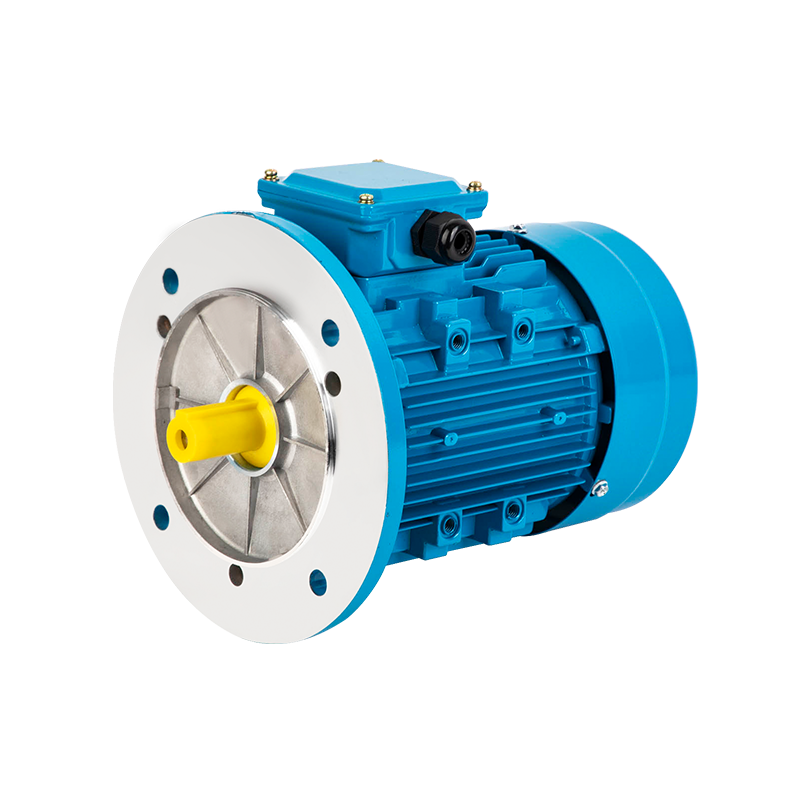
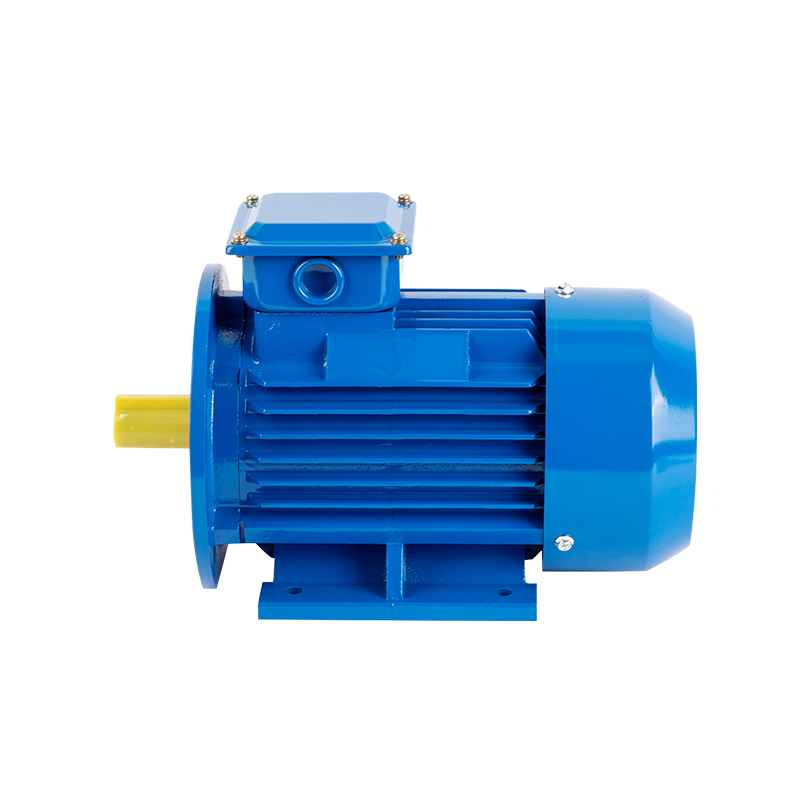
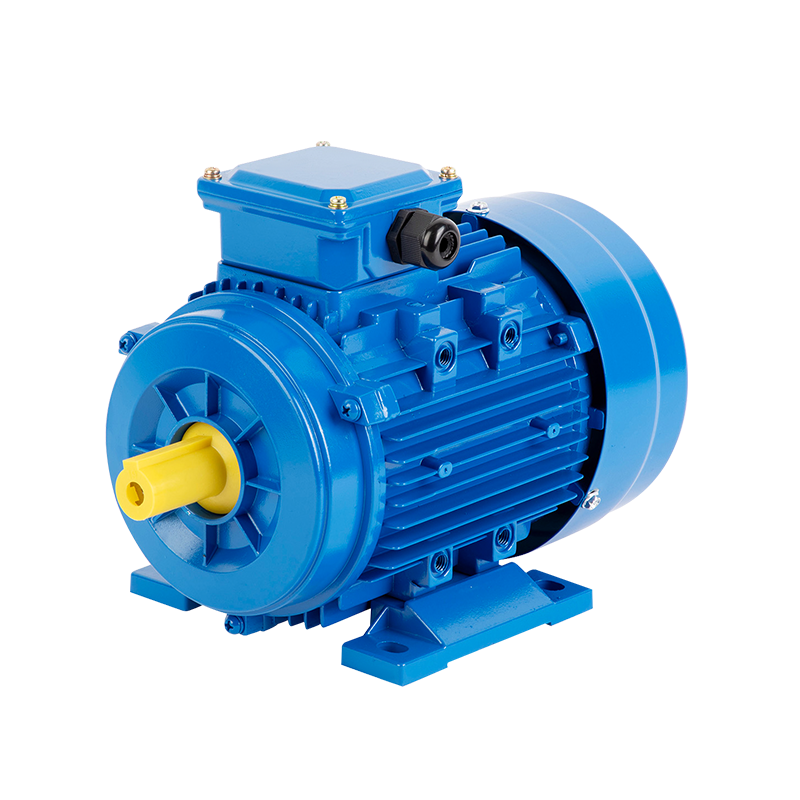
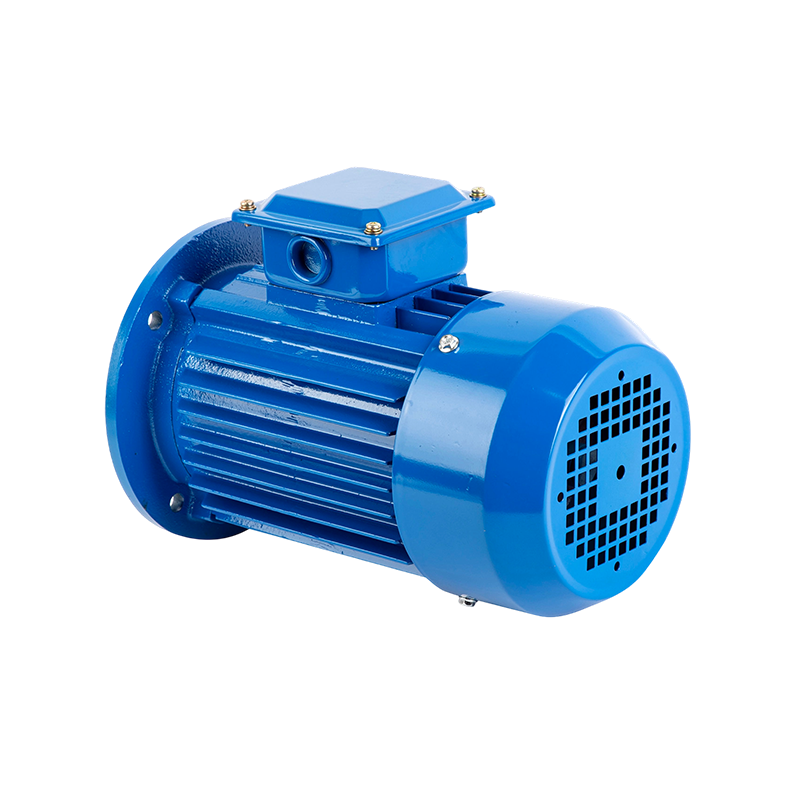
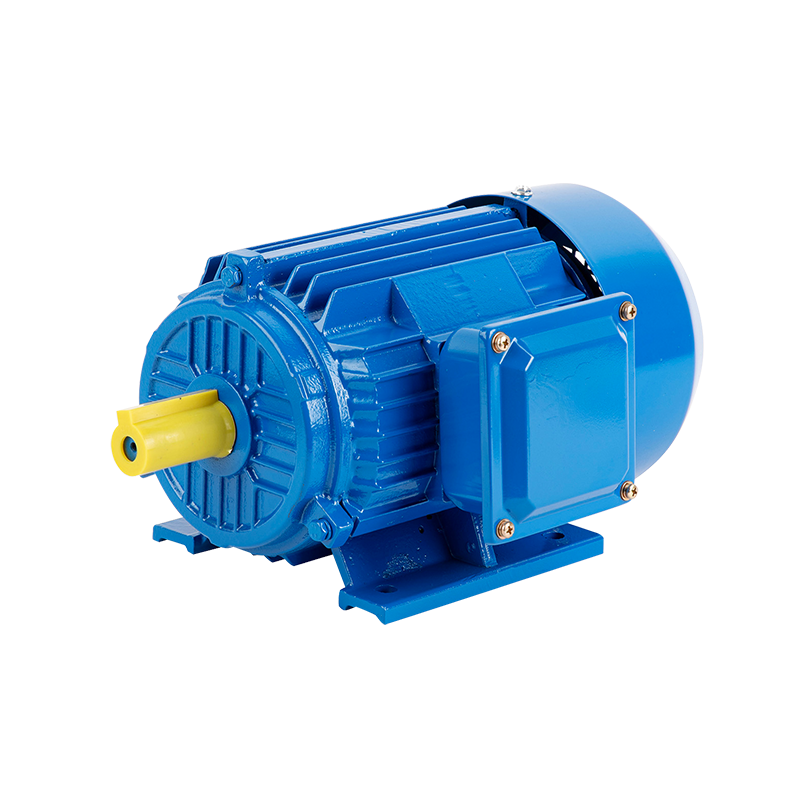
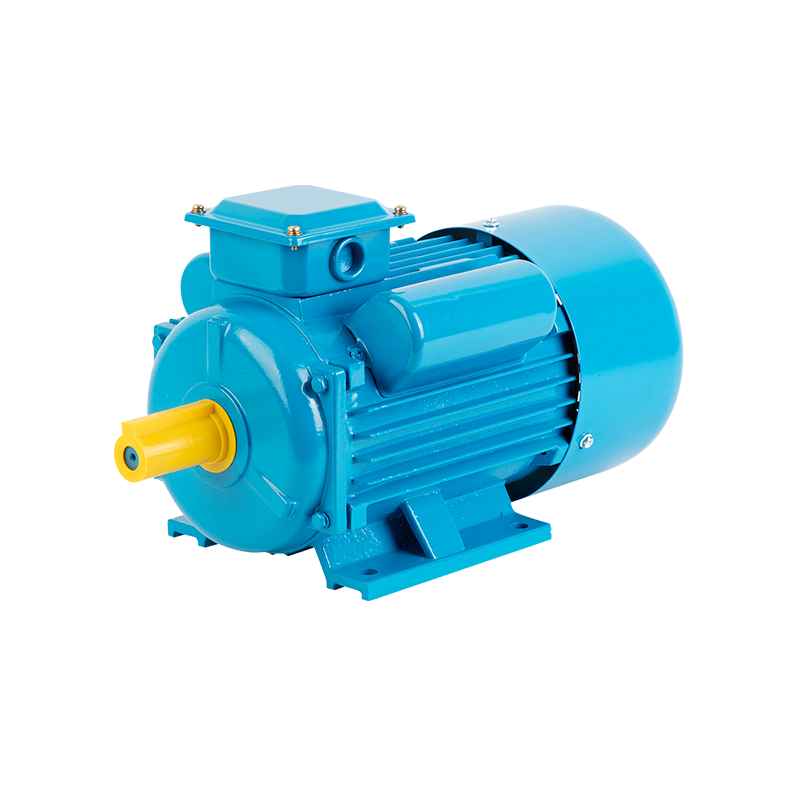
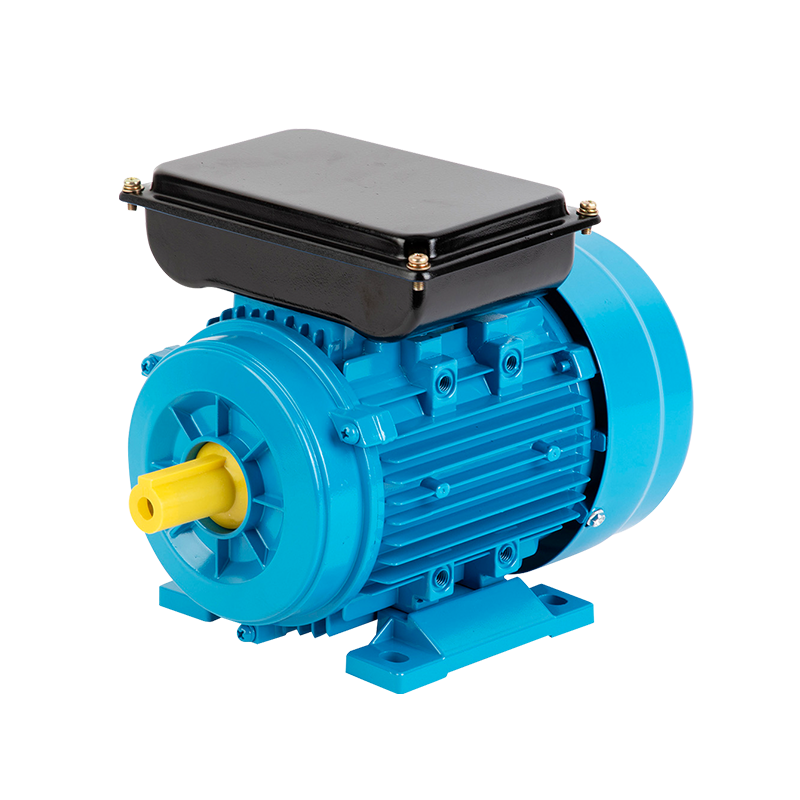
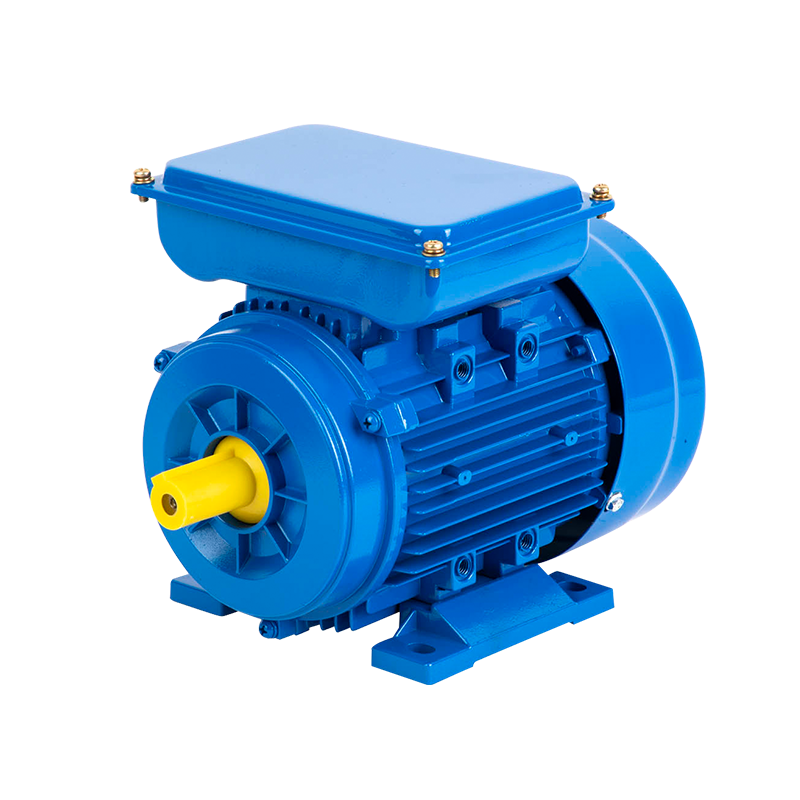
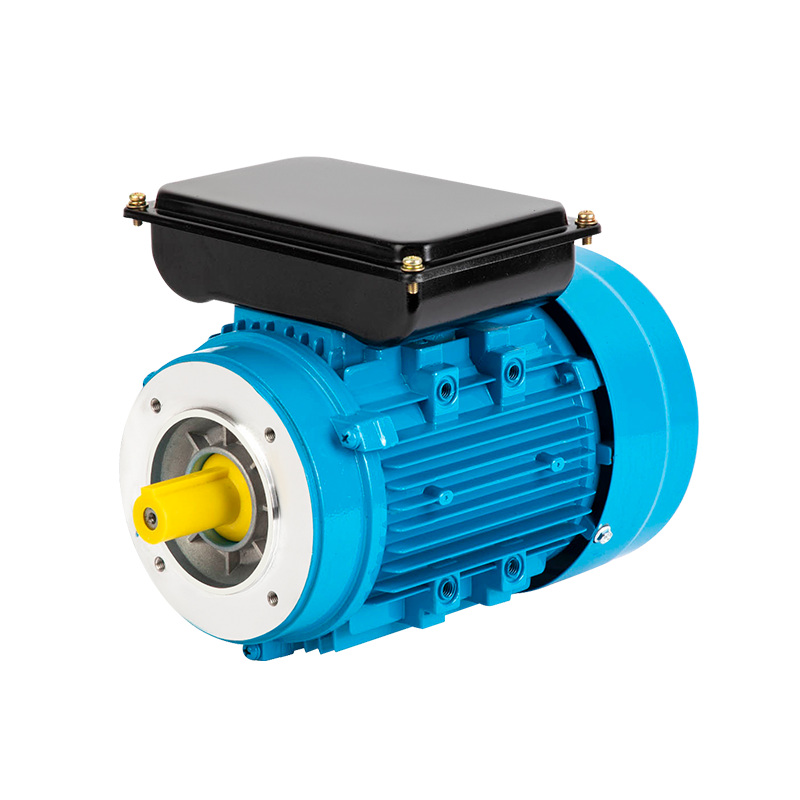
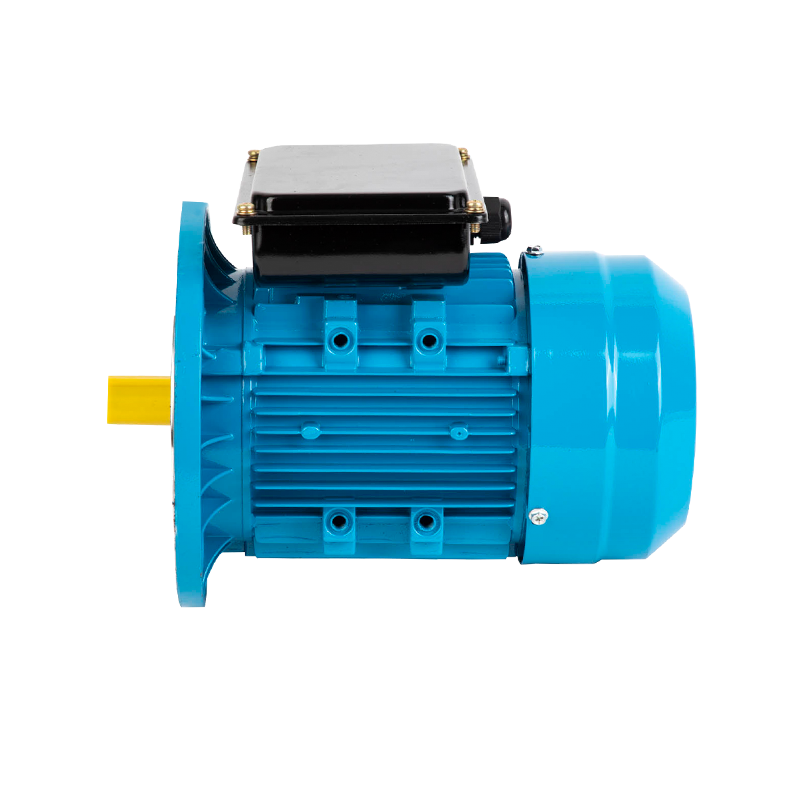
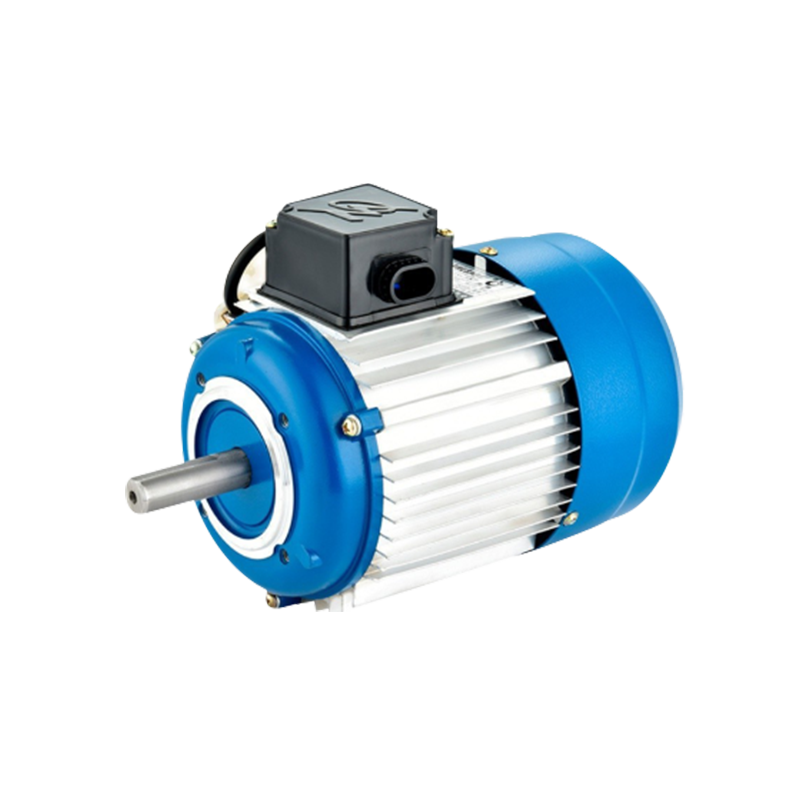
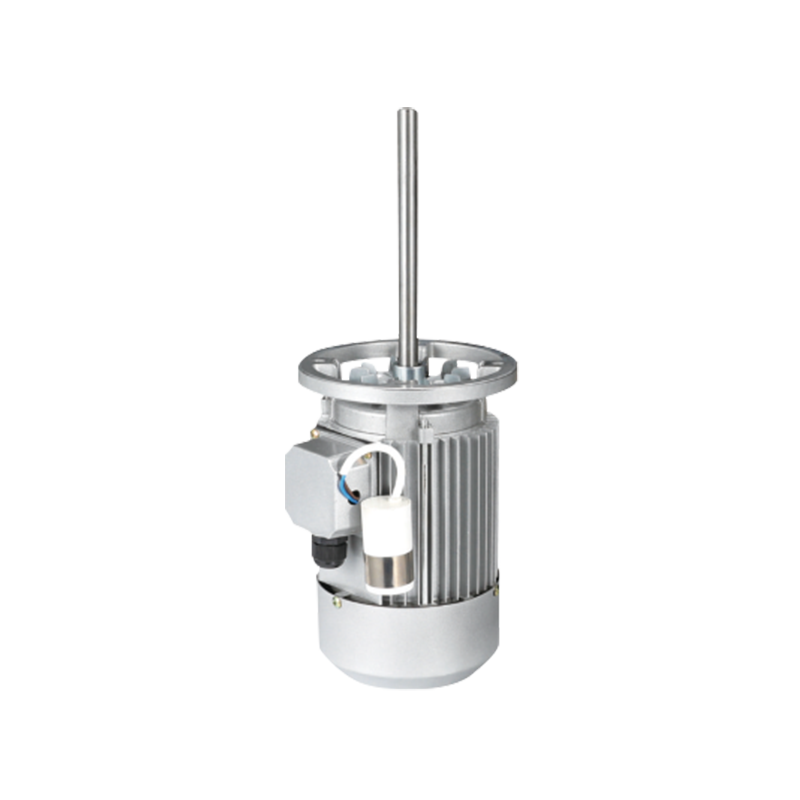
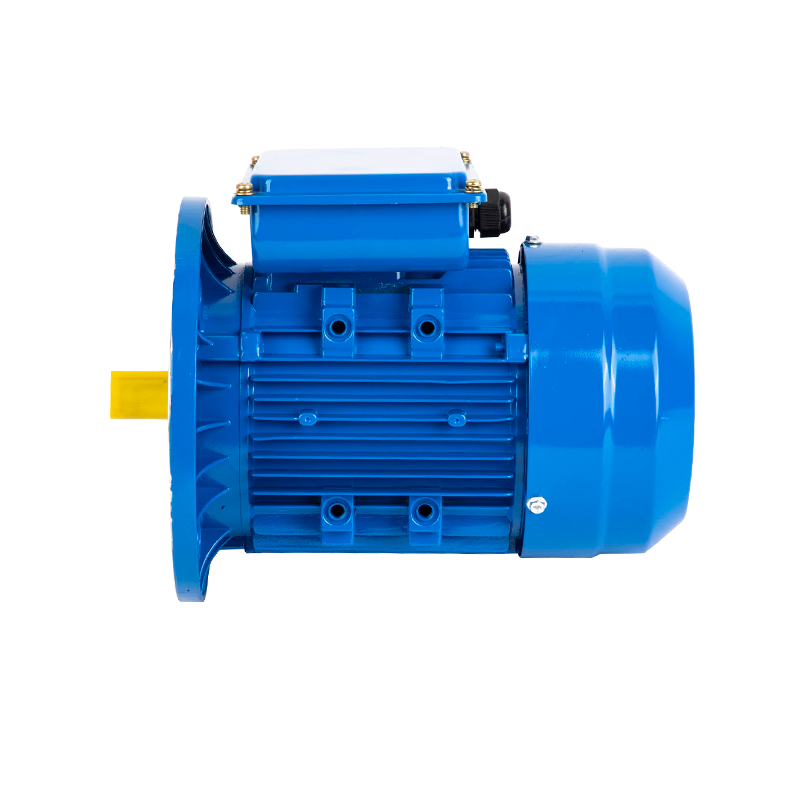
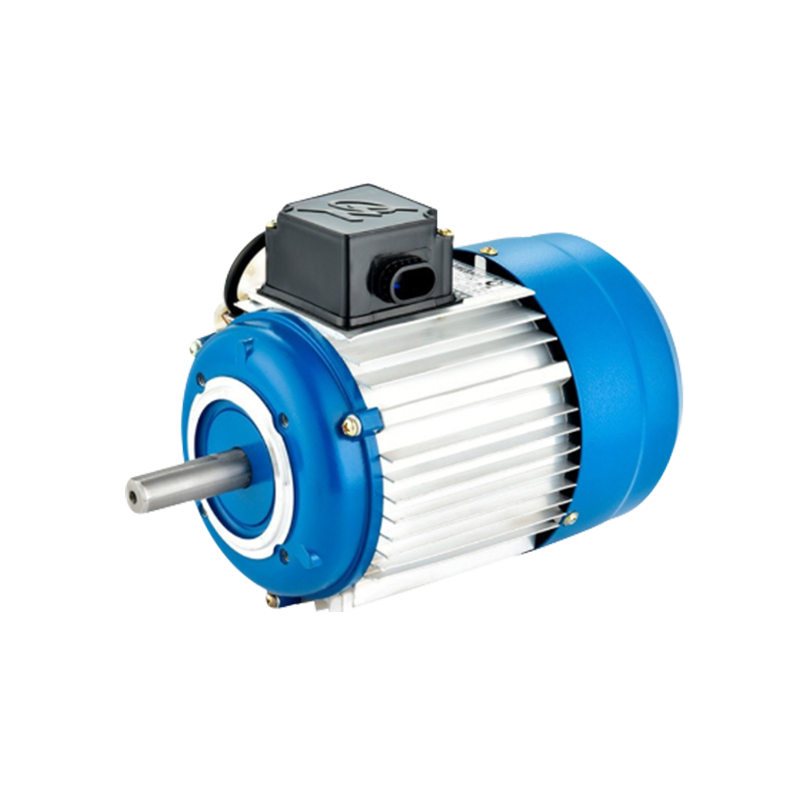
Aluminum Frame Motor is often used in such conditions because frame structure influences how heat leaves the system. The material surrounding the internal components does more than support structure. It also affects how thermal energy moves outward.
Electric Motor Factory design decisions often start from this simple behavior. Continuous motion creates steady heat generation. Without a controlled release path, internal temperature gradually shifts upward during long operation periods.
What Happens When Heat Builds Inside Motor Structure
Heat inside a motor does not stay in one place. It spreads through winding areas, shaft zones, and housing surfaces. When release speed becomes slower than generation speed, temperature begins to stabilize at higher levels.
That balance point depends on several conditions:
- air movement around equipment
- surface contact with surrounding space
- material ability to transfer heat
- internal structure density
- load consistency during operation
When any of these factors change, internal temperature response also shifts. Aluminum Frame Motor interacts with this process through its outer shell behavior.
Instead of holding heat inside, frame structure provides a path for energy to move outward. The surrounding air then becomes part of the cooling cycle.
What Role Frame Material Plays In Heat Movement
Motor frame is not only a protective shell. It becomes part of the heat transfer route. Energy generated inside must pass through internal layers before reaching the outer surface.
Material choice decides how smoothly that transition happens.
Aluminum Frame Motor uses a structure that allows faster thermal movement compared to heavier and denser housing materials. Heat reaches the surface more quickly, then spreads into surrounding air through natural convection.
Electric Motor Factory engineers often consider three main points when selecting frame material:
- how quickly heat leaves internal coils
- how evenly surface temperature spreads
- how stable structure remains during long operation
These factors work together instead of acting separately. When balance is stable, motor performance tends to remain more consistent under continuous load.
How Aluminum Frame Motor Supports Heat Release Process
Aluminum structure behaves differently under thermal load compared to more rigid materials. Heat passes through the frame wall with less resistance, allowing external surface to become part of the cooling path.
Once heat reaches the outer shell, it spreads across a wider area. Larger contact surface with air increases the chance of natural cooling. Movement of air around equipment helps carry heat away from the body.
Several physical behaviors contribute to this process:
- surface conductivity supports faster heat spread
- external shell acts as a thermal bridge
- airflow interaction increases heat removal
- continuous operation stabilizes temperature flow
Aluminum Frame Motor does not reduce heat creation. Instead, it manages how heat exits the system during steady operation cycles.
Why Continuous Operation Makes Cooling More Important
Short operation cycles allow temperature to rise and fall naturally. Continuous operation changes that pattern. Heat keeps accumulating without full cooling intervals.
In such conditions, motor stability depends on how well heat is released during motion rather than after stopping.
Electric Motor Factory design work often focuses on this behavior. Continuous systems need predictable temperature movement. Sudden spikes or uneven heat zones can affect mechanical response and long-term reliability.
Common continuous operation environments include:
- conveyor movement systems
- ventilation and airflow equipment
- machining support units
- material transfer systems
- automated production lines
Each environment creates its own heat pattern. Aluminum Frame Motor supports these systems by providing consistent heat transfer behavior under repeated load conditions.
What Electric Motor Factory Considers In Thermal Design
Thermal design inside motor production is not limited to material selection. It also includes structure shape, internal spacing, and surface interaction with air.
Electric Motor Factory engineering approach usually includes:
- internal coil placement for balanced heat spread
- housing shape designed for airflow contact
- surface structure that avoids heat concentration points
- mechanical stability during thermal expansion
Aluminum Frame Motor becomes part of this system rather than a standalone component. Its behavior interacts with internal structure and external environment at the same time.
A simple comparison of frame behavior:
| Load Condition | Heat Behavior Inside Motor | Aluminum Frame Response |
|---|---|---|
| Light load | Slow heat buildup | Stable surface balance |
| Medium load | Steady heat flow | Even surface spread |
| High load | Rapid heat generation | Faster outward transfer |
How Surface Contact Affects Heat Dissipation
Once heat reaches the outer frame, interaction with surrounding air becomes the next stage. Surface texture and contact area influence how quickly energy leaves the system.
Aluminum Frame Motor often has a structure that allows wide surface exposure. Air movement across this surface supports steady cooling behavior during operation.
Even small changes in airflow direction affect thermal balance. When equipment is placed in tighter spaces, cooling depends more on surface efficiency than ambient airflow strength.
Electric Motor Factory design often adjusts surface geometry to support this interaction without changing core structure.
Why Heat Behavior Changes With Load Conditions
Load level affects how much energy is converted into heat inside motor systems. Higher load generally leads to stronger internal thermal output.
During continuous operation, load does not always remain constant. Small variations appear depending on mechanical resistance, transmission condition, and environmental factors.
Aluminum Frame Motor responds to these variations through its thermal movement path. Heat spreads through the frame rather than remaining concentrated in one section, helping reduce uneven temperature zones.
How Electric Motor Factory Design Quietly Shapes Heat Behavior
Motor cooling rarely comes from a single design point. In production environments, structure, assembly spacing, and internal layout all end up influencing how heat moves during long running cycles.
Inside an Electric Motor Factory, design choices often start from something simple: heat needs somewhere to go. Not a fixed path in theory, more like a direction that should stay open during operation.
Aluminum Frame Motor sits inside that idea quite naturally. The frame is not only a shell holding parts together. During operation, it becomes part of the path heat follows outward.
Internal structure sends heat toward the housing. Once it reaches the frame, movement continues outward into surrounding air. Nothing sudden, more like a gradual spread across surfaces.
What Internal Layout Changes During Real Operation
Inside a running motor, heat does not appear evenly. Some areas warm earlier, some stay relatively stable for a while. That difference comes from electrical activity and mechanical resistance inside the structure.
Aluminum Frame Motor handles that unevenness by letting heat move outward through the housing instead of staying in one zone. Once spread begins, surface area becomes part of the cooling process.
Electric Motor Factory layout decisions usually support this behavior. Coil arrangement, spacing between parts, and internal symmetry all affect how quickly heat finds its way to the outer frame.
Common internal factors that influence heat flow:
- coil grouping position
- spacing between internal components
- vibration behavior under load
- contact points inside housing
- internal airflow gaps
Nothing works alone. All of them slowly shape how temperature moves during continuous use.
Why Continuous Operation Changes Everything About Cooling
When a motor runs in short cycles, heat has time to fall between runs. Continuous operation removes that pause. Temperature begins to settle at a steady level instead of rising and dropping.
That steady state depends on how easily heat can leave the system.
Aluminum Frame Motor helps here by allowing heat to reach the outer surface faster, then spread across it instead of staying concentrated.
In long operation periods, what matters is not only how fast cooling happens, but how stable temperature remains while heat is still being produced.
Electric Motor Factory engineers often pay attention to that balance because unstable temperature movement usually shows up later in mechanical behavior.
How Surface Contact With Air Changes Cooling Feel
Air movement around the motor is not always strong or consistent. Some setups are open, some are enclosed, some sit in mixed environments where airflow changes depending on surrounding equipment.
Aluminum Frame Motor relies on surface contact with air. Once heat reaches the housing, it spreads across the frame and begins exchanging energy with surrounding air layers.
If airflow is weak, cooling still happens, just at a slower and more steady pace. If airflow is present, heat leaves the surface more easily.
Electric Motor Factory design sometimes adjusts outer shape so surface exposure stays balanced, especially in enclosed installations.
What Happens When Load Becomes Unstable
Load conditions inside industrial systems rarely stay fixed. Some periods bring lighter operation, others bring heavier resistance. That change directly affects heat generation.
Under heavier load, internal temperature rises faster. Aluminum Frame Motor reacts by moving that heat toward the surface rather than keeping it concentrated inside.
Once heat spreads across the frame, it becomes easier for surrounding air to carry it away.
Simple comparison of load behavior:
- Operation ConditionHeat Pattern InsideSurface Response
- Light useSlow temperature riseStable spread
- Medium useSteady heat flowEven surface warming
- Heavy useFast heat buildupRapid outward movement
No sudden change in structure behavior, just different speed of the same process.
Maintenance Influence That Often Gets Overlooked
Cooling performance is not only about design. Surface condition slowly affects how heat moves during long use.
Dust layers, oil residue, or installation tightness can reduce how well heat leaves the surface. Aluminum Frame Motor depends on direct contact between metal surface and surrounding air, so any barrier changes that interaction.
Electric Motor Factory guidance usually stays simple:
- keep outer surface clean enough for airflow contact
- avoid blocking frame sides during installation
- check mounting alignment during long use
- observe vibration changes that may affect contact points
Nothing complex, more like routine attention that supports steady thermal behavior.
Why Different Environments Change Cooling Behavior
Motors do not always run in the same surroundings. Some are placed in open workshops, some inside cabinets, some close to other heat-producing equipment.
Each condition changes how heat escapes from the frame.
Aluminum Frame Motor tends to handle these differences through surface spread. Even when airflow is limited, heat still moves across the frame before leaving the system.
Electric Motor Factory design sometimes adjusts housing texture or frame thickness depending on expected environment, aiming to keep heat movement stable rather than extreme.
Long Operation Stability Feels More Than It Looks
Over time, what becomes noticeable is not temperature itself, but consistency. Motors that keep steady thermal movement tend to feel smoother in repeated operation.
Aluminum Frame Motor contributes to that feeling by avoiding strong heat concentration zones. Instead of hot spots, temperature spreads across the housing and slowly stabilizes.
That balance reduces sudden stress inside mechanical parts during long running periods.
Key behavior patterns seen over time:
- smoother temperature rise
- slower concentration of heat points
- more predictable cooling response
- less uneven thermal pressure inside housing
How Modern Design Thinking Fits Into Thermal Behavior
Motor design today often blends mechanical structure with thermal awareness. Heat is no longer treated as a side effect, more like a factor that shapes structure decisions.
Electric Motor Factory planning now tends to include airflow direction, surface exposure, and material response during continuous operation.
Aluminum Frame Motor fits into that direction naturally. Its role is not only structural support, but also participation in how heat leaves the system during operation.
During long running cycles, Aluminum Frame Motor behaves like a steady transfer layer between internal heat and surrounding air. Heat does not stay trapped inside, it gradually moves outward and spreads across the frame.
Electric Motor Factory design supports that movement through internal layout and structural balance.
In continuous operation environments, that slow and steady heat path becomes more important than sudden cooling changes, keeping the system behavior stable over time.


