 English
 Español



Building 1, Block 4, Wufeng Industrial Park, Daxi Town, Taizhou City, Zhejiang Province, China
Heavy load machines rarely behave in a calm or uniform way. Once they start running, the system often stays under pressure for long periods, sometimes with changes in resistance that come from material weight, friction, or shifting working conditions. Motion is not smooth by nature in these environments, so stability becomes something the system has to hold onto rather than something it simply has.
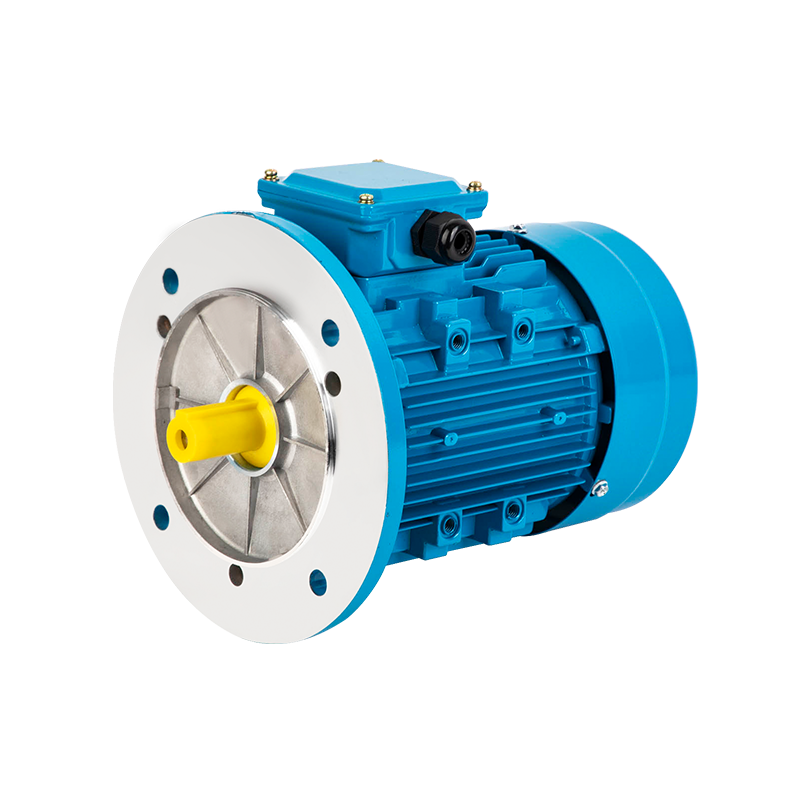
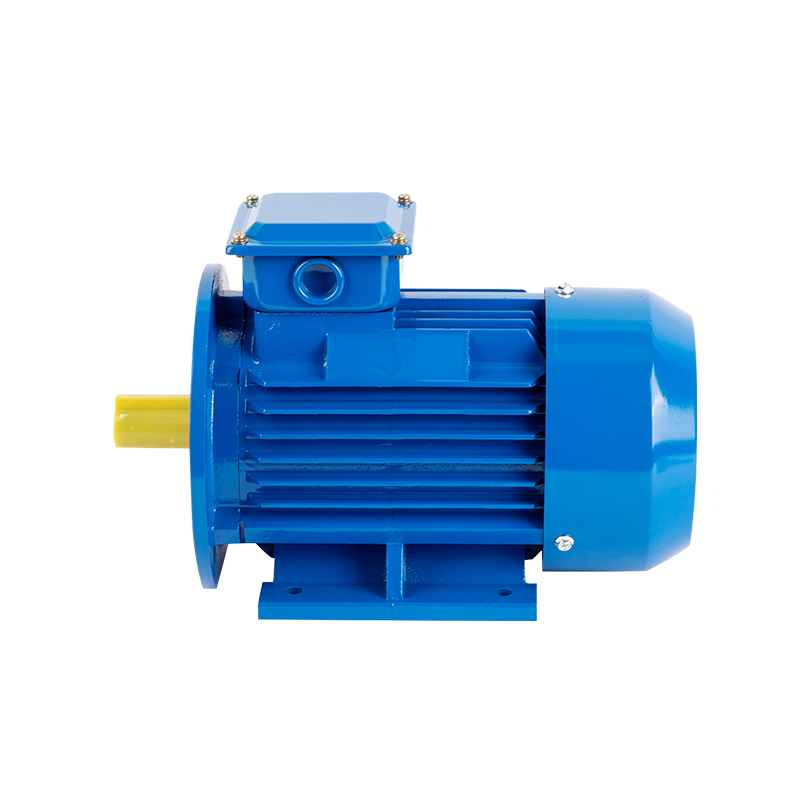
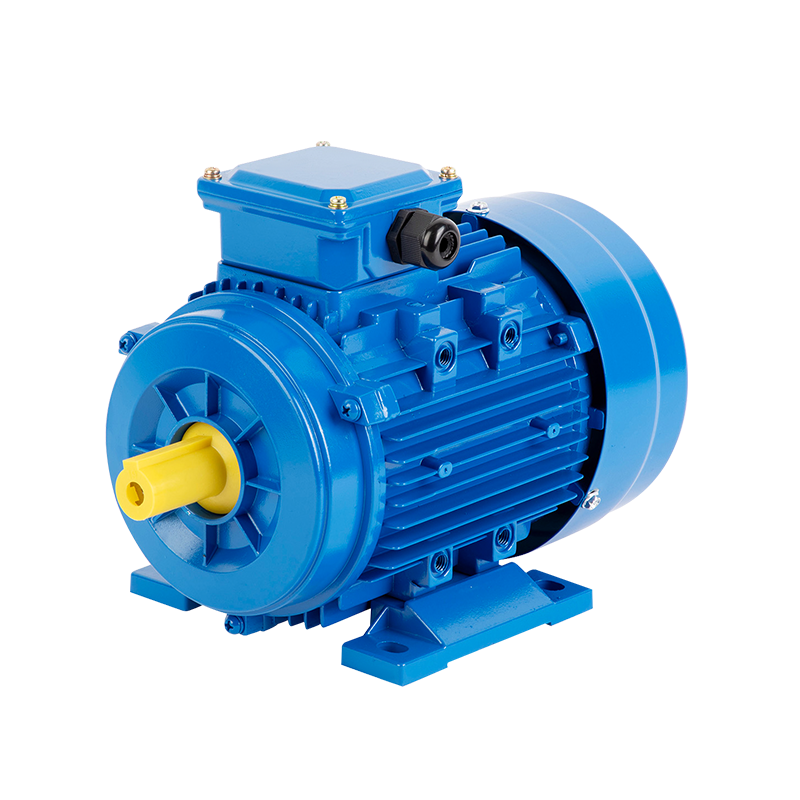
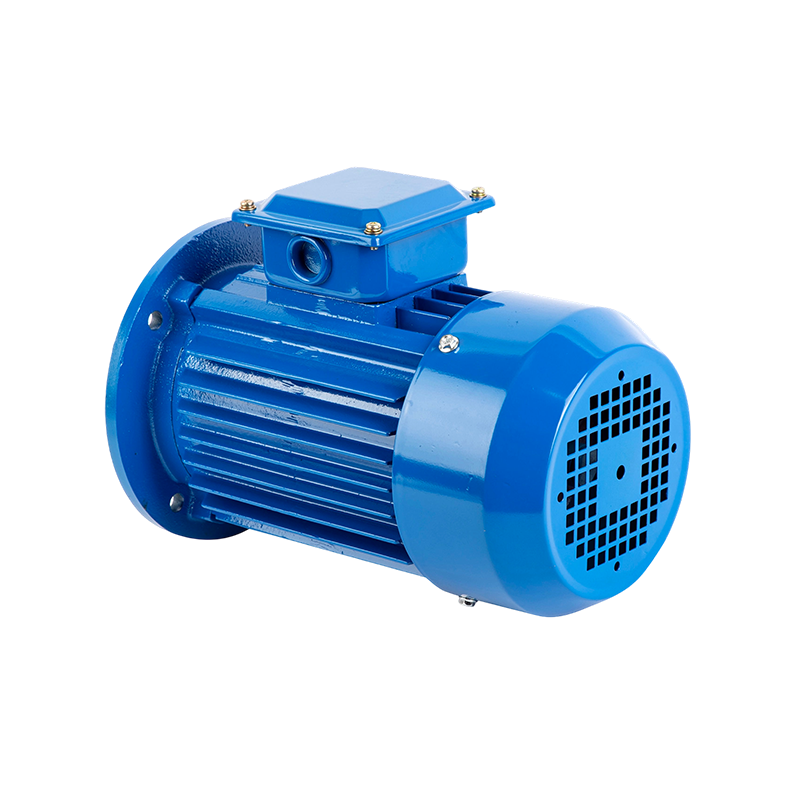
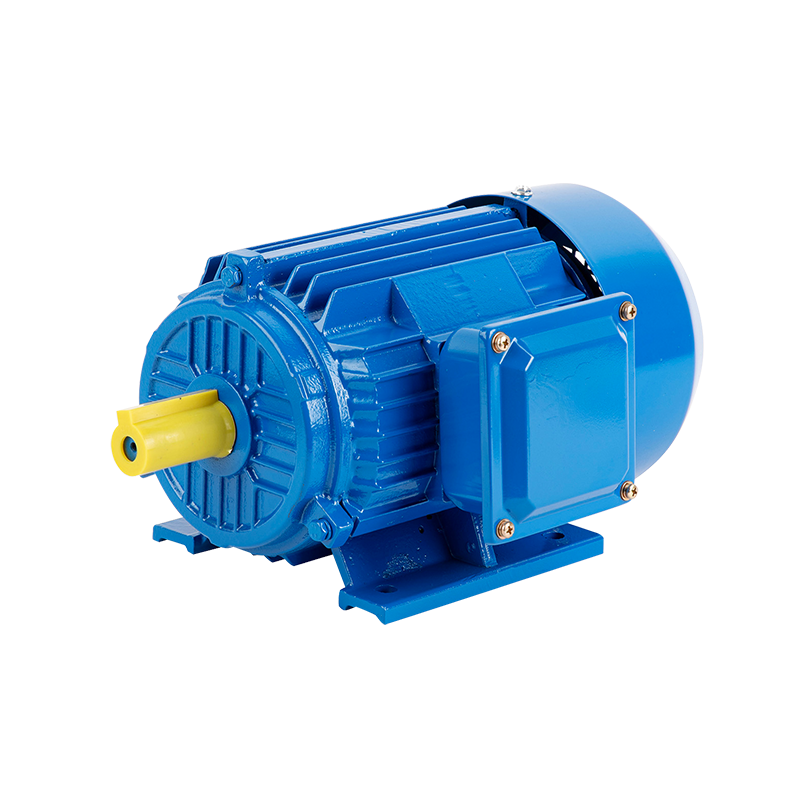
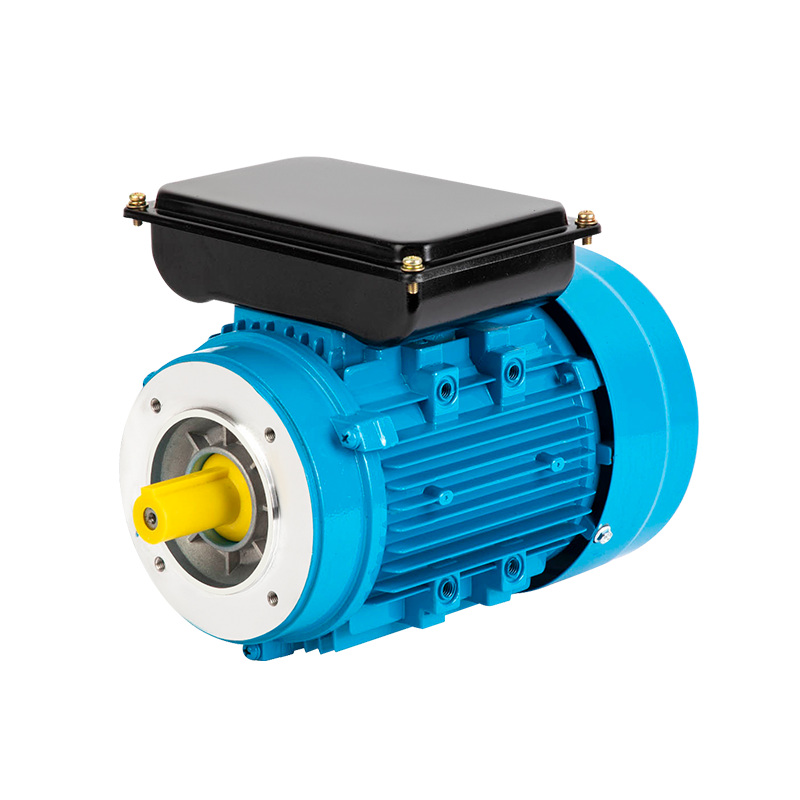
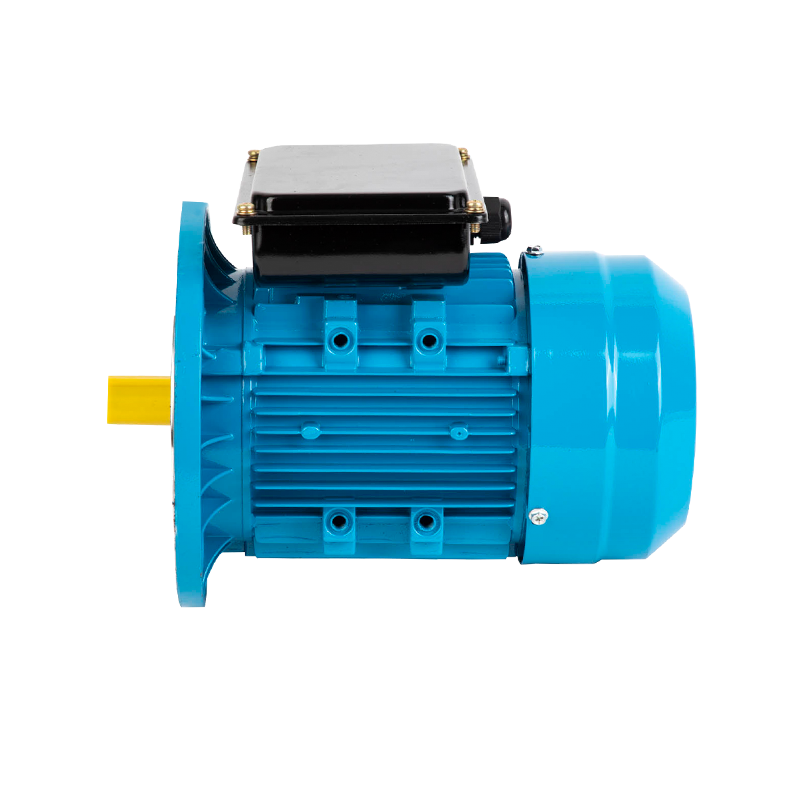
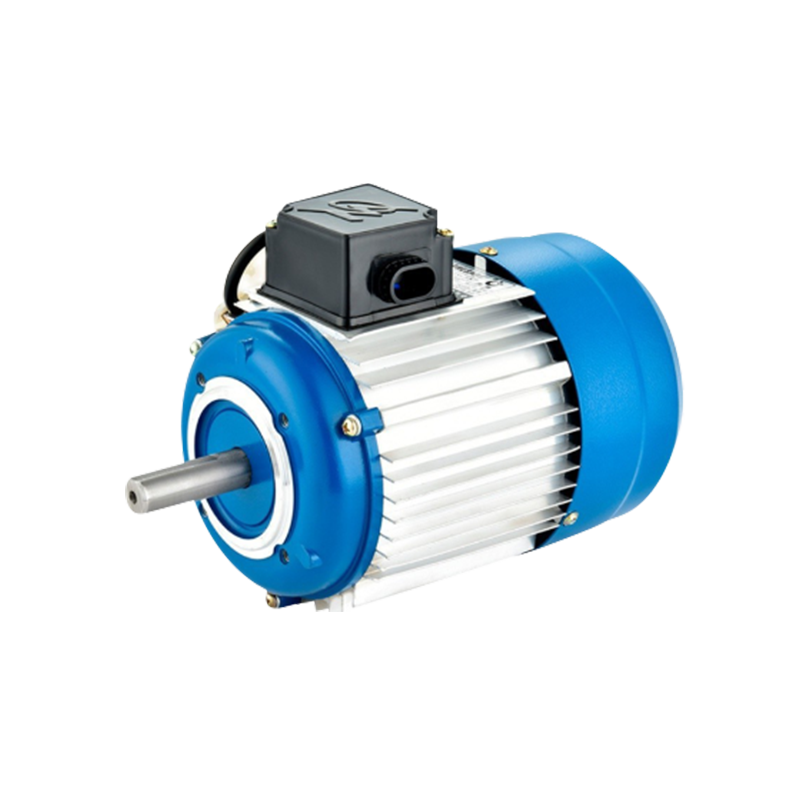
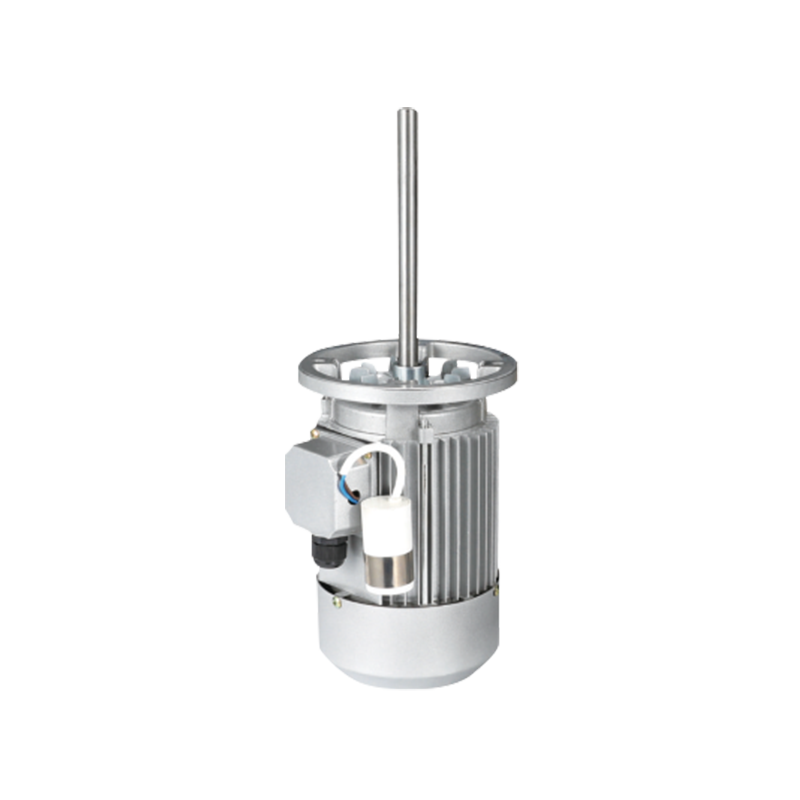
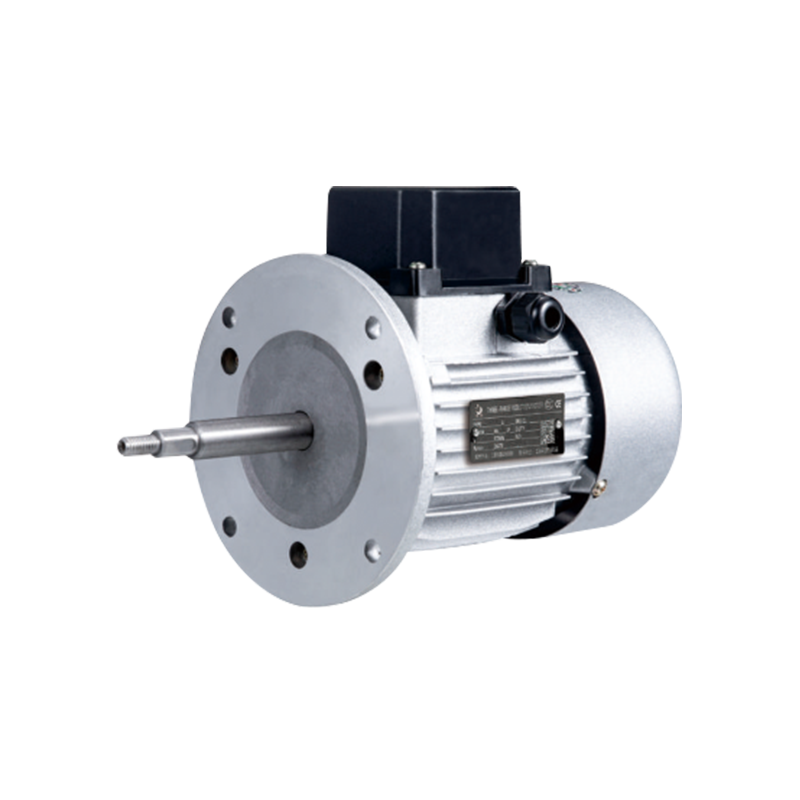
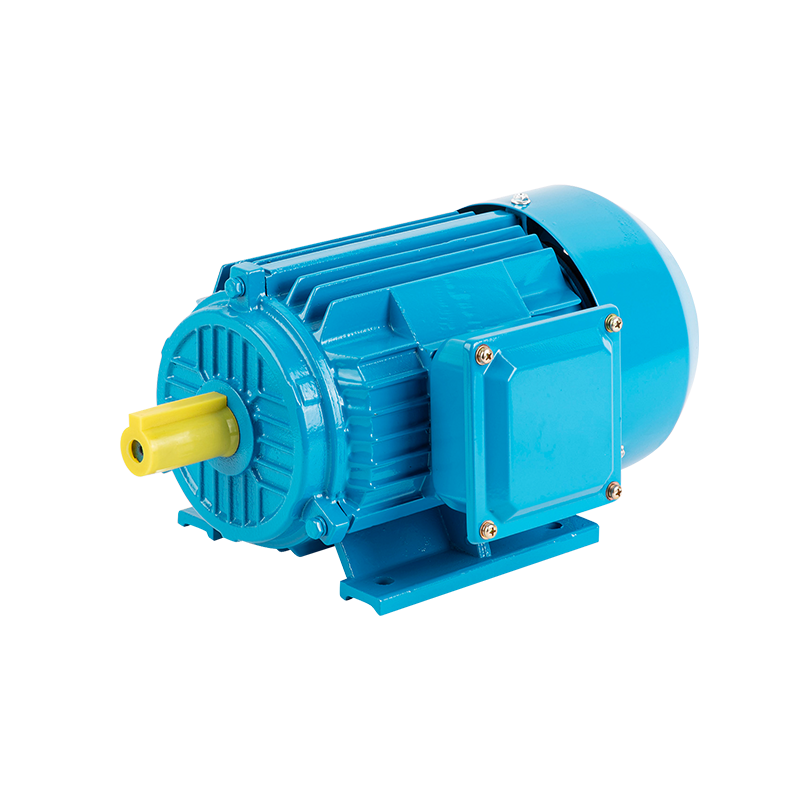
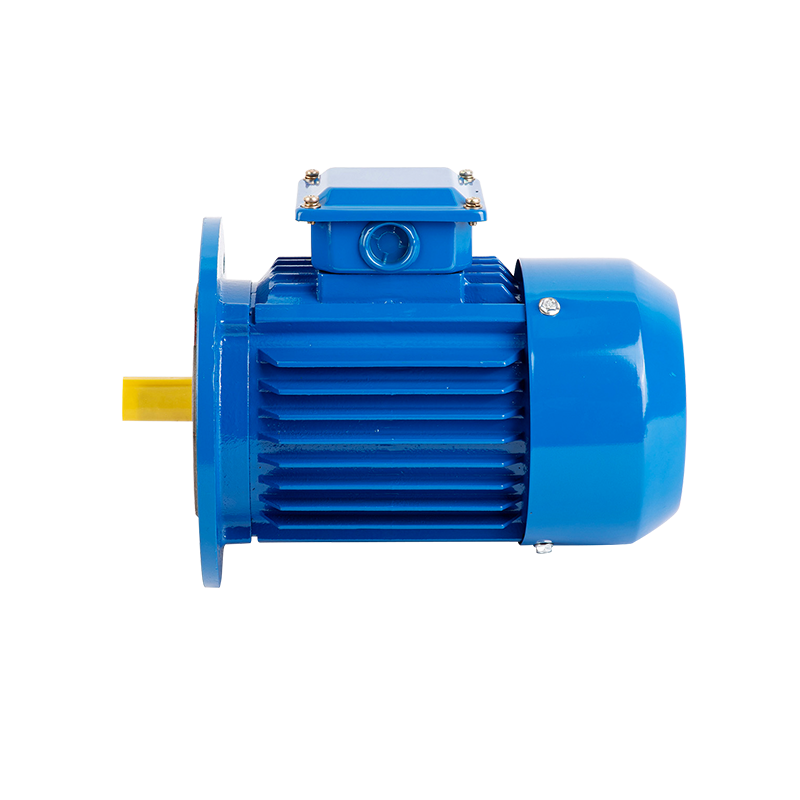
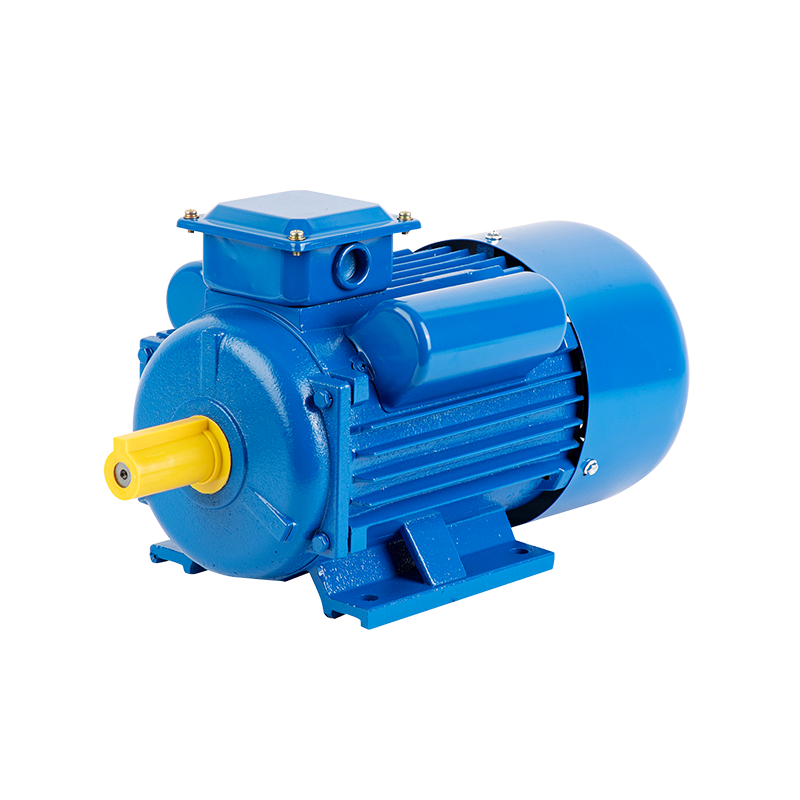
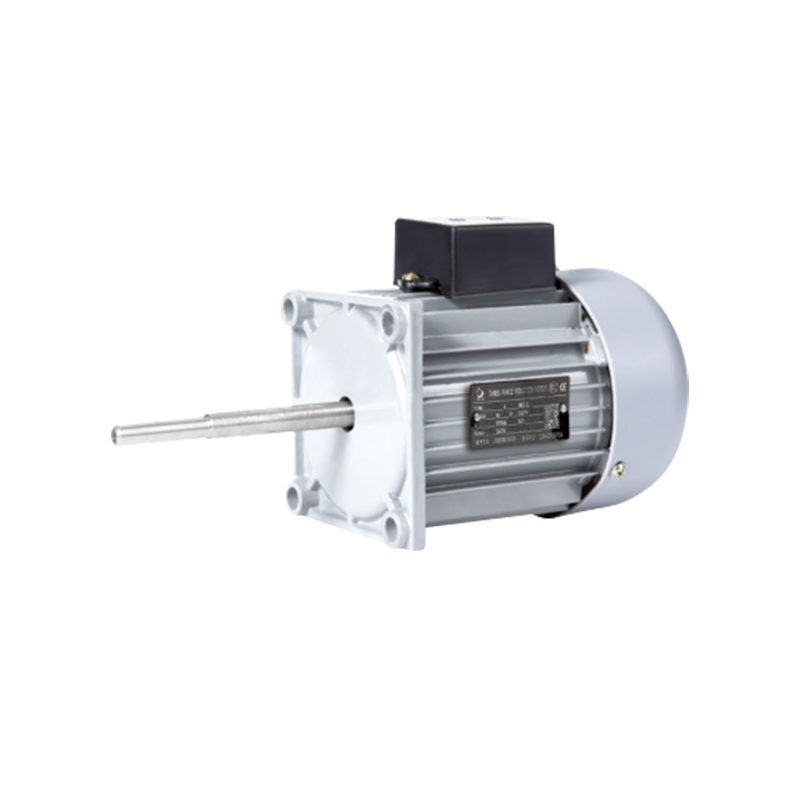
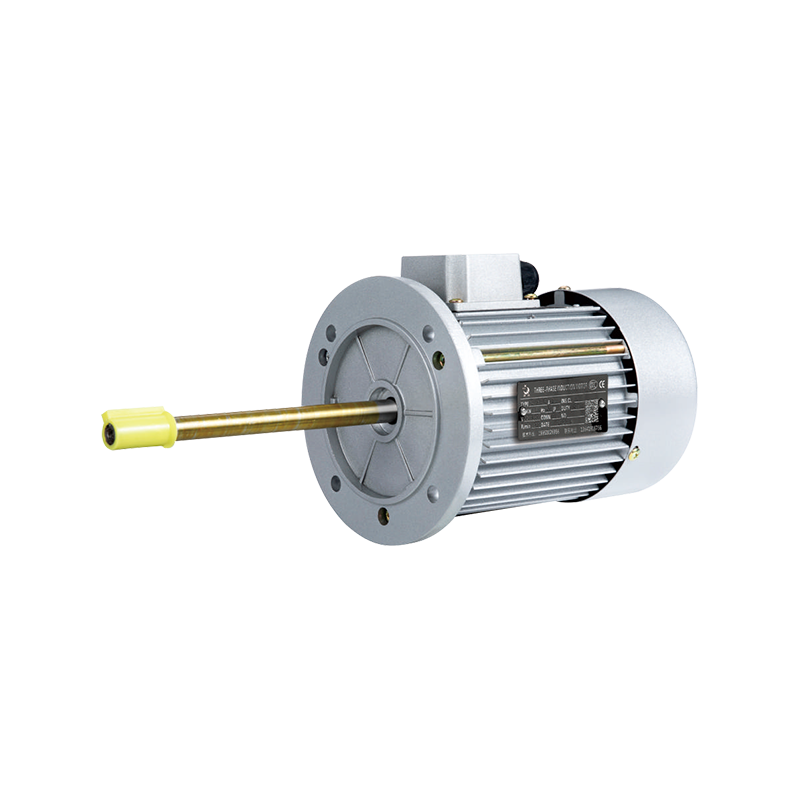
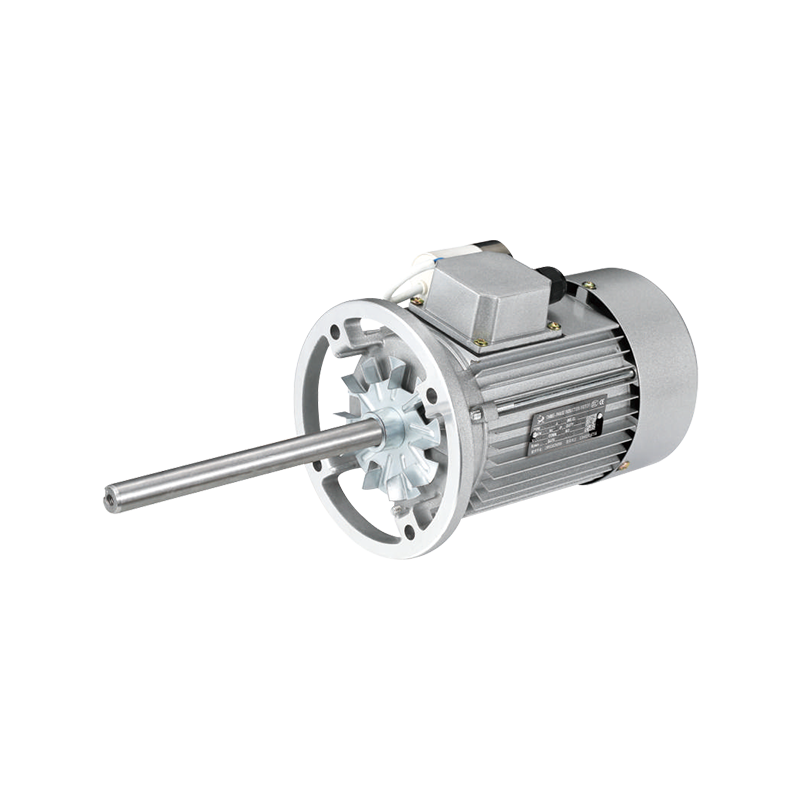
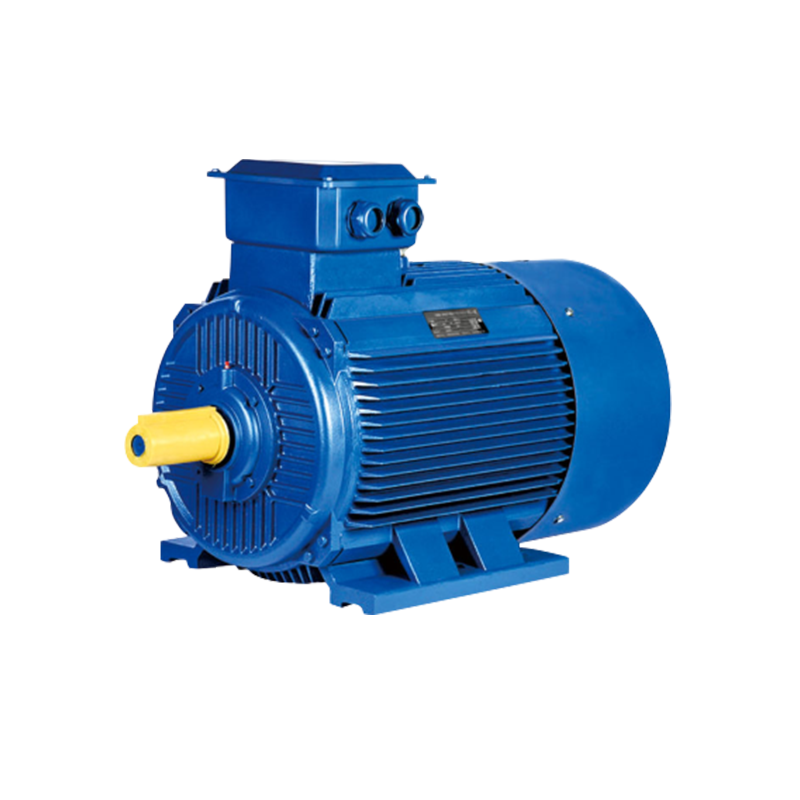
Three Phase Industrial Motor is often placed in this kind of setting because the way power enters the system is not broken into isolated pulses. Electrical energy overlaps in a rotating pattern, and that overlap quietly fills the gaps that would normally appear in simpler power setups. What comes out on the mechanical side feels less interrupted, even when load conditions are not steady.
Electric Motor Factory decisions usually sit behind this behavior. Choices about winding layout, structure balance, and internal spacing are not independent details. They influence how the motor behaves after installation, especially when the machine is pushed into real working pressure instead of controlled testing conditions.
What Makes Heavy Load Machinery Different From Standard Mechanical Systems
A light machine can start, run, and stop without much internal strain. Heavy load machinery does not follow that rhythm. Once movement begins, the system tends to stay active, and stopping becomes less frequent. What matters more is how well it holds motion while conditions keep shifting.
Inside these systems, inertia plays a quiet but constant role. Large parts do not respond quickly to small changes in input. If torque rises unevenly, the system does not reset immediately. Instead, the effect spreads through connected components, sometimes showing up later as vibration or slight misalignment.
Load behavior is also not fixed. A conveyor may carry uneven weight. A mixer may face changing resistance. A lifting system may deal with shifting tension during movement. None of these conditions stay stable for long, so the motor has to handle variation without losing rhythm.
In real working environments, heavy load systems often show patterns like:
- motion continues even when resistance changes mid-cycle
- torque variation slowly affects mechanical alignment
- vibration builds gradually rather than appearing suddenly
- startup under load feels heavier than idle start
- small imbalance can spread through connected parts over time
Three Phase Industrial Motor fits into this space because the power structure does not depend on a single stream of energy. It keeps feeding rotation in a layered way, which helps the machine avoid sharp breaks in movement.
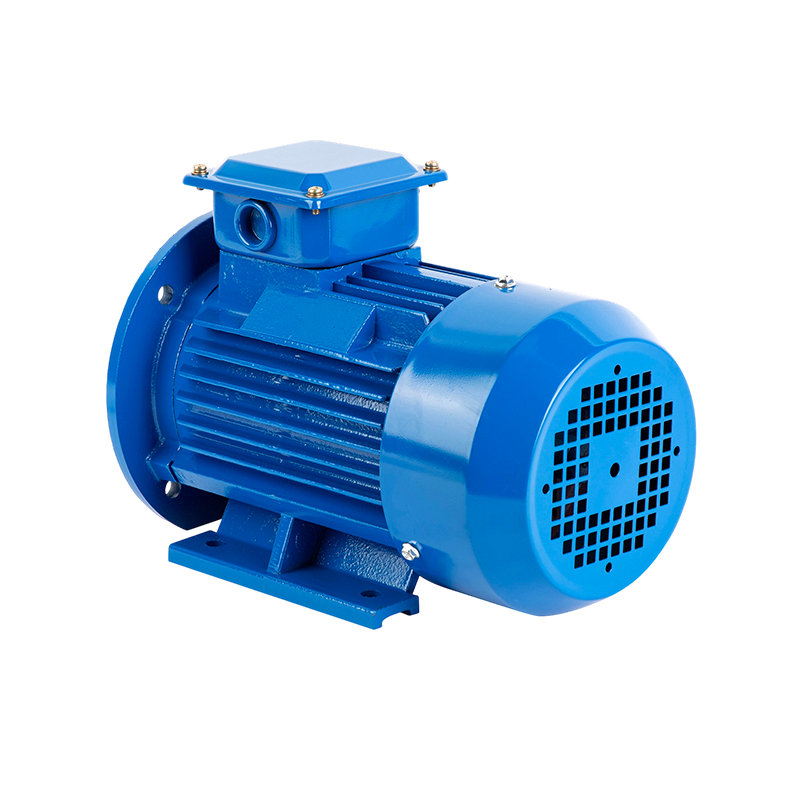
How Three Phase Industrial Motor Creates Continuous Power Flow
The core behavior of a three phase system comes from how each phase is shifted in timing. Instead of all energy arriving together or stopping together, each part carries its own rhythm. When one phase begins to drop, another is already active. The result is not a burst of power, but a flow that keeps itself filled.
Inside Three Phase Industrial Motor operation, this becomes a rotating magnetic field that does not fade between cycles. The field keeps pulling the rotor forward in a steady loop, even when the load outside is not stable. Movement feels continuous because the driving force does not reset to zero in the same way simpler systems do.
In heavy machinery, that difference matters in a very practical way. When power input avoids gaps, mechanical motion does not need to recover from each interruption. It simply continues, adjusting quietly to load changes instead of reacting sharply to them.
In daily industrial use, this behavior shows up as:
- energy input remains active across full cycle
- rotating field does not break between phases
- torque delivery feels connected rather than segmented
- load changes cause smoother adjustment in motion
- mechanical output stays closer to steady rhythm
Electric Motor Factory planning often aligns with this structure, since once the motor is placed inside real equipment, even small interruptions in flow can become noticeable under heavy load.
Why Continuous Torque Improves Heavy Machinery Stability
Torque in heavy machinery is not just a measure of strength. It is more like the way force is carried through time. If that force comes in uneven waves, the system responds with vibration or slight delay in movement. If it stays steady, motion feels more controlled even when the load is not stable.
Three Phase Industrial Motor produces torque in a way that avoids sharp breaks. Because the phases overlap, force delivery does not fall away between cycles. That continuous pull is what keeps heavy parts moving without sudden hesitation.
Starting conditions highlight this behavior clearly. When a machine begins movement under load, resistance is already present. A stable torque curve helps the system enter motion without jerking or delay. Instead of fighting against a sudden force jump, the motor builds movement in a more gradual way.
During longer operation, torque stability becomes part of how the whole machine holds alignment. When force stays even, connected shafts, gears, and supports do not experience irregular stress patterns. Over time, that helps reduce uneven wear.
What usually appears in stable torque behavior includes:
- smoother start under existing load
- reduced vibration during steady operation
- fewer sudden force changes across cycles
- more predictable movement of connected parts
- less mechanical stress accumulation over time
In heavy load environments, this kind of consistency often matters more than raw output, since the system is already working under pressure for long durations.
How Thermal Balance Supports Continuous Heavy Load Operation
When heavy machinery keeps running for long periods, heat does not appear as a sudden issue. It builds slowly inside the motor body and spreads through metal parts, windings, and surrounding structure. If that heat stays uneven, small changes begin to show in rotation feel, resistance response, and even mechanical alignment.
Three Phase Industrial Motor handles this condition in a more controlled way because electrical load is not concentrated in a single path. Power is shared across phases, and that balance reduces uneven heating inside the system. Instead of one section carrying the stress, heat spreads in a wider pattern, which makes temperature changes less abrupt during operation.
A cooler and more balanced internal state does not only protect components. It also helps motion stay steady. When temperature rises unevenly, materials expand in slightly different ways, and that difference can affect smooth rotation. With more even heat distribution, movement stays closer to its expected rhythm.
In industrial use, thermal behavior often shows up through practical signs:
- motor casing temperature feels more even during long cycles
- rotation does not shift sharply after extended operation
- internal resistance changes more gradually
- connected machinery stays more stable in motion
- cooling demand becomes more predictable across cycles
Electric Motor Factory design work often takes this into account, since thermal balance is not separate from mechanical stability. Both tend to influence each other during long working periods.
How Energy Balance Improves Long-Term Mechanical Efficiency
Energy inside a three phase system does not arrive in a single stream. It moves in overlapping waves, and that structure affects how force is delivered to the rotating parts. When energy is distributed in this way, the motor does not rely on one strong push followed by a drop. Instead, it maintains a more even transfer of power.
Three Phase Industrial Motor uses this balance to reduce uneven strain during operation. Mechanical output becomes more stable because the internal force is not fluctuating sharply. Over time, this helps reduce stress on parts that connect directly to the rotating shaft.
In heavy load machinery, energy imbalance often shows itself through vibration or slight hesitation during load changes. A balanced input reduces those effects. The system does not need to correct itself constantly, so motion stays closer to its natural path.
| Energy Behavior | Mechanical Response | System Effect |
|---|---|---|
| uneven input flow | irregular rotation feel | higher vibration tendency |
| balanced phase flow | steady rotation | smoother load handling |
| repeated power drops | unstable movement | higher stress on parts |
Electric Motor Factory production planning often focuses on keeping this balance consistent, since small differences in internal structure can affect how energy moves once the motor is installed in real equipment.
Where Three Phase Industrial Motor Works in Heavy Load Systems
Heavy load machinery appears in many industrial settings where movement, pressure, or resistance stays active for long periods. In these environments, Three Phase Industrial Motor is often placed in systems that cannot afford frequent interruptions or unstable motion.
Conveyor systems are one example where continuous movement is required. Materials do not move in single bursts. They travel in steady flow, and any variation in motor rotation can affect the entire line. Stable torque and smooth rotation help maintain that rhythm.
In lifting and hoisting equipment, motion starts under load and continues with changing force levels. A stable motor response reduces sudden shifts when weight changes during movement, keeping the system easier to control.
Pumping systems also depend on steady rotation. Flow resistance can change depending on internal conditions, yet motor output needs to remain consistent so movement does not become uneven.
Other applications include mixing systems, crushing units, and automated processing equipment where resistance is always present and rarely uniform. In all these cases, motor stability becomes part of overall system behavior rather than an isolated function.
How Load Variation Shapes Motor Behavior Over Time
Heavy load environments rarely stay constant. Resistance changes during operation, sometimes slowly and sometimes in a more noticeable way. A system may start with one level of load and gradually shift into another without stopping.
Three Phase Industrial Motor responds to these changes in a smoother manner because power delivery remains continuous. When load increases, torque adjusts without sharp interruption. When load decreases, rotation does not suddenly accelerate beyond control. The system stays within a more stable range of movement.
This gradual response reduces mechanical shock inside connected components. Instead of reacting strongly to every change, the motor absorbs variation through its rotating field structure.
Common behavior under load variation includes:
- gradual adjustment during resistance change
- stable rotation even under uneven force
- reduced mechanical shock during transition
- smoother start and continuation under load
- controlled response during long operation cycles
Electric Motor Factory involvement often focuses on ensuring that this response stays consistent across different operating conditions, since heavy machinery rarely works under a single fixed load pattern.
Role of Three Phase Motor Factory in System Stability
Behind the performance of Three Phase Industrial Motor, manufacturing decisions play a quiet but important role. Three Phase Motor Factory processes influence how stable the final system becomes once it is installed in real industrial environments.
Material selection affects how the motor handles heat and stress during long operation cycles. Structural design determines how well vibration is managed inside the housing. Assembly accuracy influences how smoothly internal rotation behaves under load.
Testing stages usually focus on long-cycle operation rather than short performance checks. Motor behavior is observed under continuous conditions where heat, load, and vibration interact at the same time. Adjustments made during this stage help reduce irregular movement after installation.
In practical terms, factory influence can be seen in:
- consistency of rotation under long operation
- stability of internal alignment during load cycles
- smoother transition between different working states
- reduced vibration transfer into connected machinery
- predictable behavior across repeated use
In heavy load systems, stability is rarely the result of a single design choice. It comes from how material, structure, and manufacturing control work together before the motor even enters the machine.


