 English
 Español



Building 1, Block 4, Wufeng Industrial Park, Daxi Town, Taizhou City, Zhejiang Province, China
In many industrial settings, motor systems tend to run in long cycles that stretch through different working conditions, and during those cycles even small changes in stability can slowly influence how the surrounding equipment behaves, which makes maintenance frequency feel less like a fixed schedule and more like a reflection of how steady the whole system remains over time.
When operation continues without interruption, attention usually shifts away from short-term adjustment and moves toward how structural parts behave under repeated stress, since the way a motor holds its form during continuous use often decides whether inspection becomes occasional or more regular.
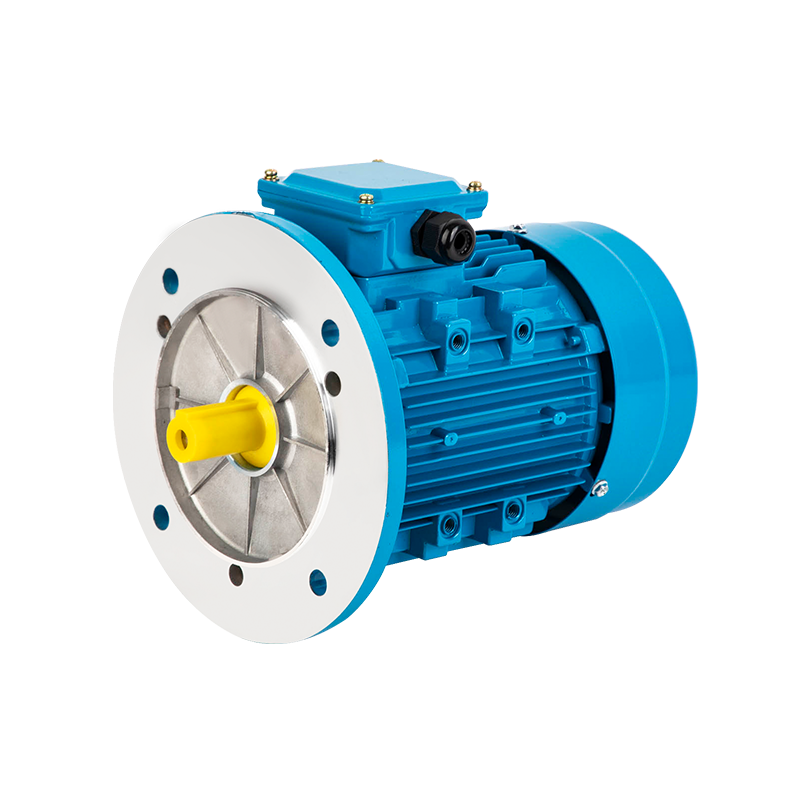
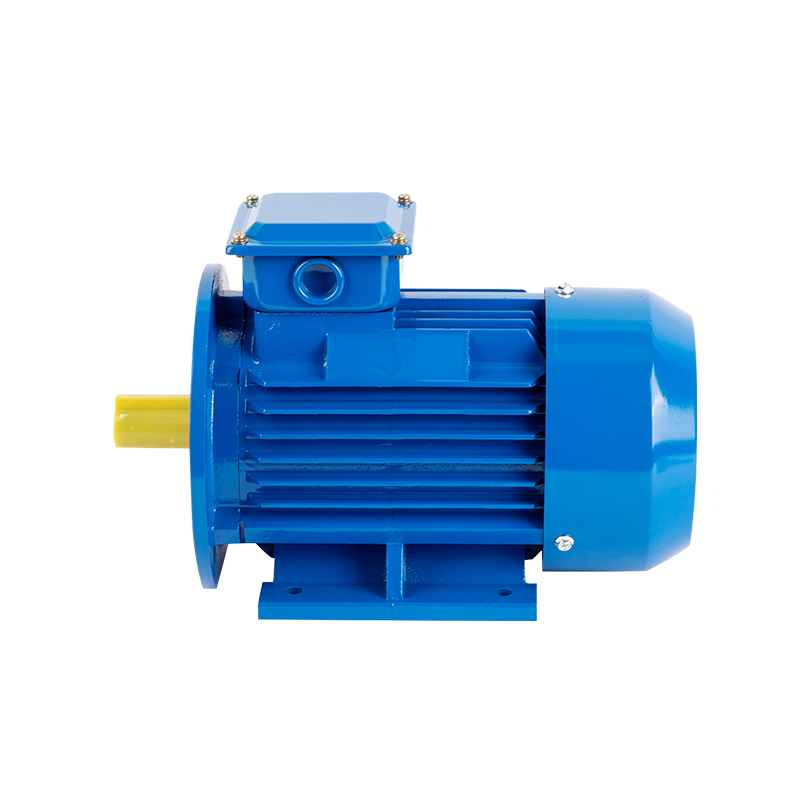
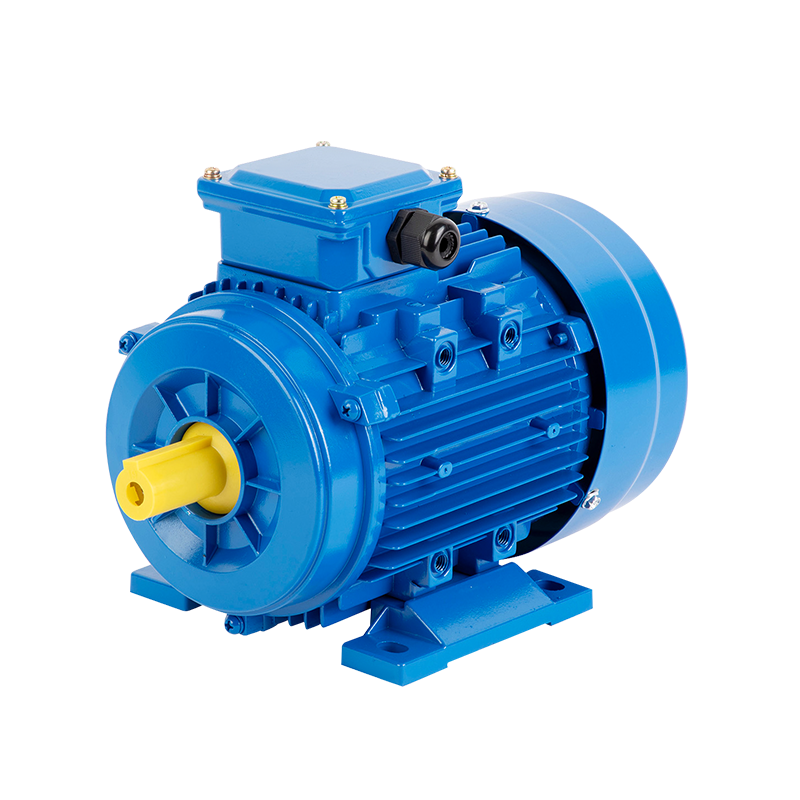
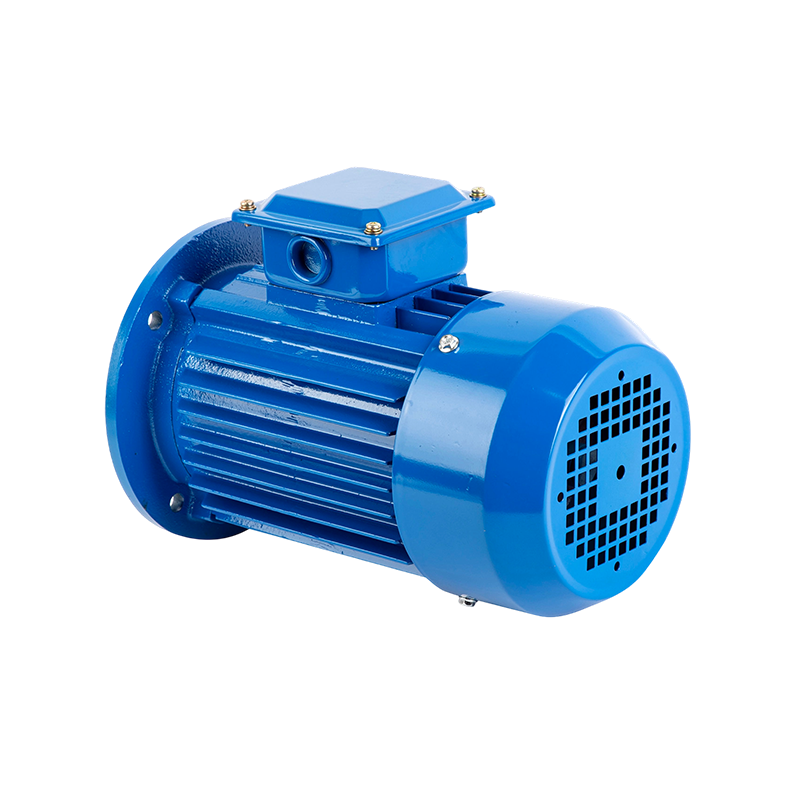
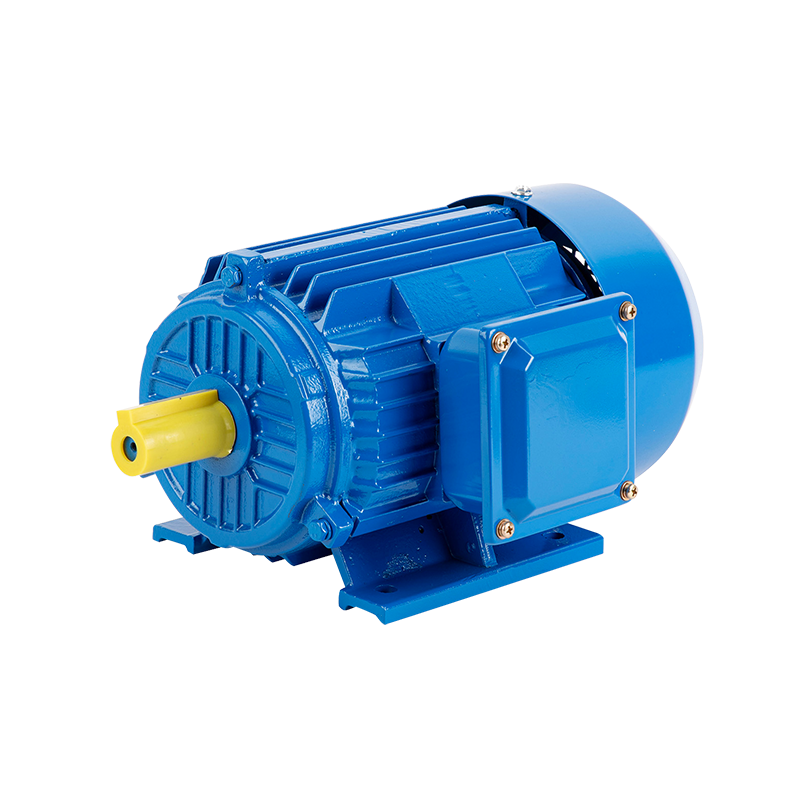
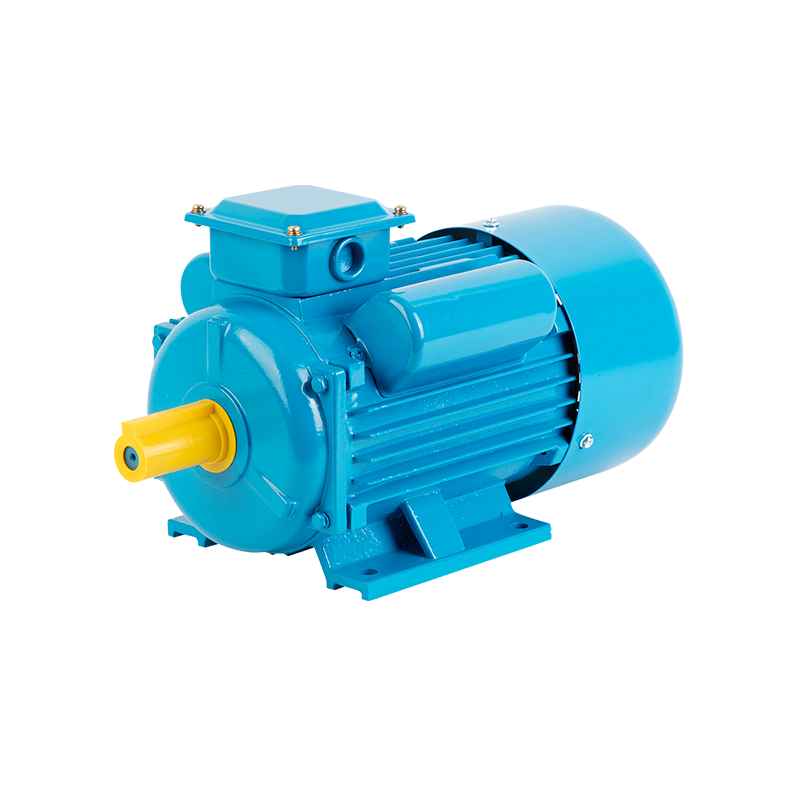
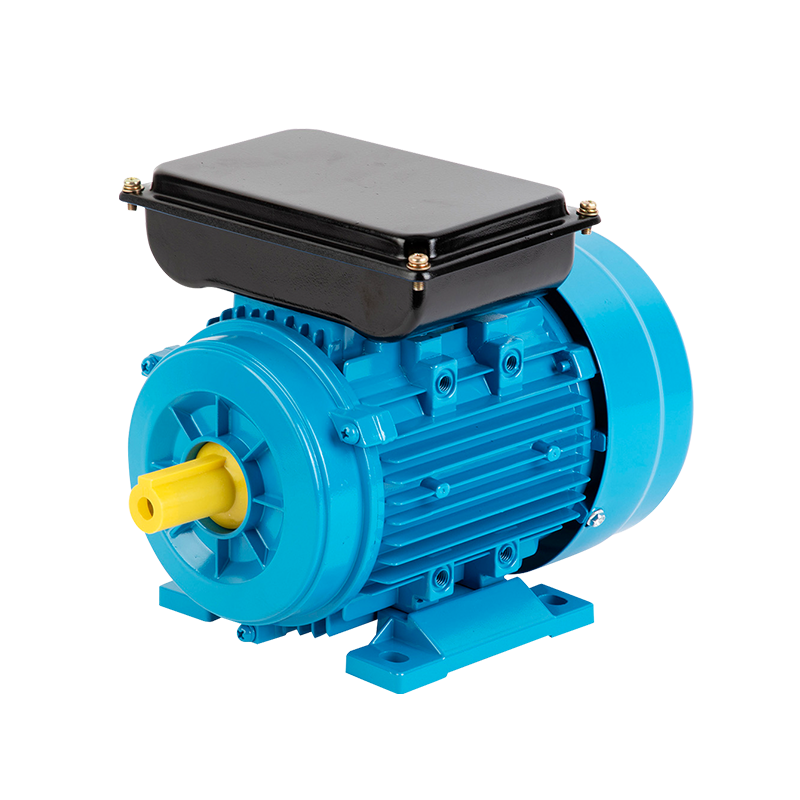
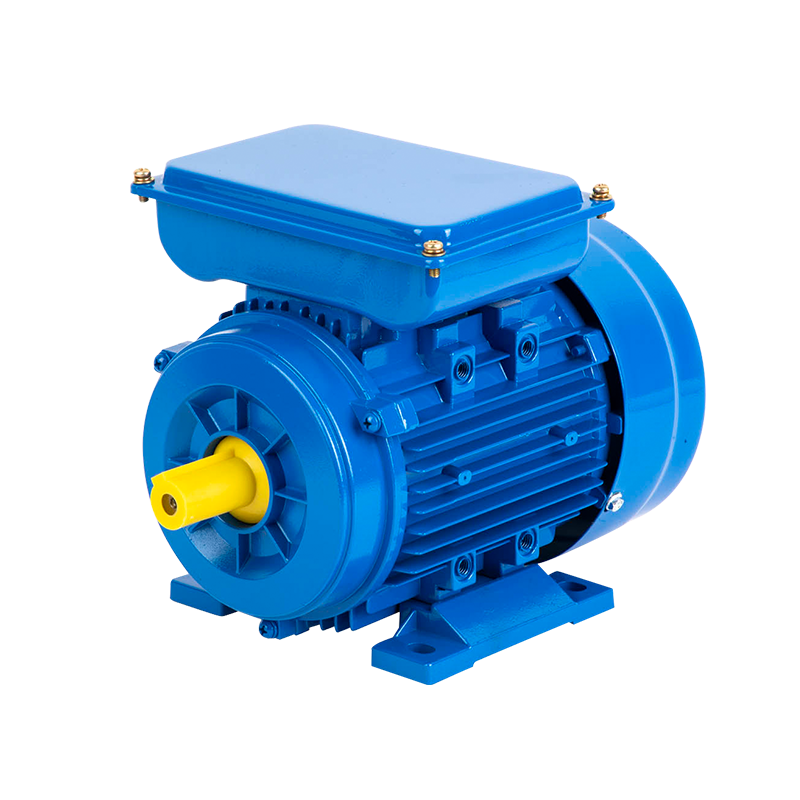
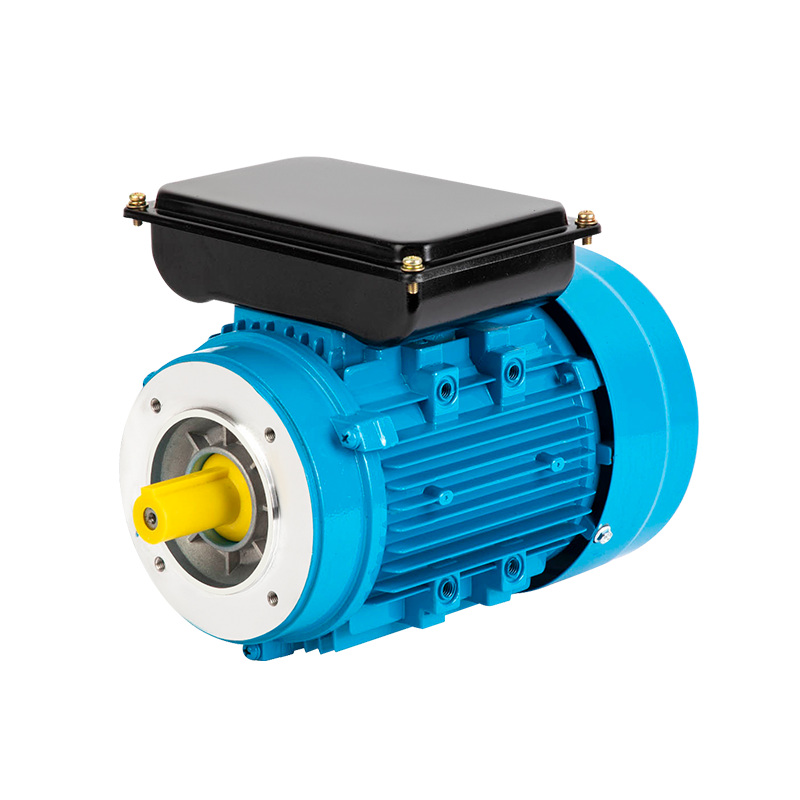
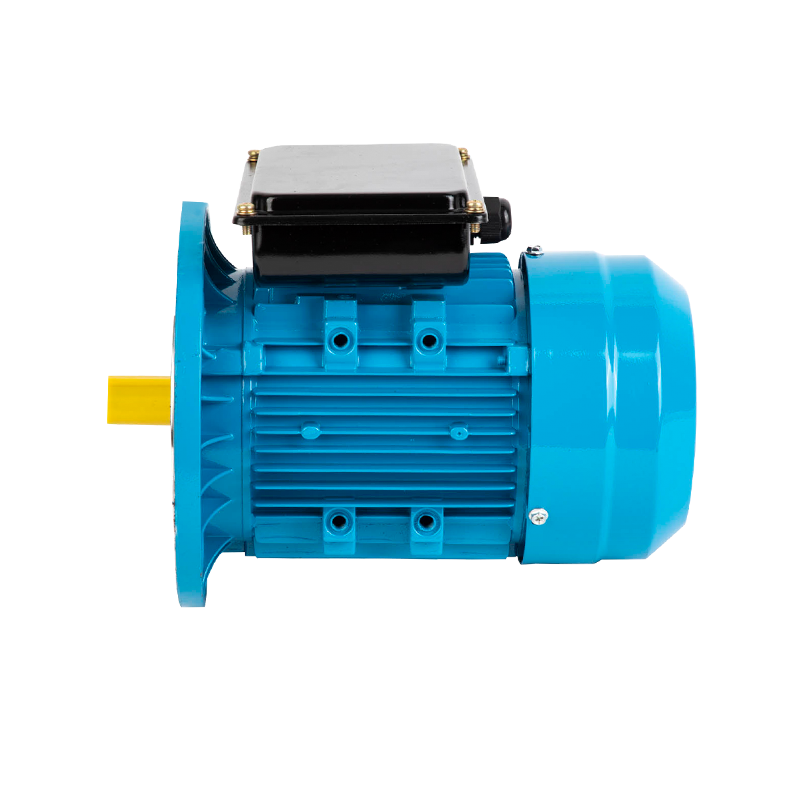
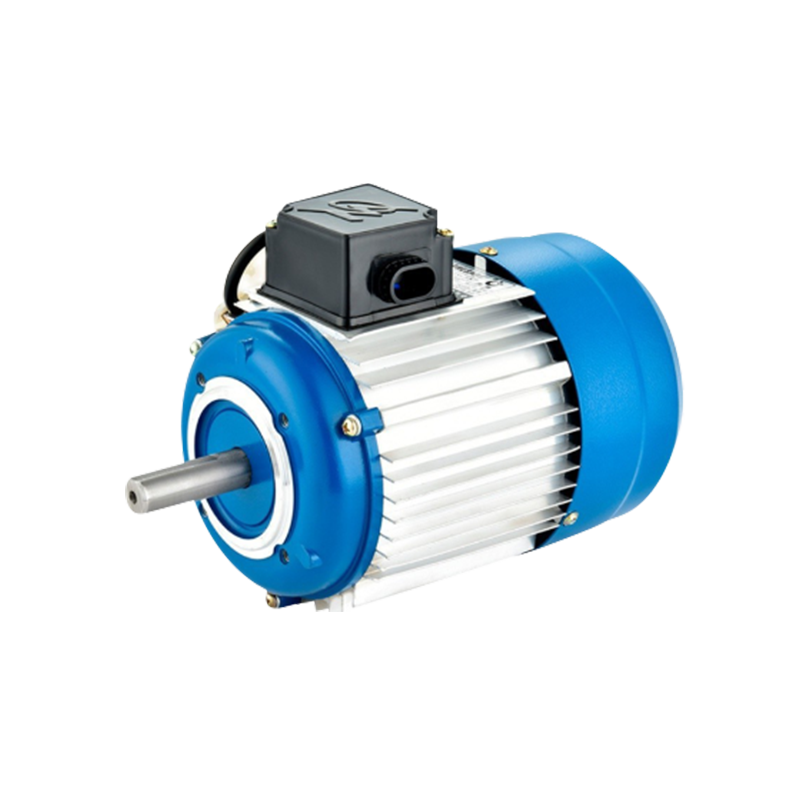
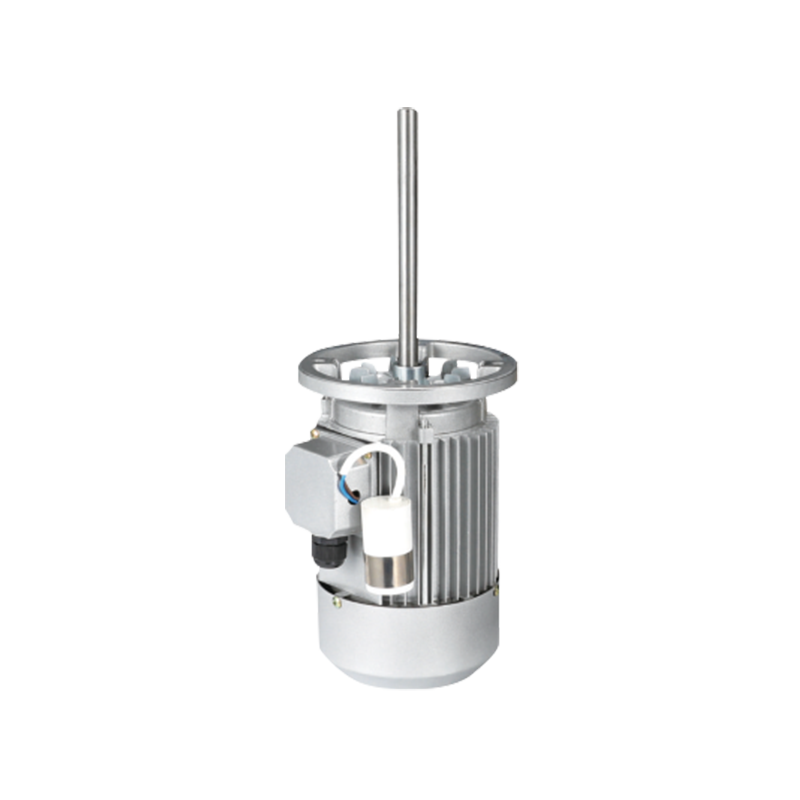
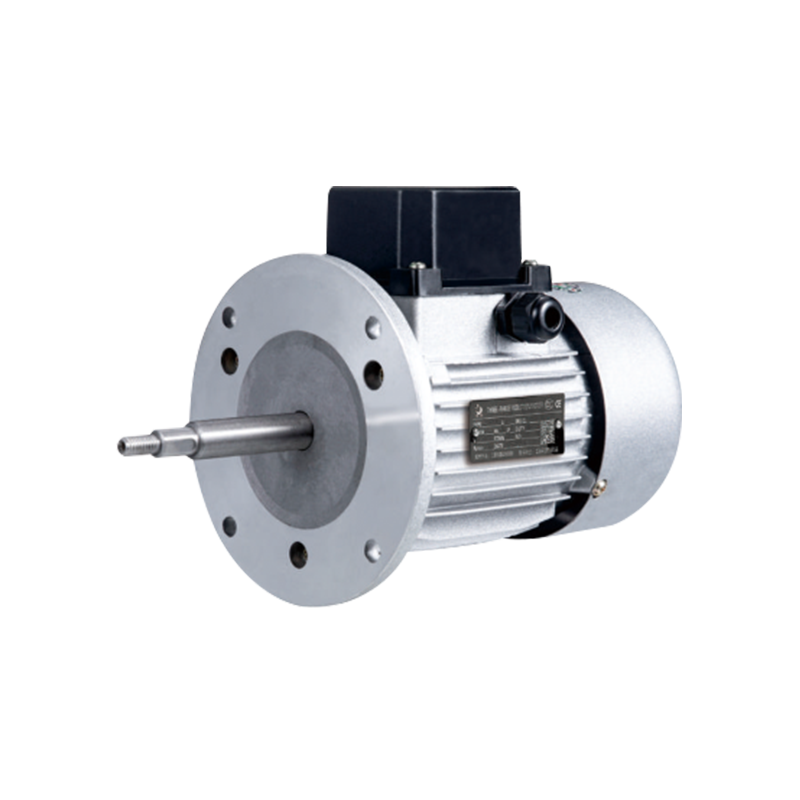
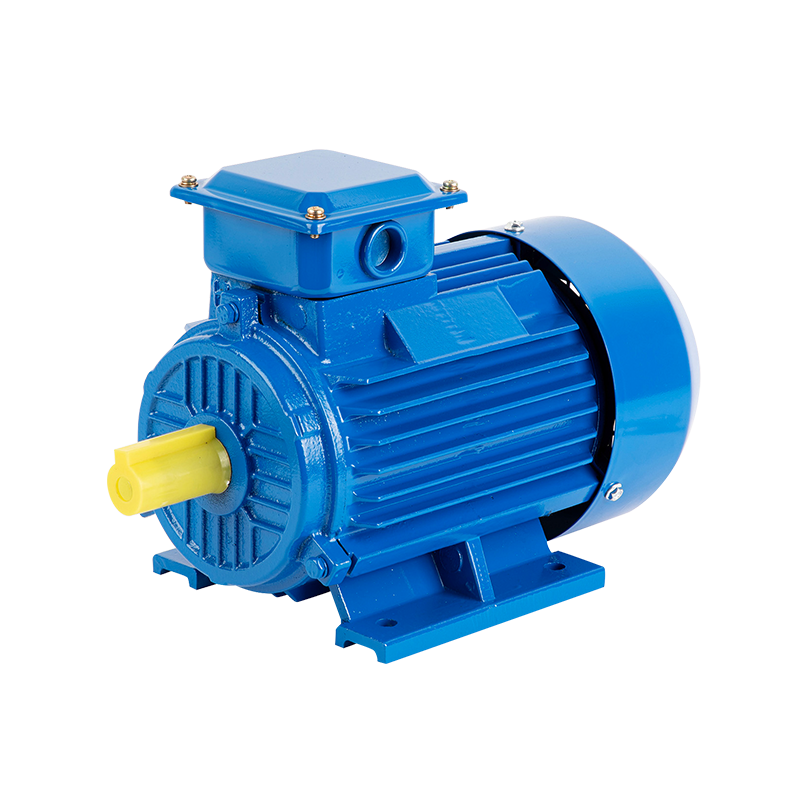
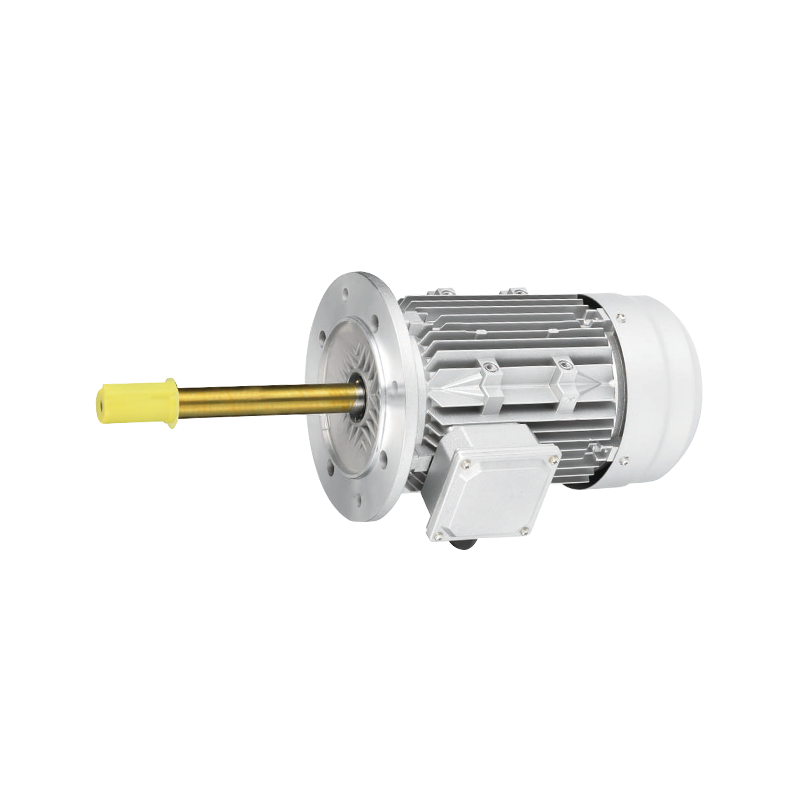
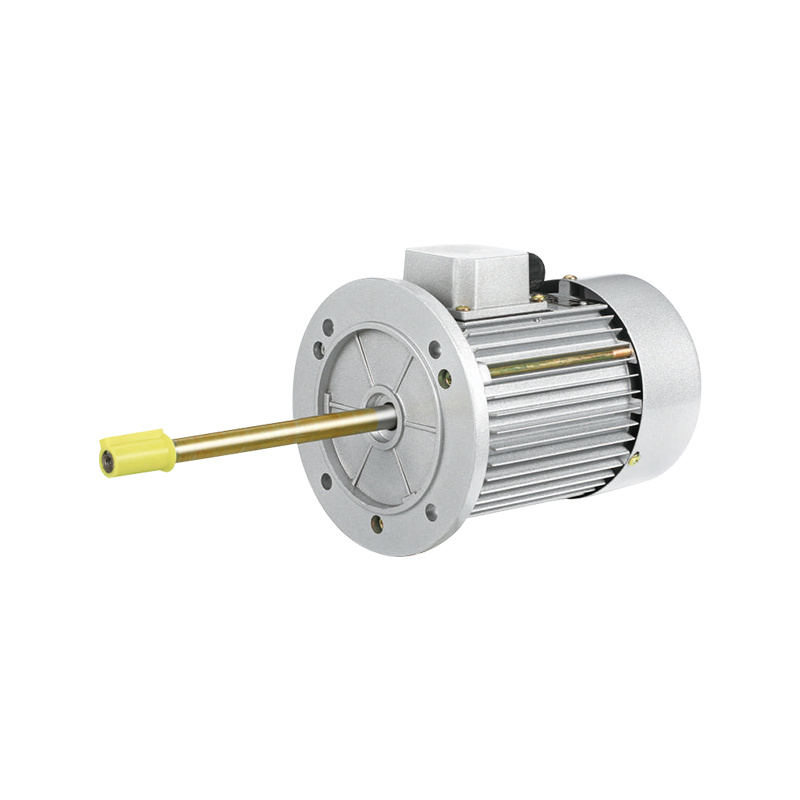
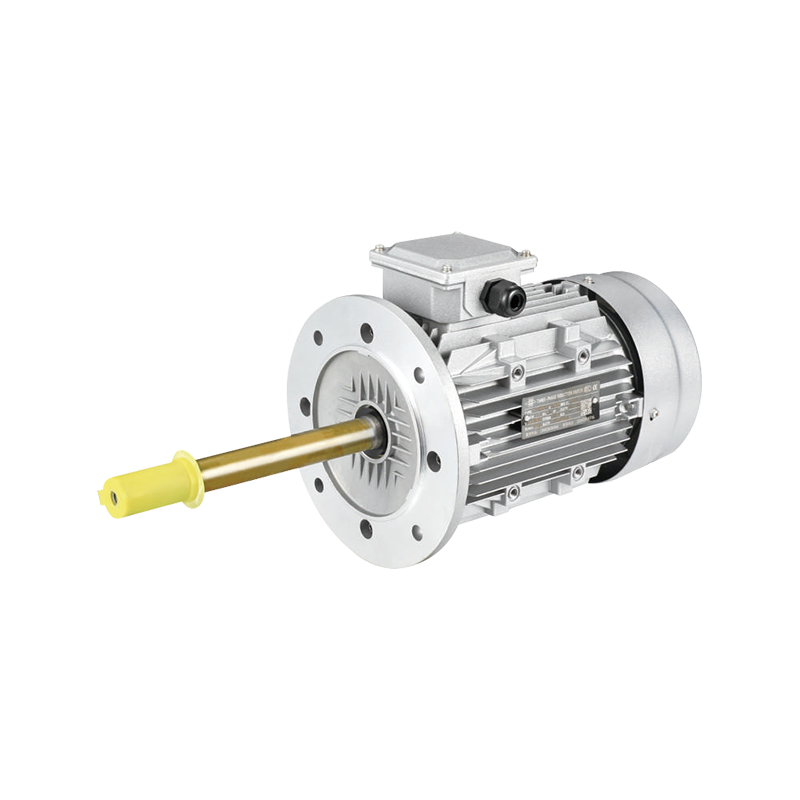
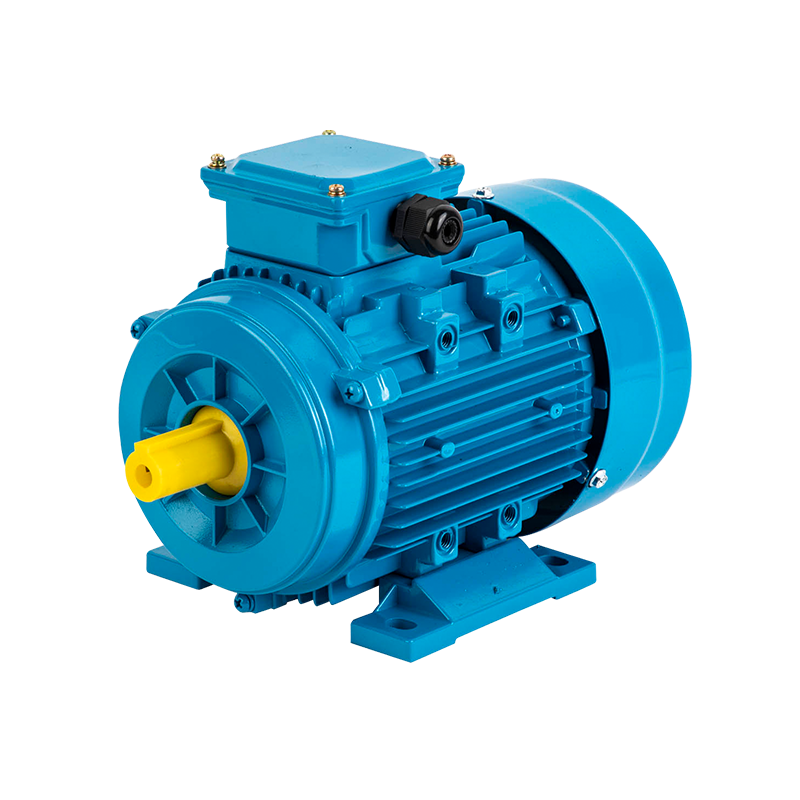
An Aluminum Housing Motor is often discussed in this context because the outer casing is not only a protective layer, it quietly participates in heat movement, vibration response, and environmental separation, all of which slowly shape how often maintenance becomes necessary in real industrial use.
How Aluminum Housing Motor Structure Supports Operational Stability
Inside an Aluminum Housing Motor, the outer shell surrounds the internal working parts in a way that keeps everything in a fixed relationship even when the operating load changes from moment to moment, and this steady positioning becomes important in environments where movement never fully stops.
Aluminum, as a housing material, reacts to internal temperature shifts in a relatively even manner, so instead of allowing uneven internal pressure points to build up in isolated areas, the structure tends to spread that change across the casing, which helps the internal layout stay more consistent during long operation cycles.
Over time, this kind of structural behavior becomes noticeable in how the motor keeps its rhythm during continuous load, especially when compared with housings that respond less evenly to thermal variation or mechanical stress.
The housing contribution can usually be seen in a few quiet but important ways:
- internal parts remain in stable alignment during long running periods
- temperature movement spreads more evenly across the outer shell
- vibration does not concentrate heavily in a single structural point
- overall body response stays closer to steady motion behavior
What Material Characteristics Make Aluminum Housing Motor Suitable For Industrial Use
Aluminum used in motor housing brings a kind of balanced response that becomes more noticeable during long use rather than at the beginning, since industrial environments rarely stay constant and conditions tend to shift slowly through airflow changes, temperature variation, and continuous mechanical load.
Instead of holding thermal energy in a limited area for extended time, the housing tends to distribute it across the structure in a more uniform way, and that distribution reduces the chance of localized stress forming inside the motor body, which often plays a quiet role in long-term maintenance demand.
The surface of the housing also interacts continuously with surrounding environment, acting as the contact layer between internal components and external conditions, so when that surface response remains steady, internal parts experience fewer sudden variations in operating state.
| Housing Response Pattern | Internal Condition Effect | Long Term Maintenance Behavior |
|---|---|---|
| Even thermal distribution | Stable internal expansion | Less frequent intervention need |
| Concentrated heat zones | Uneven internal stress | Higher inspection demand over time |
| Stable surface interaction | Reduced environmental impact | Longer stable operation cycles |
| Irregular response behavior | Variable internal condition | More repeated adjustment cycles |
How Heat Management Inside Aluminum Housing Motor Reduces Maintenance Needs
Heat inside a running motor does not stay still, it moves, shifts, and responds to changes in load and time, and in that movement the housing becomes part of the path that heat follows, especially when aluminum is used as the outer structure.
Rather than allowing heat to remain trapped in one section of the motor, the housing spreads it outward in a way that reduces sudden concentration, which in turn lowers uneven stress inside the internal parts that are constantly adjusting during operation.
In industrial use where working cycles continue for long periods, this slow balancing of heat movement helps reduce the formation of internal stress points that would otherwise require more frequent attention or correction during maintenance checks.
Over extended operation, the heat behavior often appears as:
- gradual movement of temperature across housing surface
- reduced internal hot concentration points during load changes
- more balanced response when operation shifts between conditions
- slower development of internal thermal stress zones
Why Vibration Control Matters Inside Aluminum Housing Motor Systems
Vibration is always present when a motor is running, yet what matters in long-term operation is not the existence of vibration itself, but how that movement spreads through the structure and whether it stays concentrated or becomes distributed across the body of the motor.
With aluminum housing, vibration energy tends to travel through the casing rather than remaining confined to one internal area, and this spreading effect reduces the intensity of repeated stress on specific internal components, which can otherwise accumulate over time.
As industrial operation continues, small differences in vibration handling can gradually influence how often parts require inspection, especially in systems where load variation happens frequently during daily cycles.
Observed vibration behavior patterns often include:
- spreading of mechanical movement across housing surface
- reduced concentration of repeated stress inside core components
- smoother response during sudden load change
- more controlled structural movement under continuous operation
How Electric Motor Factory Processes Influence Housing Behavior
Inside an Electric Motor Factory environment, the way aluminum housing is formed and assembled plays a quiet but long-lasting role in how the motor behaves once it enters industrial use, since structural consistency during production often carries forward into operational stability.
When shaping and forming processes maintain even structure, the housing tends to support internal alignment more consistently, and this alignment affects how smoothly the motor handles repeated load cycles over time.
Assembly conditions also influence how internal parts sit within the casing, and when that positioning remains steady, the motor often shows more predictable behavior during long running periods, which indirectly reduces maintenance frequency.
Key production-related influences include:
- consistency in housing formation during shaping process
- stable alignment of internal components during assembly
- even surface condition after finishing stages
- balanced structural fit between internal and external parts
How Environmental Exposure Gradually Shapes Motor Maintenance Demand
In real industrial surroundings, an Aluminum Housing Motor rarely operates in a controlled vacuum, instead it sits within an environment where airflow shifts, dust moves in different directions, and temperature around the equipment slowly changes depending on surrounding machines and working intensity, so the housing becomes the part that constantly mediates between internal components and those external conditions.
Aluminum housing tends to form a stable barrier that does not completely block environmental influence, yet reduces the direct impact on internal parts by keeping external changes more gradual as they pass through the outer shell, which means internal components experience less abrupt variation during long operation cycles.
Over time, this buffering effect becomes important because maintenance needs often grow when internal systems face repeated sudden changes rather than slow adjustments, and in that sense the housing acts more like a stabilizing layer than a simple cover.
Environmental influence often appears in ways such as:
- slow change in surface temperature during continuous operation
- gradual accumulation of external particles on outer casing
- shifting airflow patterns around installed motor systems
- uneven external conditions across different operating zones
How Internal Component Protection Reduces Maintenance Frequency
Inside the Aluminum Housing Motor, internal components are positioned in a way that depends heavily on the stability of the outer casing, since the housing not only holds them in place but also reduces the amount of direct exposure to external stress factors that would otherwise reach the internal structure more directly.
When the housing maintains consistent form during operation, internal parts experience fewer sudden shifts in position, and this stability reduces the likelihood of uneven wear developing in localized areas, which is often one of the reasons maintenance becomes more frequent in industrial environments.
Instead of reacting to external changes immediately, the internal system responds through the housing layer, and that delayed interaction gives the motor a more controlled operating rhythm, especially during long continuous cycles where stability matters more than short-term variation.
Internal protection influence can usually be seen as:
- reduced direct exposure of internal components to external variation
- more stable positioning of mechanical and electrical parts
- lower concentration of wear in specific internal zones
- smoother internal response during load changes
Why Weight Characteristics Of Aluminum Housing Motor Matter In Operation
Weight behavior in industrial motor systems is often discussed in relation to installation and long-term stability, and aluminum housing brings a specific balance where structural strength is maintained without adding unnecessary load, which affects how the entire system behaves once it is mounted into a working line.
A lighter housing structure can reduce strain on supporting frames and mounting points, and when those points remain under more stable load conditions, vibration patterns across the system tend to stay more controlled during continuous operation.
In addition, weight distribution across the motor body becomes easier to manage when the housing does not introduce excessive structural mass, which helps maintain smoother motion response during changes in operating load.
Typical weight-related effects include:
- reduced stress on mounting structures during long use
- more balanced vibration behavior across connected systems
- improved stability during installation alignment
- smoother response under load variation
How Installation Conditions Influence Long Term Maintenance Behavior
Even when motor structure and housing material remain consistent, installation conditions inside industrial systems can influence how the Motor behaves over time, since alignment during setup determines how vibration, heat, and load are distributed across connected components.
When installation positioning remains even, internal movement tends to stay within expected ranges, and that consistency reduces irregular stress points that might otherwise develop during repeated operation cycles.
In contrast, slight misalignment during installation may not show immediate effects, yet over time it can influence how force travels through the housing and connected structures, which gradually affects maintenance frequency.
Installation-related influences often include:
- alignment accuracy during mounting process
- stability of connection between motor and surrounding system
- distribution of load across support points
- consistency of vibration transfer paths
What Challenges Still Exist In Aluminum Housing Motor Applications
Even with stable structural behavior, industrial conditions remain varied, and an Motor still operates under changing load patterns, environmental differences, and continuous mechanical stress, which means certain challenges can appear depending on how the system is used over time.
One common situation comes from uneven operating cycles, where motors experience alternating periods of high load and lighter operation, and this variation can slowly influence how internal parts respond even when the housing remains stable.
Another factor involves long-term exposure to industrial surroundings where dust, airflow changes, and temperature variation continue to interact with the outer surface, gradually shaping how the housing performs its protective role.
Observed challenges include:
- variation in load behavior across different operation periods
- gradual influence of external environment on surface condition
- slow change in vibration response under long-term use
- sensitivity to installation and alignment differences
How Future Design Direction May Improve Maintenance Reduction Behavior
As industrial systems continue to evolve, design direction for Aluminum Housing Motor structures tends to focus on deeper coordination between housing behavior, internal component stability, and system integration, where maintenance reduction becomes a result of overall balance rather than a single improvement area.
Future structural approaches may continue to refine how heat, vibration, and load distribution interact inside the housing, aiming for more even response during changing conditions, which can help reduce irregular stress development across long operation cycles.
Integration between manufacturing processes in an Electric Motor Factory environment and final motor behavior may also become more consistent, allowing structural stability achieved during production to remain more stable during real industrial use.
General direction trends include:
- more balanced interaction between housing and internal components
- smoother distribution of heat and vibration across structure
- improved consistency from production to operational stage
- reduced sensitivity to environmental variation during use


