 English
 Español



Building 1, Block 4, Wufeng Industrial Park, Daxi Town, Taizhou City, Zhejiang Province, China
How Is Custom Electric Motor Design Shaped by Industrial Demands?
In many industrial settings, machines do not follow a single pattern of work. Some run for long stretches with very little change in load. Others keep stopping and restarting through the day. Because of that, a fixed motor design often feels too narrow for real use.
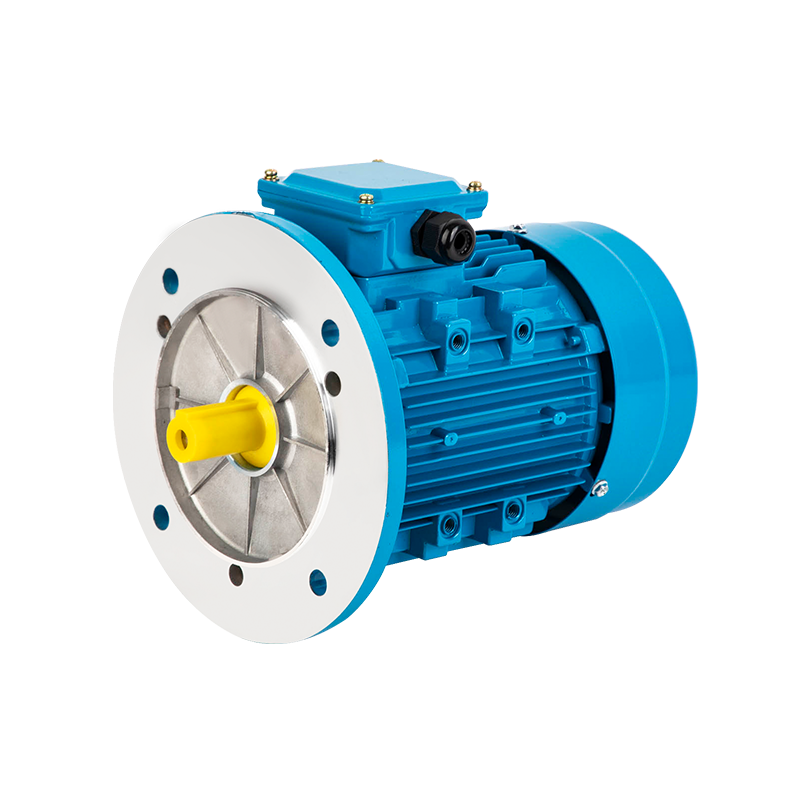
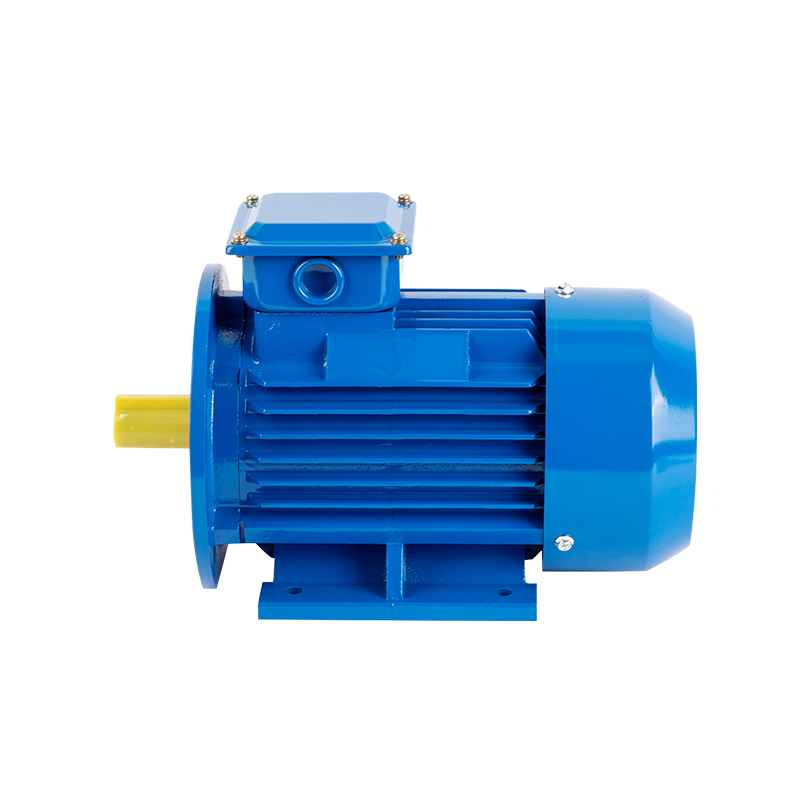
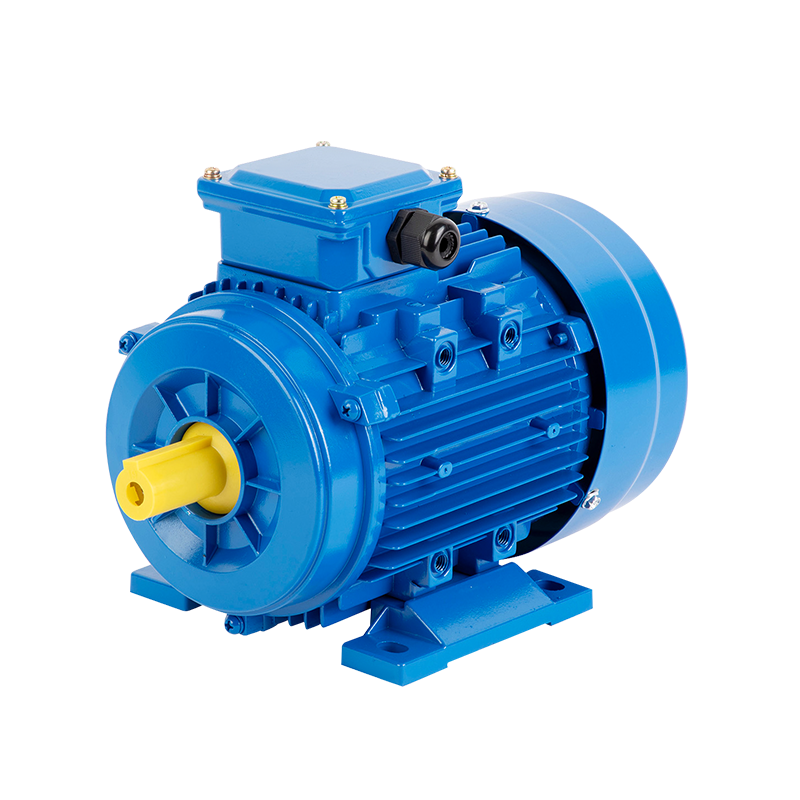
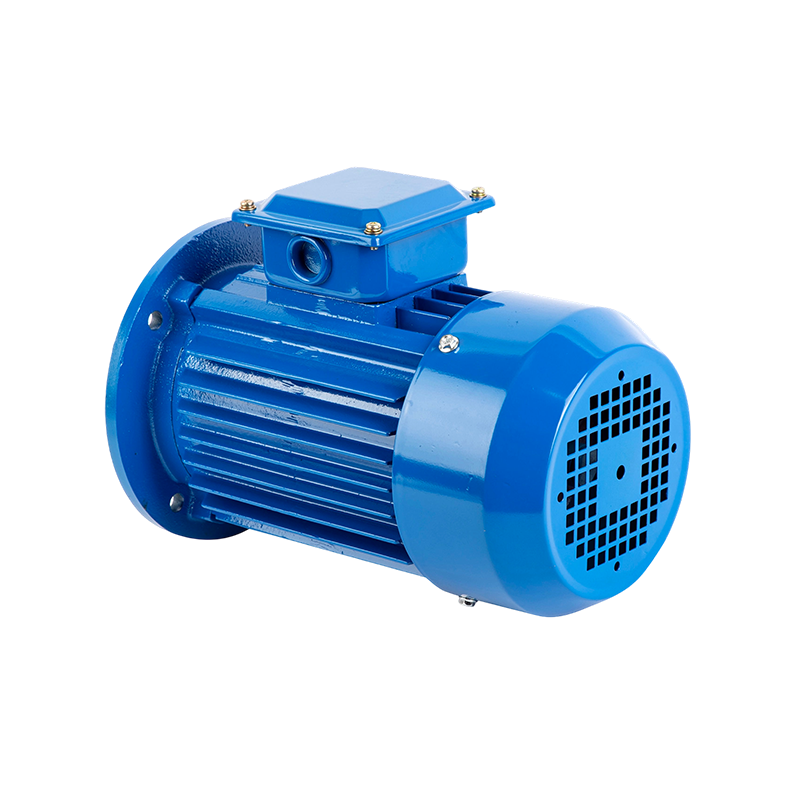
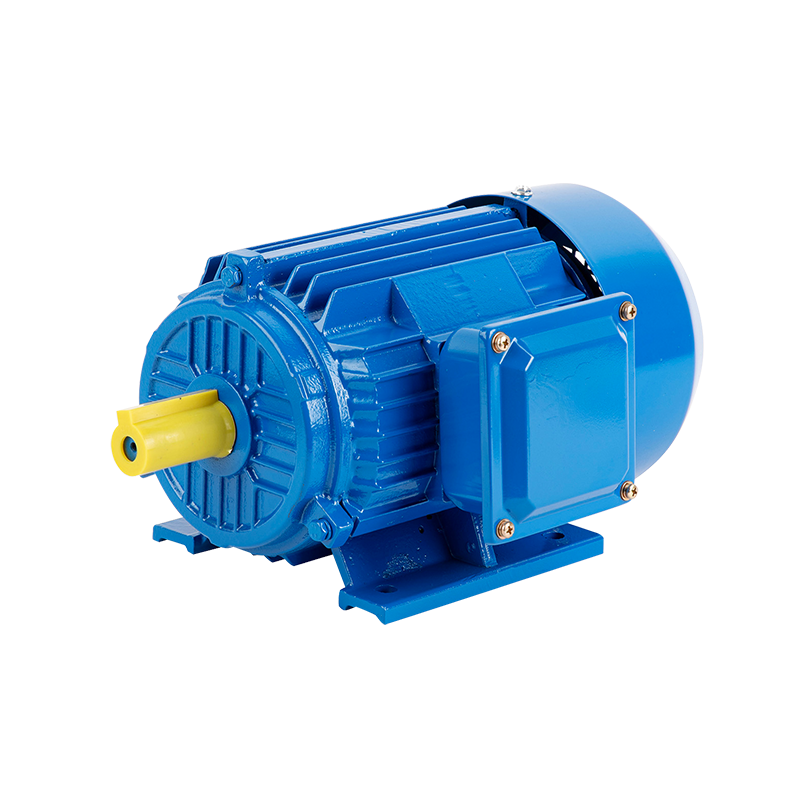
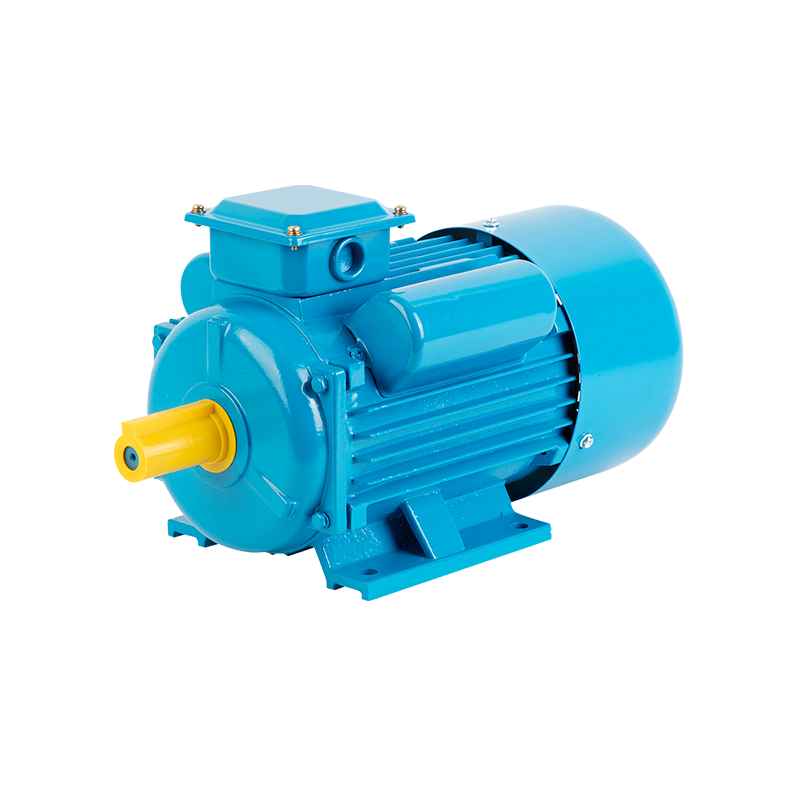
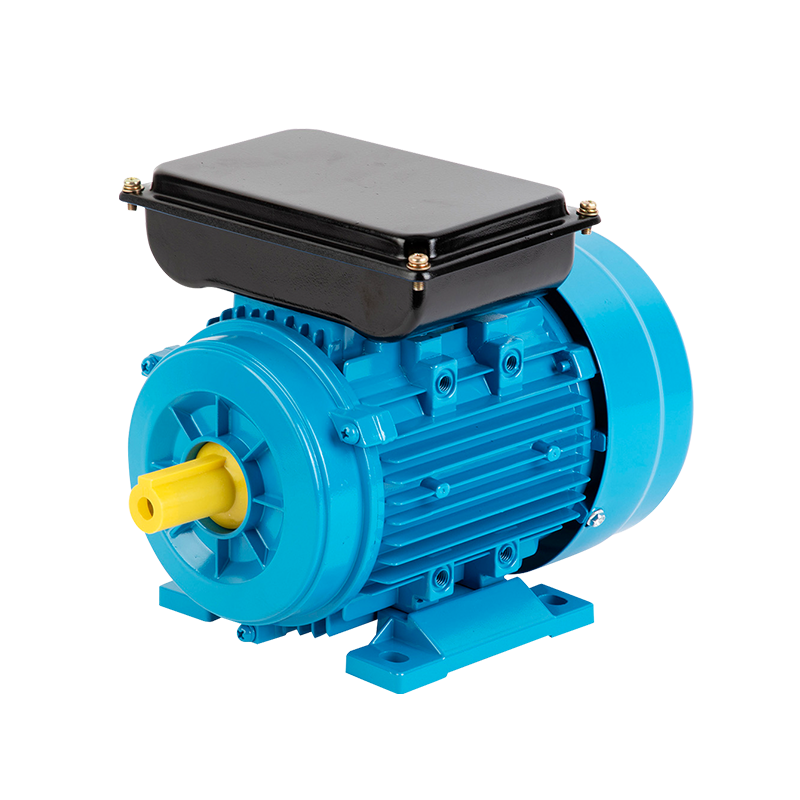
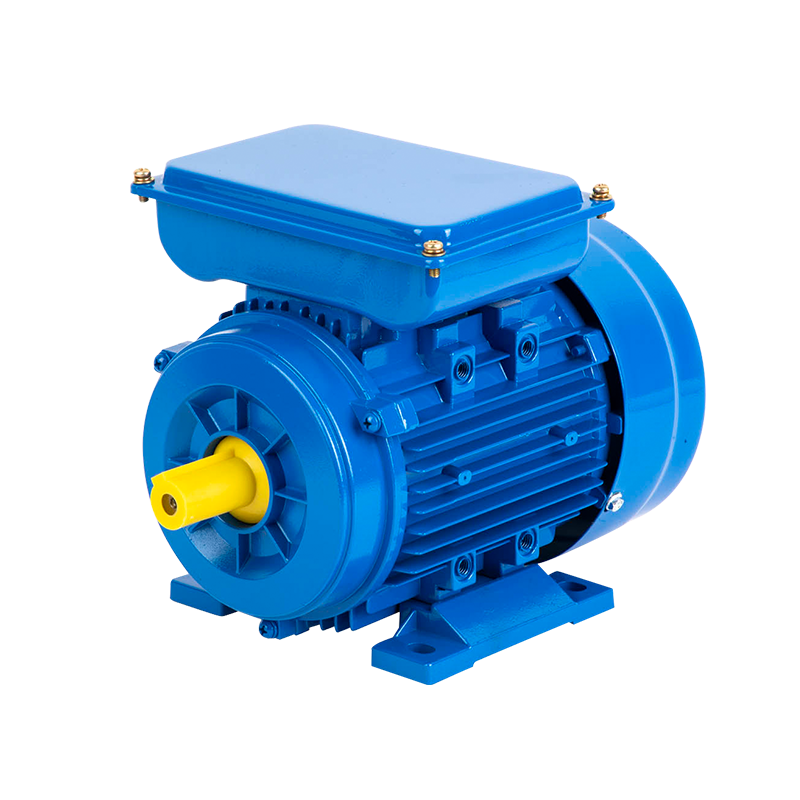
A Custom Electric Motor is usually shaped around what the machine actually does on site. Not on paper, not in theory, more on how it behaves during daily operation. In an Electric Motor Factory, the starting point is often the working habit of the equipment, not a preset structure.
A conveyor line, for example, keeps moving at a steady pace. A lifting system may hold weight, release it, then repeat the cycle many times. These two cases place very different pressure on the motor. One values steady motion, the other needs quick response without delay in recovery.
Surrounding conditions also matter. Heat from nearby machines, dust in the air, or constant vibration from connected equipment slowly changes how a motor performs over time. These details are often noticed only after long use, which is why they are now considered much earlier in design planning.
What Factors Define Performance Requirements in Different Applications?
Motor performance is rarely judged by a single point. In real use, it is a mix of load behavior, timing, and environment working together.
Some machines keep a stable load almost all the time. Others shift between light and heavy load without warning. That difference alone can change how internal parts are arranged.
Common factors that shape design decisions include:
- Load changing during operation
- Frequent start and stop movement
- Continuous running over long hours
- Exposure to heat or moisture in the workspace
- Level of vibration coming from nearby equipment
A motor used in stable flow systems behaves differently from one used in irregular cycles. Even when size looks similar, internal response can feel completely different once installed.
In many real cases, performance is not tested only in isolation. It is judged inside the full system, where other machines also affect movement and resistance.
How Does Structural Design Influence Motor Behavior?
Inside a Custom Electric Motor, structure decides how motion is formed and controlled. Small shifts in alignment can change how smooth the rotation feels during operation.
The rotor and stator need to stay in consistent spacing. When that balance holds, movement feels steady. When it drifts slightly, vibration becomes easier to notice, especially under load changes.
The outer housing also plays a quiet role. It does more than protect internal parts. It helps manage heat and keeps the structure from bending under long use. Without that support, internal alignment can slowly shift over time.
In compact machines, space becomes a constraint. Parts are arranged closer together, yet airflow and heat balance still need space to work. That balance is not always visible from the outside, but it strongly affects how stable the motor feels during long operation.
| Structural Part | What It Does in Practice | What It Changes in Use |
|---|---|---|
| Rotor section | Drives rotation movement | Affects smoothness of motion |
| Stator layout | Guides internal flow | Controls torque consistency |
| Outer casing | Holds overall shape | Helps stability under heat |
| Internal support | Keeps parts fixed | Reduces internal shifting |
Why Is Material Selection Important in Custom Motor Development?
Material choice inside a motor is not only about strength. It directly affects how energy moves, how heat builds up, and how long the structure can stay stable under repeated use.
Conductive materials carry current through the system. Their quality influences how smoothly energy passes through internal windings. Around them, insulation keeps everything separated so flow stays controlled.
Metal parts in the frame need to handle both heat and pressure. Over time, motors warm up during operation. If material response is weak, small shape changes may appear, which slowly affect alignment.
In many Custom Electric Motor designs, weight is also considered. Heavier structures may hold strong, yet lighter builds often respond more smoothly during quick changes in load.
Material behavior can be viewed in a practical way:
- Conductors support steady energy movement
- Insulation keeps internal balance stable
- Heat-resistant parts reduce shape change under load
- Lighter materials support quicker response
Choice of material often depends on how the machine is used day by day rather than only how it performs in short testing cycles.
How Does an Electric Motor Factory Adapt Production for Custom Needs?
In an Electric Motor Factory, production is not always a repeating process. When motors are designed for different applications, assembly has to shift according to each requirement.
Instead of a fixed line, parts are often arranged in a flexible way. One motor may need a different winding pattern, while another requires changes in internal spacing or housing size. The same base system supports different builds through adjustment.
Testing also follows real working behavior. Motors are not only checked for rotation, but also for how they handle load changes, heat buildup, and continuous running patterns.
Typical adaptation steps include:
- Changing internal assembly based on application design
- Adjusting component size for load and space conditions
- Running tests under changing pressure situations
- Matching output behavior with real machine needs
This approach keeps design closer to real use, where conditions rarely stay constant and machines often work under mixed pressure throughout their cycle.
How Is Energy Efficiency Managed in Custom Electric Motor Systems?
Energy use in industrial equipment rarely stays flat. A machine may run light for a while, then face a sudden rise in load without warning. A Custom Electric Motor is usually shaped to handle that kind of rhythm without drawing unnecessary power during easier moments.
Inside the structure, efficiency often comes from balance rather than pushing output higher. When internal parts sit in better alignment, movement meets less resistance. That simple change affects how energy travels through the system during long operation.
In real use, stability often matters more than short bursts of performance. A motor that keeps steady behavior avoids constant adjustment in power delivery. That reduces small energy losses that build up quietly over time.
Energy behavior in daily operation often appears like this:
- steady load response without repeated spikes
- smooth rotation with reduced internal friction
- fewer corrections during load change
- consistent output across long working cycles
Over long periods, these small differences shape how stable a system feels in real production work.
What Role Does Cooling and Heat Control Play in Motor Design?
Heat is always present when a motor runs. It does not appear suddenly, it builds slowly during operation. In a Custom Electric Motor, handling that heat becomes part of structural design rather than an external addition.
Air movement inside the housing is arranged so heat does not stay trapped in one area. Instead, it moves outward in a controlled way. When airflow is poorly guided, temperature tends to gather around key components, which can slowly affect alignment.
Material response is also part of the same issue. Some parts expand slightly when heated. If that movement is uneven, internal spacing can shift over time, affecting smooth rotation.
Cooling design usually focuses on simple working ideas:
- guiding airflow through open internal paths
- using materials that handle temperature changes calmly
- keeping distance between heat-sensitive components
- maintaining stable structure during long operation
The goal is not to eliminate heat completely, which is not realistic in continuous work, but to keep it steady and predictable.
How Do Different Industries Influence Motor Configuration?
Different industries place very different demands on motors, even when the machines look similar from the outside. A system used for constant movement behaves differently from one that works in short cycles.
In production lines, motors often run for long stretches without pause. In lifting or switching systems, movement is more irregular, with frequent starts and stops. Each pattern changes how internal structure is arranged.
Common usage patterns include:
- continuous systems needing stable rotation
- intermittent systems with repeated start cycles
- load-shifting equipment with changing resistance
- precision systems requiring controlled motion
Because of these differences, a Custom Electric Motor is rarely built in a single fixed way. Internal layout adjusts depending on how the machine behaves in its real working space.
Even small changes in use pattern can shift design choices, especially around torque response and internal balance.
How Is Durability Achieved in Custom Motor Applications?
Durability is not only a matter of strong materials. It also depends on how evenly a motor handles pressure over time. A Custom Electric Motor is usually designed so that stress is shared instead of concentrated in one area.
When load cycles repeat, certain zones inside the motor naturally experience more wear. Reinforcement in those areas helps slow down that process. At the same time, internal spacing is controlled so parts do not rub or shift too much during operation.
Protection from the outside environment also matters. Dust or moisture entering the system can change how components behave over time, so sealing becomes part of long-term stability.
Durability often comes from small design decisions such as:
- reinforcing high-pressure internal zones
- keeping movement paths smooth and aligned
- limiting friction through balanced spacing
- reducing exposure to external particles
Instead of relying on a single strong material, durability develops through overall structural calmness during repeated use.
What Direction Is Custom Electric Motor Development Moving Toward?
Motor design is gradually moving closer to real working conditions rather than fixed expectations. Industrial equipment rarely behaves in a single pattern, so flexibility in structure becomes more important.
More attention is given to modular construction, where internal parts can be adjusted depending on use. That allows one base design to serve different applications without complete rebuilding.
There is also a clear shift toward steady behavior under changing load. Machines are expected to run for longer periods, so smooth performance across time becomes more important than short peaks.
Current direction in development often follows a few practical ideas:
- adaptable internal structure for different machines
- steady operation under mixed load conditions
- flexible assembly for varied installation space
- longer stable working periods without interruption
A Custom Electric Motor is becoming less about fixed output and more about fitting into the natural rhythm of industrial work, where conditions shift quietly throughout the day.


