 English
 Español



Building 1, Block 4, Wufeng Industrial Park, Daxi Town, Taizhou City, Zhejiang Province, China
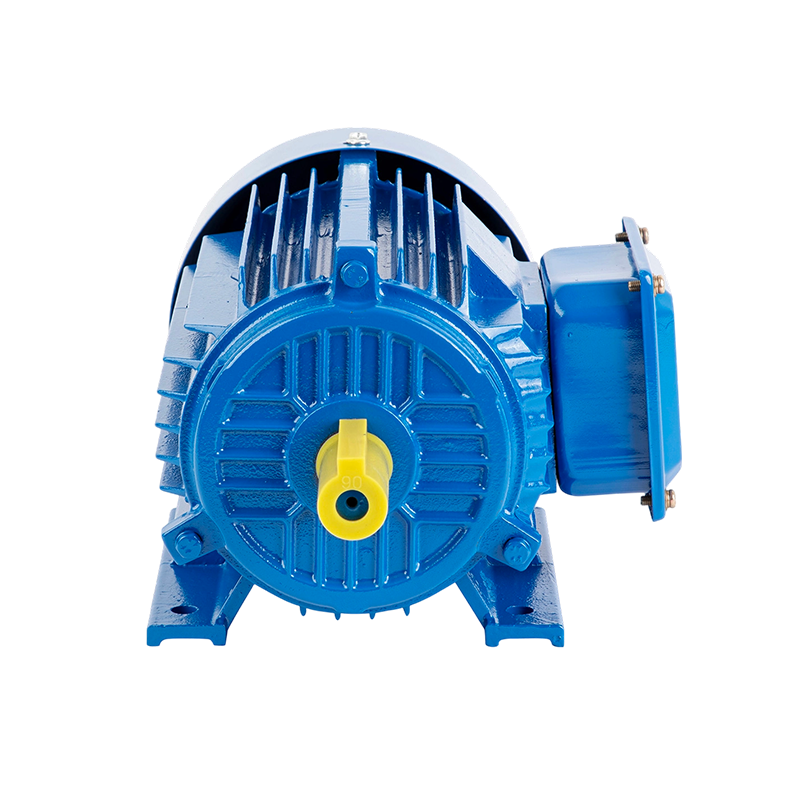
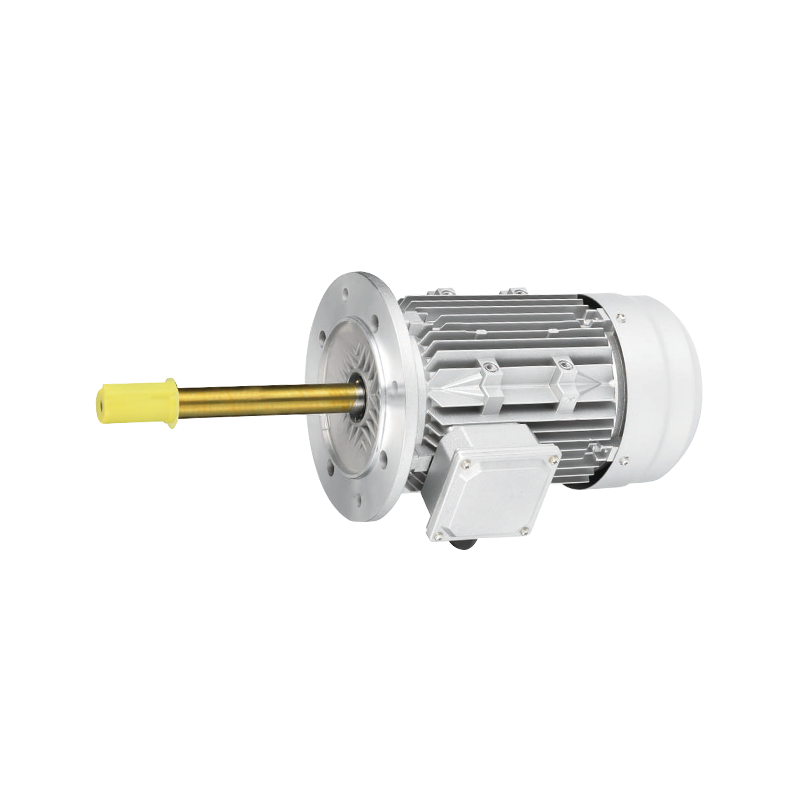
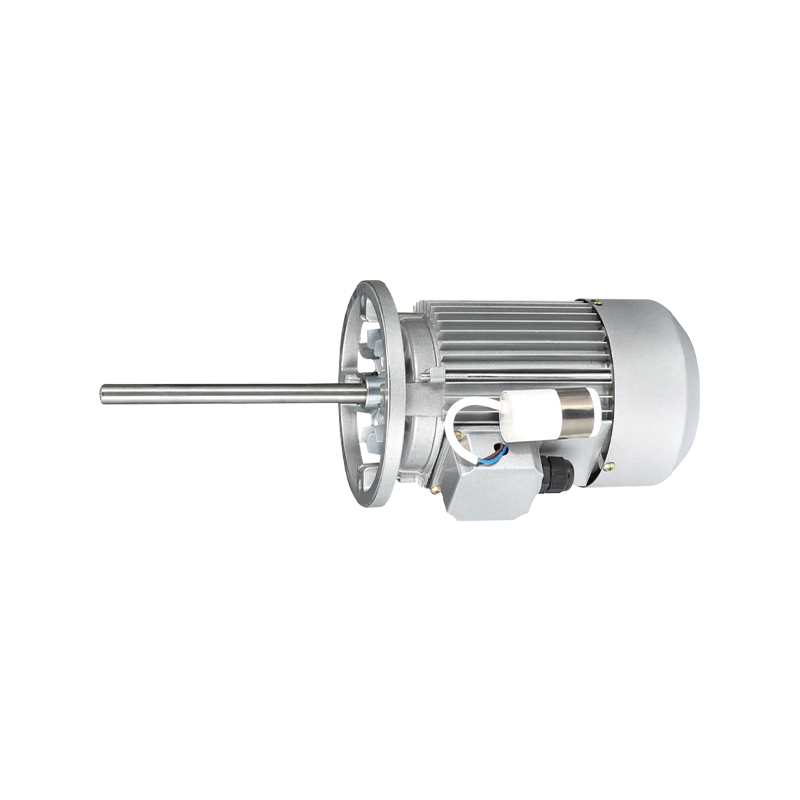
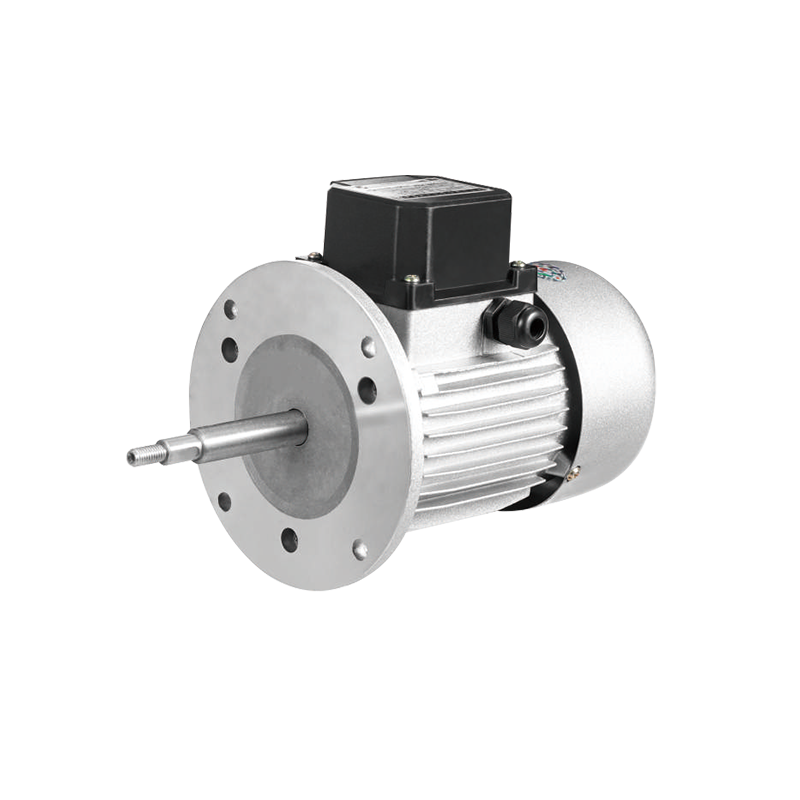
In both industrial and household settings, reliable and efficient motion is essential for equipment operation. An AC electric motor is a device that converts alternating current into mechanical energy, driving machines ranging from fans and pumps to conveyor belts and home appliances. Understanding how an AC electric motor works can help businesses and users select the right motor for their needs while appreciating its practical benefits.
Basic Operation of an AC Electric Motor
An AC electric motor operates on the principle of electromagnetic induction. When alternating current flows through the stator windings, it creates a rotating magnetic field. This field interacts with the rotor, producing torque and causing it to turn. The result is consistent rotational motion, which powers connected machinery.
This simple but effective mechanism makes AC electric motors suitable for continuous operation without frequent adjustments or complex control systems.
Types of AC Electric Motors
There are several types of AC electric motors, including synchronous and asynchronous (induction) motors. Synchronous motors rotate at a constant speed that matches the supply frequency, making them suitable for applications requiring precise timing. Induction motors, commonly used in industrial equipment, are known for their robustness and ability to operate under variable load conditions.
The choice of motor type depends on the intended application, desired speed control, and efficiency requirements.
Construction and Components
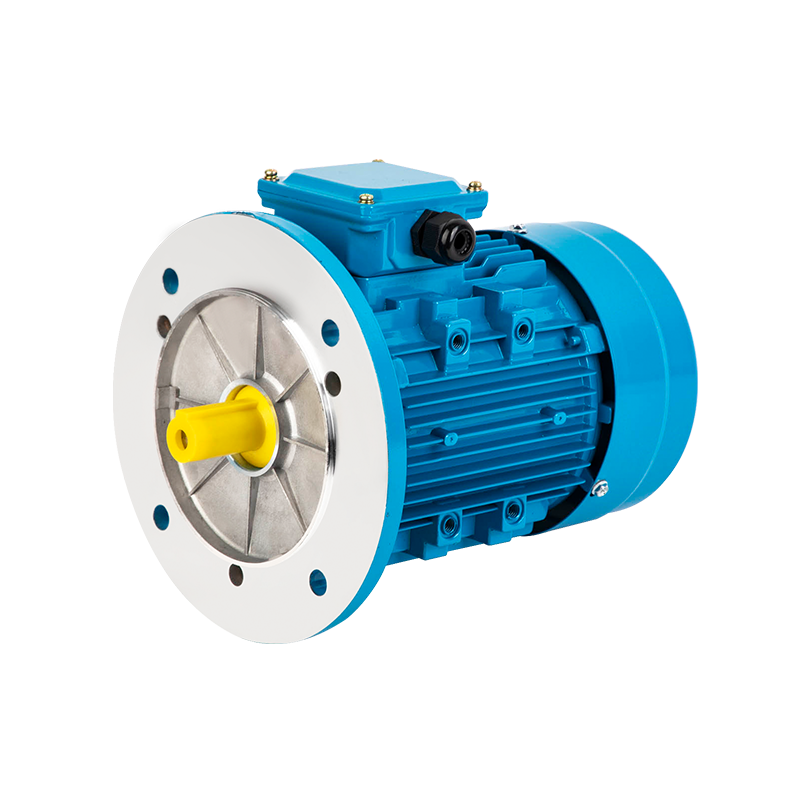
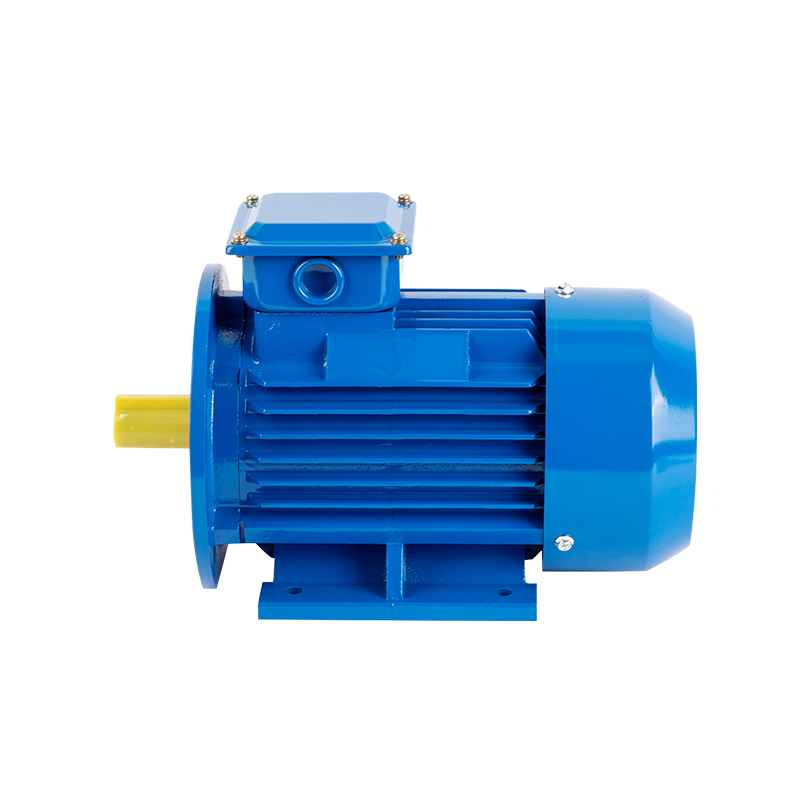
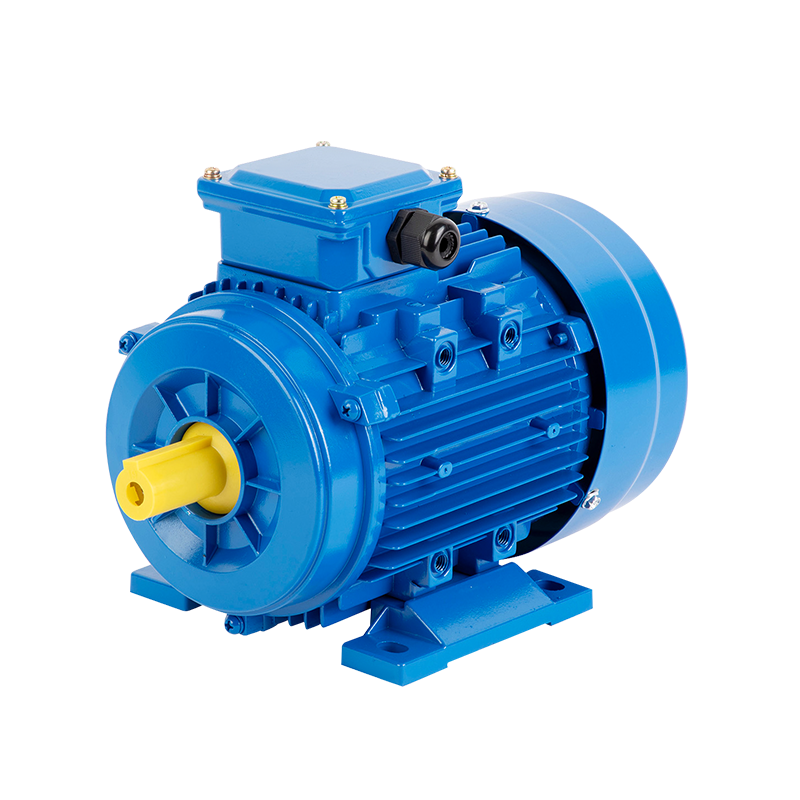
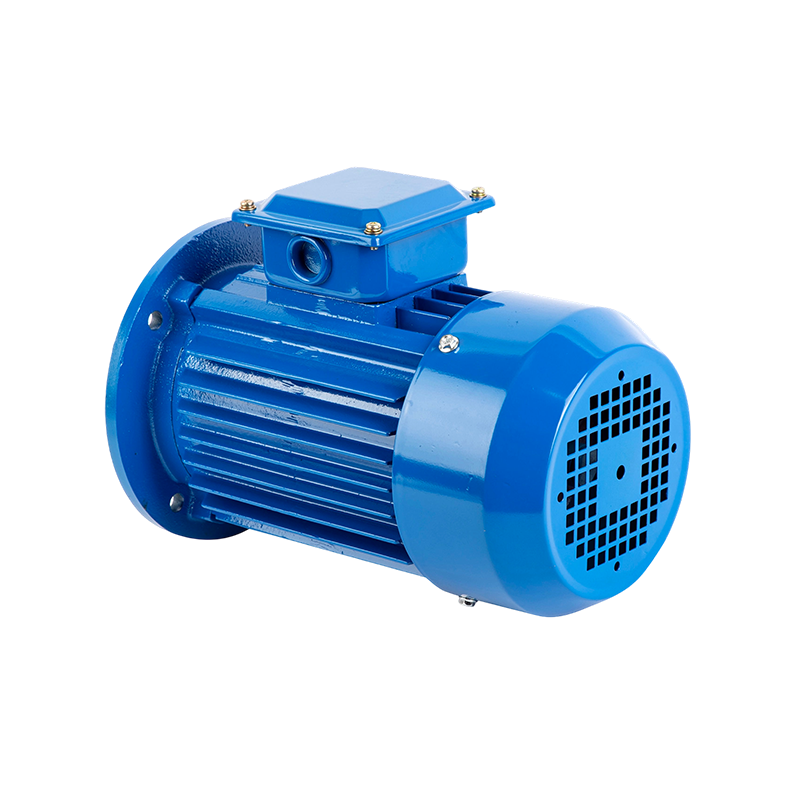
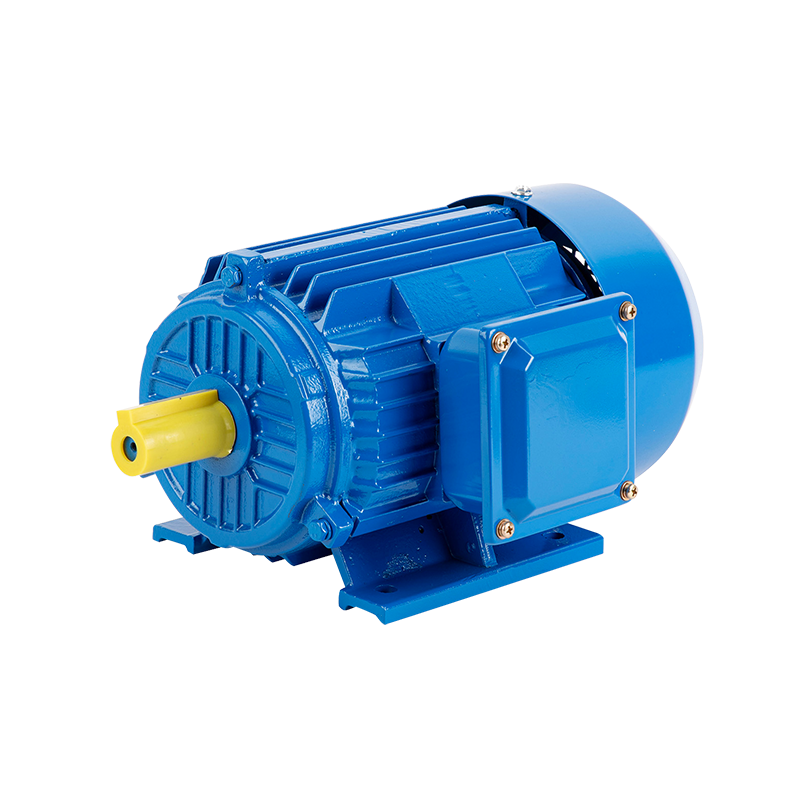
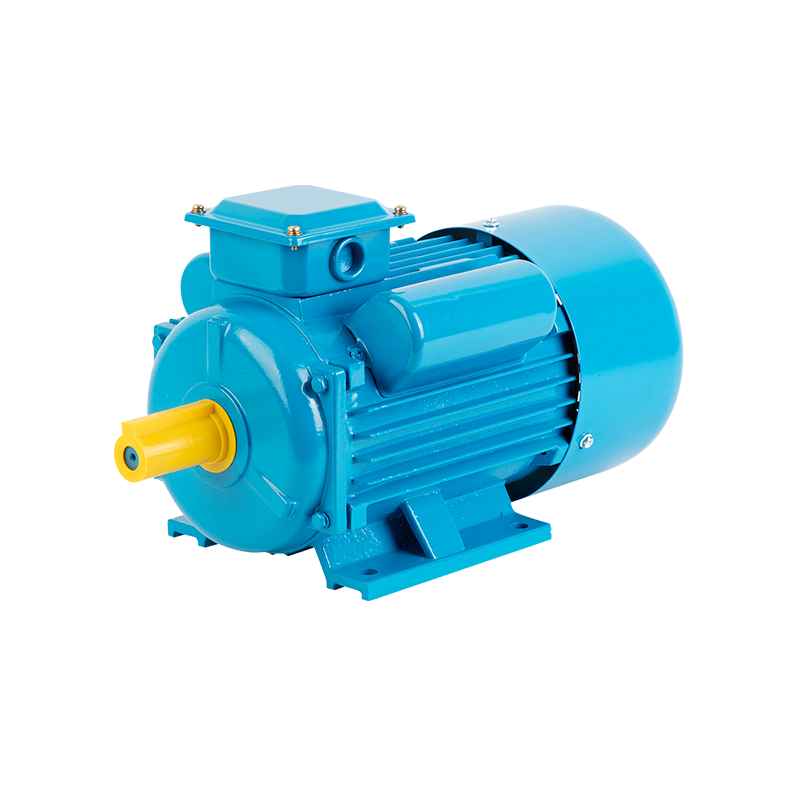
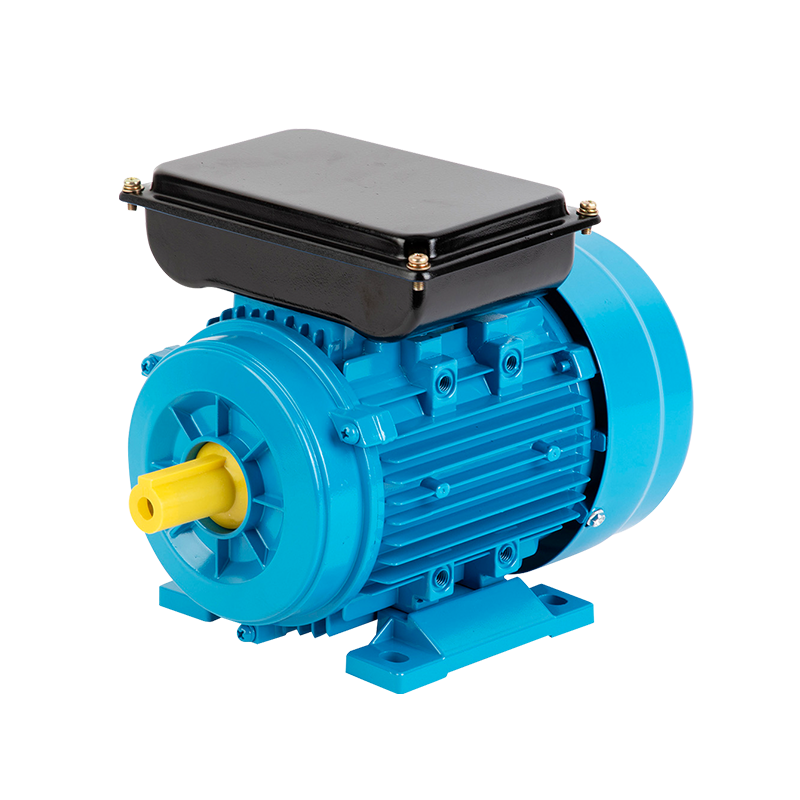
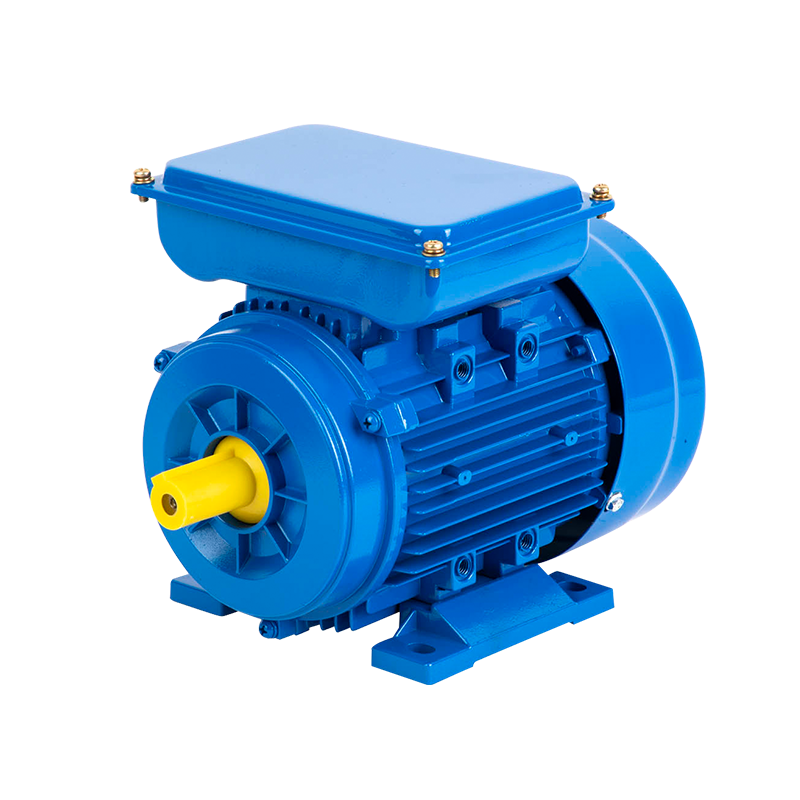
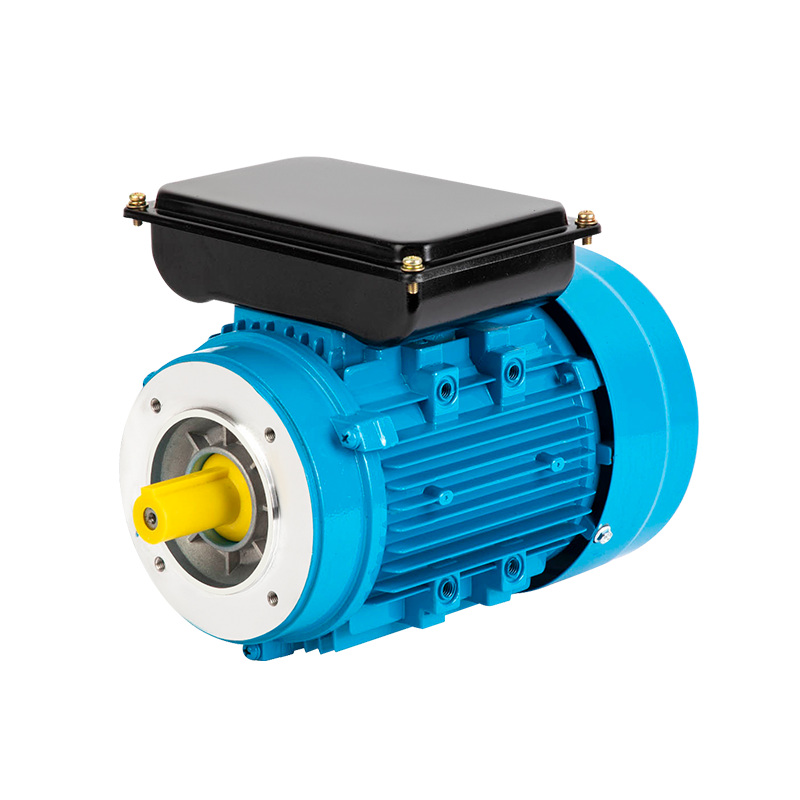
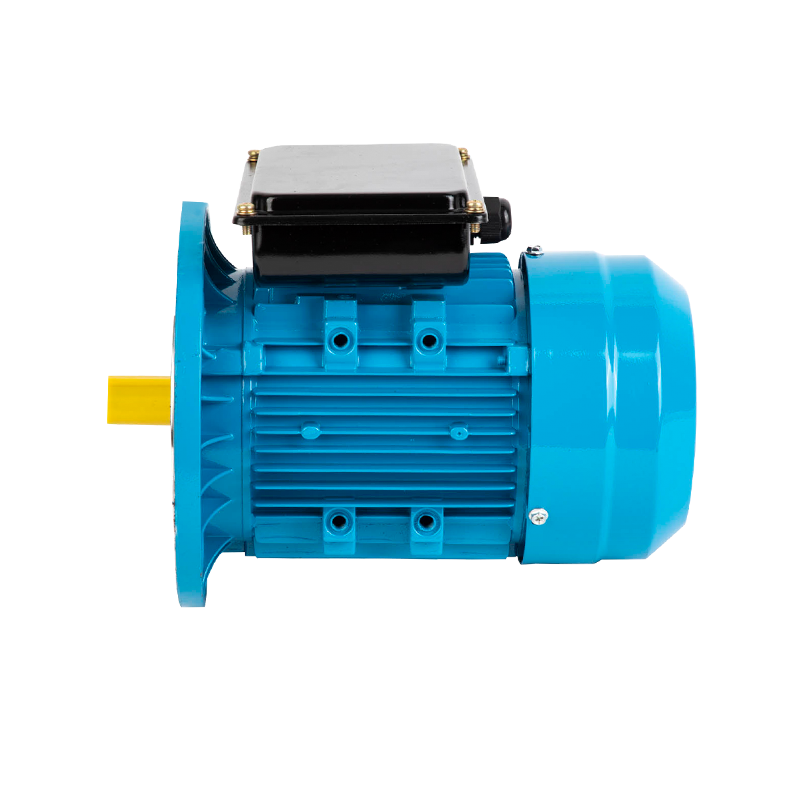
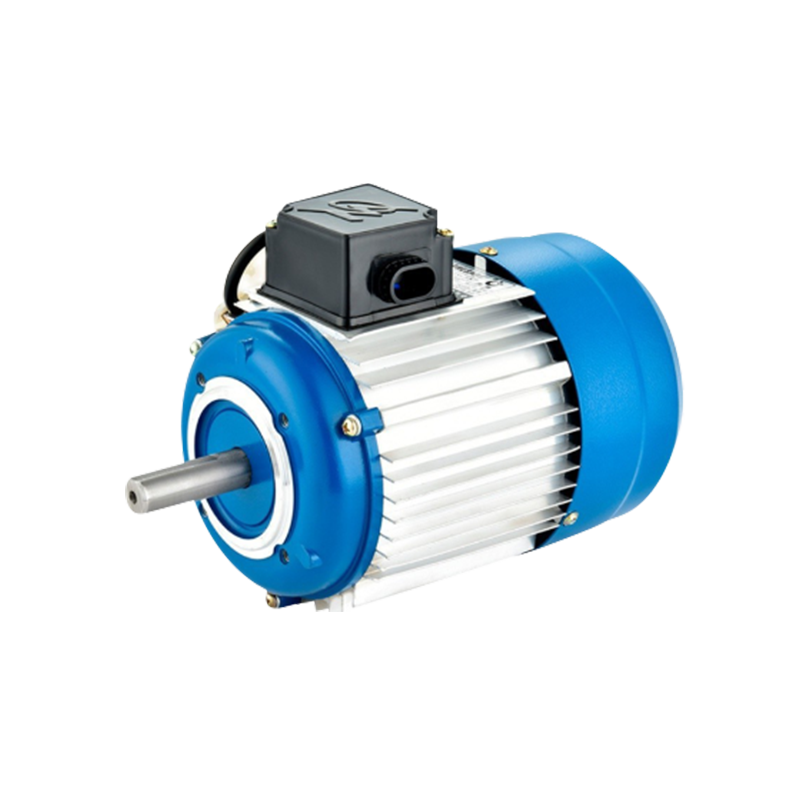
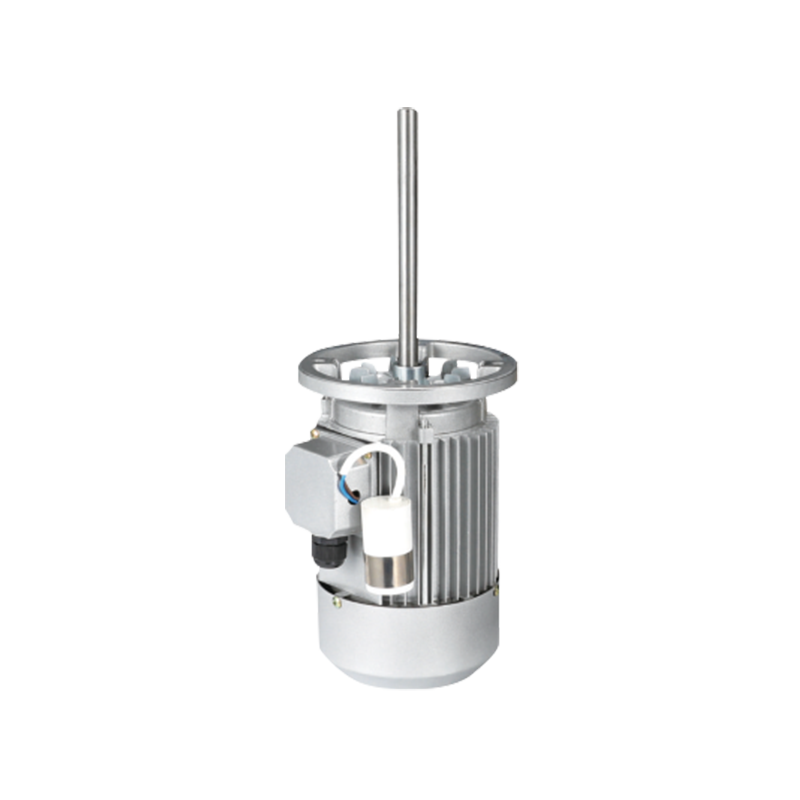
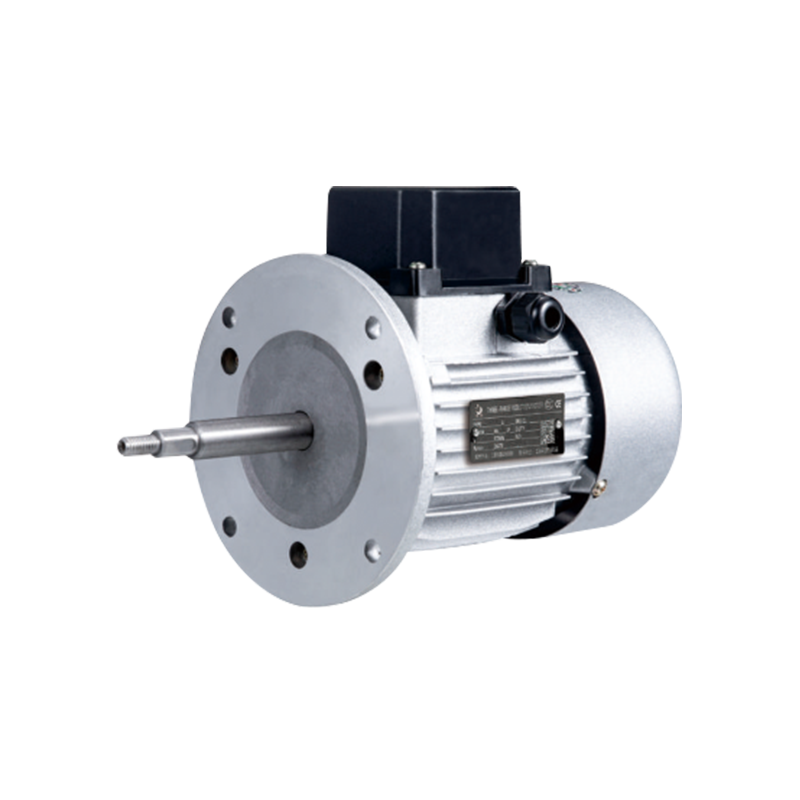
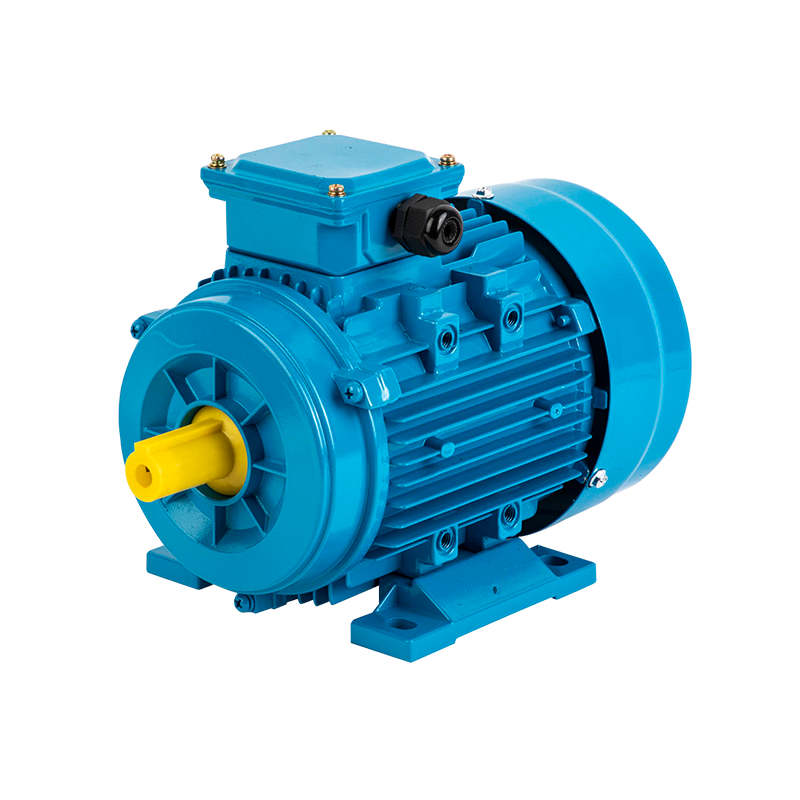
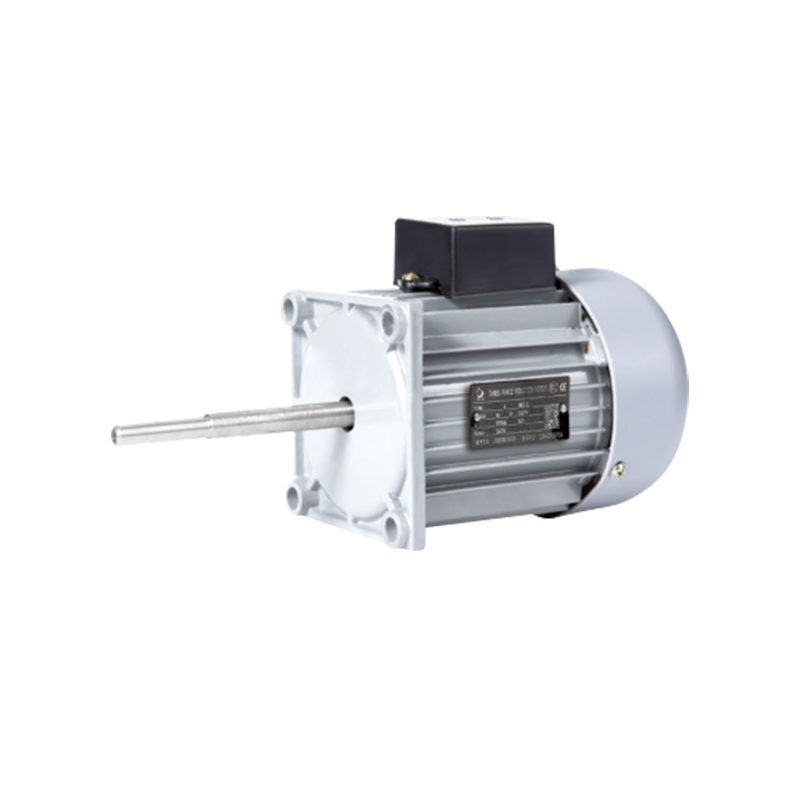
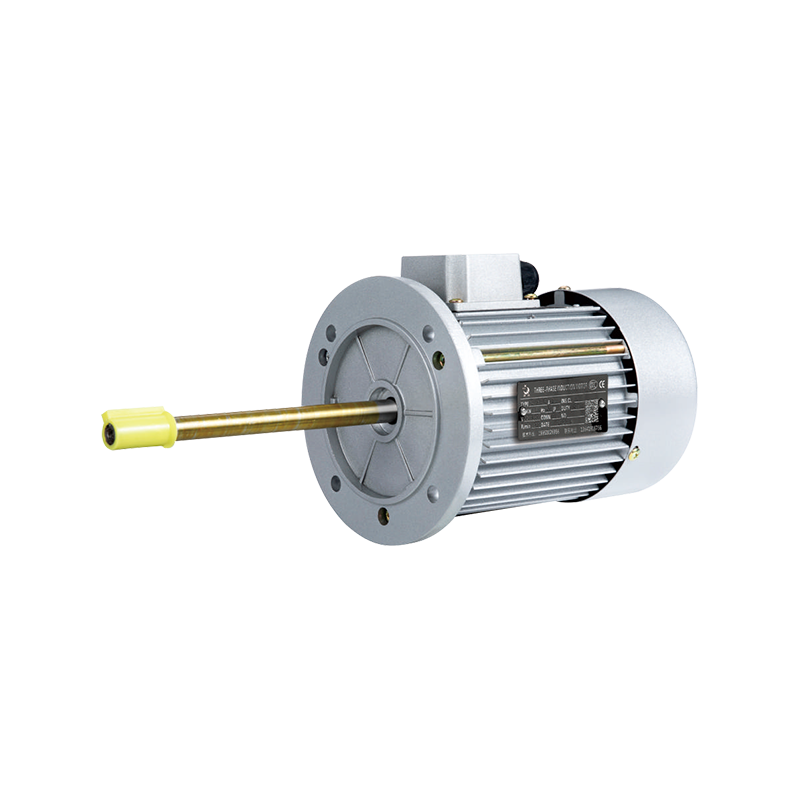
An AC electric motor typically consists of a stator, rotor, bearings, and housing. The stator contains the windings that generate the magnetic field, while the rotor responds to this field to create motion. Bearings support smooth rotation, and the housing protects internal components from dust, moisture, and mechanical damage.
Quality materials and precise assembly ensure the motor can handle long-term operation while maintaining consistent performance.
Applications Across Industries
The versatility of an AC electric motor allows it to be applied in many sectors:
- Industrial machinery: Pumps, compressors, fans, and conveyors rely on AC motors for continuous operation.
- Household appliances: Washing machines, refrigerators, and air conditioners often use small AC motors.
- Commercial systems: HVAC systems, elevators, and office equipment frequently employ AC motors.
- Agricultural equipment: Irrigation pumps, grain processing machines, and other farm devices benefit from AC motor reliability.
By adapting motor size, speed, and power rating, an AC electric motor can meet diverse operational demands.
Efficiency and Maintenance
An AC electric motor offers good energy efficiency for sustained operation. Induction motors, in particular, are known for handling load variations without significant efficiency loss. Proper installation, regular lubrication of bearings, and monitoring electrical connections help maintain performance and extend lifespan.
Avoiding overloading and ensuring correct voltage supply also prevent overheating and mechanical stress, ensuring reliable operation over time.
Practical Benefits
Using an AC electric motor brings practical advantages. It provides smooth and consistent motion, supports long operating hours, and can adapt to a variety of tasks. Its simple design reduces maintenance requirements, while its broad availability ensures compatibility withelectrical systems.
The ability to operate on standard AC power makes it convenient for homes, industries, and commercial establishments without additional electrical infrastructure.
An AC electric motor is a versatile, reliable, and practical solution for converting electrical energy into mechanical motion. From household appliances to industrial machinery, it provides consistent performance and supports various operational needs. Its straightforward design, energy efficiency, and adaptability make it a preferred choice for continuous and dependable mechanical operation across multiple settings.


