 English
 Español



Building 1, Block 4, Wufeng Industrial Park, Daxi Town, Taizhou City, Zhejiang Province, China
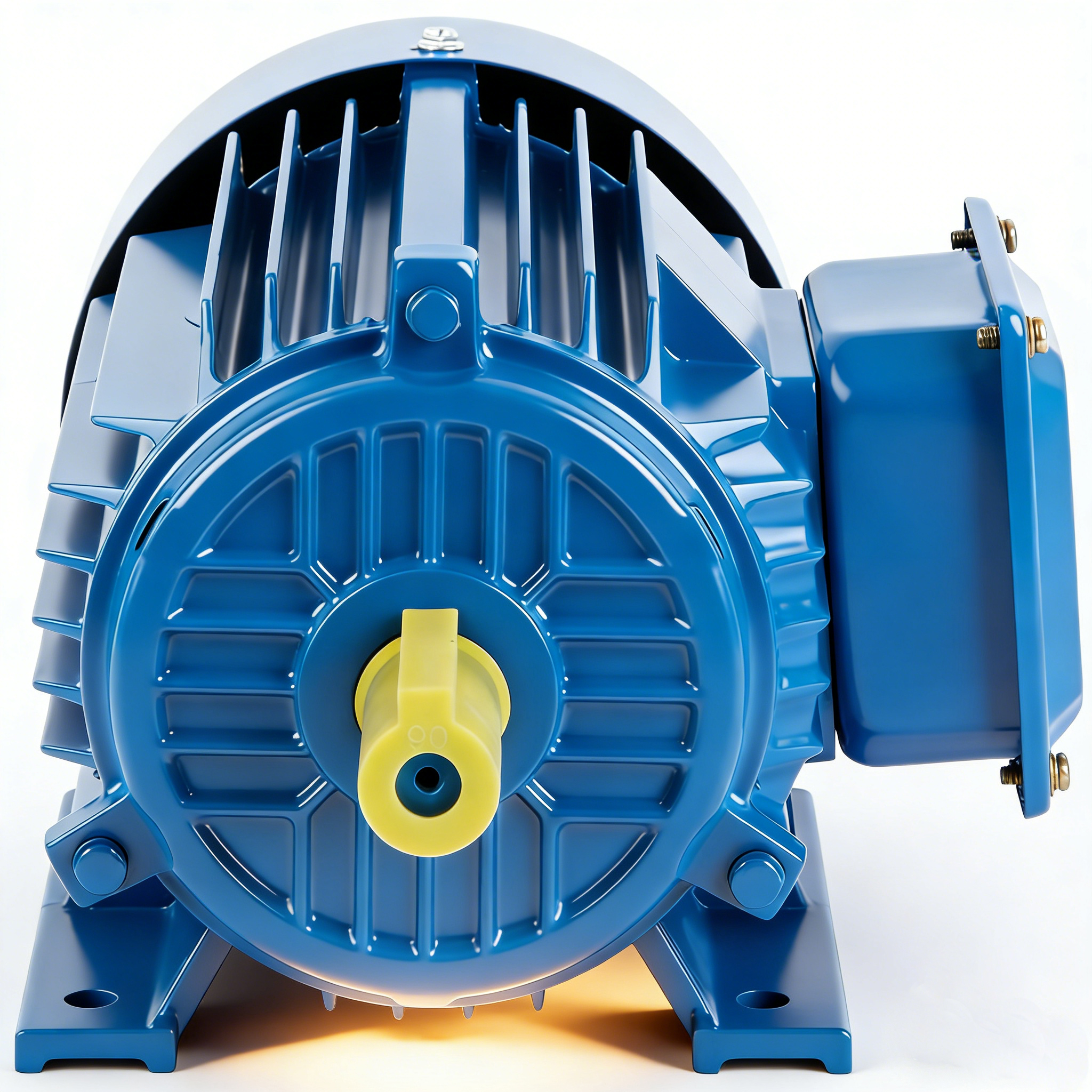
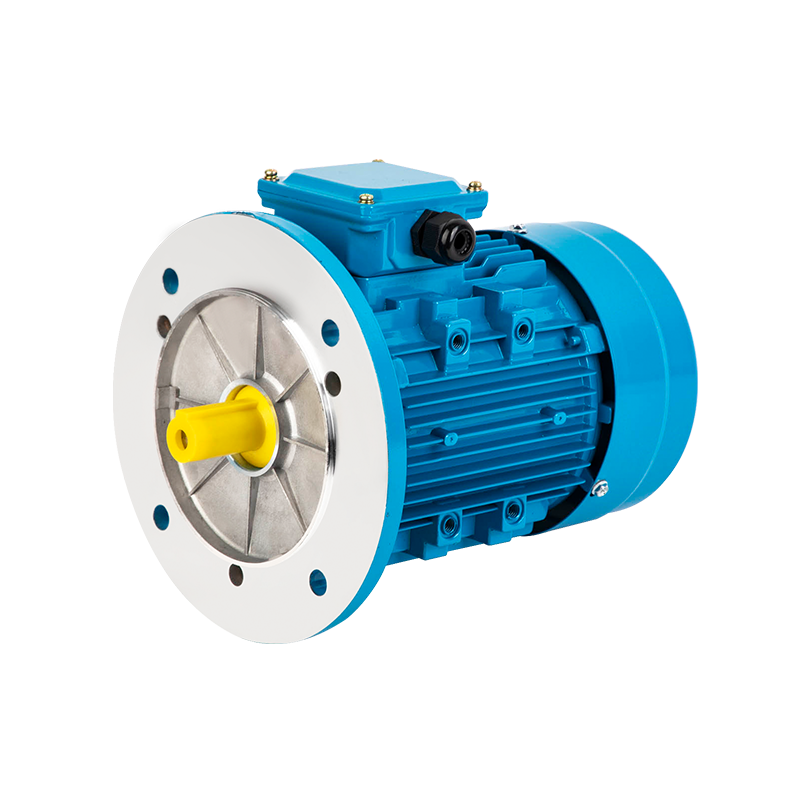
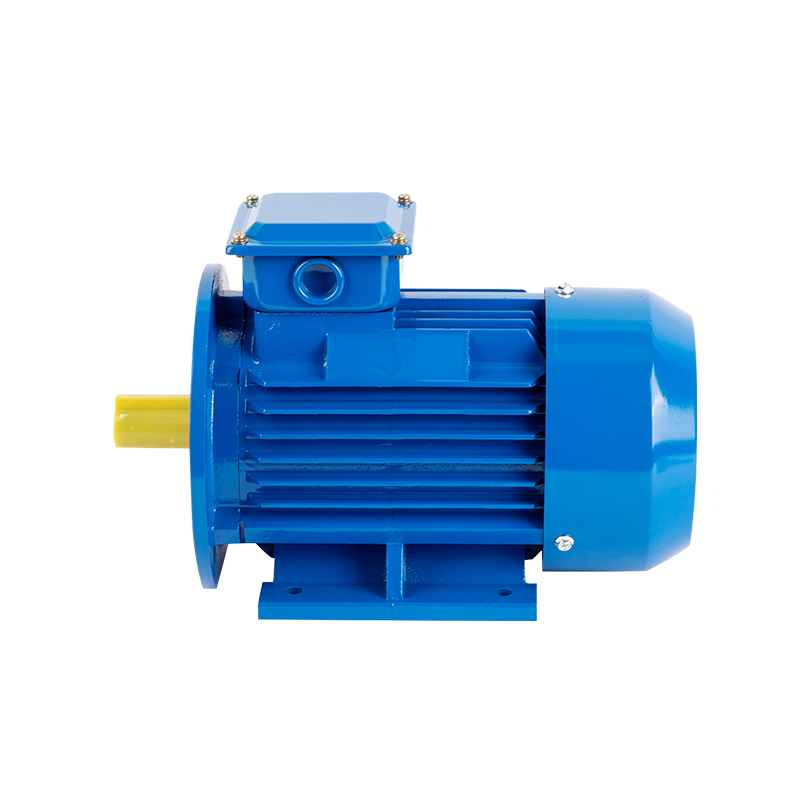
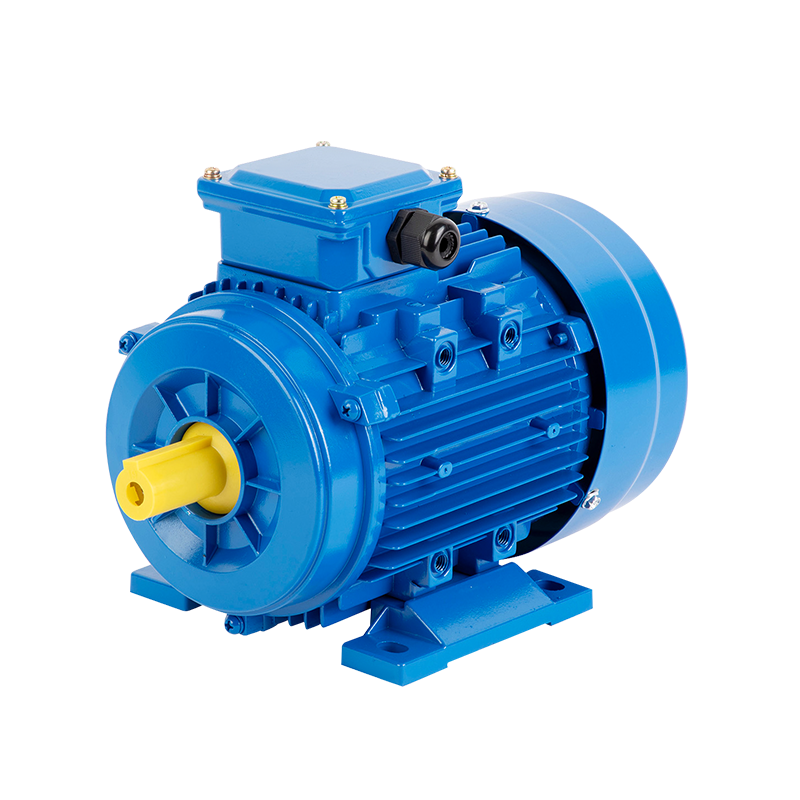
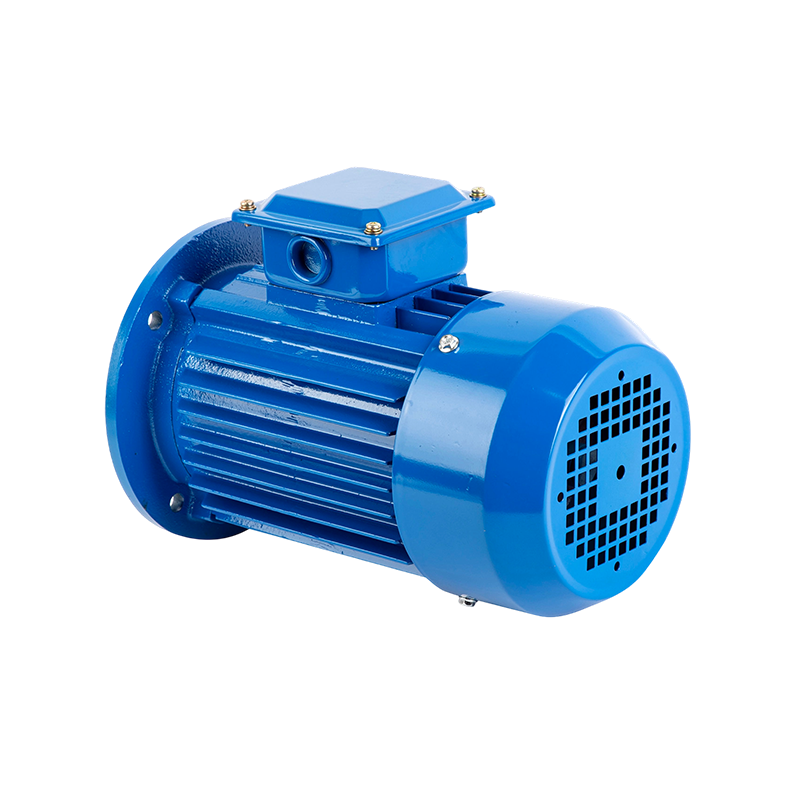
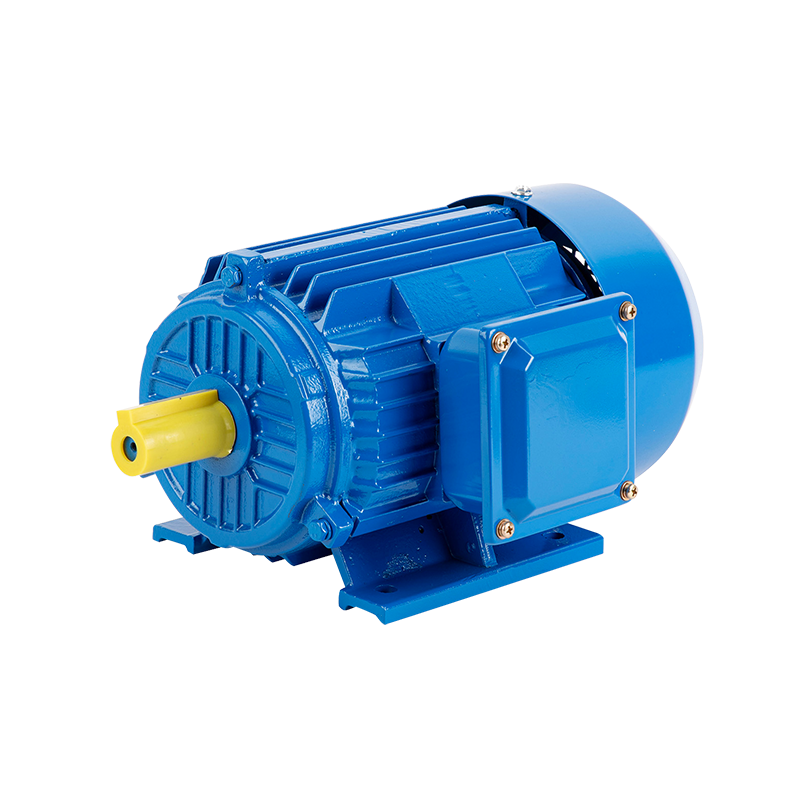
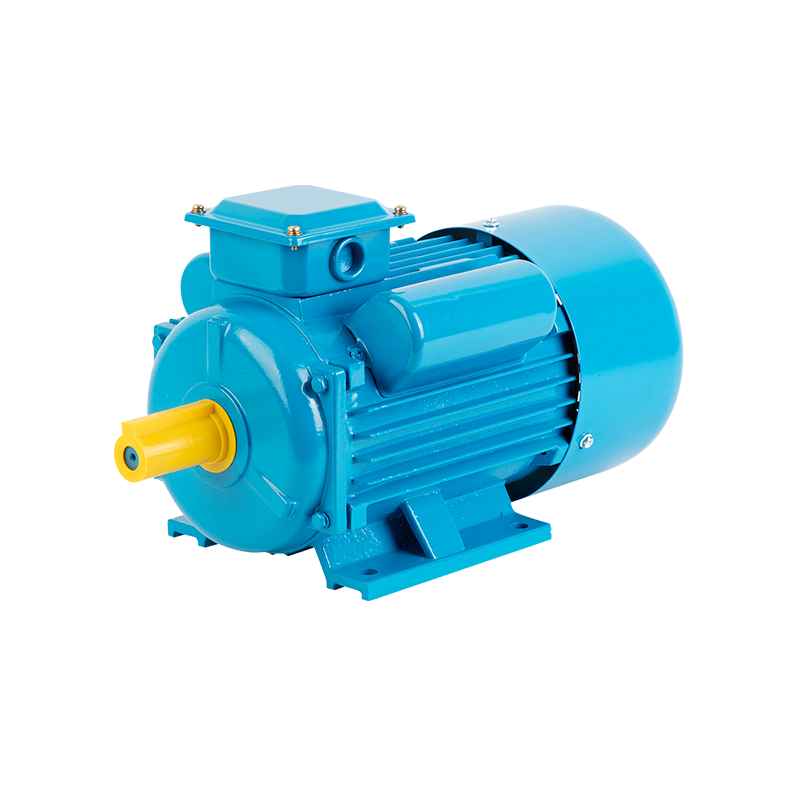
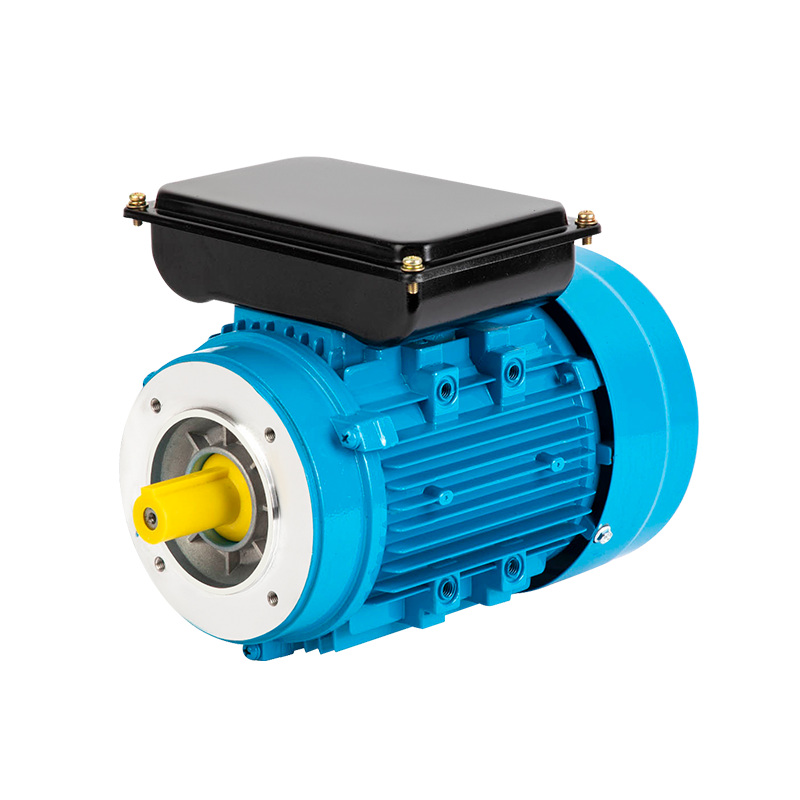
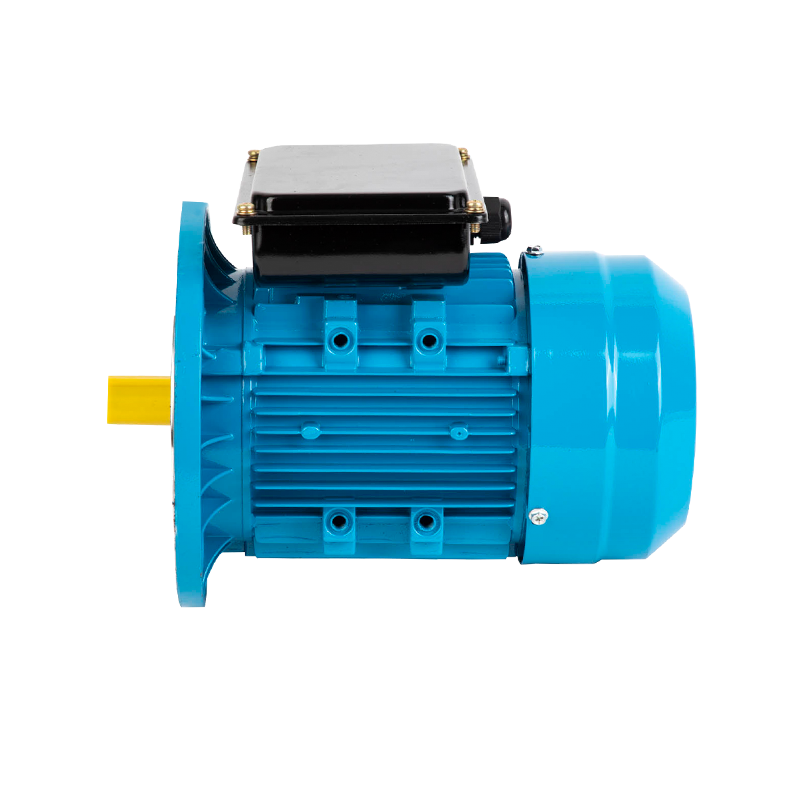
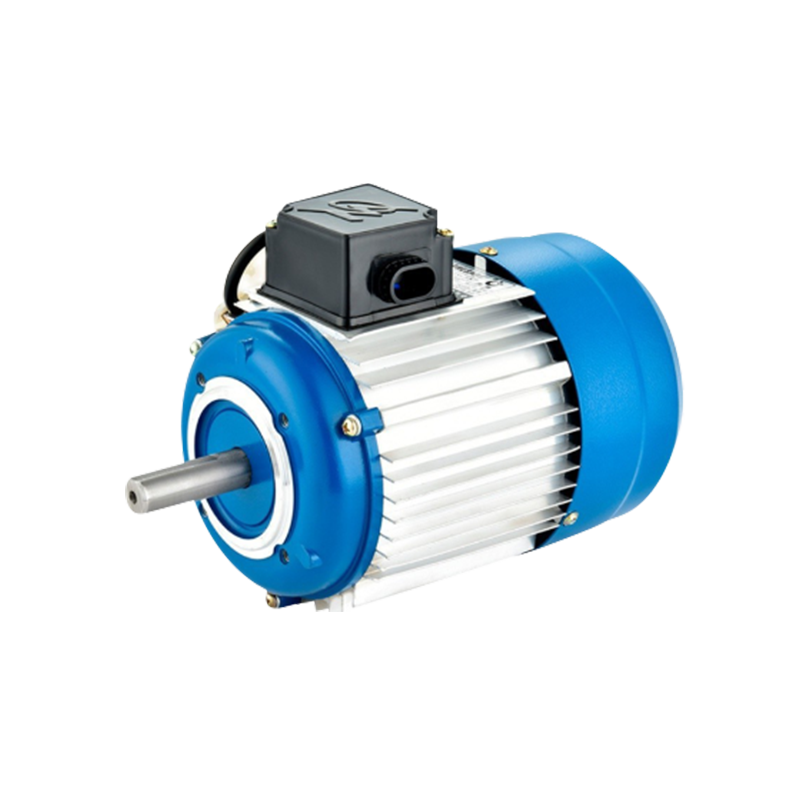
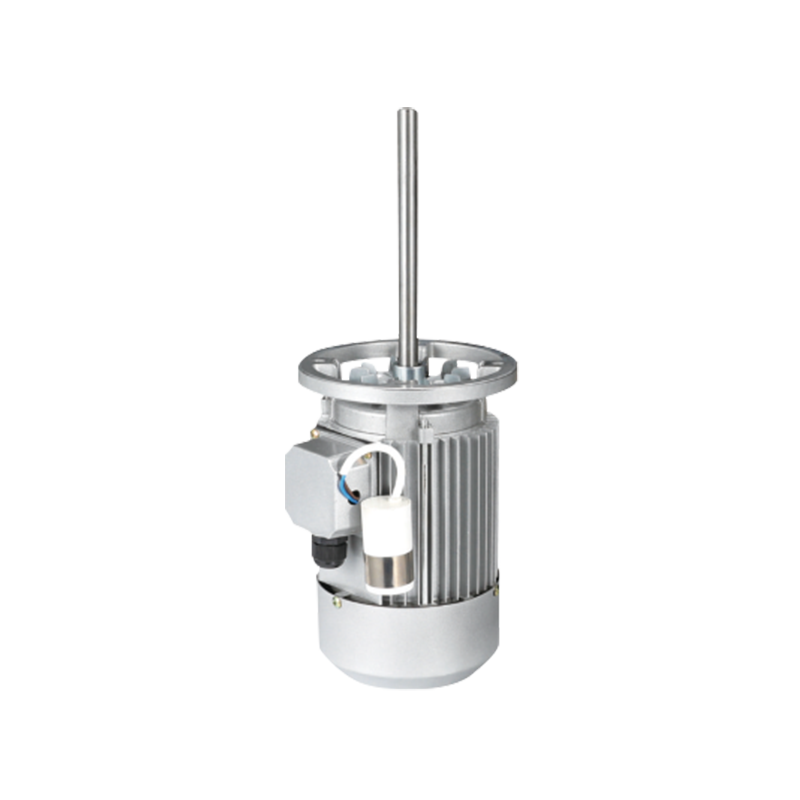
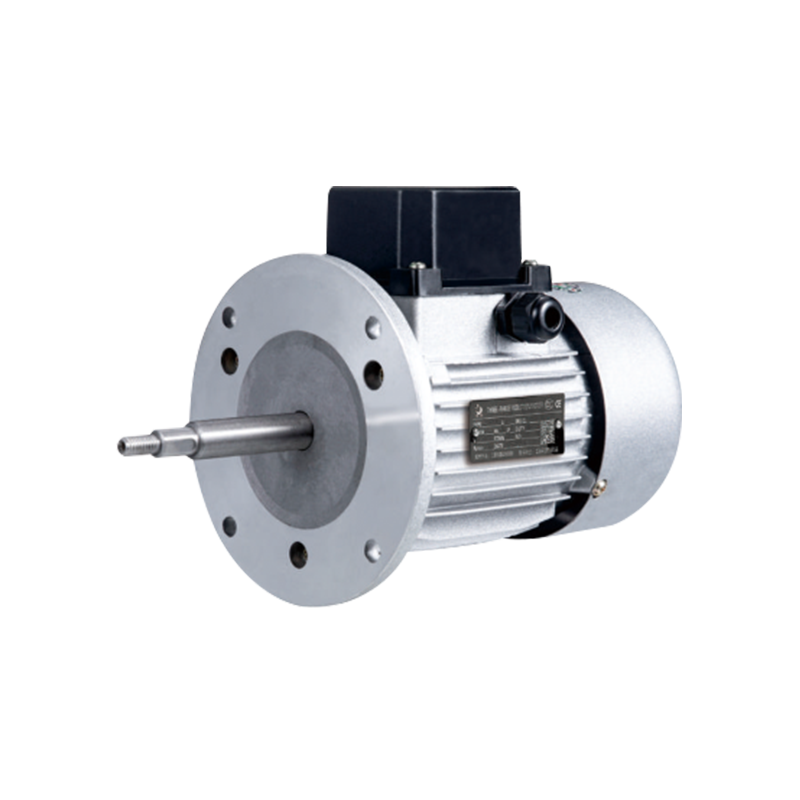
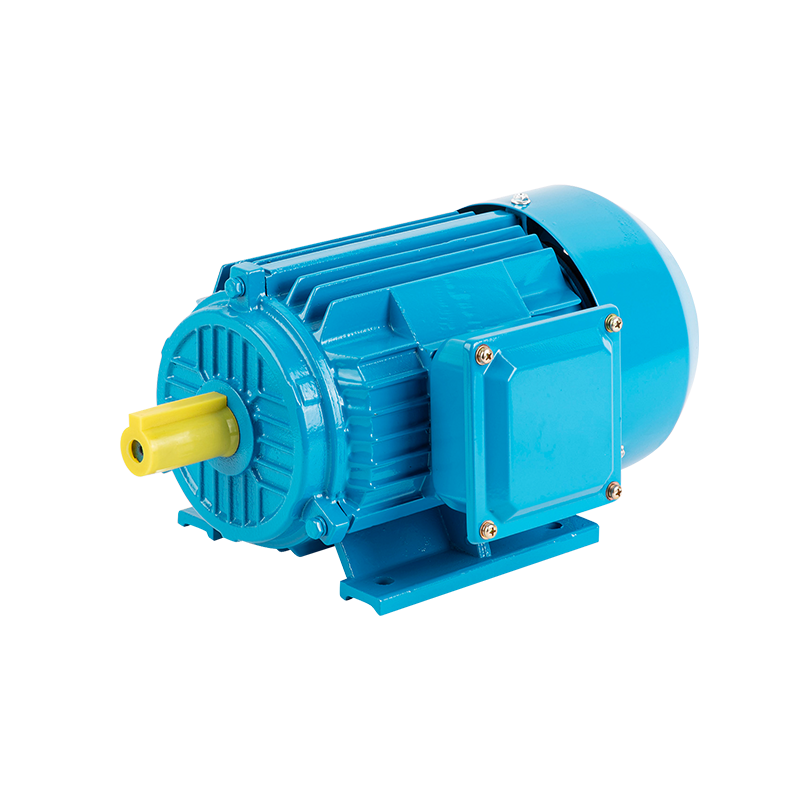
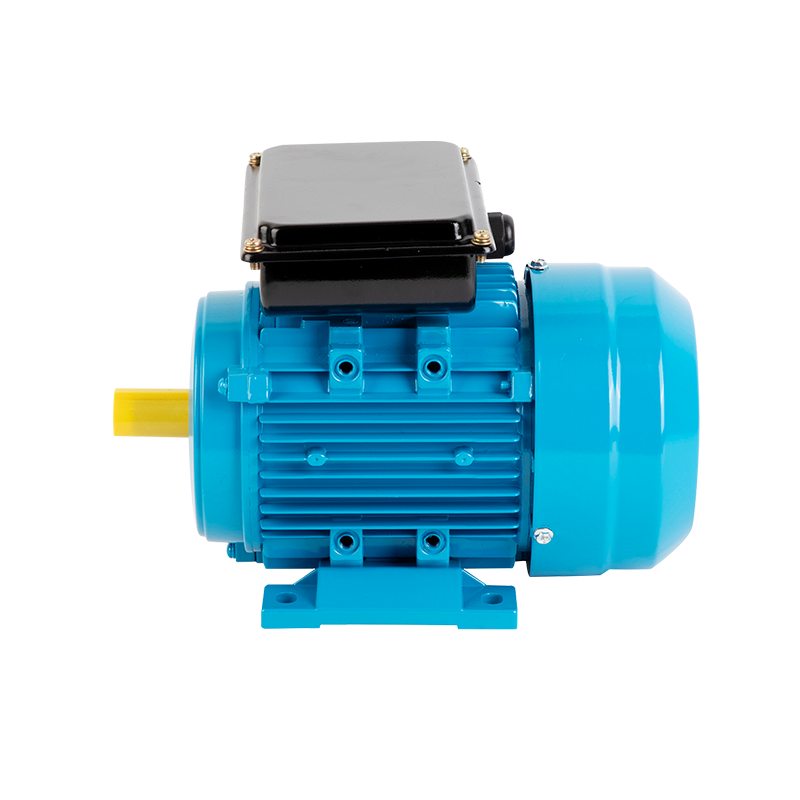
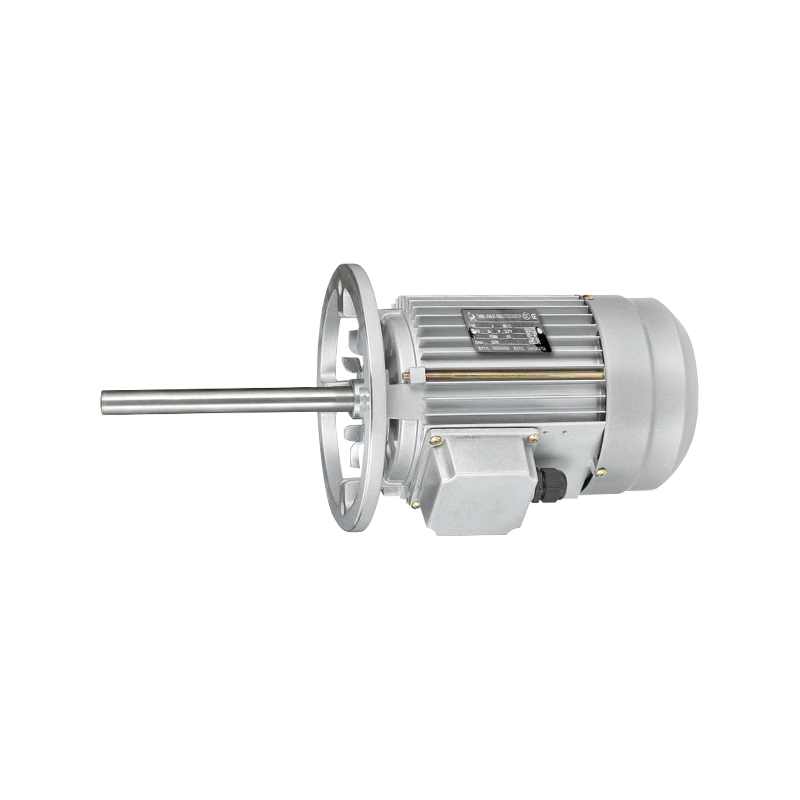
Side-mounted Conduit Box Motor
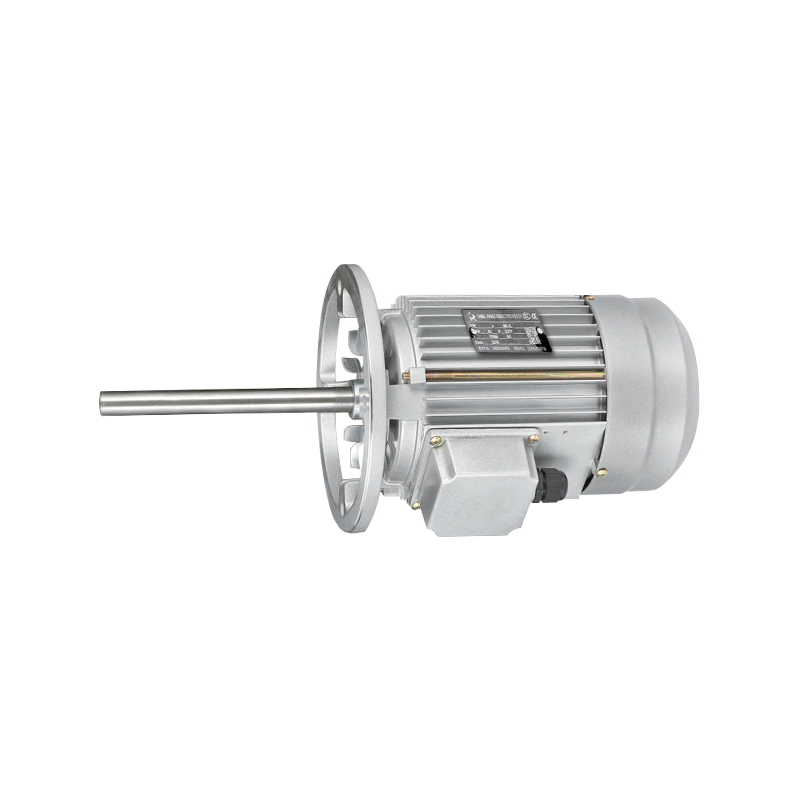
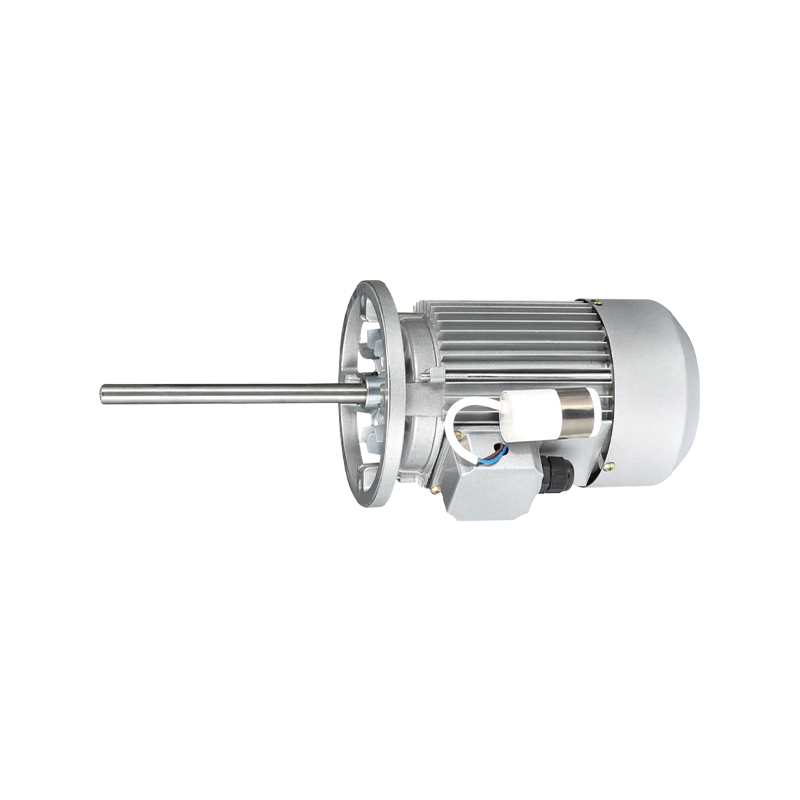
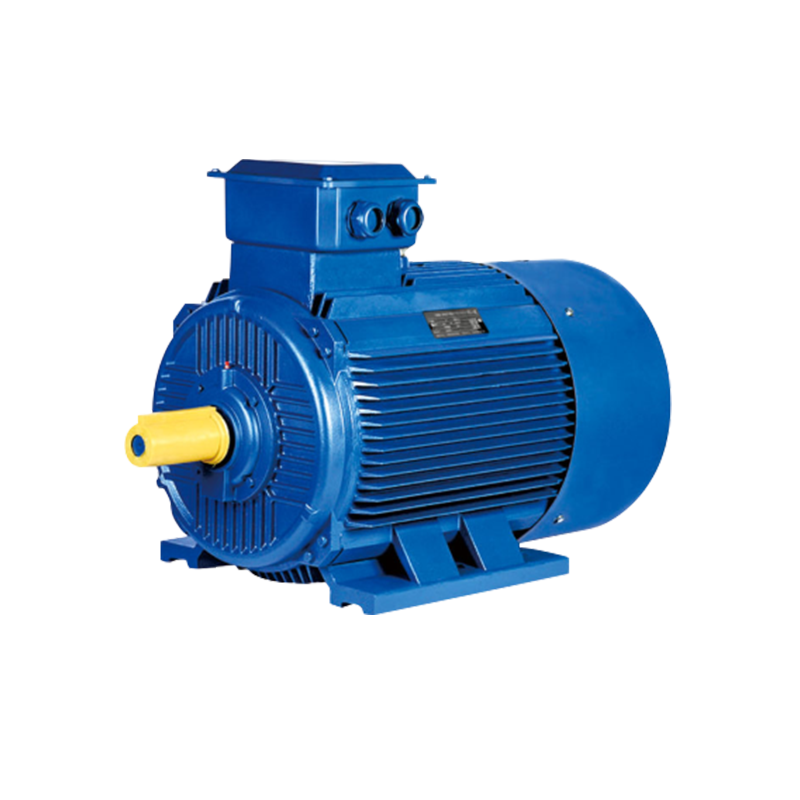
The core design advantage of a side-mounted conduit box motor lies in the placement of its terminal box on the side of the motor body. This structural feature makes it particularly well-suited for solving wiring difficulties caused by space constraints, cable routing, or environmental factors where top entry is problematic.
Primary Application Scenarios:
1. Scenarios with Limited Vertical Installation Space
This is the typical application. Side-mounted conduit boxes are ideal when space above the equipment is confined, leaving insufficient room for a top-mounted box and proper cable bending.
-
Typical Equipment: Fans, pumps, compressors installed within low platforms or frames; ventilation equipment in tunnels; drive sections of certain conveyors.
-
Advantage: Eliminates the need to increase the overall height of the equipment installation for wiring, simplifying structural design.
2. Scenarios Requiring Dense, Side-by-Side Installation of Multiple Motors
In production lines or equipment clusters with multiple motors installed in parallel, using top-entry motors can cause interference between the terminal boxes and cables of adjacent units, creating issues for wiring and maintenance.
-
Typical Equipment: Textile machinery, packaging production lines, multiple fans in large HVAC units.
-
Advantage: Side conduit boxes allow cables to be routed towards either side of the equipment or into designated cable trays, resulting in organized, non-interfering wiring that facilitates maintenance and heat dissipation.
3. Requirements for Directional Drip and Dust Protection
In certain environments, it's necessary to prevent liquids or dust from falling into the terminal box from above. While not a complete substitute for proper Ingress Protection (IP) ratings, a side-mounted structure, combined with appropriate cable entry direction, can better avoid splashing water or falling dust from specific directions.
-
Typical Environments: Dusty workshops, indoor areas prone to condensation drip, damp environments without direct spraying.
-
Note: For applications involving high-pressure water washing or requiring complete dust protection, motors with corresponding IP ratings (e.g., IP55, IP65) should be selected, potentially combined with a side-mounted design.
4. Scenarios Facilitating Centralized Cable Management
In automated equipment or large units, all control and power cables are typically designed to run to a unified cable tray or raceway. If the cable tray is located at the side of the equipment, using a side-mounted conduit box motor allows cables to connect almost horizontally and directly into the tray, providing the shortest and neatest path.
-
Advantage: Reduces unnecessary cable bends, saves wiring material, makes the equipment interior or exterior appear more organized, and eases troubleshooting.
5. Special Customized Equipment
For some non-standard automated equipment or OEM products, the motor's mounting orientation is fixed due to the overall structural design, making the side the only convenient direction for wiring.
-
Typical Equipment: Medical devices, specialized machine tools, robotic joint drive sections, etc.
-
Advantage: Meets the specific layout requirements of integrated equipment design.
Summary and Key Considerations
|
Core Scenario Requirement |
Solution Provided by Side-mounted Conduit Box Motor |
|---|---|
|
Saving Vertical Space |
Avoids the height clearance required for a top-mounted terminal box. |
|
Preventing Interference in Parallel Installation |
Directs wiring to the sides, facilitating dense installation layouts. |
|
Optimizing Cable Routing Paths |
Enables more direct, orderly cable routing for easier management. |
|
Adapting to Structural Constraints |
Satisfies specific mounting orientation requirements of non-standard equipment. |
Important Note: When selecting a side-mounted conduit box motor, it is essential to specify the exact orientation of the conduit box (left or right side when viewed from the drive end) and confirm with the supplier if the direction is customizable. Its protective capability primarily depends on the motor's own IP rating, not the conduit box location. For environments such as flammable and explosive atmospheres, motor models with corresponding explosion-proof certifications must be selected.


