 English
 Español



Building 1, Block 4, Wufeng Industrial Park, Daxi Town, Taizhou City, Zhejiang Province, China
In many industrial systems, motors work behind the equipment rather than getting noticed directly. A conveyor line, a pump system, a processing machine — these things can run for long stretches while the motor inside quietly carries the job of keeping movement stable. When something's off with a motor, it usually doesn't announce itself right away. Instead it shows up as vibration, extra noise, higher energy bills, or a maintenance call nobody had on the calendar.
Building a motor isn't just a matter of bolting parts together. Every component has to work with the others once production starts, and a small variation in material condition, machining accuracy, or assembly technique can end up changing how the finished motor actually behaves. A Three Phase Motor Factory usually puts real weight on consistency, mainly because industrial customers need equipment that slots into systems already running. If products vary too much from one batch to the next, that creates friction later — during installation, during a replacement, or during routine servicing.
Quality control, in practice, starts well before assembly begins. Material inspection, process management, and testing all play a part in what comes out the other end. Rather than checking quality at one single point, manufacturers generally watch the whole chain of production instead. A handful of things tend to shape how consistent the output ends up being: whether the incoming materials actually meet spec, whether components hold similar dimensions and finish batch to batch, whether the assembly steps stay repeatable, and whether the finished units line up with the working conditions they're meant for.
Different applications bring different pressures, too. A motor sitting in a clean, dry production hall doesn't face the same wear as one running near dust, moisture, or loads that shift constantly. Recognizing that difference is part of what allows a manufacturer to adjust how something gets built, rather than treating every motor as if it faces the same conditions.
Material selection and its effect on quality
Choosing materials happens early, but the consequences of that choice don't stay contained to the beginning of the process — they carry through everything that follows. The condition a material arrives in shapes how it gets machined, how it fits during assembly, and eventually how the motor holds up in service.
Metal components form the structural backbone. Their shape and surface finish determine how cleanly different parts mate with each other. When those parts arrive in consistent condition, assembly goes more smoothly, and the finished equipment is less likely to run into problems nobody anticipated.
Electrical materials matter just as much, in a different way. Since motors depend on stable electrical behavior, the materials used internally need to keep their properties intact through both manufacturing and years of actual use.
Managing materials well isn't only about vetting suppliers. Storage conditions, how parts get transported, and how they're prepped before manufacturing all leave a mark on final condition. A Three Phase Motor Factory typically keeps an eye on things like incoming material condition, how materials are stored, how components get identified and tracked, and how they're prepared right before manufacturing begins.
A part can look completely fine sitting on a shelf, while a slight variance in dimension or surface finish quietly affects how it fits with everything around it. Over a long production run, staying on top of these small details is often what keeps individual units from drifting apart from one another. Good material discipline at the start tends to spare a factory from bigger headaches further down the line.
Process control and manufacturing consistency
Motor production is really a sequence of connected steps — assembly, machining, inspection — where a hiccup in one stage has a way of showing up somewhere later. A stable process gives workers and equipment a shared, repeatable method to follow. Without that, differences creep in through operator habits, equipment wear, or shifting conditions on the floor.
Something as simple as a slightly off assembly position can throw off mechanical balance. Machining variation can change how parts seat against one another. These issues are much easier to catch when conditions get checked continuously rather than only at the very end.
Typical points of control include prepping components ahead of assembly, checking equipment condition, sticking to documented procedures, and keeping records of key manufacturing data. Even with automation in the mix, human judgment still matters — workers need a real sense of how their part of the process affects everything downstream. Careful work habits, paired with decent communication across shifts, cut down on variation that really doesn't need to exist.
| Production Stage | Practical Focus |
|---|---|
| Material preparation | Check whether components are ready for production |
| Component processing | Maintain stable part conditions |
| Assembly | Ensure different parts connect correctly |
| Process monitoring | Observe changes during production |
| Final inspection | Review overall motor condition |
A Three Phase Motor Factory has to manage both the people and the machines involved in all of this — when every stage gets proper attention, the gap between one unit and the next tends to close.
What shapes performance in a Three Phase Industrial Motor
How well a motor performs comes down to two things working together: how it was built, and the environment it ends up working in. A motor doing fine in one setting might face a completely different set of demands somewhere else.
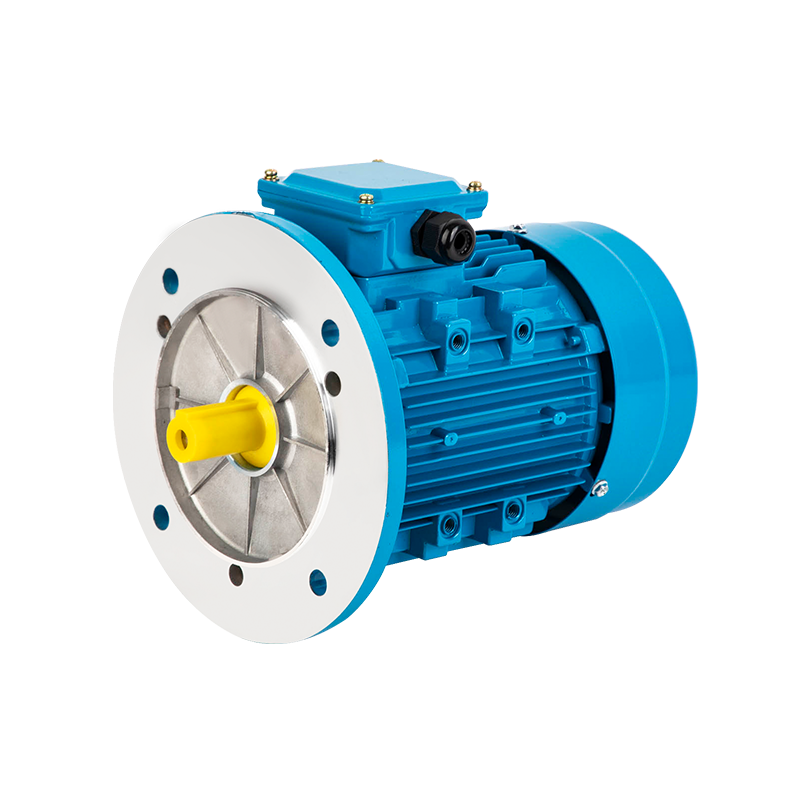
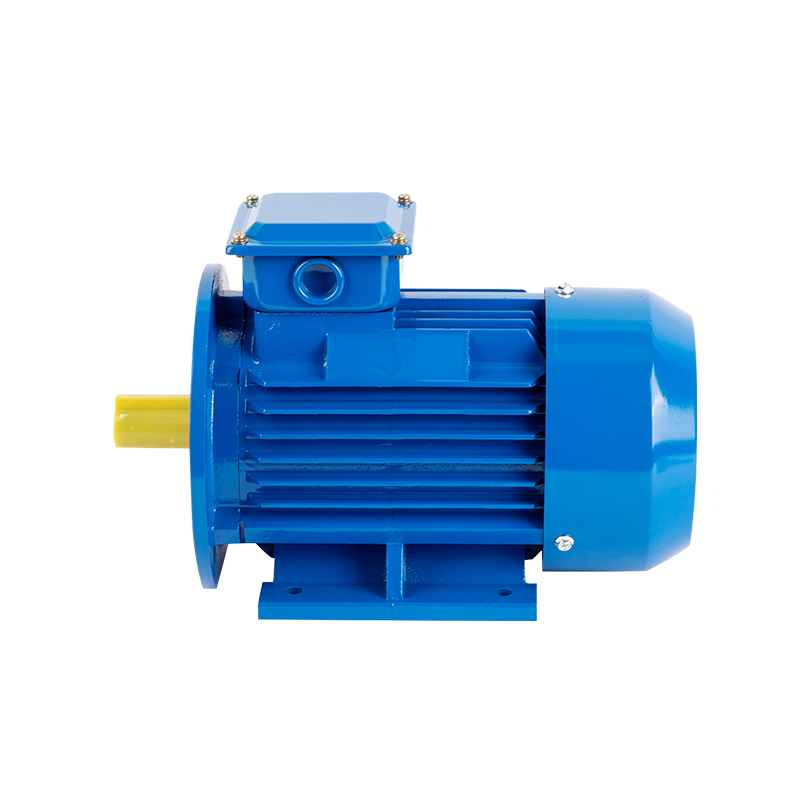
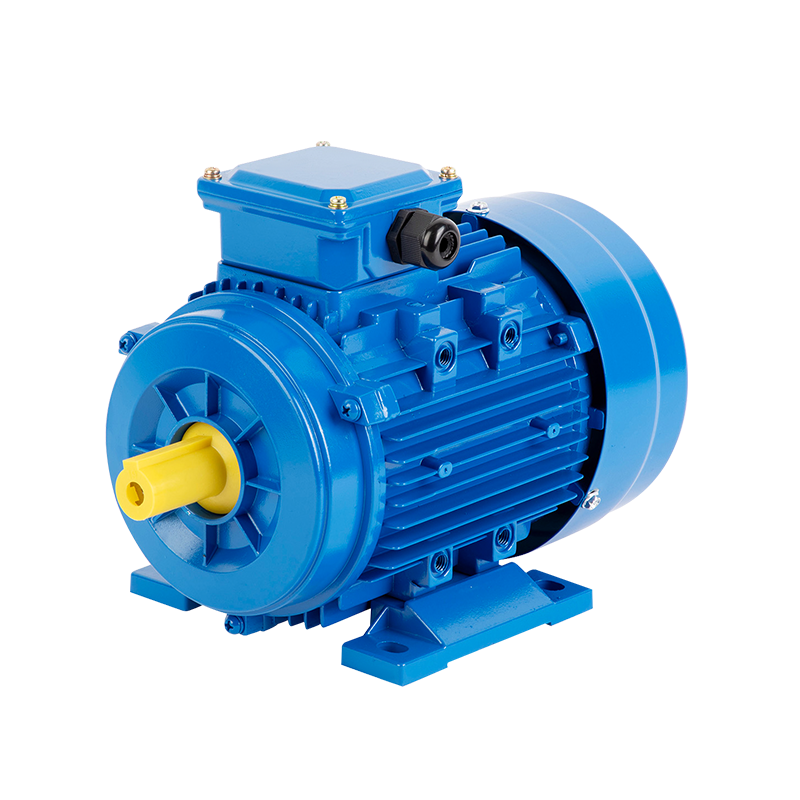
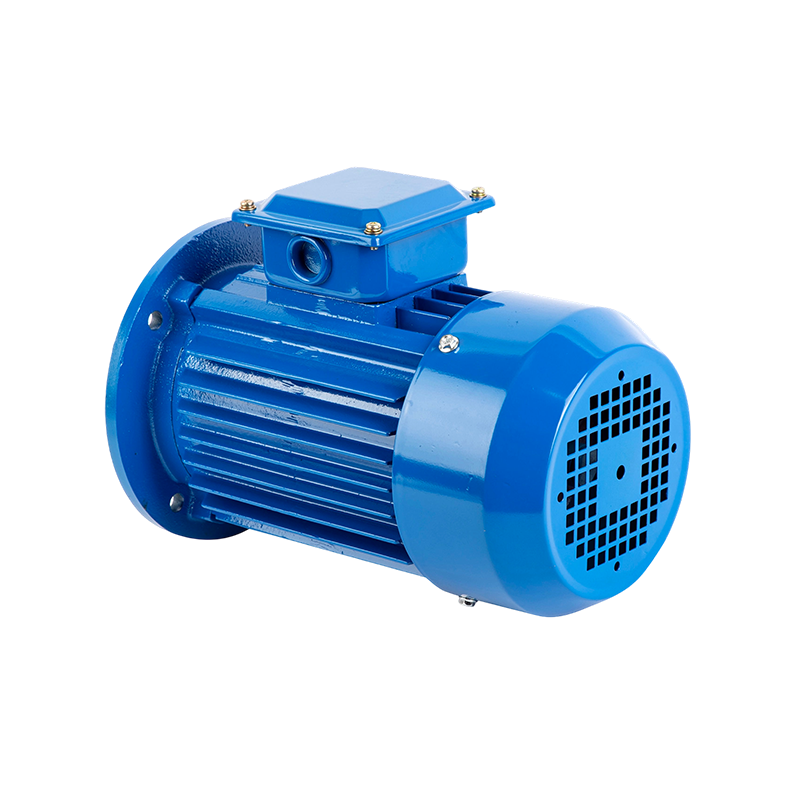
A Three Phase Industrial Motor often lands in equipment meant to run continuously, so manufacturers have to think past the basics of "does it turn." Internal layout affects how the parts cooperate — component arrangement, mechanical balance, and how heat moves through the unit all play into daily performance.
Heat is worth dwelling on. Motors generate it just by running, and whatever surrounds the motor influences how well that heat escapes. Poor airflow or a punishing environment can shift operating conditions more than people expect.
Where the motor sits physically matters too. One installed somewhere dusty, damp, or subject to constantly changing loads needs different handling than one tucked into a controlled, stable environment. Working environment, operating pattern, installation position, and maintenance access all factor into the picture.
Put together, these details tie motor manufacturing back to how the equipment is actually used in the field. Whether a motor is the right fit for a job isn't just a question of how it was made — it's also about how well it matches the conditions it has to live in.
How Does Testing Help Maintain Product Reliability
A motor may pass a visual check and still require further inspection before being installed into industrial equipment. Many important conditions are related to internal operation, so manufacturers need to check more than the outside appearance.
During production, testing provides information about how a motor responds under expected working conditions. It helps identify possible differences between products and allows manufacturers to review production steps when unusual situations appear.
A Three Phase Motor Factory usually arranges inspection throughout the manufacturing process instead of waiting until the final stage. Checking parts before assembly, reviewing assembly conditions, and observing finished products each provide different information.
Common inspection points include:
- whether components are correctly prepared
- whether assembled parts work together properly
- whether operating sound and vibration remain within a normal range
- whether the finished product matches application requirements
Industrial users often care about consistency because motors are usually connected with other equipment. A small change in motor condition may influence the operation of the entire system.
Testing methods also depend on the intended working environment. A motor used in a production line may require different checks from one used in equipment with occasional operation. Manufacturers need to consider actual application conditions when arranging inspection.
How Does A Three Phase Motor Factory Manage Production Differences
Repeated production does not mean every manufacturing condition stays unchanged. Materials, equipment condition, and human operation may create small differences during the process.
Managing those differences requires attention to daily production details. A problem does not always come from one obvious point. Sometimes a change in material condition, a worn production tool, or a different operation habit can gradually affect the final result.
Several areas need regular attention:
- Component Condition
Parts used in assembly need to maintain suitable conditions before entering production. Checking components early can reduce problems during later steps. - Production Equipment
Machines used for processing may change after continuous operation. Regular inspection helps manufacturers notice changes that could affect production accuracy. - Worker Operation
Manufacturing still involves human judgment in many steps. Clear working procedures help reduce differences caused by different operation methods. - Production Information
Records from manufacturing can provide useful references when reviewing quality changes. Understanding when and where a difference appears makes improvement more practical.
A Three Phase Motor Factory needs to manage many small details together. Quality consistency usually comes from repeated control of daily production activities rather than one single improvement.
Why Is Quality Communication Important Between Manufacturers And Buyers
A motor is usually selected for a specific piece of equipment or working environment. Because buyers understand their own applications better, communication before production can influence the final selection.
Information about the operating situation helps manufacturers understand what the motor needs to handle. Important details may include:
- equipment type
- working conditions
- installation space
- operation frequency
- surrounding environment
For example, a motor running inside a factory production system may face different conditions from one used in outdoor equipment. Load changes, installation location, and surrounding conditions can all affect product requirements.
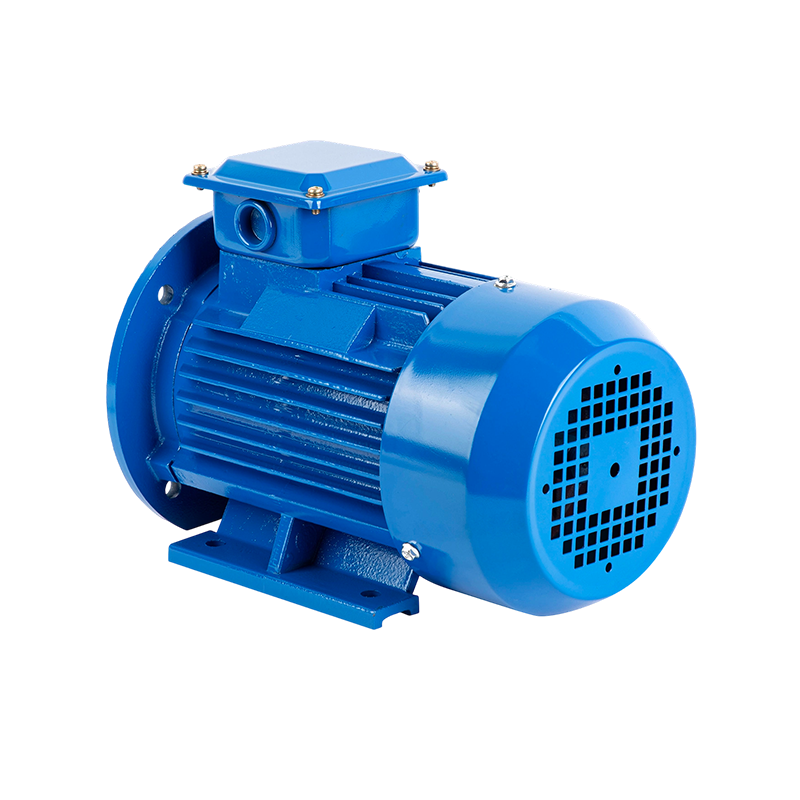
A Three Phase Industrial Motor needs to fit the equipment it serves. When manufacturers receive clear application information, they can consider suitable production details during planning.
Communication does not end after delivery. Feedback from users can show how equipment performs in real working situations. Such information helps manufacturers review product design, production methods, and service processes.
A practical relationship between suppliers and buyers depends on accurate information sharing. Both sides need to understand the working conditions rather than relying only on general product descriptions.
How Should Industrial Motors Be Maintained After Installation
Manufacturing quality provides the foundation for motor operation, while maintenance affects how equipment performs during daily use. Industrial environments can create different challenges depending on location and working conditions.
Dust, moisture, temperature changes, and continuous operation may gradually influence motor condition. Regular checks help operators notice changes before they affect connected equipment.
Routine attention often includes:
- checking unusual noise during operation
- observing vibration changes
- keeping the surrounding area clean
- checking connection conditions
- recording operation changes
Operators who work with equipment every day can often notice small differences earlier than scheduled inspections. A slight change in sound or movement may provide useful information about the motor condition.
Maintenance methods also need to match the working environment. Equipment installed in a cleaner area may require different care compared with equipment working near dust or changing conditions.
Information collected during maintenance can also support manufacturing improvement. Real operating feedback helps manufacturers understand how products perform after installation.
How To Evaluate Manufacturing Capability When Choosing A Motor Supplier
Choosing a motor supplier involves more than checking product information. Buyers often need to consider whether the supplier has a stable manufacturing process and can provide clear communication during cooperation.
Several points may help buyers evaluate manufacturing capability:
- production management methods
- material control process
- inspection arrangements
- understanding of application needs
- communication efficiency
A Three Phase Motor Factory with organized production management can provide clearer information about how products are prepared, assembled, and inspected.
For industrial buyers, understanding the manufacturing process can reduce uncertainty during selection. Knowing how materials are managed, how production differences are controlled, and how products are checked gives a clearer view of the supplier's working methods.
A Three Phase Industrial Motor is connected with many parts of an industrial system. Its performance depends on manufacturing conditions, installation environment, and daily operation together.
Quality consistency is built through continuous attention to production details. Material control, process management, inspection, communication, and maintenance all contribute to stable use in different industrial applications.


