 English
 Español



Building 1, Block 4, Wufeng Industrial Park, Daxi Town, Taizhou City, Zhejiang Province, China
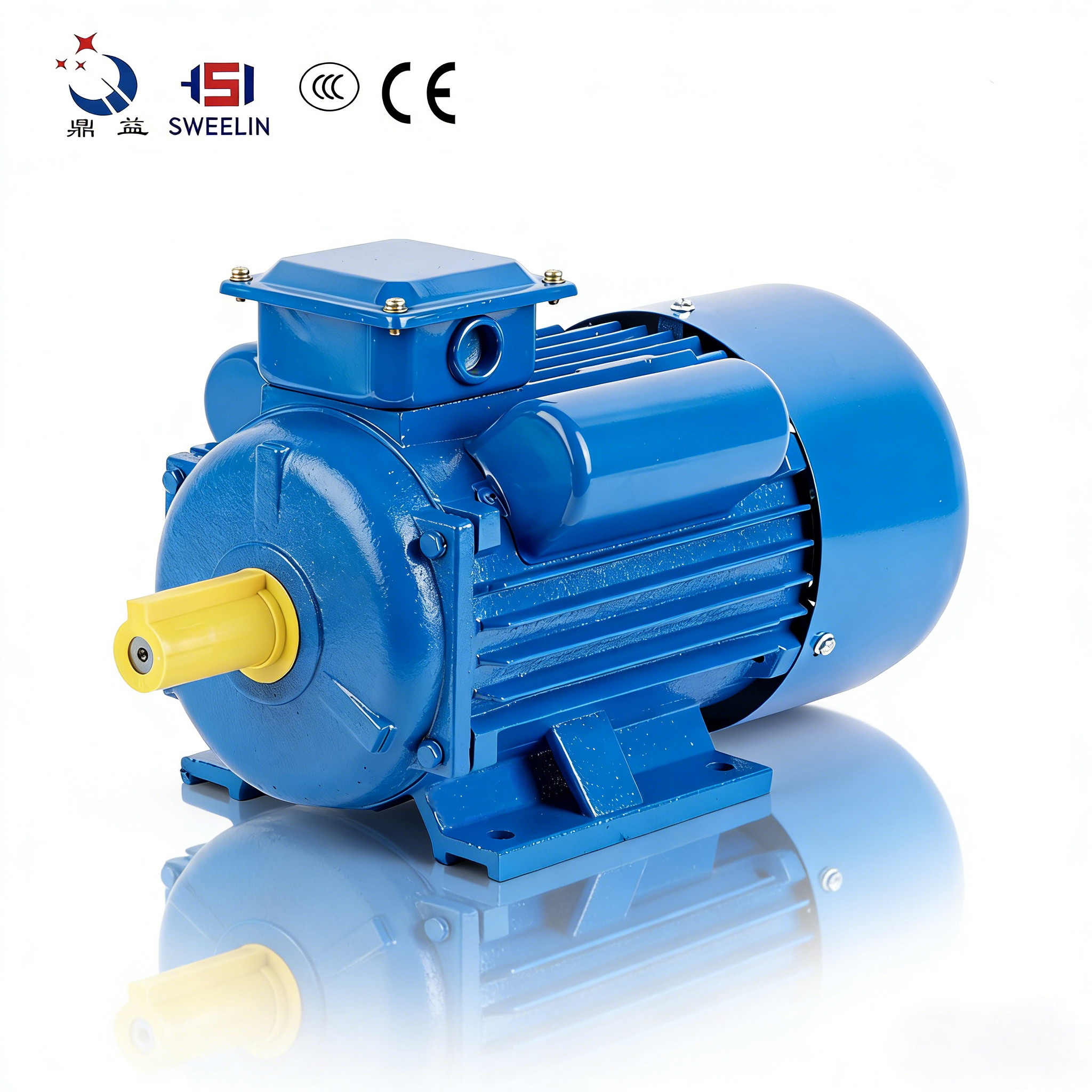
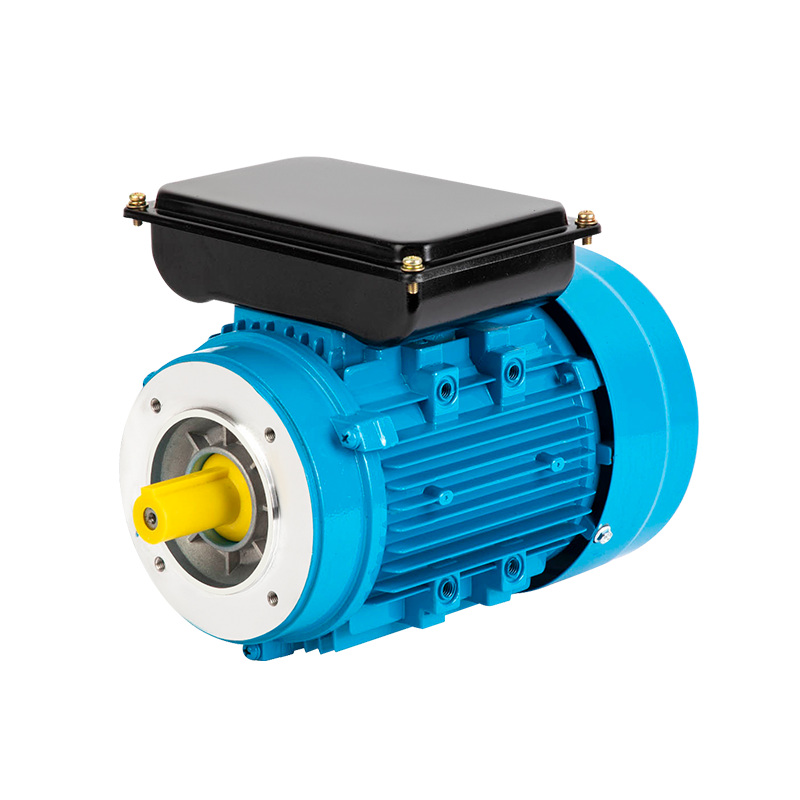
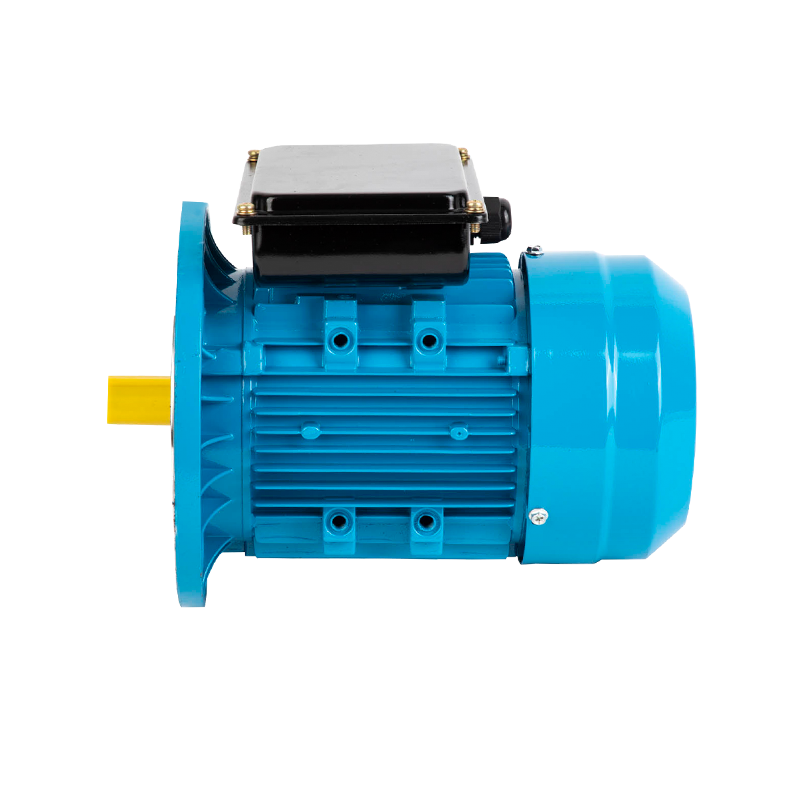
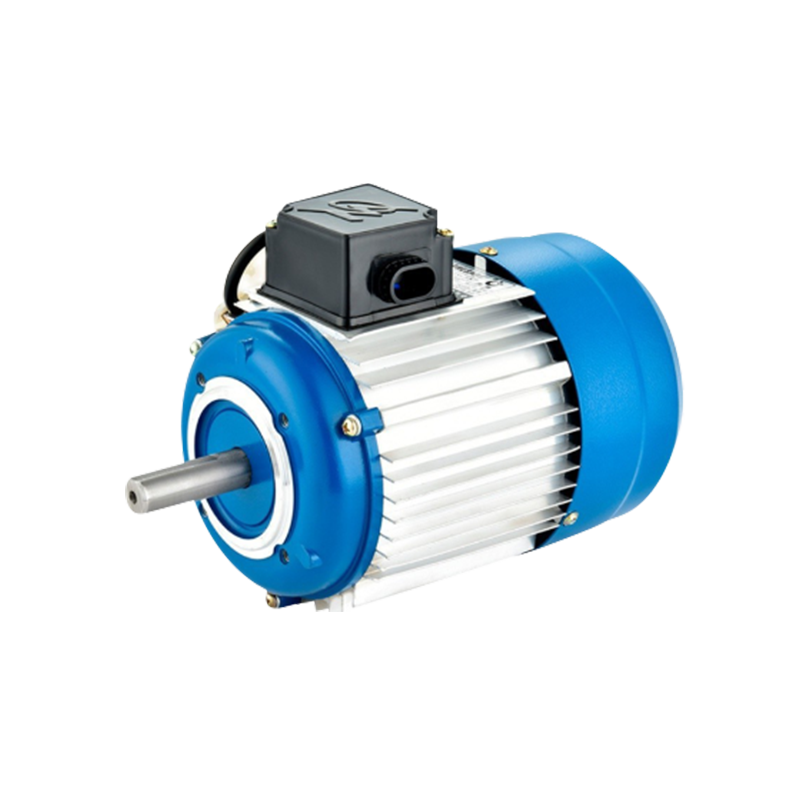
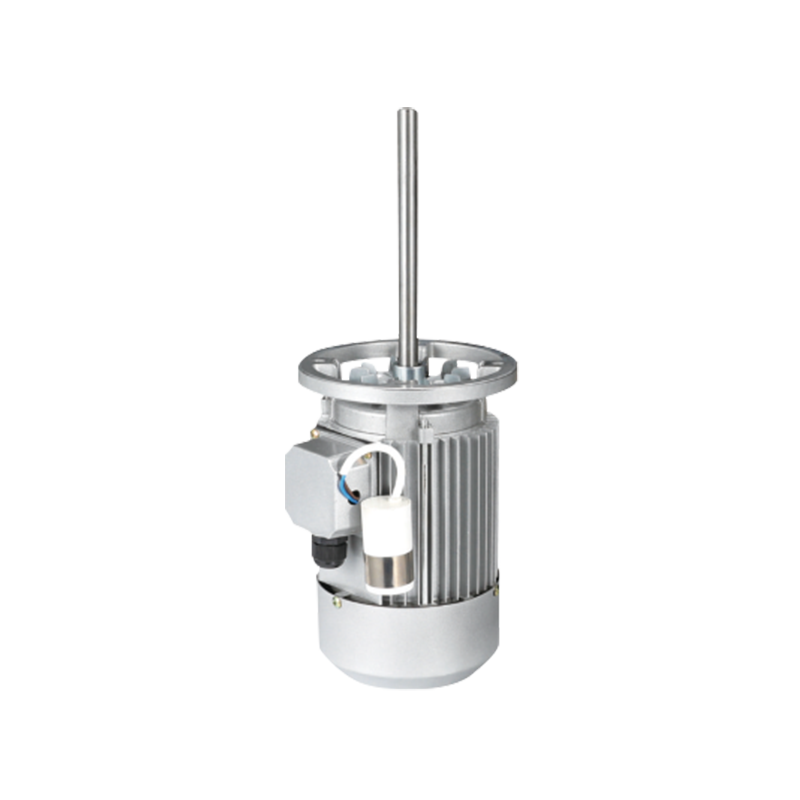
In the industrial world, electric motors are like ubiquitous "hearts," converting electrical energy into stable and reliable rotational power. Understanding their core principles is fundamental to equipment selection, maintenance, and even energy efficiency upgrades. Here are the key points for you:I. Core Classification: The Domains of AC and DC
In the industrial field, motors are primarily divided into two major categories: AC motors and DC motors.
•
AC Asynchronous Motors: Rugged construction, simple maintenance, and lower cost. They serve as the primary power source for the vast majority of industrial equipment like fans, pumps, and conveyor belts.
•
AC Synchronous Motors: Their speed is strictly synchronized with the power supply frequency, offering high precision. They are commonly used in precision machinery or as generators.
•
DC Motors: Excellent speed regulation performance and high starting torque, but their brushes require regular maintenance. Traditionally used in applications requiring wide speed ranges, such as cranes and rolling mills. Today, Brushless DC Motors (BLDC), with their advantages of high efficiency, long lifespan, and low noise, are experiencing rapid growth in high-end equipment and automation.
II. Key Parameters: The Motor's "ID Card"
These four parameters are crucial during selection:
1.
Power: The motor's output capability, which must match the load requirements, typically measured in kilowatts (kW).
2.
Speed: The motor's rated rotational speed, measured in revolutions per minute (rpm), must correspond to the equipment's operating speed.
3.
Torque: The motor's "strength," determining its ability to start and run under load, measured in Newton-meters (N·m).
4.
Efficiency Class: Directly related to operating costs. Currently, IE3 (Premium Efficiency) has become mandatory in many regions globally, and IE4 (Super Premium Efficiency) motors are the mainstream direction for energy-saving upgrades.
III. Application Trends: Efficiency, Intelligence, and Integration
Current industrial motor development focuses on three main directions:
•
Seeking Benefits from High Efficiency: Using high-efficiency motors in combination with variable frequency drives (VFDs) has become one of the effective measures for companies to reduce electricity costs.
•
Intelligence and Condition Monitoring: Integrating sensors to monitor parameters like temperature and vibration in real-time enables predictive maintenance, reducing unexpected downtime.
•
Integrated Design: Deep integration of motors, drives, and controllers to form compact "smart drive systems," simplifying installation and improving system reliability.


