 English
 Español



Building 1, Block 4, Wufeng Industrial Park, Daxi Town, Taizhou City, Zhejiang Province, China
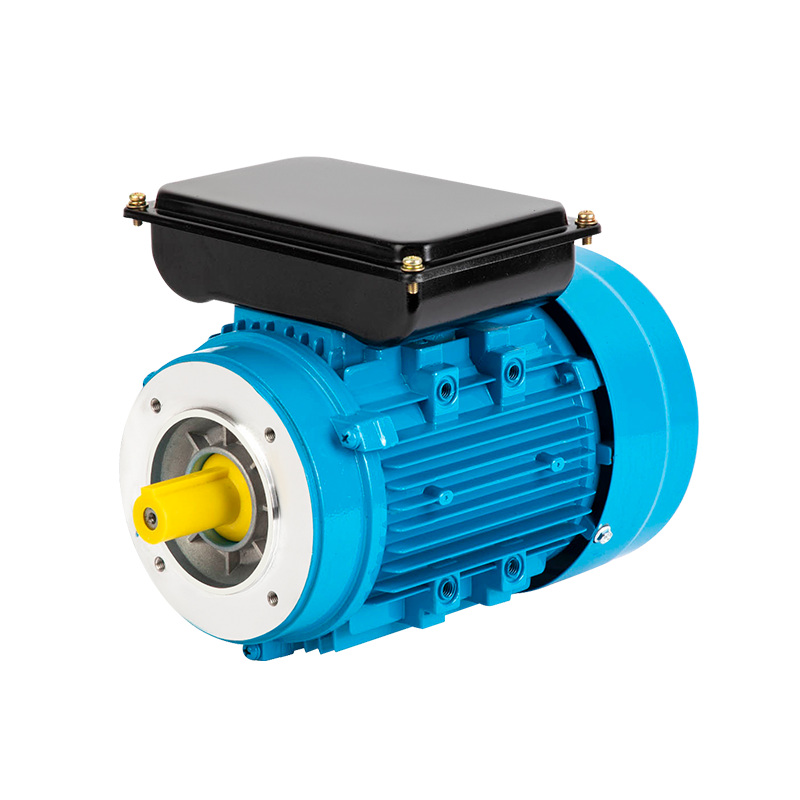
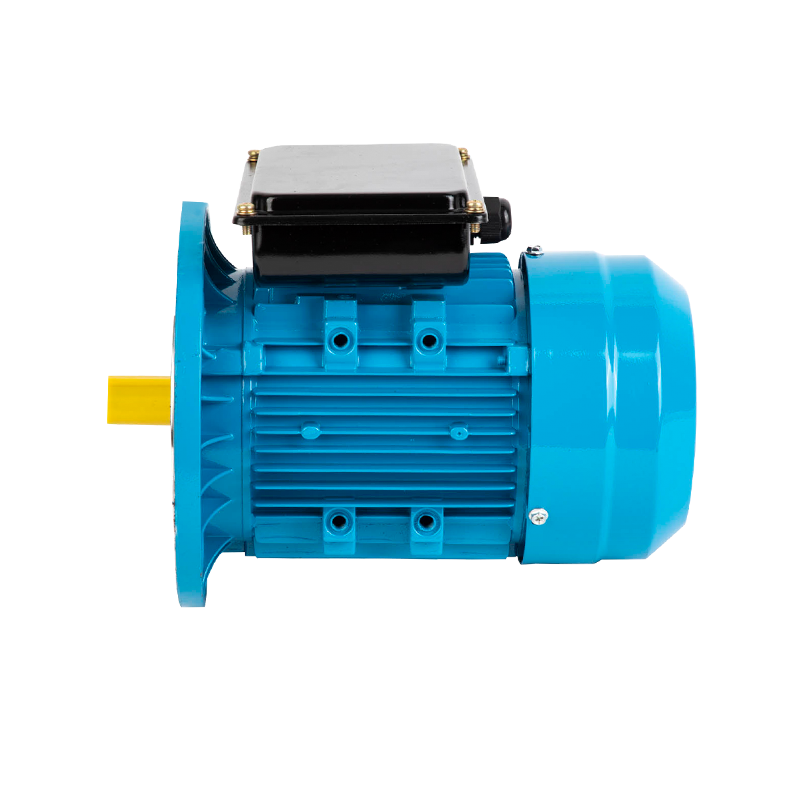
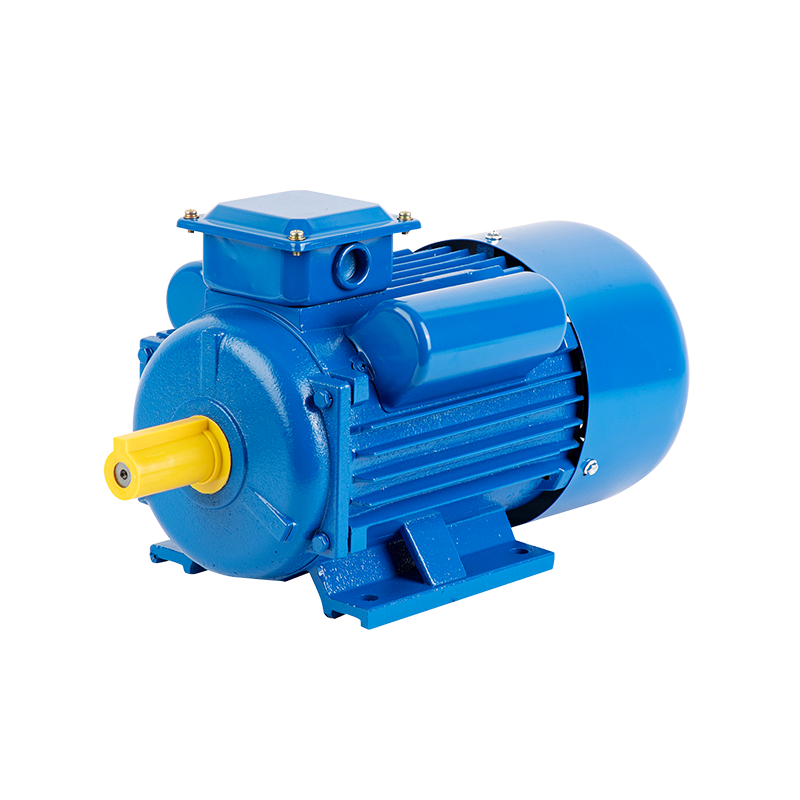
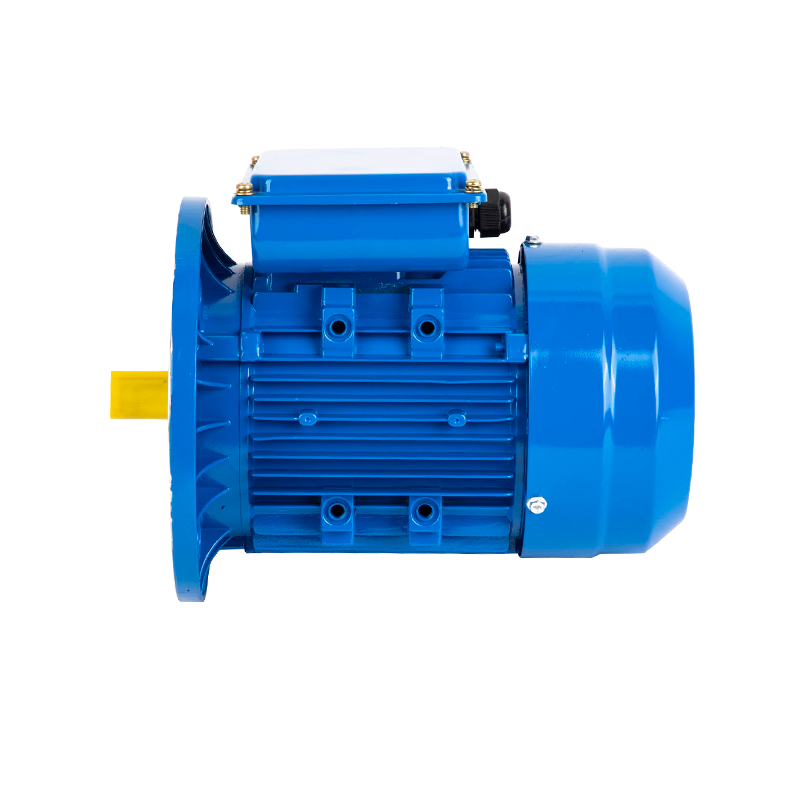
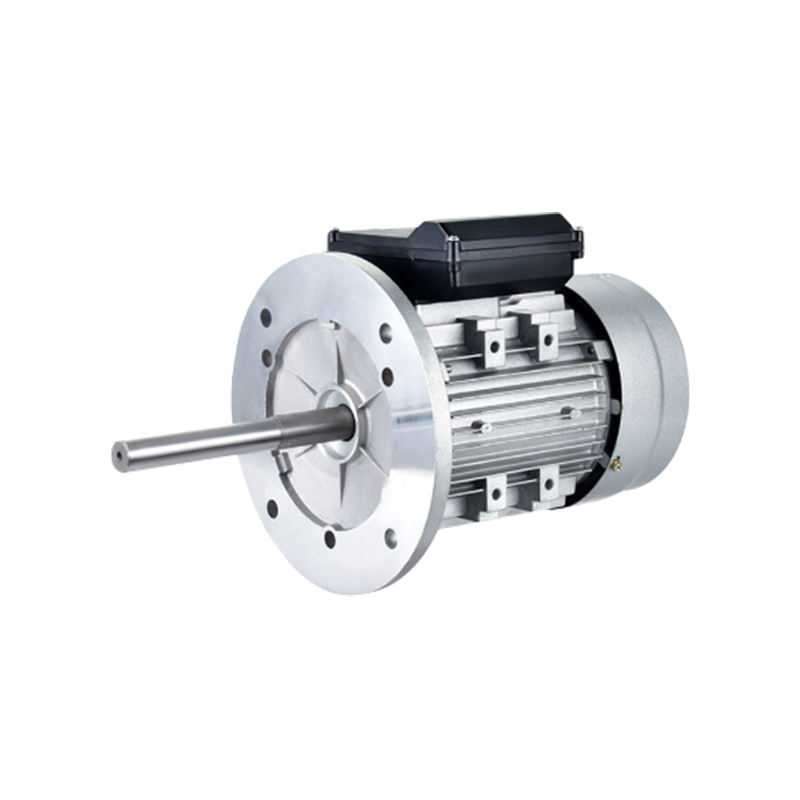
What applications are driving demand for Aluminum Frame Motors? There is no single answer. The motor needs of a fan system are different from those of a pump, packaging machine, automation system, or woodworking machine. Even two machines in the same industry may use different motor arrangements because their loads, working cycles, and installation conditions are not the same.
This is why aluminum frame motors are being discussed more often in equipment design. In many machines, the motor has to fit into a defined space, connect with other mechanical parts, release heat during operation, and remain accessible for maintenance. Weight can matter as well, particularly when the motor is mounted inside a compact assembly or on equipment that is moved during installation.
The housing material is only one part of the picture. The actual application still comes first. Looking at where these motors are used helps explain why demand is connected with a wide range of industrial machinery rather than one particular market.
Where Are Aluminum Frame Motors Being Used?
Aluminum frame motors can be found in various types of industrial equipment. Their use is often linked with machines that need a practical balance between motor construction, installation space, mechanical connection, and operating conditions.
| Application | Typical Motor Considerations |
|---|---|
| Automation Equipment | Installation space, mounting, shaft connection, operating cycle, and machine integration. |
| Fan Systems | Running time, ventilation, heat management, and connection with the driven fan. |
| Pump Equipment | Load behavior, operating conditions, transmission arrangement, and working cycle. |
| Sealing Machinery | Compact installation, repeated operation, mechanical connection, and service access. |
| Woodworking Machinery | Load changes, vibration, surrounding conditions, cooling, and maintenance. |
| Vacuum Pump Equipment | Continuous mechanical demand, installation arrangement, and operating environment. |
| Hydraulic Equipment | Driven load, machine structure, mounting position, and operating pattern. |
These applications have little in common at first glance. A ventilation unit and a woodworking machine, for example, perform completely different jobs. Yet both depend on a motor that has to work properly within a larger mechanical system.
Why Is Automation Equipment An Important Application?
Automation machinery usually leaves little room for components that do not fit the original layout. Motors may sit next to gear systems, conveyors, pumps, fans, sensors, or other moving parts. The available space can therefore influence the motor choice from the beginning of the design process.
Mounting is another practical issue. A motor may have the required electrical characteristics and still create problems if the mounting position, shaft arrangement, or surrounding clearance does not suit the machine.
This becomes more noticeable when equipment is redesigned or when an existing machine is made smaller. A motor that worked well in an older layout may not fit the revised structure without changes elsewhere.
What Does An Automation Designer Usually Need To Check?
- Available space around the motor
- Mounting position and support structure
- Shaft connection with the driven part
- Airflow around the housing
- Expected operating cycle
- Access for inspection and maintenance
None of these points is unusual on its own. The challenge comes from getting them to work together inside one machine.
Are Fans Increasing The Need For Compact Motor Designs?
Fan and ventilation equipment often requires a motor to run for extended periods. In these systems, the motor does more than turn a shaft. Its operating condition can affect the way the complete fan assembly behaves over time.
Heat is one consideration. A motor placed inside an enclosure or close to other heat-producing components may have less room for air movement. The surrounding design can therefore affect how the motor handles heat.
Installation position also deserves attention. Depending on the equipment, the motor may be mounted close to ductwork, frames, protective covers, or other components. These details should be reviewed before the motor is selected.
An aluminum frame can be considered in applications where its housing characteristics fit the equipment design. It should not, however, be treated as a universal answer for every fan system.
How Do Pump Applications Affect Motor Selection?
Pumps are used across many industrial systems, and their motor requirements can vary considerably. A circulation system, process pump, and other pumping applications may place different demands on the drive system.
The starting point is the pump itself. Buyers need to understand how the driven equipment behaves rather than choosing the motor separately from the pump.
Load conditions, operating time, connection method, installation position, and surrounding temperature can all influence the selection. If the pump is part of a larger machine, the motor also needs to fit the machine's overall structure.
This is one reason application information is useful when discussing an Aluminum Frame Motor with a supplier. The product name alone does not tell the supplier how the motor will actually be used.
What Makes Packaging And Sealing Machinery Different?
Packaging machinery often contains several moving parts working in sequence. Conveyors, rollers, sealing mechanisms, and other assemblies may depend on motors for different stages of the process.
Some machines have relatively tight internal layouts. Others need motors to operate through repeated production cycles. In both cases, physical integration matters.
A motor may need to sit in a particular position while leaving enough room for wiring, ventilation, and service work. The shaft also has to connect properly with the driven component.
For this type of machinery, a motor should be viewed as part of the machine architecture. Choosing it from a catalog without checking the surrounding structure can create avoidable installation work later.
Why Do Woodworking Machines Put Different Demands On Motors?
Woodworking equipment presents a different working environment. Cutting, shaping, sanding, and other operations can create changing mechanical loads. The machine may also be exposed to dust and vibration during normal use.
These conditions make the relationship between the motor and the rest of the machine worth examining carefully.
Ventilation needs to be considered along with the machine enclosure. Maintenance access matters too. If the motor is difficult to reach, routine inspection can become inconvenient once the machine has been installed.
For woodworking machinery, the right motor is therefore not simply a question of electrical compatibility. The working environment and mechanical arrangement need to be part of the conversation.
Where Do Vacuum Pumps And Hydraulic Equipment Fit?
Vacuum pump equipment and hydraulic machinery have their own operating characteristics. The motor may face a relatively steady mechanical demand in one system and a different load pattern in another.
This difference is easy to overlook when buyers compare motors only by general specifications.
A better approach is to look at the driven equipment first. What does it do? How does the load change? How long does the motor run? Where is it installed? What surrounds the housing?
Those answers give a much clearer starting point for motor selection.
Does Motor Weight Matter In Industrial Equipment?
Weight is not a deciding factor in every application, but it can become relevant when equipment needs to remain compact or when the motor is mounted on a structure that is moved, lifted, or assembled by hand.
Aluminum housing can reduce motor weight compared with some other housing constructions. This may be useful during machine assembly and handling, depending on the equipment design.
There is still a trade-off to review. A motor housing must suit the mechanical requirements of the application, not simply the preferred weight. Mounting, structural design, cooling, and operating conditions remain part of the selection process.
How Does Cooling Affect Aluminum Frame Motor Applications?
Cooling is one of those subjects that can be easy to overlook during the early stages of machine design. The motor may work correctly in an open environment but face different conditions after it is placed inside a machine enclosure.
Airflow can be restricted by covers, nearby components, ductwork, or the position of the motor itself. Continuous operation can also create different thermal conditions from short intermittent use.
Aluminum housing is relevant here because aluminum can transfer heat effectively. But the frame material does not work on its own. The complete cooling arrangement still depends on ventilation, motor structure, operating cycle, and the surrounding equipment.
What Should Be Checked Before Installation?
- Is there open space around the motor housing?
- Could nearby parts block airflow?
- Will the machine run continuously or intermittently?
- Does the enclosure trap heat?
- Can the motor be reached for routine inspection?
These checks are simple, but they can make a difference when the motor is installed inside a complete machine rather than operated separately.
Are Compact Machines Changing Motor Demand?
Many equipment manufacturers are trying to use available space more carefully. A smaller machine footprint can be useful for production layouts, transport, installation, or integration with other equipment.
This puts more attention on the dimensions and physical arrangement of individual components, including the motor.
An aluminum frame motor can be considered where its construction suits a compact equipment layout. The key is to check the complete assembly. A motor that fits on paper may still create problems if there is not enough room for ventilation, wiring, shaft connection, or maintenance.
For this reason, physical compatibility should be reviewed before the machine reaches the final assembly stage.
Does Operating Time Change The Application?
Yes. The same motor can face different conditions depending on how the machine is operated.
A fan that runs for long periods does not have the same operating pattern as a packaging machine that repeatedly starts and stops during production. A pump may follow another cycle, while woodworking equipment may experience changing mechanical demand.
| Operating Pattern | What May Need Attention |
|---|---|
| Long Running Periods | Cooling, ventilation, operating environment, and maintenance. |
| Repeated Cycles | Starting conditions, load changes, mechanical connection, and control. |
| Changing Loads | Driven equipment behavior and the relationship between motor and load. |
| Intermittent Use | Starting frequency, stopping periods, and overall machine cycle. |
Looking at the operating pattern helps explain why two machines with similar physical layouts may still require different motor solutions.
What About Variable Speed Equipment?
Some industrial systems need the motor to operate at different speeds according to the production process. When that happens, the motor should be considered together with the control system and driven load.
The relationship between speed, load, cooling, and operating time can change as the machine moves from one working condition to another.
This is particularly relevant when a motor is installed inside a compact enclosure. The cooling conditions at one operating point may not be identical to those at another.
For equipment manufacturers, this means variable operation should be discussed early rather than treated as an adjustment made after the motor has already been selected.
Why Does Maintenance Access Matter?
Maintenance is sometimes left until the machine layout is almost finished. That can be inconvenient when a motor is installed behind covers, beneath other components, or in a narrow section of the equipment.
A practical motor installation should leave enough room for inspection and service. The exact requirement depends on the machine, but the basic question is simple: can the motor be reached without unnecessary disassembly?
This matters for production equipment because a small maintenance task can become much harder when access was not considered during the original design.
What Are OEM Buyers Looking For In Different Applications?
OEM buyers usually have more than one concern when selecting a motor. They may need a motor that fits an existing machine design, but they may also be thinking about repeat production, replacement sourcing, installation work, and communication with the supplier.
The priorities can change according to the application.
| Application | Possible Purchasing Focus |
|---|---|
| Automation | Physical fit, mounting, integration, and repeatability between machines. |
| Fans | Operating duration, cooling conditions, and installation arrangement. |
| Pumps | Load behavior, connection with the pump, and working cycle. |
| Packaging | Machine layout, repeated operation, and service access. |
| Woodworking | Working environment, load changes, ventilation, and maintenance. |
| Vacuum Equipment | Mechanical demand, operating time, and equipment integration. |
This is why application-based communication can be useful. A supplier that understands where the motor will be installed has more information than one that only receives a basic product description.
Can One Aluminum Frame Motor Fit Every Application?
No single motor construction should be treated as a universal choice.
Different machines have different loads, working environments, control methods, mounting arrangements, and service requirements. An aluminum frame motor may suit one design while another machine may call for a different construction.
The sensible approach is to start with the machine and work backward toward the motor.
That means checking the driven equipment, installation space, shaft connection, operating cycle, cooling conditions, and maintenance requirements before confirming the motor arrangement.
What Should Buyers Discuss With A Motor Supplier?
A short technical discussion before ordering can prevent many practical issues later. Buyers can prepare basic information about the machine and its working conditions.
- What type of equipment will the motor drive?
- What kind of load will it experience?
- How often will the machine operate?
- Where will the motor be installed?
- How will the shaft connect to the driven component?
- Is the installation area open or enclosed?
- Are there unusual environmental conditions?
- Will the motor be used in repeat production?
- Are there specific mounting or housing requirements?
The more clearly these points are explained, the easier it is to discuss whether an Aluminum Frame Motor is suitable for the equipment.
Why Is Application-Based Selection Becoming More Important?
Industrial equipment is rarely designed around one component alone. A motor has to work with the machine frame, transmission, control system, driven load, cooling arrangement, and service plan.
That is why motor demand cannot be explained simply by saying that one industry is growing. The actual applications inside that industry matter just as much.
Automation equipment may place more emphasis on compact integration. Fan systems may bring cooling and long operating periods into focus. Pump applications may depend heavily on load behavior. Packaging machinery may require careful attention to repeated cycles and installation space.
The motor choice follows these conditions.
What Is Driving Demand For Aluminum Frame Motors?
Demand is being shaped by the practical needs of industrial equipment. Manufacturers are paying attention to machine size, installation, operating conditions, service access, heat management, and the relationship between individual components.
Aluminum frame construction can be relevant where manageable weight, housing design, and heat transfer fit those requirements. But the application remains the deciding point.
For OEMs, distributors, and machinery builders, this creates a more useful way to look at motor selection. Instead of asking where aluminum frame motors are generally used, it is better to ask what the machine needs and whether the motor construction matches those needs.
On Aluminum Frame Motor Applications
Aluminum Frame Motors are used across a varied group of industrial applications, including automation equipment, fans, pumps, sealing machinery, woodworking equipment, vacuum systems, and other machinery. Each application brings its own combination of load, operating time, installation conditions, and maintenance needs.
That variety is what makes application-based motor selection important. The same housing design can be useful in one machine and less suitable in another. What matters is the relationship between the motor and the equipment around it.
For buyers, a practical selection process starts with the machine itself. Once the load, operating cycle, mounting, cooling, space, and service requirements are clear, it becomes easier to determine whether an Aluminum Frame Motor fits the intended application.
For an electric motor manufacturer, understanding these application differences also helps turn a general motor inquiry into a more useful technical discussion. Taizhou Sulin Electromechanical Co., Ltd. works with industrial motor applications and provides motor solutions for equipment manufacturers and other industrial buyers looking at different installation and operating requirements.


