 English
 Español



Building 1, Block 4, Wufeng Industrial Park, Daxi Town, Taizhou City, Zhejiang Province, China
Every motor produces heat while it runs. Windings resist current, bearings carry load, and the rotor spins against air and magnetic forces. None of that energy disappears. It leaves the motor as heat, and the design has to manage that flow well enough to keep internal temperatures within what the materials can tolerate.
Problems begin when heat builds faster than it can escape. Insulation weakens, lubricants break down, and clearances change as parts expand. What starts as a small inefficiency can turn into a shortened service life or an unexpected shutdown.
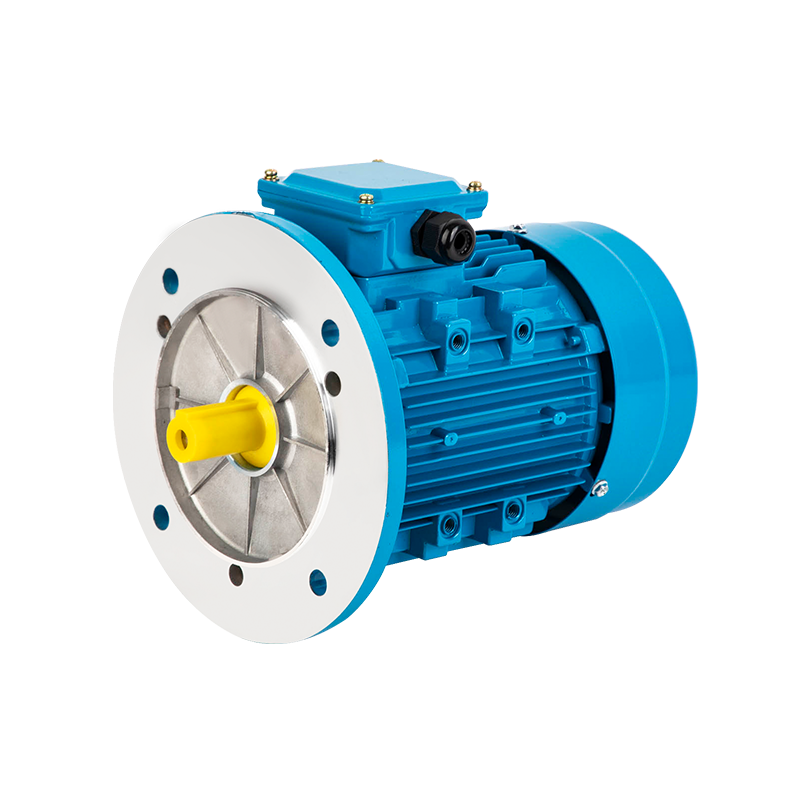
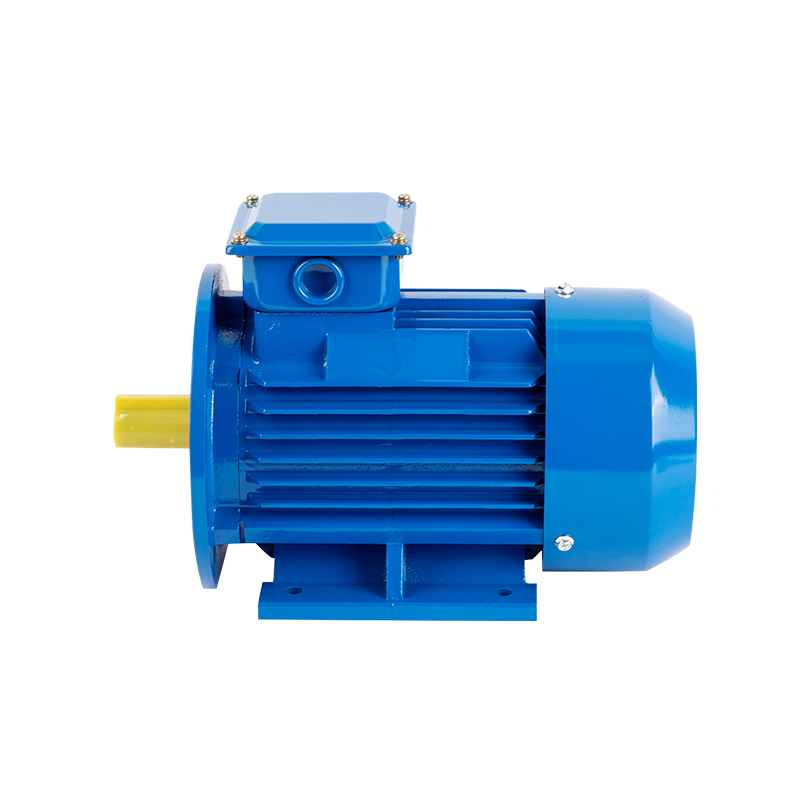
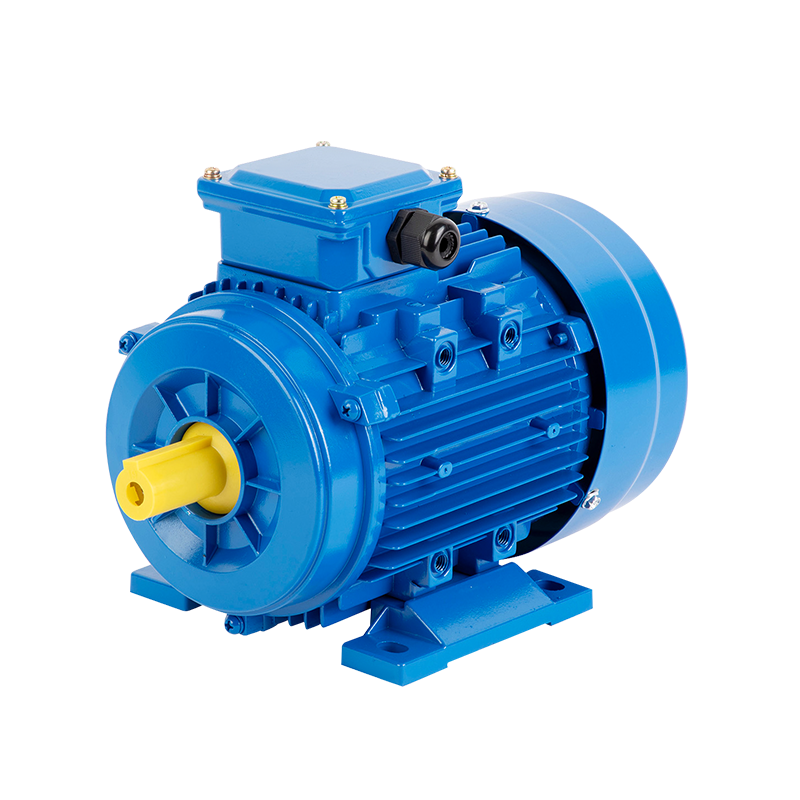
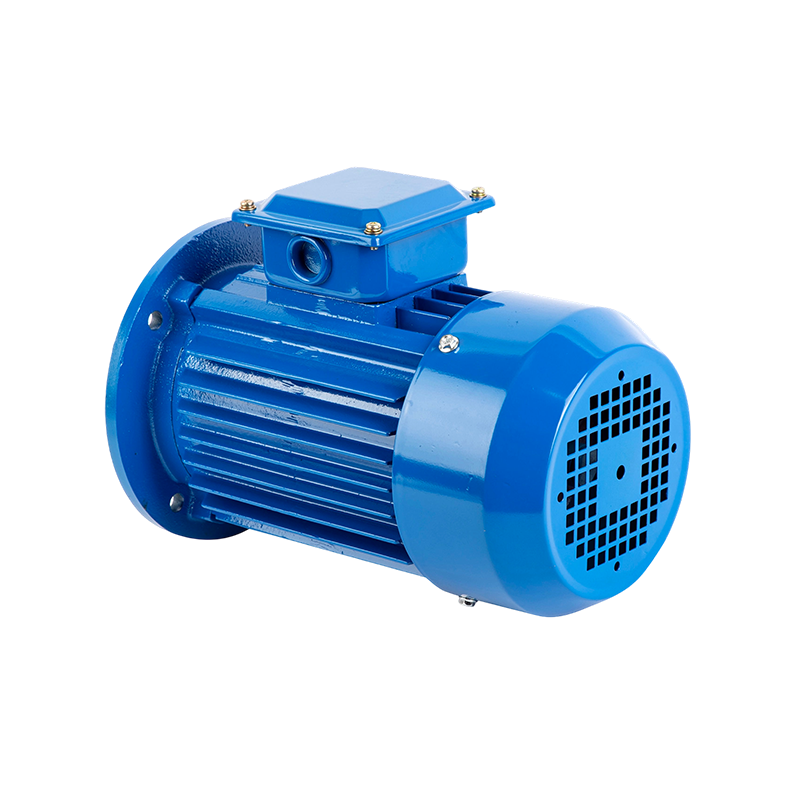
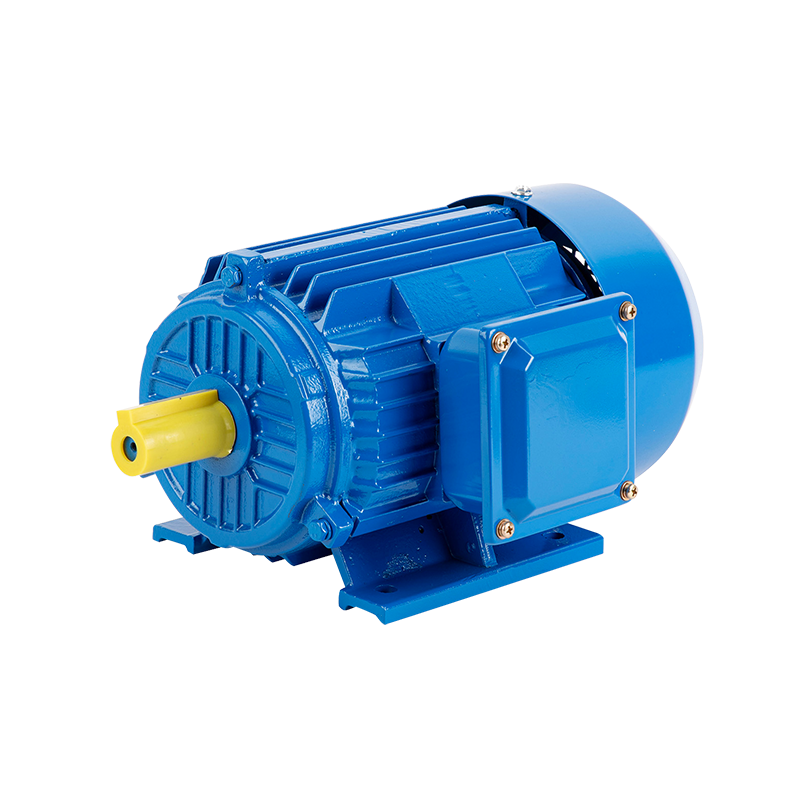
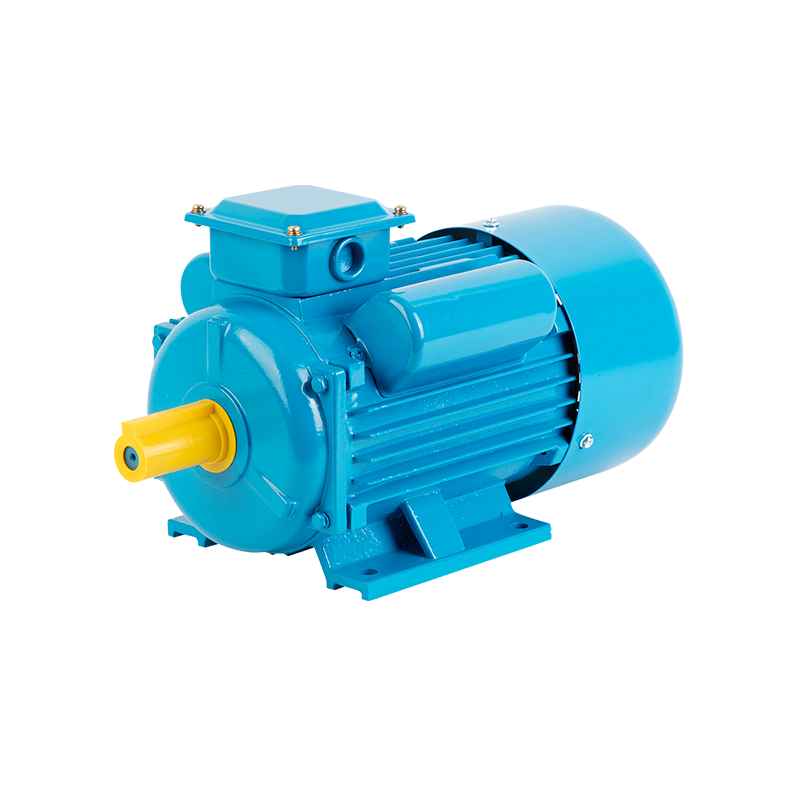
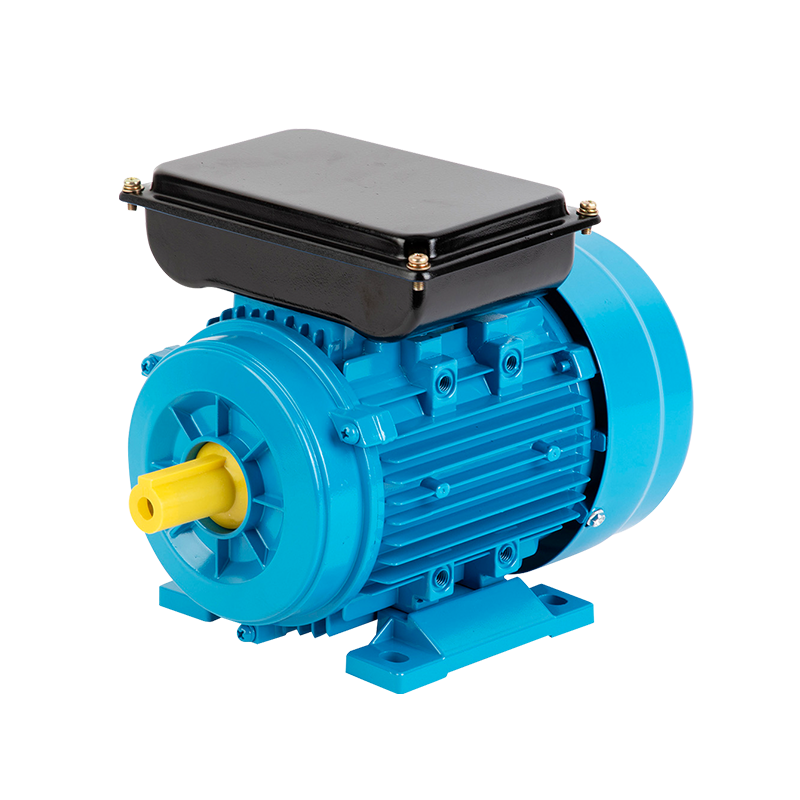
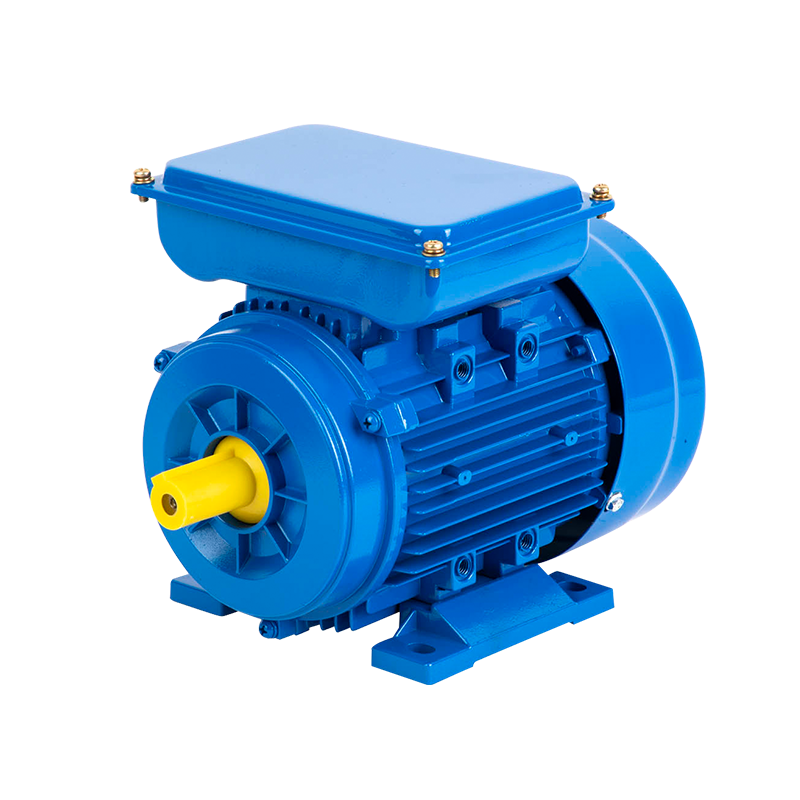
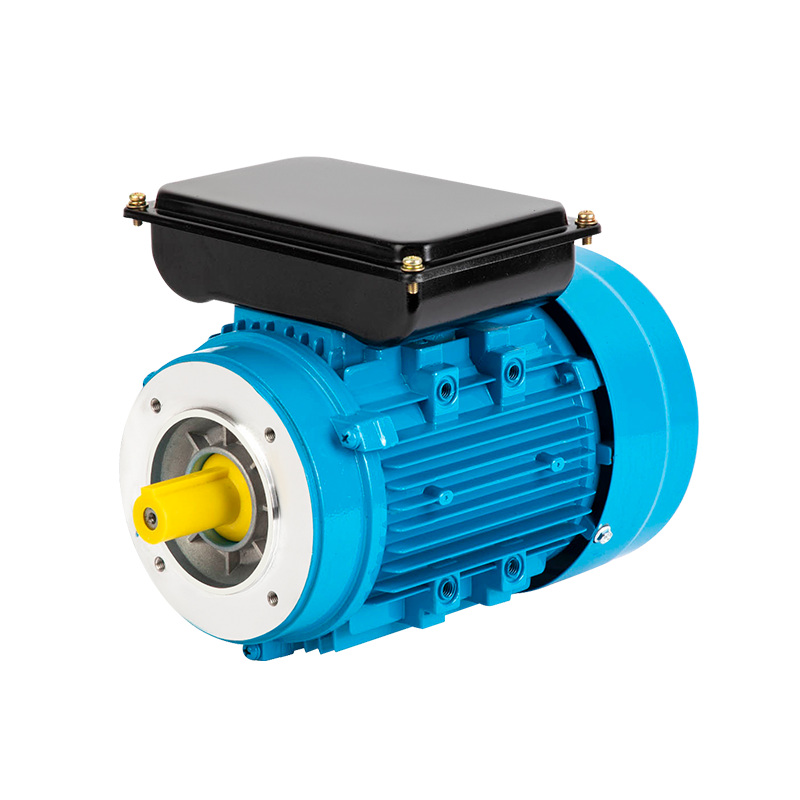
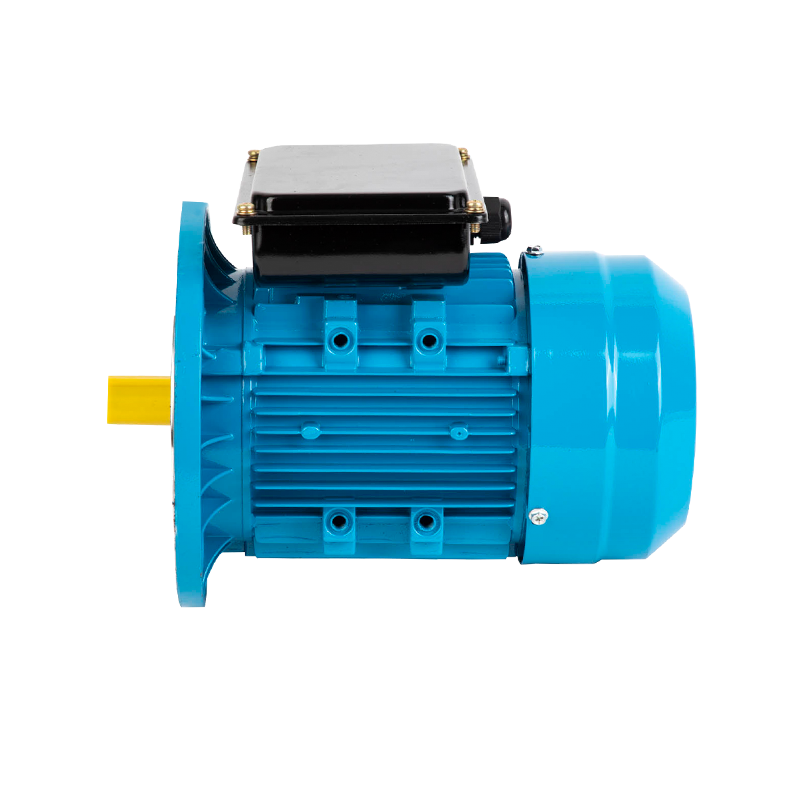
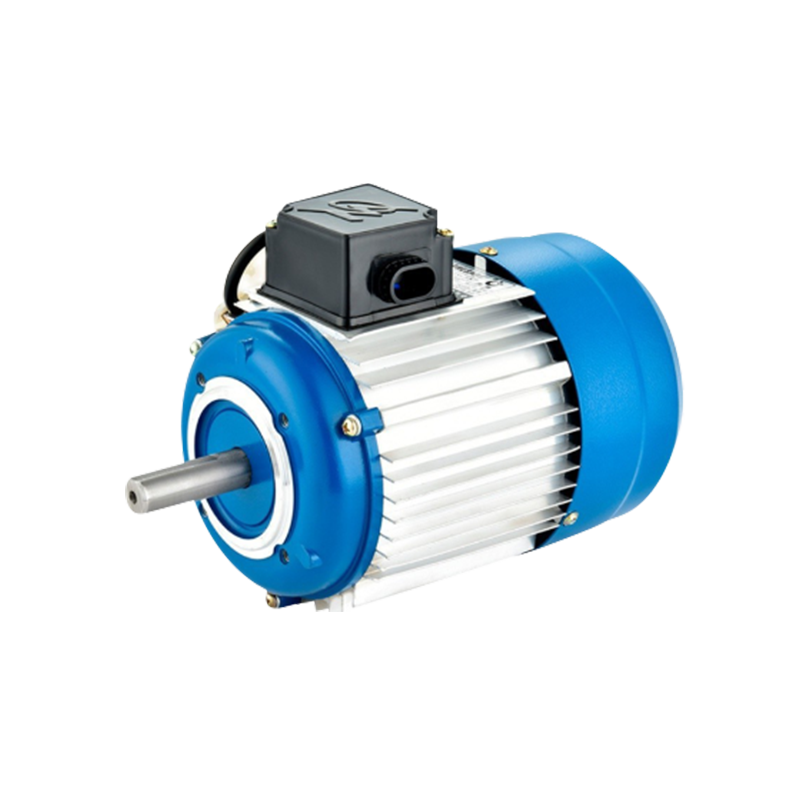
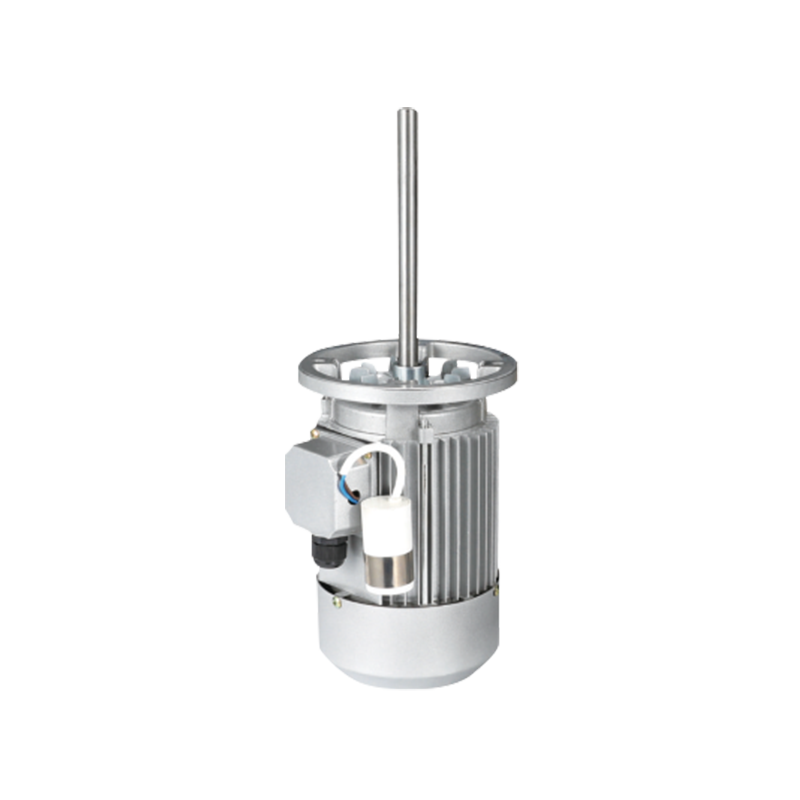
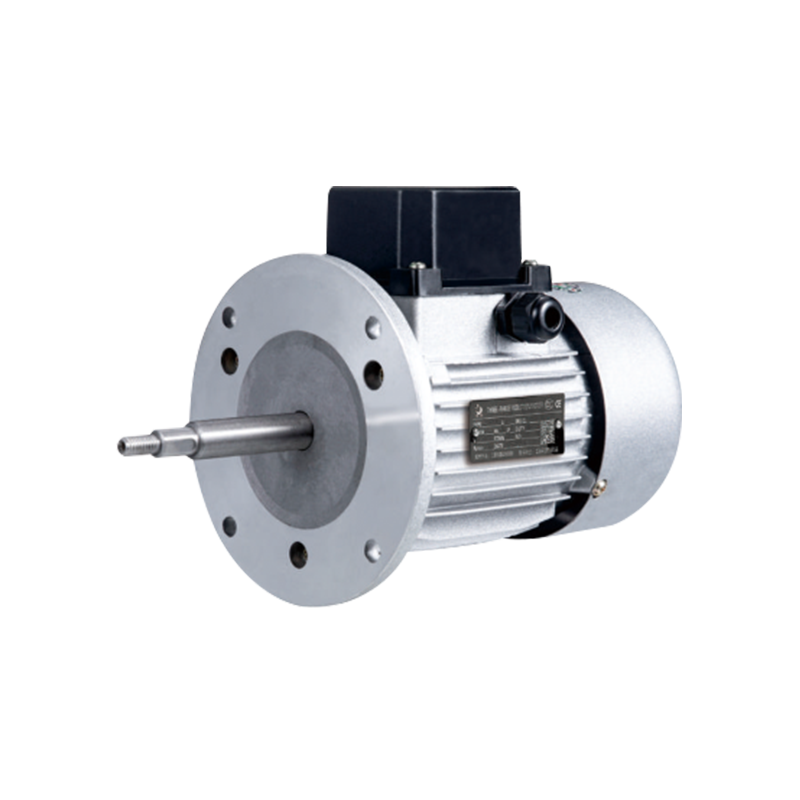
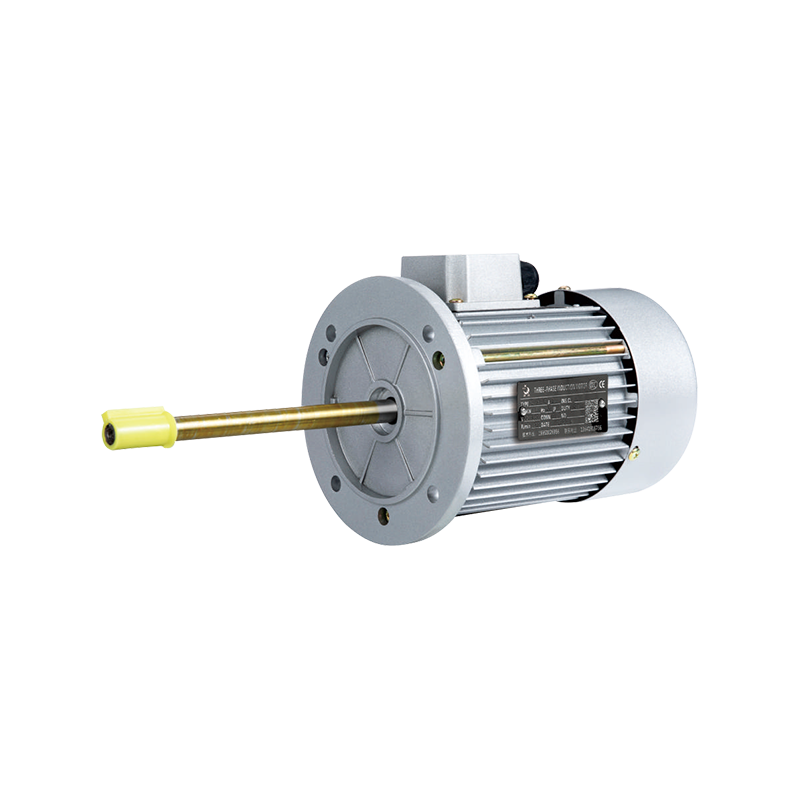
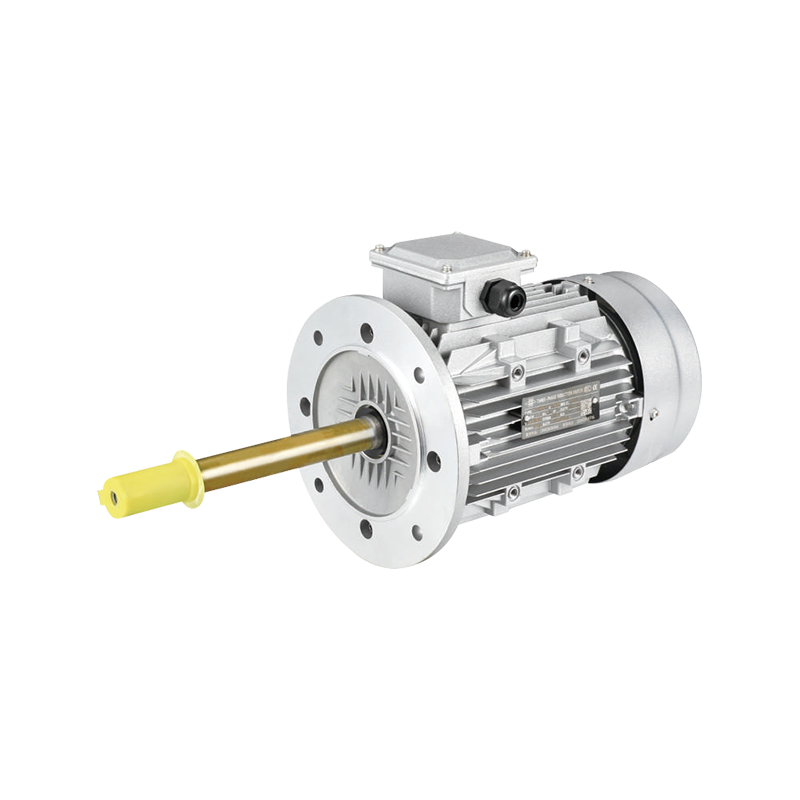
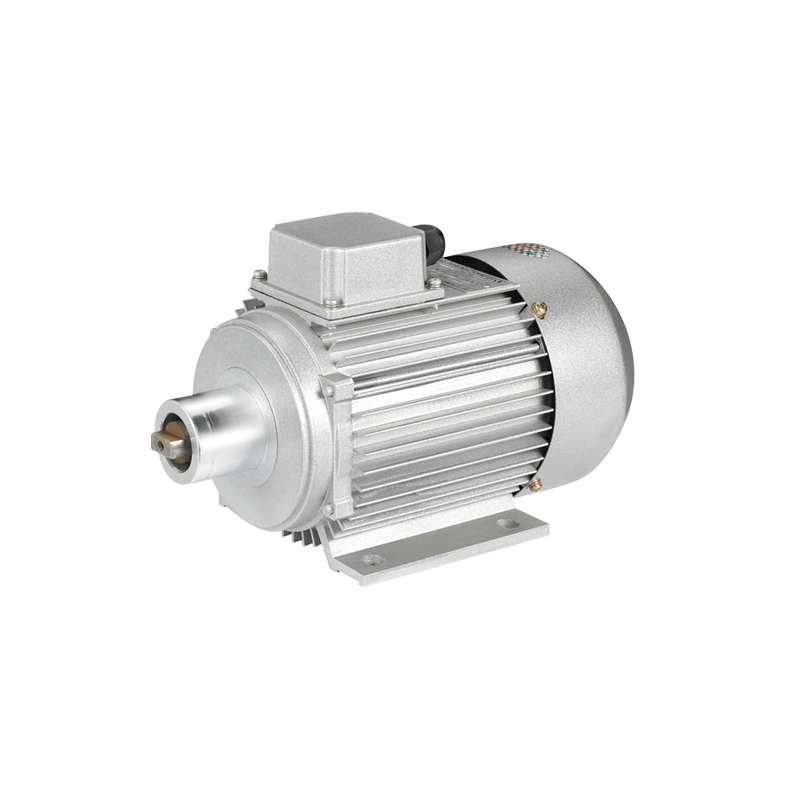
An Aluminum Housing Motor uses the housing itself as part of the thermal path. Heat moves from the windings through the stator core into the housing, then out to the surrounding air. Aluminum conducts heat readily compared with some materials, which is why it appears in many motor designs. That property helps, but it does not guarantee that operating temperatures stay in range. Several other factors influence whether heat leaves the motor as quickly as it is generated.
Understanding what pushes temperature beyond a safe level means looking at the whole picture — electrical conditions, mechanical condition, the environment around the motor, and how the motor is used.
How Does Heat Move Through an Aluminum Housing Motor?
Heat originates in a few specific places. Windings generate heat as current flows through resistance. Bearings produce heat through friction. The rotor adds heat from magnetic losses and air resistance. Each source contributes to the total, and the housing must carry that heat away.
Conduction moves heat from the windings into the stator core, then into the housing. The contact between stator and housing matters here. A tight fit conducts heat efficiently; gaps or poor contact create a bottleneck that raises internal temperatures even when the housing itself remains cool.
Surface area determines how much heat the housing can release. Fins, ribs, and extended surfaces increase the area in contact with air. A smooth housing dissipates less heat than one with a designed profile, all else being equal.
Airflow around the housing carries heat away once it reaches the surface. Still air allows heat to build near the surface, which slows further dissipation. Moving air, whether from a fan or natural convection, improves the exchange.
Thermal mass affects how quickly the motor warms up and how it behaves during load changes. A heavier housing takes longer to reach steady‑state temperature but also holds heat longer after the motor stops. Neither behavior is inherently a problem; the issue arises when heat input exceeds what the housing can release over time.
The thermal path breaks down at several points. Poor stator‑to‑housing contact, restricted airflow, or a coated surface can each reduce heat transfer. Identifying which part of the path is limiting performance often points toward the appropriate correction.
What Electrical Conditions Cause Excess Heat?
Electrical factors are among the common reasons a motor runs hotter than expected.
Overload sits at the front of that list. When the load exceeds what the motor is rated to handle for its duty, current rises, and heat generation rises with it. A motor pushed beyond its capacity will run warmer regardless of how well the housing dissipates heat.
Voltage deviation affects performance in both directions. Supply voltage above the design range can increase magnetic losses. Voltage below the range causes the motor to draw more current to produce the same output, which adds heat.
Phase imbalance appears in multi‑phase designs when current is not evenly distributed. The uneven load causes one set of windings to carry more current than the others, and that section runs hotter. Over time, the imbalance affects insulation life in the affected phase.
Winding faults develop from insulation degradation, contamination, or mechanical damage. A shorted turn creates a low‑resistance path that draws current without contributing to output. The heat generated at that point may stay localized, which makes it harder to detect from the housing surface.
Drive settings influence heat generation in motors controlled by electronic drives. Switching frequency, current limits, and control parameters all affect how much loss occurs in the windings and core. Settings that do not match the motor's characteristics can raise operating temperature.
Harmonics in the supply waveform add losses that a clean supply would not produce. Distortion from other equipment on the same circuit can contribute, and the effect accumulates across the motor's operating hours.
| Electrical Cause | How It Raises Temperature | What to Check |
|---|---|---|
| Overload | Higher current through windings | Load against rated capacity |
| Voltage deviation | Increased losses or current draw | Supply voltage stability |
| Phase imbalance | Uneven current across phases | Current on each phase |
| Winding faults | Localized heat from shorted turns | Insulation resistance |
| Drive settings | Mismatch with motor characteristics | Switching frequency and limits |
| Harmonics | Added losses from waveform distortion | Supply quality |
Which Environmental and Installation Factors Raise Temperature?
Conditions around the motor affect how well it sheds heat, regardless of how well it performs electrically and mechanically.
Ambient temperature sets the baseline. A motor rated for a certain temperature rise assumes a specific surrounding temperature. When the ambient is higher than that assumption, the motor reaches a higher operating temperature for the same load. In hot environments, this effect can be enough to push a normally cool‑running motor beyond its limit.
Restricted airflow limits how quickly heat leaves the housing surface. Motors mounted in tight enclosures, against walls, or in equipment cabinets may not receive the air movement their design assumes. The heat has nowhere to go, and internal temperatures rise.
Dust or debris coating the housing surface acts as insulation. A layer of dust reduces the effective surface area available for heat transfer, which slows dissipation. In environments with high particulate levels, this buildup can develop quickly and go unnoticed.
Enclosed mounting positions compound the problem. A motor inside a sealed cabinet has access only to the air within that space. As the air warms, its ability to absorb additional heat decreases. Without ventilation or a cooling path, temperatures climb.
Proximity to other heat sources adds to the surrounding temperature. Motors mounted near ovens, furnaces, or other heat‑generating equipment face higher ambient conditions than the general environment suggests.
| Category | Common Cause | Practical Check |
|---|---|---|
| Electrical | Overload, voltage deviation | Load and supply measurement |
| Mechanical | Bearing wear, misalignment | Vibration and temperature at bearings |
| Environmental | High ambient, blocked airflow | Surrounding conditions and clearance |
| Operational | Duty cycle mismatch | Run and rest intervals |
| Housing | Surface coating, poor contact | Cleanliness and mounting condition |
How Does Duty Cycle Affect Operating Temperature?
How a motor is run matters as much as how it is built. Two motors of the same design can reach different temperatures depending on the work they are asked to do.
Continuous operation keeps heat generation steady. The motor reaches a stable temperature once heat input matches heat output. Whether that stable point sits within the safe range depends on the load and the cooling available. A motor rated for continuous duty at a given load handles that condition by design. Running it at a higher load changes the balance.
Intermittent use gives the motor time to cool between runs. Heat builds during operation and dissipates during rest. If the rest intervals are long enough, the motor may never reach the temperature it would under continuous load. If the intervals are short, heat accumulates across cycles and temperatures climb.
Frequent starts and stops add transient heat. Starting current is higher than running current, and each start produces a burst of heat in the windings. A motor that starts and stops often generates more total heat than one that runs steadily for the same total operating time.
Reversing cycles draw additional current as the motor changes direction. The magnetic field must reverse, and the current required to do that adds to the heat load. Applications that reverse frequently place different demands on the motor than those that run in one direction.
Running at low speed with high torque is a condition that appears in some drive‑controlled applications. At low speeds, cooling from an internal fan may be reduced, while current remains high to produce the required torque. Heat generation stays elevated while heat removal drops, which is an unfavorable combination.
Rest intervals determine whether heat has time to leave the motor. In applications with natural cooling, the interval between runs may be the factor that keeps temperatures in range. Reducing that interval without adjusting the load can push temperatures higher.
Matching duty cycle to motor specification is part of the selection process. A motor rated for intermittent duty used in continuous operation will run warmer than intended, regardless of how well the housing dissipates heat.
What Does the Housing Material Solve and What Does It Not?
Aluminum brings certain advantages to motor construction. It conducts heat well compared with some alternatives, which helps move heat from the stator to the outer surface. It also resists corrosion in many environments and offers a favorable strength‑to‑weight ratio.
Housing design determines how effectively that conductivity translates into cooling. Fins, ribs, and extended surfaces increase the area available for heat transfer. A housing with a designed profile releases heat faster than a smooth cylinder of the same material. The shape matters as much as the material.
Coating and paint layers add thermal resistance between the housing surface and the surrounding air. A thin coating has a modest effect. Thick or multiple layers slow heat transfer noticeably. In some cases, the coating also traps dust, which adds further insulation.
Corrosion or oxidation on the surface changes how heat moves. A light oxide layer has little effect. Heavy corrosion creates a rough, porous surface that interferes with airflow and reduces effective heat transfer.
Mounting contact can help or hinder. A motor bolted to a metal frame conducts heat into that frame, which acts as an additional heat sink. A motor mounted on isolated pads or in a non‑metallic bracket loses that path. How the motor connects to its support affects the total thermal picture.
Limits of housing‑based cooling appear when other factors dominate. If the load exceeds the rating, if ambient temperature is high, or if airflow is blocked, no housing design can compensate. The housing is one part of the thermal path, and improving it does not address problems elsewhere in that path.
An Aluminum Housing Motor benefits from the thermal properties of the material, but those properties work within the conditions the motor experiences. A well‑designed housing in a poorly ventilated space performs differently than the same housing with clear airflow around it.
What Are the Signs and Consequences of Sustained Overheating?
Overheating rarely announces itself in a single moment. It shows up through changes that accumulate over time.
Insulation degradation is among the consequences that matter most. Winding insulation has a temperature limit, and operation above that limit shortens its life. The relationship is not linear — a modest increase in temperature can reduce insulation life noticeably over an extended period. The damage may not be visible until the insulation fails.
Bearing grease breakdown occurs when temperatures exceed what the lubricant can tolerate. Grease loses its properties, separates, or migrates away from the bearing surfaces. Once that happens, friction increases, which generates more heat, which further degrades the lubricant. The cycle accelerates if not addressed.
Winding resistance changes as temperature rises. Copper resistance increases with heat, which affects motor performance. Current draw may rise to compensate, adding to the heat load. In some applications, this shows up as reduced output or inconsistent operation.
Housing discoloration or deformation provides visible evidence of sustained high temperatures. Paint may darken or blister. In severe cases, the housing itself may distort, which affects alignment and clearances.
Thermal protection devices may trip when temperatures reach a set point. A motor that shuts down unexpectedly during operation is often responding to a thermal limit. The trip protects the motor, but it also indicates that something in the thermal balance needs attention.
Cumulative effects may not appear immediately. A motor that runs warm for an extended period may continue to function while its internal condition declines. By the time symptoms appear, the damage may already be significant. Regular temperature checks and attention to changes in operating behavior help catch problems earlier.
Which Practices Help Manage Operating Temperature?
Managing temperature comes down to a few practical steps, applied consistently.
- Verify load against rated capacity: confirm that the motor is not being asked to deliver more than its design allows for the duty
- Check supply voltage and phase balance: measure at the motor terminals rather than at the source, since voltage drop across wiring affects what the motor receives
- Inspect bearings and lubrication at intervals: listen for changes in sound, check for play, and confirm that grease is present and in condition
- Keep the housing surface clean and unobstructed: remove dust and debris, and maintain clearance around the motor for airflow
- Confirm alignment between motor and driven equipment: misalignment places load on bearings and adds heat
- Review duty cycle against design assumptions: if the actual operating pattern differs from what the motor was specified for, the thermal balance may be different than expected
- Use thermal sensors or protection devices where appropriate: these provide early warning and can prevent damage from unexpected conditions
These practices address different parts of the thermal path. Some reduce heat generation, while others improve heat removal. Applying them together provides a clearer picture of where the temperature issue originates.
A simple check worth building into routine maintenance is touch or infrared measurement of the housing surface during and after operation. Changes over time — a motor that runs warmer than it used to — often indicate a developing issue before other symptoms appear.
How Does Heat Balance Determine Reliability?
Overheating comes down to an imbalance. Heat generation exceeds heat removal, and the difference accumulates as rising temperature.
Electrical conditions contribute through load, voltage, phase balance, and drive settings. Mechanical factors add heat through friction and vibration. Environmental conditions limit how quickly heat leaves the housing. Duty cycle determines how much heat is produced over time and how much opportunity the motor has to cool.
An Aluminum Housing Motor relies on its housing as part of the thermal path. The material conducts heat well, and the housing design determines how effectively that heat reaches the surrounding air. That path works when the conditions around it allow, and it struggles when load, ambient temperature, or airflow work against it.
Identifying the dominant cause points toward the appropriate response. A motor that runs hot because of overload needs a different correction than one that runs hot because of blocked airflow or a worn bearing. Checking conditions in order — electrical, mechanical, environmental, operational — narrows the possibilities.
Treating temperature as a design and maintenance parameter rather than a symptom keeps motors running within their intended range. Regular checks, attention to changes, and correction of the underlying cause extend service life and reduce the chance of unexpected downtime.


