 English
 Español



Building 1, Block 4, Wufeng Industrial Park, Daxi Town, Taizhou City, Zhejiang Province, China
A motor is the part that turns electrical energy into mechanical movement for equipment such as fans and pumps. Its working condition is closely tied to the machine attached to it. A fan facing high airflow resistance, for example, can place a different mechanical demand on the motor than a pump moving liquid through a relatively open pipe system.
Heat, vibration, installation, and load changes are common factors behind motor operating problems. A motor may continue running while gradually becoming hotter, noisier, or less stable. Such changes can point to an issue with the driven equipment, mounting, cooling path, or electrical connections rather than the motor itself.
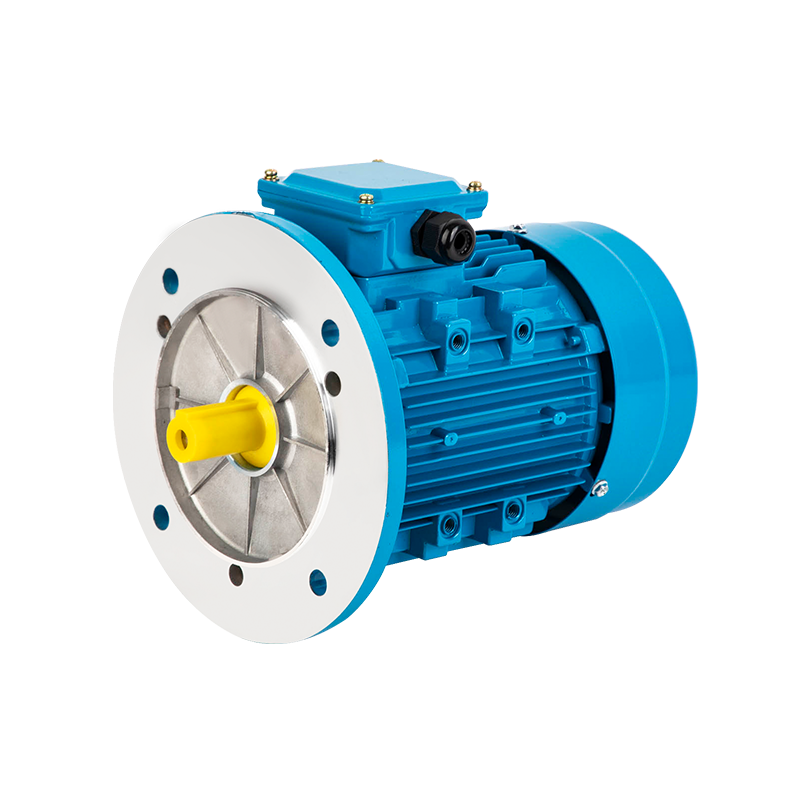
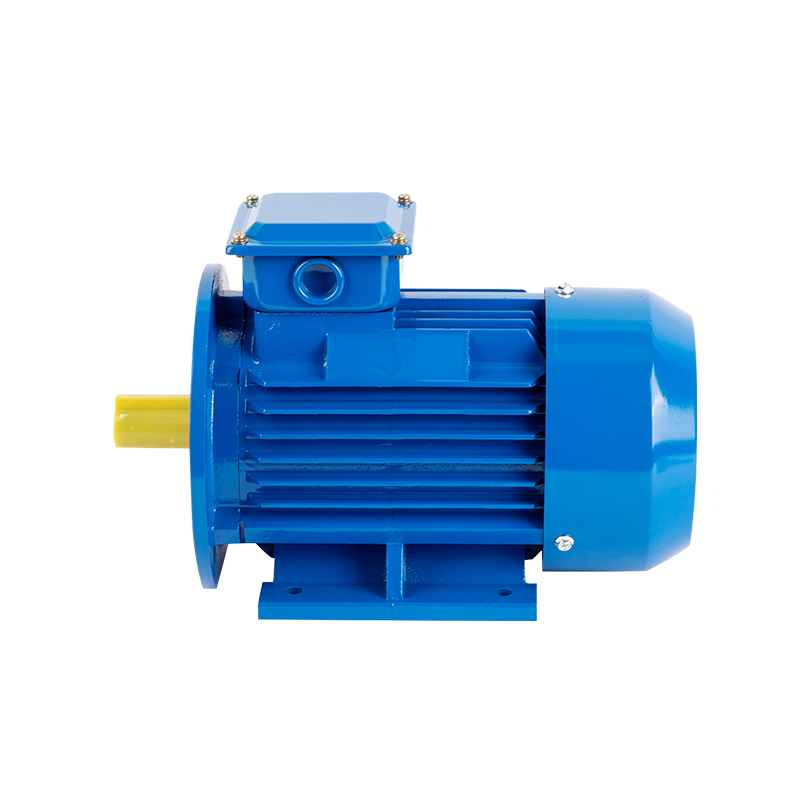
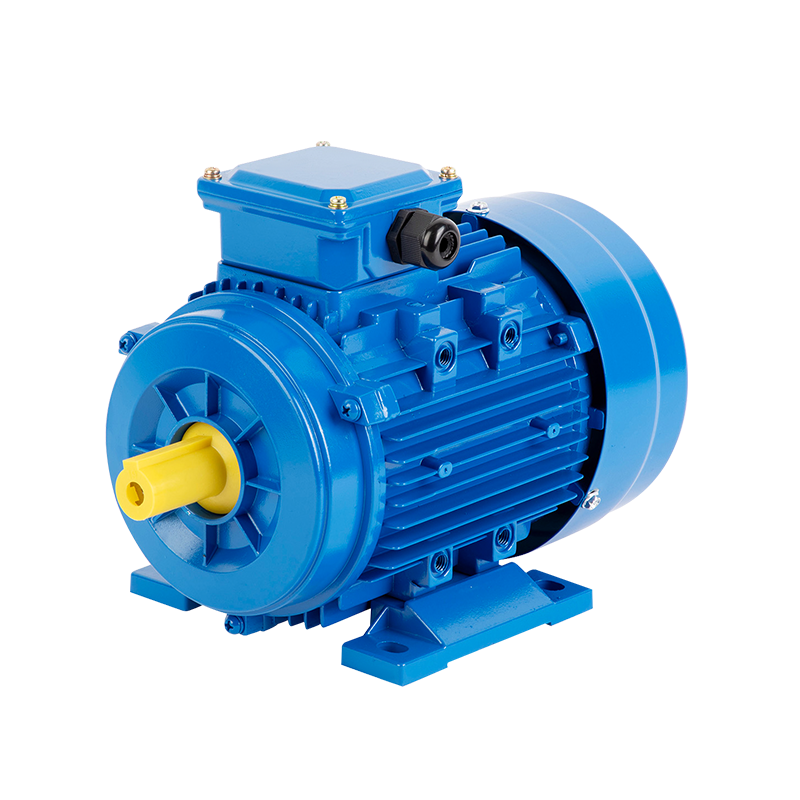
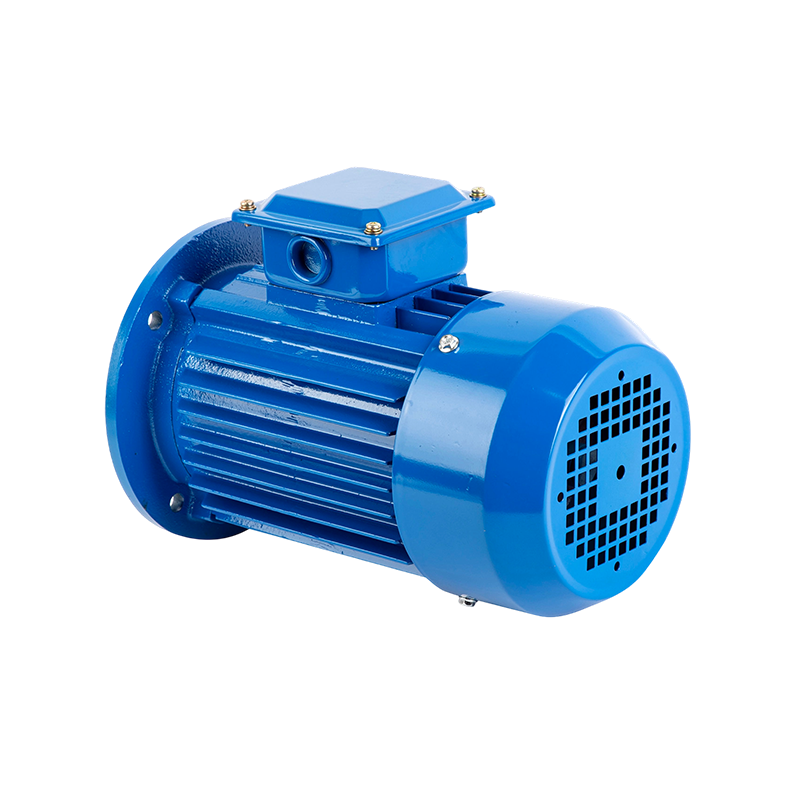
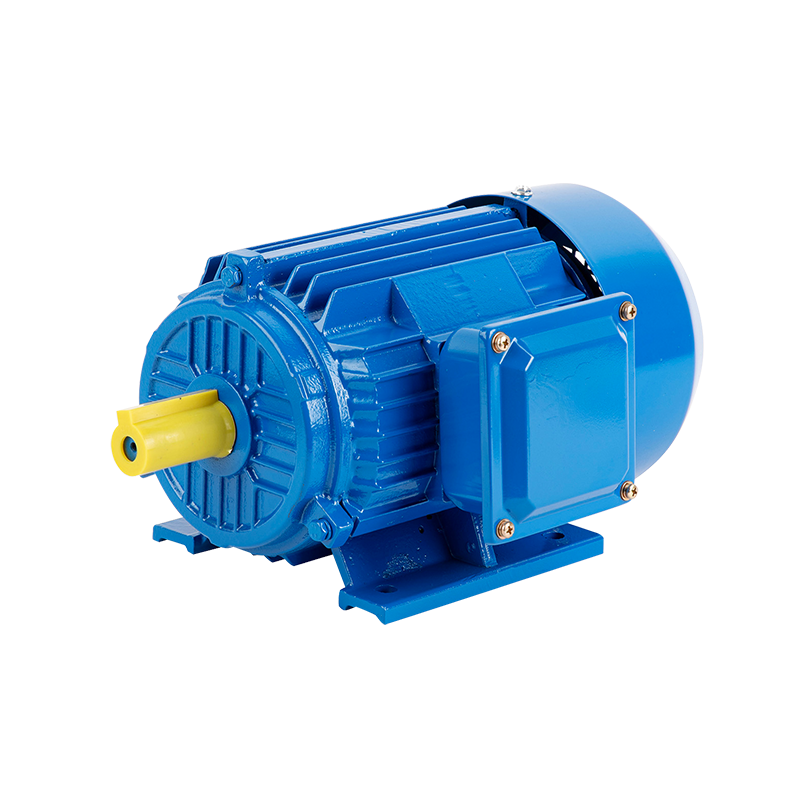
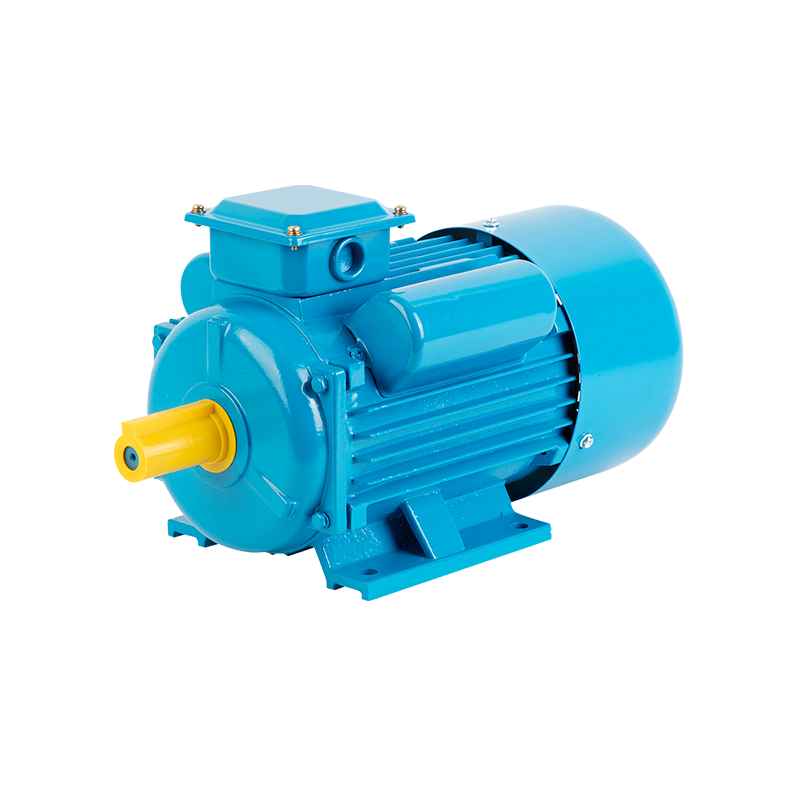
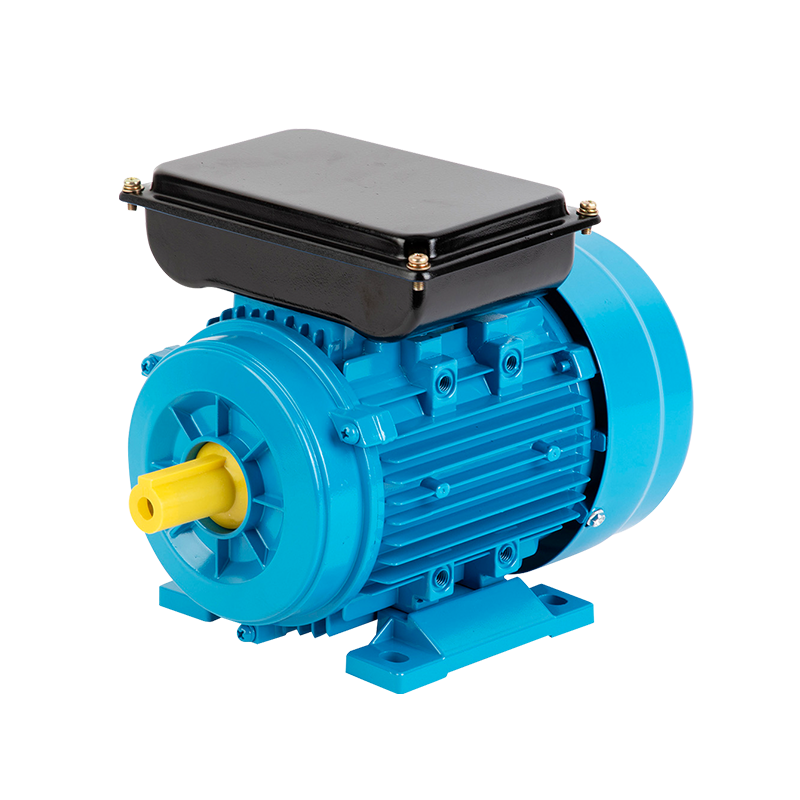
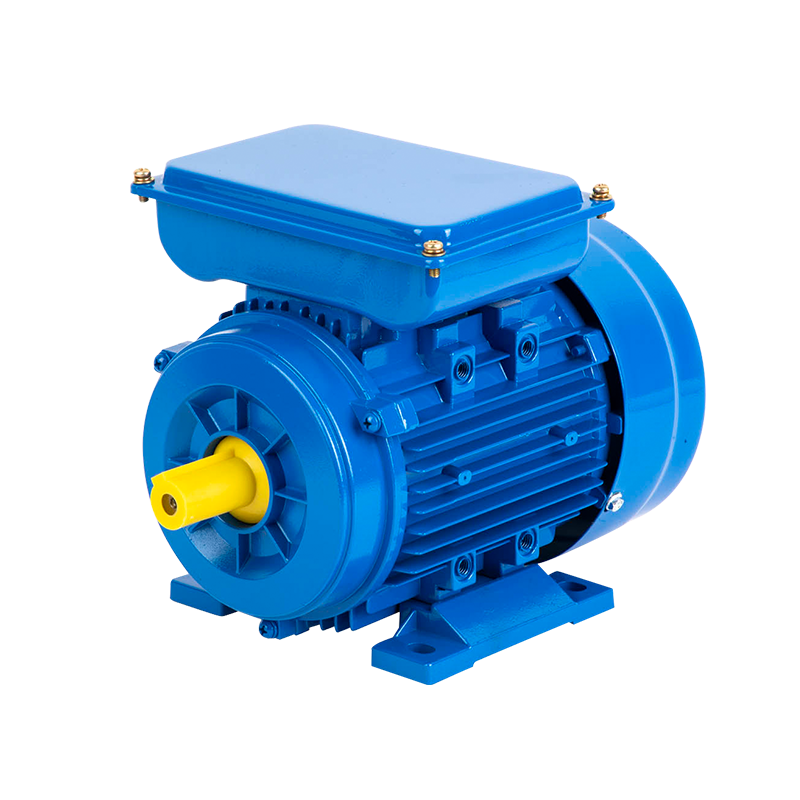
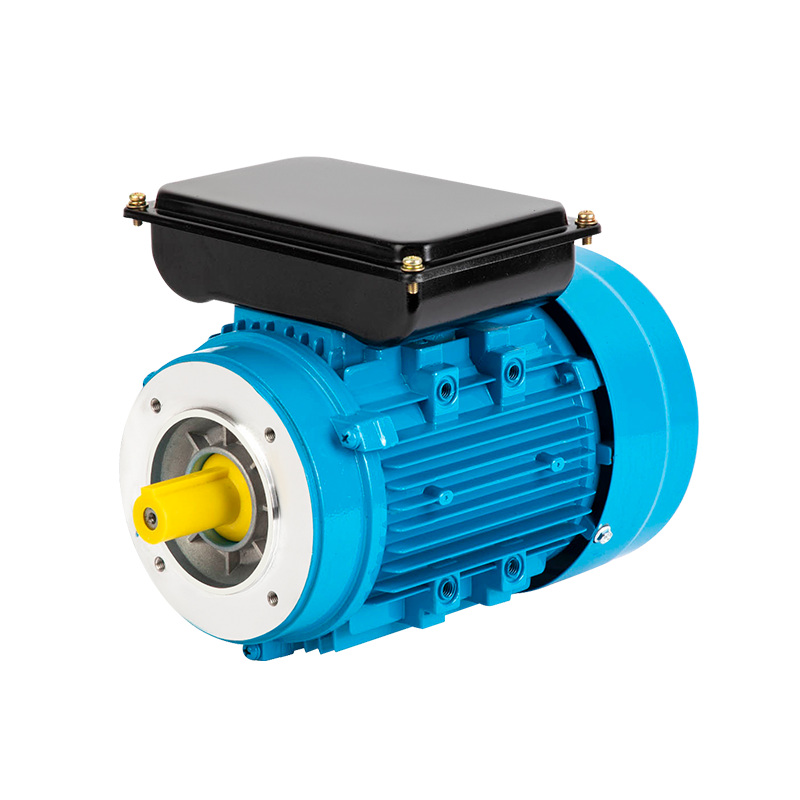
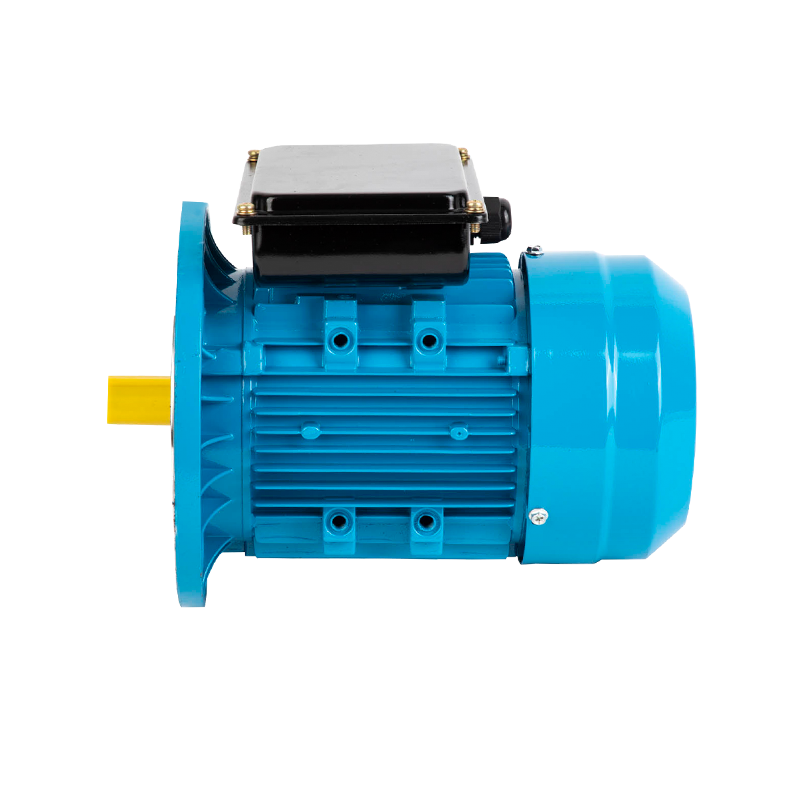
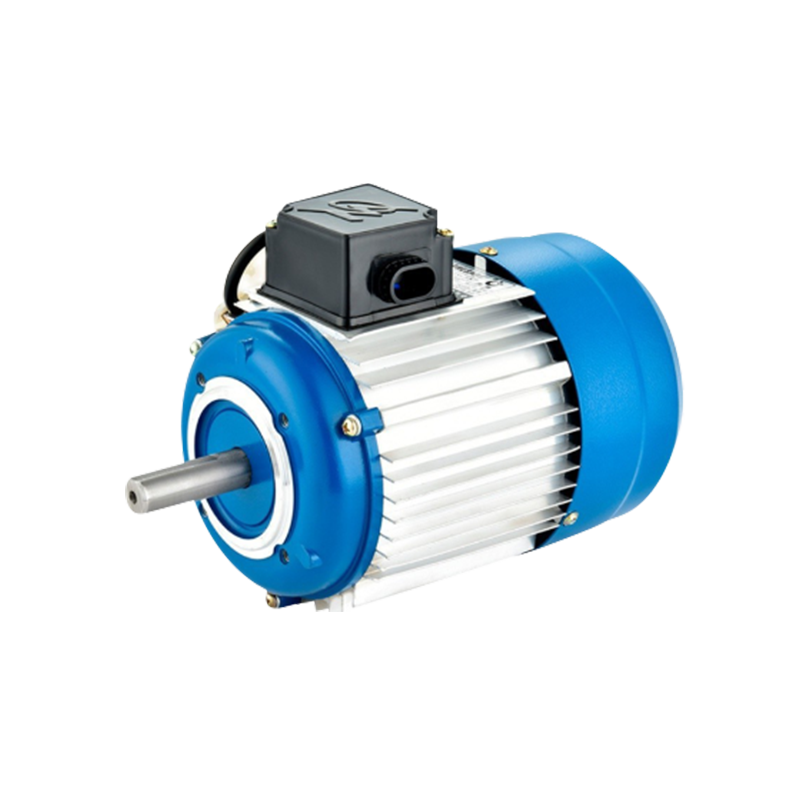
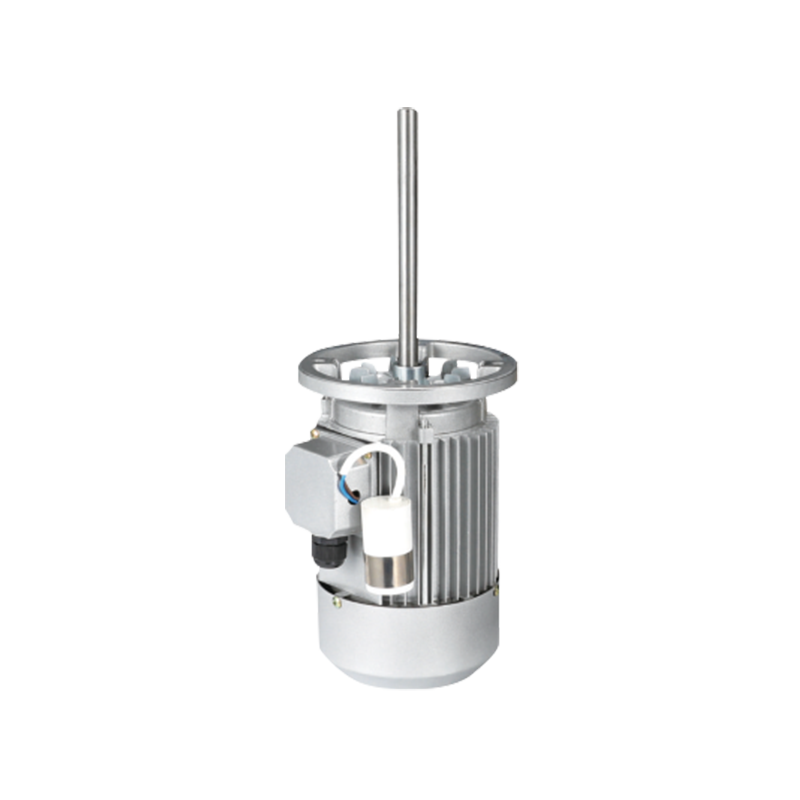
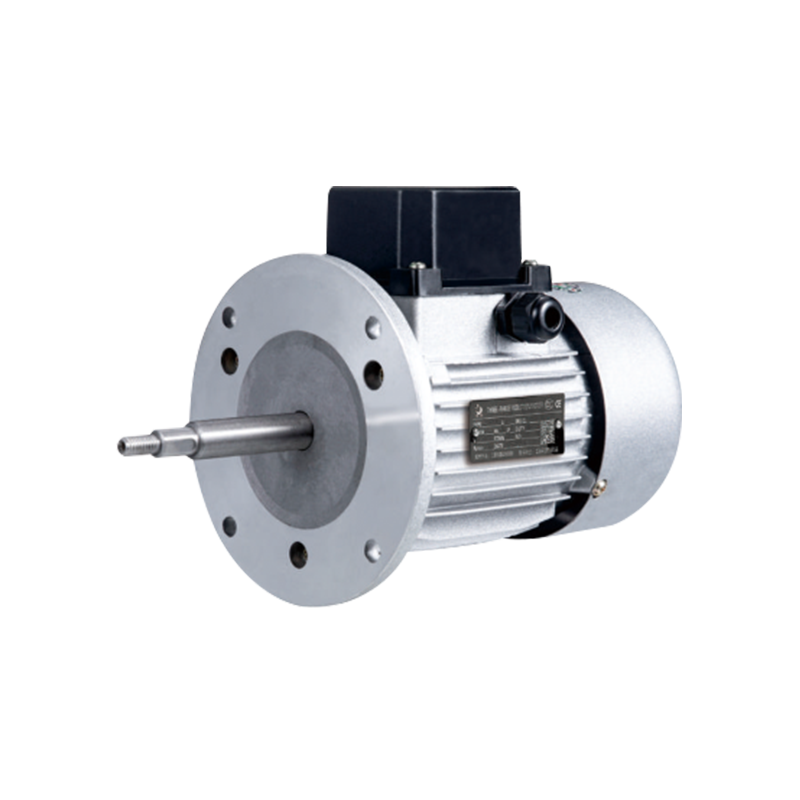
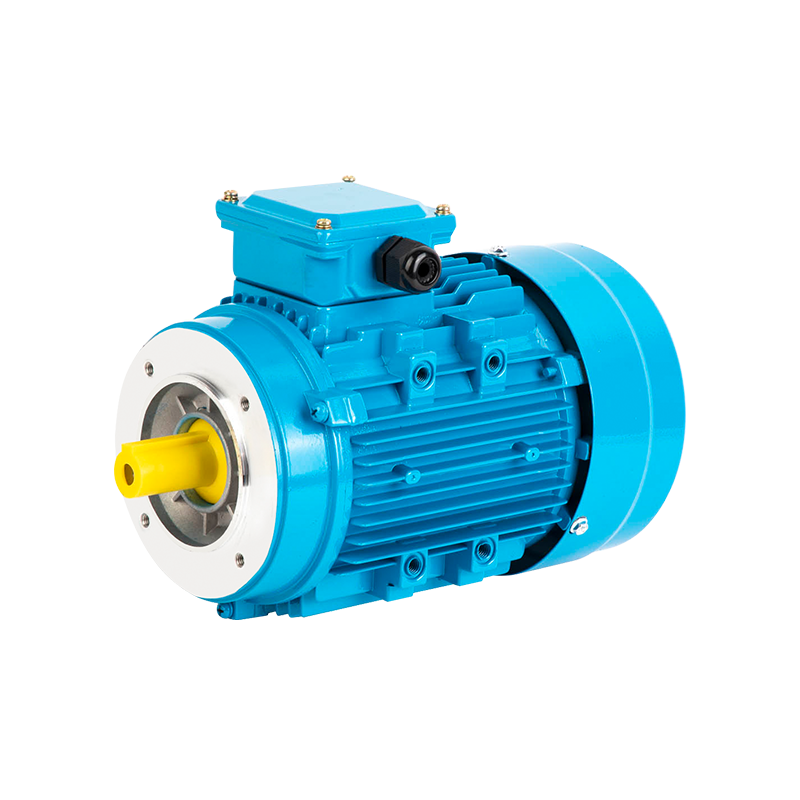
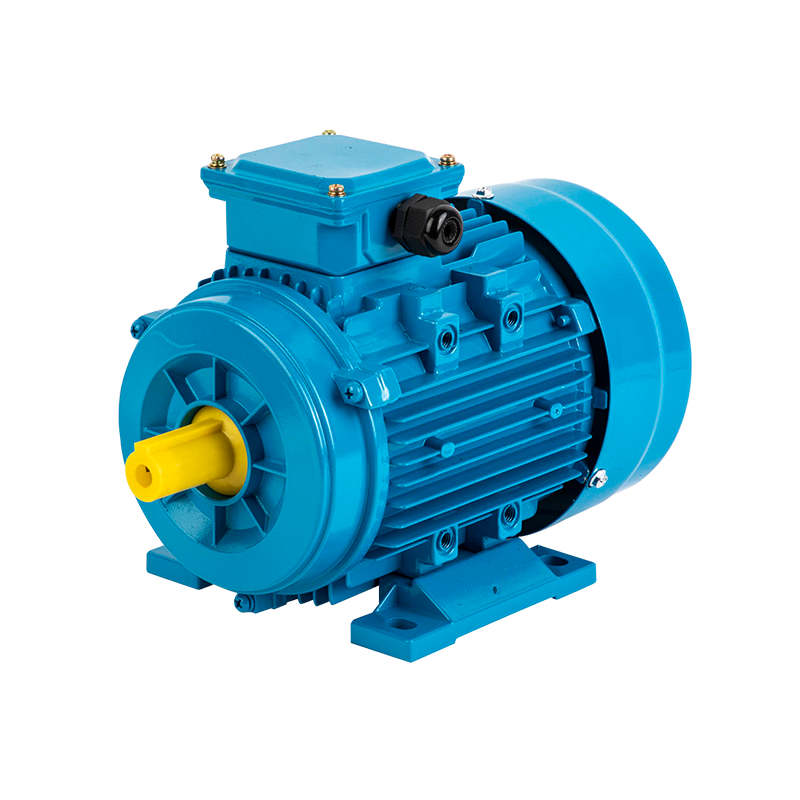
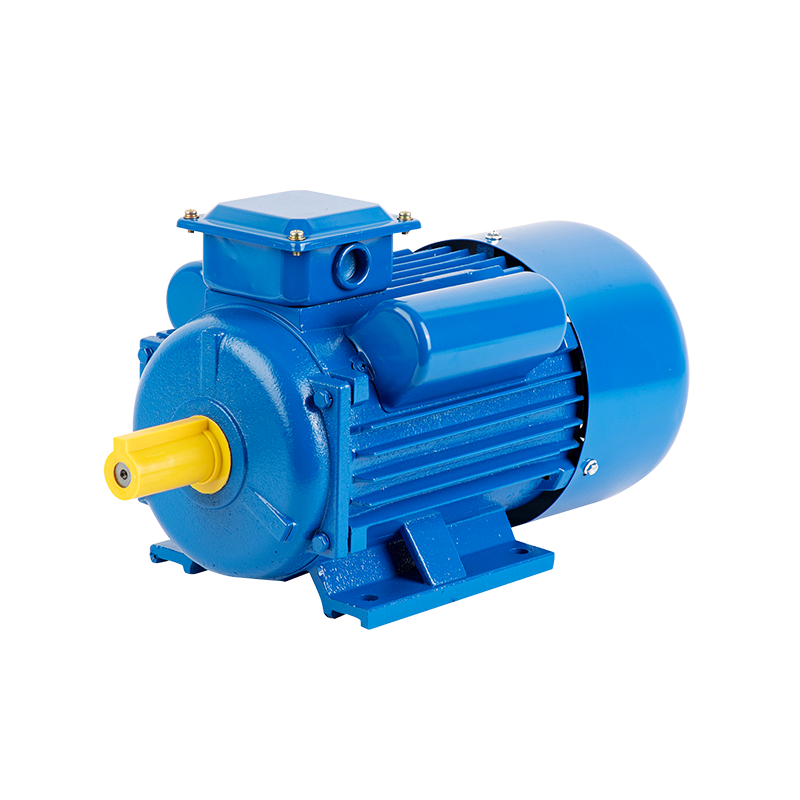
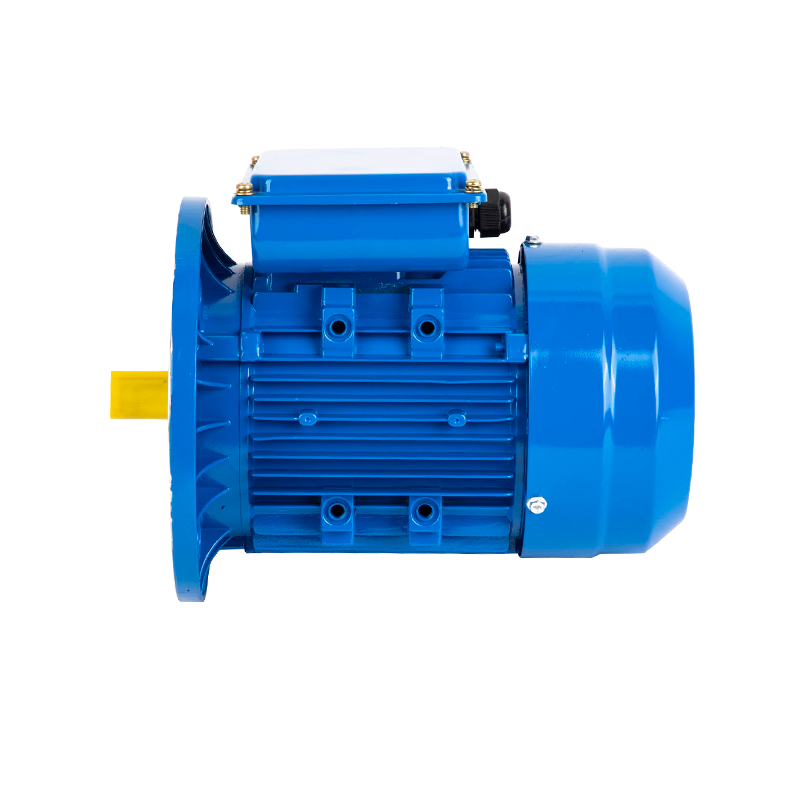
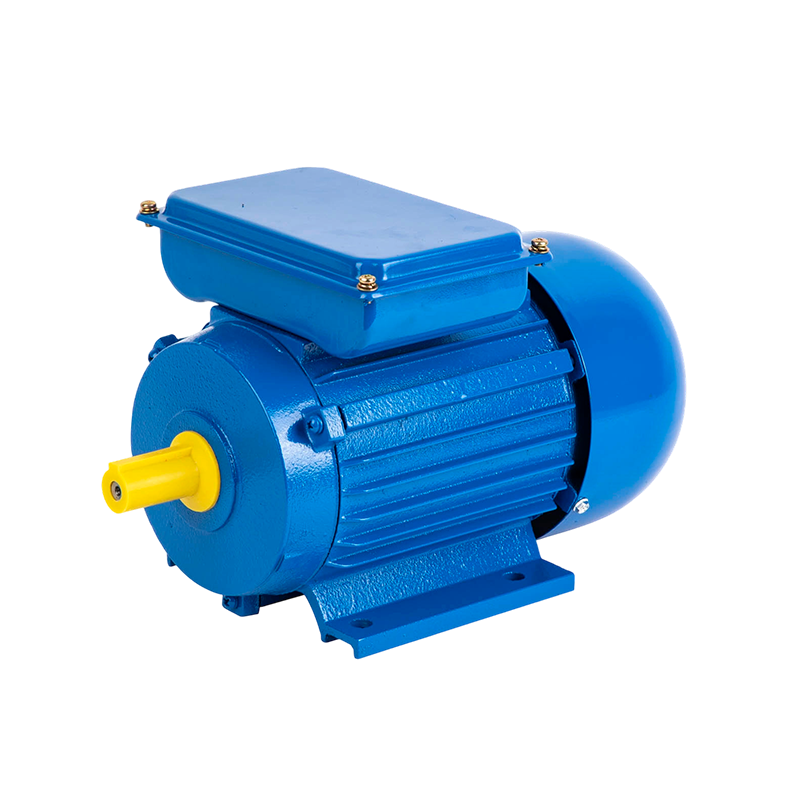
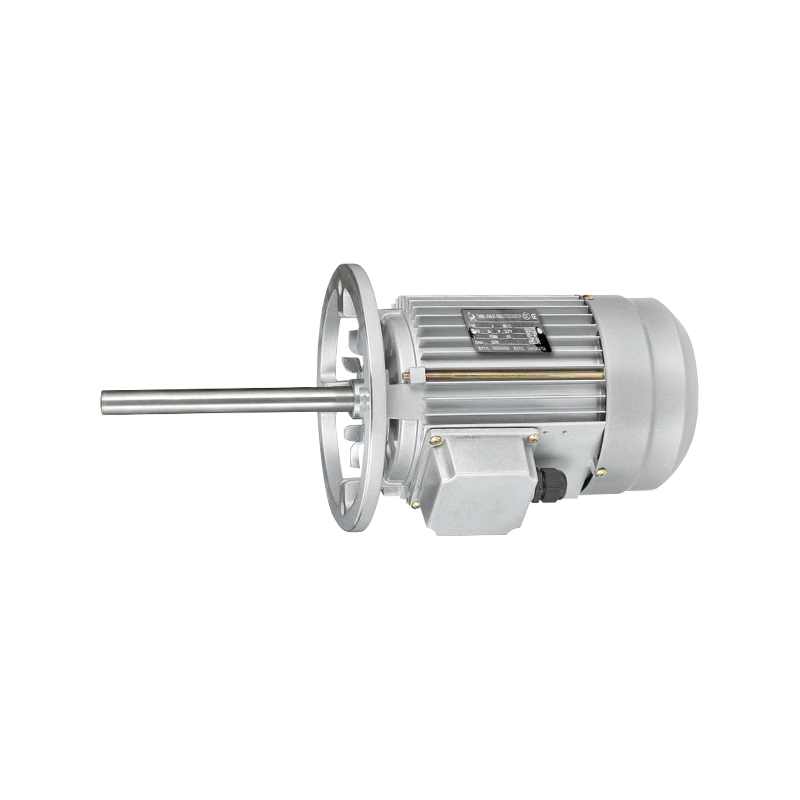
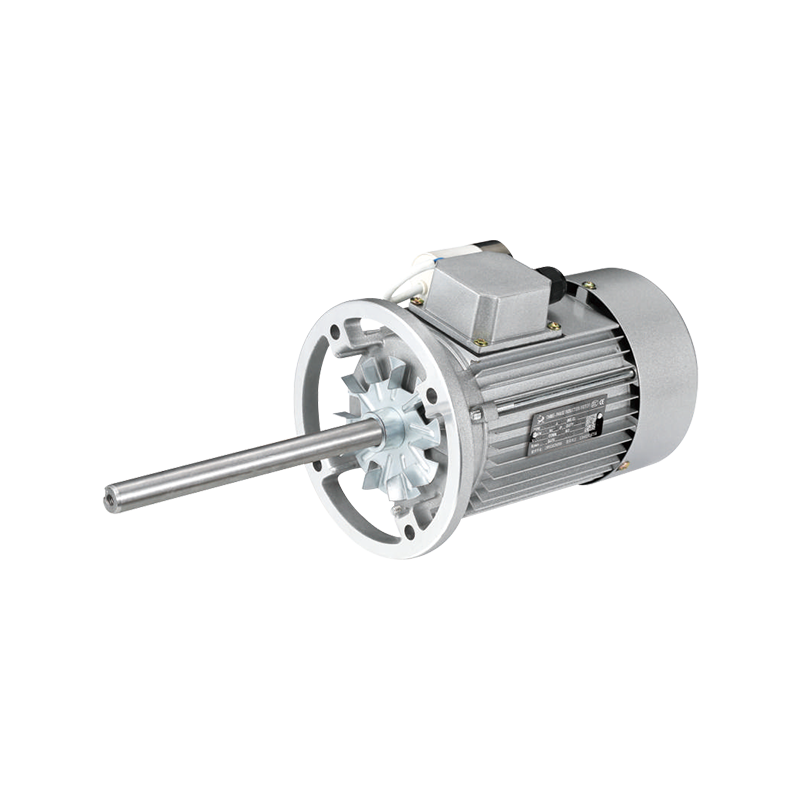
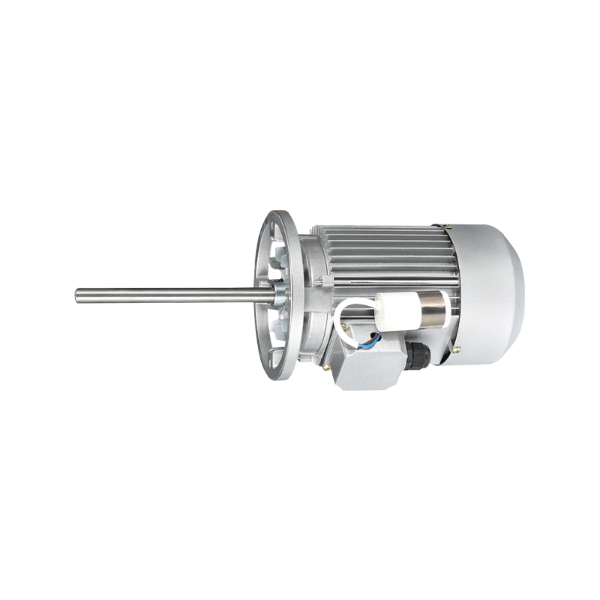
An Aluminum Frame Motor has a metal outer frame that supports the internal assembly and provides a surface for mounting. Frame material can also affect how heat moves from the motor toward the surrounding environment.
For ventilation and pump equipment, several checks are useful:
- Is the motor load consistent with the connected machine?
- Is air able to circulate around the motor?
- Are the motor and driven shaft properly aligned?
- Are unusual vibration or operating sounds present?
- Can dust or moisture reach the motor?
How Does an Aluminum Frame Motor Work in Ventilation Systems
In a ventilation unit, the motor rotates a fan that moves air through a room, duct, or equipment area. The actual motor load depends partly on how easily air can pass through the system.
A blocked filter, restricted duct, closed damper, or dirty fan can change airflow resistance. The motor may then operate under conditions different from those present when the system was installed.
An Aluminum Frame Motor can be used where a metal housing is needed for structural support and heat transfer. Cooling still depends on the installation. A motor surrounded by free‑moving air can release heat more readily than one placed in a cramped enclosure.
Common inspection points include:
- Fan cleanliness and balance
- Air passages around the motor
- Shaft alignment
- Mounting bolts and base condition
- Signs of excessive vibration
- Changes in motor temperature or sound
Fan balance deserves attention because even a small mechanical imbalance can produce continuous vibration. That vibration can affect bearings, fasteners, and the connection between the motor and fan.
Ventilation systems also vary by environment. A motor installed in a clean indoor area faces different conditions from one operating near dust, moisture, or heat‑producing equipment. The enclosure and installation method should reflect the surroundings.
How Does an Aluminum Frame Motor Perform in Pump Systems
A pump converts the motor's rotation into liquid movement. The mechanical demand changes according to pipe resistance, flow conditions, liquid level, valves, and other parts of the system.
When a pipe becomes restricted or a valve position changes, the pump does not operate under exactly the same conditions. Changes may appear through unusual noise, vibration, temperature, or altered flow.
An Aluminum Frame Motor can drive pump equipment where a metal frame provides structural support and a path for heat transfer. The frame is only one part of the operating system, however. Pump condition and shaft alignment also have a direct effect on motor behavior.
| Pump Condition | Possible Motor Response | Inspection Focus |
|---|---|---|
| Normal flow | Relatively steady operation | Temperature and sound |
| Restricted passage | Changed mechanical load | Pump and motor condition |
| Frequent starts | Repeated thermal changes | Connections and heat |
| Misalignment | Increased mechanical stress | Shaft and coupling |
| Poor ventilation | Slower heat removal | Motor surroundings |
Moisture requires particular attention in pump rooms. Condensation or liquid leakage near electrical components can create problems even when the motor itself is functioning normally. Drainage, sealing, and equipment placement should be checked as part of installation planning.
Pump maintenance should not stop at the motor. A damaged bearing, restricted pipe, or pump imbalance can create symptoms that appear to originate from the drive unit. Checking the complete assembly helps separate electrical, mechanical, and fluid‑related causes.
How Does the Frame Material Affect Motor Heat Dissipation
Motor heat comes from electrical and mechanical losses during operation. The heat needs a path to the surrounding environment. The frame provides part of that path.
Aluminum conducts heat through the frame toward its outer surface, where surrounding air can carry the heat away. The actual cooling result depends heavily on installation conditions.
A useful distinction is between frame material and cooling environment. A conductive frame cannot compensate for a motor installed in a sealed, overheated, or heavily contaminated space.
Attention should be given to:
- Clearance around the motor
- Air movement near the frame
- Surface dust and dirt
- Ambient temperature
- Mechanical load
- Length of operating periods
A fan motor may have airflow generated by the connected equipment, but that does not always mean the motor housing receives adequate cooling. Likewise, a pump motor in a poorly ventilated room may accumulate heat even when the pump itself is operating normally.
Regular cleaning of accessible surfaces and ventilation paths can help preserve heat transfer conditions. A sudden increase in temperature should also prompt inspection of load, alignment, airflow, and electrical connections rather than being attributed to frame material alone.
How Do Load Changes Affect Motor Operation
The motor does not always face the same mechanical load during operation. A ventilation fan may encounter greater resistance when a filter becomes dirty or when dust builds up on the blades. In a pump system, a partly closed valve, restricted pipe, or change in liquid movement can alter the force required to keep the pump running.
Such changes often appear through operating symptoms rather than an immediate shutdown. A warmer housing, stronger vibration, or a change in running sound can indicate that the connected equipment is no longer working under its normal mechanical condition.
Repeated starting and stopping creates another type of load. Each start causes a short period of higher electrical and mechanical demand, followed by a return to normal running conditions. Equipment that cycles frequently needs adequate cooling and suitable control arrangements.
Fault checking should begin with the complete drive system. A motor that appears to be running under excessive load may actually be responding to a dirty fan, tight bearing, restricted pipe, or mechanical misalignment.
What Installation Factors Influence Motor Performance
A motor mounting surface needs enough strength to remain stable during operation. Small amounts of movement can become noticeable as vibration after the fan or pump has been running for a long period.
Shaft alignment is also important. When the motor shaft and driven shaft are not positioned correctly, the coupling and bearings can receive uneven mechanical force. Typical signs include unusual noise, vibration near the coupling, or gradual loosening of mounting hardware.
Cooling space should remain open around the motor housing. Equipment placed too close to walls or other machines can restrict air movement. Dust on the housing has a similar effect when it becomes thick enough to interfere with heat release.
Electrical connections require separate attention. Loose terminals can produce local heating, while damaged cables may create intermittent faults. Connections should remain secure and protected from moisture.
| Installation Area | What to Check | Common Risk |
|---|---|---|
| Mounting base | Fasteners and surface stability | Vibration |
| Shaft connection | Alignment and coupling condition | Mechanical stress |
| Motor surroundings | Air movement and clearance | Heat buildup |
| Electrical wiring | Terminals and cable condition | Local heating |
| Pump area | Leakage and drainage | Moisture exposure |
Pump installations need additional care around water and condensation. A small leak near the motor may not cause an immediate fault, yet repeated moisture exposure can affect electrical parts and metal surfaces.
How Should Motors Be Maintained in Ventilation and Pump Systems
Maintenance should cover the motor and the machine connected to it. Checking only the motor can leave the actual cause untouched.
For ventilation equipment, fan blades, filters, bearings, mounting points, and air passages need regular attention. Dust accumulation can change fan balance and increase resistance. A simple cleaning task may address a vibration problem that would otherwise be mistaken for motor damage.
Pump equipment requires a different inspection focus. Pipe restrictions, valve condition, leakage, shaft alignment, and pump vibration can all influence motor operation. Changes in pump sound or flow can be useful signs during routine checks.
The motor itself can be inspected for:
- Loose mounting hardware
- Unusual sound
- Abnormal vibration
- Surface contamination
- Moisture marks
- Damaged cables
- Changes in operating temperature
Cleaning should follow the enclosure and installation requirements. Water or unsuitable cleaning materials can create additional problems around electrical components.
Maintenance records are also useful when operating conditions change gradually. A small increase in vibration may not seem important during one inspection, while repeated changes over time can point toward bearing wear, alignment problems, or changes in the driven equipment.
Which System Conditions Suit Different Motor Applications
Different ventilation and pump systems place different demands on a motor. A small indoor ventilation unit may operate in a relatively clean environment, while equipment installed near production processes can face dust, heat, or limited airflow.
Pump systems often require greater attention to moisture. Condensation, splashing, leakage, and poor drainage can affect the area around the motor even when the pumping process itself remains stable.
Operating conditions worth checking include:
- Mechanical load
- Running duration
- Start and stop frequency
- Cooling space
- Ambient conditions
- Dust exposure
- Moisture exposure
- Mounting stability
- Maintenance access
Frame material contributes to the way heat moves away from the motor, but operating performance depends on the complete installation. Airflow, pump resistance, shaft alignment, electrical connections, and surrounding conditions all play a part.
A practical selection process begins with the actual working environment. Ventilation equipment needs suitable cooling and mechanical alignment, while pump equipment also requires attention to moisture and fluid‑system resistance. Matching the motor to these conditions helps maintain stable operation and makes later inspection and maintenance easier.


