 English
 Español



Building 1, Block 4, Wufeng Industrial Park, Daxi Town, Taizhou City, Zhejiang Province, China
Equipment stability often starts with the relationship between a motor and the machine it drives. A motor may run normally on its own, yet behave differently once connected to equipment with changing loads, limited installation space, demanding working cycles, or difficult surroundings.
Motor selection therefore needs to consider more than basic power requirements. Shaft arrangement, mounting space, cooling conditions, electrical requirements, load changes, and operating habits can all affect how an assembled system behaves during daily use.
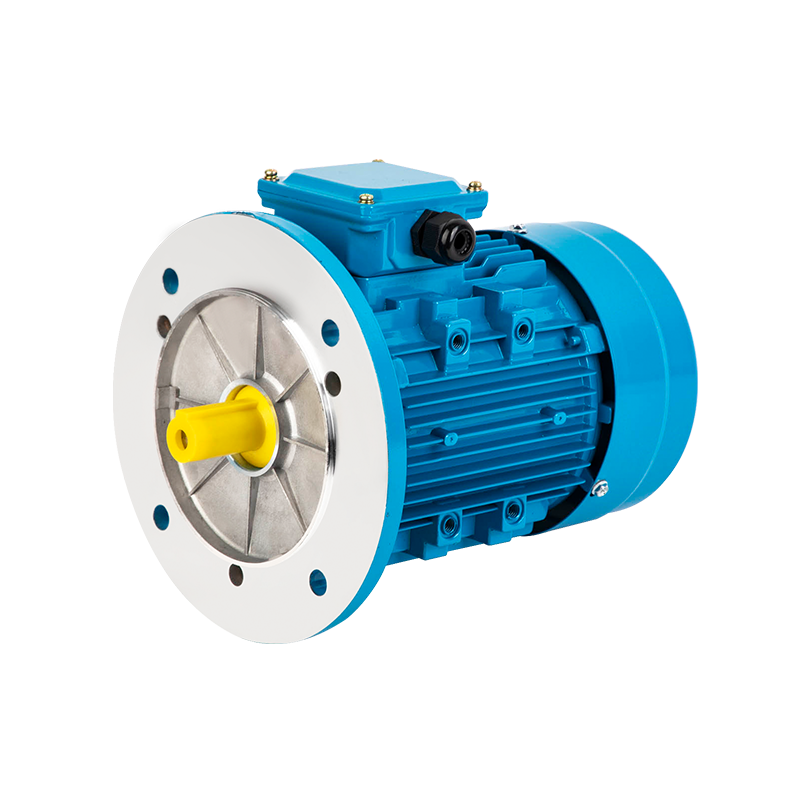
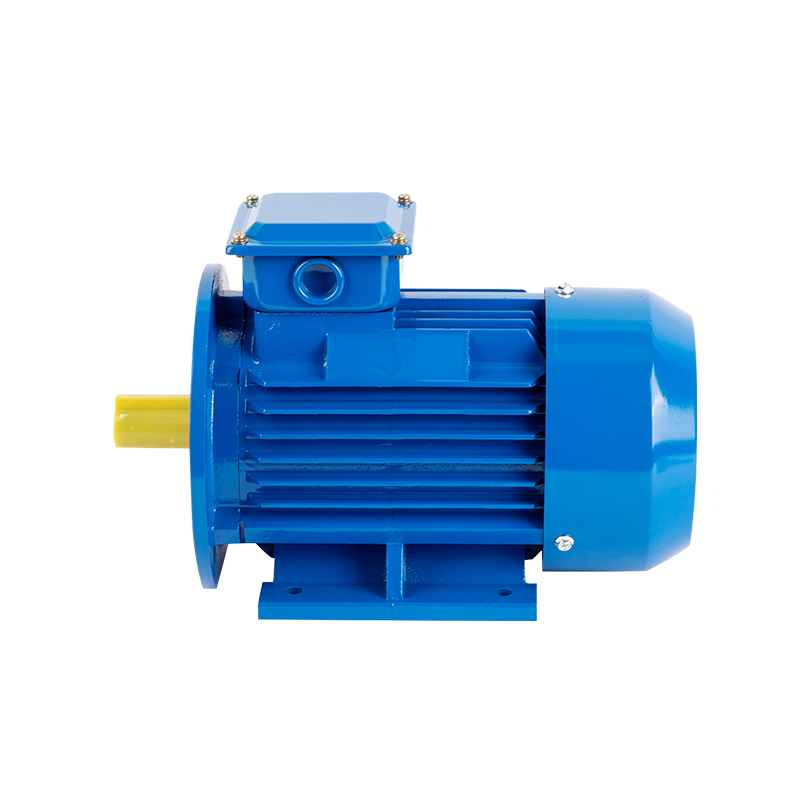
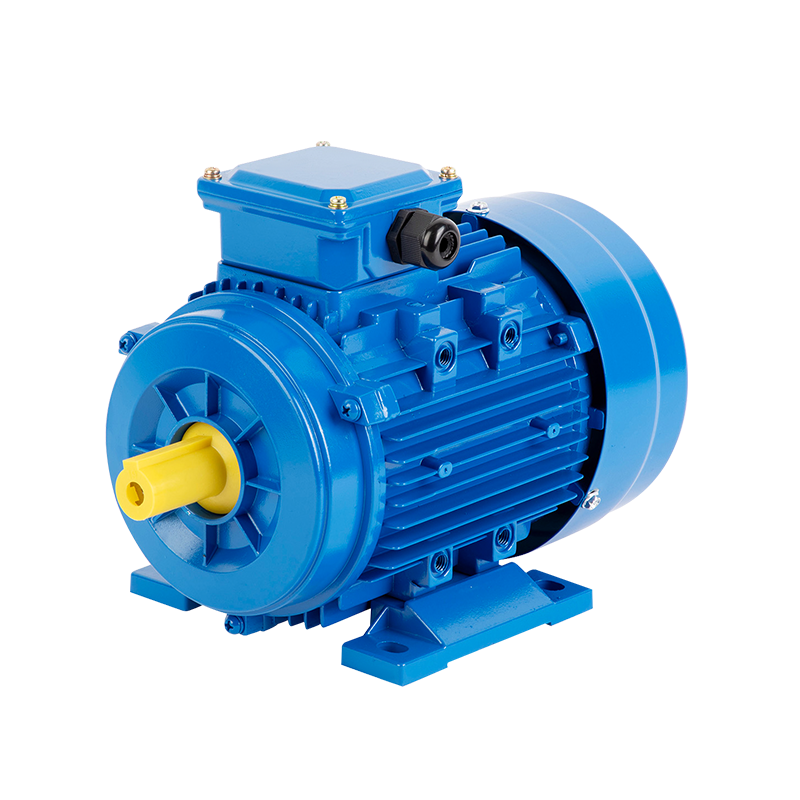
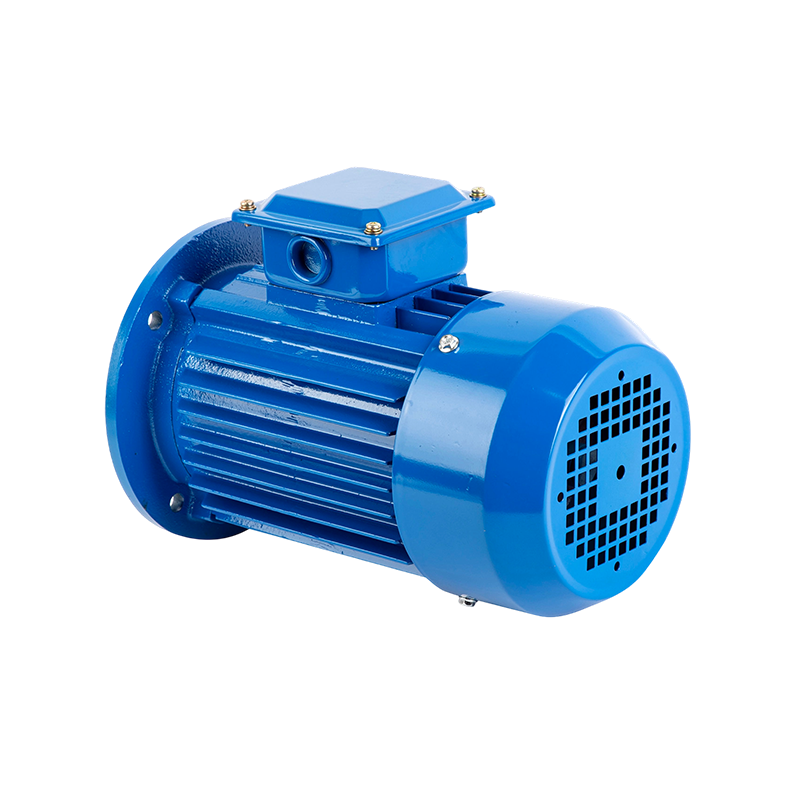
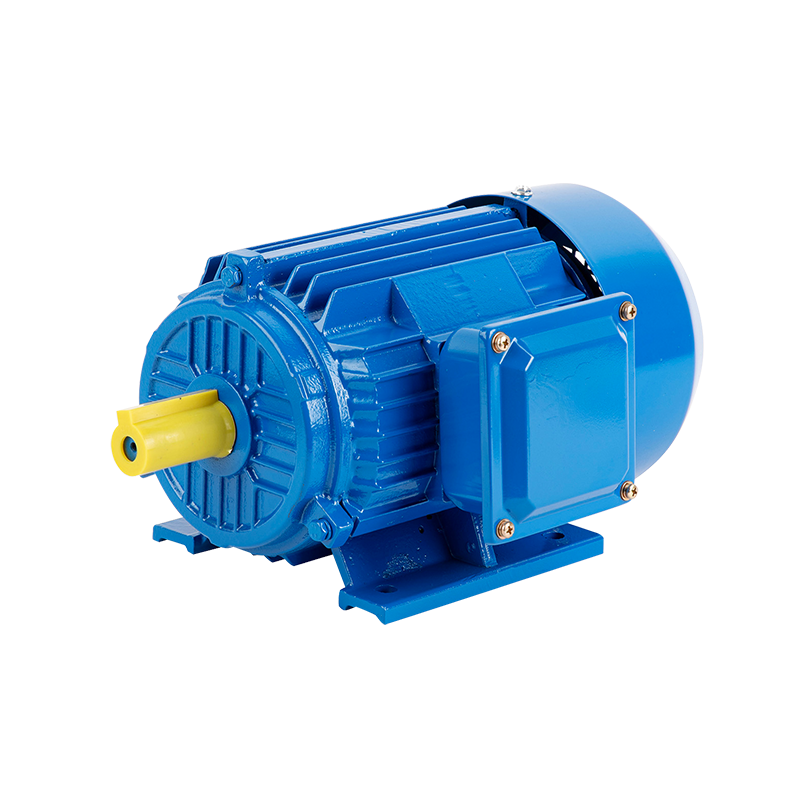
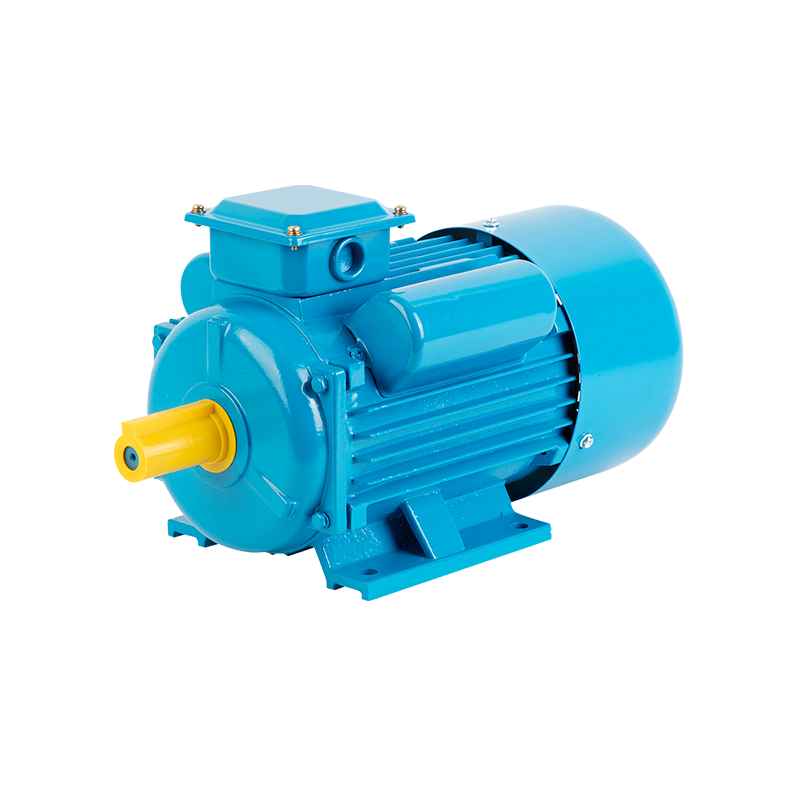
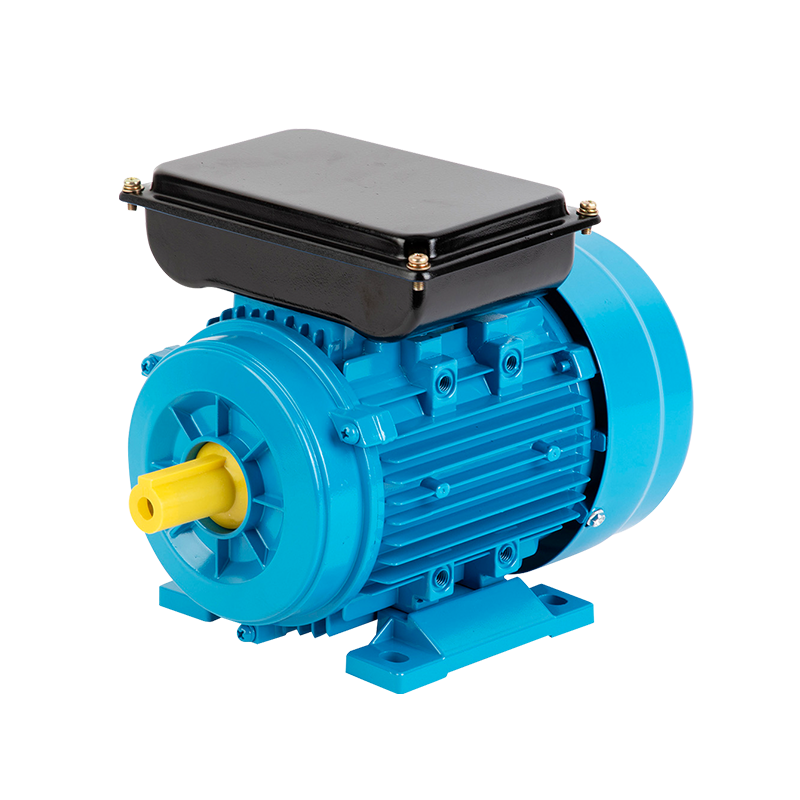
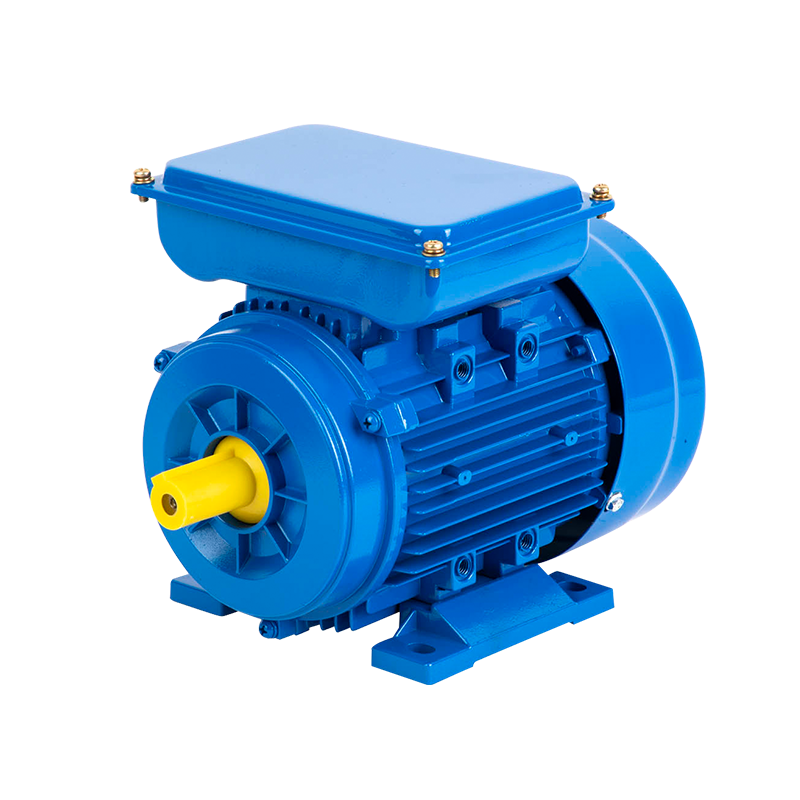
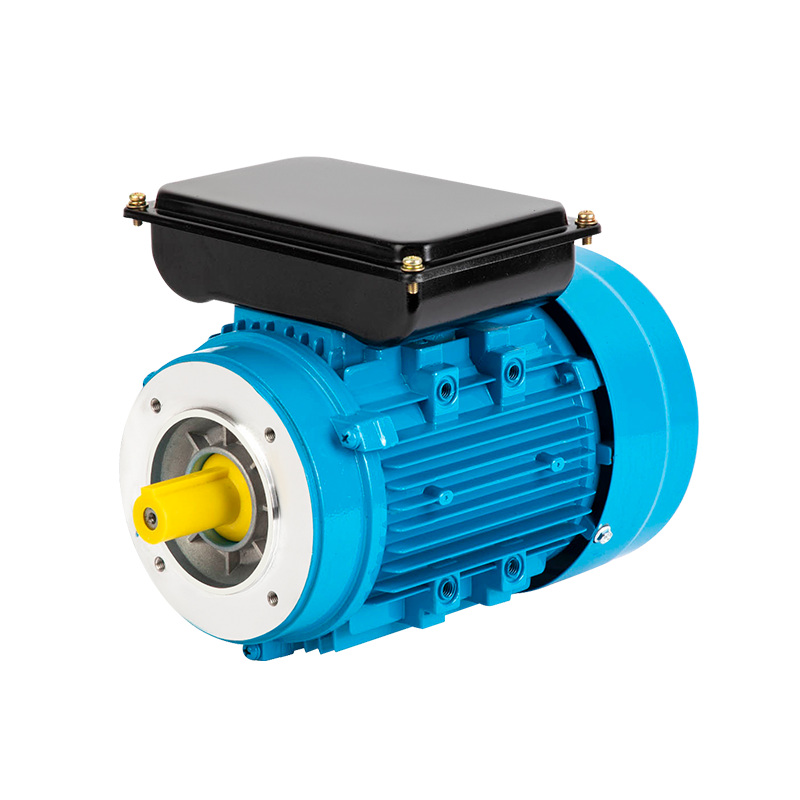
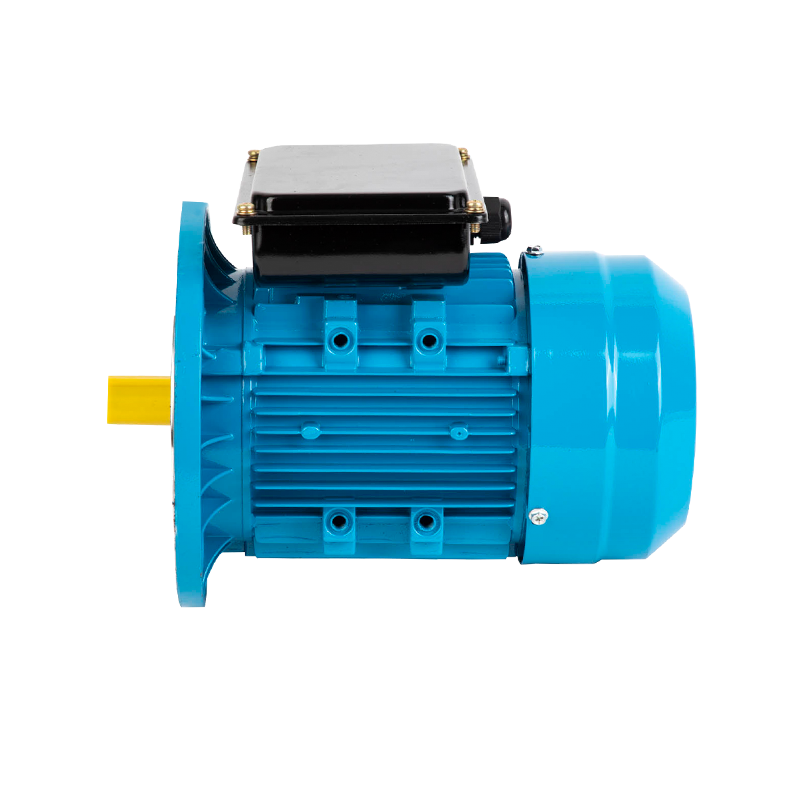
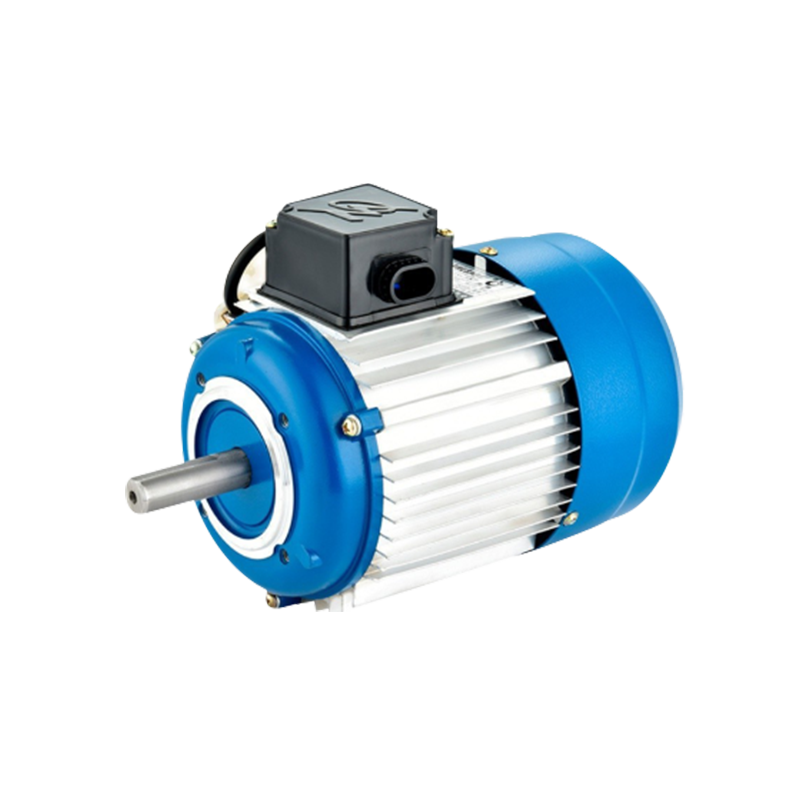
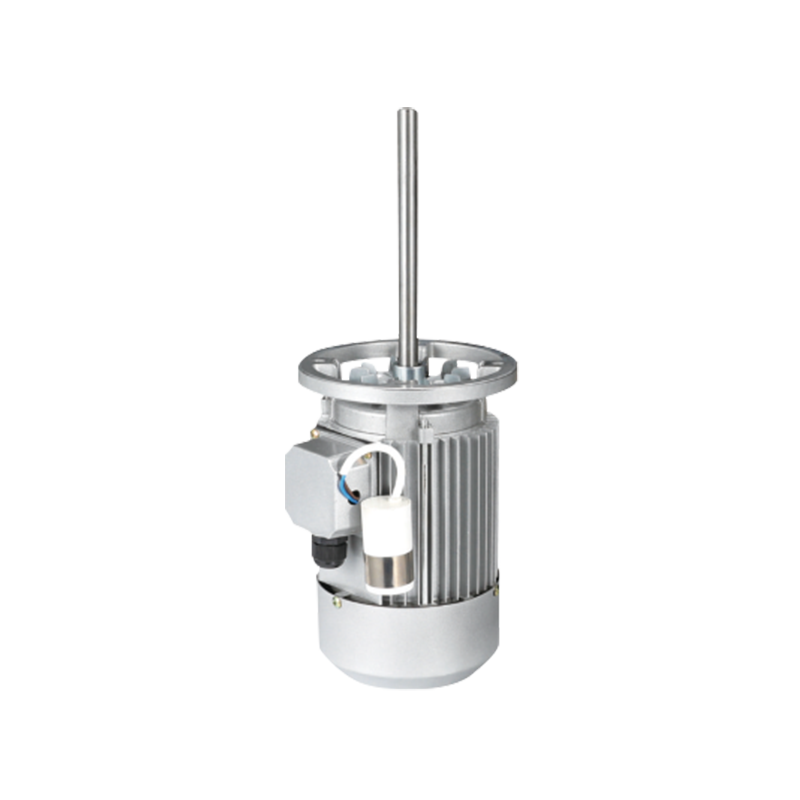
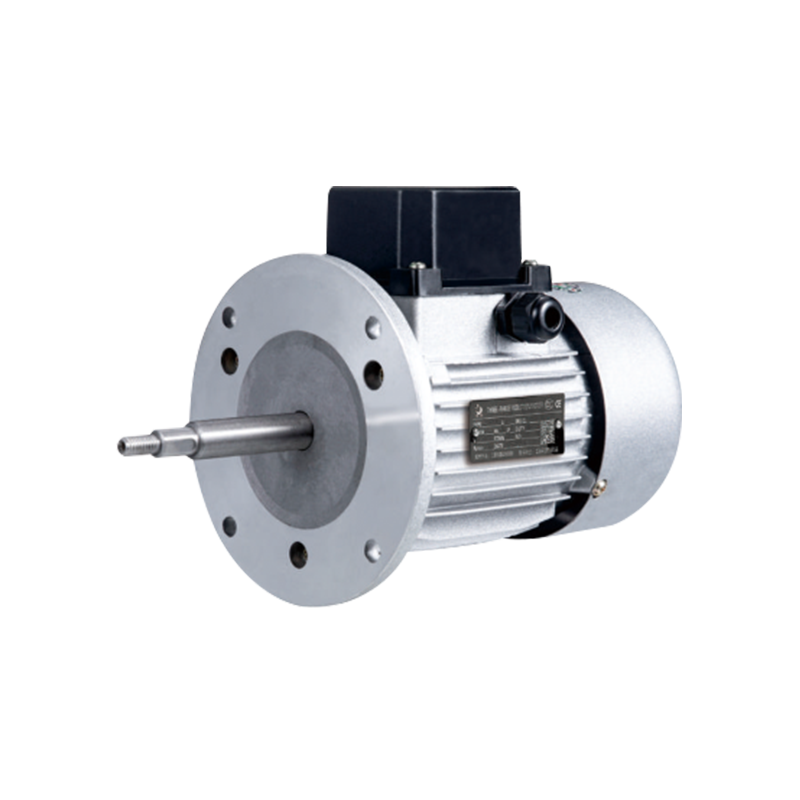
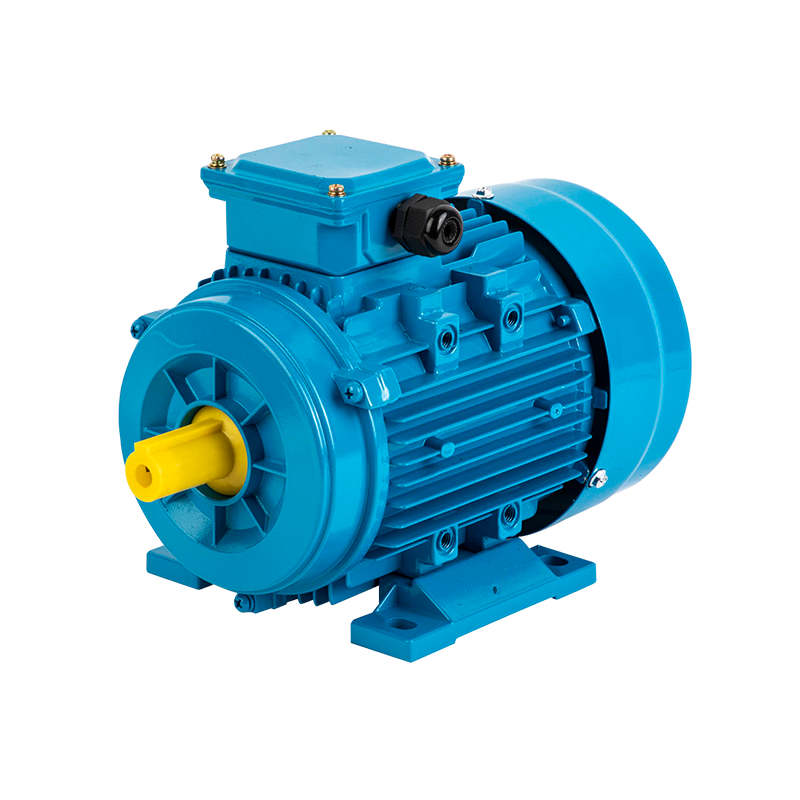
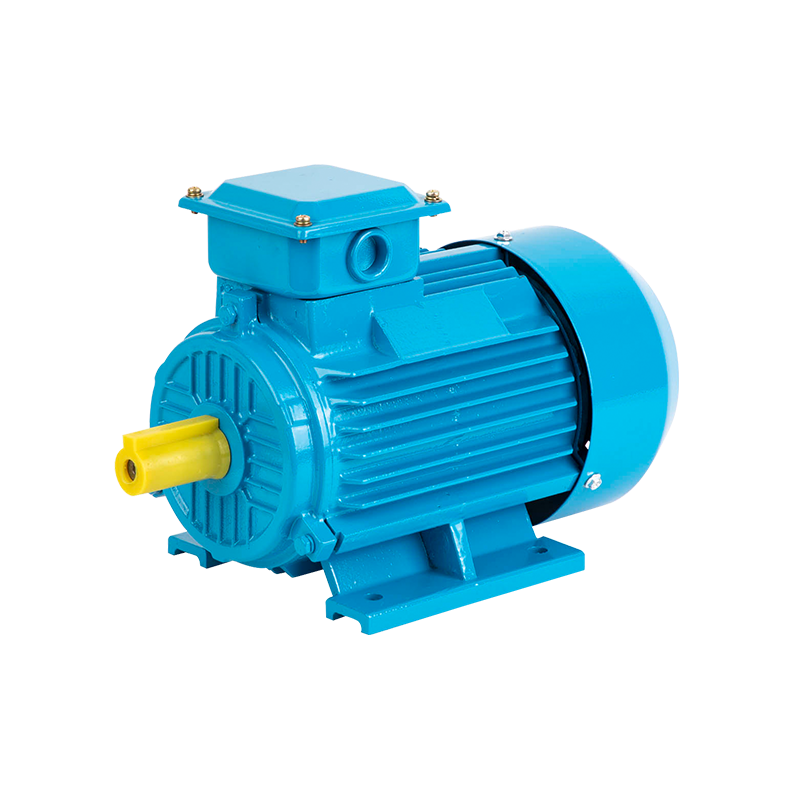
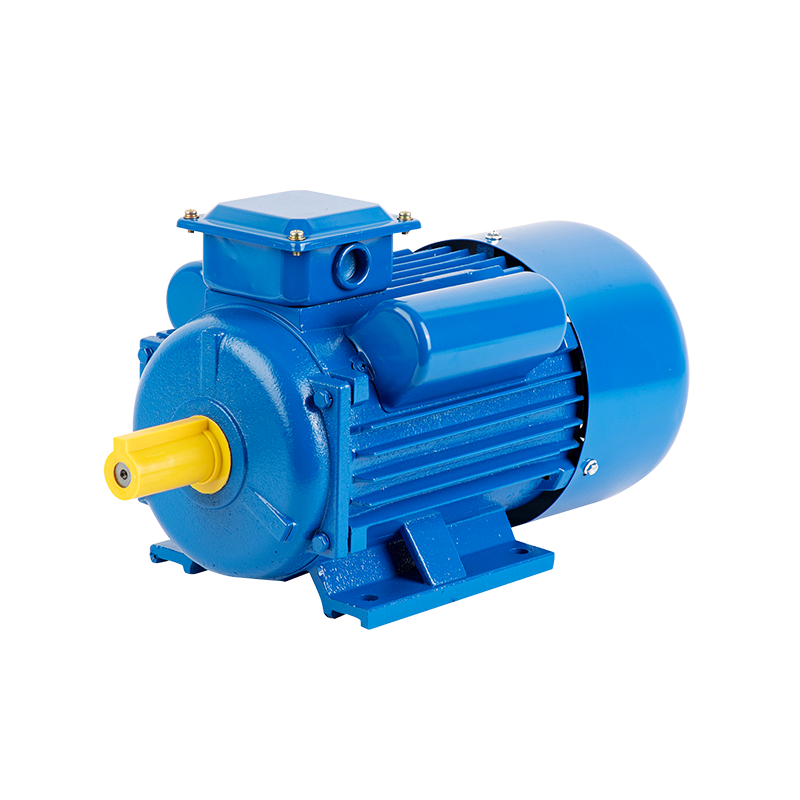
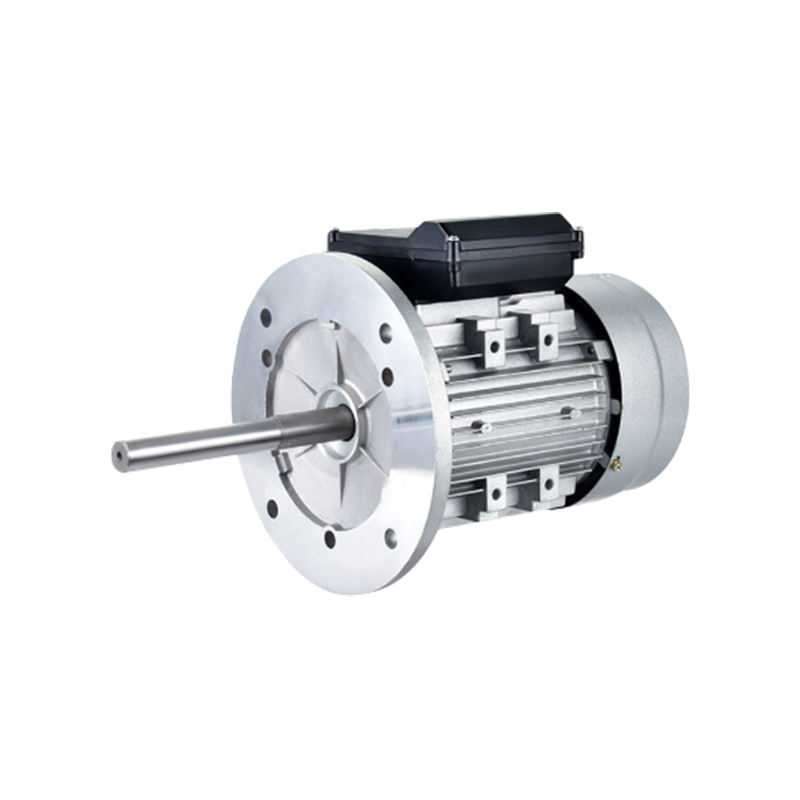
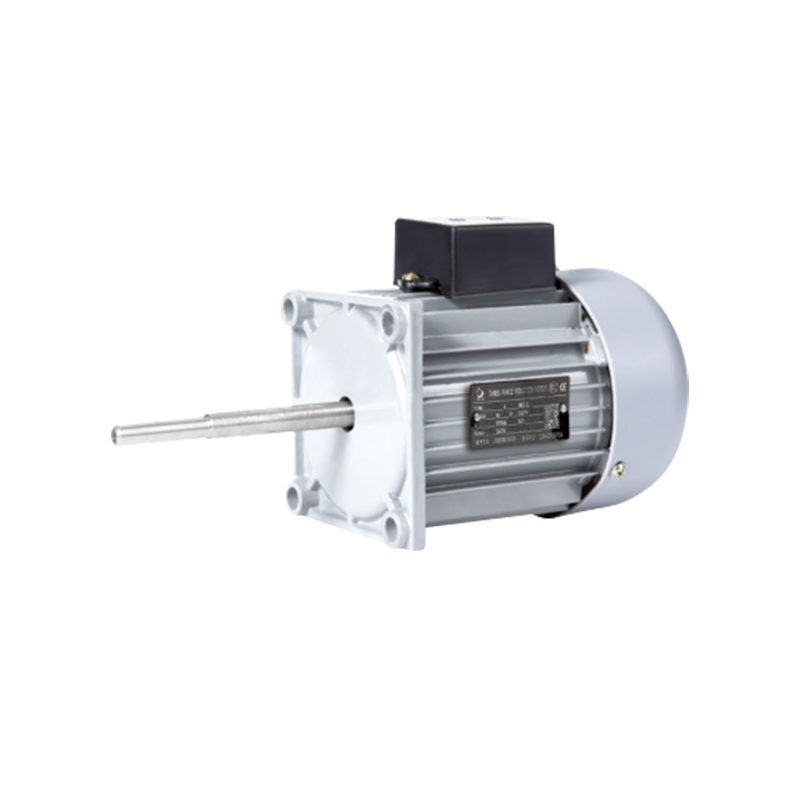
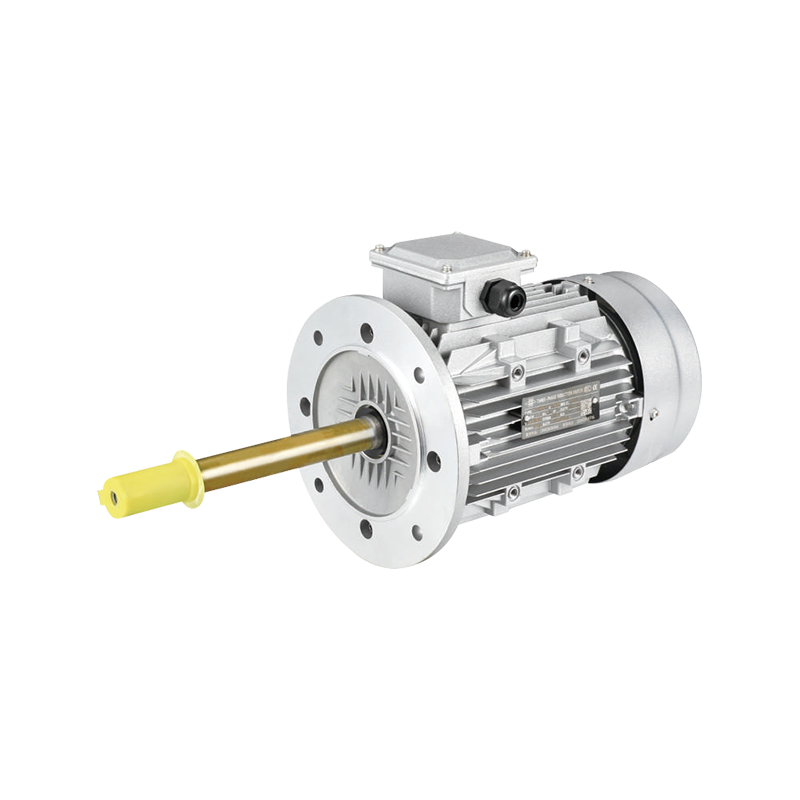
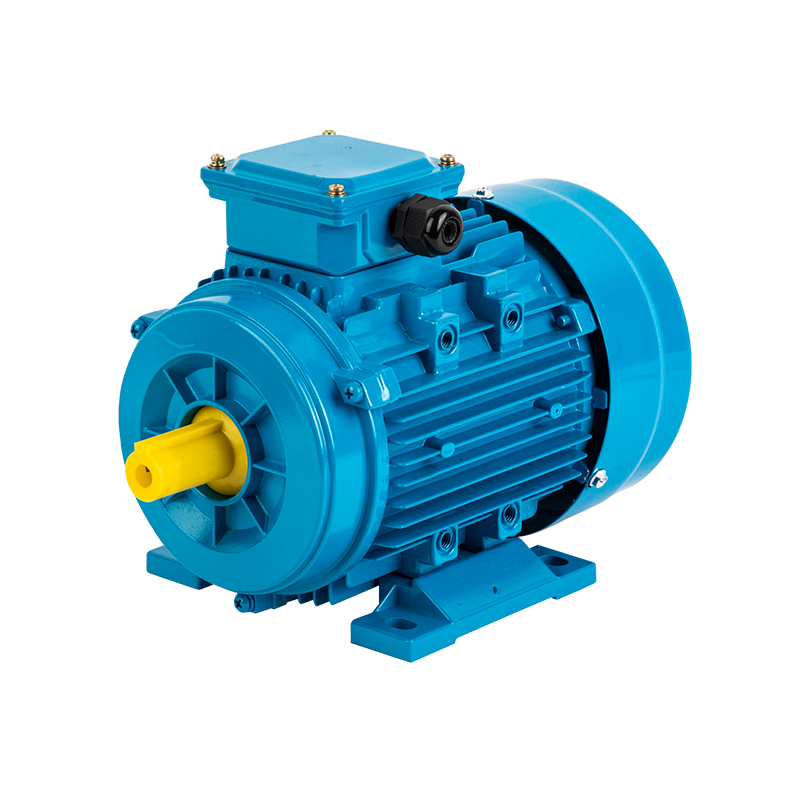
A suitable Custom Electric Motor can be configured around actual equipment requirements rather than forcing an existing motor design into an unsuitable space. Such an approach can help reduce installation conflicts and make later inspection easier.
Supplier communication also has a practical role. When equipment designers and motor manufacturers share clear information before production, both sides have a better basis for discussing motor dimensions, operating conditions, connection arrangements, and possible adjustments.
Why Does Motor Selection Affect Equipment Stability
A motor converts electrical energy into mechanical movement, while the driven equipment determines how that movement is used. When the two sides are not properly matched, operating behavior can become less consistent.
Load conditions deserve close attention. Some machines work with a fairly steady load, while others experience repeated changes during starting, stopping, feeding, cutting, lifting, or conveying. A motor selected without considering such changes may experience working conditions that differ from the original expectation.
Installation conditions matter as well. Limited space can affect ventilation, while poor mounting alignment can place unwanted mechanical stress on connected parts. Surrounding dust, moisture, heat, or restricted airflow may also influence motor operation.
A few application questions can help during selection:
- What kind of load does the equipment create?
- Does the load remain stable during operation?
- How often does the machine start and stop?
- Is installation space restricted?
- How much airflow is available around the motor?
- Are dust or moisture present in the working area?
Motor size should not be considered separately from equipment behavior. A physically larger unit may not fit the available space, while a compact design may require careful attention to heat removal and mounting.
Stable operation comes from matching several conditions at the same time. Electrical compatibility matters, although mechanical connection, load behavior, environmental conditions, and installation also need to be considered.
How Can a Custom Electric Motor Match Different Equipment Needs
Equipment designs often differ in ways that are not visible from the outside. Two machines may perform similar tasks while using different mounting spaces, shaft positions, connection arrangements, or operating patterns.
A Custom Electric Motor allows certain motor features to be adjusted around those requirements. Depending on the application, attention may be given to dimensions, shaft arrangement, mounting structure, electrical connection, housing form, or cooling arrangement.
Customization should begin with the equipment rather than with the motor itself. A useful process starts by identifying the physical and operating limits of the machine, then checking which motor configuration can work within those conditions.
For example, installation space may leave little room around one side of the motor. Another machine may require a particular shaft position to connect with its transmission section. A different application may operate in a dusty area where airflow and housing protection need additional consideration.
Such differences can influence the final configuration.
| Equipment Requirement | Motor Feature to Review |
|---|---|
| Limited installation space | Overall dimensions |
| Different shaft position | Shaft arrangement |
| Restricted mounting area | Mounting structure |
| Changing load | Operating characteristics |
| Dusty surroundings | Housing and cooling |
| Difficult access | Installation and maintenance layout |
A tailored configuration does not mean every component needs to change. Adjustments can focus on the areas that create an actual compatibility issue. Keeping the design connected to real equipment requirements helps avoid unnecessary changes.
What Equipment Conditions Should Be Shared With a Motor Supplier
Clear information gives a supplier a better basis for selecting or configuring a motor. General descriptions such as continuous operation or heavy workload may not provide enough detail, since different machines can create very different mechanical demands.
Load behavior is useful information. A machine that starts under load places different demands on its motor from one that begins with little resistance. Repeated starting and stopping can also create another operating pattern.
Physical installation details matter just as much. Available mounting space, shaft direction, connection position, surrounding structures, and access for maintenance should be discussed before production begins.
Environmental conditions should not be overlooked. Dust, moisture, heat, poor ventilation, and frequent cleaning can all influence how a motor should be arranged.
A supplier may need information such as:
- Equipment layout and mounting dimensions
- Expected load behavior
- Operating and stopping patterns
- Shaft connection requirements
- Available ventilation space
- Working environment
- Maintenance access
Providing such information early can reduce later changes. Once a motor has been installed into a completed machine, changing dimensions or connection arrangements can become inconvenient and costly.
Communication also needs to continue when equipment design changes. A change in shaft position, mounting structure, load, or working environment may affect the original motor selection.
How Does Motor Construction Influence Stable Operation
Motor construction affects how mechanical and electrical forces are handled during operation. Internal components, bearings, shaft structure, housing, and cooling arrangements all have a connection with working behavior.
Heat deserves attention because motor operation naturally produces heat. Suitable cooling depends partly on the surrounding installation. A motor placed inside a confined area may have less airflow than one installed in an open space.
Mechanical balance matters as well. Shaft alignment and bearing condition can influence vibration and noise. Once connected to other equipment, small installation differences may become more noticeable.
Housing construction also needs to match the surroundings. A motor operating in a dusty agricultural area may face different conditions from one installed inside a relatively clean workshop.
For equipment designers, motor construction should therefore be viewed as part of the complete system. Electrical requirements, mechanical connections, cooling, mounting, and environmental conditions need to fit together rather than being checked separately.
A suitable motor configuration can make installation more straightforward, while correct mounting and operating conditions remain necessary for stable equipment behavior.
What Should Be Checked Before Installing a Motor
Installation should begin with a comparison between the motor configuration and the equipment drawing. Checking dimensions before lifting the motor into position can avoid unnecessary adjustment during assembly.
Mounting surfaces need to sit correctly, while the shaft should align with the driven component according to the equipment requirements. Forced alignment can place unwanted stress on bearings, couplings, or connected parts.
Electrical compatibility should be confirmed before connection. Wiring, connection position, and operating requirements need to follow the applicable instructions for the equipment and motor.
Ventilation deserves attention after installation as well. A motor placed too close to a wall, cover, or other component may have limited airflow. Dirt or debris around ventilation areas can create another concern during operation.
A practical installation check can include:
- Confirm mounting dimensions.
- Check shaft alignment.
- Inspect connection points.
- Confirm electrical requirements.
- Check surrounding clearance.
- Remove construction debris.
- Review access for later maintenance.
Visible condition should also be checked before installation. Damage to the housing, shaft, cables, or connection areas should be addressed before normal operation begins.
How Can Motor Stability Support Equipment Maintenance
Stable motor operation makes changes in equipment behavior easier to notice. When a machine normally operates with a consistent sound, movement, and response, unusual vibration, noise, heat, or starting behavior can provide an early reason for inspection.
Maintenance should consider the motor and driven equipment together. A change in motor behavior may come from the motor itself, while another issue may originate from connected machinery, alignment, mounting, or load conditions.
Regular inspection can focus on simple observations:
- Unusual operating noise
- Changes in vibration
- Visible heat buildup
- Loose mounting parts
- Damaged cables or housing
- Changes in starting behavior
- Dirt around cooling areas
Cleaning also has a place in routine care. Dust around ventilation areas can restrict airflow, while dirt near moving or connection points may make inspection more difficult.
Maintenance records can help when equipment operates for long periods. Notes about unusual sounds, previous adjustments, cleaning, or component replacement give technicians useful background when a new issue appears.
A well‑matched motor does not remove the need for maintenance. Proper selection simply gives the equipment a configuration that corresponds more closely with its working conditions, while installation and regular care continue to influence operating stability.


