 English
 Español



Building 1, Block 4, Wufeng Industrial Park, Daxi Town, Taizhou City, Zhejiang Province, China
An electric motor does not work independently from its power source. The type of electricity available to a machine affects how the motor starts, how it produces motion, and how well it handles the load during regular operation. Single phase and three phase motors are both used to turn electrical energy into mechanical movement, yet their working conditions are not the same.
Single phase power is commonly available in places where electrical demand is relatively modest, making single phase motors suitable for many household appliances, small machines, fans, and similar equipment. Industrial facilities often have access to three phase power, which suits machinery that needs steady mechanical movement for longer periods.
For motor selection, available power should therefore be considered alongside the machine itself. A motor may fit physically and still be unsuitable when its electrical supply does not match the equipment. Load behavior also matters. A small device that starts gently may place very different demands on its motor compared with a pump, conveyor, or processing machine that needs stronger movement from the beginning.
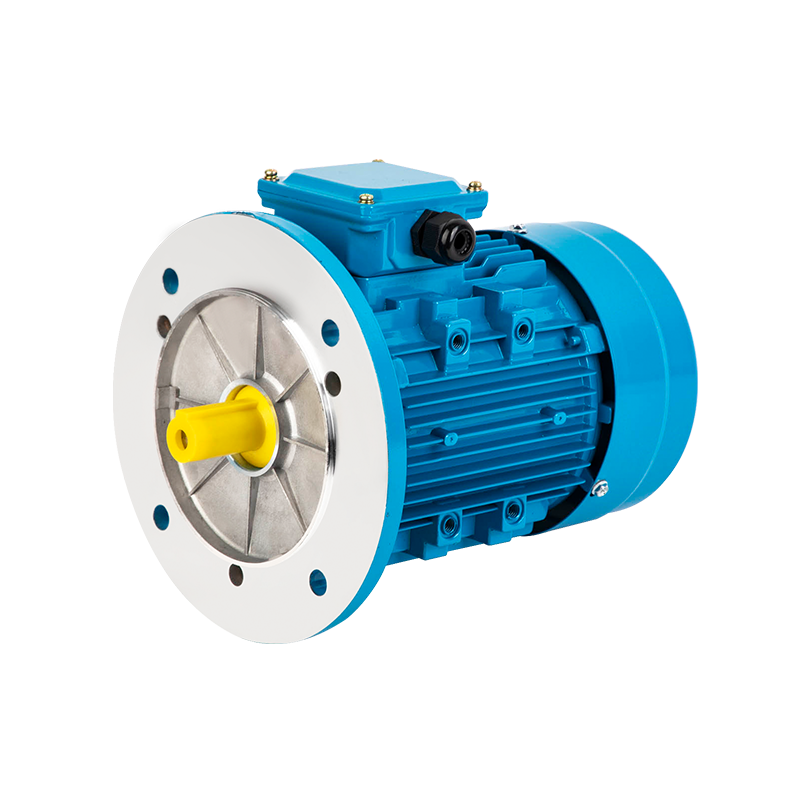
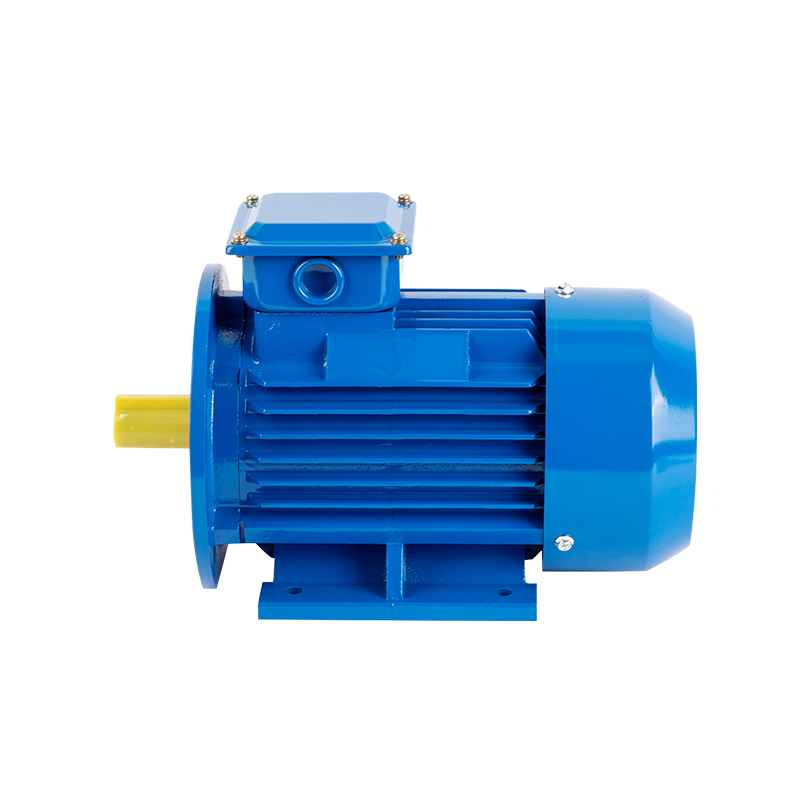
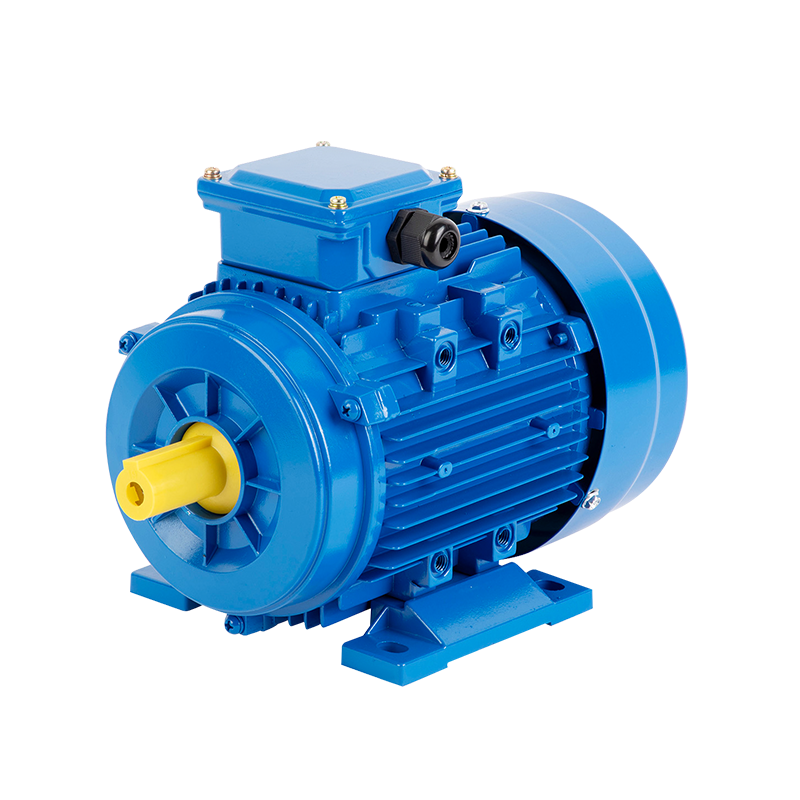
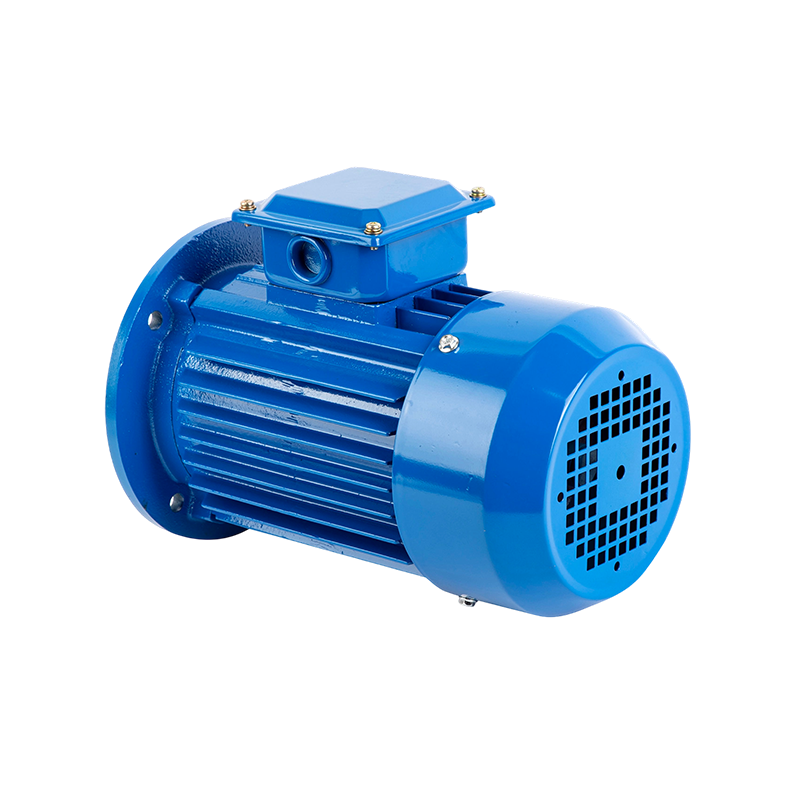
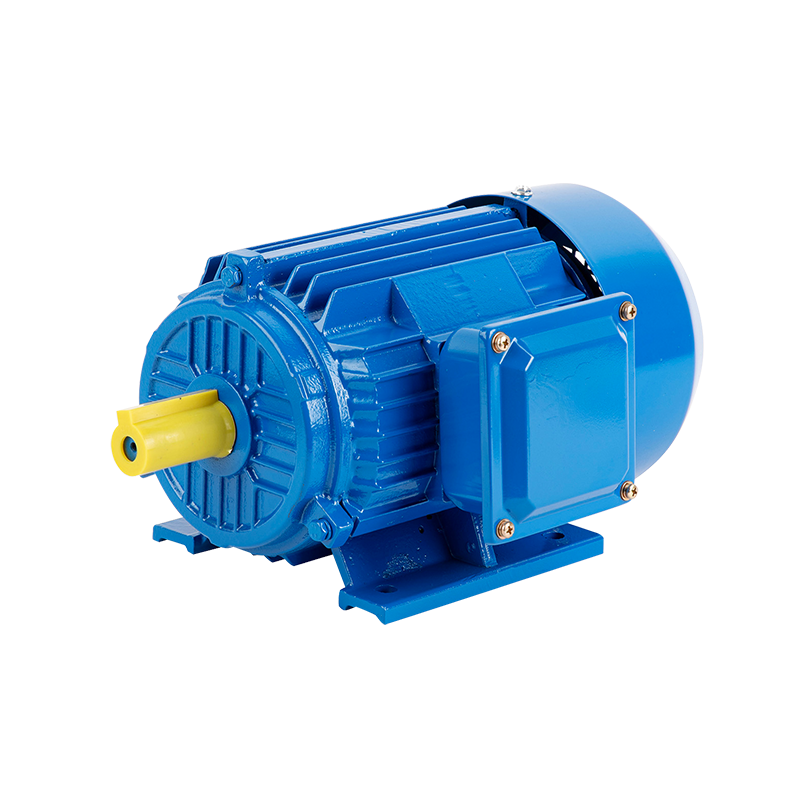
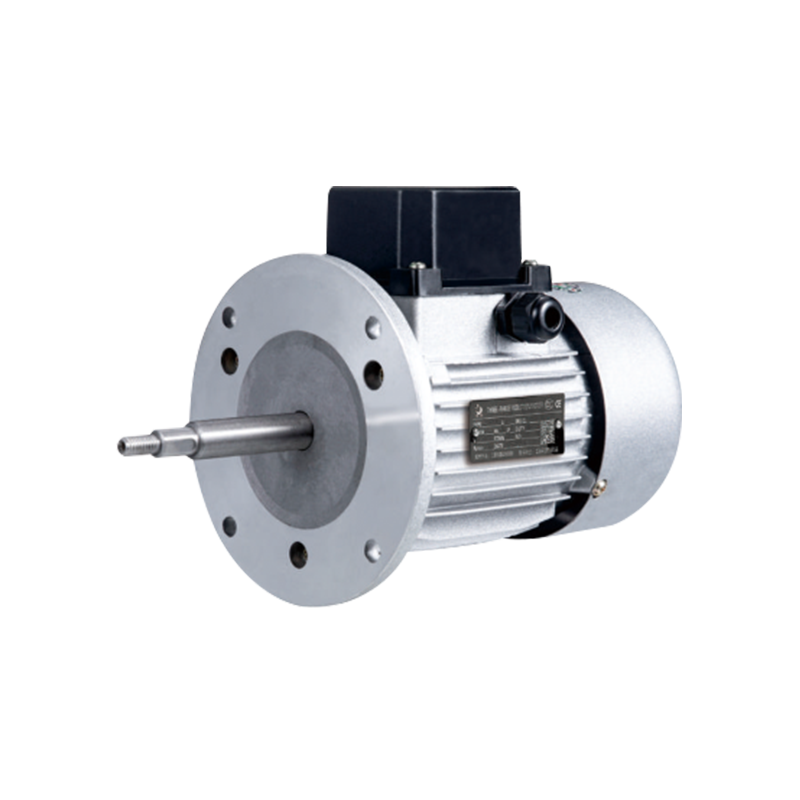
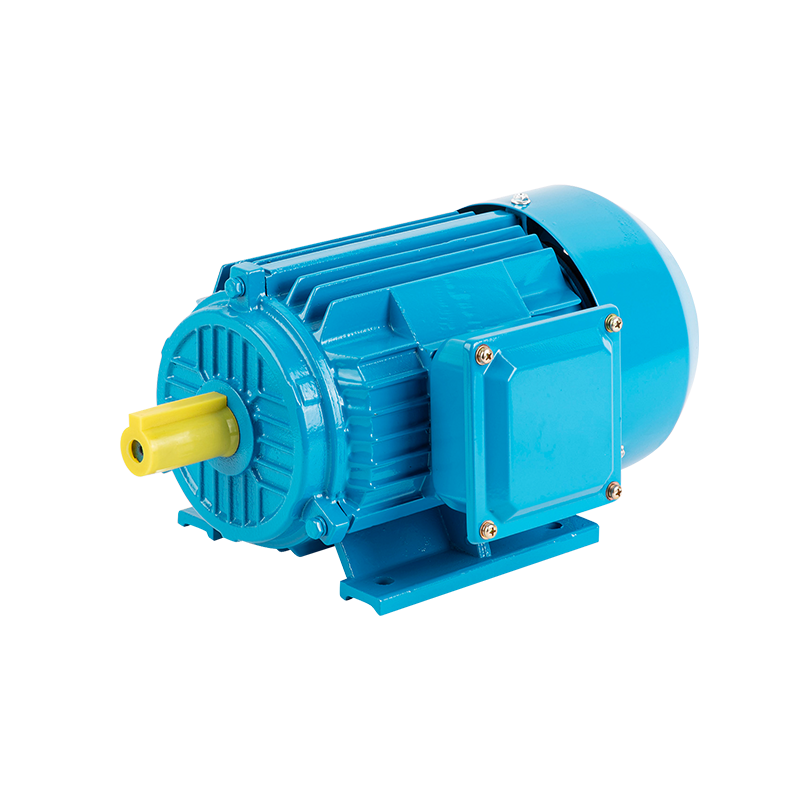
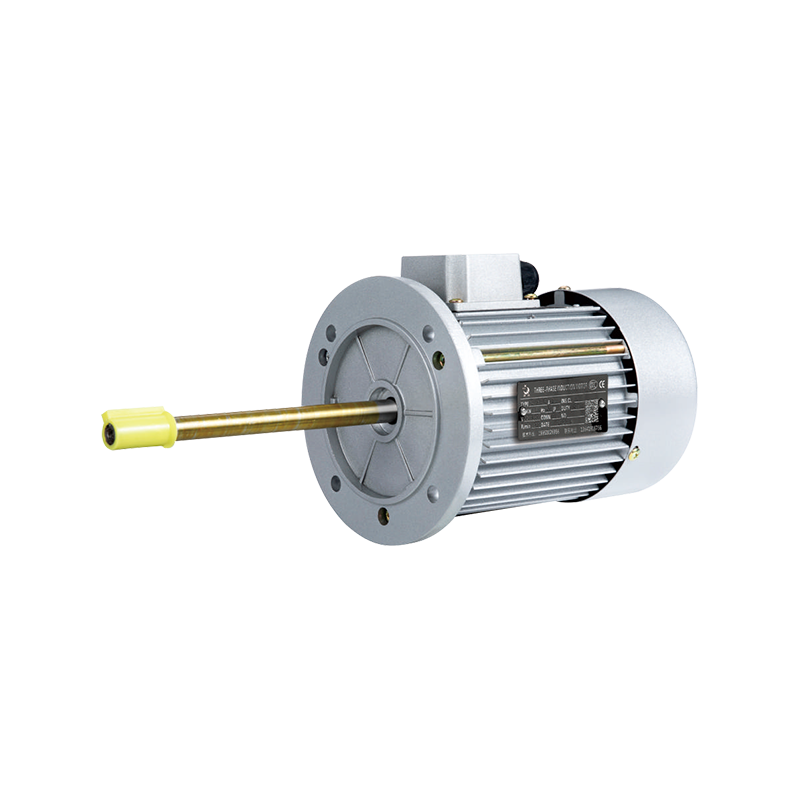
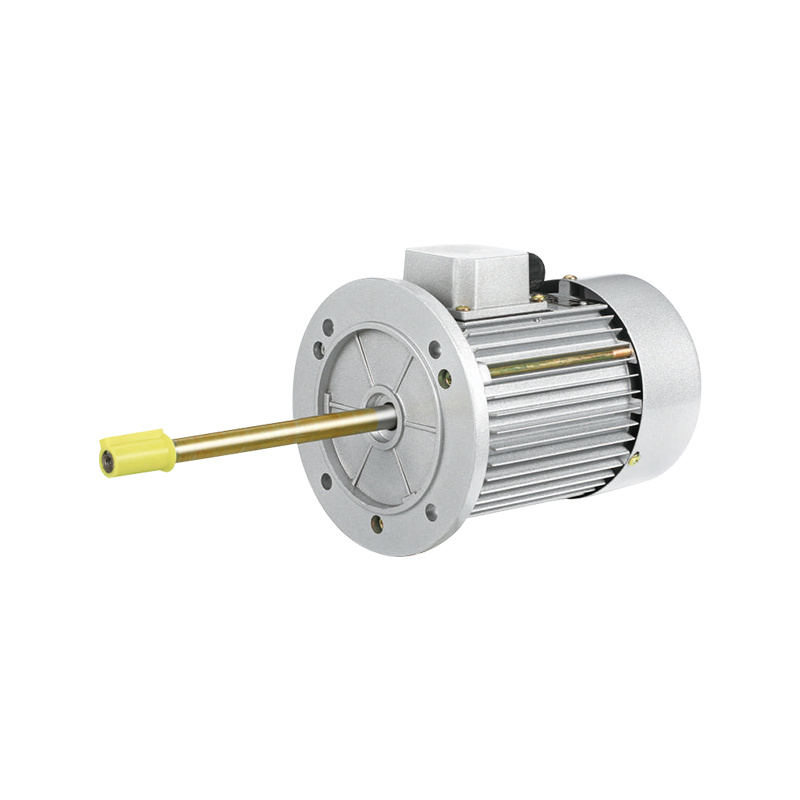
A Three Phase Industrial Motor is generally associated with equipment that operates in a production environment where three phase power is available. Such settings may involve pumps, fans, conveyors, compressors, and other machines that need regular rotational movement.
How Does a Single Phase Motor Work
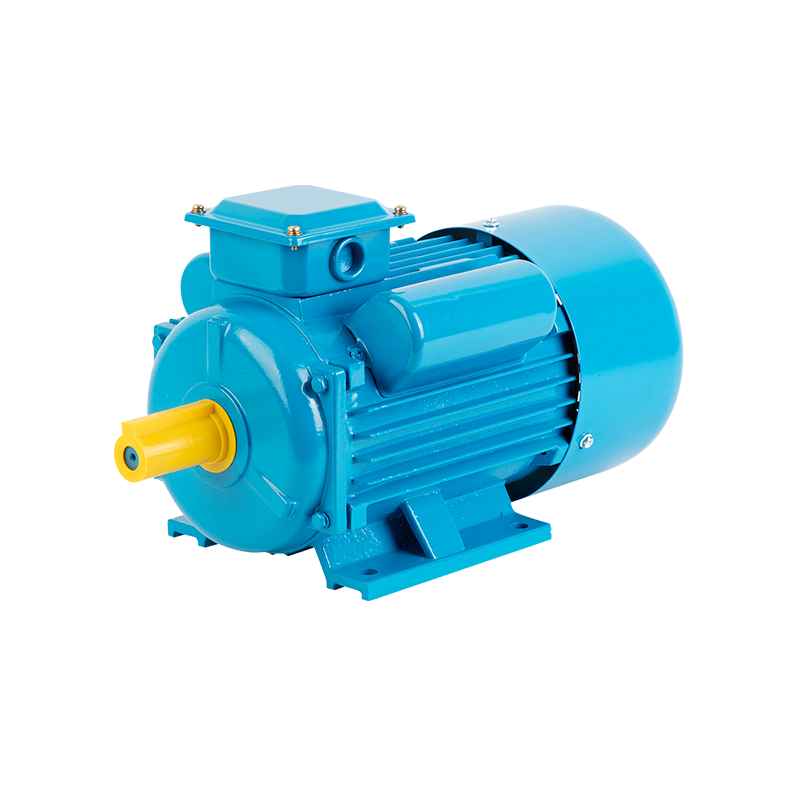
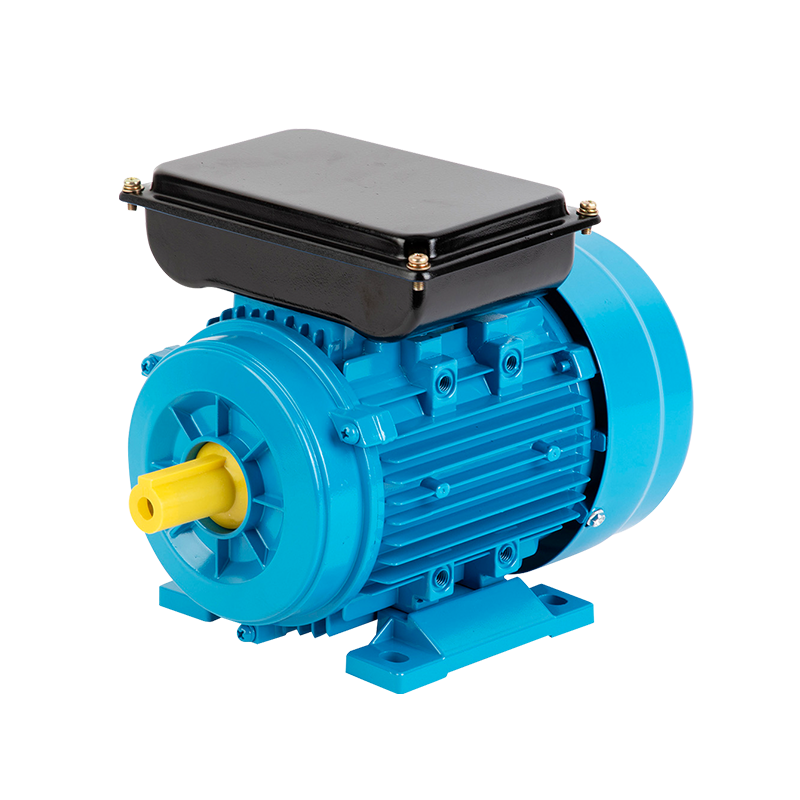
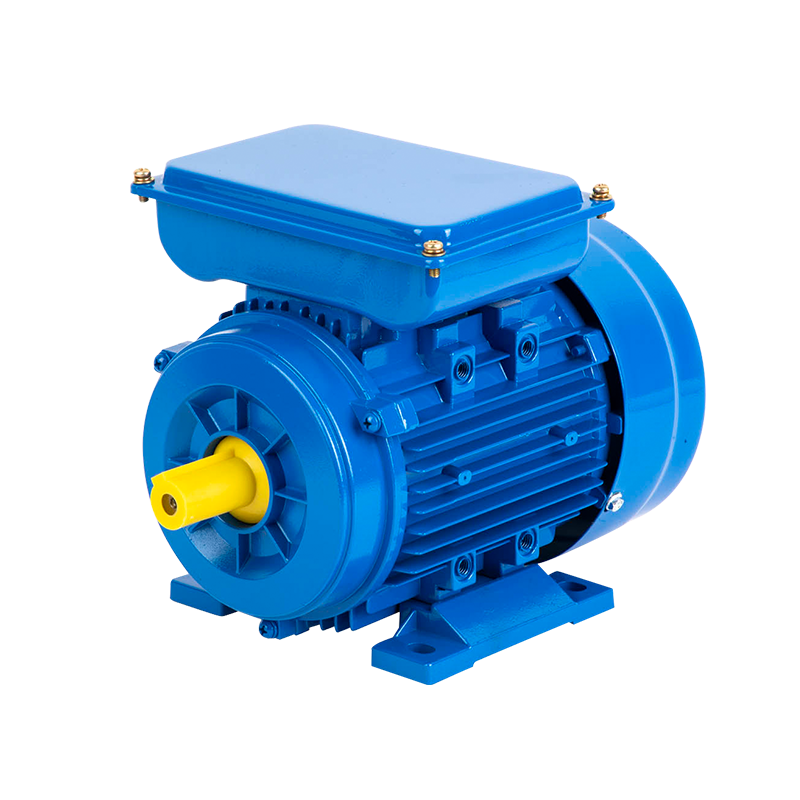
A single phase motor receives power through a single alternating electrical supply. Inside the motor, electrical current passes through the winding and creates a changing magnetic field. That field interacts with the rotor, allowing electrical energy to become mechanical movement once the rotor has been brought into motion.
One important characteristic appears at startup. A basic single phase motor does not naturally create the rotating magnetic condition needed to begin turning from a stationary position. An additional starting arrangement is therefore used to give the rotor an initial direction of movement. Depending on the motor design, the starting arrangement may involve an auxiliary winding or another starting component.
Once rotation has begun, the motor can continue running under its intended working conditions. Starting and running are therefore slightly different stages for a single phase design. A small appliance may only need modest starting assistance, while equipment with a heavier mechanical load needs a motor design that can provide suitable starting behavior.
Single phase motors are often chosen where the available electrical supply is already single phase. Household fans, small pumps, compact tools, and other relatively light equipment can operate with such a power arrangement. The choice is less about one motor being universally suitable and more about matching the motor to the electrical and mechanical conditions around it.
Another point worth considering is the construction. Starting components add parts that are not required in the same way by a three phase induction motor. During maintenance, attention may therefore need to be given not only to the main winding and rotating parts, but also to components involved in starting.
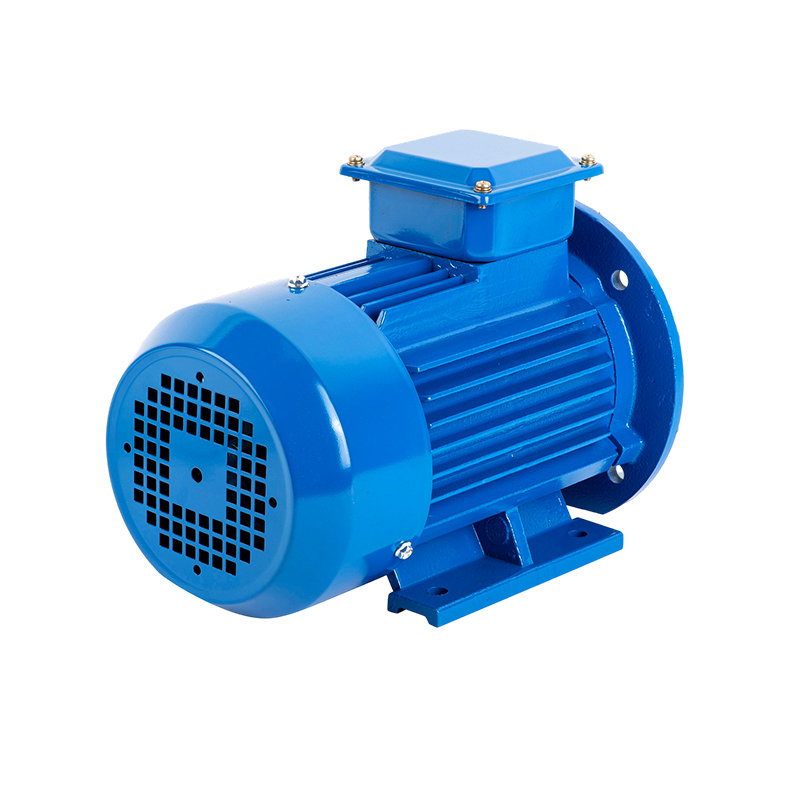
How Does a Three Phase Induction Motor Work
A three phase induction motor receives electrical power through three alternating phases. Rather than producing a single changing magnetic effect, the three supplies work together to create a rotating magnetic field inside the motor. Interaction between that field and the rotor produces the force needed for continuous rotation.
Such an arrangement changes the starting process considerably. A three phase motor can develop a rotating magnetic field while the rotor is still stationary, giving the motor a natural starting action without relying on the same type of auxiliary starting arrangement found in many single phase designs.
Once running, the rotating field continues to move around the stator, while the rotor follows its movement. Power is transferred into mechanical rotation, allowing the motor shaft to drive connected equipment.
For industrial machinery, continuous movement can be important. A pump may need to keep fluid moving, a conveyor may need regular belt movement, and a fan may need to maintain airflow for an extended period. A three phase arrangement fits naturally into such operating conditions when the required power supply is available.
A Three Phase Industrial Motor also tends to have a straightforward operating structure because the three phase supply itself provides the rotating action needed for starting. Fewer dedicated starting parts can mean fewer components associated with the initial movement of the motor.
The difference can be pictured simply:
Single phase supply: one alternating electrical source creates a changing magnetic effect, so starting assistance is normally needed.
Three phase supply: three coordinated electrical sources create a rotating magnetic field, allowing natural starting action.
Mechanical result: both types convert electrical energy into rotation, while their routes to that rotation differ.
The distinction in magnetic behavior explains many of the practical differences seen later during starting, loading, and continuous operation.
What Is the Main Difference in Starting Performance
Starting is one of the clearest ways to distinguish a single phase motor from a three phase induction motor. When a single phase motor is standing still, its main winding does not produce the rotating magnetic condition required for direct self‑starting. A separate starting arrangement provides the initial movement needed to bring the rotor into rotation.
Once the rotor begins turning, the motor can continue under normal operating conditions. Starting components therefore have an important role during the early stage of operation. Their condition can affect whether the motor starts correctly, especially after long periods of use.
A three phase motor approaches startup differently. The three phase supply produces a rotating magnetic field within the stator, so the motor can begin rotating without relying on an auxiliary starting mechanism of the same kind.
Starting behavior becomes particularly relevant when equipment has a noticeable mechanical load. Consider a machine that needs to overcome resistance as soon as its shaft begins moving. A motor with a suitable starting characteristic can bring the equipment into motion more naturally, while a poorly matched motor may struggle during startup.
For practical selection, several questions are useful:
- Does the machine start with a light or heavy load?
- Does the shaft need to begin turning immediately after power is supplied?
- Is the available electrical supply single phase or three phase?
- Will the motor start and stop frequently during normal operation?
- Does the equipment require steady rotation after startup?
A three phase motor is often used in industrial machinery partly because its starting behavior fits equipment connected to three phase electrical systems. Single phase designs remain useful where the electrical supply and mechanical requirements suit their characteristics.
How Do the Two Motors Differ During Operation
Starting is only one part of motor performance. After rotation begins, the way electrical power is delivered also affects how the motor behaves under load.
A single phase motor can experience a more uneven torque pattern during operation because its magnetic field does not have the same naturally rotating character as a three phase supply. Additional starting arrangements help the motor begin moving, while the overall operating behavior depends on the motor design and connected load.
Three phase power creates a more continuous rotating magnetic field, giving the rotor a smoother driving action. For equipment that runs for long periods, such operating behavior can help reduce unwanted changes in rotational movement. Pumps, fans, conveyors, and processing equipment can benefit from consistent shaft rotation when their mechanical design calls for it.
Mechanical condition still plays a major role. A well‑designed motor can develop vibration or noise when bearings wear, alignment changes, ventilation becomes restricted, or the connected machine places an unusual load on the shaft. Electrical supply alone does not determine every aspect of operation.
For that reason, comparing single phase and three phase motors should not stop at the label on the motor. A better view considers the complete working environment:
Power supply → Starting condition → Mechanical load → Continuous rotation → Maintenance needs
Each stage affects the next one. A motor selected according to the actual operating conditions is easier to integrate into equipment than one chosen simply because of its general category.
The distinction becomes especially useful when moving from small equipment toward industrial machinery, where operating time, load changes, and regular mechanical movement become more important considerations.
Why Are Three Phase Motors Common in Industrial Equipment
Industrial machinery often works under conditions that are different from household equipment. A production machine may need to keep moving for a long period, handle changing resistance, or drive another mechanical system through a shaft. Such working conditions place greater importance on stable rotation and a suitable power supply.
Three phase motors are commonly connected with industrial equipment because many production facilities use three phase electrical systems. Pumps, fans, conveyors, compressors, machine tools, and material handling equipment can all require regular rotary motion. A three phase motor can work directly with the available power arrangement while providing the rotating action needed by the connected machine.
Load behavior also affects the choice. A conveyor carrying material may experience changing resistance as the load moves along the belt. A pump can face different operating conditions depending on the fluid system. A fan may need to maintain regular rotation for an extended period. Each application creates its own requirements, so motor selection needs to consider the machine rather than focusing on the motor alone.
A Three Phase Industrial Motor can therefore be viewed as part of a larger working system. Electrical supply, motor structure, shaft connection, mechanical load, ventilation, and installation conditions all influence how the equipment operates.
Industrial use also places attention on maintenance. When a motor is connected to equipment that runs frequently, a small mechanical or electrical problem can affect the wider machine. Regular inspection helps identify unusual noise, vibration, heat, or changes in operating behavior before the problem develops further.
What Should a Three Phase Motor Factory Consider During Production
Motor production involves more than assembling a housing around a rotating shaft. Internal and external components need to work together in a way that supports normal operation. Manufacturing quality can influence starting, rotation, noise, heat, and service life.
A Three Phase Motor Factory needs to pay attention to the condition of electrical windings, rotating parts, bearings, shaft connections, housing, and insulation during production. Each part has a role in the finished motor, while poor coordination between components can create problems during operation.
Panel and winding preparation require careful handling because electrical parts need to remain properly positioned inside the motor. Rotating components also need suitable mechanical alignment. A shaft that does not sit correctly can affect connected equipment even when the electrical side of the motor is working normally.
Assembly is another important stage. Fasteners, bearings, covers, terminals, and other parts need to be checked during production rather than relying only on a final visual inspection. A complete motor is a combination of many small parts, so an issue in one area can influence the behavior of another.
Production checks may include:
- Checking winding connections and insulation condition
- Inspecting shaft and rotating parts
- Confirming bearing installation
- Checking housing and connection areas
- Observing motor operation before shipment
- Looking for unusual sound or vibration during testing
Different working environments can also require different motor structures. A motor installed in a clean indoor machine may face different conditions from one placed near dust, moisture, or continuous mechanical activity. Production planning therefore needs to consider the intended application when determining construction and protection requirements.
How Do Maintenance Needs Differ Between Single Phase and Three Phase Motors
Both motor types require regular attention to mechanical and electrical condition. Dust, moisture, poor ventilation, loose connections, worn bearings, and unusual loading can affect operation regardless of the power supply.
Single phase motors have an additional point related to their starting arrangement. Depending on the design, starting components can become part of the maintenance process. A motor that hums without starting, starts slowly, or behaves differently from its usual condition may require inspection of both its electrical supply and starting components.
Three phase motors have their own inspection points. Electrical connections should remain secure, while bearings and shaft alignment need attention during regular service. Ventilation openings should also remain clear enough to allow normal heat release.
Changes in operating behavior can provide useful clues. A new vibration may suggest a mechanical issue, while unusual sound can point toward a bearing or alignment problem. Heat can also increase when ventilation is restricted or the motor is operating under unsuitable conditions.
Maintenance can therefore be organized around several simple areas:
| Inspection Area | What to Observe | Possible Concern |
|---|---|---|
| Electrical Connections | Secure and intact connections | Loose connection |
| Bearings | Smooth mechanical movement | Wear or unusual noise |
| Shaft | Normal rotation and alignment | Mechanical resistance |
| Ventilation | Clear airflow path | Heat buildup |
| Housing | Clean and undamaged surface | Dust or moisture exposure |
| Operation | Normal sound and vibration | Change in running condition |
Regular observation does not require every problem to be diagnosed immediately. When an unusual condition appears, stopping the equipment and arranging an appropriate inspection can help prevent further mechanical or electrical damage.
Which Motor Fits Different Working Conditions
Choosing between a single phase motor and a three phase motor begins with the electrical supply. A machine located in a building with single phase power may naturally require a single phase design. Equipment installed in a production environment with three phase power may be more suitable for a three phase motor.
Mechanical requirements should come next. A small fan or compact household machine may not need the same starting and running characteristics as a production conveyor. A pump that starts against resistance may also require different motor characteristics from a lightly loaded machine.
Operating time provides another useful consideration. Equipment used occasionally has different needs from machinery that operates through long production periods. Frequent starting and stopping also deserve attention because repeated changes in operation can place additional demands on the motor and connected components.
Installation conditions should not be overlooked. Space around the motor, ventilation, ambient conditions, mounting arrangement, shaft position, and connection method all affect the way a motor works after installation.
A simple selection process can follow this order:
Electrical Supply → Mechanical Load → Starting Requirement → Operating Pattern → Installation Environment → Maintenance Conditions
Following the sequence helps prevent a common mistake: choosing a motor according to its name or appearance before checking the conditions under which it will actually work.
For industrial equipment, a Three Phase Industrial Motor may be appropriate where three phase power and continuous mechanical operation are available. A single phase motor can remain a practical choice for equipment designed around single phase supply and lighter operating requirements.


