 English
 Español



Building 1, Block 4, Wufeng Industrial Park, Daxi Town, Taizhou City, Zhejiang Province, China
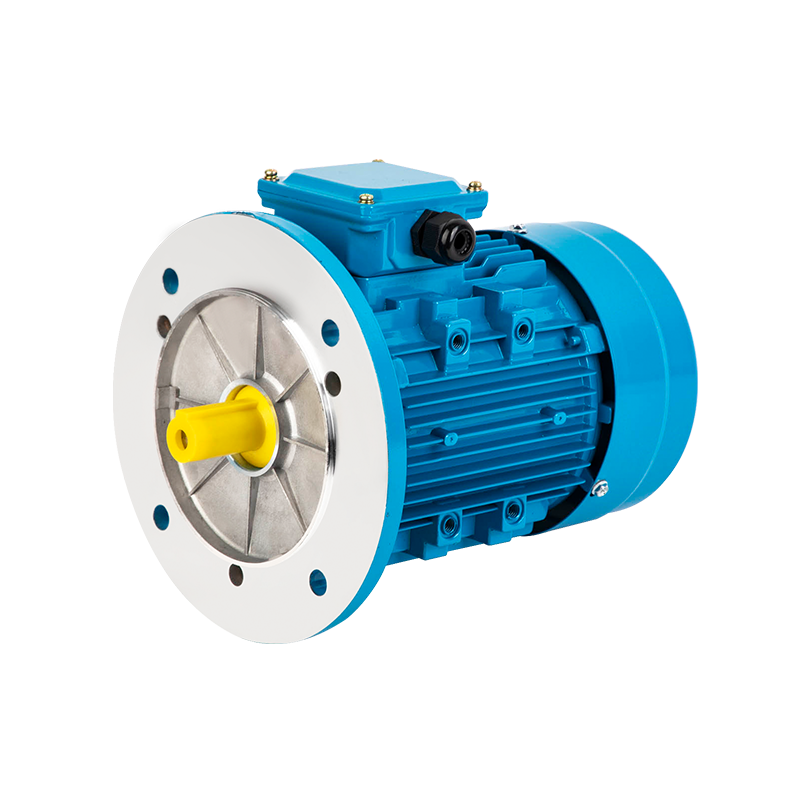
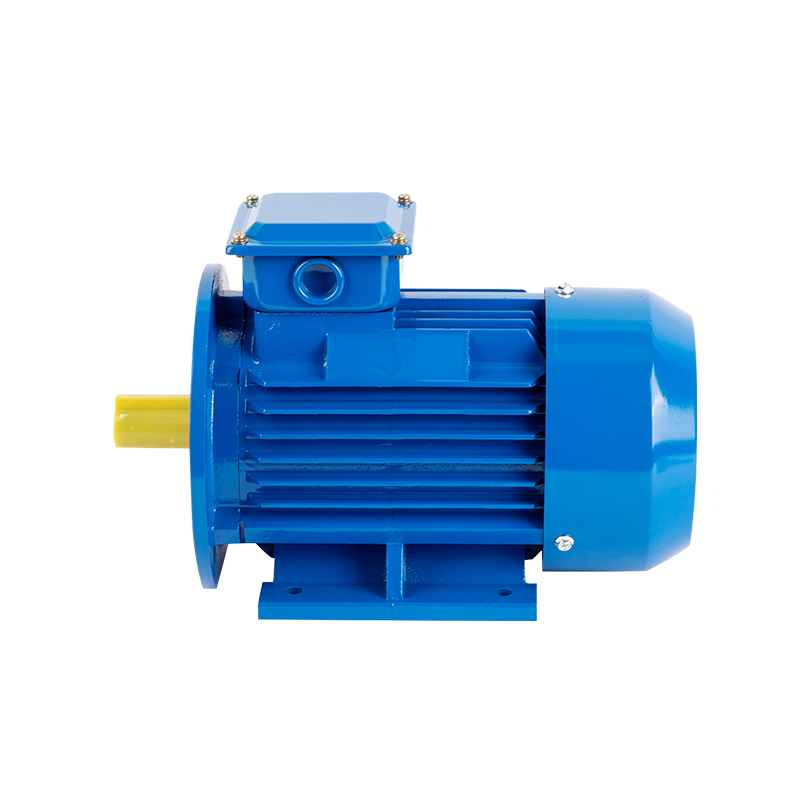
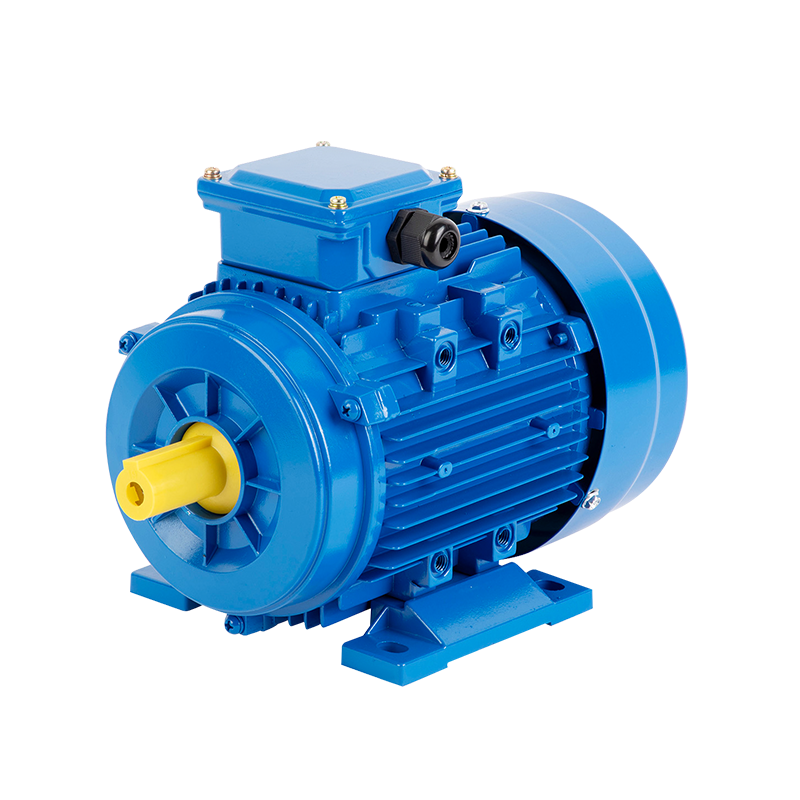
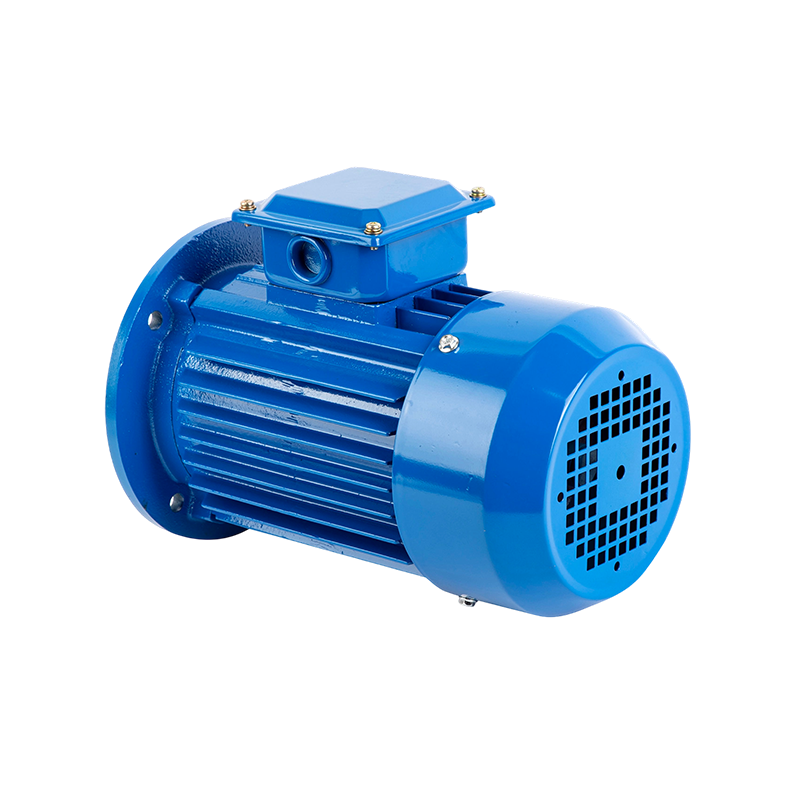
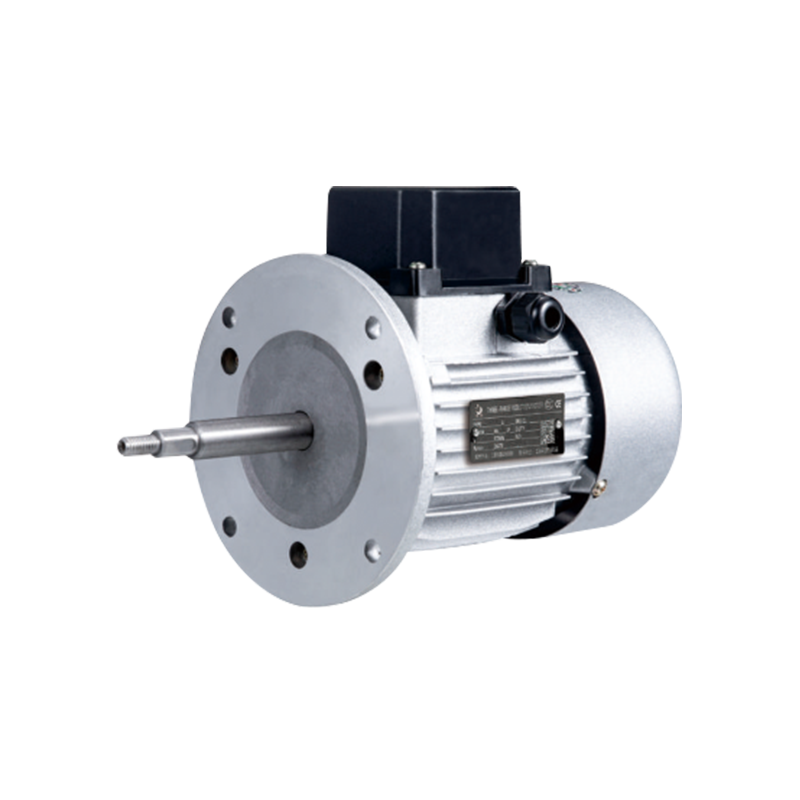
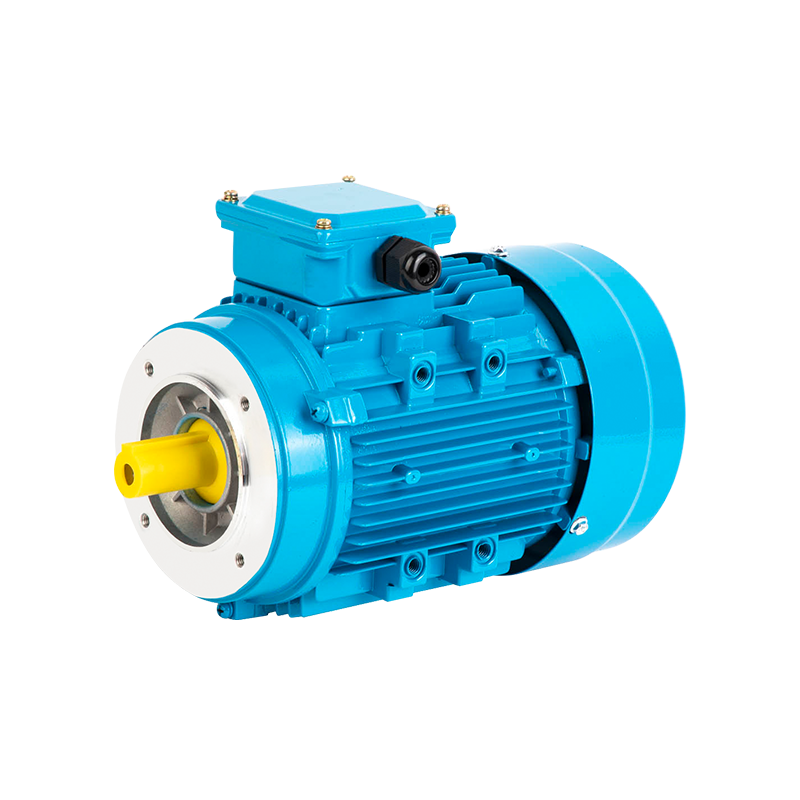
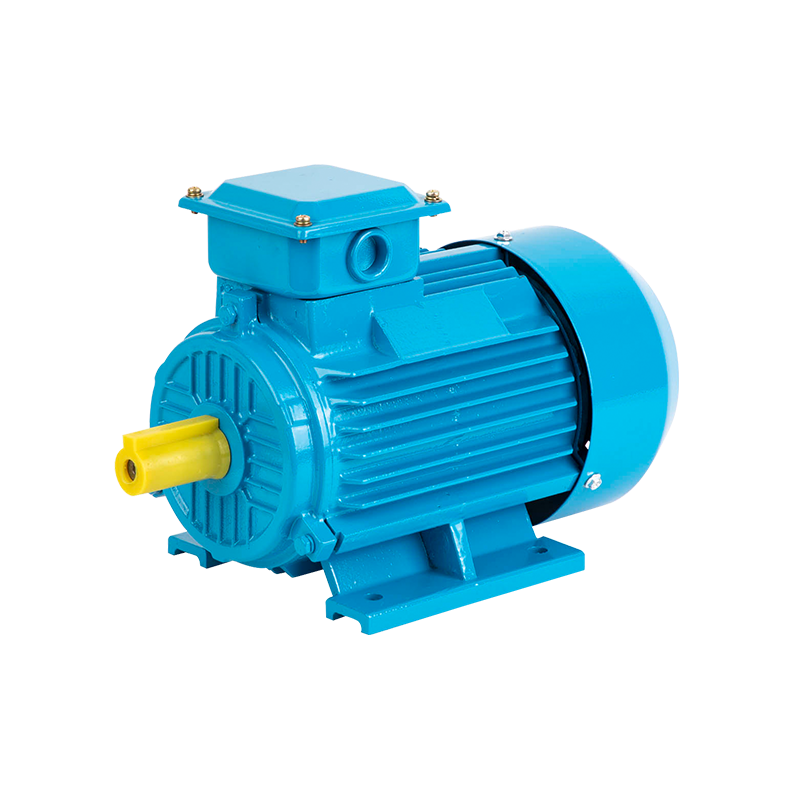
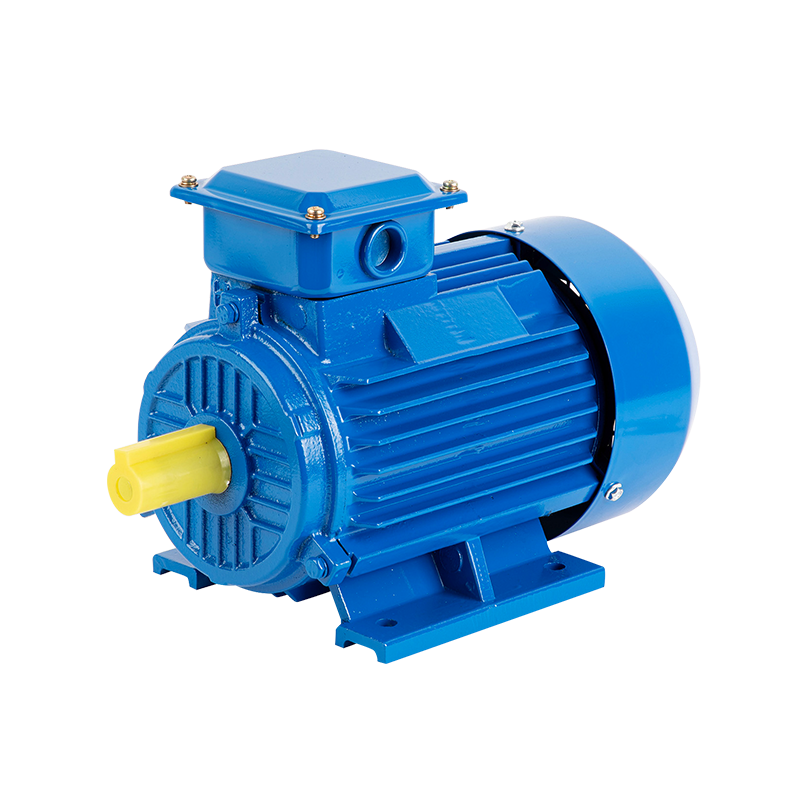
An electric motor may look simple from outside, while its final operating condition depends on many parts working together. Material condition, component shape, winding work, assembly position and electrical connections can all affect how a finished motor runs.
Small differences introduced during production may not be obvious during a visual inspection. A component can appear acceptable while its position or fit changes the way another part works. Research on motor manufacturing has also shown that production variations in structural parts can influence final test results and operating characteristics.
For an Electric Motor Factory, performance stability therefore starts long before a finished unit reaches the testing area. Each stage needs to follow a controlled process so that variation does not build up from one operation to another.
A stable production flow usually connects several basic activities:
- Checking incoming materials
- Preparing and processing components
- Maintaining consistent assembly methods
- Checking important steps during production
- Testing finished motors
- Reviewing abnormal results and adjusting the related process
Such a sequence creates a link between manufacturing work and final performance. Final testing remains important, although relying on the last inspection alone can make it harder to identify where a problem began. Research into motor assembly has similarly emphasized the value of monitoring and correcting issues during production rather than waiting until final testing.
How Does an Electric Motor Factory Control Material and Component Quality
Material condition forms an early part of production stability. Components entering a workshop may differ slightly in size, surface condition or physical state. When such differences pass into later operations, workers may need to compensate during assembly, making the finished result less consistent.
Incoming inspection provides an opportunity to separate unsuitable material before production continues. Inspection does not need to focus only on appearance. Depending on the motor structure, workers may check dimensions, connection areas, insulation condition or other characteristics required for the next process.
Component preparation also needs consistency. Parts that fit together should have compatible dimensions and surfaces. A small mismatch can create additional pressure during assembly or change the position of another component.
For example, rotating parts need suitable alignment with surrounding structures. Supporting parts also need to sit correctly within their intended positions. When preparation remains consistent, assembly becomes easier to control.
A practical material control process may involve:
Receiving → Checking → Sorting → Preparing → Releasing for production
Each stage has a different role. Receiving confirms what has arrived, checking identifies visible or measurable differences, sorting prevents unsuitable parts from moving forward, and preparation ensures that components are ready for assembly.
Material storage also deserves attention. Moisture, dust, handling damage and unsuitable storage conditions can change the condition of certain components before production begins. Good organization helps workers identify material batches and prevents unnecessary mixing of parts with different conditions.
Consistency does not mean every component is identical in every detail. Manufacturing naturally involves some variation. The important point is keeping variation within the requirements established for a particular motor design.
How Are Production Processes Kept Consistent
Once materials enter production, the sequence of operations becomes important. Motor manufacturing involves several connected steps, and a change introduced early can affect work completed later.
Winding, component installation, rotor preparation and final assembly each require suitable positioning and handling. An operator completing one stage needs clear information about what has already been done and what comes next.
Standard work instructions can reduce differences between production cycles. Clear procedures help workers follow the same order of operations, use the intended tools and check the required points at suitable stages.
Equipment condition matters as well. Fixtures, pressing tools and other production equipment experience normal wear through repeated use. A tool that gradually changes position or pressure can introduce variation even when workers follow the same instructions.
Regular checks of production equipment can therefore support process stability. The aim is not simply to keep machines running, but to make sure equipment continues producing parts within the intended conditions.
Human handling remains relevant too. Repetitive work can involve differences in positioning, force or timing. Suitable fixtures and clear operating steps can reduce unnecessary variation without removing the role of skilled workers.
Process consistency can be supported through several practices:
- Keep work sequences clear and repeatable
- Check tools and fixtures regularly
- Inspect important assembly positions
- Separate abnormal parts from normal production
- Record recurring production problems
- Review changes after equipment adjustment
Quality control works more effectively when inspection is connected with production rather than placed only at the end. Current manufacturing research describes in‑process inspection as a way to identify deviations earlier, while final testing provides a separate confirmation of finished motor function.
What Checks Help Maintain Stable Motor Performance
Inspection methods vary according to motor structure and intended use. No single check can reveal every type of production issue, so different stages normally focus on different conditions.
Visual inspection can identify damaged surfaces, loose connections, incorrect assembly positions or other obvious problems. Mechanical checks can focus on rotation, alignment or movement. Electrical checks can examine connections and winding‑related conditions.
Finished motor testing may then evaluate whether the assembled unit operates within its defined requirements. Common production testing can include electrical and mechanical checks, with static and operating evaluations used at different stages.
A simple production flow can be viewed as follows:
| Production Stage | Main Check | Purpose |
|---|---|---|
| Material Receiving | Material Condition | Prevent unsuitable parts from entering production |
| Component Processing | Size and Surface | Keep prepared parts consistent |
| Assembly | Position and Connection | Maintain proper component fit |
| Motor Testing | Operating Condition | Check finished motor performance |
Process checks and final testing serve different purposes. An inspection during assembly can show that a component has been positioned incorrectly, giving workers a chance to correct the issue before more parts are added. Final testing can then confirm whether the completed motor operates as required.
Noise or unusual vibration can also provide useful information during operating checks. Such changes may point toward assembly or component conditions that need further examination. Electrical measurements can similarly reveal problems related to winding connections or other internal conditions.
A useful quality system therefore does not treat inspection as a single event. Material checks, process checks and finished‑product tests form a connected chain, with each stage providing information for the next.
For an Electric Motor Factory, such a process can also make abnormal results easier to trace. When a problem appears in finished testing, production records and earlier inspection points can help narrow the possible source instead of treating the motor as an isolated unit.
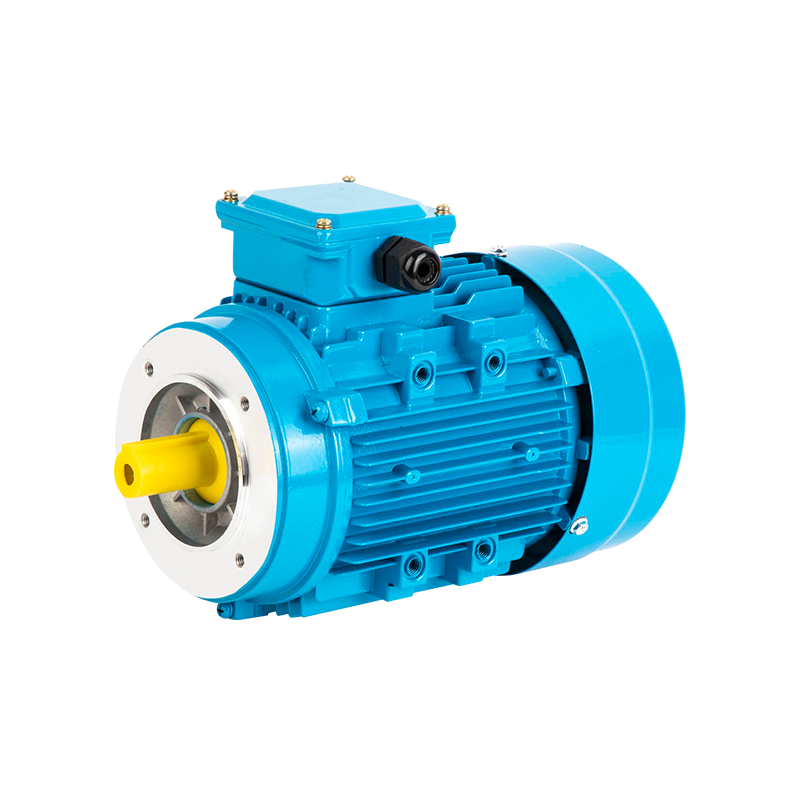
How Does a Custom Electric Motor Require Different Production Control
A Custom Electric Motor may follow a production route that differs from a standard design. Changes in size, mounting position, connection arrangement or operating requirements can affect how components are prepared and assembled.
A small change in one part may also influence several later steps. A different housing shape can affect internal fitting, while a changed mounting arrangement may require different drilling, positioning or assembly work. Production planning therefore needs to begin with a clear understanding of the required structure.
Custom work also places greater attention on communication between design and production teams. Drawings, work instructions and component information need to remain consistent throughout the manufacturing process. An outdated instruction can create unnecessary differences even when operators follow the documented procedure correctly.
Sample confirmation can provide another useful checkpoint. Before wider production begins, a sample unit can be checked against the intended design. Any mismatch found at that stage can be addressed before similar work continues through the production line.
Material preparation may also change according to the custom design. A special housing, shaft arrangement or mounting structure can require different components from those used in another motor. Mixing parts from separate designs can create assembly problems, so identification and storage become more important during custom production.
A practical control sequence can include:
- Confirming the latest design information
- Matching components with the correct motor structure
- Checking custom dimensions before assembly
- Confirming mounting and connection positions
- Inspecting sample units where appropriate
- Keeping production instructions aligned with the approved design
Custom manufacturing does not mean every production step needs to become complicated. Clear preparation can reduce uncertainty before assembly begins, while process checks can catch differences before they reach final testing.
For an Electric Motor Factory, flexibility in production needs to exist alongside process discipline. A custom design may change certain components or procedures, while the basic need for controlled material handling, accurate assembly and consistent inspection remains.
How Does Final Testing Support Product Consistency
Final testing provides a direct check of a completed motor. Once assembly is finished, electrical connections, mechanical parts and internal components have become one working unit, making final inspection useful for confirming whether the finished product meets its intended requirements.
Different tests look at different aspects of operation. Electrical checks can identify connection‑related problems, while operating checks can reveal unusual rotation, sound or vibration. Visual inspection can identify external damage or assembly issues that may not appear during a running test.
Final testing also creates a point for comparison between production batches. When similar problems appear repeatedly, the results may indicate a process issue rather than an isolated product problem.
A useful testing process can follow a simple sequence:
Finished assembly → Initial inspection → Functional check → Result review → Separation of abnormal units
Units that do not meet the required conditions should be separated from normal production rather than returned to the same process without investigation. Rework can then be carried out according to the nature of the issue.
Testing equipment also needs attention. Measurement tools can change with use, handling or environmental conditions, so regular verification helps maintain confidence in test results.
Final inspection should therefore work as part of a wider production system. It confirms finished performance while also providing information that can be sent back to earlier manufacturing stages.
How Can Production Feedback Improve Consistency
A stable production process is not created by inspection alone. Information from inspections needs to return to the relevant production stage so that recurring issues can be addressed.
Suppose several finished motors show a similar assembly problem. Checking only the final products may identify the symptom, while reviewing earlier operations may reveal an incorrect fixture position, unclear instruction or component mismatch.
Production records can help connect the final result with earlier work. Material batches, equipment changes and inspection findings provide useful clues during problem investigation.
Feedback can be handled through a simple cycle:
Check → Record → Review → Correct → Recheck
Such a cycle allows production teams to look at repeated deviations instead of treating every abnormal unit as an unrelated case.
Equipment maintenance forms another part of the process. Production tools gradually experience ordinary wear, and changes in tool condition can affect component position or assembly pressure. Regular inspection can identify signs of wear before they create wider production variation.
Worker feedback also has practical value. Operators often notice changes in assembly resistance, component fit or machine behavior during routine work. A clear method for reporting unusual conditions can help production managers investigate issues earlier.
For custom production, feedback becomes even more useful because a modified design may introduce a condition that does not occur in regular production. Recording the issue and linking it to the relevant process can help prevent the same problem from appearing during later orders.
What Production Practices Help an Electric Motor Factory Maintain Stability
Performance stability develops across the full production path. Material inspection reduces unsuitable components entering the workshop, while consistent processing helps maintain suitable part conditions. Assembly controls then bring individual components together according to the intended design.
Final testing confirms the completed motor, while feedback provides information for improving earlier steps. Each part has a different role, so removing one stage can leave gaps in process control.
Several ordinary practices can support such a production structure:
- Keep material identification clear
- Check component condition before assembly
- Maintain production tools and fixtures
- Keep work instructions current
- Inspect important assembly positions
- Separate abnormal units from normal production
- Review repeated test deviations
- Connect inspection results with earlier production steps
For a Custom Electric Motor, production control needs to accommodate design changes without losing consistency. Each modified component should remain connected with the correct assembly instructions and inspection requirements.
For an Electric Motor Factory, performance stability is therefore closely linked with process stability. Materials, components, equipment, assembly methods and testing all contribute to the final operating condition. A finished motor reflects not only the final inspection result, but also the conditions created throughout production.
Consistent manufacturing comes from keeping each stage connected. Early checks prevent unsuitable materials from moving forward, process inspections reveal deviations during assembly, final testing confirms completed units, and production feedback helps address recurring problems. Such coordination gives manufacturers a practical way to maintain consistent motor performance while still allowing production processes to adapt to different designs and application requirements.


