 English
 Español



Building 1, Block 4, Wufeng Industrial Park, Daxi Town, Taizhou City, Zhejiang Province, China
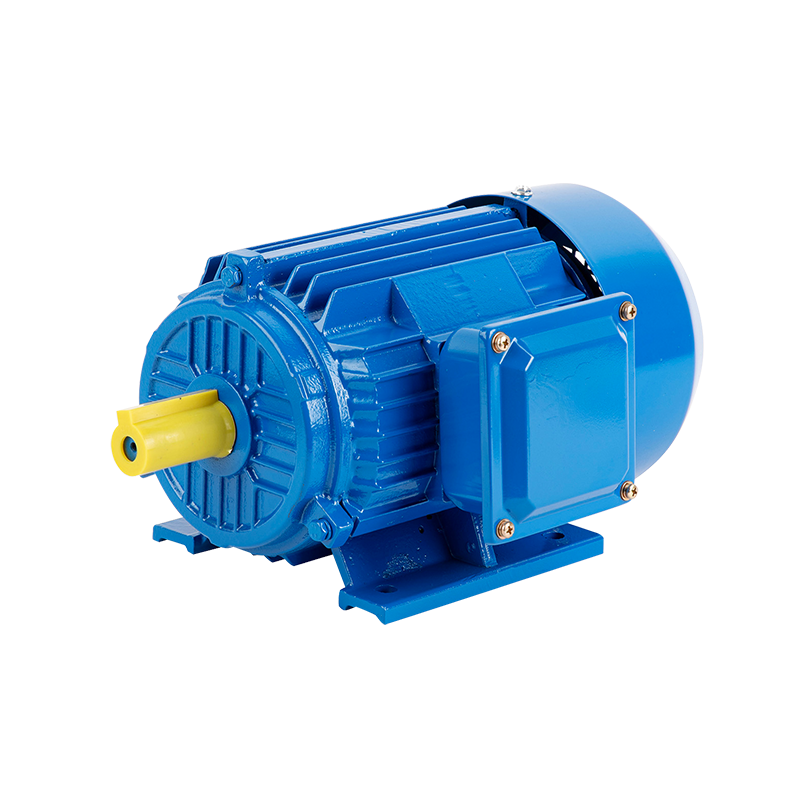
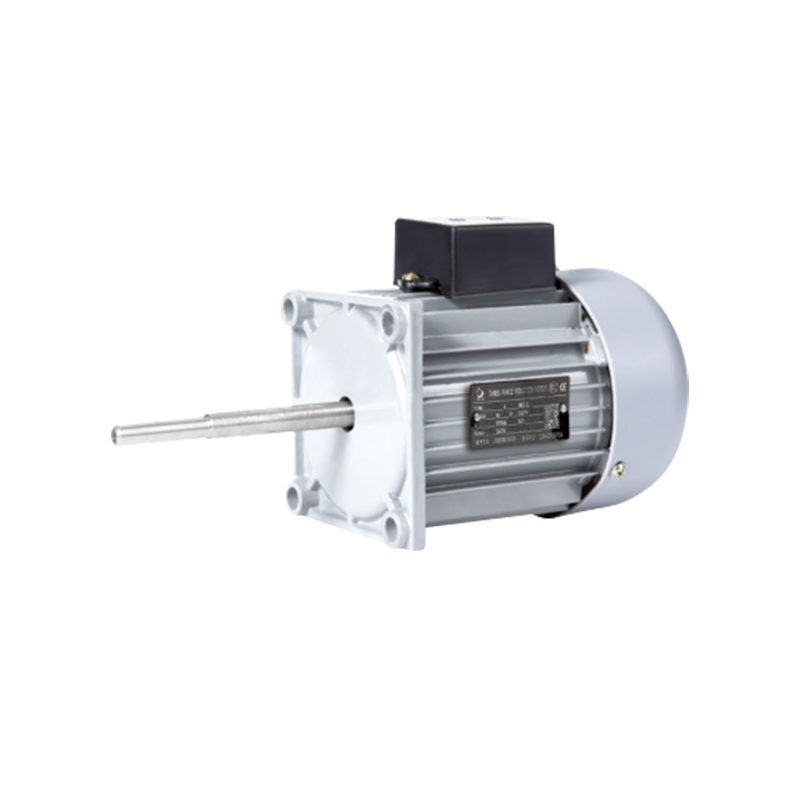
A standard electric motor comes with fixed dimensions. The mounting holes sit in specific locations. The shaft extends a certain length. The housing has a particular shape. The motor works well for common equipment, but non standard machinery demands something different.
Non standard machinery includes equipment built for specialized tasks. A packaging line with odd spacing. A medical device with tight clearances. An agricultural machine with unusual mounting points. These machines cannot accept a standard motor without modifications.
The modifications create new problems. An adapter plate adds extra parts. A custom coupling introduces alignment issues. The standard motor may fit physically but perform poorly. The machine operates differently than intended.
The problems grow with the complexity of the machine. A simple fan may accept any motor. A precision conveyor requires exact motor placement. The non standard machine needs a motor designed for that specific machine.
| Problem Area | Standard Motor Issue | Custom Motor Solution |
|---|---|---|
| Mounting Pattern | Fixed bolt holes | Holes placed where needed |
| Shaft Length | Standard extension | Length matches application |
| Housing Shape | Cylindrical only | Shape fits available space |
| Cooling Method | Standard fins | Custom cooling layout |
| Terminal Location | Fixed position | Positioned for access |
How Custom Mounting Configurations Solve Space Constraints
Space inside machinery comes at a premium. Components pack into every available area. A standard motor may be too wide or too long. The machine designer must work around the motor dimensions.
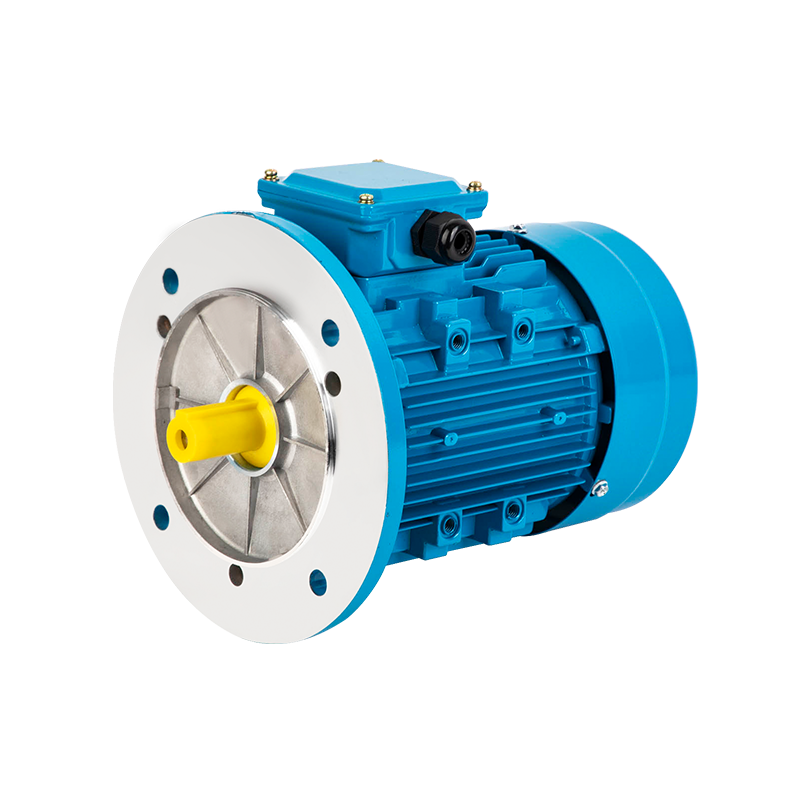
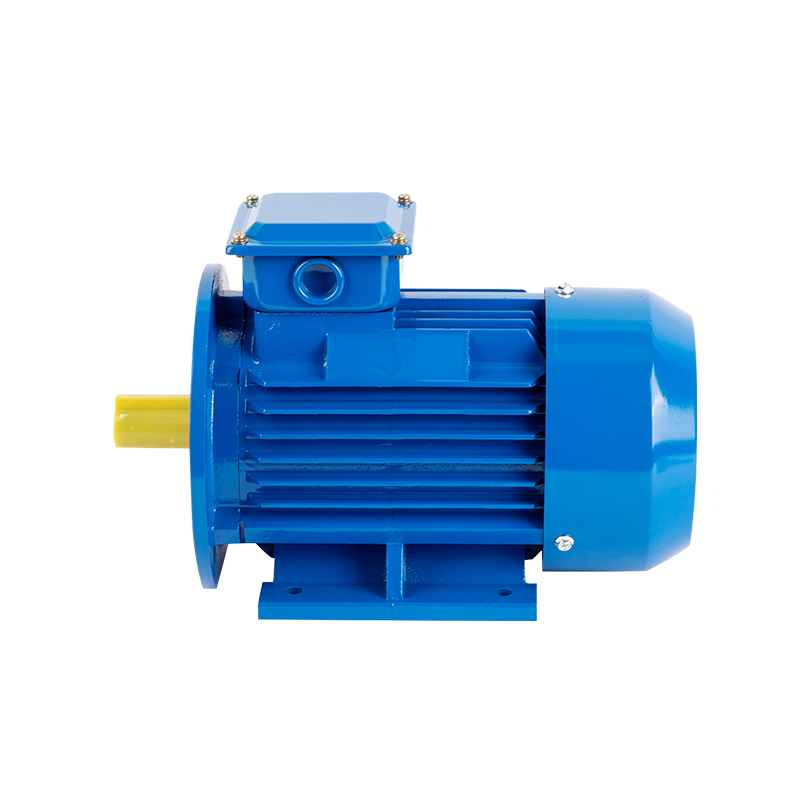
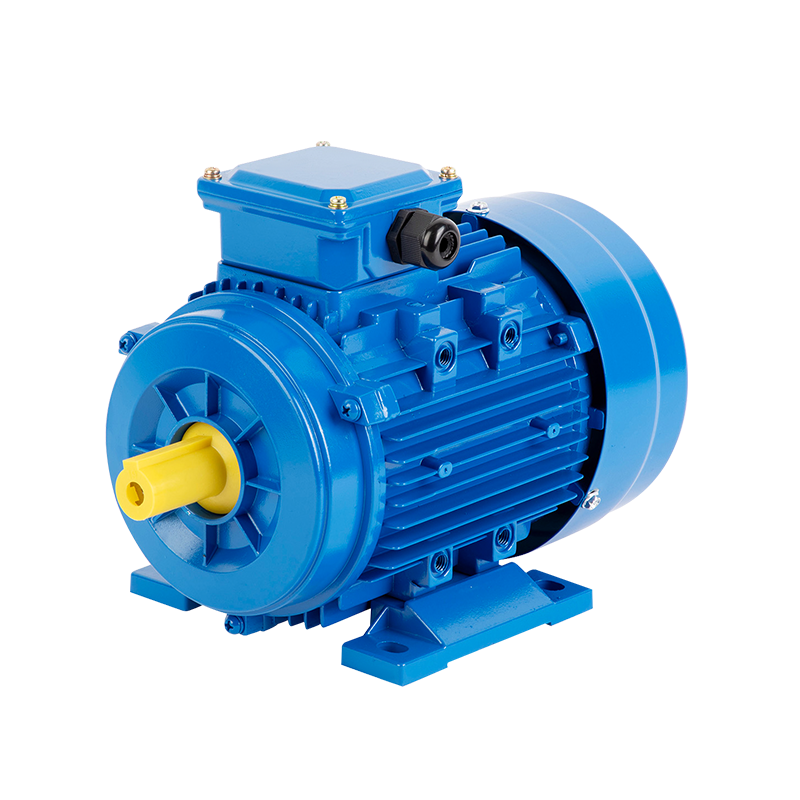
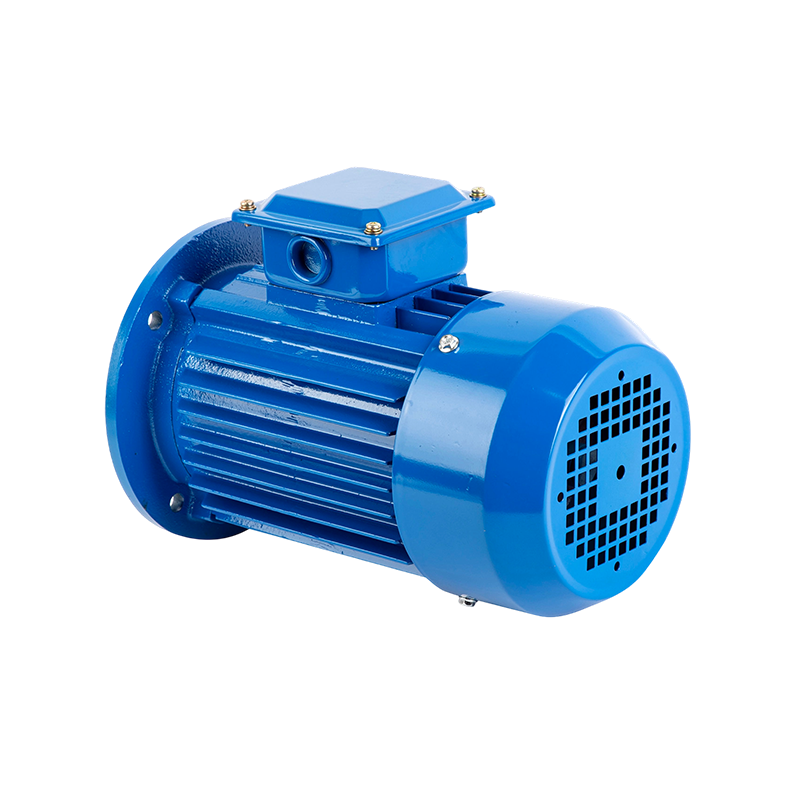
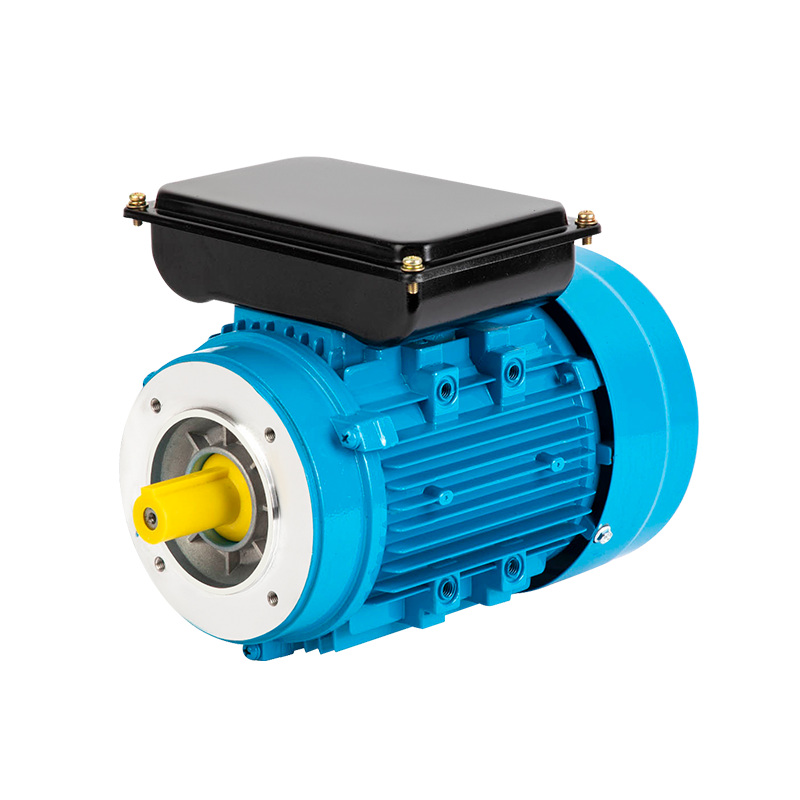
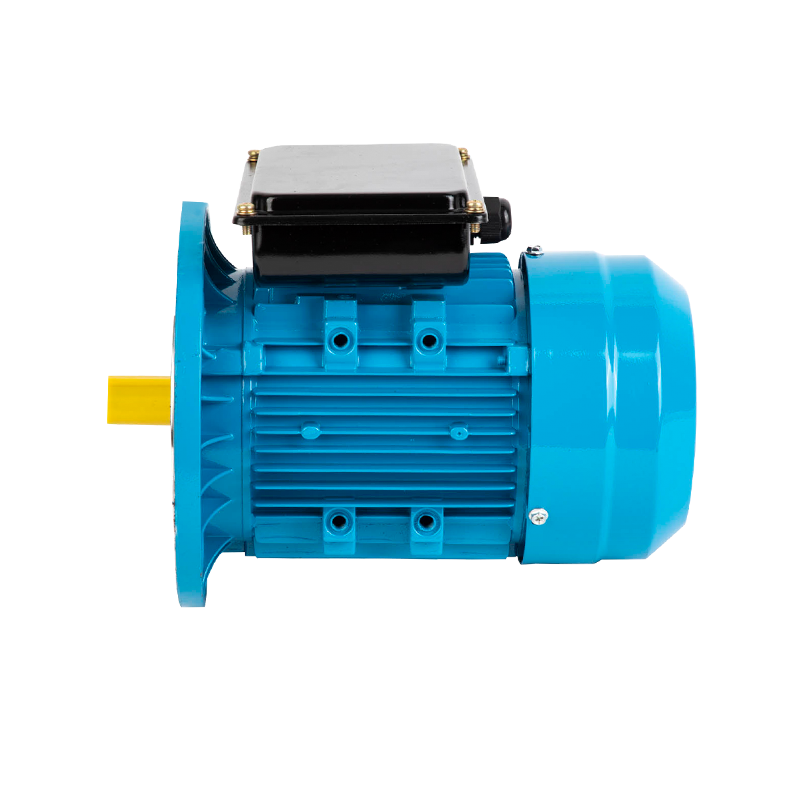
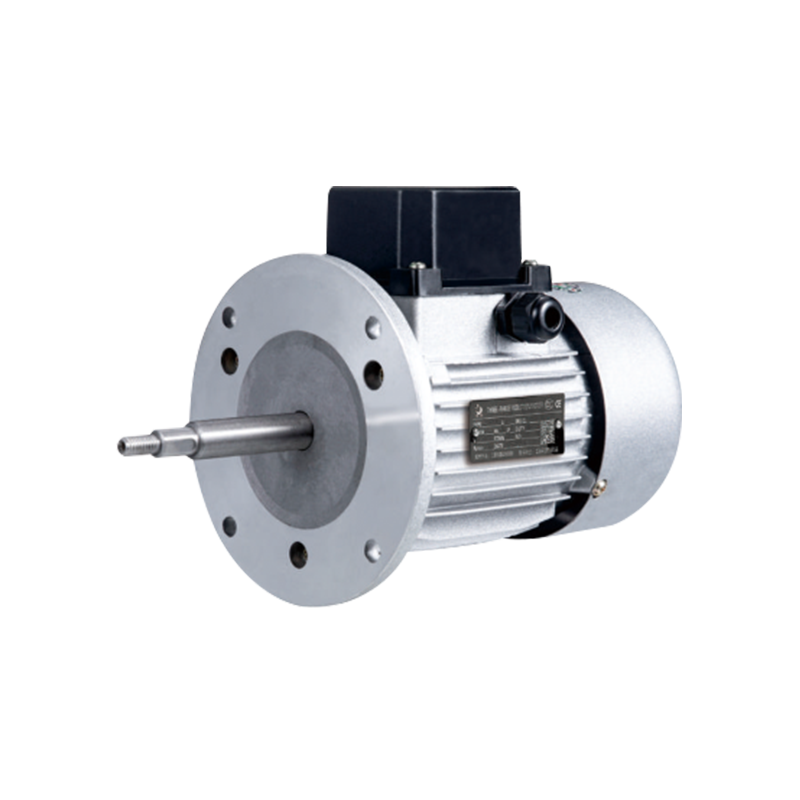
A Custom Electric Motor starts with the available space. The motor fits within those limits. The mounting holes locate where the machine has mounting points.
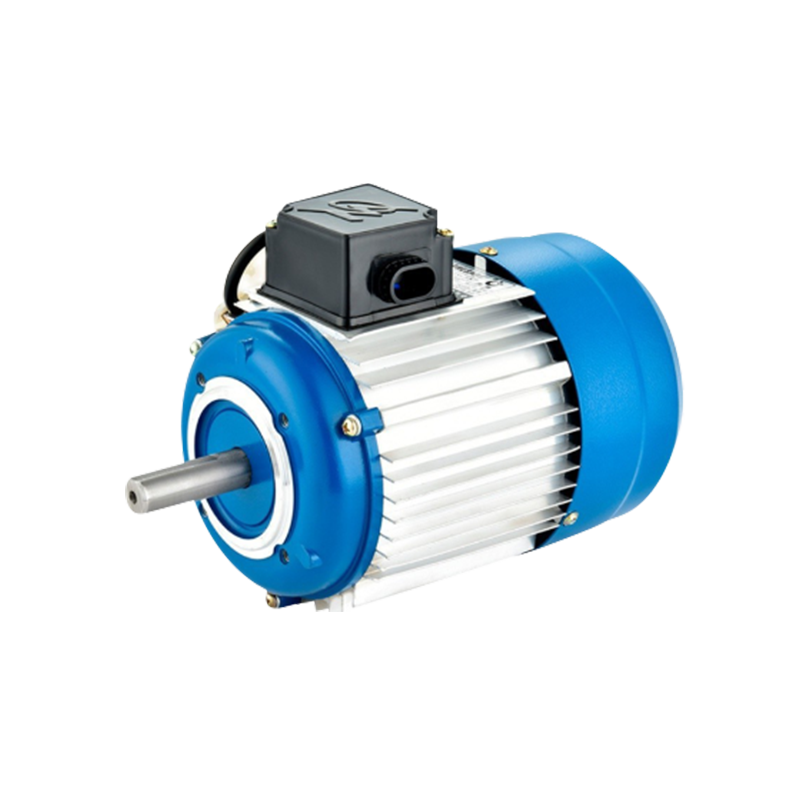
The motor shape can depart from the standard cylinder. A rectangular housing fits into a narrow gap. A flattened motor sits under a conveyor. An angled mounting face attaches to a sloped frame. The shape adapts to the machine.
The mounting configuration includes the bolt pattern. The bolt holes in the motor match the holes in the machine. The motor bolts directly without adapter plates. The alignment stays accurate without extra parts.
The motor flange also adapts to the machine. A standard flange may be too large or too small. The custom flange matches the mating component exactly. The motor connects without gaps or misalignment.
An Electric Motor Factory designing custom motors understands space constraints. The design team works with machine dimensions. The motor fits the space while delivering the required performance.
What Torque and Speed Customization Does for Unique Applications
Every machine has a specific torque and speed requirement. A conveyor needs high torque at low speed. A fan needs lower torque at higher speed. A mixer needs variable speed for different materials.
Standard motors come in fixed speed and torque combinations. The closest standard motor may not match the requirement. The machine runs with either too much power or too little. The performance suffers.
A custom motor provides the exact torque and speed needed. The motor windings get designed for the specific application. The rotor design matches the load characteristics. The motor runs at its efficient operating point.
The speed can be fixed or variable. A custom motor with a specific winding provides a set speed. A custom motor with a different design allows speed control. The controller matches the motor for smooth operation.
The torque curve matters for starting and running. Some machines need high starting torque. Other machines need smooth torque throughout the operating range. The custom motor delivers the correct torque profile.
The customization extends to the duty cycle. A machine running continuously needs different cooling than a machine running intermittently. The motor design accounts for the operating pattern. The motor stays within temperature limits.
How Custom Motors Handle Harsh Operating Environments
Machinery operates in harsh conditions. Dust fills the air. Water sprays from cleaning processes. Chemicals create corrosive atmospheres. Standard motors fail in these environments.
A standard motor has openings for cooling. The openings let air flow through the motor. The same openings let contaminants enter. Dust collects on the windings. Moisture causes corrosion. The motor fails prematurely.
A custom motor addresses the environment. The enclosure design provides protection. Sealed housings keep contaminants out. Special coatings resist corrosion. The motor survives the harsh conditions.
The cooling method adapts to the environment. A sealed motor may use a finned housing for cooling. A motor in a clean area may use forced air. A motor in a wet area may use a separate cooling circuit. The cooling matches the environment.
The materials also adapt to the environment. Stainless steel components resist corrosion. Teflon coated windings resist chemical attack. Sealed bearings keep lubricant in and contaminants out. The motor materials match the operating conditions.
An Electric Motor Factory with environmental experience selects the right materials. The design includes the environmental protection. The motor performs reliably in the intended location.
Why Voltage and Power Requirements Differ Across Machinery Types
Machinery operates on different power systems. A facility may have three phase power. Another facility may have single phase. The voltage varies between countries and between equipment types.
Standard motors come in common voltage and phase configurations. The machine may require a different voltage. The standard motor does not match the available power. A transformer or converter adds cost and complexity.
A custom motor connects directly to the available power. The motor windings match the power source. The motor starts and runs without extra equipment. The installation stays simple.
The power output also gets customized. A machine may need more power than a standard frame provides. The custom motor delivers the required power in the available frame size. The machine performs as needed.
The power factor affects the facility electrical system. A motor with a low power factor draws more current. The facility pays for the extra current. A custom motor with improved power factor reduces the electrical cost.
The efficiency also improves with customization. The motor operates at its peak efficiency point for the specific load. The energy consumption drops. The operating cost decreases over the motor life.
What Custom Shaft Designs Accomplish for Specific Attachments
The shaft is where the motor connects to the driven equipment. A standard shaft has a common diameter and keyway size. The non standard machine may need something different.
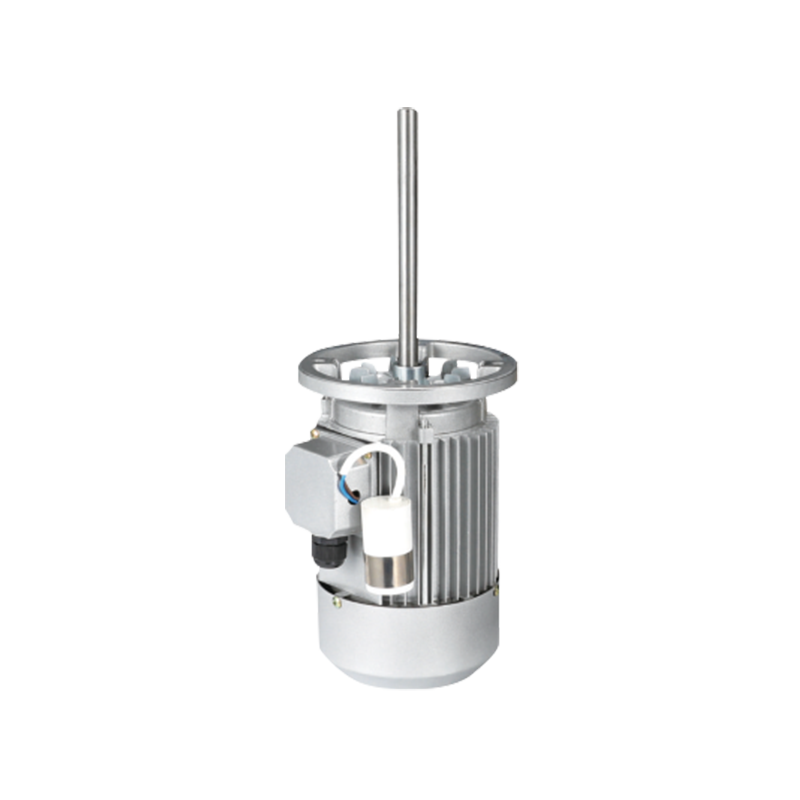
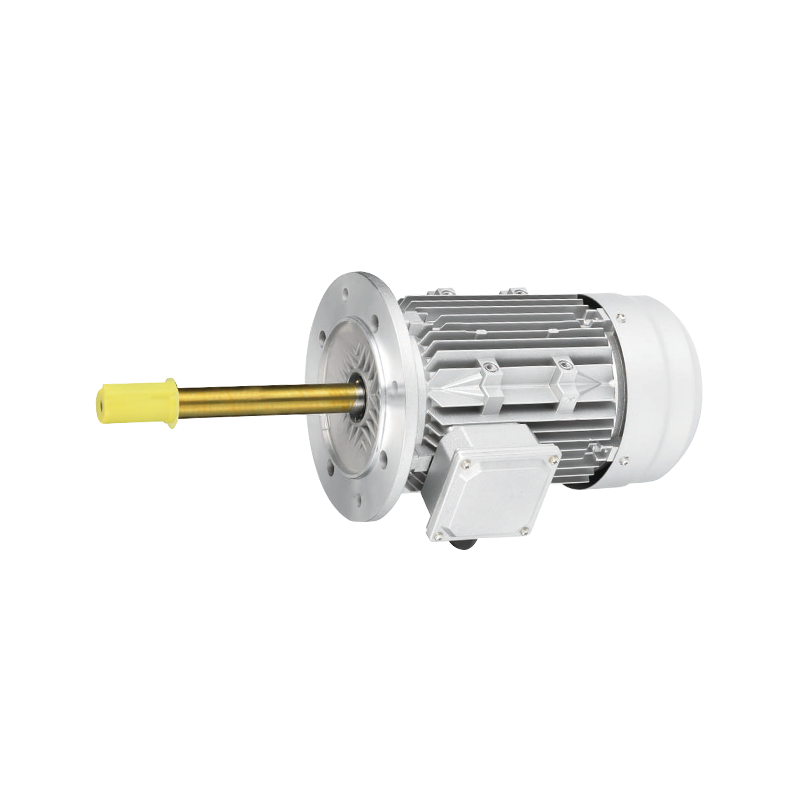
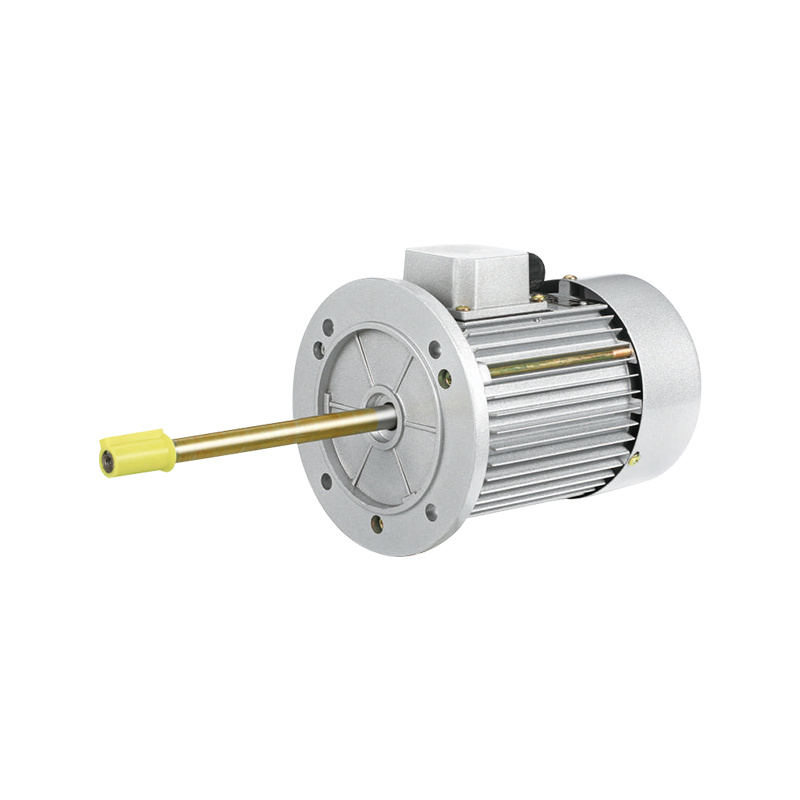
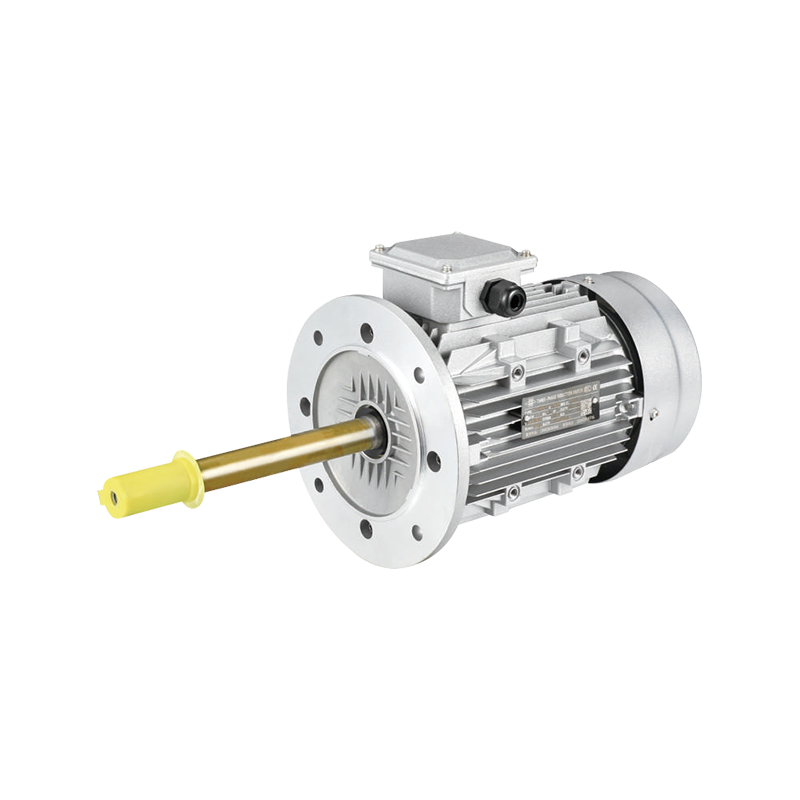
A custom shaft matches the attachment exactly. The shaft diameter fits the coupling or pulley. The keyway size matches the mating component. The shaft length positions the attachment correctly. The motor connects without adapters or modifications.
The shaft material also changes with the application. A standard shaft uses common steel. A custom shaft may use stainless steel for corrosion resistance. A shaft in a food processing machine needs special material. The shaft design accommodates the operating conditions.
The shaft end can be threaded, tapered, or splined. The custom motor uses the correct shaft end for the attachment. The connection stays secure without added parts.
The shaft also handles the loads. A standard shaft may not support the overhung load from a pulley. A custom shaft has the strength for the specific load. The bearing selection supports the load properly.
A custom shaft design from an Electric Motor Factory ensures the attachment fits correctly. The motor connects without extra parts. The connection stays reliable through years of operation.
How an Electric Motor Factory Approaches Custom Builds
An Electric Motor Factory starts custom builds with a design review. The customer provides the machine requirements. The factory engineers assess the requirements. The design phase begins after the assessment.
The design includes the electrical and mechanical specifications. The winding configuration gets calculated. The magnetic circuit gets designed. The housing and mounting get drawn. The design covers every aspect of the motor.
The factory produces prototypes for testing. The prototype receives the same care as a production motor. The testing confirms the design works. Adjustments are made based on test results.
The production process follows the design. The windings, magnets, and housing get assembled. The quality control checks every step. The assembled motor undergoes final testing.
The factory maintains design records for each custom motor. The records allow repeat orders. The records also support modifications. The customer can order a similar motor for another machine.
The factory also provides support after delivery. The customer can call with questions. The factory helps with installation and troubleshooting. The support continues through the motor service life.
Where Custom Motor Design Reduces System Complexity
A standard motor may require additional components to work in a non standard system. A gearbox may be needed to change speed. A coupling may be needed to connect the shaft. A mounting plate may be needed for fit.
A custom motor eliminates the extras. The motor provides the correct speed directly. The motor shaft connects directly to the driven component. The mounting matches the machine.
The reduced complexity lowers the total system cost. The cost of extra components adds up. The installation time increases with each added part. The maintenance requirements grow with more components.
A machine with a custom motor is simpler to build. The assembly process has fewer steps. The alignment is easier to achieve. The machine comes together faster.
The simpler system also has fewer failure points. Each component can fail. A gearbox adds gears and bearings. A coupling adds another connection. The custom motor removes these potential failures.
A machine with a custom motor is easier to maintain. A mechanic sees one motor instead of several components. The maintenance focus narrows. The repair time decreases.
Why Prototyping Matters Before Full Production Runs
A custom motor design looks correct on paper. The design may not work as expected in practice. Prototyping catches problems before full production.
A prototype motor gets built exactly as designed. The prototype uses the same materials and processes as a production motor. The prototype goes through the same testing.
The testing confirms the motor meets the specifications. The torque and speed get measured. The temperature rise gets checked. The noise and vibration get assessed. The test results show the motor performance.
The prototype may reveal issues. The motor may run hotter than expected. The torque may be lower than calculated. The noise may be higher than acceptable. The design gets adjusted to fix the issues.
The revised design produces a new prototype. The testing repeats. The cycle continues until the motor meets all requirements. The final design becomes the production design.
An Electric Motor Factory builds prototypes for every new design. The prototype protects the customer from production problems. The customer receives a motor that works correctly.
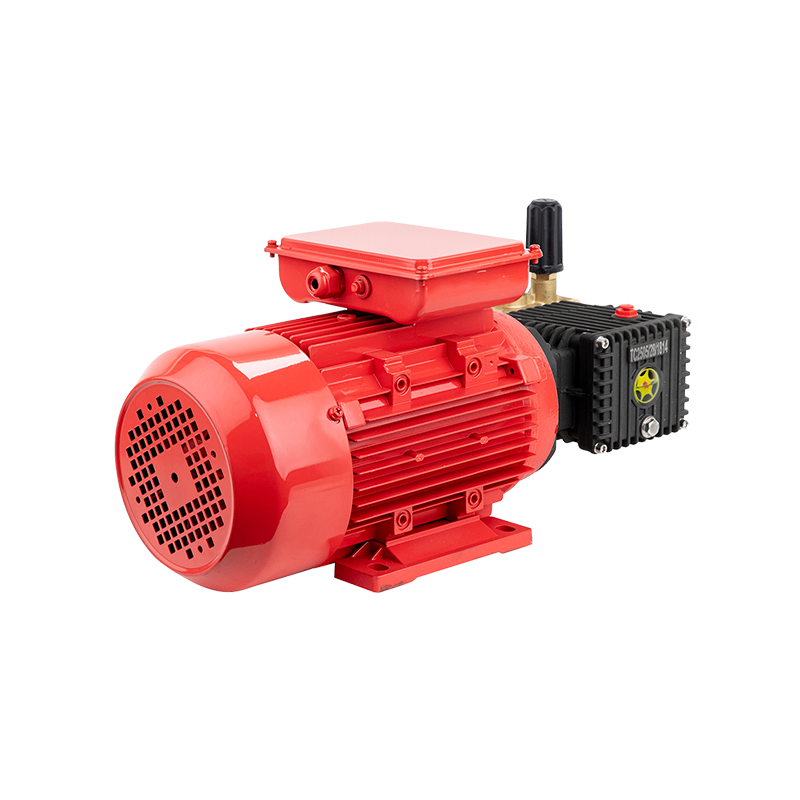
What Performance Gains Come From Proper Motor Matching
A properly matched motor delivers the required performance. The machine runs at the intended speed and torque. The motor does not overheat. The motor does not overload. The machine performs as designed.
The efficiency increases with proper matching. A motor operating at its design point uses less energy. The wasted energy converts to heat. The motor stays cool and efficient.
The reliability improves with proper matching. A motor designed for the application has the right materials and cooling. The motor wears more slowly. The service life extends.
The productivity increases with proper matching. The machine runs without interruptions. The motor does not trip on overloads. The operator does not adjust the process for motor limitations.
The cost of a custom motor is lower than the cost of an oversized standard motor. The custom motor costs what the application requires. The oversized standard motor costs more for unused capacity.
A properly matched motor improves the whole machine. The machine operator benefits from consistent performance. The machine owner benefits from lower operating costs. The non standard machine works better than ever.


