 English
 Español



Building 1, Block 4, Wufeng Industrial Park, Daxi Town, Taizhou City, Zhejiang Province, China
Heat in industrial environments is rarely a single fixed source. In real operation, it often comes from several directions at the same time, and that makes working conditions more complex than they appear on drawings or specifications.
In production lines, heat may rise from nearby machines running continuously. In ventilation-limited workshops, warm air may stay trapped around equipment instead of moving away. In enclosed mechanical rooms, motors can sit close to other heat-generating systems, creating a layered temperature environment rather than a single steady condition.
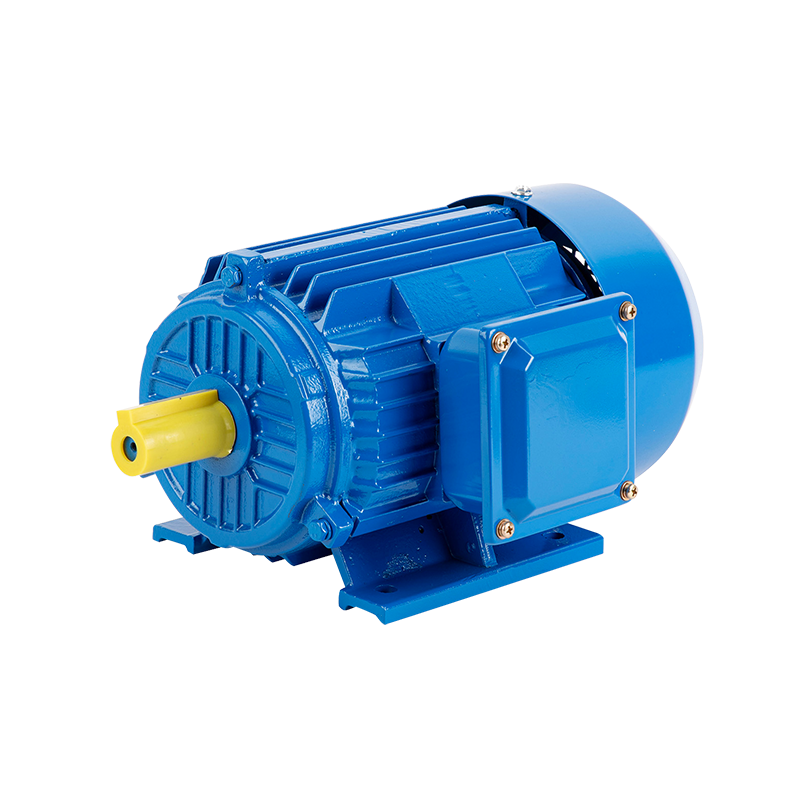
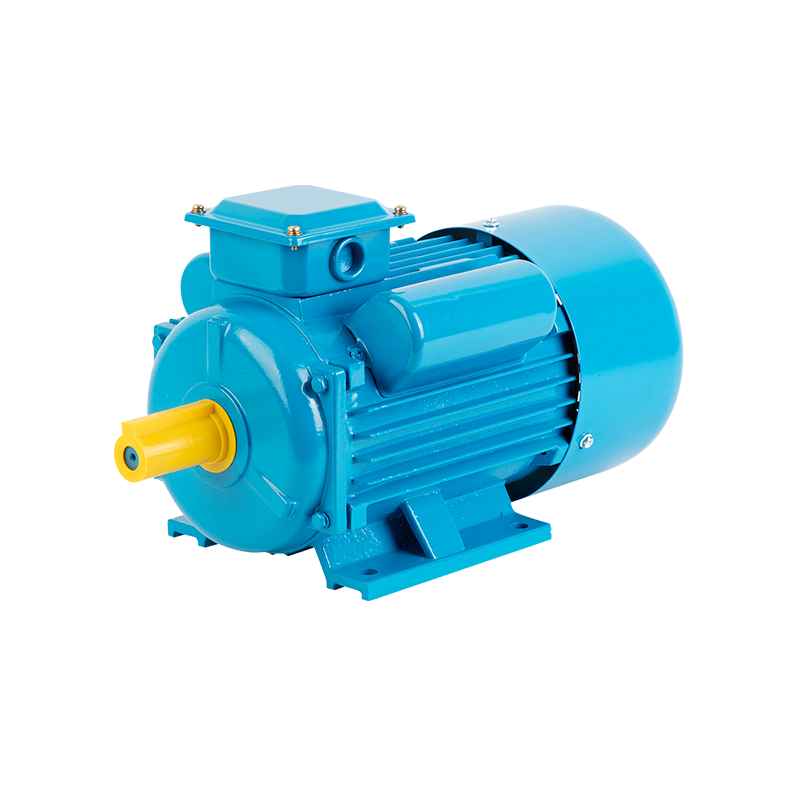
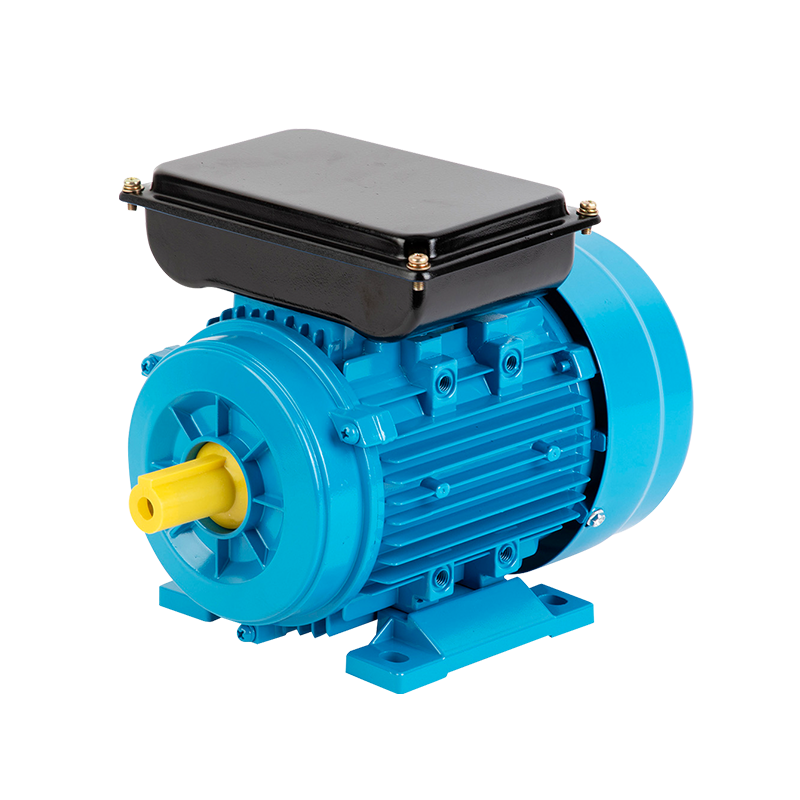
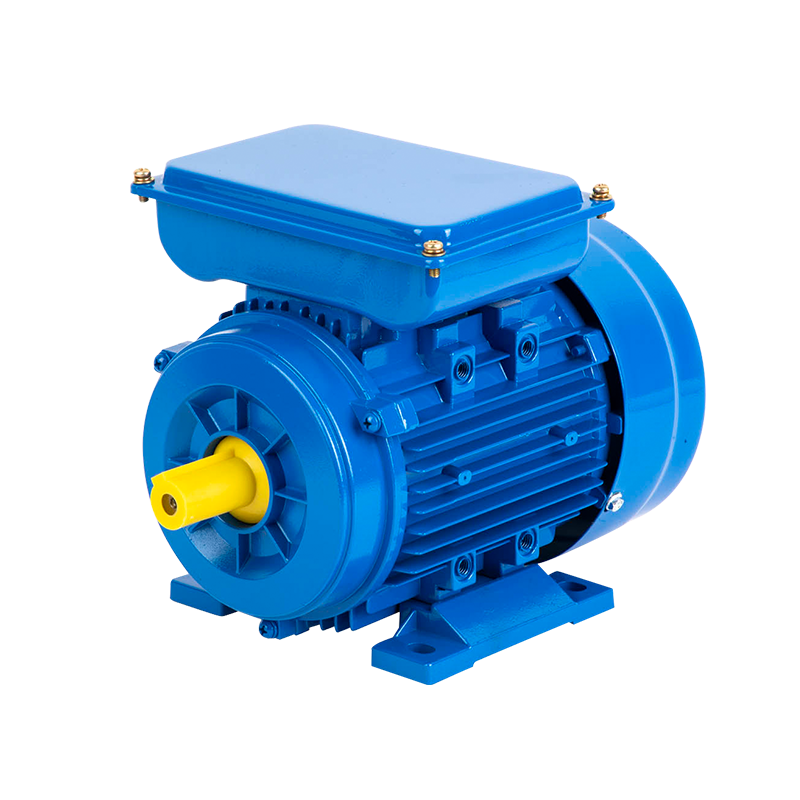
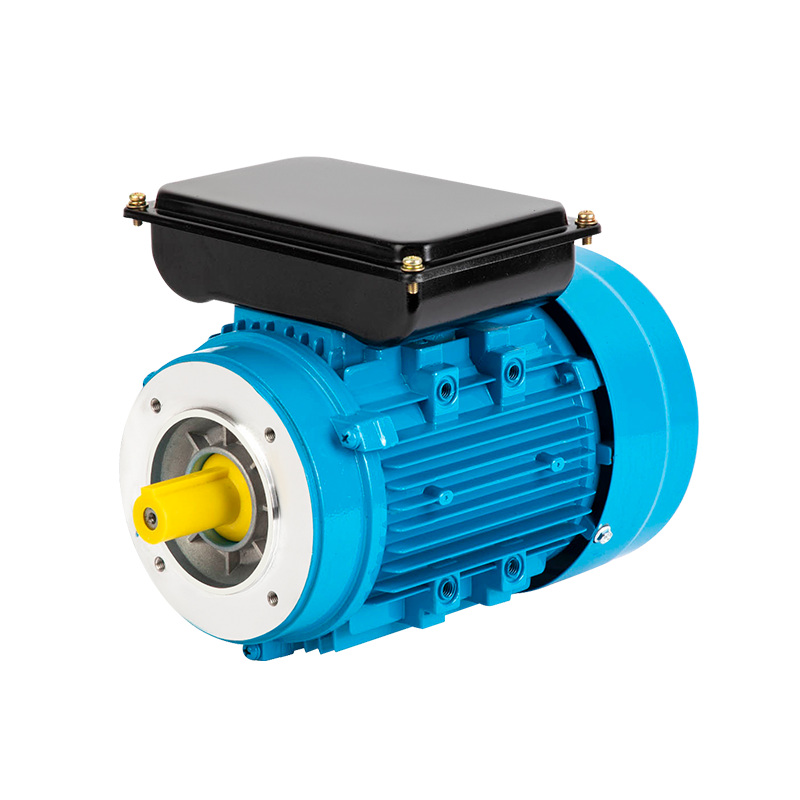
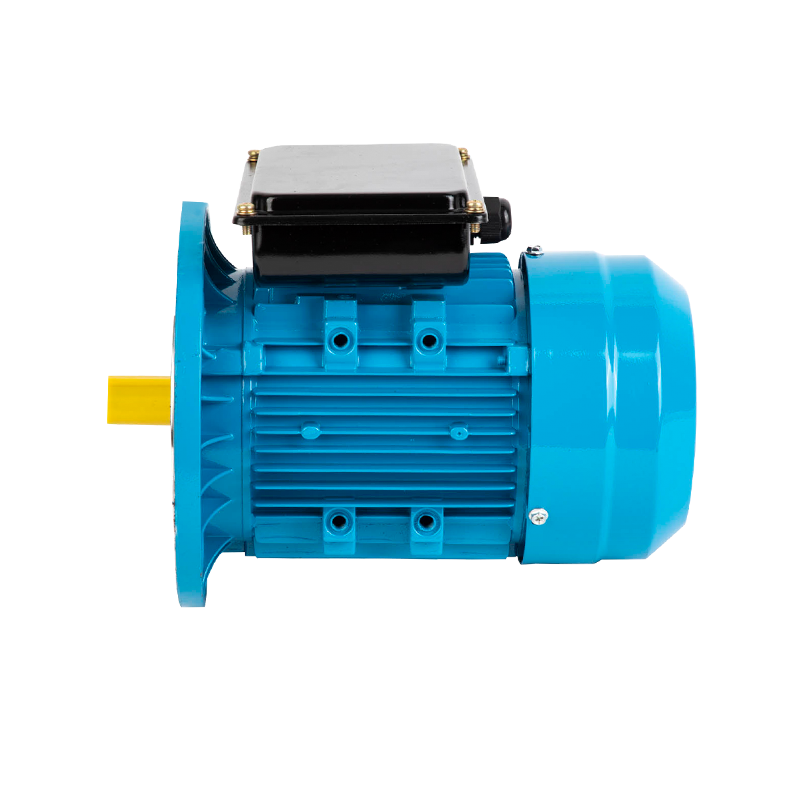
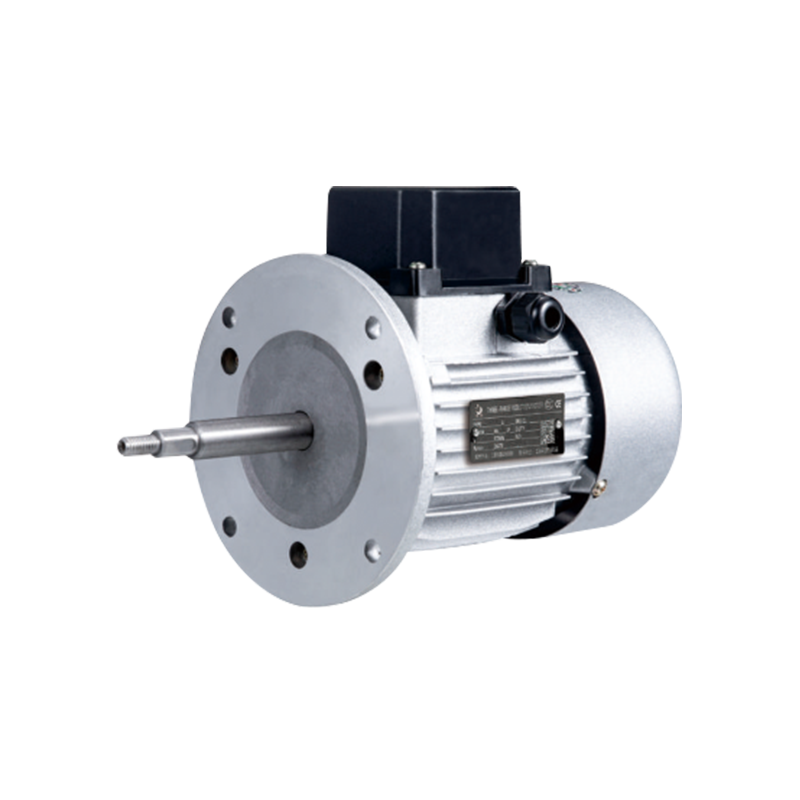
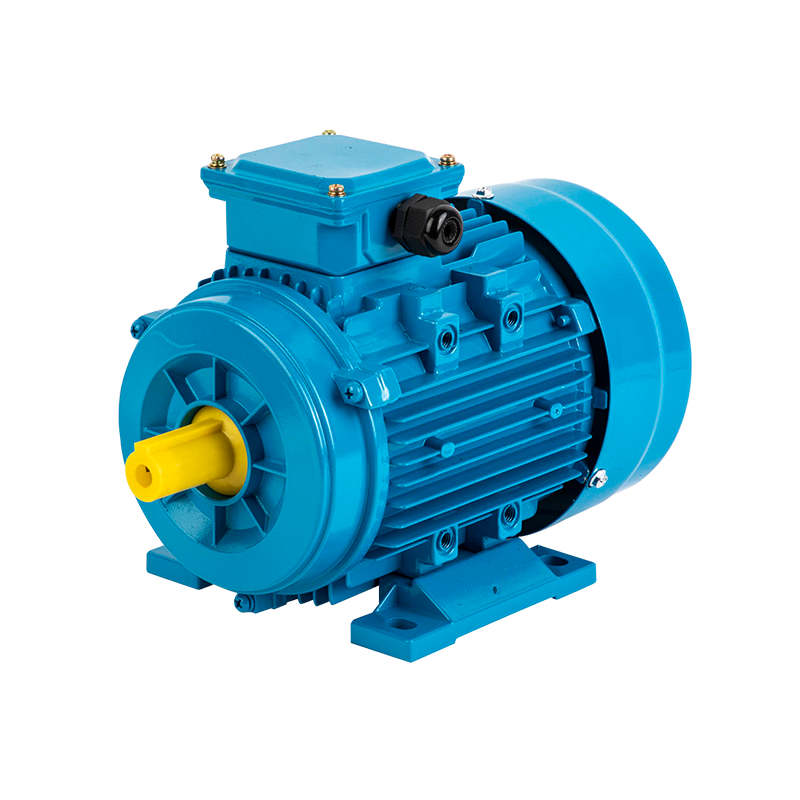
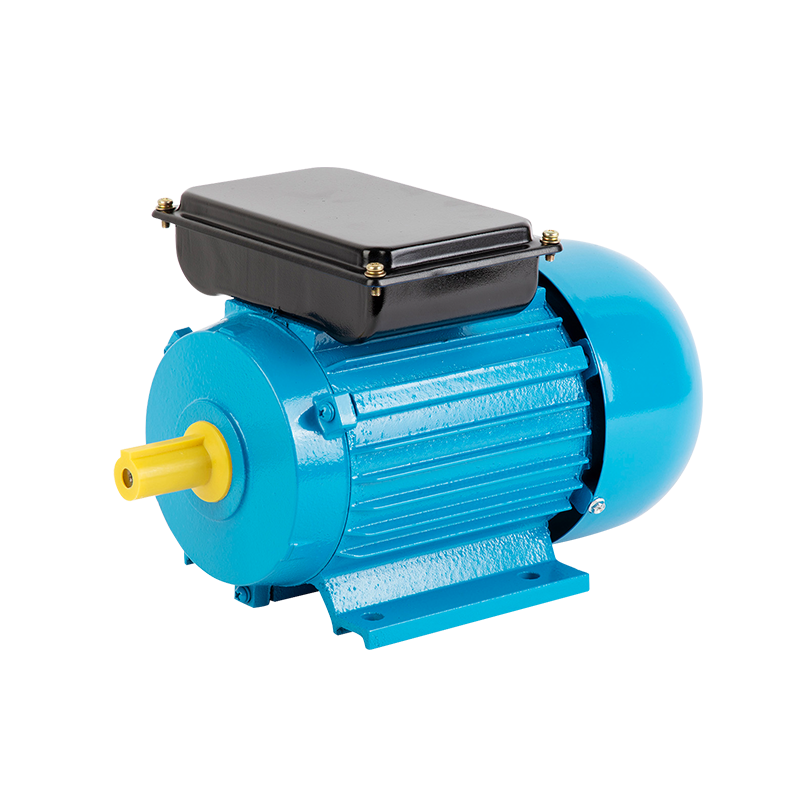
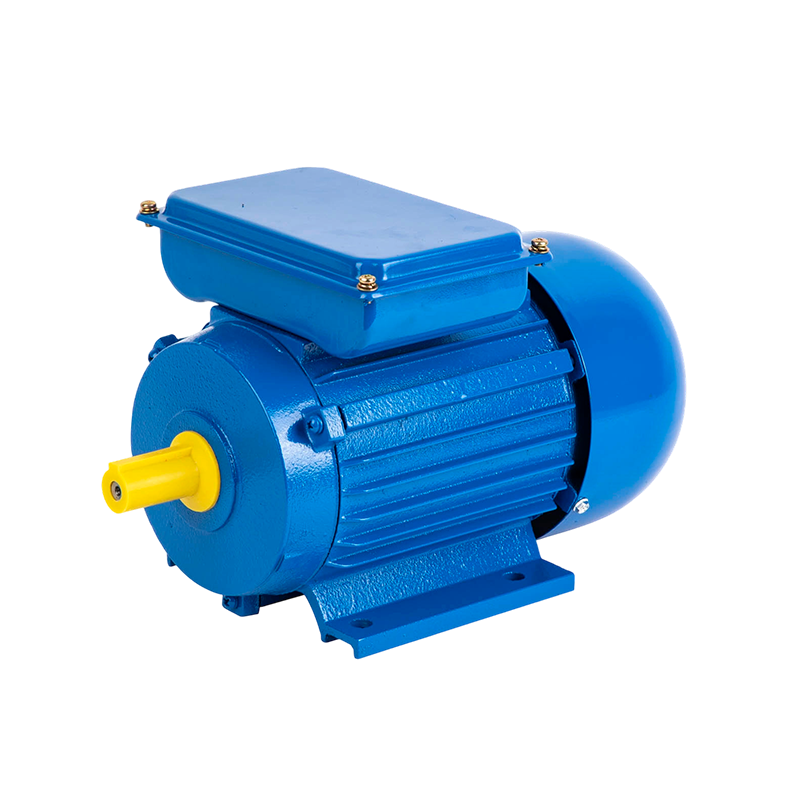
An Aluminum Frame Motor placed in such surroundings does not only deal with internal heat from electrical operation. External temperature around the housing can already be elevated before the motor even starts running. Once operation begins, internal heat generation joins the surrounding temperature, and both gradually influence each other.
In everyday use, the effect is not always sudden. A motor may still run normally during early operation cycles, even when temperature conditions are not ideal. Over time, however, repeated exposure slowly changes how components behave, especially when cooling conditions are not consistent.
In real industrial settings, one of the common issues is uneven airflow. Some areas around the motor may receive fresh air movement, while other sides remain relatively still. That uneven cooling creates small temperature differences across the housing, which gradually affects internal balance.
What Makes Aluminum Frame Motor Behavior Different Under Real Heat Conditions
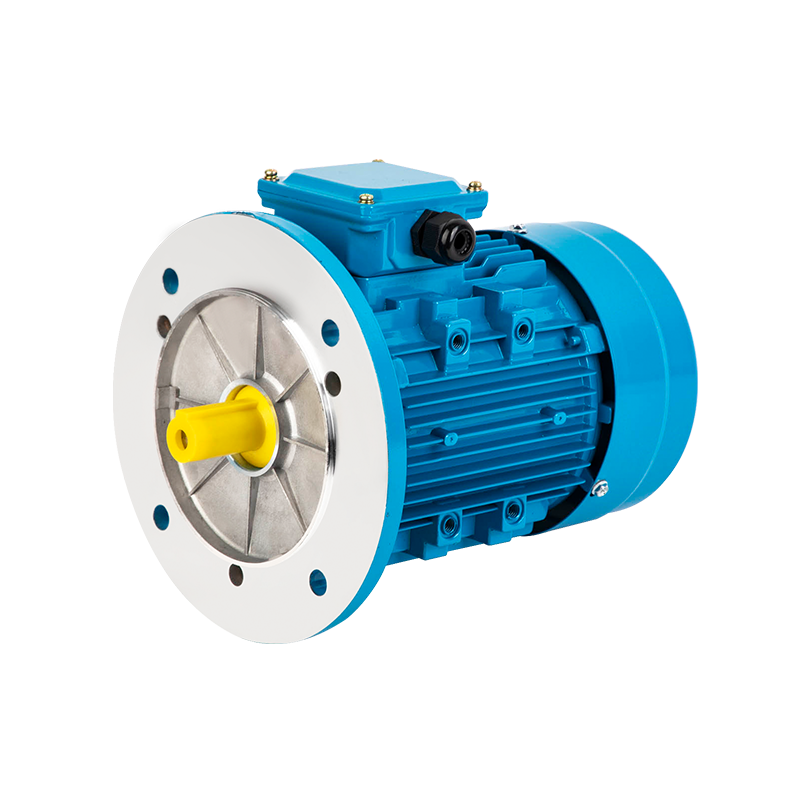
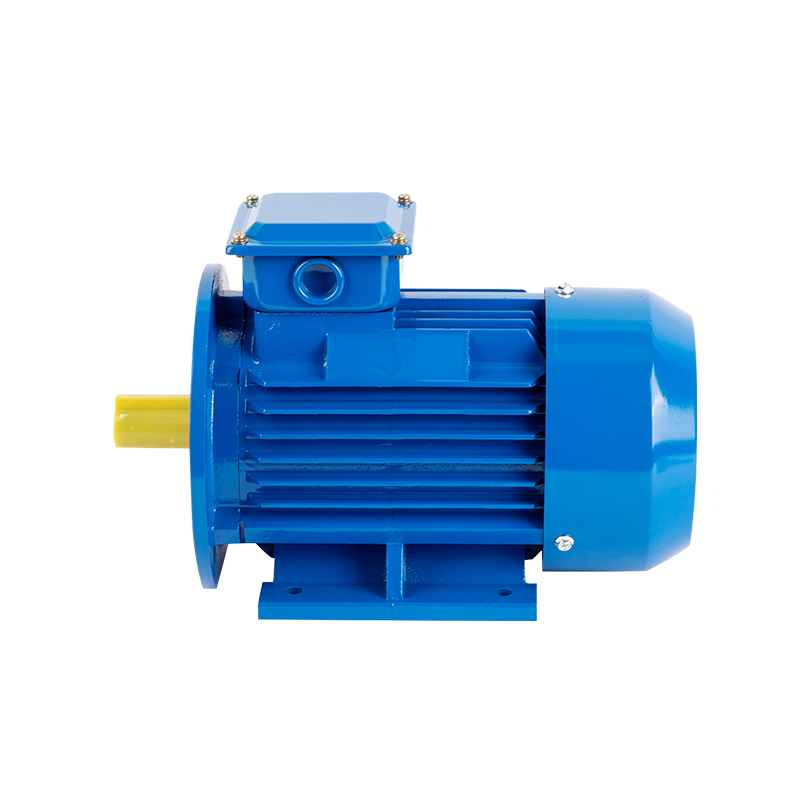
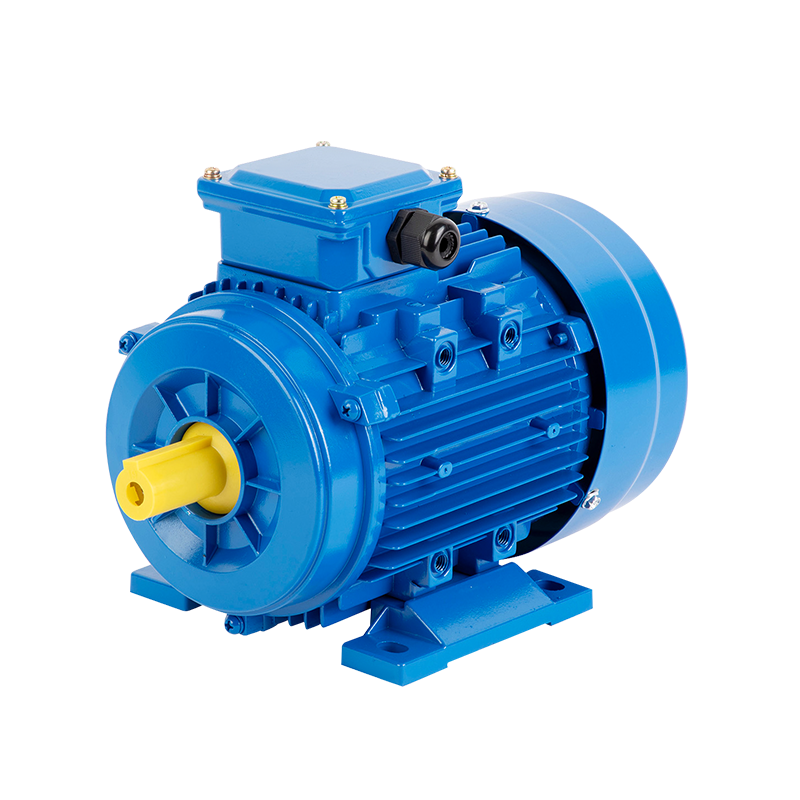
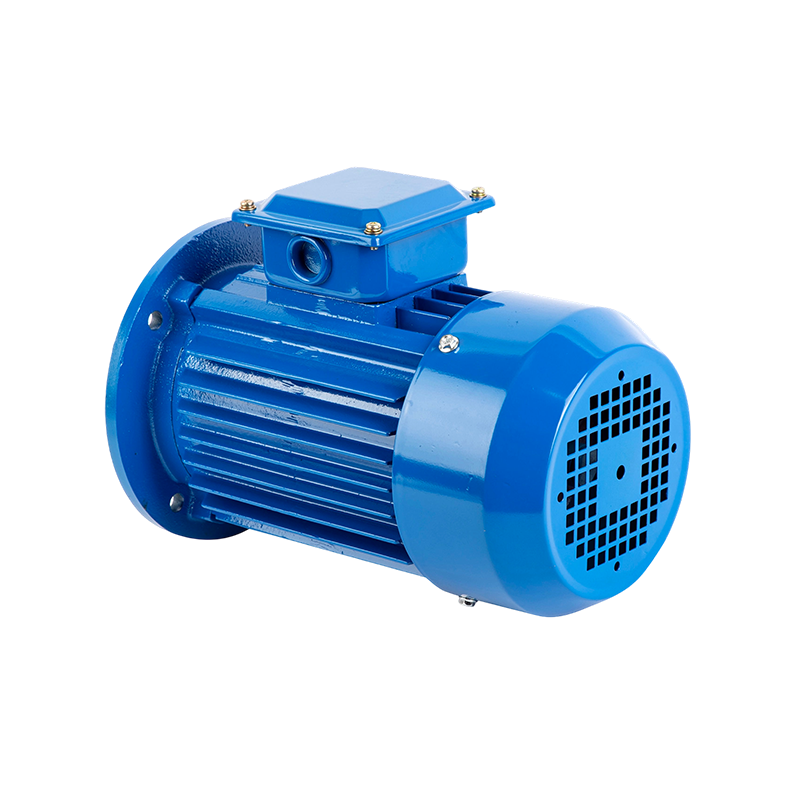
When heat begins to build up during operation, the frame material plays a practical role in how the motor responds. Aluminum behaves differently from heavier and more heat-retaining materials because it allows thermal energy to spread outward more quickly.
In daily industrial use, this means the outer surface of an Aluminum Frame Motor can act like a transition zone where internal heat moves outward and disperses into surrounding air. Instead of keeping heat concentrated inside, energy gradually shifts toward the surface.
A simple way to observe this effect in real environments is through touch-based comparison during shutdown periods. After continuous operation, some motor housings retain warmth for longer periods, while aluminum-based frames tend to release heat more evenly across the surface.
Another practical factor is weight. In real installation work, lighter frame structures make positioning easier in elevated or tight spaces. That does not directly affect heat, yet installation position often determines airflow exposure, which indirectly influences cooling behavior.
Common practical advantages seen in field use include:
- Faster surface heat release during idle periods
- More even temperature distribution across housing
- Easier placement in ventilation-restricted areas
- Stable structural support during temperature variation
These characteristics do not eliminate heat challenges, yet they help reduce uneven thermal buildup during long operating hours.
How Heat Moves Through An Aluminum Frame Motor During Daily Operation
Inside a working motor, heat does not stay in one place. It moves step by step from internal components outward, and each stage affects performance in a different way.
During normal operation, electrical windings generate heat as current flows through them. At the same time, mechanical movement inside bearings also contributes small amounts of thermal energy. These internal sources combine and gradually raise the internal temperature.
Once heat reaches the motor housing, the Aluminum Frame Motor begins to distribute that energy across the outer surface. Aluminum's conductive nature allows this transfer to happen in a more even pattern, reducing localized heat spots.
In real industrial conditions, this process is not constant. It changes depending on workload. For example, when a conveyor system starts repeatedly with heavy load variations, heat production increases in short cycles. During steady movement, thermal behavior becomes more balanced.
A practical observation in workshops is that motors placed near open airflow zones tend to stabilize faster after load changes. In contrast, motors installed near walls or enclosed structures may retain heat longer due to restricted air movement.
Heat movement in daily operation can be viewed in stages:
- Internal heat formation during load activity
- Transfer from winding area toward frame
- Distribution across aluminum surface
- Release into surrounding air
- Cooling during reduced load periods
Each stage depends not only on motor design, but also on how the surrounding environment allows air to move.
| Stage | Thermal Behavior | Operational Effect |
|---|---|---|
| Start-up | Rapid internal heat formation | Stabilization phase |
| Continuous run | Heat transfer toward frame | Steady operation |
| High load periods | Increased internal heat | Higher cooling demand |
| Cooling phase | Gradual heat release | Return to balance |
How Airflow In Real Installations Changes Cooling Performance
Airflow is often underestimated in everyday equipment layout, yet it has a direct influence on how an Aluminum Frame Motor performs in warm environments.
In real workshops, equipment is not always spaced evenly. Machines are often placed close together due to layout limitations. In such conditions, airflow paths can become partially blocked, reducing the natural cooling effect that would normally occur in open space.
When air moves freely around the motor, heat carried from the aluminum surface disperses more quickly. When airflow is restricted, heat may remain close to the housing longer, gradually increasing surrounding temperature.
Practical installation conditions that influence airflow include:
- Distance between motor and surrounding machines
- Presence of walls or enclosed panels nearby
- Direction of general air movement in the workspace
- Height and mounting position of the motor
A useful field observation is that even small changes in positioning can alter cooling behavior. Shifting a motor slightly into a more open air path can improve temperature stability during long operation cycles without changing the motor itself.
Inside a running motor, not all components respond to heat in the same way. Some parts react quickly, while others change gradually over time.
Windings are usually among the earliest areas affected because they are directly involved in electrical activity. As temperature rises, their behavior becomes more sensitive to continuous load changes.
Bearings respond differently. Instead of reacting immediately, they show gradual changes influenced by both temperature and lubrication conditions. In industrial environments where operation runs for long hours, small changes in bearing movement can appear over time.
Insulation materials around internal components also experience slow thermal stress. In real operation, this is not always visible during short-term use, but becomes more relevant when equipment runs under repeated heating and cooling cycles.
Key internal areas influenced by heat include:
- Electrical winding zones
- Bearing assemblies
- Insulation layers
- Internal connection points
Each area interacts with temperature in its own way, which is why overall motor behavior depends on combined thermal response rather than a single component.
How Can A Custom Electric Motor Be Adjusted For Real Heat Conditions
Workplaces rarely stay at a steady temperature. One corner of a plant may feel cool because air keeps moving, while another area close to running machines stays noticeably warmer. That uneven feeling becomes the normal background for motor operation, so a Custom Electric Motor often needs to match the real spot where it will sit, not a general temperature idea written on paper.
An Aluminum Frame Motor placed near heat sources behaves differently once it runs for long hours. Heat builds inside while electricity flows, then slowly pushes outward through the housing. The frame becomes part of the path that heat follows before reaching the surrounding air.
Adjustment work is usually not complicated in appearance, yet it follows real usage habits. Machines that run without stopping need steady heat movement, since temperature keeps rising over time. Equipment that starts and stops often faces repeated heat cycles, and that pattern needs a different kind of tolerance.
In practical use, adjustments often focus on:
- outer surface shape that allows air to touch more area
- smoother path for internal heat to travel outward
- insulation behavior that matches real workload rhythm
- structure that fits limited or crowded installation space
Heat is treated less like a number and more like a moving condition that changes during the day.
Where Aluminum Frame Motor Is Commonly Used In Heated Work Areas
Many industrial sites share the same feeling once machines start running together. Heat does not stay in one place. It spreads slowly through the room, especially when equipment sits close to each other. In that kind of space, Aluminum Frame Motor units are often used because the frame can release heat in a steady and even way during long operation.
Conveyor systems are a simple example. Items keep moving, motors keep starting and slowing down, and each cycle adds a small amount of heat. Over time, those small changes build into a constant thermal background. The aluminum body helps spread that heat across the surface instead of letting it gather in one point.
Ventilation systems also deal with warm surroundings. Air may already carry heat before reaching the motor, especially inside enclosed rooms where fresh air movement is limited. In that situation, stable heat release becomes part of normal operation.
Processing machines bring another layer. Several units may work side by side, each producing its own heat. The motor then shares the same thermal space with nearby equipment, so temperature is never completely independent.
Typical working environments include:
- conveyor routes across production floors
- air circulation systems inside enclosed rooms
- continuous processing equipment lines
- support machines placed near main production units
Each area brings its own heat pattern, and the motor adjusts quietly to it during daily work.
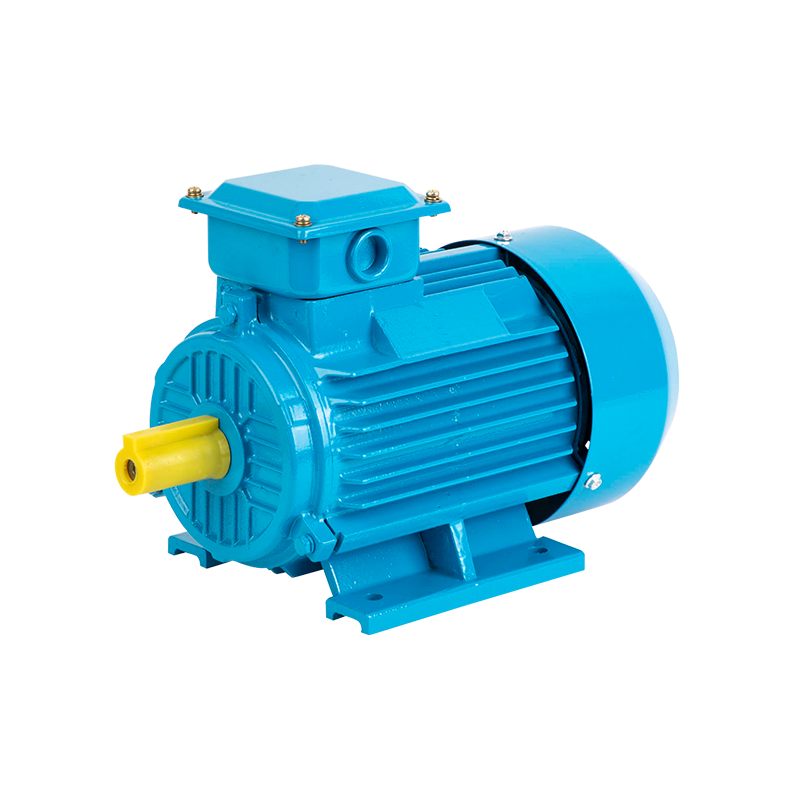
How Maintenance Work Helps Control Temperature Behavior
Heat problems in real use rarely appear suddenly. They usually build slowly, almost unnoticed, until performance begins to feel slightly different. Because of that, maintenance becomes more about watching changes than fixing failures.
Airflow around the motor is one of the things that affects temperature. Dust, oil mist, or small debris can settle on the surface over time. Once that layer forms, heat does not move away as easily, even if the motor still looks clean from a distance.
Surface condition also matters more than it seems. A covered frame releases heat more slowly, which means the motor holds warmth longer after continuous running.
Inside the motor, bearings react to long exposure to temperature changes. Movement may still feel normal, then slowly shift as lubrication behavior changes under repeated heat cycles. Small vibration differences often appear before any clear issue becomes visible.
On-site maintenance usually focuses on simple signs:
- airflow paths that feel blocked or restricted
- surface buildup that traps heat
- slight vibration changes during operation
- changes in sound during load shifts
Many technicians rely on touch and listening rather than instruments alone, since thermal imbalance often shows itself in small physical differences before anything becomes serious.
What Operating Conditions Affect Heat Stability During Daily Use
Even with stable design and regular care, daily work still shapes temperature behavior more than anything else. An Aluminum Frame Motor reacts to the way it is used, not just how it is built.
Load changes are one of the main reasons temperature shifts during the day. Machines rarely run at one fixed level. They speed up, slow down, stop, then restart again. Each change brings a new heat pattern, and those patterns stack over time.
Position inside the workspace also changes cooling behavior. Motors placed where air moves freely cool down faster. Motors sitting between machines or near walls hold heat longer, even if operation stays the same.
Working duration also plays a role. Long continuous running allows temperature to settle into a steady level. Frequent stopping and restarting creates repeated heating cycles that never fully stabilize.
Common influences include:
- changing load during operation cycles
- airflow strength around installation point
- long or interrupted running patterns
- heat coming from nearby machines
Temperature behavior becomes a result of all these small conditions working together during the day.
What Should Be Considered When Choosing A Motor For Heat Exposure
Choosing a motor for warm environments is not only about technical ability. It is more about how well it matches the real space where it will operate for long periods.
The surrounding heat level sets the basic condition. Some areas stay fairly stable, while others remain warm throughout the day because multiple machines run nearby.
Air movement makes a clear difference. Open spaces help heat leave the motor surface quickly. Tight or enclosed areas slow that process down, so heat stays longer around the housing.
Access for maintenance also matters. Some installations are easy to reach, others require more effort. In harder locations, stable thermal behavior becomes more important since frequent inspection is not practical.
Key points usually considered:
- actual temperature of working area
- how air moves around equipment
- how often load changes during use
- ease of reaching the motor for checks
- heat influence from surrounding machines
In real industrial use, performance is not decided by a single feature. It depends on how naturally the motor fits into the heat pattern of the place where it works every day.


